Nairobi National Park is worth a half day with children, and a full day is too much. The gate is about 7 km from the city centre, so you can have lions, giraffe and rhino in view by mid-morning and be back at the hotel for lunch and a rest. This guide is built around that rhythm: one early drive, one proper break, one small second activity, and a plan B for when everyone is flat. It suits children of about five and up, with notes on stamina for each stop.
Getting to Nairobi National Park
The main gate is on the southern edge of the city, and the drive from most central hotels is usually 30 to 60 minutes. Traffic is the variable. Leave before 6:30 am if you want to be inside at opening, because the morning rush can double the journey.

You have three realistic options:
- Book a guided half-day with a driver. The simplest choice with children, since someone else handles the gate paperwork and the navigation. Look for a pop-up roof vehicle and confirm a window seat for each child.
- Taxi or ride-hailing to the gate, then hire a vehicle inside. Workable, but you can be left waiting for a ride out. Arrange the return in advance.
- Self-drive. Possible, but a high-clearance car and a spotter in the back seat help. I would not choose this for a first visit.
From Jomo Kenyatta International Airport the park is roughly 20 to 40 minutes away without traffic. If you land in the morning, do not go straight there. Sleep first.
What it is like in the park
The park covers about 117 square kilometres and sits between roughly 1,530 and 1,760 metres above sea level. It is fenced on three sides; the open southern boundary lets animals move to and from the Kitengela plains. Inside, you find open grassland, acacia, forest patches and river valleys, with the city skyline visible on the northern horizon.
Roads are mostly dirt tracks, bumpy in the wet season and dusty in the dry. Plan on three to four hours of driving at walking pace, which is long for a six-year-old. Facilities are basic. Expect picnic sites, simple toilets and not much else, so carry water, snacks and wipes. Weekends and school holidays are busier, with more vehicles at each sighting.
Stamina note: children under seven usually manage about two hours in the vehicle before they start asking when it ends. Break the drive into two parts with a stop in the middle.
Best time to visit Nairobi National Park
The dry months, roughly June to October and January to February, are easiest. Grass is shorter, tracks are firmer and herbivores gather near water, which makes animals easier to find. The long rains, around March to May, and the shorter rains in November turn some tracks to mud, and the grass grows tall enough to hide animals.
Whatever the month, go early. Mornings are cooler at this altitude, animals are more active, and a child who has slept well handles the 90 minutes after the gate much better than one who has not. Pack a light fleece for the first hour; Nairobi can be chilly at dawn, and in June and July evenings can fall to about 9 °C.
What to do and see in Nairobi National Park
Ten stops, in the order I would use them. You will not do all ten. Pick four or five.
1. Early game drive on the main loop
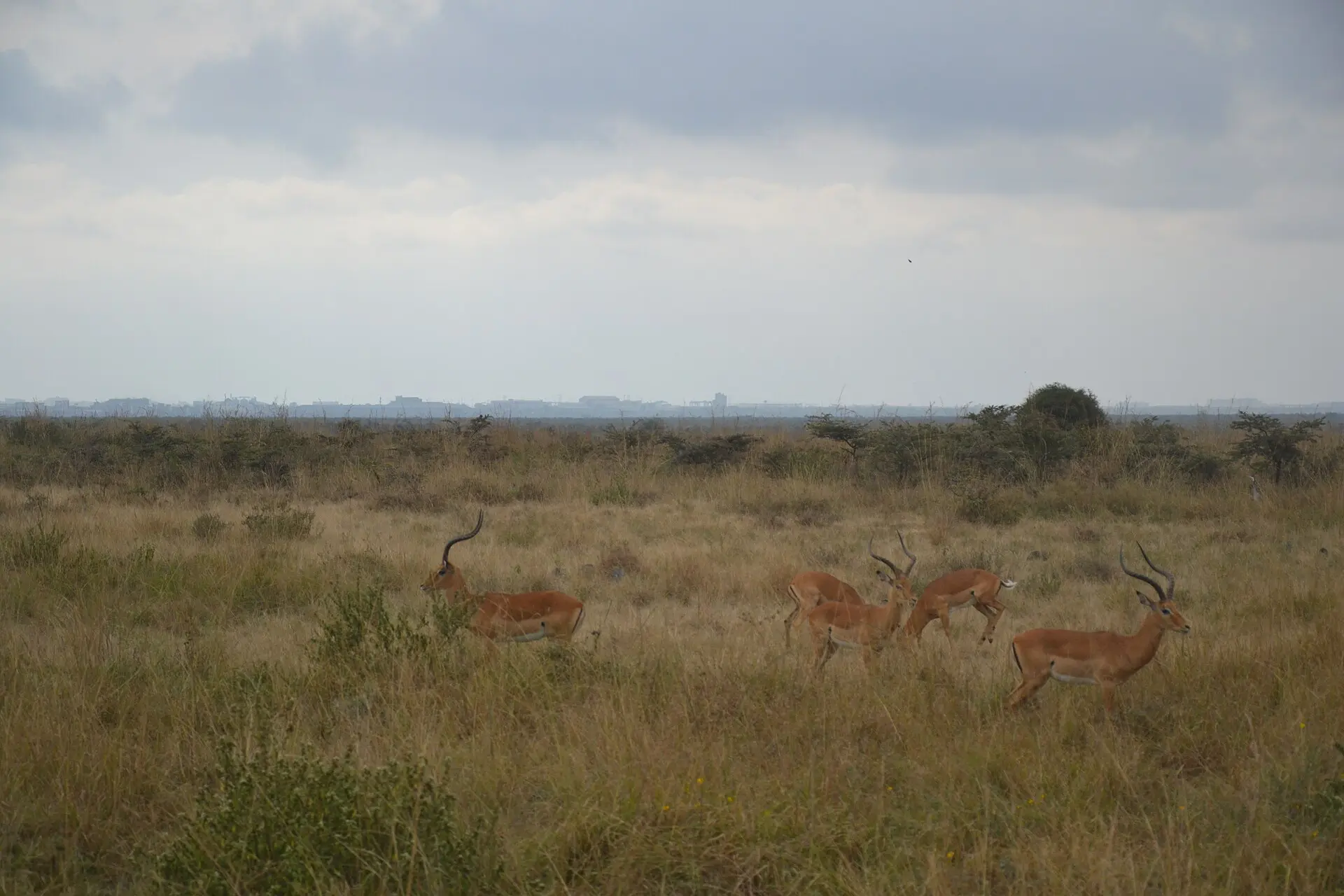
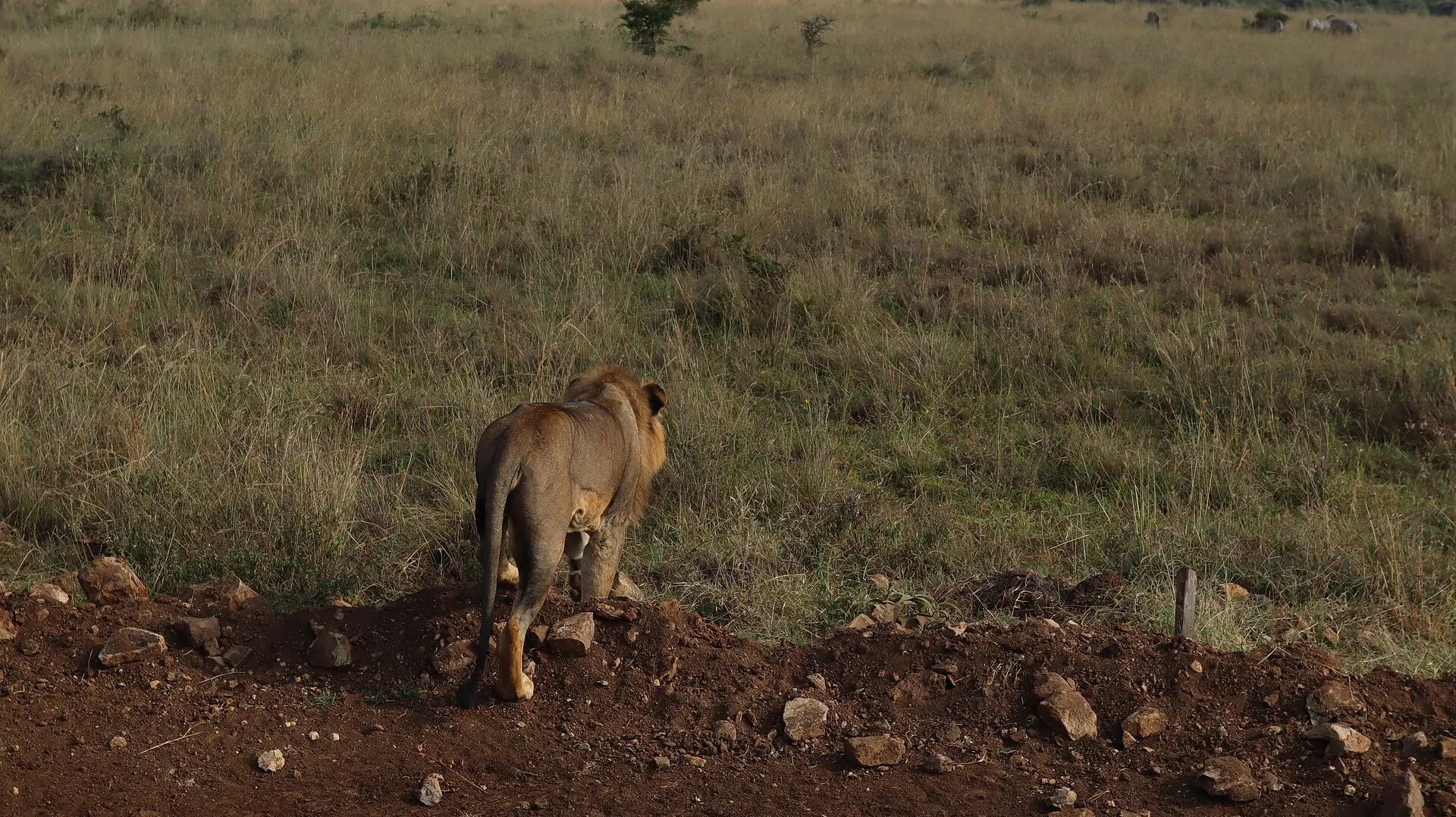
Start at opening with the quietest hour. Giraffe, zebra, impala and wildebeest are common, and lions turn up often enough to give it a decent chance. Tell children the goal is “spot five different animals”, not “see a lion”, so nobody is let down.
2. The rhino count
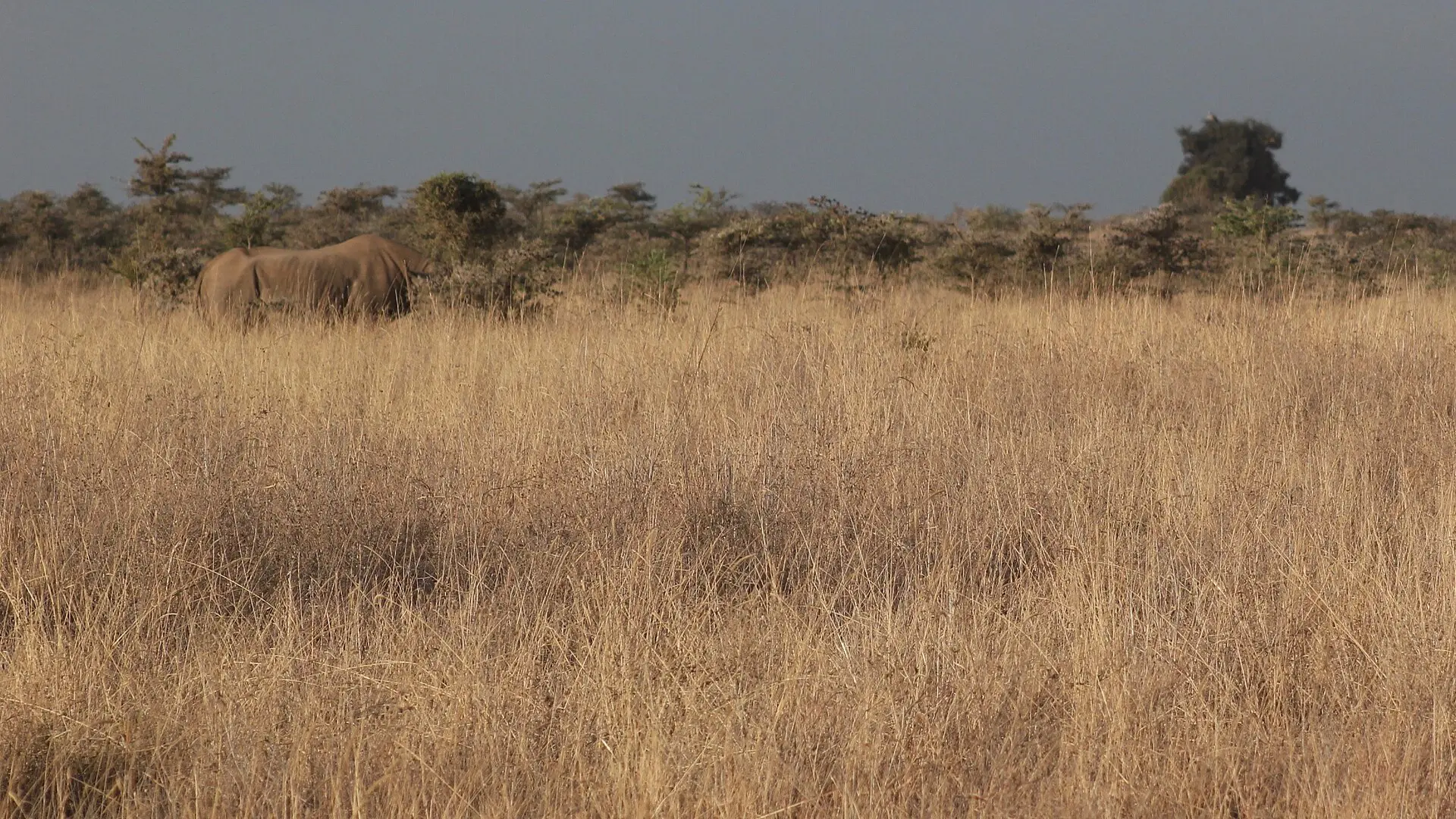
The park is one of Kenya’s most successful rhino sanctuaries. Seeing black rhino is never guaranteed, but guides know where to look. A pair of binoculars for each child makes the waiting part of the game.
3. Picnic and rest at a designated site
This is the anchor of the plan. Stop around 9:30 or 10 for a proper snack, toilets and ten minutes on foot. Stay inside the marked area and follow the rangers’ instructions about where it is safe to get out.
4. Hippo pools
At the pools you can leave the vehicle in a marked area, usually with a ranger nearby, and look at hippos and crocodiles from a safe distance. It is short, it is varied, and it is good for restless legs. Keep younger children firmly by the hand.
5. The skyline view
Zebra and giraffe in the foreground with tall buildings behind them is the picture most families want. Pick a spot where the road opens up and stop for two minutes. No need for more.
6. Ivory Burning Site Monument
In 1989 President Moi burned twelve tons of ivory here, a moment that changed Kenya’s conservation story. It is a short stop and a simple way to explain to older children why the park matters.
7. Safari Walk
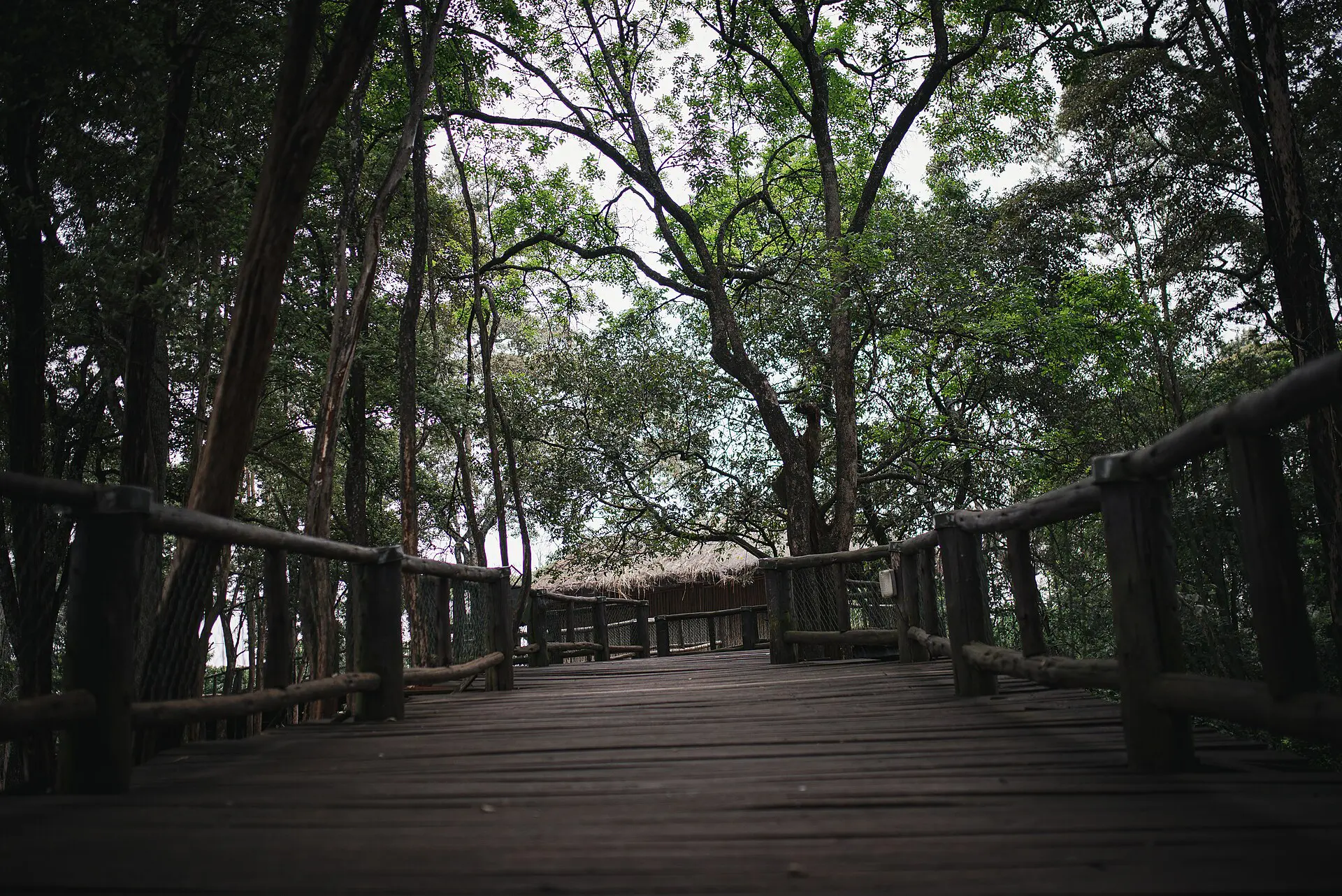
A raised boardwalk near the main gate gives a gentle walk past wildlife in enclosures. It suits children from about four, has shade and is a useful backup if the main drive goes badly. Check current opening times.
8. Animal Orphanage
Next to the main gate, this small facility looks after animals that cannot live in the wild. It takes under an hour and works as a low-demand ending when energy has run out.
9. Birdwatching from the vehicle
The park has a long bird list. Ask the driver to slow for ostrich, crowned cranes and secretary birds. Give each child a tick list of five birds.
10. Late-afternoon return, if you are not tired
Animals are active again at the end of the day, and the light is lower. But the park closes around dusk and the city traffic rises in the evening. With children under eight, I would skip this and keep the half-day format.
Safety, rules and practical tips
- Stay in the vehicle except at marked picnic and viewing areas.
- Never feed or call to animals, and keep voices low at sightings.
- Bring water, sun hats, sunscreen and snacks. The altitude means strong sun even on cool mornings.
- Carry a small first-aid kit, hand wipes and any regular medication for each child.
- Take your passports or copies if the gate asks for ID.
- Check current malaria advice before you travel; Nairobi sits high, but advice depends on where else you are going.
- Keep phones and cameras out of sight when driving through the city to and from the park.
For city safety in general, see the Nairobi travel guide on Wikivoyage.
Nearby alternatives
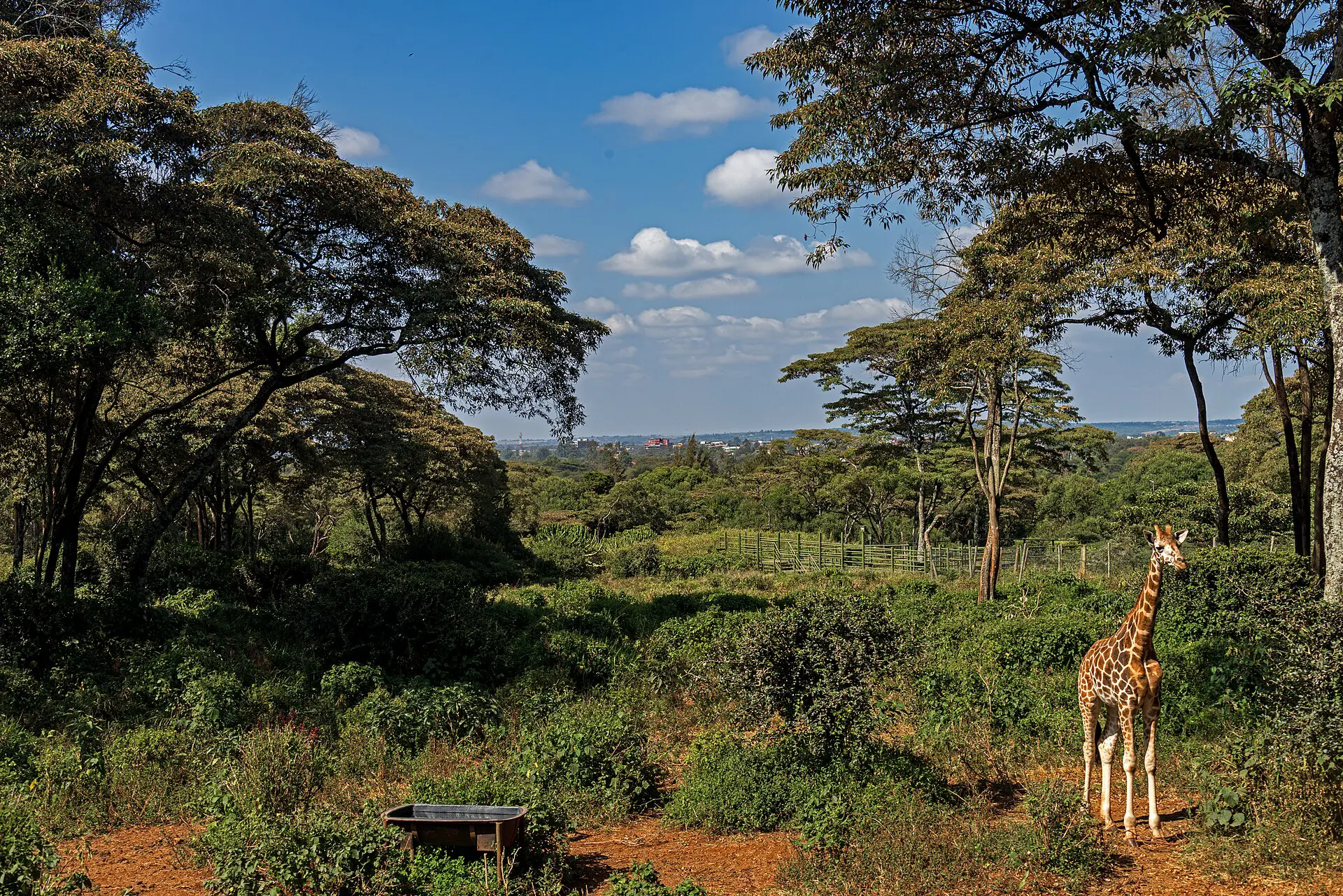
If the park is closed or children are not up for it, there are other ways to meet animals near Nairobi. The Giraffe Centre and the elephant orphan viewing hour at the Sheldrick Trust, both in Karen, are small, scheduled and easy for short attention spans. For a larger trip, the Maasai Mara is a full day’s drive each way or a short flight, and needs at least two nights. For background on the park itself, see Nairobi National Park on Wikipedia.
Costs at Nairobi National Park
Park entry is charged in US dollars for non-residents, with lower rates for children, and the figures change. As a rough guide, budget around US$50 to $60 per adult and much less per child, plus a vehicle fee. A guided half day with a driver typically runs in the low hundreds of dollars for a family, depending on the vehicle and what is included. Taxi rates to the gate are modest by Western standards.
Check current rates with the Kenya Wildlife Service before you go, and confirm whether payment is by card or mobile money, since cash is not always accepted.
Nairobi National Park FAQ
How long should we spend at Nairobi National Park?
Half a day is enough: about three hours inside, plus a rest stop. With children under seven, two and a half hours is a sensible cap. Add the Giraffe Centre or the Safari Walk if you still have energy.
Is Nairobi National Park safe for children?
Yes, with normal safari rules. Stay in the vehicle outside marked areas, keep hands inside, and choose a driver who knows the park. Most of the risk is the road in and out, not the animals.
Will we really see lions and rhinos?
Often, but not always. Giraffe, zebra and antelope are almost certain. Lions and black rhino are seen on many drives but depend on luck and time of day. Frame the visit as a search, not a promise, and an early start with an experienced driver improves the odds.
What should children bring?
A hat, a light jacket, a water bottle, snacks that do not melt, wipes and a small pair of binoculars. A simple animal checklist keeps the quiet stretches interesting. Add a spare top for chilly early mornings and a small bag for rubbish, so snack wrappers stay with you rather than on the track.
What is the plan if someone is tired or it rains?
Switch to the Safari Walk or the Animal Orphanage near the main gate, which are short and partly covered. Or go back to the hotel and book the Giraffe Centre for the next morning. A rest, a proper lunch and a swim often reset a tired child better than pushing on with the drive.