The best museums in Barcelona are the Picasso Museum in the Born, the National Art Museum of Catalonia (MNAC) and the Fundació Joan Miró on Montjuïc, and MACBA in the Raval for contemporary art. Two days covers all four with a market and a walk in between. If you only have one day, take the Picasso Museum in the morning and MNAC in the afternoon. Free hours help the budget but not the schedule, so read the table below first.
How to use your days in Barcelona
Barcelona’s museums cluster in three places: the old city (Born and Raval), the Montjuïc hill, and the Gràcia and Eixample grid. Treat each cluster as one block and do not zigzag. The method is anchor plus street: a museum in the morning, then a market or a lunch street, then a second stop that suits the afternoon light and your legs.
Monday is the usual closing day for municipal and national museums, and many have shorter hours on Sundays. Mornings are the quiet hours, and late afternoon works for the smaller sites. The Barcelona guide covers the city beyond museums, and the Spain travel guide sets the country context.
Time-blocked plan for the museums in Barcelona
Six blocks over three days, with the first four as the efficient two-day version. Hours and closing days change by season, so check each museum’s official page before you commit.
1. Day 1 morning: the Picasso Museum and the Born
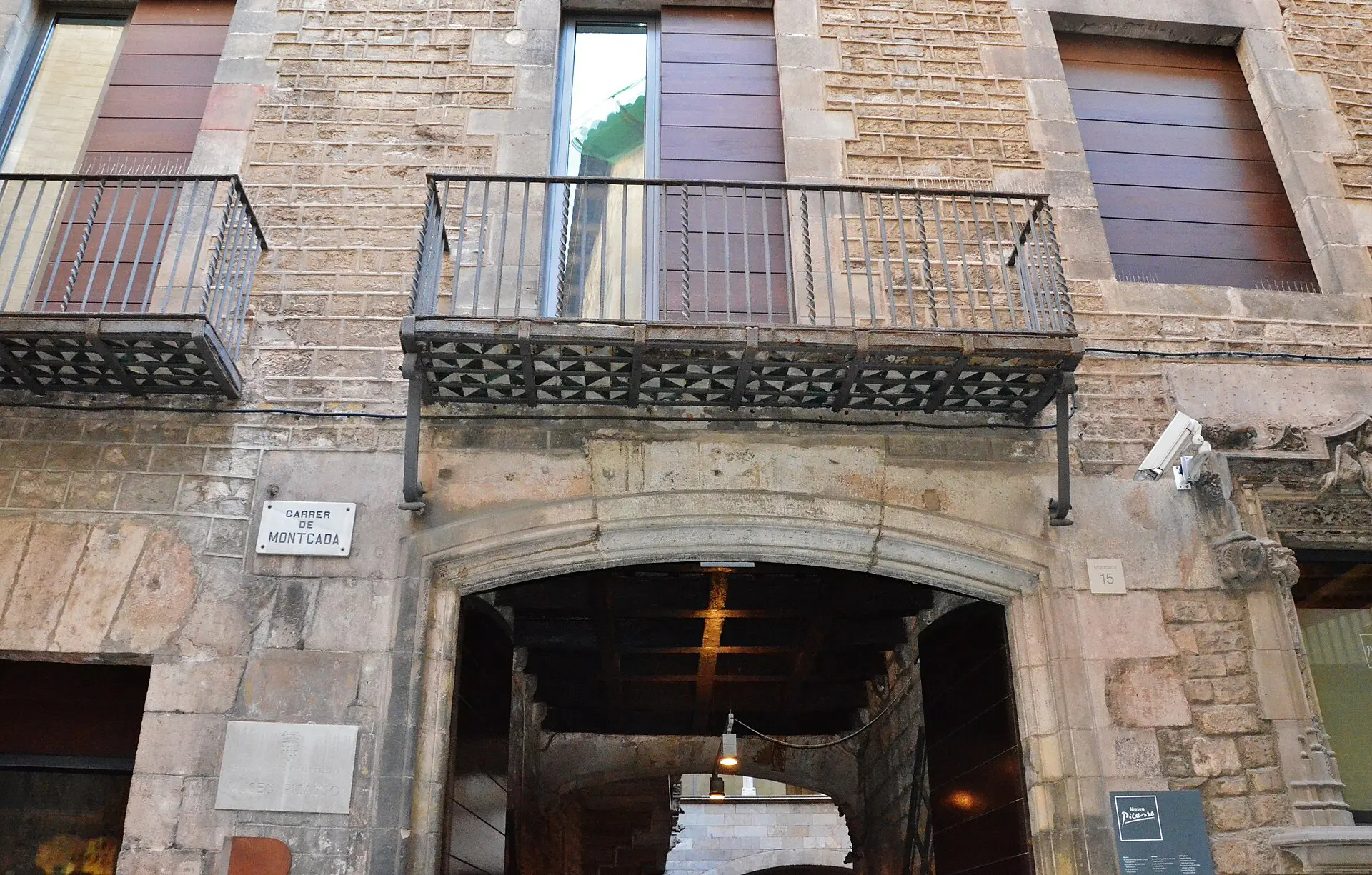
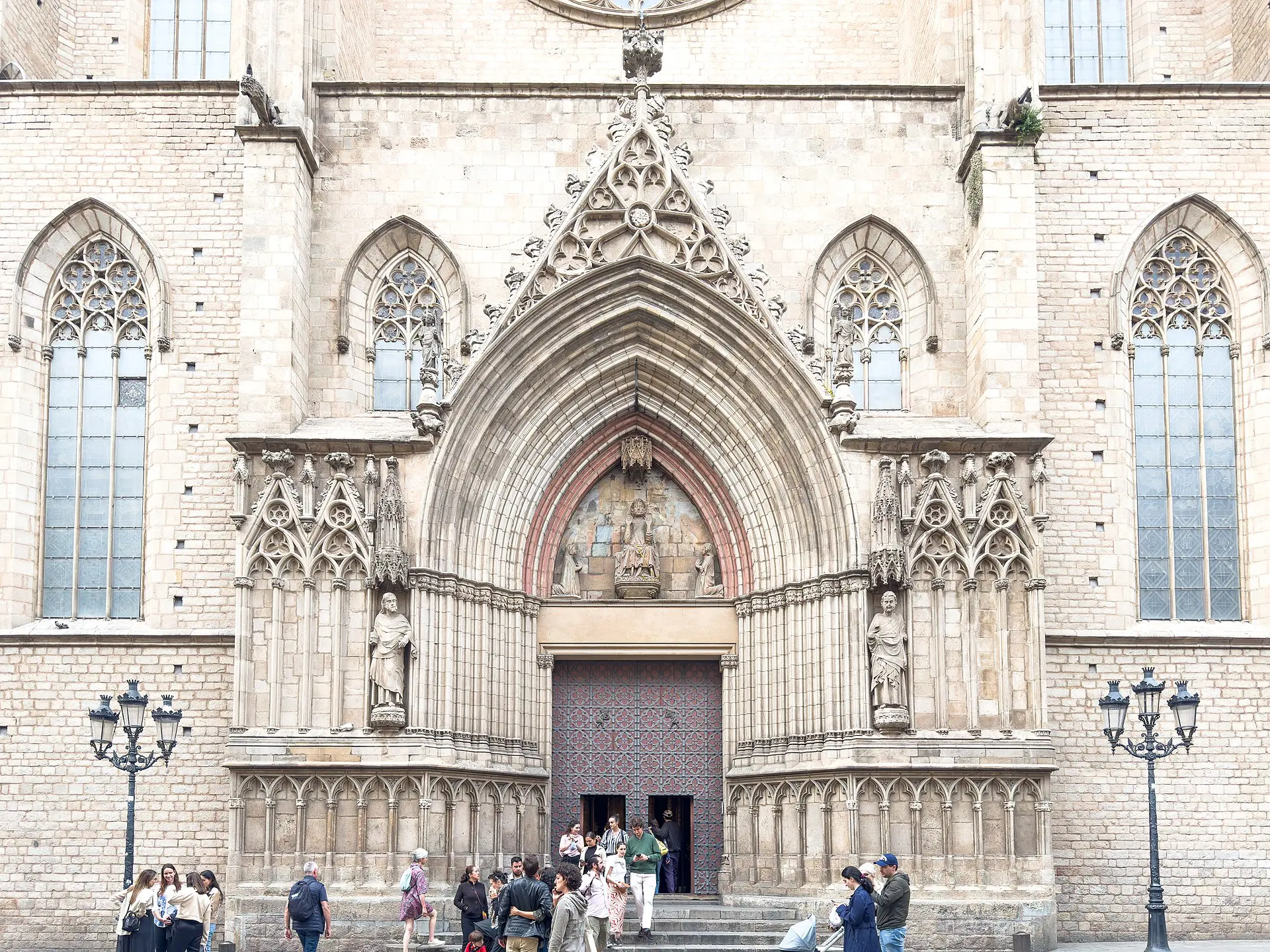
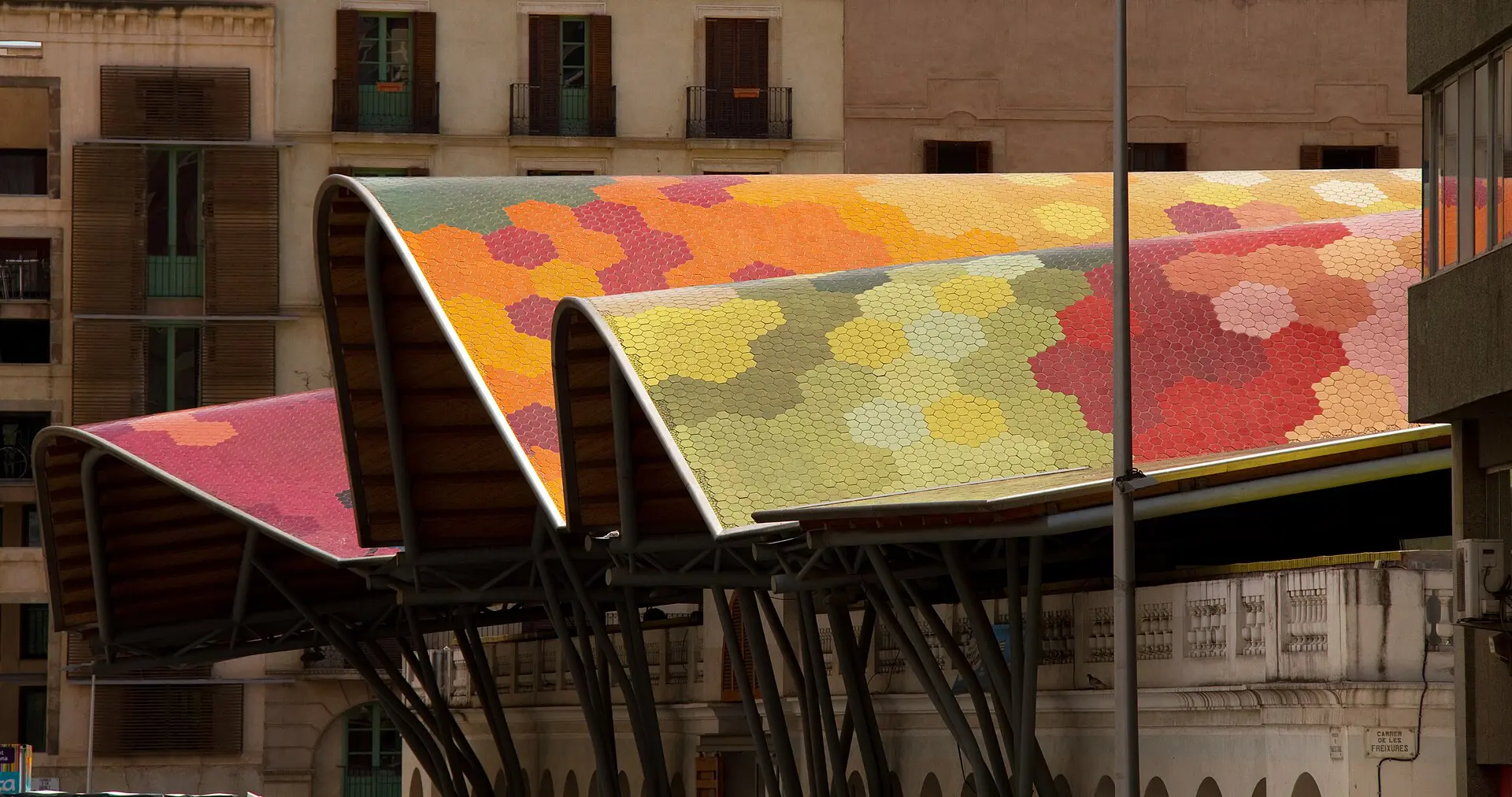
The museum occupies a row of medieval palaces on Carrer de Montcada and traces Picasso’s early development, including his student years in Barcelona. It is best at opening, because the narrow rooms get crowded fast. Allow 90 minutes, and book a timed ticket in advance. Afterwards, walk to Santa Maria del Mar, then to the Mercat de Santa Caterina for lunch, which is calmer than the Boqueria.
2. Day 1 afternoon: MACBA, CCCB and the Raval
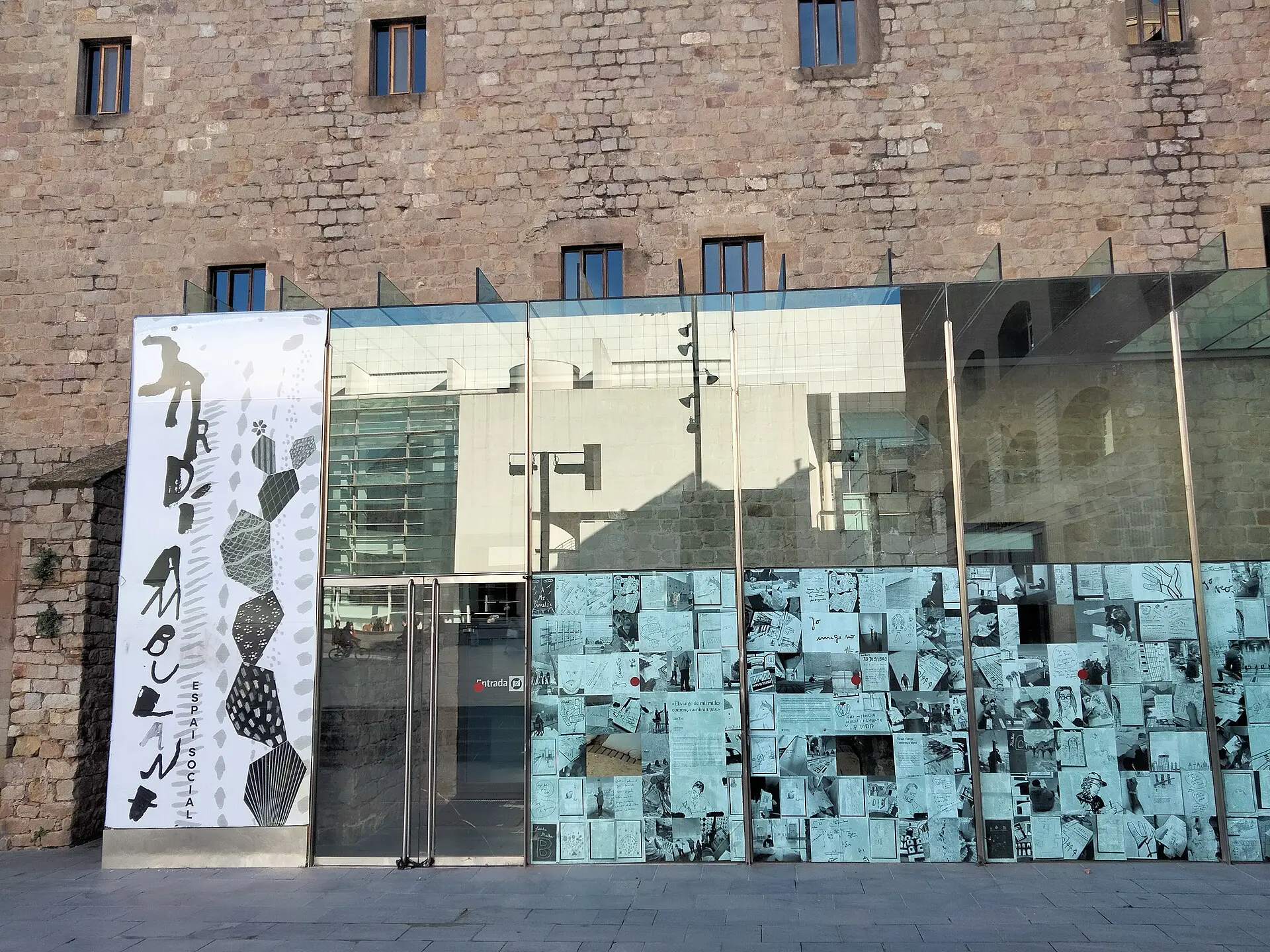
MACBA is a bright white contemporary art museum on a plaza that doubles as a skateboarders’ meeting point. Next door, the CCCB runs cultural exhibitions in a restored building. Both sit in the Raval, which is lively and mixed. Choose one for depth, since the two together can run long. MACBA has historically closed on Tuesdays instead of Mondays, so confirm the day.
3. Day 2 morning: MNAC on Montjuïc
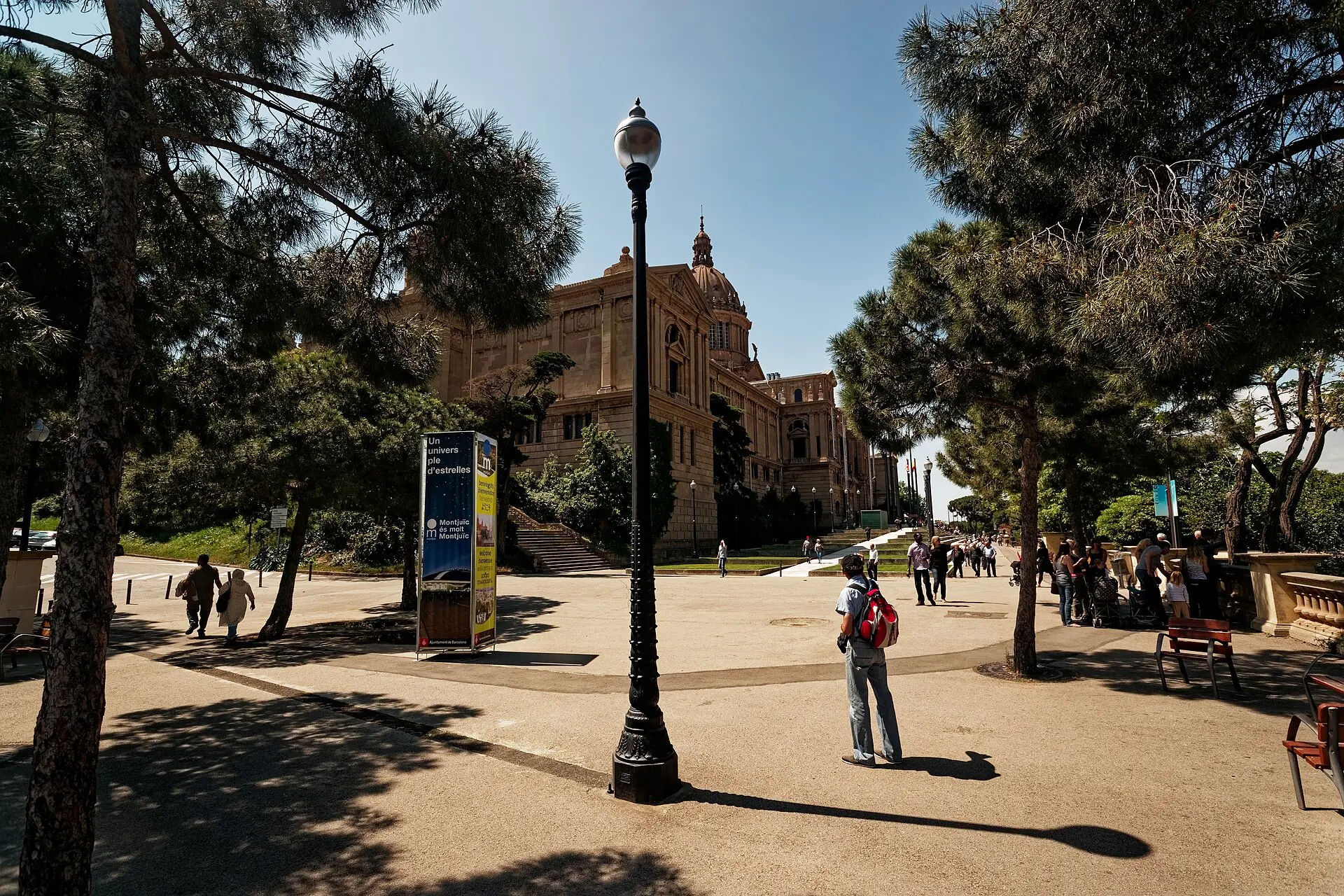
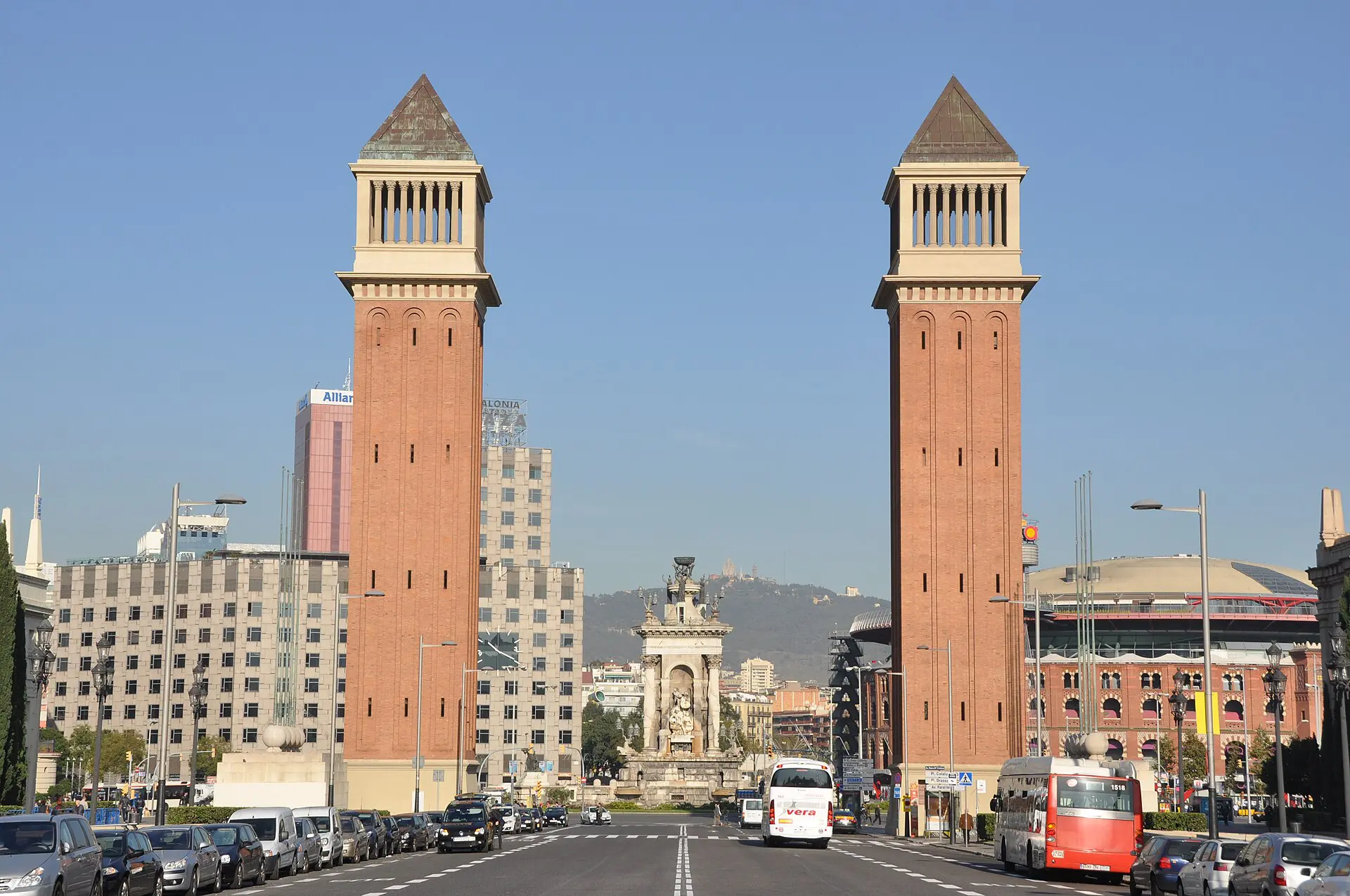
The Palau Nacional holds the Romanesque church frescoes from the Catalan Pyrenees, which are the highlight and the reason to come. Go at opening, see the Romanesque rooms first, then move forward in time. Allow two hours. The climb from Plaça d’Espanya is long, but escalators help. The terrace outside has one of the best free city views, and it is worth five minutes before you head back down, especially in the softer late-afternoon light.
4. Day 2 afternoon: Fundació Joan Miró
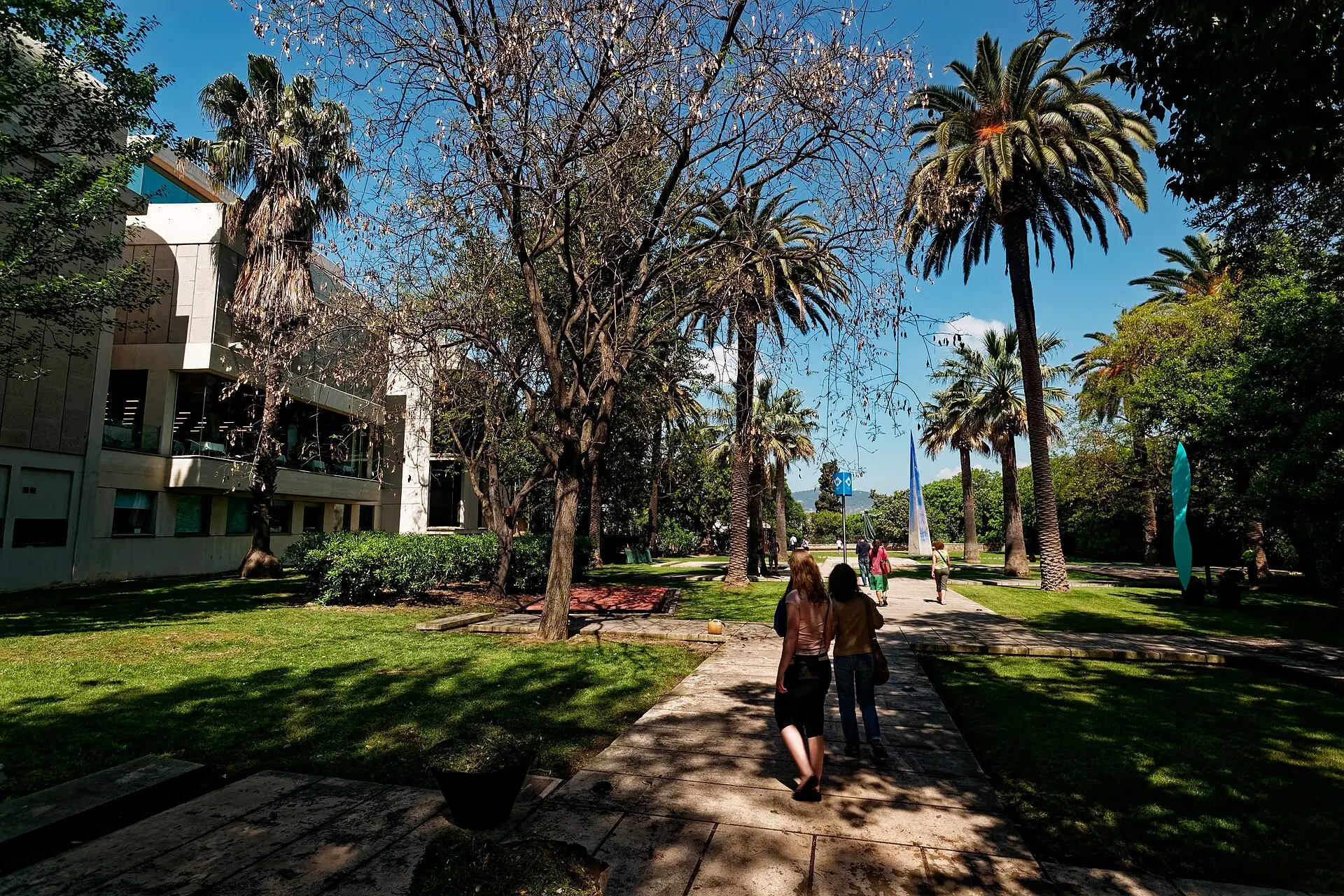
The Miró foundation is a short walk or bus ride along the hillside from MNAC, in a white modernist building with a rooftop terrace. It focuses on one artist’s range, from paintings to sculpture, so 75 minutes is enough. Check opening days before you walk over, since the foundation’s hours differ from the national museum’s. Take the Montjuïc cable car or a bus back if you are tired.
5. Day 3 morning: the Museu Marítim or the MUHBA
For something less art-heavy, the Maritime Museum is housed in the medieval shipyards near the waterfront. The MUHBA, the city history museum, includes Roman remains beneath Plaça del Rei. Both are efficient indoor blocks of around 90 minutes. Pair either with a walk through the Gothic Quarter, preferably before 10am, when the lanes are quiet.
6. Day 3 afternoon: Sagrada Família or Casa Batlló, booked ahead
These are architecture, not museums, but they rank among the city’s top paid sights. Both use timed entry that sells out in high season, so book at least several days ahead. Allow 90 minutes each. I would choose one and spend the rest of the afternoon outside, since the interiors are intense. Check each site’s current rules and ticket types.
Barcelona museum free hours and closing days
Free entry rules shift, and some slots need advance booking. The table shows the typical pattern as of 2026 and should be checked against each museum’s own page.
| Museum | Typical free slot | Usual closing day |
|---|---|---|
| Picasso Museum | Thursday evening and first Sunday of the month | Monday |
| MNAC | Saturday afternoon and first Sunday | Monday |
| Fundació Joan Miró | Sunday afternoon, subject to current rules | Monday |
| MACBA | Saturday afternoon, subject to current rules | Tuesday |
| MUHBA and Museu Marítim | Sunday afternoon and first Sunday | Monday |
Free slots draw the longest queues, so I would book the priority museum at a paid, timed slot and save the free hours for a lower-priority stop.
Opening patterns in Barcelona
Most museums open at 10am and close between 6pm and 8pm, with shorter hours on Sundays and last entry about 30 minutes before closing. August is quiet for locals but not for visitors, and some smaller sites reduce hours around public holidays such as 1 January, 25 December and the Catalan national day on 11 September. If a museum is your fixed point, check its calendar for the specific date, not only the weekday.
Queue avoidance for museums in Barcelona
- Buy timed tickets online for the Picasso Museum, Sagrada Família and Casa Batlló, ideally days ahead.
- Arrive at opening for the Picasso Museum and MNAC.
- Use the Boqueria market only before 10am, or switch to Santa Caterina or Sant Antoni.
- Avoid cruise-ship days in the old city, which are usually the busiest mid-mornings.
- Look at a multi-museum pass only if you plan to visit several paid museums; check the current terms.
Getting around between Barcelona’s museums
The Metro and buses are fast, and a single multi-trip ticket works across them. The old city is walkable, with 10 to 20 minutes between the Picasso Museum, MACBA and the Gothic Quarter. Montjuïc needs a bus, cable car or the climb from Plaça d’Espanya. Barcelona is compact, so you rarely need a taxi. Watch your phone and bag on the Metro and in crowded old-city lanes, as pickpocketing is a known problem.
Where to stay in Barcelona for the museums
Our guide to where to stay in Barcelona covers the full picture. For museum days:
- Born and Gothic Quarter: closest to the Picasso Museum and the old city. Atmospheric, with night-time noise.
- Raval: central and cheaper, close to MACBA and CCCB, with a rougher edge after dark.
- Eixample: quieter, grid-based, with easy Metro links and architecture on the doorstep.
- Poble-sec: the base for Montjuïc, with good food streets and lower prices.
What to skip if you are short on time in Barcelona
With one day, skip Miró, the maritime and history museums, and any second architecture ticket. The Picasso Museum and MNAC give the strongest return per hour. If you have a spare half-day, consider the Girona day trip from Barcelona in place of a third museum. More general background is on Wikivoyage’s Barcelona page.
FAQ about museums in Barcelona
What are the best museums in Barcelona?
The Picasso Museum, MNAC and the Fundació Joan Miró are the strongest three for most visitors. MACBA is the pick for contemporary art. Choose by interest, and pair each with a market or a district so the day does not become a queue of galleries.
Are museums in Barcelona free?
Several have free hours, often on Sunday afternoons, one evening a week or the first Sunday of the month. Rules change and some slots need booking, so check each museum’s official page. Free slots are the busiest, so do not plan your priority gallery in one.
Which museums in Barcelona are closed on Mondays?
Many municipal and national museums close on Mondays, including the Picasso Museum and MNAC. MACBA has historically closed on Tuesdays instead. Check the official calendar before you fix the order, and use Monday for markets and the Gothic Quarter.
How many days do you need for the museums here?
Two days is enough for the four main museums, with a market and a walk between them. Three days lets you add the history and maritime museums or a booked architecture visit. One day works with the Picasso Museum and MNAC only.