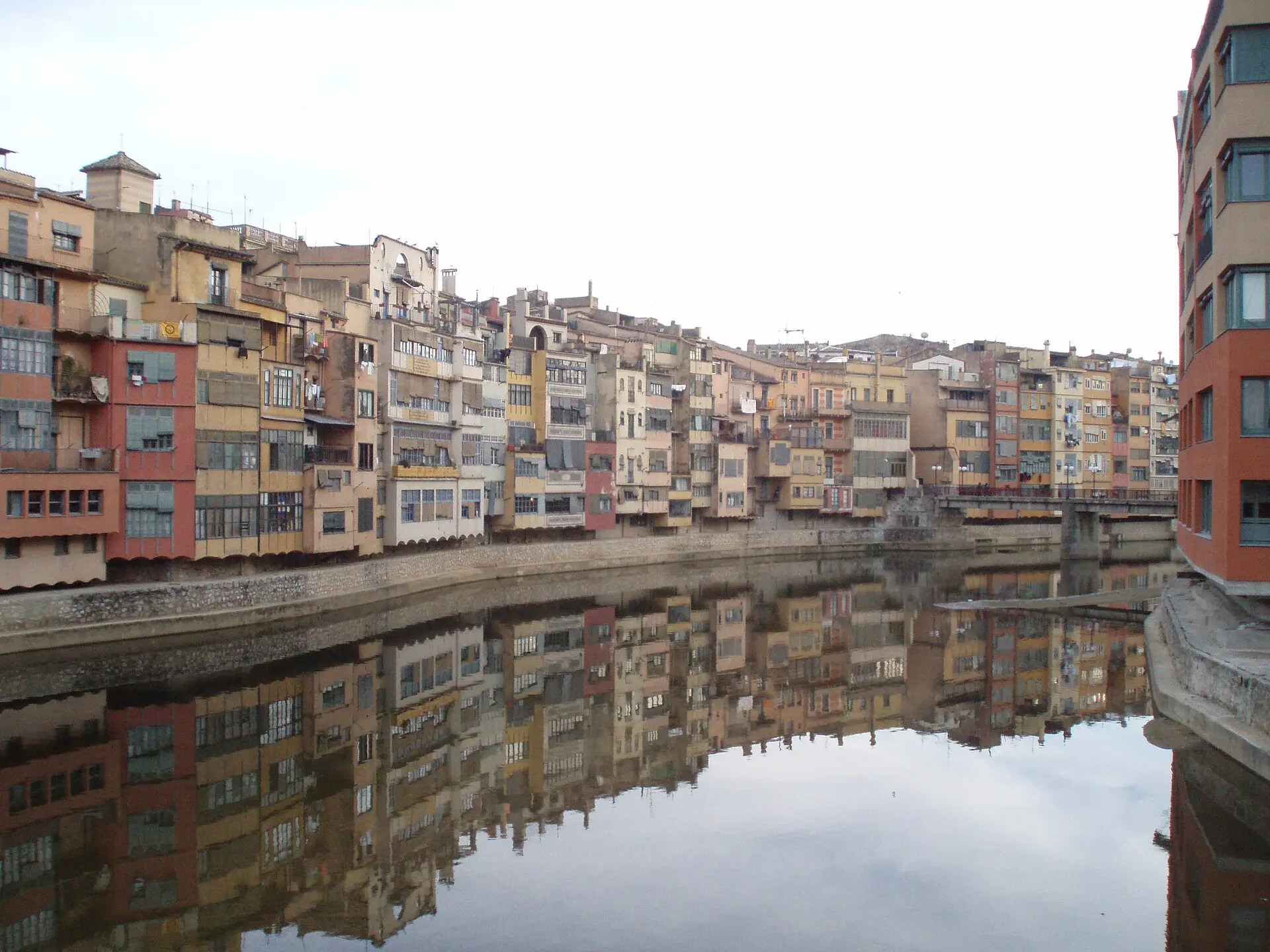
A Girona day trip from Barcelona works because the city is small and the train is fast. The Old Quarter, the cathedral, the Jewish quarter and the medieval walls fit inside one walking loop of about five hours. If you only have half a day, do the cathedral and the walls and skip the rest. Go early, start on the walls while the light is low, and keep the museum for the middle of the day.
Getting to Girona from Barcelona by train
Trains leave from Barcelona Sants. The fast services take about 40 minutes non-stop, while the regional Rodalies R11 takes about 90 minutes and runs roughly hourly. Fast trains cost more and some need a reservation, so check the fare class when you book. As of 2026, regional tickets are the cheaper option, and the extra 50 minutes is the price of the saving.
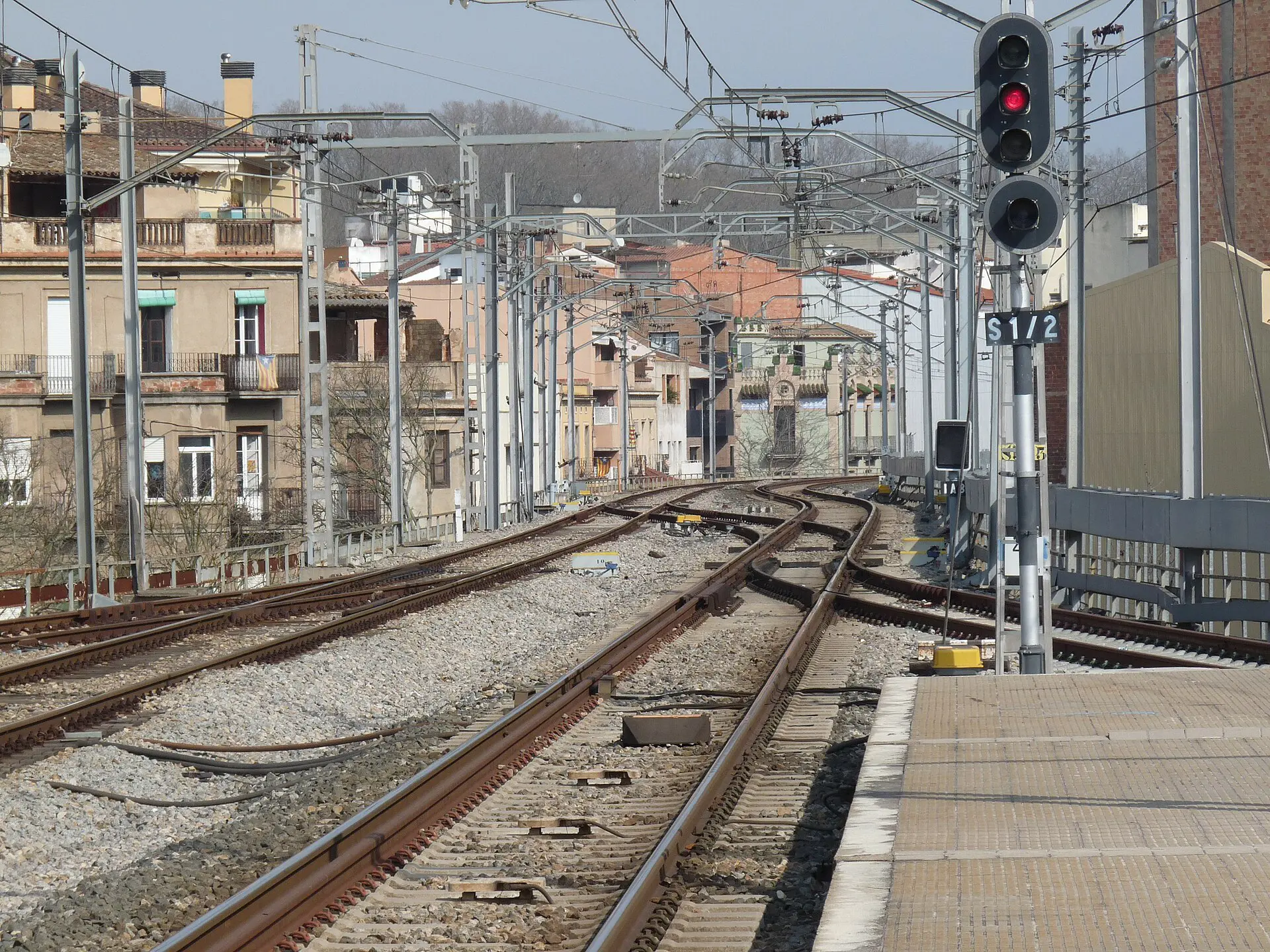
Girona station sits in the 19th-century New Town, west of the river. The Old Quarter is a 15 to 20 minute walk east, uphill at the end. Buses from Barcelona are an option, but the train is the sensible choice for a timed day.
Girona time-blocked route: walls first
The logic is simple: climb early, descend into the streets as the day warms, and end on the river. Girona is compact, so each block is a short walk from the next. Fit a stop to a time, not to a list.
9:30 to 10:30: Onyar riverfront and the Eiffel bridge
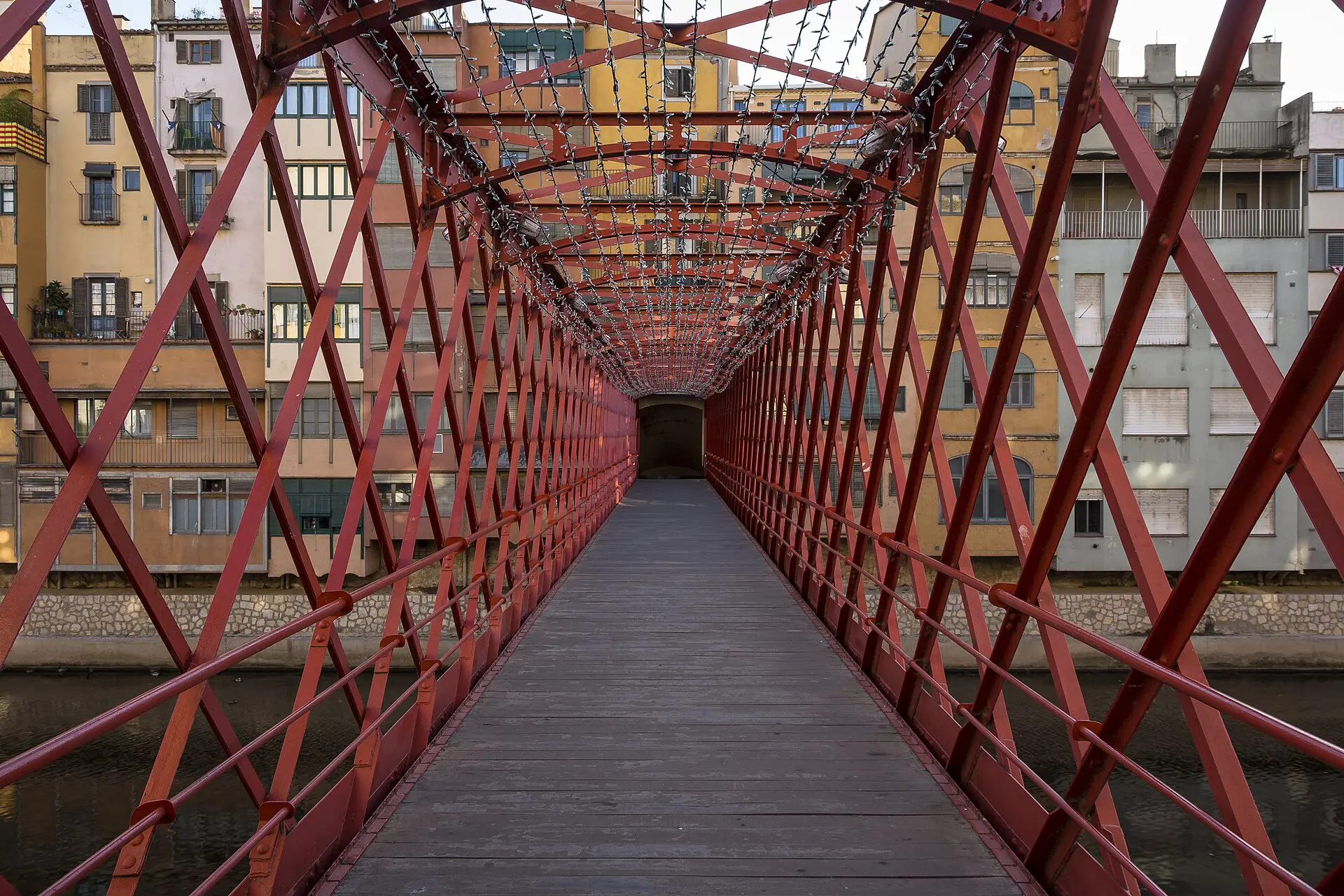
Walk from the station to the Onyar, where the tall, colour-washed houses line the water. The red iron footbridge across it is credited to Gustave Eiffel’s firm. Cross it into the Old Quarter. This is the classic photograph, and it is far quieter now than at noon. Allow 30 minutes and keep moving.
10:30 to 12:00: Passeig de la Muralla, the walls
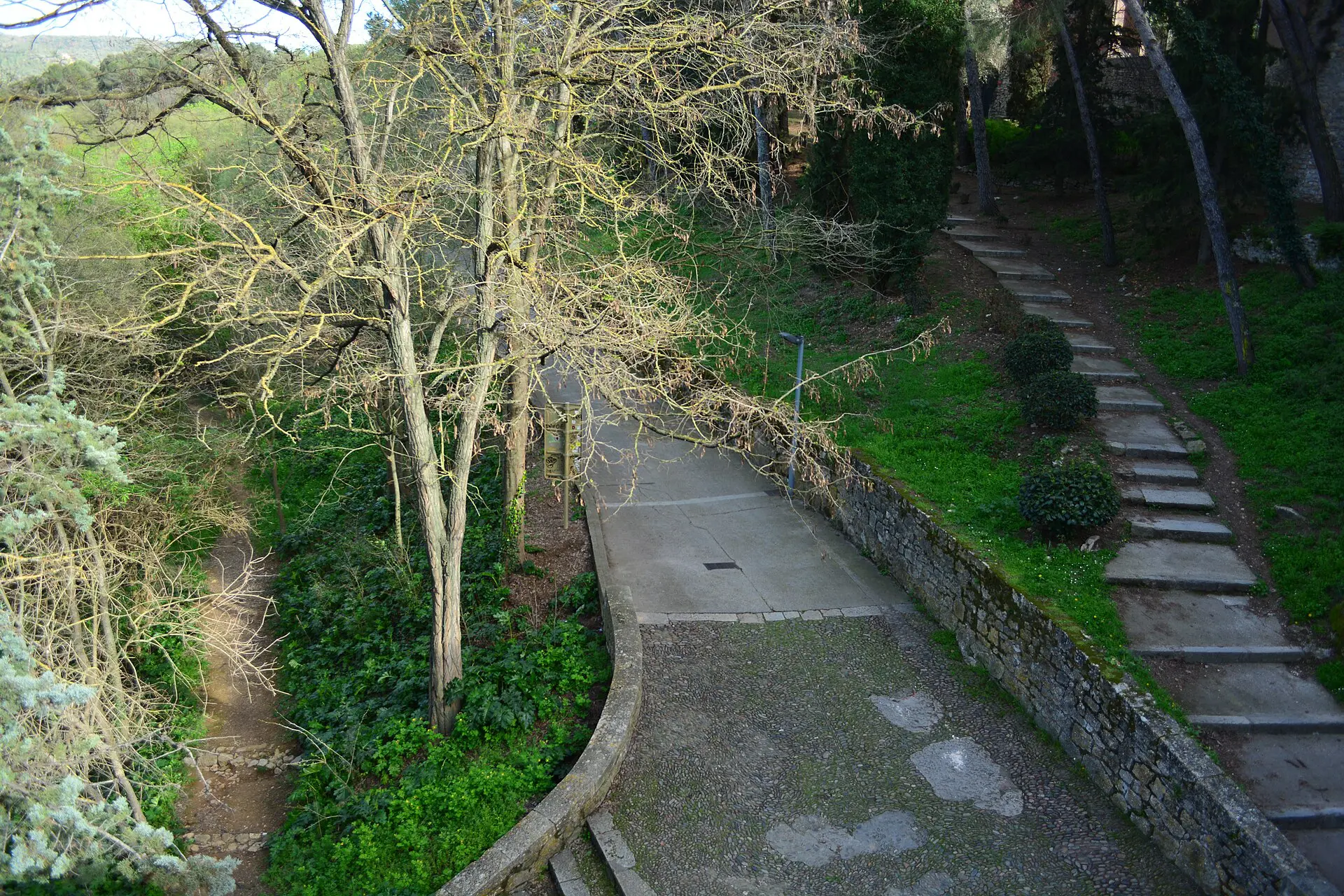
Girona’s east walls survive around the Old Quarter and the university, while the west side was taken down after Napoleon’s defeat. A walkway along the top gives long views over the rooftops and out to the hills. Access points are signposted, and the steps are steep in places. Allow 60 to 90 minutes for the stretch you choose. Wear flat shoes: the stones are worn and uneven.
12:00 to 13:00: the cathedral and its staircase
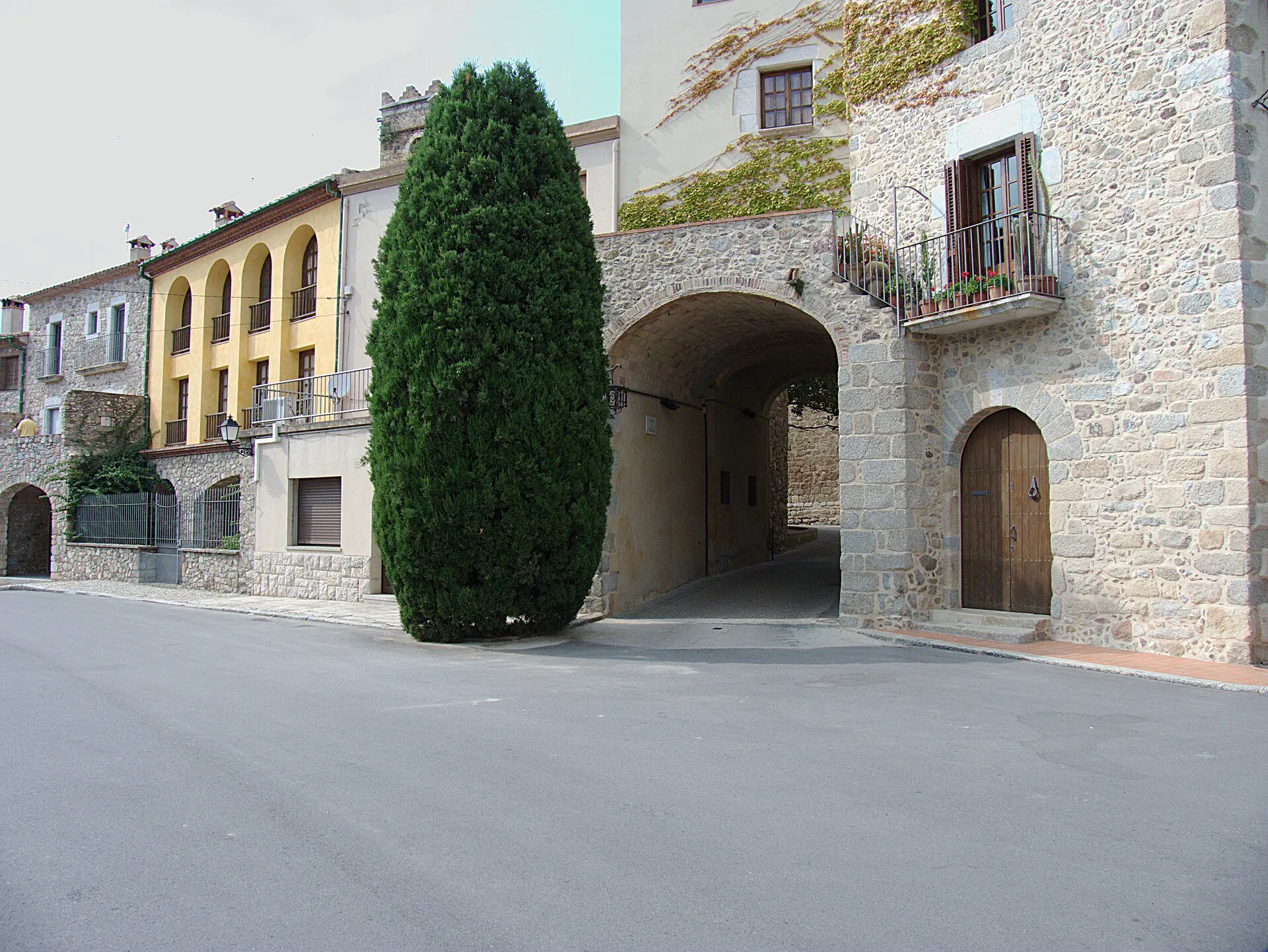
The cathedral is the anchor. It was begun in the 11th century, but most of the interior is Gothic, with a nave 23 metres wide. The long Baroque staircase in front is the grand approach, and the side streets are the easier one. The Treasury and Museum holds the Creation hanging, a Romanesque textile. Opening hours change by season, with later closing in summer, so check the current schedule before you plan the block.
13:00 to 14:30: lunch and the Jewish Call
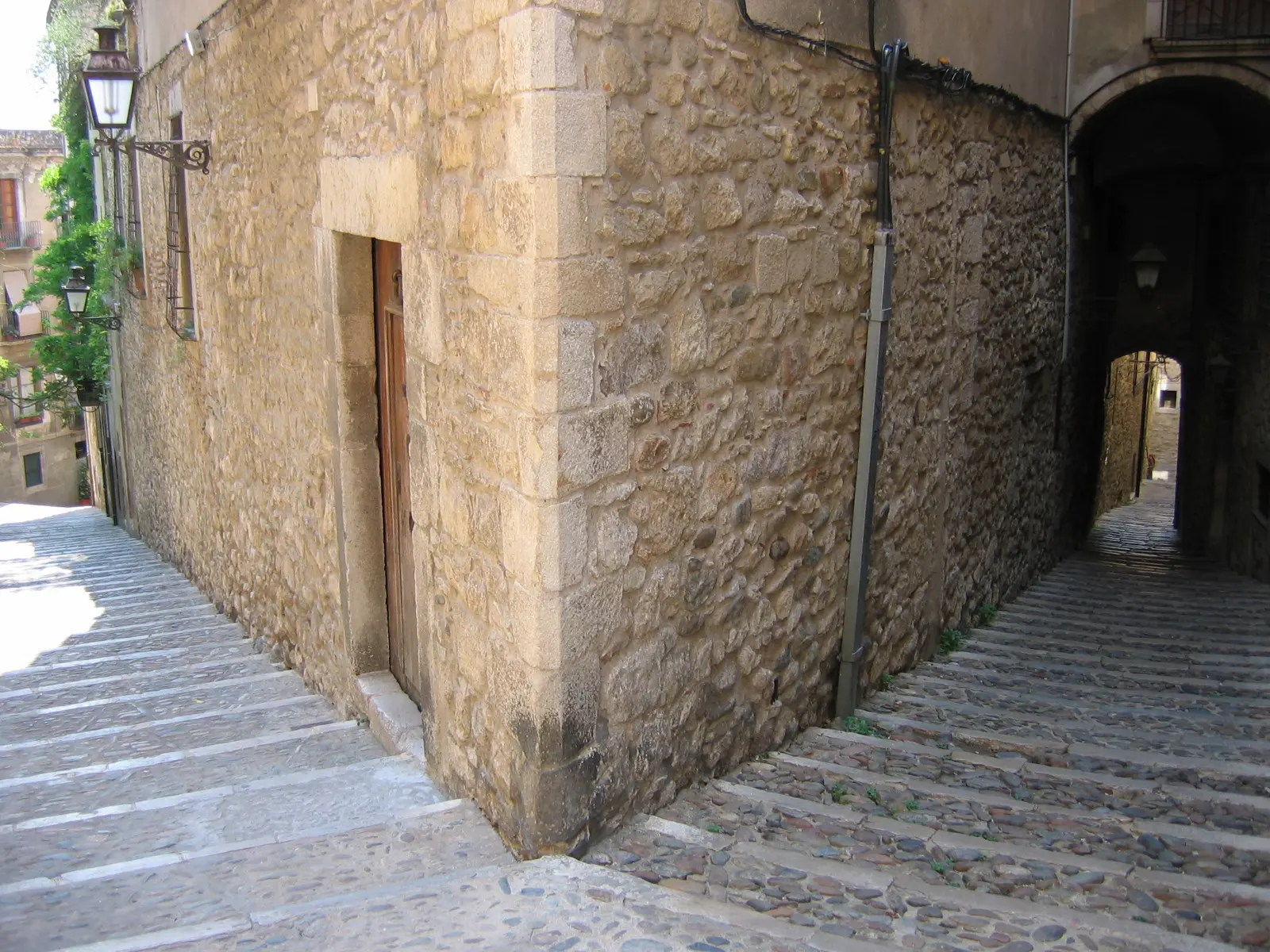
The Call Jueu is a tight web of lanes below the cathedral. Girona’s Jewish community flourished here in the 12th century, and the quarter was home to a notable Kabbalistic school before the expulsion of 1492. Pair the streets with the Jewish history museum, which is the cultural anchor of the day. Eat in the Old Quarter, away from the cathedral steps, and avoid the 13:30 rush by sitting down at about 13:00.
14:30 to 16:00: Arab Baths and the Galligants side
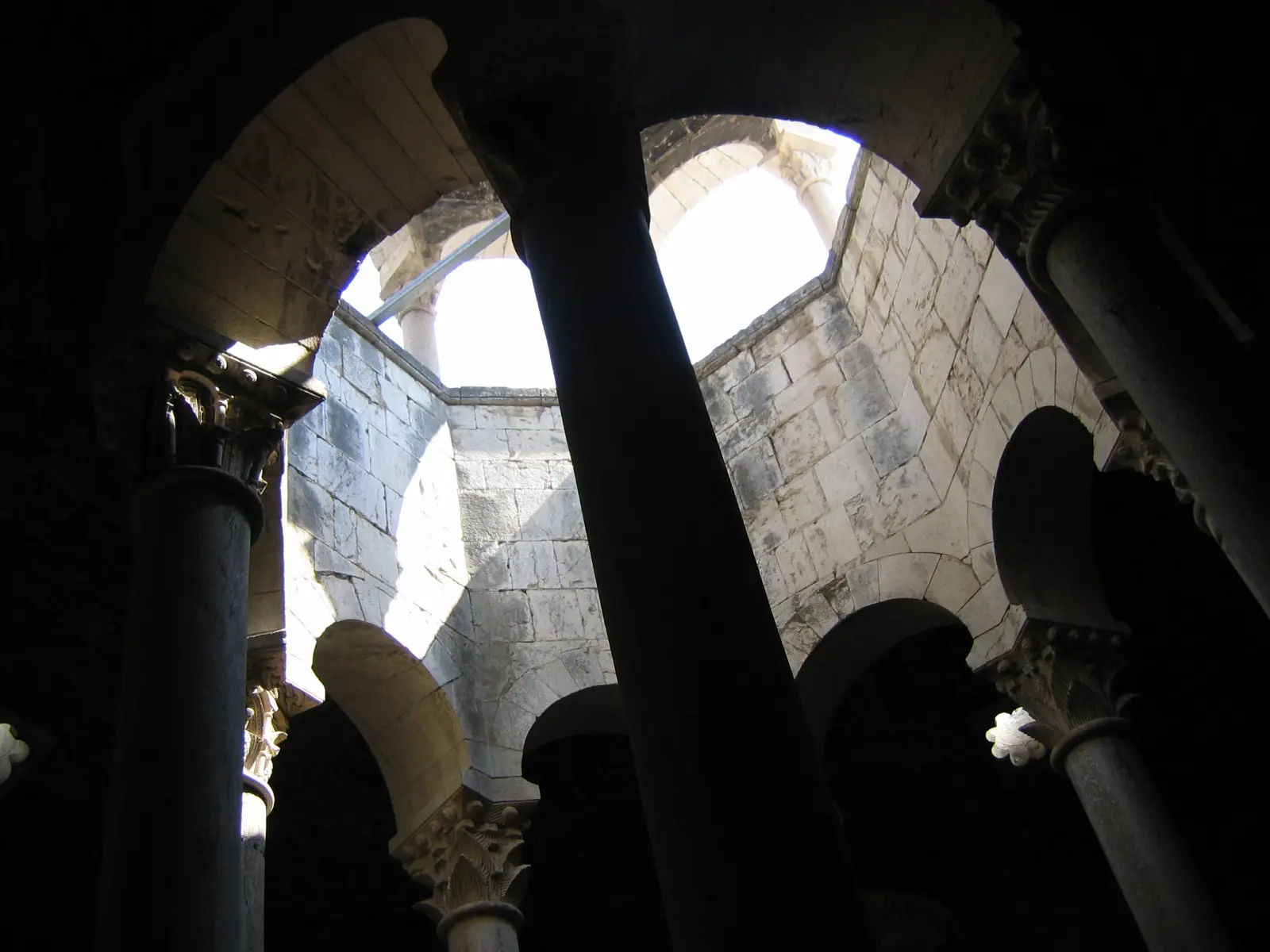
The 12th-century Arab Baths are a small Romanesque bathhouse inspired by Islamic models, and take 20 to 30 minutes. From there, walk to the Galligants valley and the Romanesque monastery of Sant Pere de Galligants, which houses the archaeology museum. Of the five blocks, this is the easiest to drop if you are short of time.
Girona opening patterns and crowd timing
Small museums and monuments in Catalonia often close on Mondays and keep shorter hours on Sundays. Many shut at midday or at about 14:00 in winter, so the afternoon blocks above are the risk. Verify each place before you leave Barcelona.
- Before 10:30: riverfront and walls are almost empty, apart from coach-tour groups that arrive later.
- 11:00 to 14:00: the cathedral and the Call are at their busiest. Tour groups from the coast arrive in this window.
- After 16:00: the lanes thin out and the light softens on the river.
Queue avoidance is mostly about order. Do the walls and cathedral before noon. Book timed tickets online when the site offers them, and buy return tickets in advance.
Girona day trip if you only have half a day
Take a fast train out by 9:00. Do the Onyar bridge, then the walls, then the cathedral, and be back at the station by 14:30 for a mid-afternoon train. Drop the Call and Galligants. You lose the museum pairing, but you keep the three things that make the city’s profile: river, ramparts, cathedral. I would still protect a 40-minute lunch.
Getting back to Barcelona and last-train logic
Do not plan around the last departure. Fast trains run frequently, but the regional line is the fallback, and evening services can be thinner on Sundays and holidays. Aim to leave Girona by 18:00 to 19:00, which leaves a margin for a delay or a missed connection.
Check the timetable on the day, keep the station walk in your count (20 minutes from the cathedral), and book a flexible ticket if you are cutting it fine. For the city itself, see the Girona guide, or for the wider trip the Spain travel guide. Background reading is on Wikivoyage.
FAQ about a Girona day trip from Barcelona
How long does the train from Barcelona to Girona take?
A fast train from Barcelona Sants takes about 40 minutes non-stop. The regional Rodalies R11 service takes around 90 minutes and stops at many stations. Fast trains cost more, so compare fares and departure times before you buy a ticket.
Is one day enough for Girona?
Yes. The Old Quarter is compact, and the walls, cathedral, Jewish quarter and riverfront fit into five or six hours on foot. If you want to add a museum visit and a slow lunch, start before 10:00 and plan to return by early evening.
What should I see first in Girona?
Start with the Onyar riverfront and then climb onto the walls. They are quiet in the morning and give you the layout of the city. Save the cathedral and the Call for late morning and midday, when you want a roof over your head.
Is Girona hilly and walkable?
It is walkable and mostly pedestrianised. The Old Quarter is hilly, with steep stairs and uneven cobblestones. The walk from the station to the Old Quarter is flat for most of its length and uphill at the end. Wear sturdy flat shoes.