Lagos food runs on a clock: akara and bread in the morning, jollof rice or amala at lunch, and suya from the roadside grill after dark. If you order one thing first, make it jollof rice with fried plantain at midday, then suya in the evening. Lagos is a megacity of roughly 17 to 21 million people, and most eating happens at casual canteens, markets and grills.
How eating works in Lagos
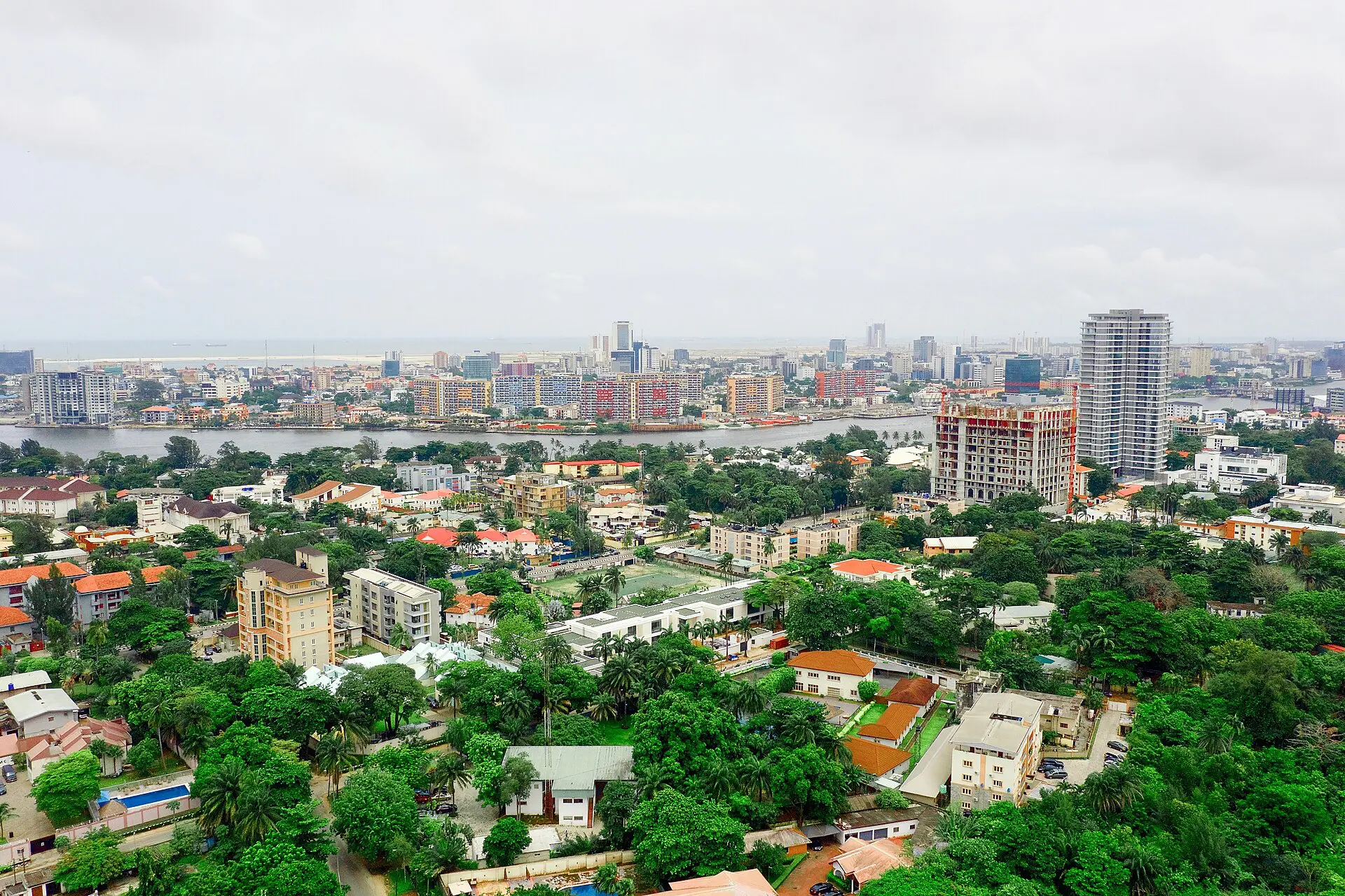
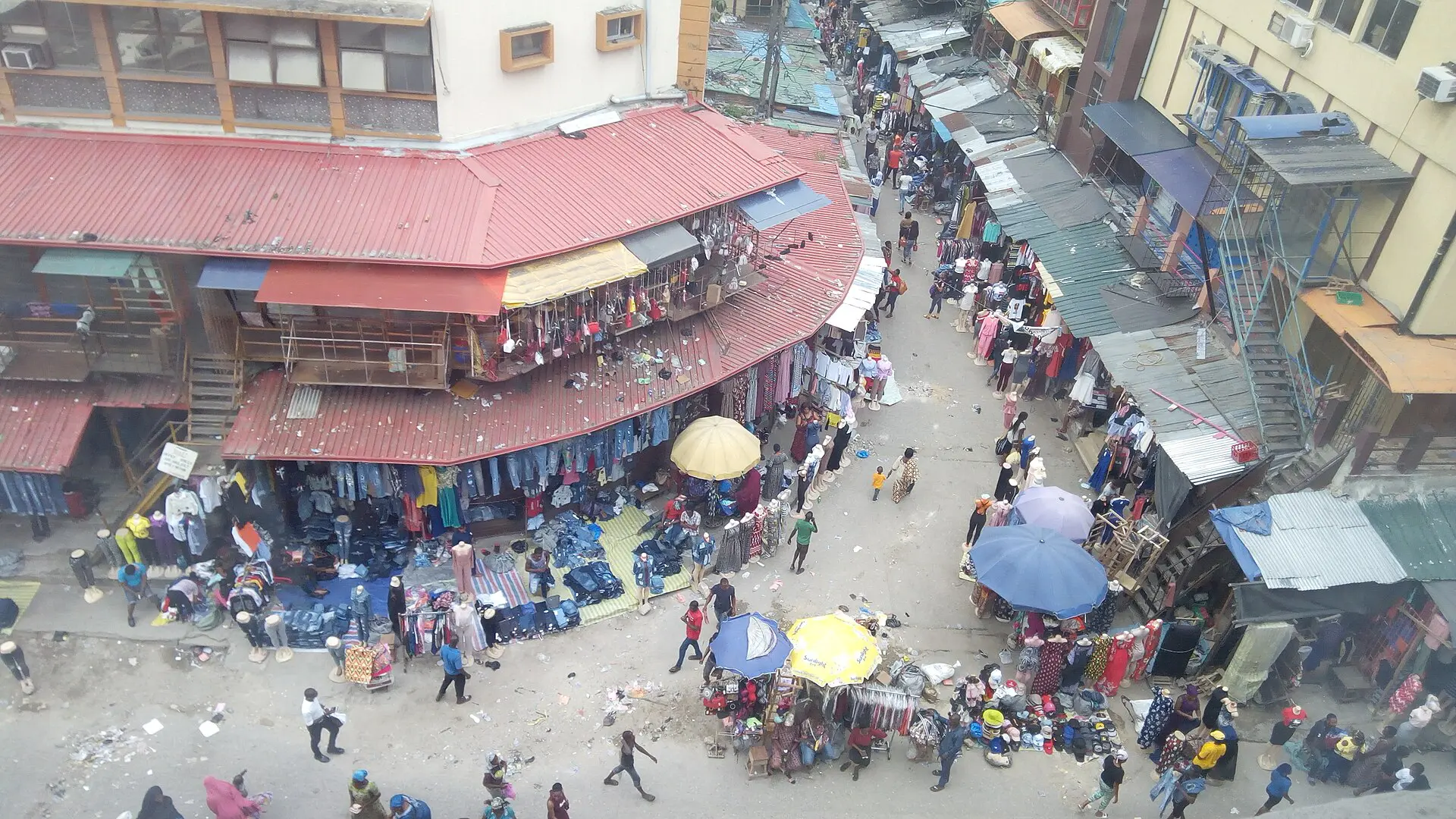
Lagos sits on a lagoon and a set of islands on Nigeria’s Atlantic coast, and the city eats as it moves: quickly, in public and in volume. It is the largest city in Nigeria and the most populous urban area in Africa, so the food system is built for scale. Produce arrives at wholesale markets before dawn, fish comes from the lagoon and coast, and cooks on every street turn it into a first meal by sunrise.

The base ingredients are rice, yam, cassava, beans, plantain, palm oil, peppers, tomatoes, onions and dried fish. Seasoning is deep and hot: scotch bonnet, crayfish powder, locust bean and stock cubes are all common. The main structural idea is the stew with a starch. Soups and stews arrive with a swallow, a smooth starchy ball made from yam, cassava, maize or plantain flour, which you tear and dip with the right hand.
Lunch is a main meal for many people, and the local canteen, often called a buka, is the place for it. Evenings belong to the grill. A city this size has no single food area, so the useful question is what to eat at which hour, in which kind of place.
Lagos food by time of day
| Time | Where | What to order |
|---|---|---|
| 6:00-9:30 am | Roadside stalls and bakeries | Akara (bean fritters) with pap or bread, moin moin, fried yam with pepper sauce |
| 9:30-11:30 am | Market areas and bus stops | Roasted plantain with fish or groundnuts, fruit, puff-puff |
| 12:00-3:00 pm | Bukas and local canteens | Jollof rice, amala with ewedu and gbegiri, pounded yam with egusi, ofada rice and stew |
| 3:00-6:00 pm | Street corners and market edges | Ewa agoyin (mashed beans with spicy sauce) with bread, snacks, drinks |
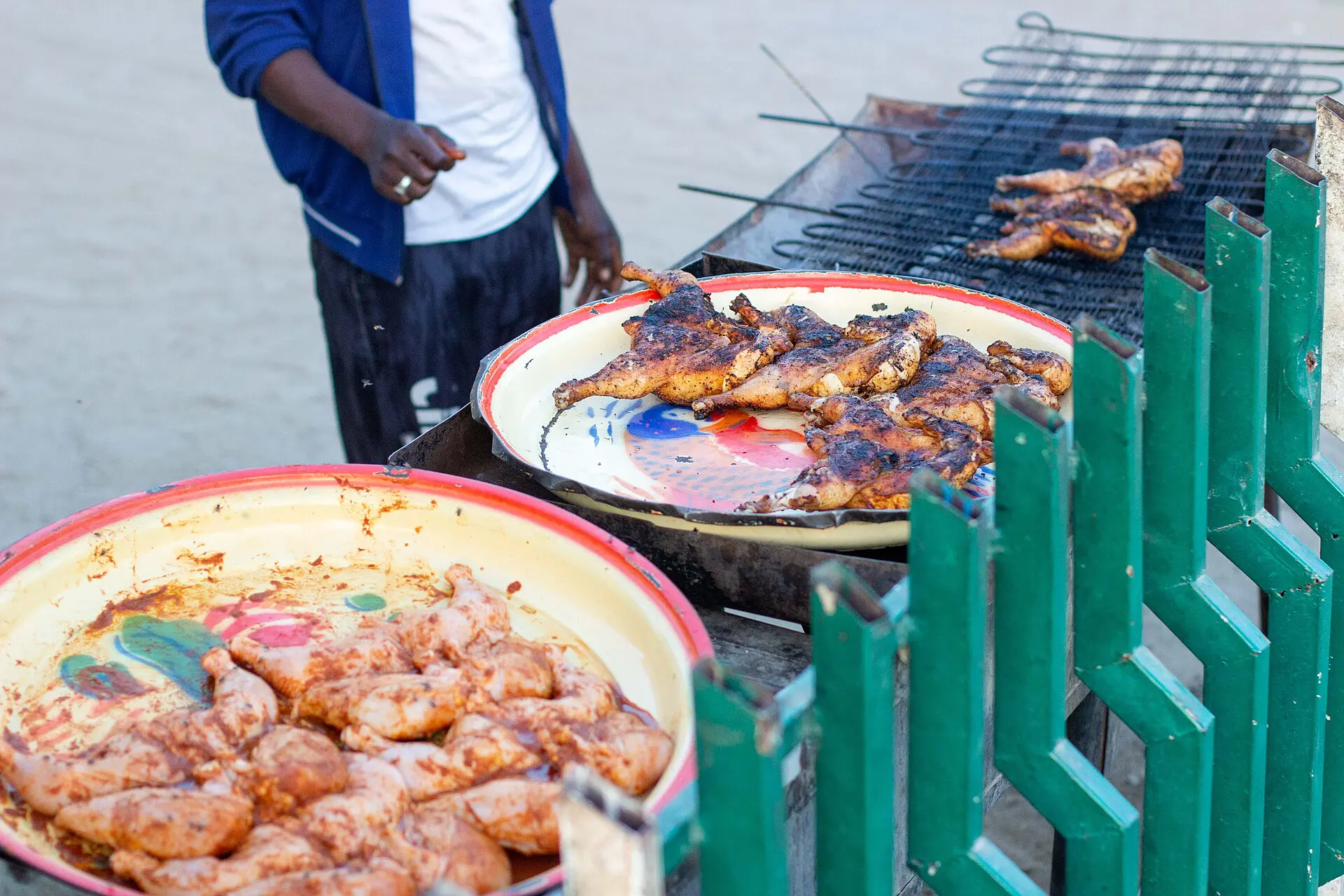
| 6:30-11:00 pm | Roadside grills and open-air spots | Suya, grilled fish, peppered snails or gizzards, pepper soup |
Hours move with traffic, weather and holidays, so treat the times as typical. A short journey can take an hour or more, so plan to eat near where you are.
What to order in Lagos: seven dishes
1. Jollof rice
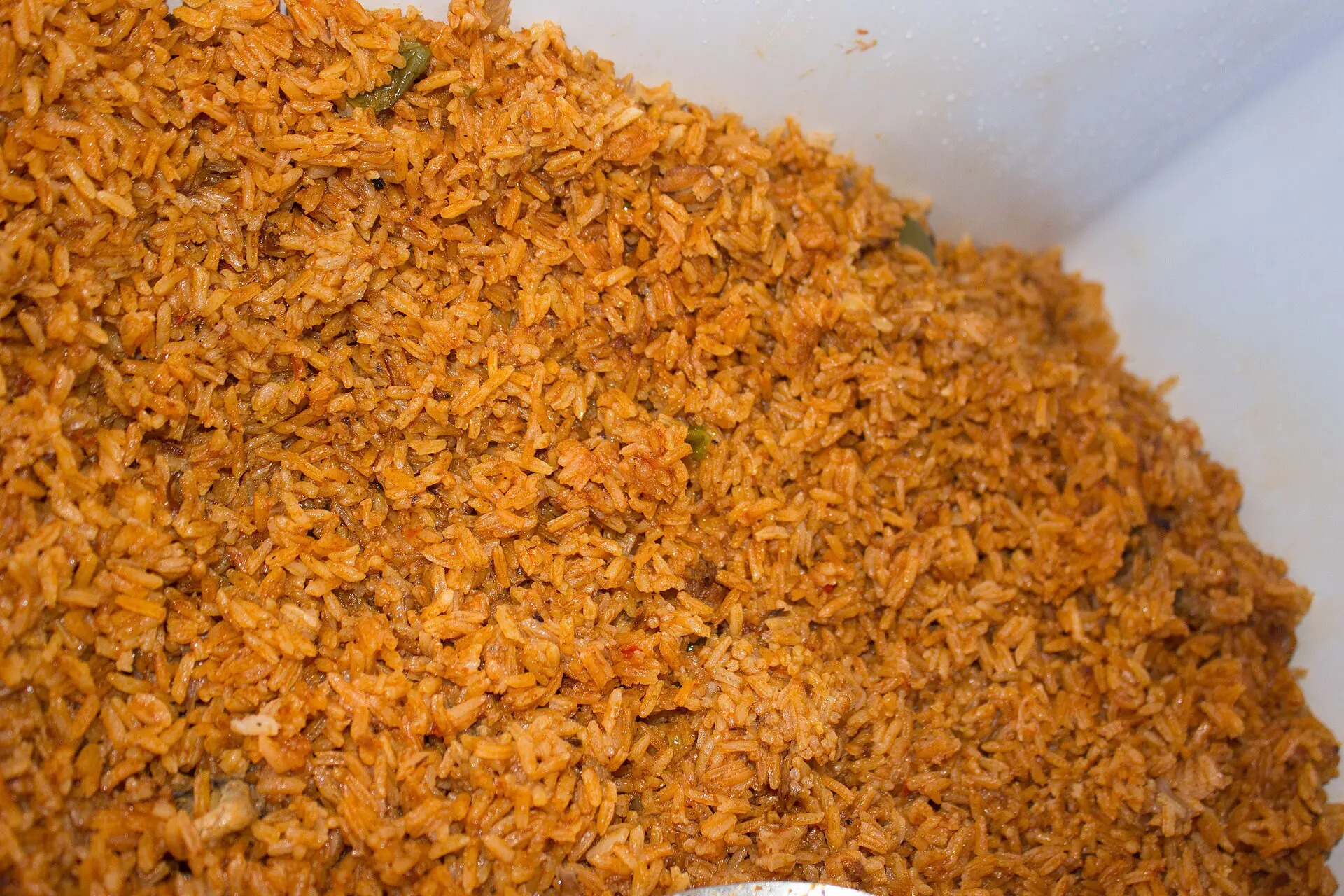
The party dish of West Africa. Long-grain rice is cooked in a base of blended tomato, red pepper, scotch bonnet and onion, until the grains take on the colour and a smoky edge from the bottom of the pot. It comes with fried plantain, chicken, fish or beef, and sometimes coleslaw. A plate at a casual canteen is typically in the low single-digit US dollars, as of 2026. Nigeria and Ghana both claim the dish.
2. Suya
Thin slices of beef, sometimes chicken or ram, are rubbed with yaji, a dry spice of ground peanut, ginger, paprika, chilli and onion powder, then grilled over charcoal. It is served on paper with raw onion, tomato and extra spice. Suya is a night food, and the best grills are busy by 7 pm. A wrap or portion typically costs a few US dollars. Ask for mild or hot.
3. Amala with ewedu and gbegiri
A Yoruba staple. Amala is a dark, soft swallow made from yam flour. It comes with ewedu, a green soup of jute leaves, and gbegiri, a bean soup, plus a rich pepper stew with meat. You tear a piece of amala with your right hand, roll it, dip it and swallow. It is a lunch dish and a comfort food. Expect a few US dollars for a plate.
4. Ofada rice and ofada stew
Ofada rice is a locally grown, unpolished rice with a distinct, slightly fermented smell, traditionally served in leaves. The stew is a fiery mix of green and red peppers, palm oil, locust beans and assorted meats. It is a strong taste, so ask how spicy the stew is.
5. Pounded yam with egusi
Pounded yam is boiled yam beaten into a smooth, stretchy dough. Egusi is a soup of ground melon seeds, with leafy greens, palm oil, peppers and meat or fish. This is a dish for sharing and for slow eating. Portions are large, so share one plate.
6. Akara, moin moin and ewa agoyin
The bean family of Lagos food. Akara are deep-fried black-eyed pea fritters, eaten for breakfast with pap or bread. Moin moin is a steamed bean pudding. Ewa agoyin is mashed, well-cooked beans with a dark, spicy sauce, usually served with soft bread. Each is cheap, filling and made fresh.
7. Pepper soup and grilled fish
Pepper soup is a thin, aromatic broth of goat, chicken or fish with a blend of local spices, served hot as a restorative. Grilled fish, often tilapia or catfish, is served whole with pepper sauce and onions. Both are evening dishes, often eaten with a drink. Ask for the price of the whole fish before it goes on the grill, since fish is often priced by size.
Lagos food price bands per meal
The naira has been volatile and inflation has been high, so these are broad US dollar bands as of 2026. Check recent local prices before you budget.
| Meal | Typical band (USD) | What it covers |
|---|---|---|
| Breakfast snack | About 1-3 | Akara or moin moin with bread or pap |
| Canteen lunch | About 2-6 | A plate of rice or swallow with soup and a protein |
| Suya | About 2-6 | A portion or wrap with onions and spice |
| Grilled fish or pepper soup | About 5-15 | A whole fish or a bowl, depending on size |
| Sit-down restaurant dinner | About 10-30 | A main, a side and a drink |
Eating etiquette in Lagos
Wash your hands before you eat, and eat swallow with the right hand only. Tear a small piece, shape it, dip and swallow without chewing. Do not use the left hand to eat or pass food. If you are invited to a home, accept what you are given, and expect to be offered more.
At a canteen, order at the counter or from the server and pay as the custom of that place dictates, often after eating. Carry small notes, since vendors cannot always change large ones. Tipping is welcome but not always expected in casual places, and some upmarket restaurants add a service charge, so check the bill.
Where to eat in Lagos by type of place
- Bukas and canteens: casual local kitchens serving rice, soups and swallow at lunch. The best-value way to eat, and busiest between noon and 3 pm.
- Roadside grills: suya spots and fish grills that open in the evening. Choose those with a queue and a hot fire.
- Markets: wholesale and neighbourhood markets sell produce, dried fish and ingredients. Mile 12 is a well-known produce market, but go with a local contact and check access first.
- Bakeries and breakfast stalls: bread, akara, fried yam and pap in the early morning.
- Restaurants and hotel dining: in the central, island and Lekki districts, with set menus, air conditioning and higher prices. Good if you want comfort or a predictable menu.
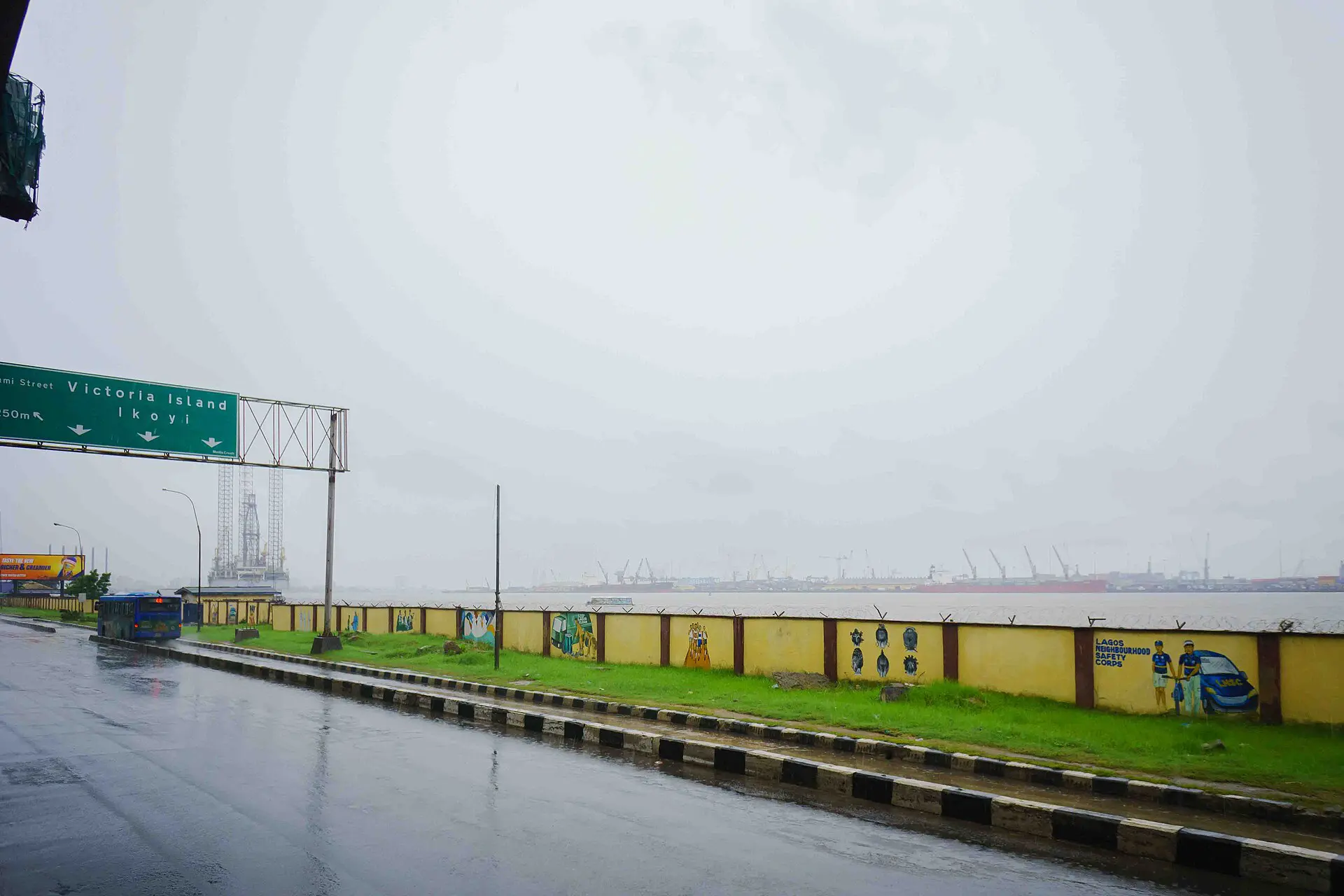
Lagos is spread over islands and mainland areas, so check travel times between districts. The Nigeria travel guide covers the wider country, and Wikipedia’s Lagos entry gives background on the city.
What to skip when eating in Lagos
Skip raw salads and ice of unknown origin if your stomach is sensitive, and stick to sealed water. Skip food that has been sitting warm for hours. I would also skip a heavy lunch if you plan to eat suya that night, since the portions are large.

Check your government’s travel advice and your health service’s guidance on food and water before you go, and ask your hotel which areas suit a late meal.
FAQ about Lagos food
What is Lagos food known for?
Jollof rice, suya, amala with ewedu and gbegiri, pounded yam with egusi, and bean dishes like akara and moin moin. Spicy stews, palm oil, scotch bonnet and grilled meat define the cooking. Dishes change by time of day, so match what you order to the hour.
Is Lagos street food safe to eat?
Choose food that is cooked hot in front of you, from busy stalls, and avoid raw items and ice when unsure about the water. Wash your hands before eating. Follow your national travel-health advice, and be cautious if you have a sensitive stomach.
What should I eat first in Lagos?
Jollof rice with fried plantain at lunch, then suya in the evening. If you want a local classic, try amala with ewedu and gbegiri. Order one dish at a time, and ask how spicy it is, since the pepper can be strong.
How much does food cost in Lagos?
Local canteen meals and street snacks are usually a few US dollars, while restaurant dinners cost more. Because the naira and prices have been volatile, treat any figure as a band, and check recent local prices before you go.
Can I eat with my hands in Lagos?
Yes, and for swallow dishes like amala and pounded yam it is the norm. Use the right hand only, wash first and tear small pieces. Cutlery is available in most restaurants if you prefer it, and nobody minds if you ask.