Why visit Nigeria
The things to do in Nigeria are as varied as its people. With more than 240 million inhabitants, over 250 ethnic groups and about 500 languages, it is the most populous country in Africa and the home of Nollywood and Afrobeats. The Wikipedia overview covers the history, from the Nok culture and the kingdoms of Benin, Oyo and the Hausa states to independence in 1960.
Nigeria rewards travellers who value culture, music, food and energy over polished tourism. Lagos is a restless megacity, the south-west holds Yoruba sacred sites, the south-east has rainforest and waterfalls, and the north has savanna wildlife and Hausa cities. It is not an easy country. Logistics are demanding, prices fluctuate and security conditions differ by state. It suits experienced travellers, people visiting friends or business contacts, and anyone who can plan carefully, use local hosts and follow official advice.
Best places to visit in Nigeria
The best places to visit in Nigeria for most first-time visitors lie in the south-west and south-east, where security advice is less restrictive than in the north.
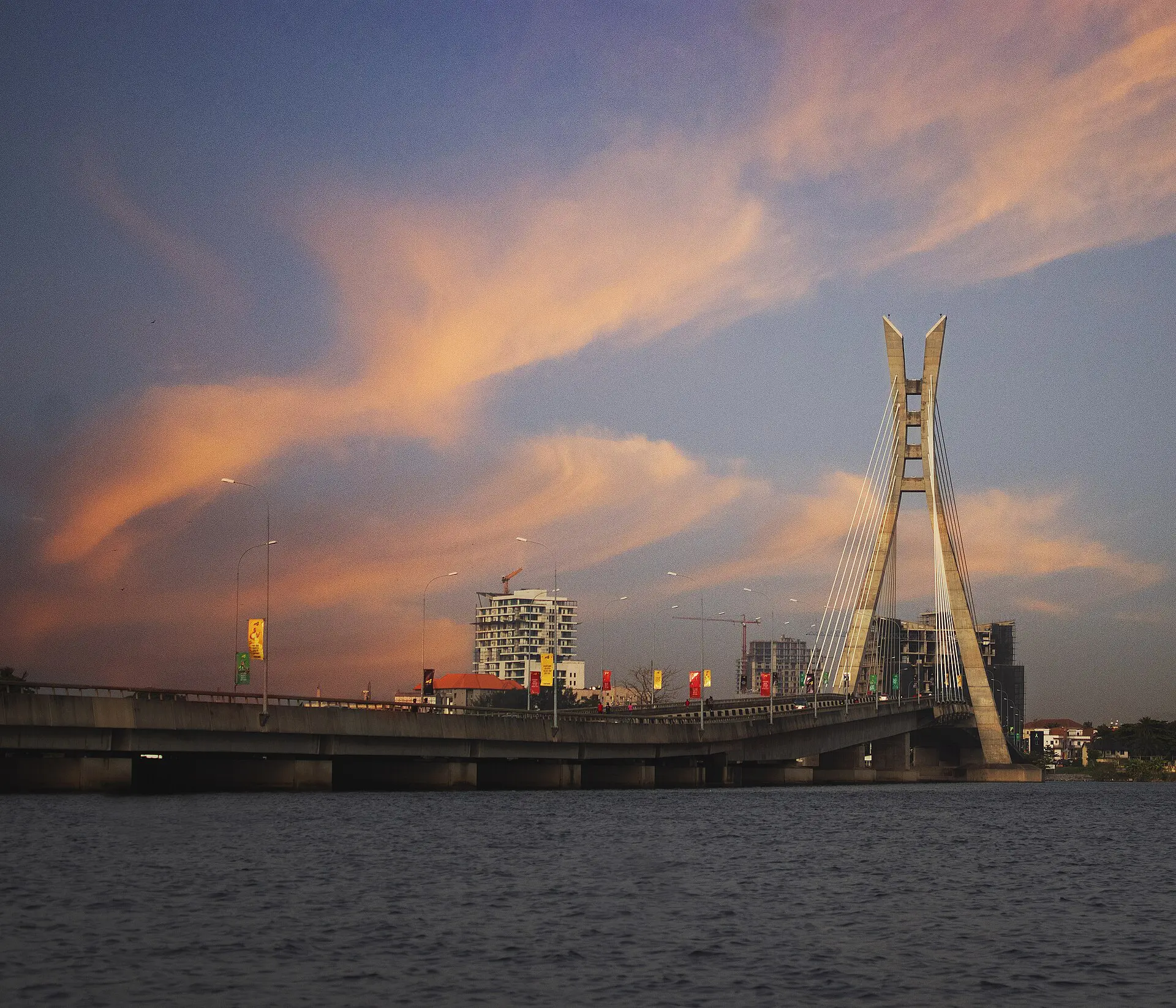
Lagos
Lagos is the economic capital and the country’s cultural engine, with beaches, markets, galleries, live music and some of the most intense traffic in Africa. Lagos Island holds colonial and Afro-Brazilian history, while Lekki and Victoria Island have restaurants, nightlife and art spaces.
Osogbo and the Yoruba heartland
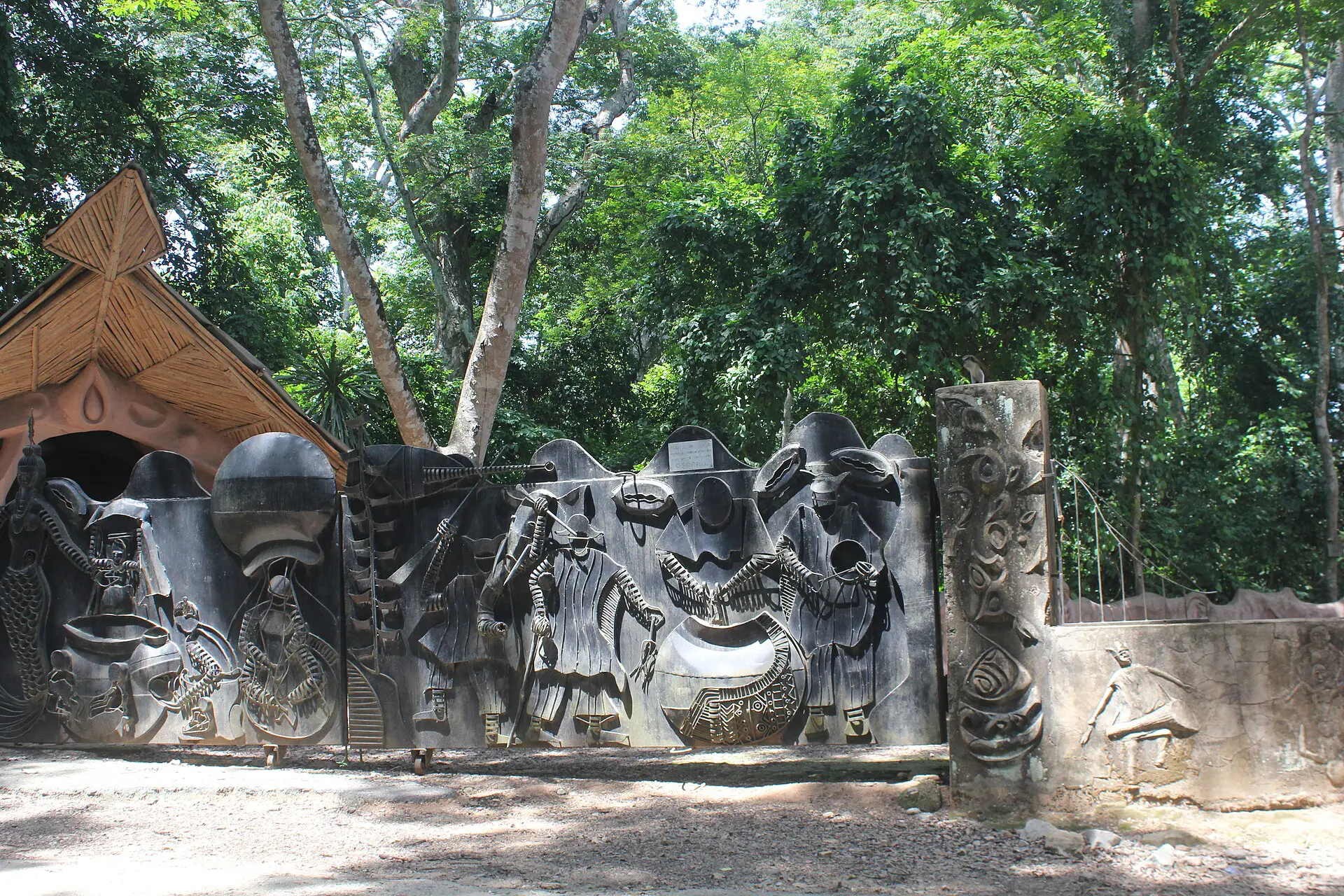
The Osun-Osogbo Sacred Grove is a UNESCO site, a forest of shrines and sculptures beside the Osun River. Nearby Ibadan and Abeokuta have old city quarters, and Olumo Rock in Abeokuta has a stepped climb with views.
Abuja
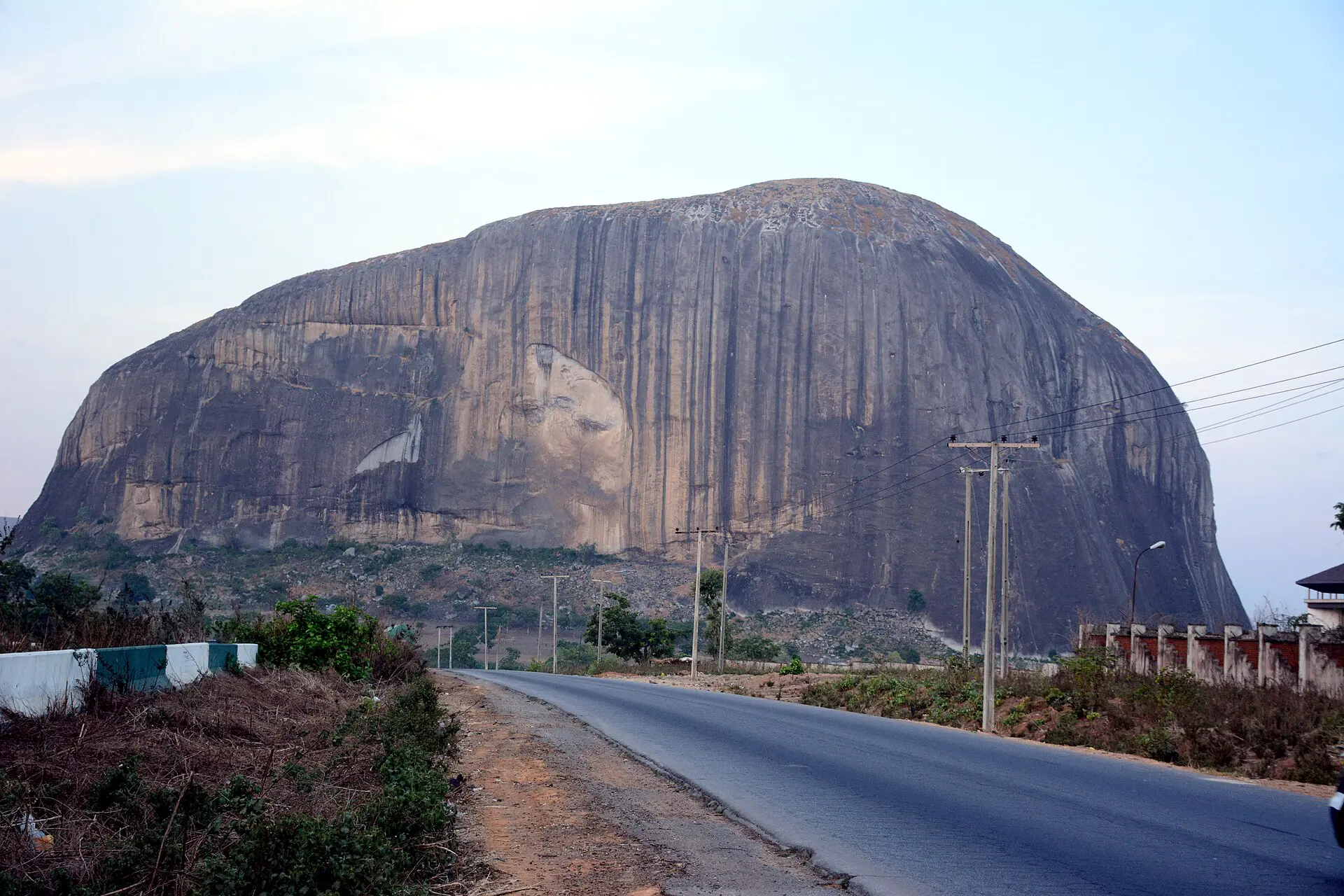
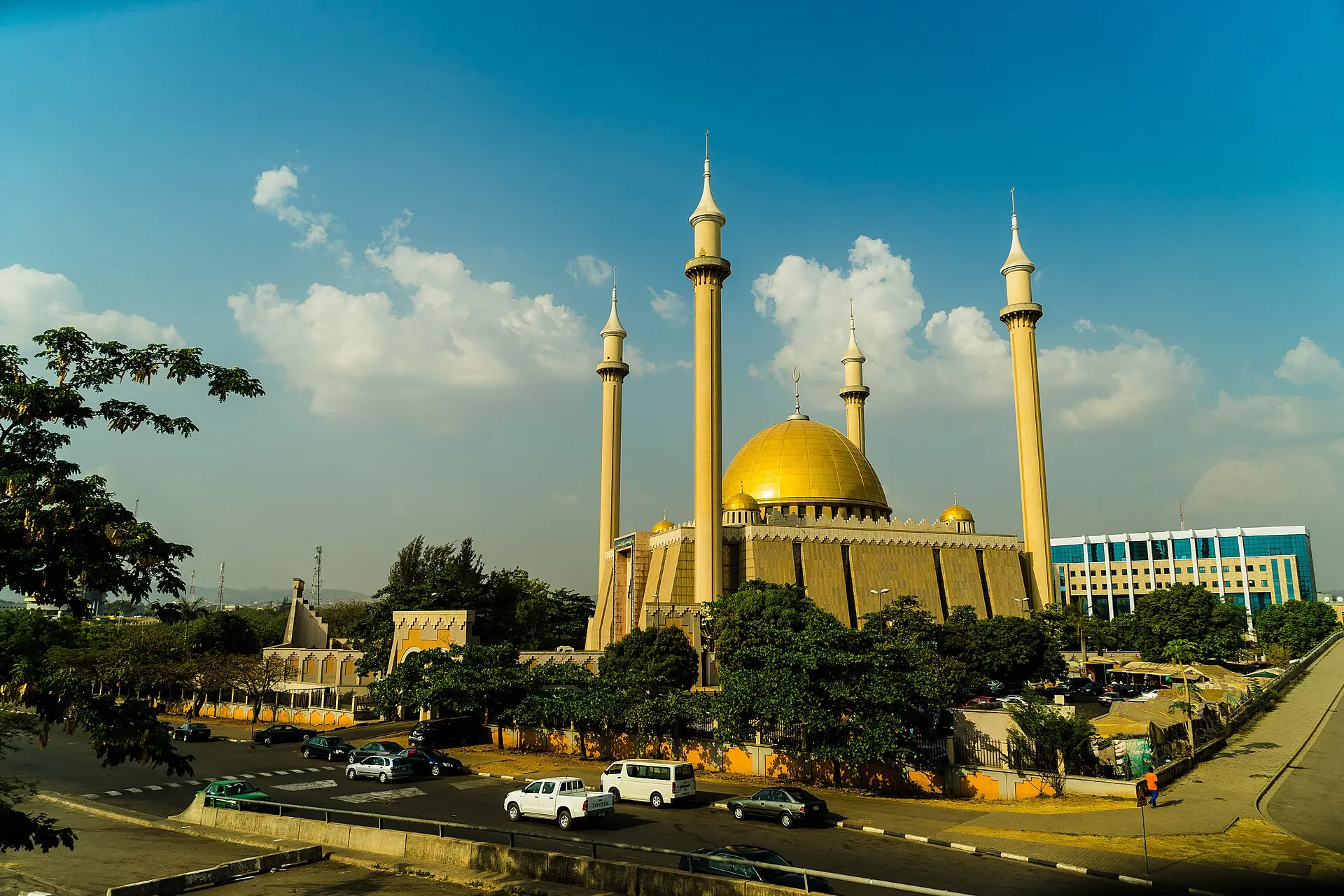
The planned capital has wide roads, the National Mosque and Zuma Rock on its outskirts. It is more orderly than Lagos but still requires security awareness.
Calabar and Cross River
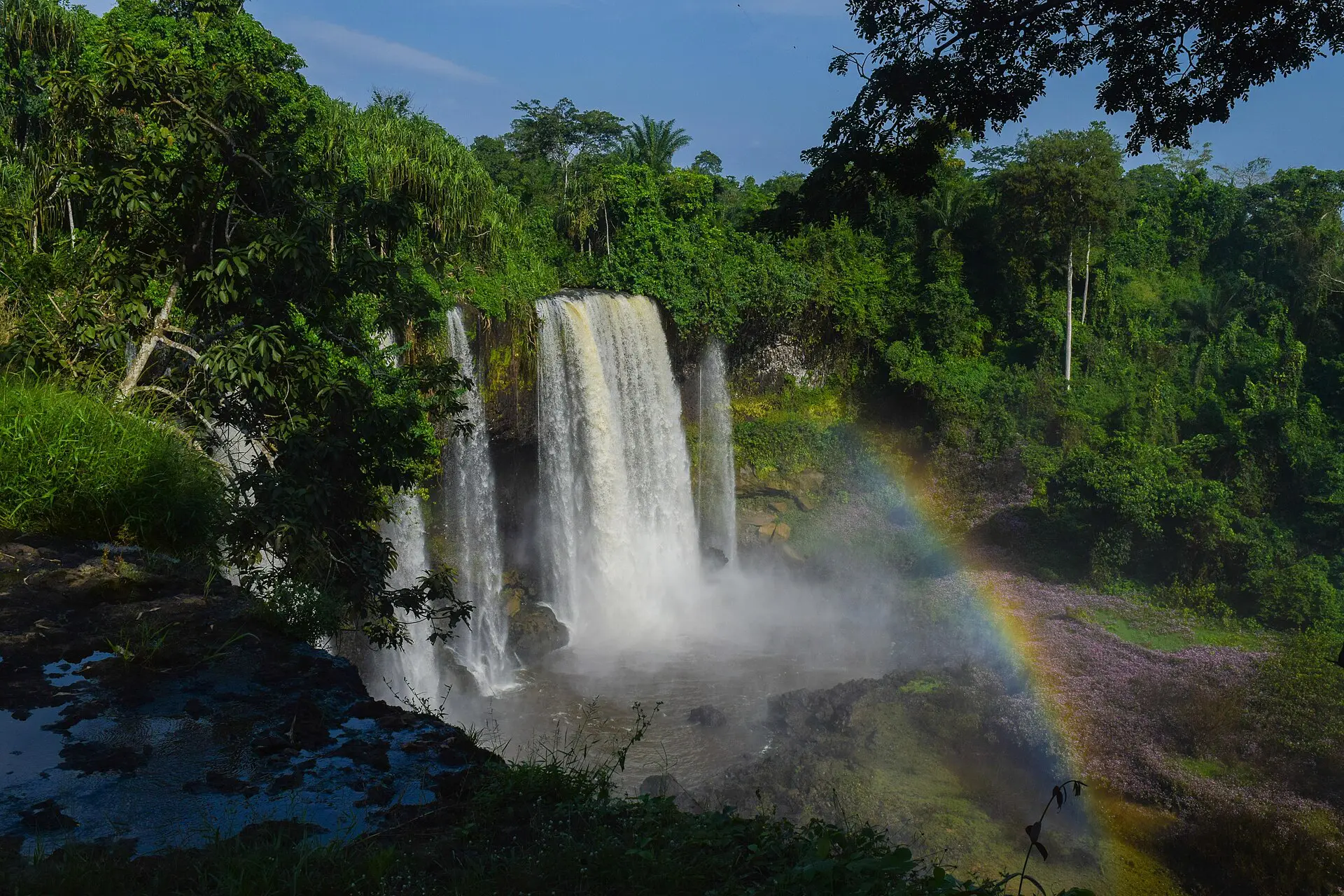
Calabar is known for its December carnival, museums on the slave trade and the Drill Ranch primate sanctuary. Cross River State has rainforest parks and waterfalls, but check local advice for each area.
Benin City and Yankari
Benin City is the seat of the Edo kingdom, with a palace and a museum of bronzes. Yankari Game Reserve in Bauchi State offers elephants and warm springs, but government advice for the north should be checked first.
Top things to do in Nigeria
The top things to do in Nigeria mix food, music, history and nature. These are generally easiest in and around Lagos and the south-west.
- Explore Lagos’ art and music scene: galleries, live venues and the Freedom Park cultural space show the city’s creative side.
- Visit the Osun-Osogbo Sacred Grove: walk among shrines and sculptures, and ask a guide about the annual festival in August.
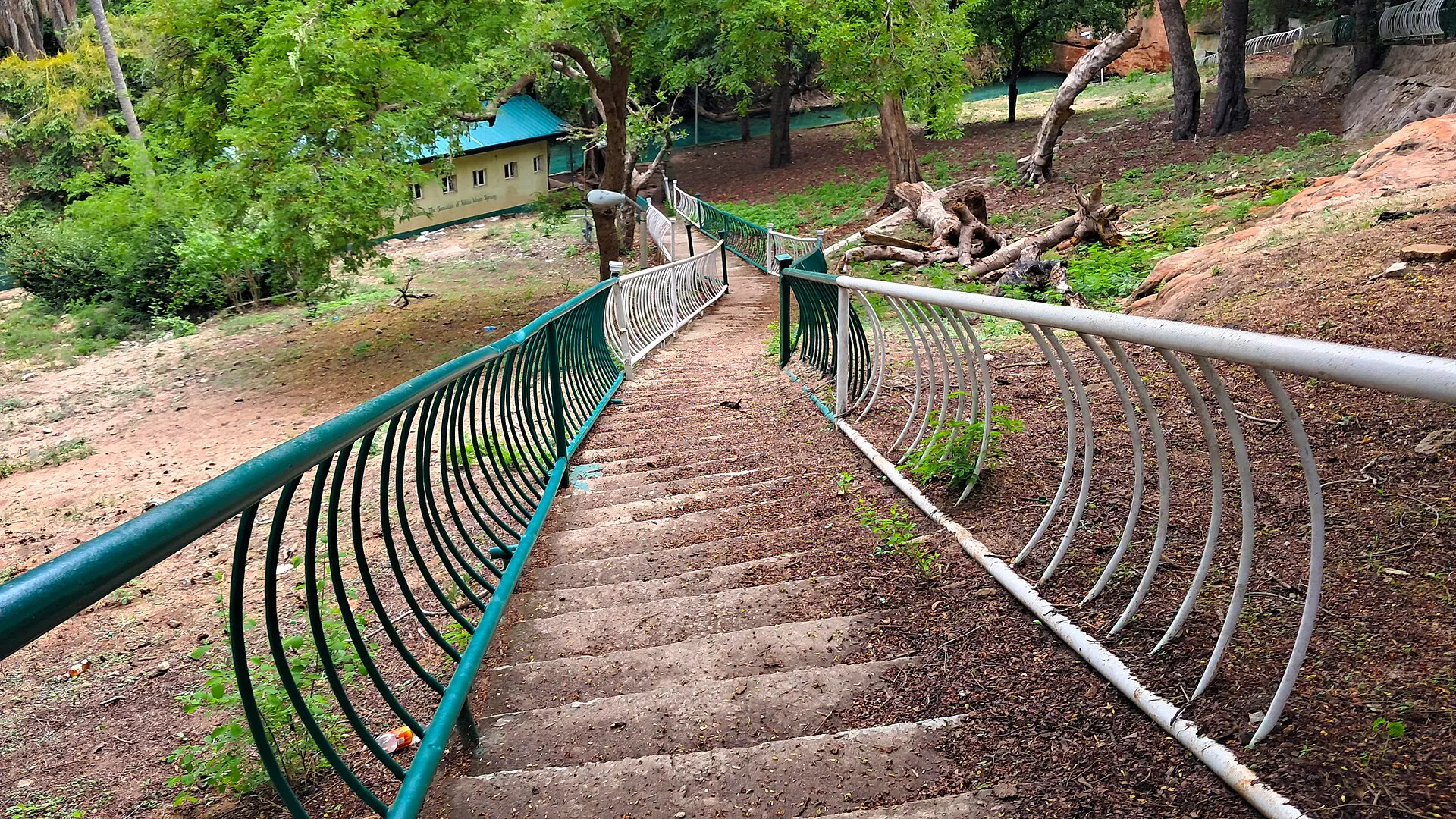
- Climb Olumo Rock: the steps and caves in Abeokuta lead to a view over the city.
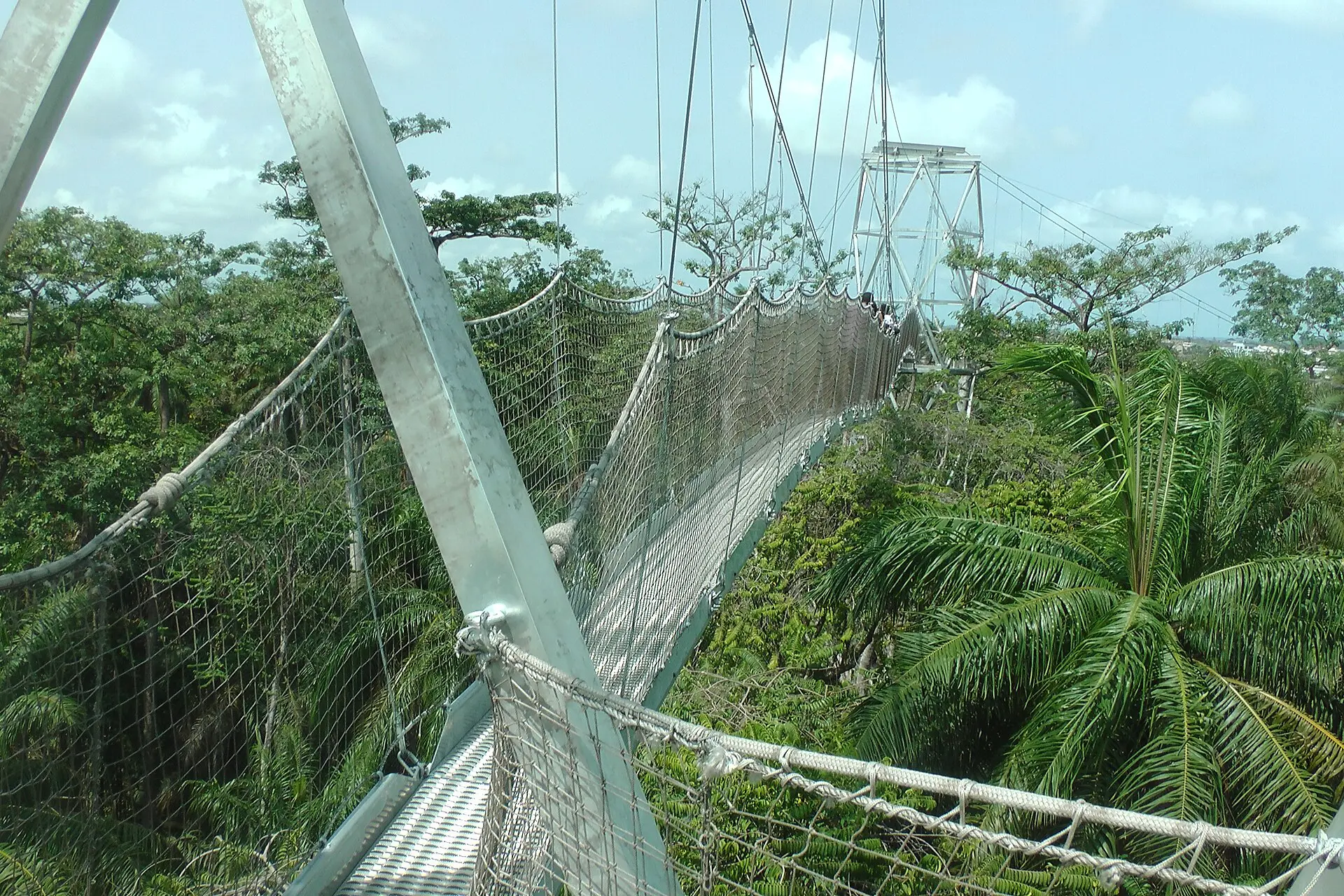
- Walk the Lekki Conservation Centre canopy trail: a long rope walkway above the forest and lagoon.
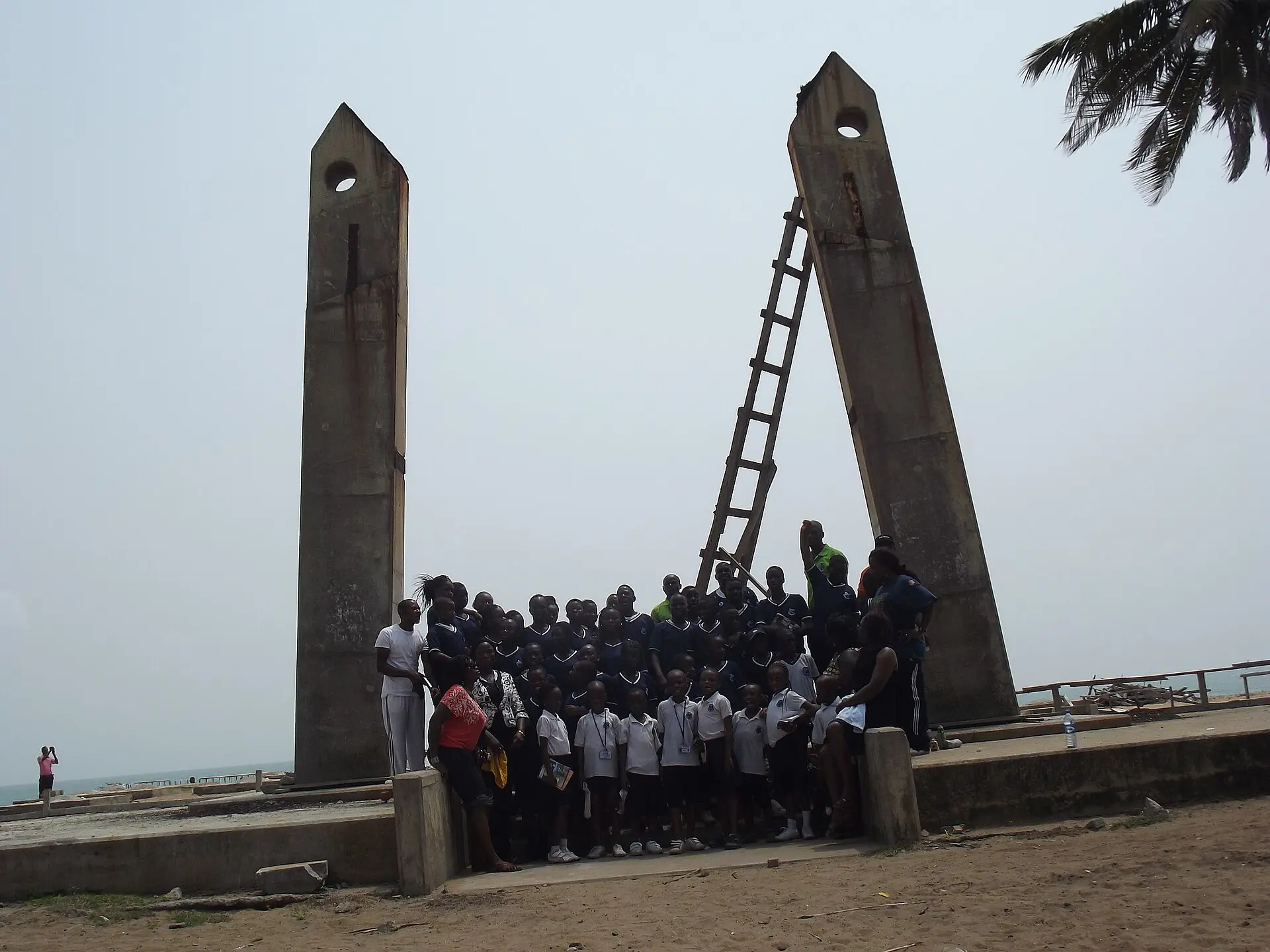
- Visit Badagry: the slave history museum and the Point of No Return mark a key site of the transatlantic slave trade.
- Eat suya and jollof rice: try both at local spots to taste regional styles.
- See Calabar’s carnival: the December events draw big crowds, so book early.
- Look for primates at Drill Ranch: a sanctuary near Calabar for endangered drills and chimpanzees.
- Tour Yankari Game Reserve: elephants, baboons and the Wikki Warm Springs, subject to security checks.
- Watch a Nollywood or Afrobeats event: local listings are the best guide.
Best time to visit Nigeria
The best time to visit Nigeria is the dry season, from November to March, when roads are easier and humidity is lower. From December to February the harmattan wind brings dust and hazy skies from the Sahara, with cooler nights in the north. The rainy season in the south runs from about April to October, with the heaviest rain in June and July. In the north it is shorter, from about June to September.
| Season | Weather | Crowds and prices | Good for |
|---|---|---|---|
| Dry (Nov-Mar) | Hot and dry, dusty haze in Dec-Feb | Peak demand, festivals, higher hotel rates | City travel, Calabar carnival, parks |
| Hot (Mar-May) | Very hot in the north, humid in the south | Moderate | Indoor culture, city stays |
| Rainy (Jun-Sep) | Heavy rain in the south, flooding possible | Lower, but traffic is worse | Green scenery, waterfalls |
| Late rains (Oct) | Easing, still humid | Rising | Osun festival aftermath, early dry season |
Floods can block roads and affect flights in the rainy season, so build extra time into any plan.
Is Nigeria safe to visit?
Is Nigeria safe? It depends heavily on where you go. Lagos and much of the south-west are used by business travellers and tourists every day, but serious threats exist elsewhere, and governments advise against travel to several regions. Read your government’s advice, such as the UK FCDO or US State Department pages, state by state before booking.
Terrorism and banditry. Boko Haram and ISWAP attacks affect the north-east, and armed banditry and kidnapping for ransom are widespread in the north-west and north-central states. Parts of the Niger Delta face kidnapping and piracy, and some south-eastern areas have seen separatist violence and enforced stay-at-home days.
Crime. In cities, watch for pickpockets, phone snatching, fake police checkpoints and taxi robberies. Use trusted ride-hailing or hotel cars, keep a low profile and avoid displaying valuables or walking at night.
Roads. Intercity roads can be poor and dangerous, with kidnap risks on some highways, so avoid night travel and consider flights between cities.
Health. Malaria is widespread, so take prophylaxis. Lassa fever and cholera occur, and tap water is unsafe. Carry insurance with evacuation cover.
Nigeria visa and entry requirements
The Nigeria visa depends on your nationality. Citizens of ECOWAS member states have traditionally travelled freely, and most others need a visa arranged before travel, now often through an online e-visa portal run by the Nigerian immigration service. Typical requirements include a passport valid for at least six months, a return ticket, proof of accommodation, a yellow fever certificate and sometimes an invitation letter. Processing times and fees change, so confirm everything with the official Nigerian immigration source or your nearest Nigerian embassy.
Arrive with printed documents, because airport systems can be slow and officials may ask for proof of funds. Registration with your embassy is sensible. Officers and police at checkpoints may ask for payments; stay polite, stay calm and ask for a receipt if asked for an official fee.
Photography of government buildings, bridges and military sites can lead to trouble. For heritage reference, the UNESCO page for Nigeria lists the World Heritage sites, though it does not cover entry rules.
Getting to and around Nigeria
Most international visitors arrive at Murtala Muhammed International Airport in Lagos or Nnamdi Azikiwe International Airport in Abuja, and a few use Port Harcourt or Kano. Direct flights serve London, Paris, Amsterdam, Istanbul, the Gulf, the US and many African capitals. Land borders with Benin, Niger, Chad and Cameroon exist, but they are not recommended for visitors.
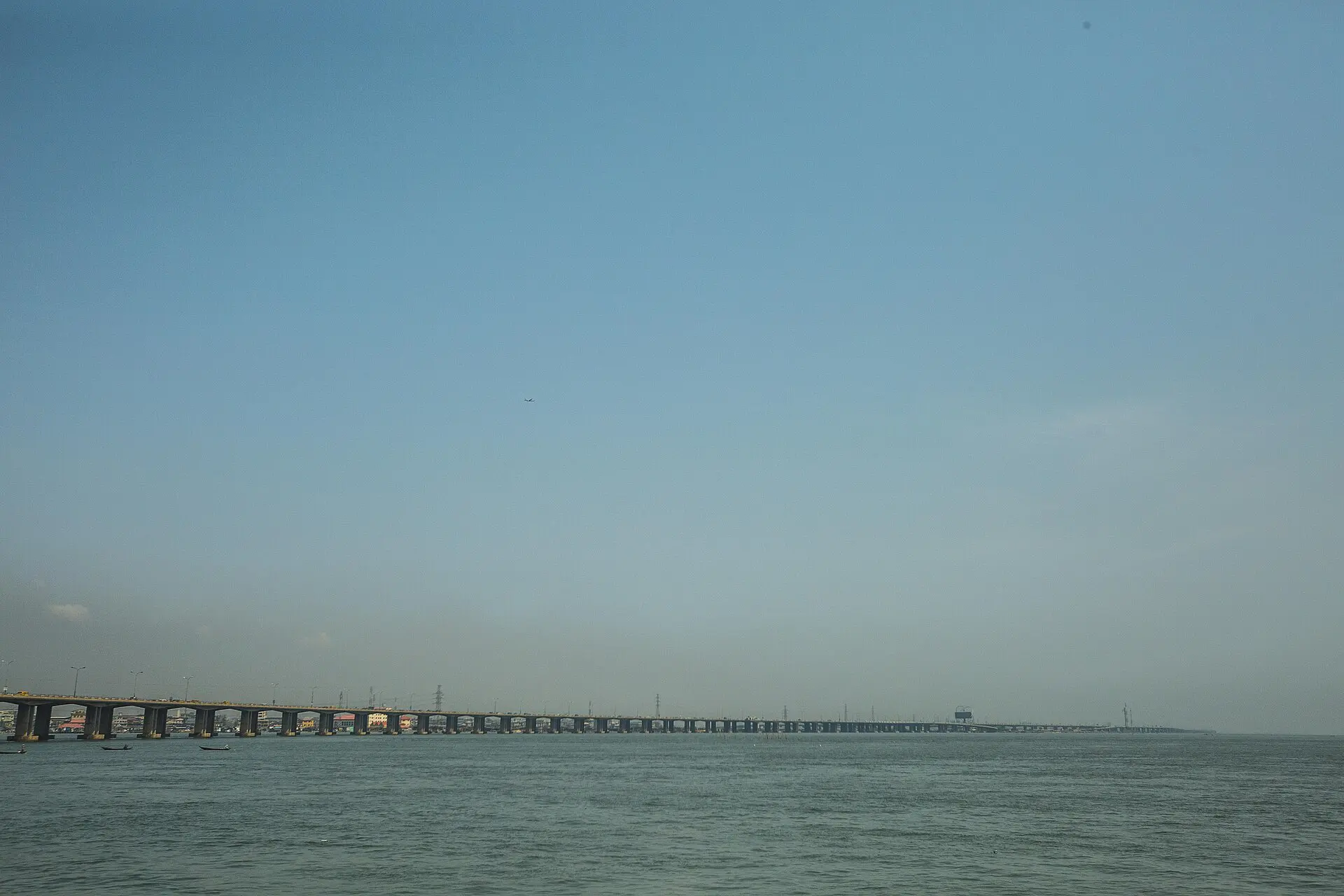
Domestic flights link Lagos, Abuja, Calabar, Port Harcourt and Enugu, and they save many hours on poor roads, although delays and cancellations are frequent. Lagos has a growing rail and bus rapid transit network, plus a rail line between Lagos and Ibadan that takes around two hours, and a service between Abuja and Kaduna for which security advice should be checked.
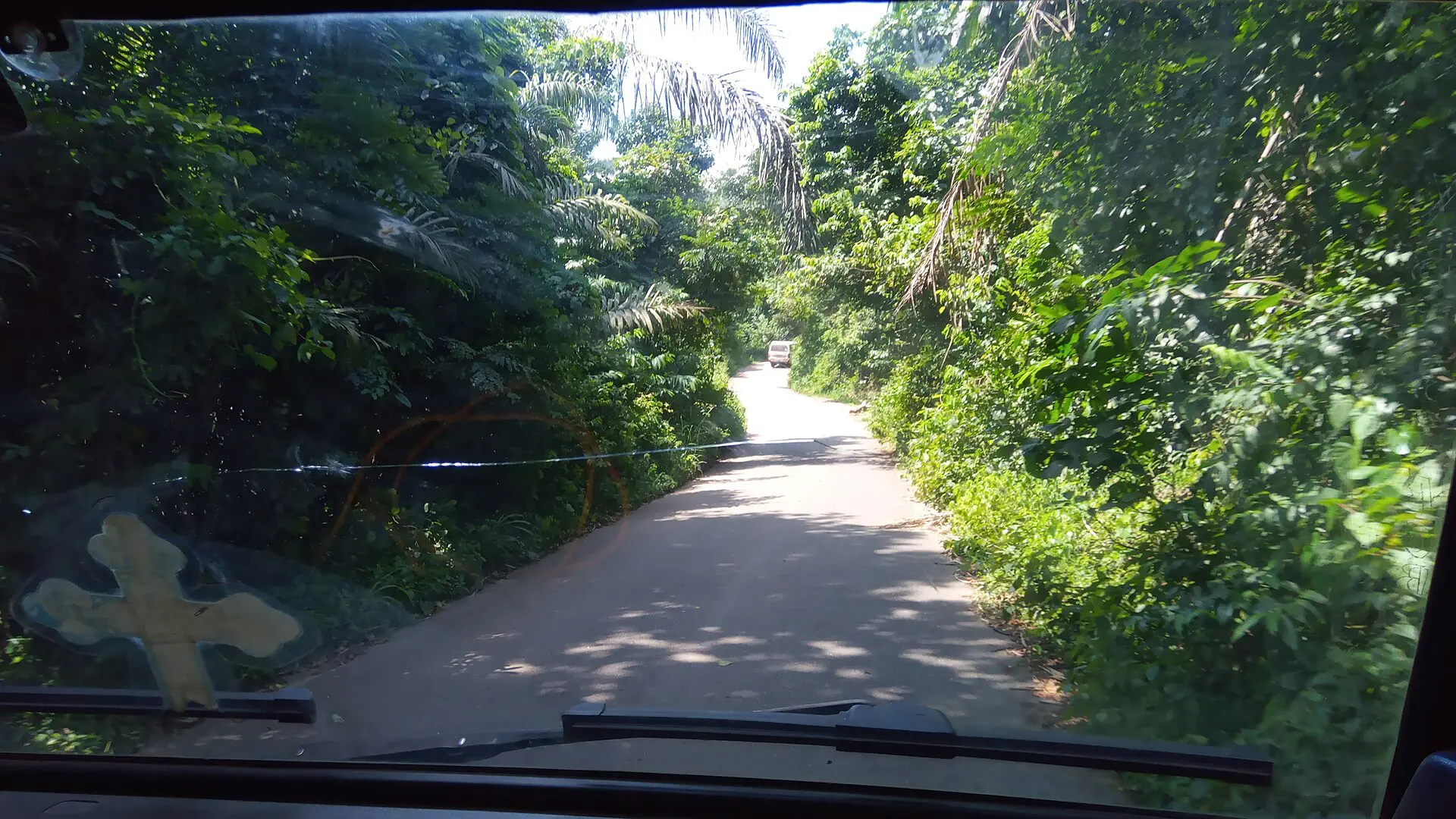
Within cities, use ride-hailing apps or a hired driver, because public minibuses (danfo) and motorbike taxis are risky. Expect heavy traffic: crossing Lagos can take hours. Intercity buses exist, but consider flights or a trusted private driver, and avoid driving at night or in remote areas.
How much does a trip to Nigeria cost?
Costs in Nigeria swing widely. The currency is the Nigerian naira (NGN), and exchange rates have been volatile in recent years, so quotes in dollars or euros are only rough. Hotels in Lagos and Abuja can be expensive compared with the quality, while local food and transport are cheap. Figures below are per-person guides for 2026.
- Budget: around USD 35 to 70 per day, with basic guesthouses, local eateries and ride-hailing.
- Mid-range: around USD 70 to 130 per day, with business hotels, restaurants, a driver for part of the day and some entry fees.
- High-end: from around USD 220 per day, with top hotels in Lagos or Abuja, private security and chauffeured cars.
Accommodation and security-related transport are the main cost drivers. Cash is still important, and ATMs may limit withdrawals or reject foreign cards, so bring clean, recent US dollars or euros to exchange at licensed outlets. Official and parallel rates can differ, so check current rates. Domestic flights add a significant amount to any plan that covers several cities.
Nigeria food and drink
Nigeria food is bold, spicy and varied, with dishes built on rice, yam, cassava, beans, palm oil, peppers and slow-cooked stews. Many people consider it among the best cuisines in West Africa.
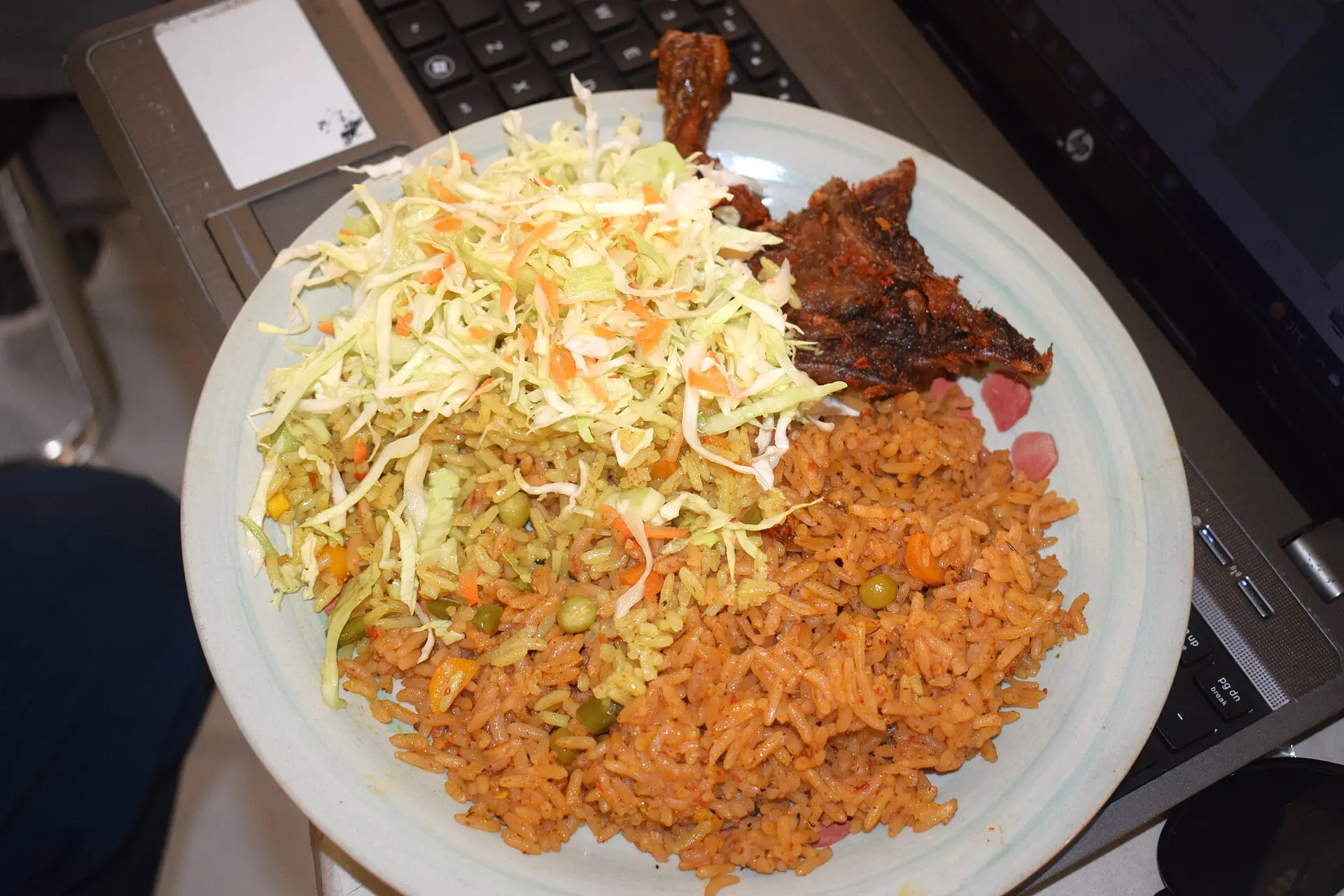
- Jollof rice: rice cooked in a spiced tomato and pepper base, served at parties and restaurants, and the subject of friendly rivalry with Ghana.
- Suya: thinly sliced beef grilled over charcoal with spicy peanut seasoning, sold in the evening.
- Egusi soup: a thick soup of ground melon seeds, leaves and meat or fish, eaten with pounded yam or eba.
- Pounded yam and eba: starchy swallows eaten by hand with soup.
- Moi moi and akara: steamed and fried bean cakes, common at breakfast.
- Pepper soup: a hot broth with goat, fish or chicken, often served with beer.
- Puff puff and chin chin: fried dough snacks sold everywhere.
- Drinks: palm wine, zobo (hibiscus), Nigerian lagers and fresh juices.
Vegetarians should ask about stock and palm-oil stews, because meat or fish features widely. In the Muslim north alcohol is limited. Eat freshly cooked food and drink bottled water.
Culture, language and etiquette in Nigeria
English is the official language, and Nigerian Pidgin is the common street language. Major local languages include Hausa in the north, Yoruba in the south-west and Igbo in the south-east. Nigeria is divided roughly equally between Muslims, mostly in the north, and Christians, mostly in the south, with strong faith traditions in both.
Greetings matter. Greet people before asking for anything, use titles such as Mr, Mrs, Chief or Alhaji, and use your right hand for giving, receiving and eating. Elders are respected, and a slight bow or crouch is part of Yoruba greeting culture. Dress neatly, and cover shoulders and knees in the north and in religious places. Avoid public affection, and note that homosexuality is criminalised, so LGBT travellers should be discreet.
Ask before photographing people, markets or police. Bargaining is normal in markets, with a smile. Religion, ethnic tension, politics and corruption are sensitive topics, so listen first. Time is flexible, and events often start late, but be prompt for flights and business meetings.
Nigeria itinerary: a 7-day route
This route stays in Lagos, Ogun, Oyo, Osun and Cross River states and uses a private driver or ride-hailing for local trips. It avoids the north, the Niger Delta and the south-east interior, which several governments advise against. Check the latest advice for each state before booking.
- Day 1, Lagos: arrive, transfer to a secure hotel and avoid the evening rush.
- Day 2, Lagos: visit galleries, Freedom Park and a market, and eat suya in the evening.
- Day 3, Badagry: take a day trip of around two hours by car to the slave history sites and waterfront.
- Day 4, Abeokuta and Ibadan: drive about two hours to Olumo Rock, then continue to Ibadan for the night.
- Day 5, Osogbo: go to the Osun-Osogbo Sacred Grove in daylight with a licensed guide, then return to Ibadan or Lagos.
- Day 6, fly to Calabar: take a domestic flight from Lagos and visit the museum in the afternoon.
- Day 7, Calabar: visit Drill Ranch if open, then fly back to Lagos for your departure.
Allow buffer time for delays, and travel only in daylight. In December, book early for Calabar’s carnival season.
Practical tips for Nigeria
- Money: naira is the only currency widely accepted. Cards work in many hotels and malls, while cash is needed for markets and tips. Avoid street money changers.
- SIM and eSIM: local SIMs from MTN, Airtel, Glo or 9mobile are cheap, and registration with ID is required. Data coverage is good in cities.
- Plugs: types D and G at 230 V. Power cuts are common, so bring a power bank.
- Tipping: not required, but 5 to 10 percent in restaurants and small tips to drivers, porters and guides are customary.
- Health: get a yellow fever certificate, take malaria prevention and check routine vaccines with a travel clinic.
- Packing: light breathable clothing, a rain jacket, insect repellent and copies of your documents.
- Safety habits: share your location with a contact, keep a spare phone or cash, avoid night travel and use hotel-arranged transport on arrival.
For wider background, see the Wikivoyage Nigeria guide.
FAQ
Q1What is Nigeria food like?
Nigeria food is spicy, hearty and varied. Popular dishes include jollof rice, suya, egusi soup with pounded yam, moi moi, akara, pepper soup and puff puff. Palm oil and chilli feature widely, and vegetarians should ask about stock. Prices are low and portions are large.
Q2Is Nigeria safe?
It depends on the region. Lagos and parts of the south-west are used daily by visitors, while several northern, north-eastern and north-western states, parts of the Niger Delta and some south-eastern areas carry serious risks from terrorism, banditry and kidnapping. Check each state's advice and travel with local support.
Q3What are the best things to do in Nigeria?
Top picks are exploring Lagos, visiting the Osun-Osogbo Sacred Grove, climbing Olumo Rock, seeing Badagry's slave trade sites, eating suya and jollof, and attending Calabar's December carnival. Wildlife parks such as Yankari are possible in some seasons, subject to advice.
Q4Do I need a visa for Nigeria?
Most visitors do, usually arranged through an online e-visa system or an embassy before travel. A yellow fever certificate is normally required. ECOWAS citizens have different arrangements. Rules, fees and processing times change, so check the official Nigerian immigration source.
Q5Is Nigeria safe to visit for tourists?
Tourists visit, but only with preparation. Stick to lower-risk southern cities, use hotel-arranged or app-based transport, avoid night travel and intercity driving where possible, and follow your government's advice for each state. Petty crime and fake police checkpoints are more likely than violence in major cities.
Q6What is the best time to visit Nigeria?
November to March is best, with drier weather and easier travel. December to February brings dusty harmattan haze, while the rainy season from April to October brings floods and slower roads in the south. Calabar's carnival in December makes that month popular.