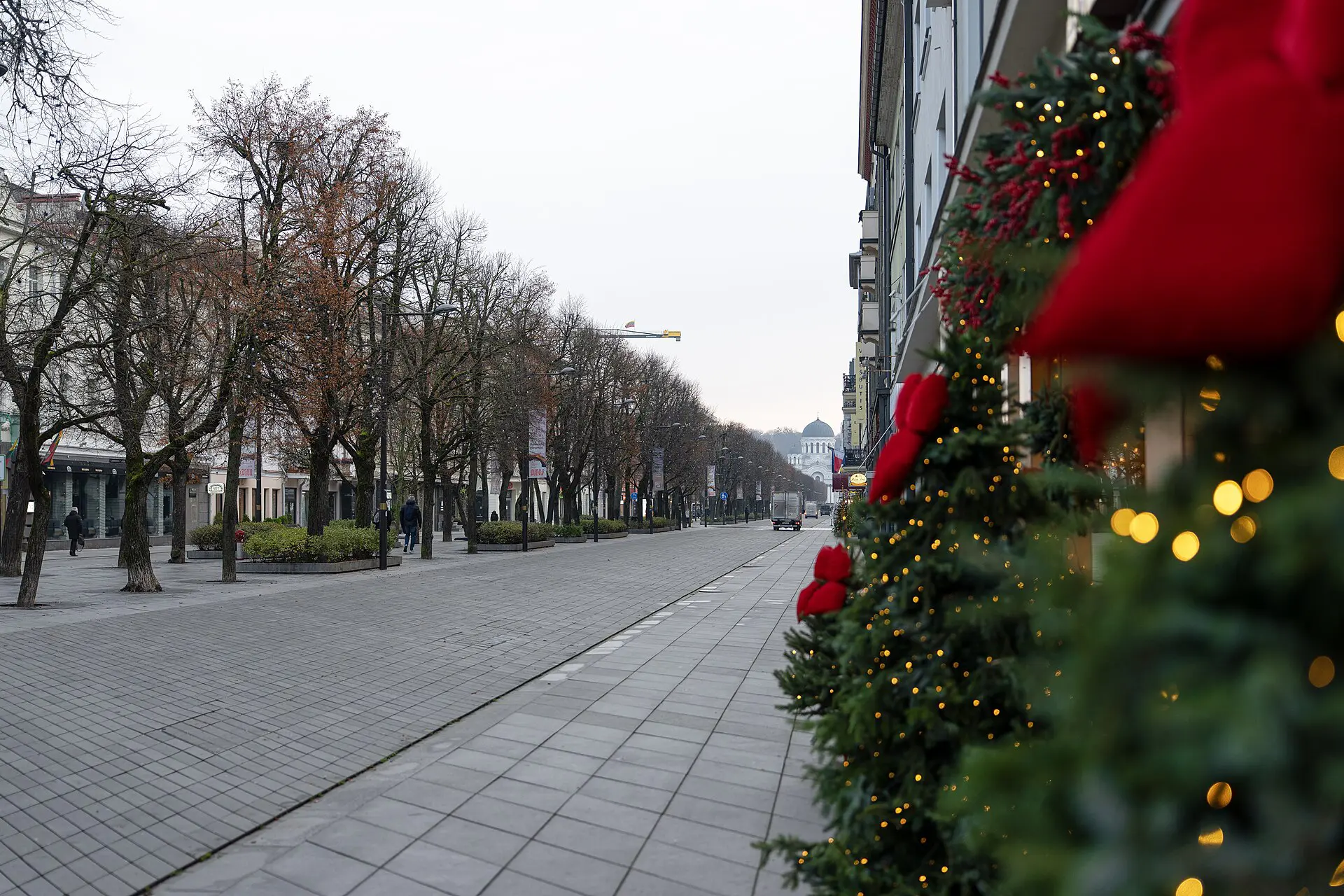
Kaunas digital nomad life suits people who want a real city with a low rent ceiling and no tourist premium. Kaunas is Lithuania’s second city, about 300,000 people, with an interwar Art Deco centre and a large student population. It suits people who value routine over nightlife. It is a weaker fit if you need a big international scene or mild winters. Below: a one-month budget band, where to live by work style, and what to test in week one.
Kaunas digital nomad budget: what does a month cost?
These are rough monthly ranges for one person in euros, as of 2026. Rents and prices move, so treat the table as a starting frame and check live listings before you commit. We have not priced specific places, only typical bands for a mid-range single nomad.
| Item | Range per month |
|---|---|
| One-bedroom or studio apartment, furnished | about 450 to 800 euros, higher in the Old Town and new builds |
| Utilities and heating | about 80 to 200 euros, highest in winter |
| Mobile data and home internet | about 15 to 40 euros |
| Groceries and cooking | about 200 to 300 euros |
| Eating and coffee out | about 150 to 350 euros |
| Coworking desk (if you use one) | about 80 to 200 euros |
| Local transport and occasional taxis | about 20 to 60 euros |
| Total, comfortable single | about 1,000 to 1,800 euros |
The Old Town and Laisvės alėja carry the premium. A flat a tram-free walk from either is often cheaper. Winter heating bills are the line that surprises people who arrive in spring.
Where to base yourself in Kaunas
Kaunas is compact, and the river confluence splits it into clear pieces. Wikivoyage describes an Old Town linked to the 19th-century New Town along Laisvės alėja. Pick by how you work, then check the building, not just the district.
1. Naujamiestis (New Town), for a walkable routine
The grid around Laisvės alėja, the long pedestrian boulevard, is the default choice. Most daily errands, cafes and the bus and rail stations sit within walking range. Expect traffic noise on the main streets, so ask which way the bedroom faces.
2. Senamiestis (Old Town), for atmosphere over space
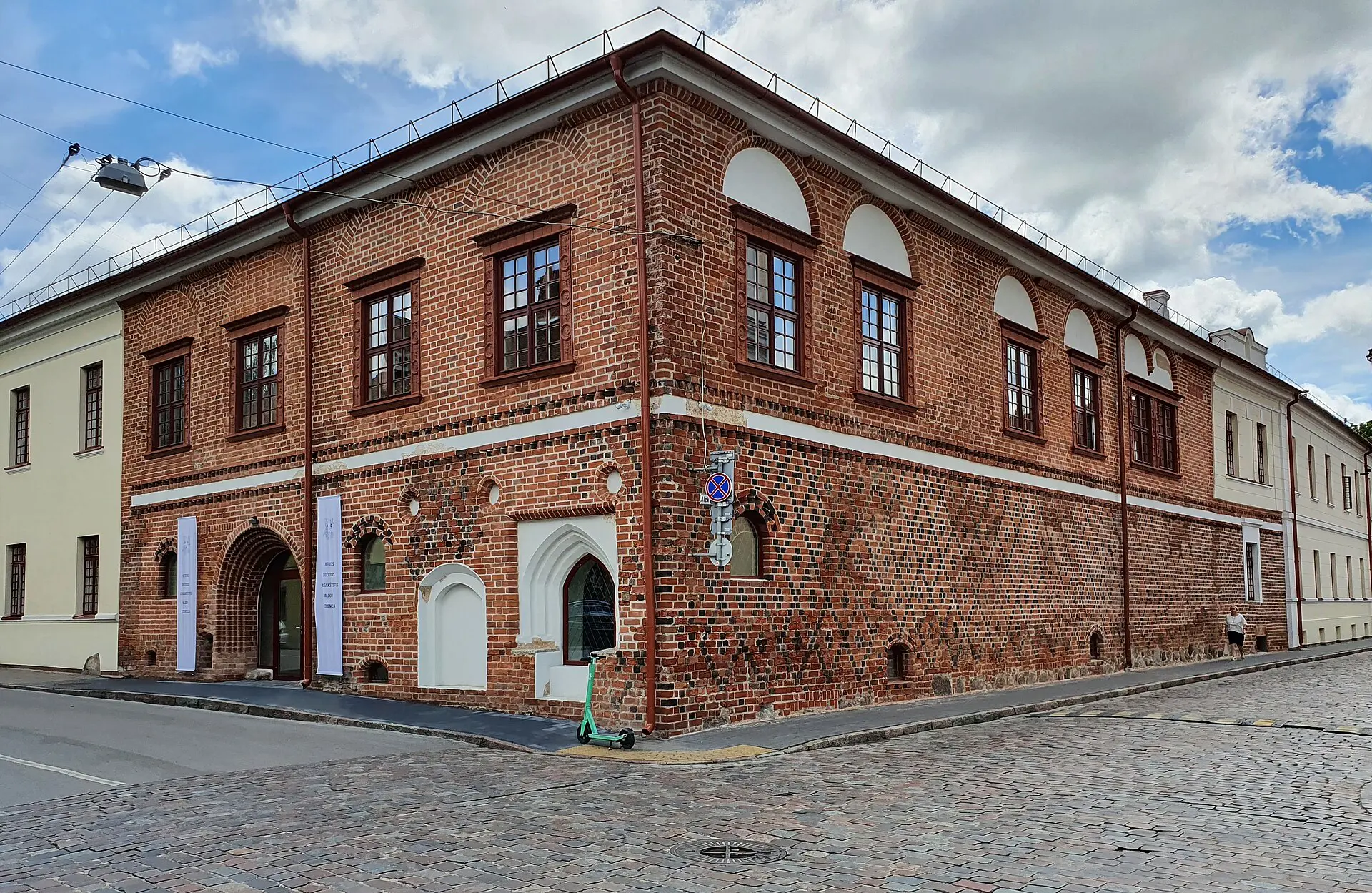
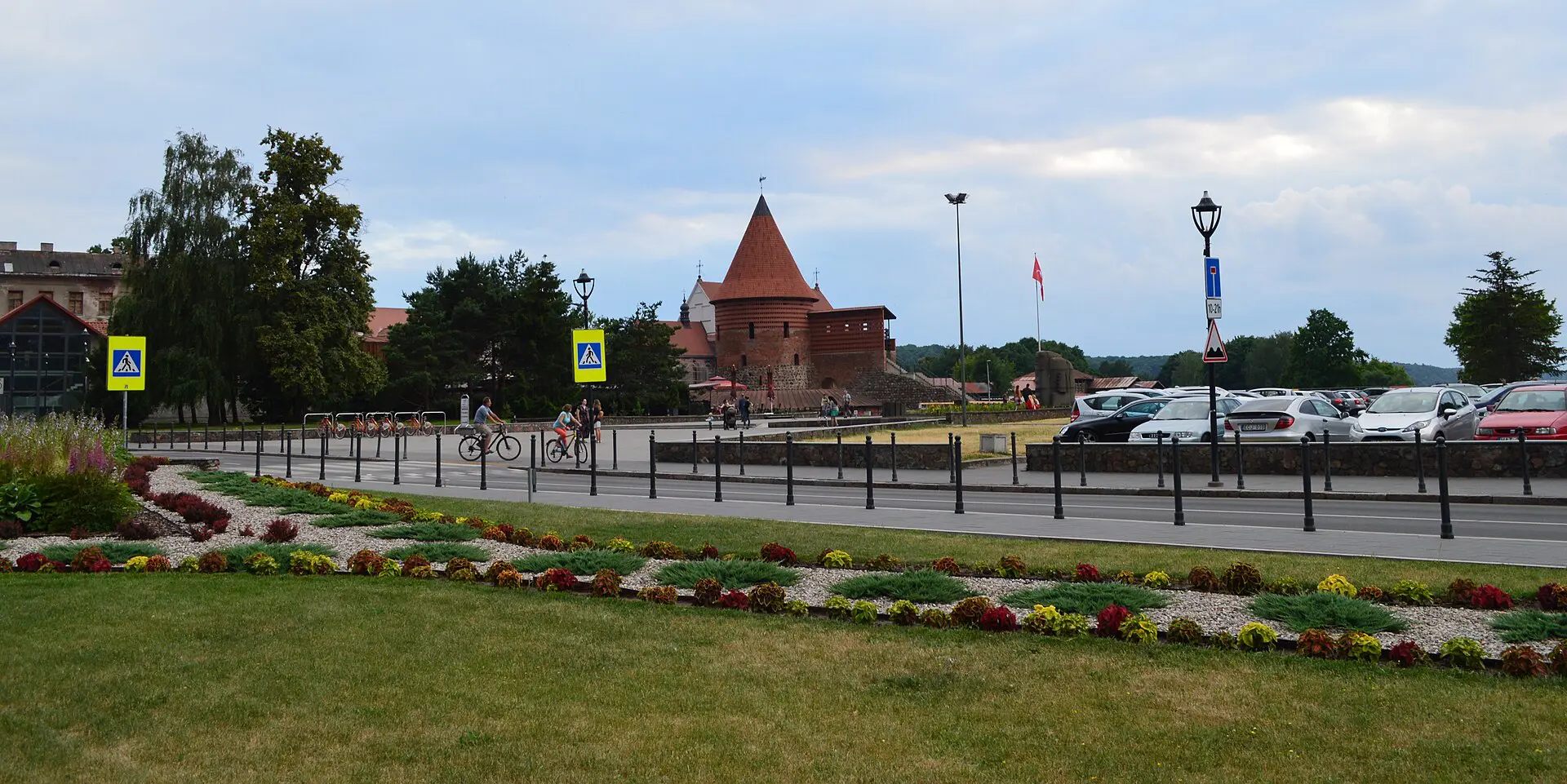
Cobbled lanes, the castle and the river meeting point. Flats are often older, smaller and pricier. It is good for people who work in short bursts and walk between them. Check insulation and heating, because old buildings vary a lot.
3. Žaliakalnis, for quiet focus
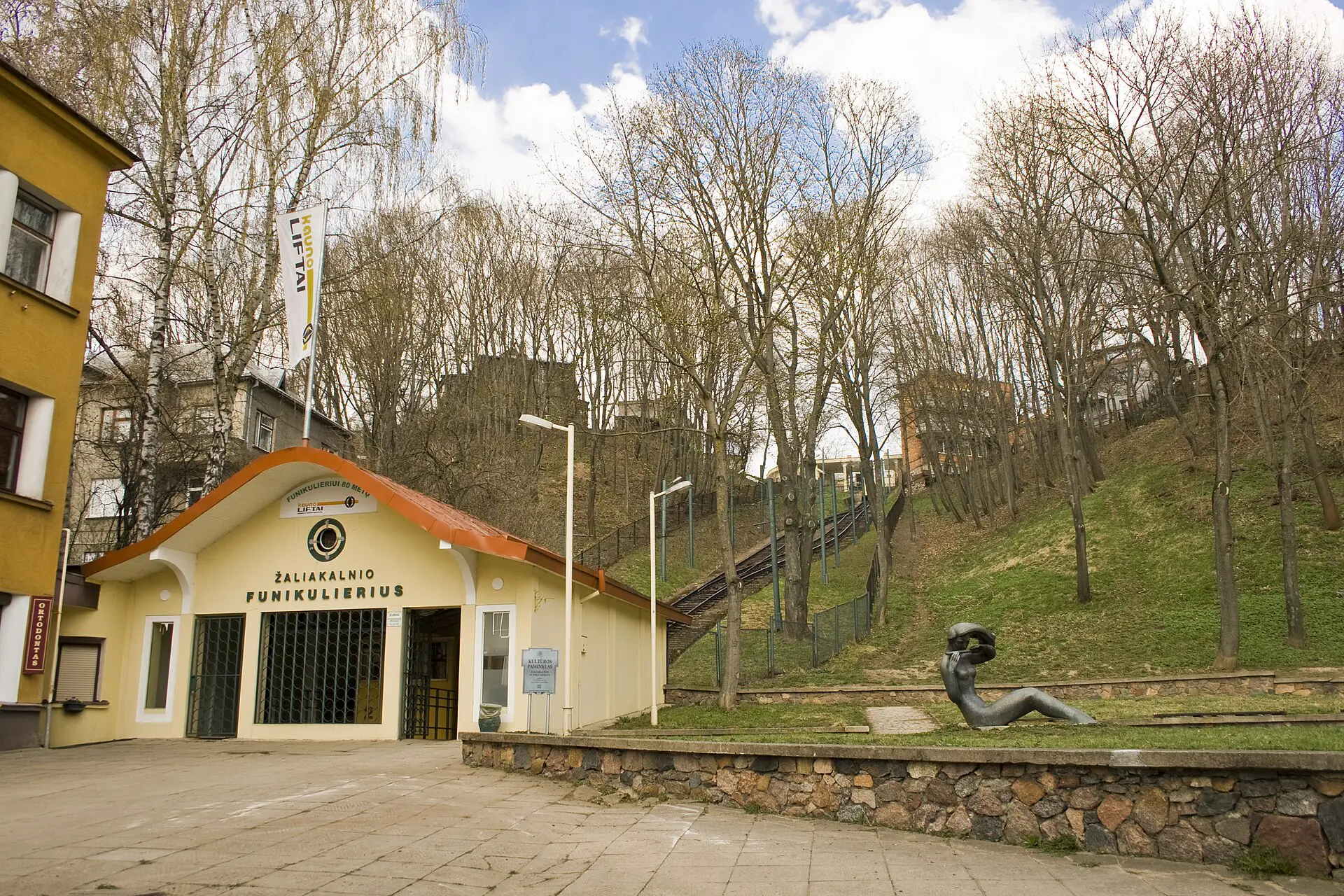
The hillside district above the centre, known for interwar villas and a funicular. Streets are calmer and greener, and a flat here suits deep-work days. The trade-off is a climb or a short ride into the centre, and a winter hill is slippery.
4. Aleksotas, for a cheaper, quieter base
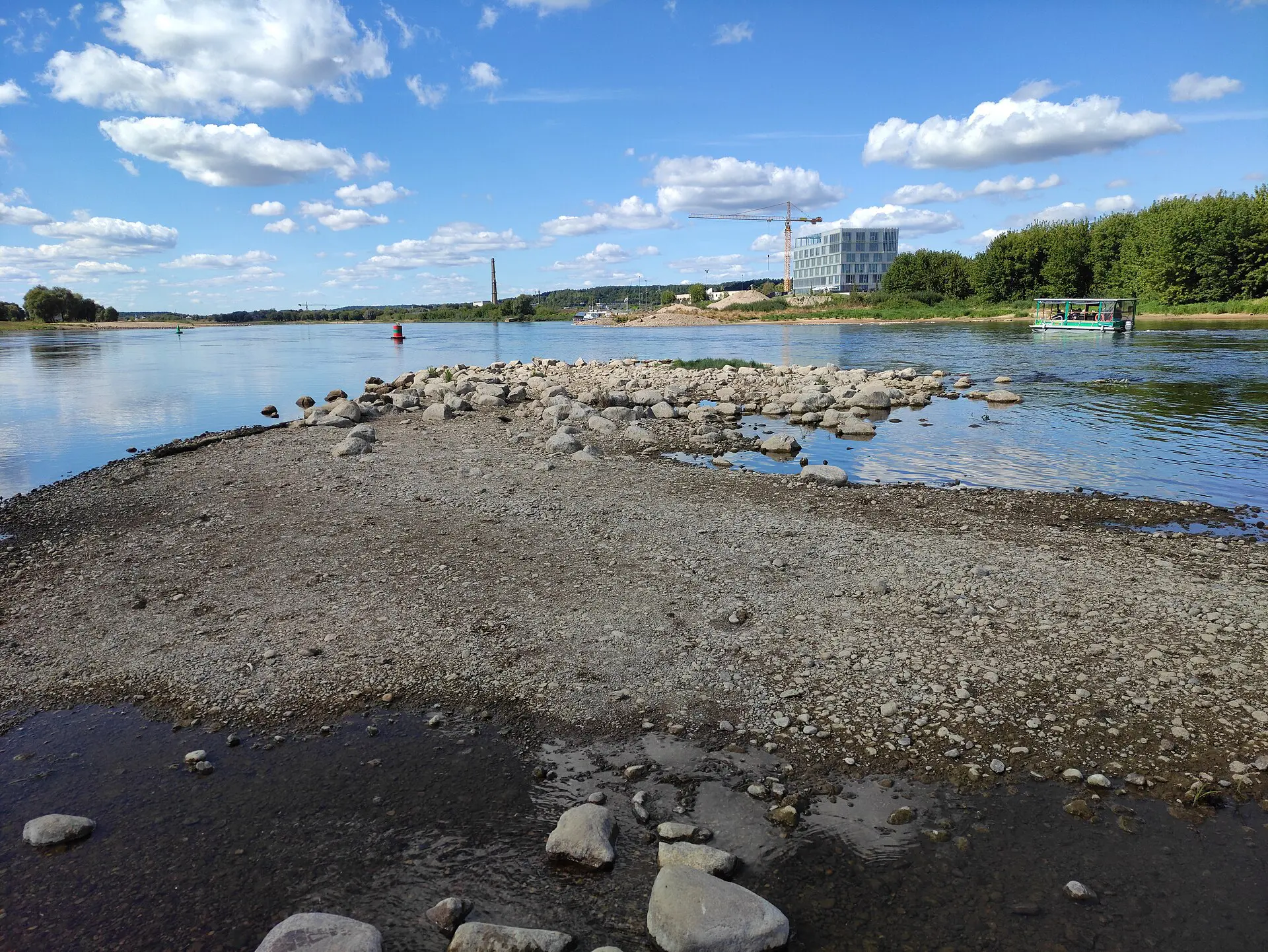
Across the Nemunas from the Old Town. Rents tend to be lower, and the riverside walks are easy. You rely on a bridge crossing, so test your commute at the hour you would actually make it.
5. Vilijampolė, for a local neighbourhood feel
North across the Neris, with a mix of old wooden houses and newer blocks. It is a pick for people who want a less polished area and cheaper rent, and who are comfortable relying on buses or a bike.
6. Šilainiai or another large residential district, for lowest cost
The big Soviet-era housing districts hold plenty of renovated flats at the low end of the range. They are practical, with supermarkets and bus links, but far from the cafes and from the walkable centre. I would pick one only for a stay of two months or more.
Work-friendly spots by type
We are not naming venues, because opening hours, desk policies and wifi change. Instead, here are the types to look for and what each is good for.
- Coworking spaces: best for calls and a fixed schedule. Ask about day passes, a trial day and whether desks are hot or fixed. A monthly pass usually beats daily rates after about a week.
- Cafes: good for a two- to three-hour block. Look for sockets, daylight and a quiet corner, and order regularly. Calls are usually a bad idea.
- University and public libraries: quiet, cheap or free, but with rules about visitors. Check access and hours before relying on them.
- Your apartment desk: the most reliable option. Ask the host for a photo of the workspace and the chair, and confirm there is a real desk.
Internet and power: what to check yourself
Lithuania is generally regarded as well connected, and fixed broadband is common in city flats, but we cannot vouch for any one building. Ask the host for a recent speed test screenshot and the provider name. On arrival, run your own test at the hours you work and again in the evening, and test upload speed as well as download if you take video calls.
Keep a mobile data plan as backup, since a local SIM or eSIM is cheap. Plugs are the European two-pin type, 230 volts. Bring one adapter and a short extension lead. Ask whether a power cut or building works have ever knocked out the connection.
Kaunas digital nomad visa and stay length
Lithuania is in the Schengen Area, and Kaunas is about 100 km west of Vilnius. Many nationalities can stay up to 90 days in any 180 days without a visa, but that depends on your passport and the rules change. Longer stays generally need a national visa or residence permit, and the rules on remote work differ by case. Verify the current position with the Lithuanian Migration Department and the foreign ministry before you plan beyond 90 days. Count days across all Schengen countries, not only this one.
Taxes are a separate question. Time spent working in a country can create tax obligations at home or abroad, so check with an adviser if your stay is long.
Routine and recovery in Kaunas
Winters are cold and dark, and Wikivoyage notes that the city is well adapted to them: streets are cleared, transport keeps running and buildings are heated. Summers are cool, with frequent showers, and the best time to visit is May to August. Plan the working month around that. A winter stay is cheaper and quieter; a summer stay gives longer evenings.
For a weekly rhythm, front-load deep work in the morning, walk by the rivers in the afternoon and use the interwar centre for slower days.
For history, see Wikipedia. For the city itself, our Kaunas guide covers the sights, and the Lithuania travel guide sets the wider context. Vilnius, about 100 km east, is the larger hub if you need more flights. Kaunas airport sits 14 km northeast of the centre and is served mainly by Ryanair and Wizz Air, with bus 29 running into town as of 2026 and a fare around 1.50 euros. An Ollex bus links the airport to Vilnius in about 90 minutes.
Test Kaunas in your first week
- Run a speed test at the flat at 9am, 2pm and 8pm, and note upload speed.
- Do one full video call from the desk and one from a cafe.
- Walk your commute to a coworking space or cafe at the hour you would use it.
- Check the bedroom for noise at night, and the heating in the evening.
- Buy groceries for three days and compare the total with your table.
- Check how you get to a pharmacy, a clinic and the airport bus.
- Decide by day 7 whether to extend. Negotiate a monthly rate only after you know the answers.
Kaunas digital nomad FAQ
Is Kaunas good for digital nomads?
It suits people who want low costs, a walkable centre and a calm routine. It has fewer coworking choices and a smaller international crowd than bigger hubs. Test the connection, the heating and the noise level before committing to a long lease.
How long can I stay in Kaunas without a visa?
For many nationalities, up to 90 days in any 180 days across the Schengen Area, but your passport decides. Longer stays usually need a visa or permit. Check the official Lithuanian Migration Department site before you book, as the rules change.
Is Kaunas cheaper than Vilnius?
Generally, yes, especially on rent, though the gap varies by area and season. Vilnius has more flights, coworking spaces and events. Kaunas gives you a quieter day and a lower rent ceiling. Compare current listings in both before deciding.
When is the best time to stay in Kaunas?
May to August is the easiest, with long days and mild weather. Winter is cold and dark but well managed, and rents may be lower. Pick winter only if you are comfortable with short days and heavy clothing, and budget for heating.