A Kanazawa one day itinerary works because the main sights sit in a few clustered districts: the garden and castle at opening, a market and museum at midday, and the old tea-house district at dusk. Start at Kenroku-en when it opens, and use the loop bus between blocks. If you only have half a day, do the garden, the market and the museum, and skip the rest.
How to spend one day in Kanazawa
Kanazawa is one of the best-preserved major Edo-period cities in Japan, with samurai, merchant and geisha districts all within a compact central area. It sits on the Sea of Japan side of Honshu, away from the Tokyo to Kyoto route. The Hokuriku Shinkansen from Tokyo takes roughly 2.5 hours on the fastest services, so a day here is realistic for a Tokyo-based traveller, though an overnight is far more relaxed.
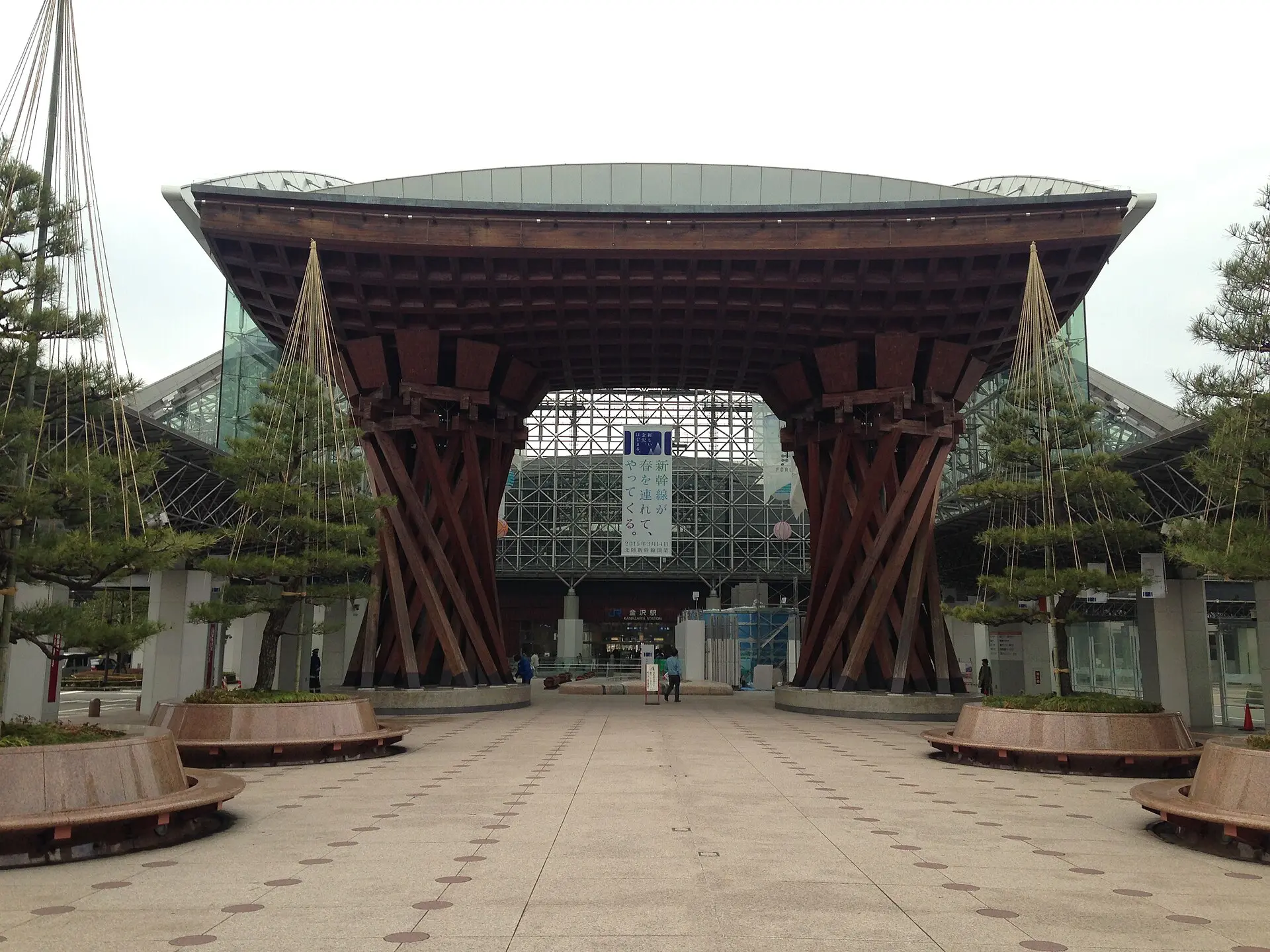
Without a rail pass, a reserved seat costs around ¥14,380 each way, so check the current fare. The fastest Kagayaki trains require a seat reservation and run mainly in the morning and evening, which matters for a same-day return.
The logic: garden at opening, museum at midday, district at dusk. The sequence keeps outdoor sights in the cooler or softer light, and the indoor museum in the middle of the day. See also the Japan travel guide and the Kanazawa guide.
Kanazawa one day itinerary: the time-blocked plan
7:30: Kenroku-en at opening
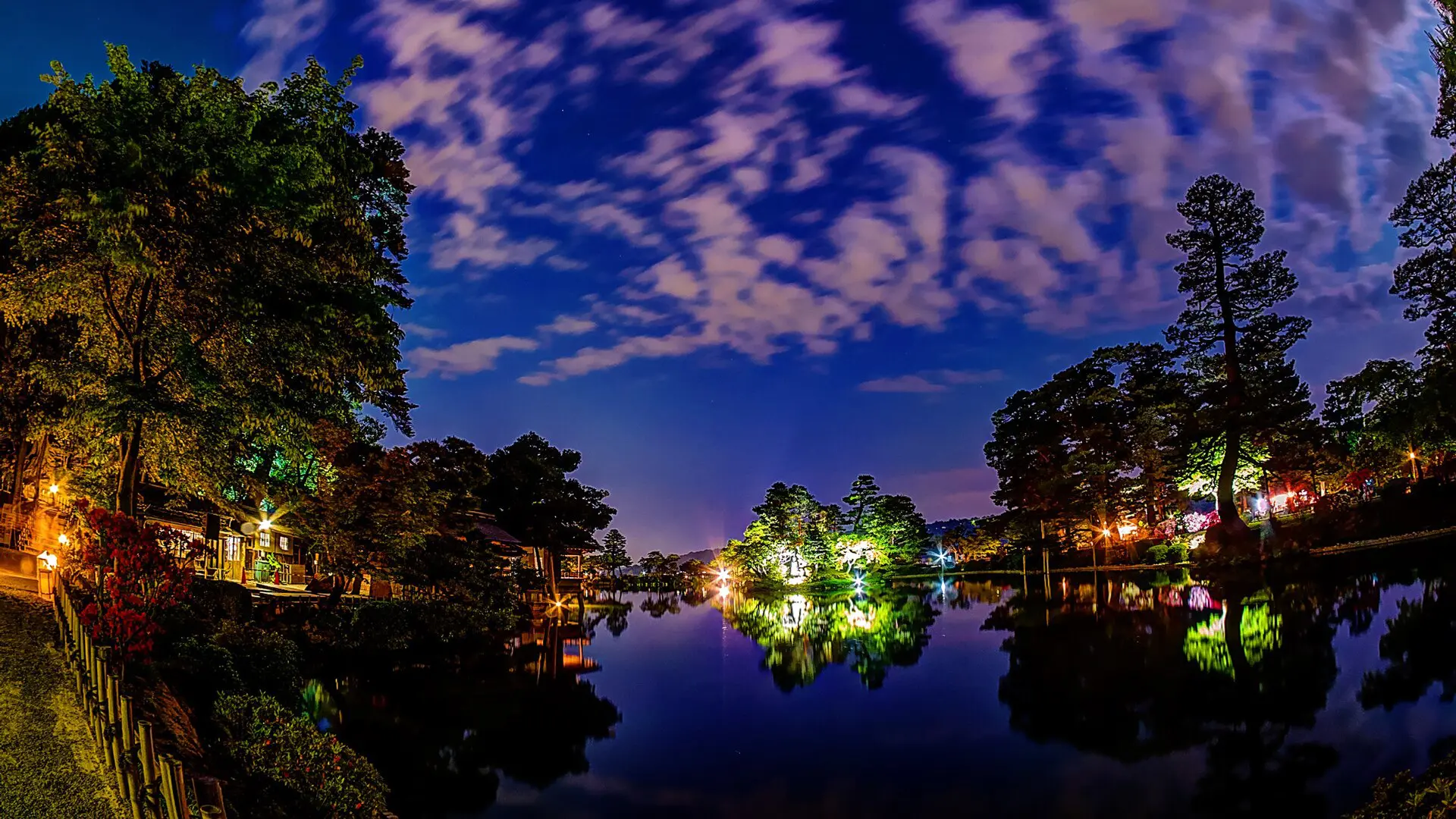
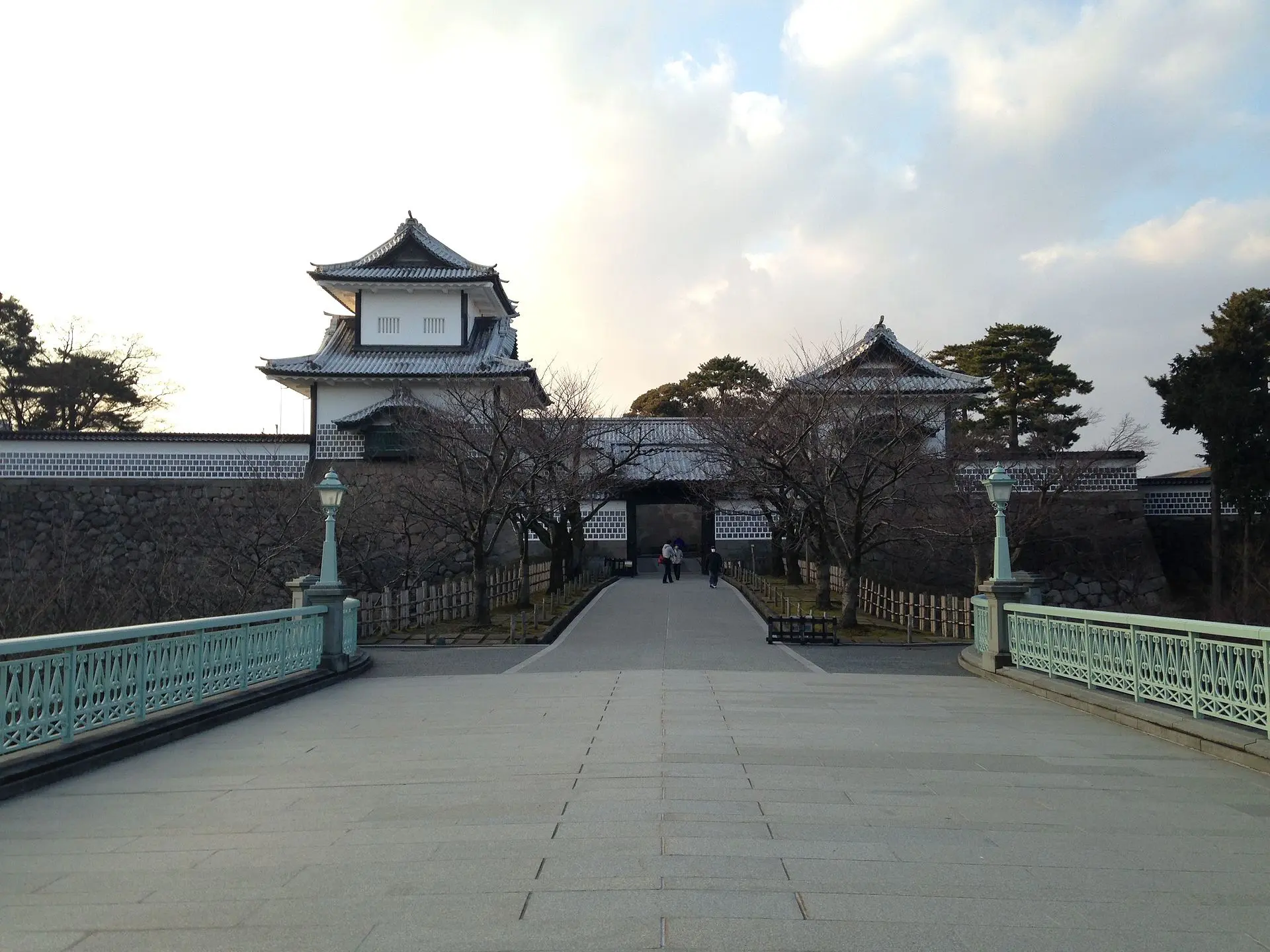
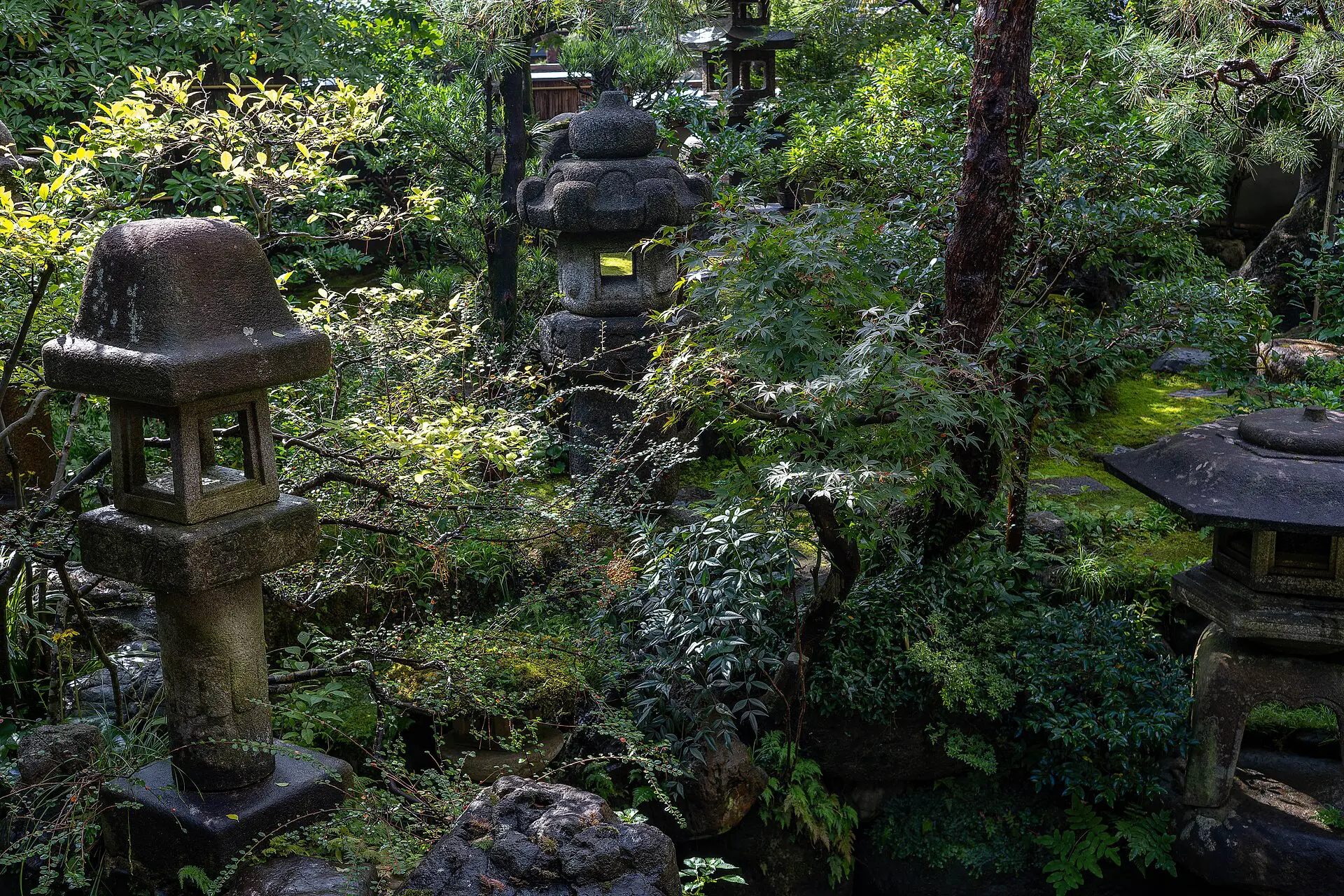
Kenroku-en is ranked among Japan’s celebrated landscape gardens, and the quiet early hour is the point. Opening times change with the season and the garden usually opens early, so check the current schedule, and the entry fee, before you go. Allow 75 to 90 minutes. Follow the pond edge and look for the snow-support ropes (yukizuri) in winter. Weekday mornings are the calmest, while the main gate area fills from 9:30.
9:30: Kanazawa Castle Park
The castle grounds sit directly across from the garden, so the transition is easy. The reconstructed gates and long white-walled turrets are the draw, and the lawns are free to enter. Entry to some interior areas is ticketed, as of 2026, so check what is open. Allow 45 minutes for the grounds, or up to 2 hours if you add the interior. This stop is the one to cut if rain starts, since it is largely outdoors.
11:00: Omicho Market
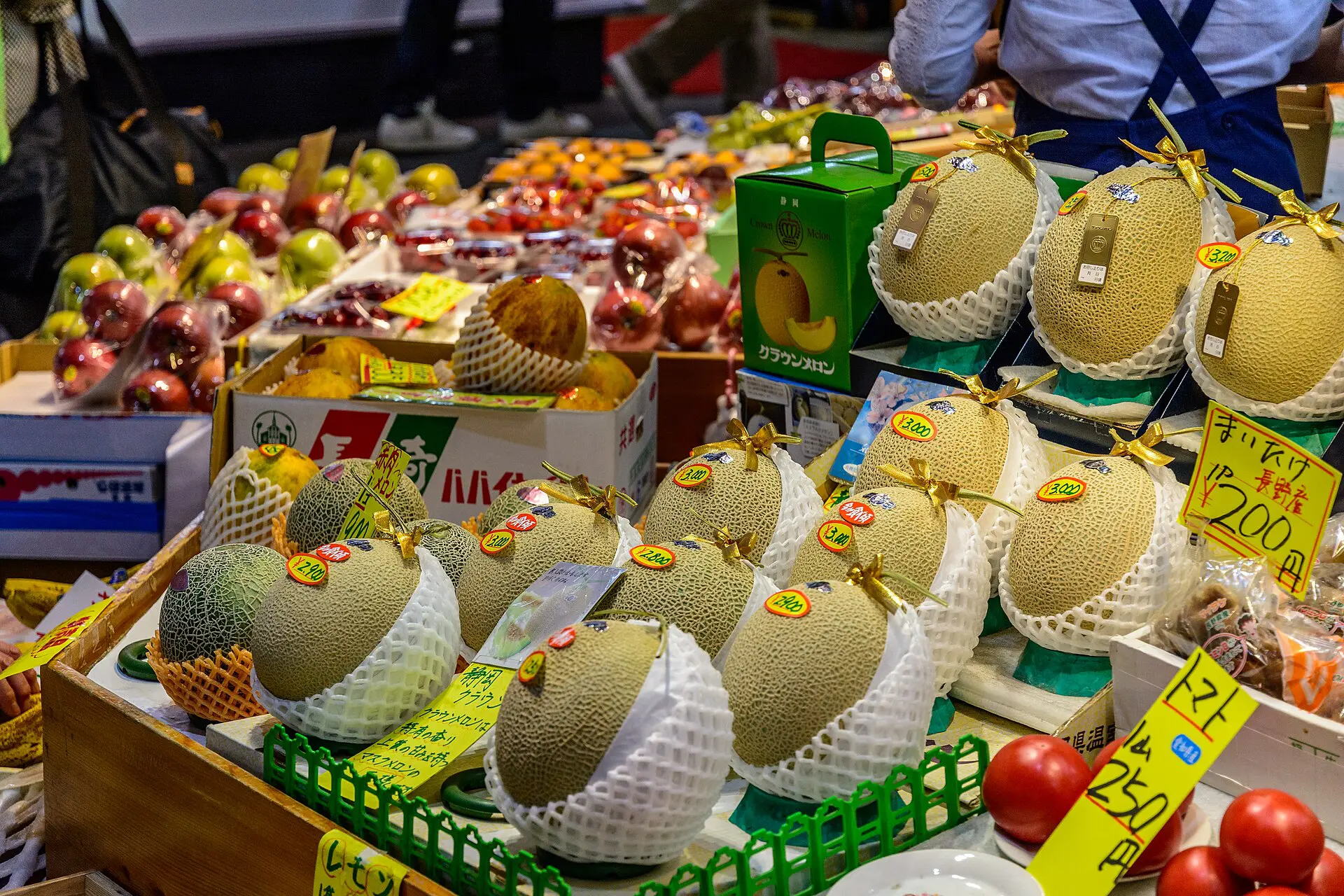
The anchor is paired with a market. Omicho is the central food market, close to Kanazawa Station, with fresh fish, local vegetables and small eateries serving rice bowls topped with seafood. It is the centre of the small-restaurant and craft-shop area near the station. Arrive before the lunch rush at noon. Stalls tend to close from mid-afternoon, and some shops shut on certain days, so check the weekday before you commit.
13:00: 21st Century Museum of Contemporary Art
This round, glass-walled museum is the city’s modern counterpart to its Edo past. Large parts of it are free to enter, with ticketed exhibition galleries inside, while one popular installation (a pool seen from above and below) has timed access, so check the booking rules. Most Japanese museums close on one weekday, usually Monday, so confirm before you plan this block. Allow 90 minutes.
The D. T. Suzuki Museum is nearby if you want a quieter second stop. Both sit in the museum district between the castle and the garden, so the walk from Kenroku-en is short, and the Kanazawa Station area is the other side of town.
15:30: Nagamachi Samurai District
The Nagamachi district is in the western Kohrinbo and Katamachi area, with old houses and craft shops. Narrow lanes, earthen walls and canals make it a compact 45-minute walk. Several samurai houses are open as small museums on a ticket, and hours are often shorter in winter. This is also the right place to look for gold-leaf goods, a craft Kanazawa is known for. Buy small, light items, which are easy to carry back.
If you prefer temples to samurai houses, the Teramachi district south of the Sai river holds many Buddhist temples, including the so-called Ninja temple, which usually needs a reservation for its guided visit. That is a swap, not an addition.
17:30: Higashi Chaya at dusk
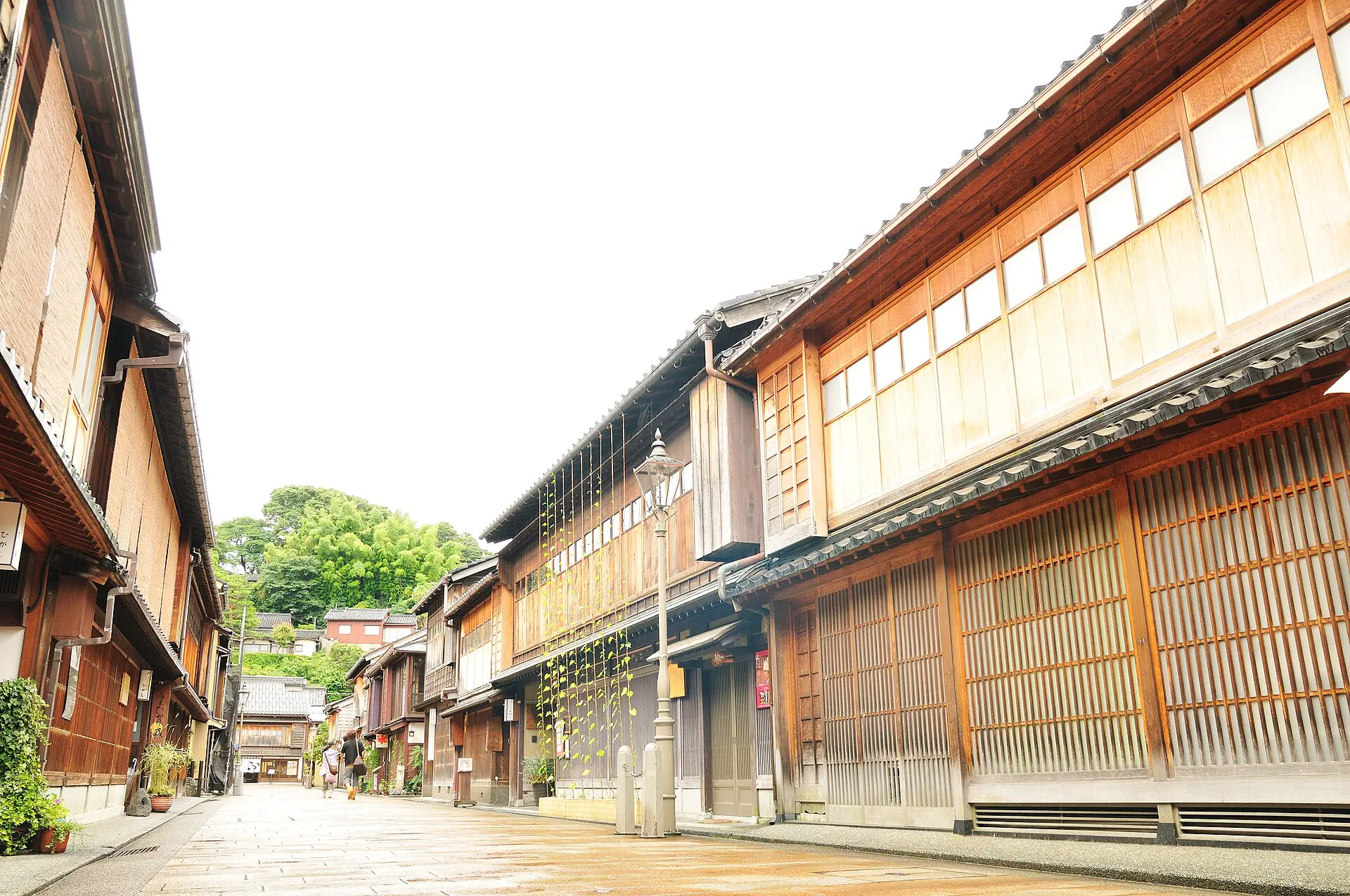
The Eastern Tea House District is the geisha quarter north of the Asano river. The wooden lattice fronts look best at dusk, when the lanterns come on and the day crowds leave. Some teahouses are open for visits by day, and they usually close earlier in the evening. Gold-leaf treats and a tea break fit here. Respect the signs about private lanes and photography, and keep your voice low.
How to avoid queues in Kanazawa
- Kenroku-en: arrive at opening. After 10:00 the paths are slow with tour groups.
- Omicho: eat early, around 11:00, or after 13:30. The 12:00 hour has the longest lines.
- The 21st Century Museum: weekdays are quieter, and weekends and holidays fill the timed installation first.
- Higashi Chaya: Saturday afternoons are busiest. Weekday dusk is better.
- Weather: Kanazawa is rainy, and it is sometimes called the Seattle of Japan. Carry an umbrella and reorder the plan so the museum falls during the heaviest rain.
Getting around Kanazawa
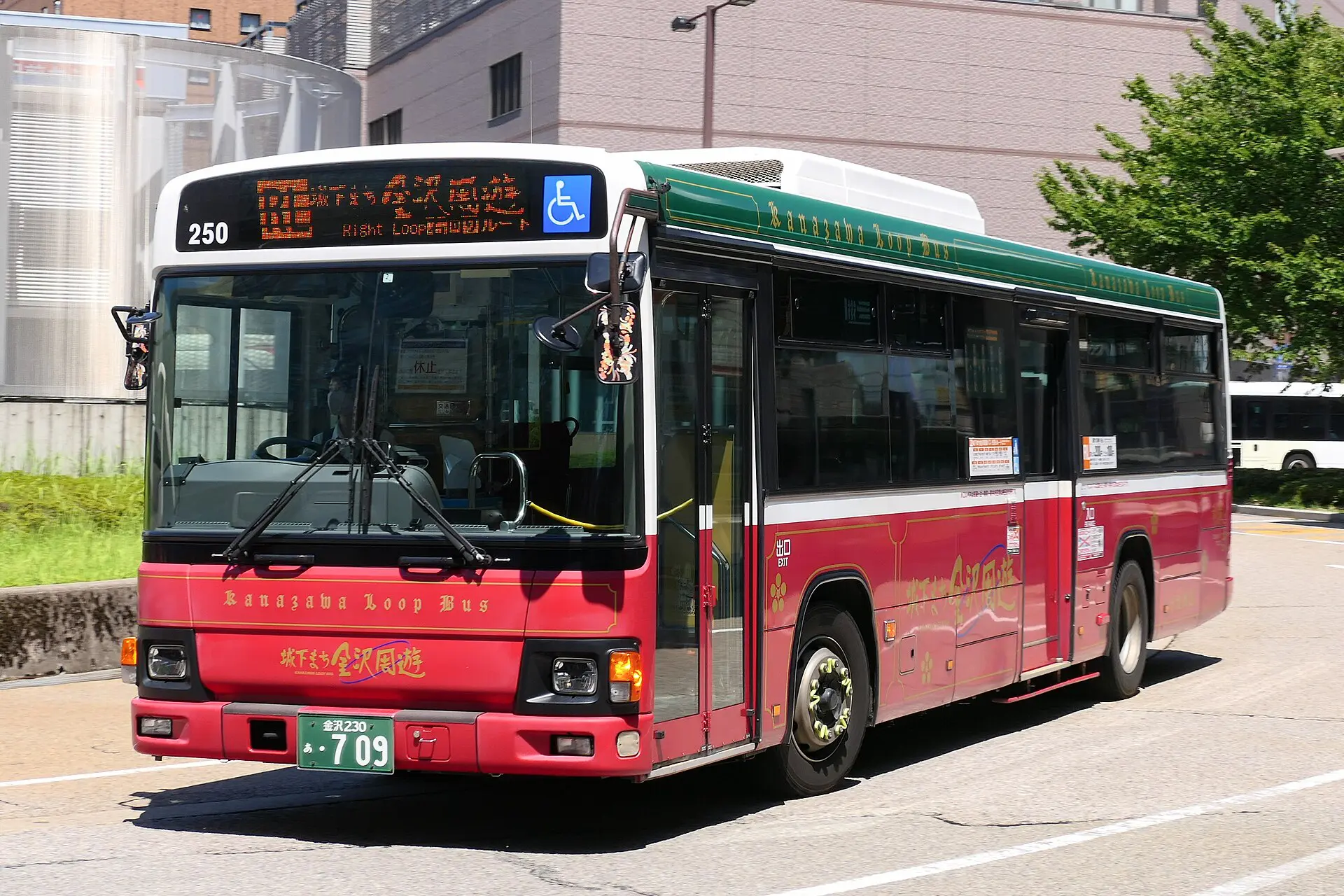
Central Kanazawa is walkable, but the sights are spread out enough that a loop bus saves time: the bus ride from the station to the garden takes roughly 15 to 20 minutes, against about 40 minutes on foot. Buses leave from the east exit of Kanazawa Station, and a one-day pass is typically cheap, around the price of a few single fares, so check current prices. Use the bus to go between Omicho, Kenroku-en and Higashi Chaya, and walk the rest. A lot of the cost saving comes from not paying for single tickets at each hop.
Luggage is easy to store: coin lockers at the station take a day pack, though the largest ones fill up in peak seasons. In winter, allow extra time for snow. Main roads have sprinklers that clear it, but smaller streets are slower, and the paths in the garden may be partly closed. Check the gate opening time for the garden in that month, because early opening is a summer pattern, and winter hours start later.
Where to stay in Kanazawa
A one-day visit usually means a base near the station, since you will arrive and leave from there. If you add a second morning, a night in the east of the city puts the tea-house district on your doorstep.
- Near Kanazawa Station and Omicho: the best base for an early start, with trains, buses and the market close by.
- Kohrinbo and Katamachi: the liveliest area in the evening, with many places to eat and drink.
- Higashi Chaya area: traditional inns, atmospheric, but fewer late-night food options.
What to skip in Kanazawa if time is short
Cut Nagamachi first and then the castle interior. If the museum is closed, replace it with a longer Omicho stop. A Kanazawa one day itinerary should never skip the garden at opening or the tea-house district at dusk, since they bracket the day. I would also skip souvenir shopping at the station, since the better goods are in the districts themselves.
FAQ about Kanazawa
Is one day enough for Kanazawa?
One day covers the garden, the castle park, the market, the museum and the tea-house district if you start early and use the bus. Two days let you add the samurai district and temples, and slow everything down.
How do I get from Tokyo to Kanazawa?
Take the Hokuriku Shinkansen, which takes about 2.5 hours on the fastest trains and about 3 hours on the stopping service. Check fares and whether your rail pass covers the line.
What is the best time of day for Kenroku-en?
Opening time. The garden is quietest early, and the light is soft. Check the season’s opening hours first, as they change through the year, and consider a visit in winter for the snow ropes.
Is Kanazawa often rainy?
Yes. The weather is unreliable even in spring and autumn, and winters bring snow. Bring a compact umbrella, and plan the museum block as your wet-weather fallback.
Further reading: Wikivoyage on Kanazawa.