Why visit Kanazawa
If you are planning things to do in Kanazawa, start with its character. It is the capital of Ishikawa Prefecture on the Sea of Japan side of Honshu, and one of the best-preserved major Edo-period cities in the country. The samurai, merchants, geisha and lords all left their mark in a compact, easily navigable central area.
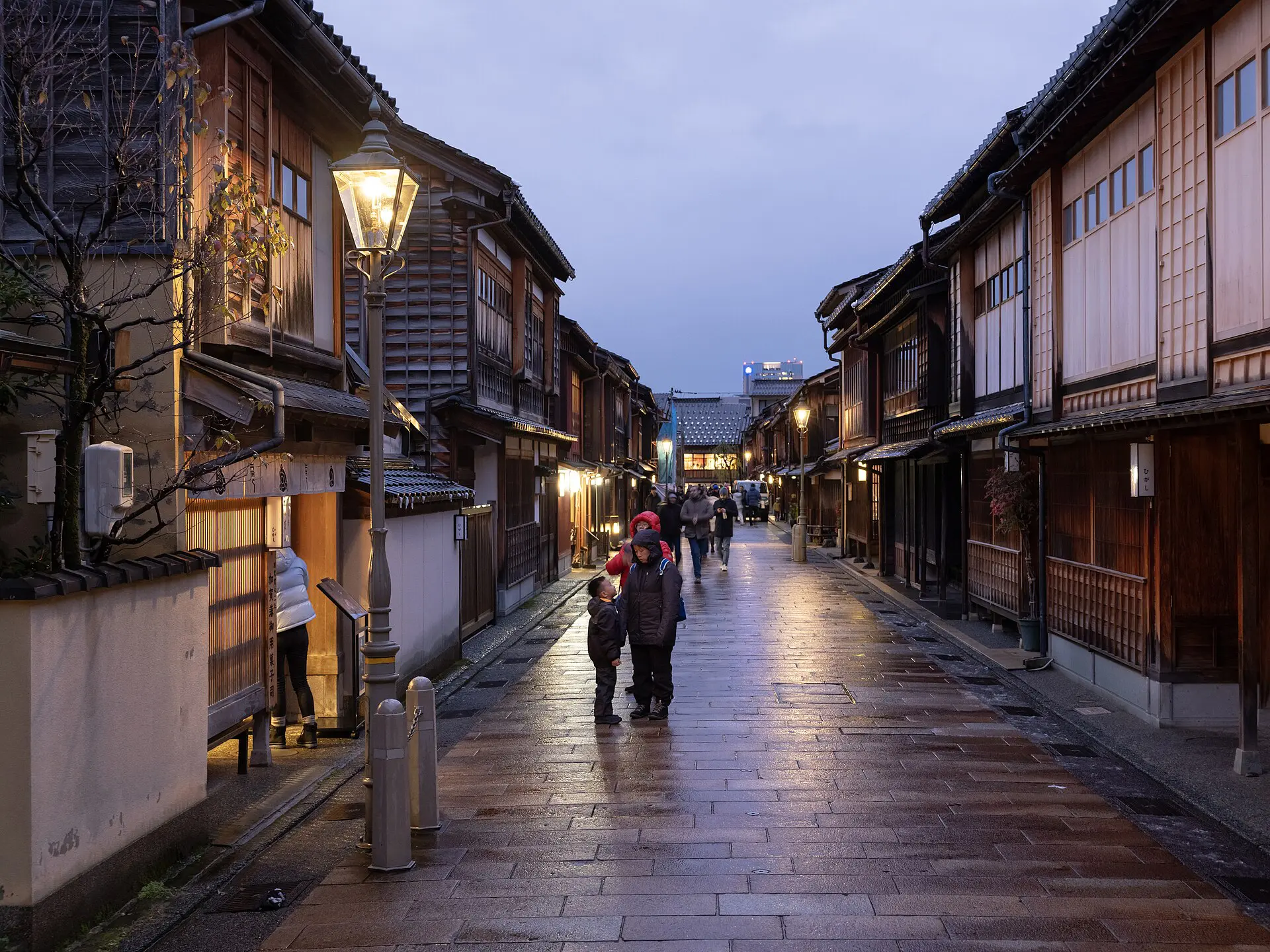
It lies off the usual Tokyo-Kyoto-Osaka route, and visitors from abroad increased significantly after the Hokuriku Shinkansen opened from Tokyo in 2015. It is part of the UNESCO Creative Cities Network as a City of Crafts and Folk Art, and the city’s traditions include gold leaf, ceramics and lacquerware.
The name means marsh of gold, drawn from a legend about a peasant who found gold flakes while digging for potatoes. English is less widely spoken than in Kyoto, but locals tend to go to great lengths to help. Kanazawa suits travellers who like gardens, museums, crafts and food.
Top things to do in Kanazawa
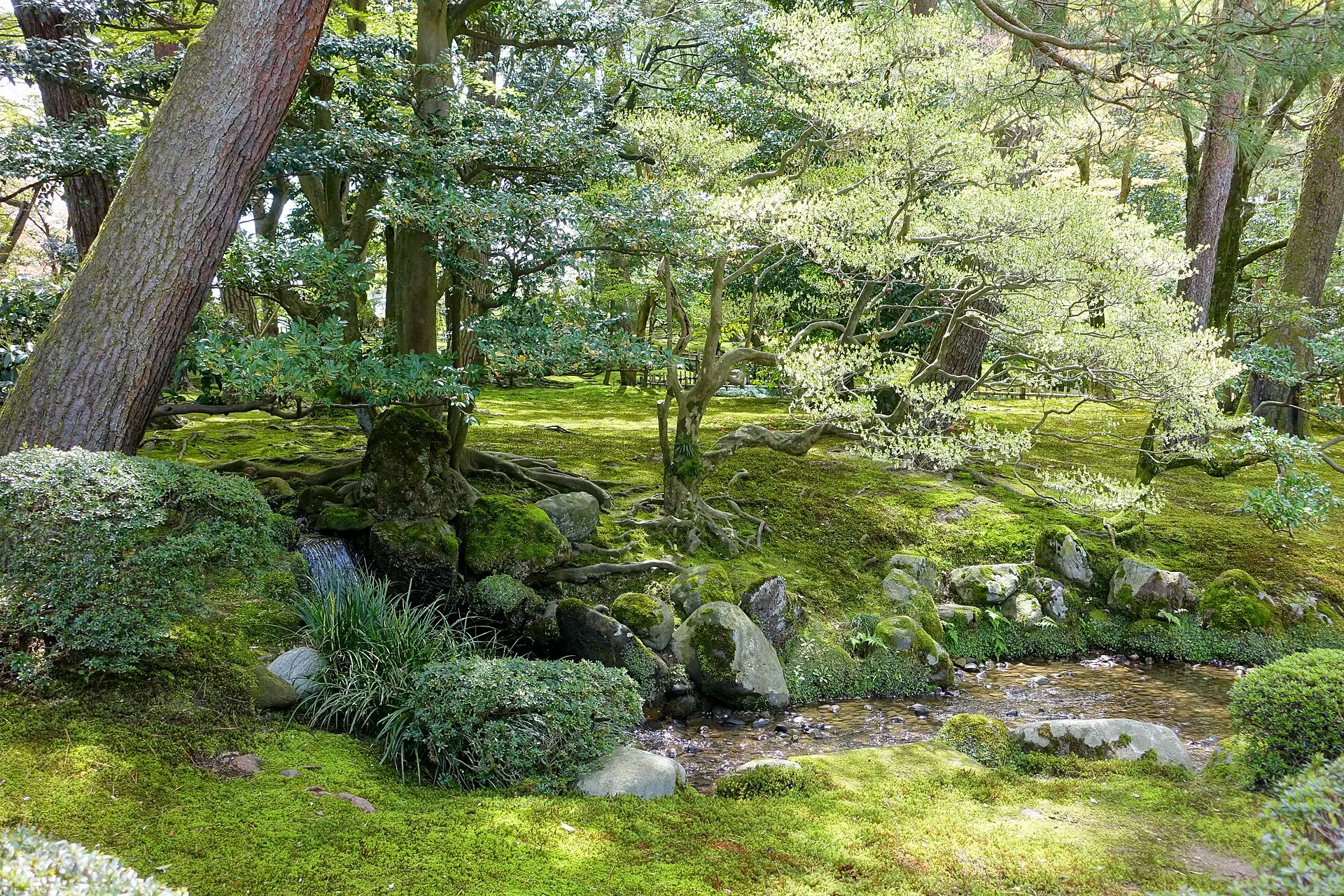
Kenroku-en garden
One of Japan’s celebrated landscape gardens, with ponds, bridges, lanterns and carefully shaped pines. Allow about 90 minutes. Go early for fewer people, check opening hours and entry fees, and visit in different seasons if you can, as the look changes.
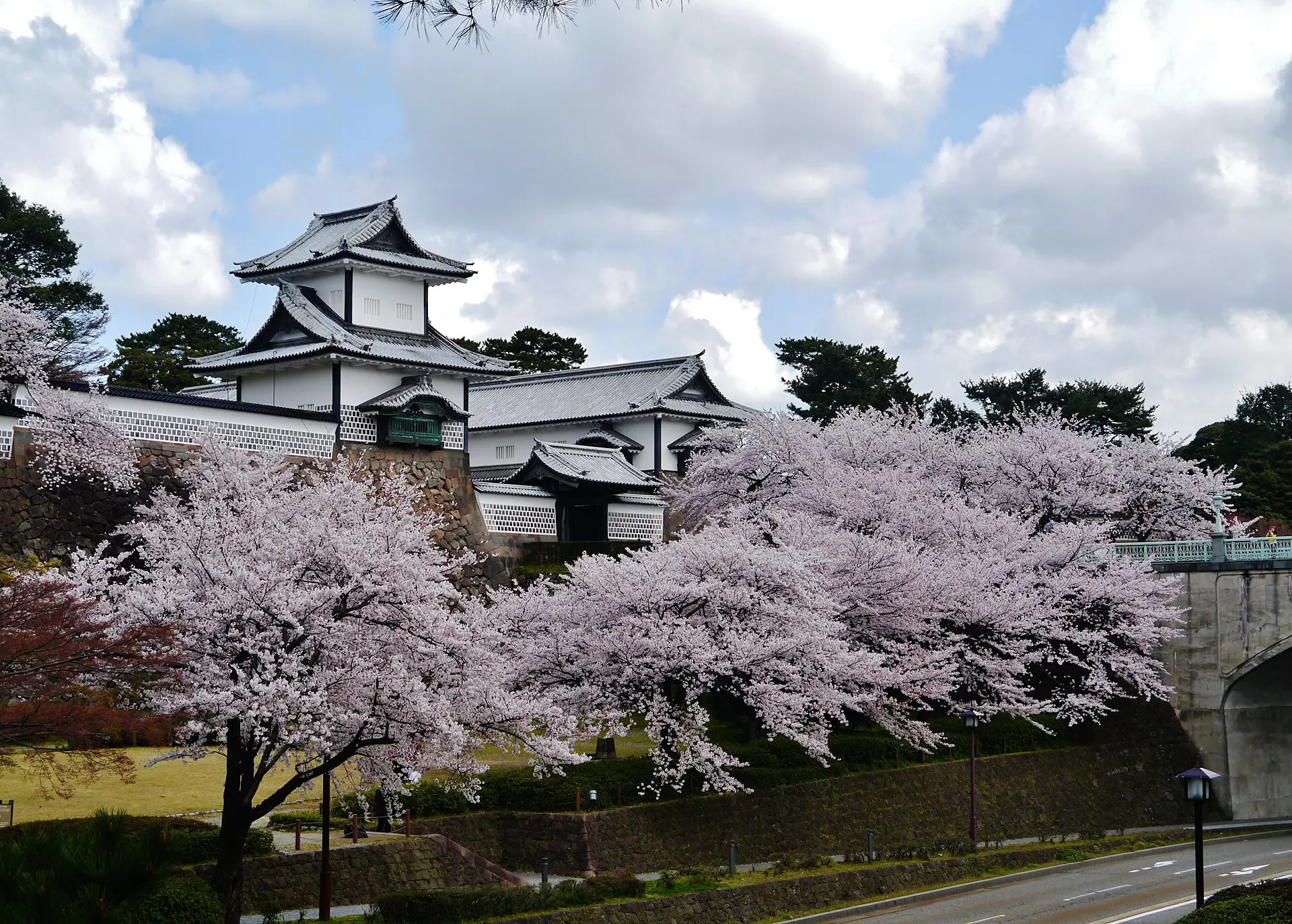
Kanazawa Castle Park
Next to the garden, the castle grounds have reconstructed gates, turrets and a long history as the seat of the Maeda clan. Allow an hour. Parts are free to enter, while some buildings charge a fee, so check current details.
Higashi Chaya district
The old geisha quarter has wooden teahouses, lanes and small shops, a few of which can be visited. Allow one to two hours. Go early, be respectful of residents, and note that some teahouses require a reservation.
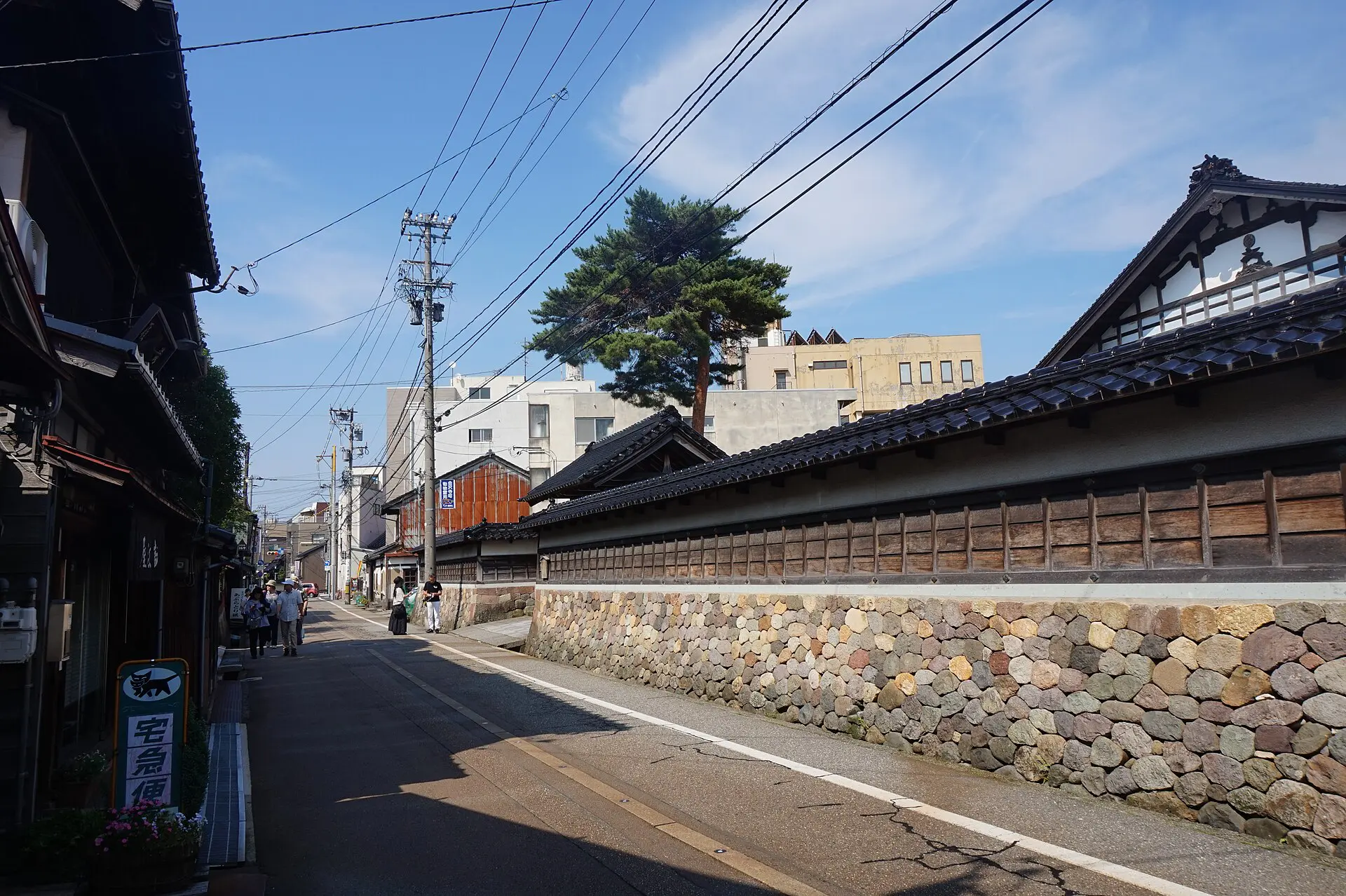
Nagamachi samurai district
Earthen walls, narrow lanes and restored samurai houses make this a calm place to walk. Allow an hour. A samurai residence usually charges a small fee, so check hours before you go.
Omicho Market
The city’s main fresh market sells seafood, produce and snacks, and it is a good place for lunch. Plan an hour. Go before midday, since some stalls close in the afternoon, and check which days it is open.
21st Century Museum of Contemporary Art
This round glass museum in the city centre mixes free public spaces and paid exhibitions. Allow one to two hours. Check the current exhibitions and opening days, since the museum closes on one day each week.
Gold leaf crafts
Kanazawa is known for gold leaf, and shops sell items from cosmetics to ice cream. Some workshops allow you to try applying it. Book ahead if you want a hands-on session, and compare prices.
Best time to visit Kanazawa
Kanazawa has four distinct seasons. Spring, from late March to May, brings cherry blossom and fresh greenery. Autumn, from October to November, has colourful leaves and mild days. Summer is hot and humid, with a rainy season in June. Winter is cold, and heavy snow can fall, though Kenroku-en is protected with rope supports known as yukitsuri, which are striking.
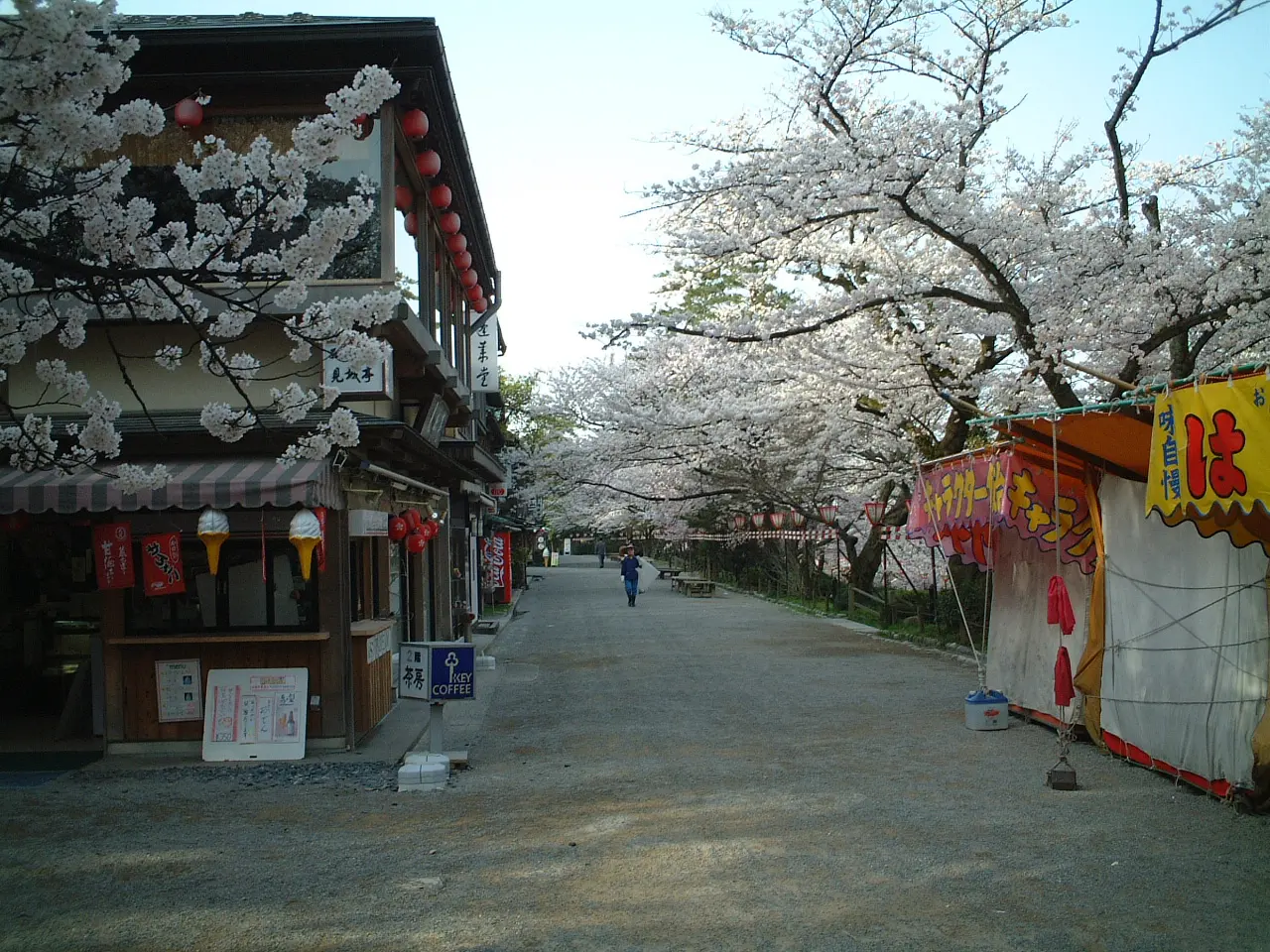
The Japanese coast on this side gets plenty of rain and snow in different months, so carry an umbrella year round. Golden Week in early May and national holidays bring crowds and higher prices.
| Season | Weather | Crowds and prices |
|---|---|---|
| Spring | Mild, cherry blossom | Busy, higher prices |
| Summer | Hot, humid, rain in June | Moderate |
| Autumn | Mild, colourful foliage | Busy around peak colour |
| Winter | Cold, snow, rain | Quieter, seafood season |
How to get to Kanazawa and around
Kanazawa is on the Hokuriku Shinkansen line, which opened to the city from Tokyo in 2015. The fastest trains take roughly 2.5 hours from Tokyo, and the line continues to other cities in the region. From Kyoto or Osaka, the trip takes roughly 2.5 to 3 hours, and since the Shinkansen extension to Tsuruga in 2024 it usually involves a change there. Check current timetables and rail pass coverage.
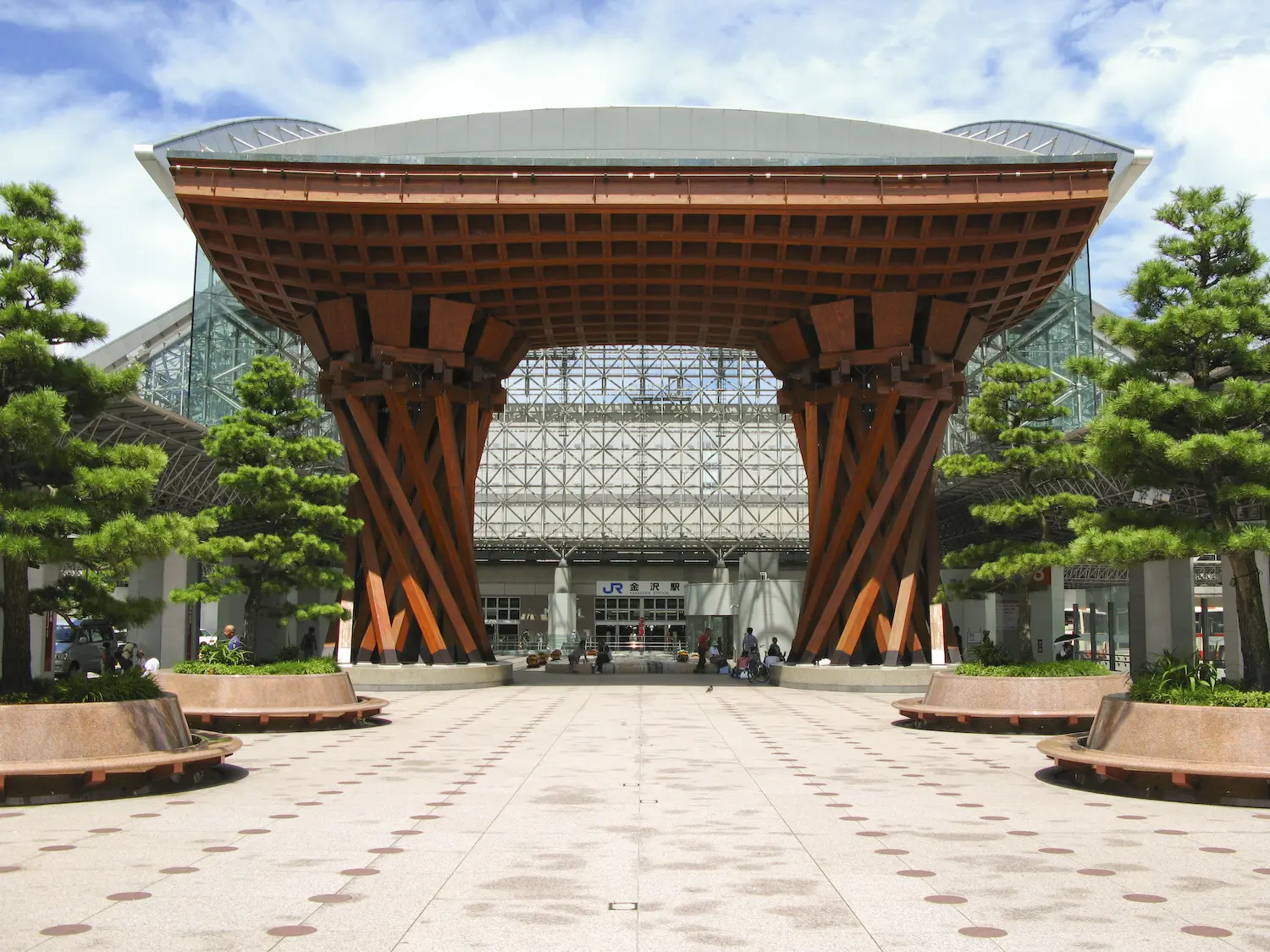
Some travellers fly into Komatsu Airport and continue by bus or train. Long-distance buses also run from Tokyo and other cities, which is slower but cheaper.
Within the city, most sights are close together. A loop bus runs between the station and the main districts, and local buses cover the rest. Taxis and bicycle rental are also available. Walking between Kenroku-en, the castle, the museum and Omicho is practical.
Where to stay in Kanazawa
The area around Kanazawa Station is the most convenient for rail travel, with many hotels, restaurants and the main bus terminal. It suits short stays and early departures.
The Korinbo and Katamachi districts are the central shopping and dining areas, near the castle and museum. They suit first-time visitors who want to walk to the sights and enjoy evenings out.
Guesthouses and traditional inns near the geisha and samurai districts offer more atmosphere, with quiet lanes. They suit travellers who want a stay with local character and are happy with simpler rooms.
Book early for spring, autumn and major holidays, and ask whether your lodging offers luggage forwarding if you are moving on by train.
How many days do you need?
Two days is enough for the main sights, and a third day gives time for crafts, a day trip or slower museum visits. If you have only one day, focus on Kenroku-en, the castle and one historic district. Winter or rain may slow your pace, so keep an indoor option in mind.
- Day 1: Omicho Market, Kenroku-en, Kanazawa Castle Park, then the contemporary art museum.
- Day 2: Nagamachi samurai district in the morning, gold leaf workshop, Higashi Chaya in the afternoon.
- Day 3: Day trip to a nearby town or a craft workshop, with an evening meal of local seafood.
Day trips and nearby
Kyoto
Kyoto is roughly 2.5 to 3 hours by train, usually with a change at Tsuruga, and it is the obvious companion trip for temples and shrines. It is better as a separate stop than a rushed day excursion.
Tokyo
Tokyo is about 2.5 hours by Shinkansen. Many travellers include Kanazawa as part of a loop through central Japan. Check rail pass options.
Nagoya
Nagoya lies to the south and offers a castle, museums and regional food. Trains connect it with Kanazawa, and it can be a useful stop on the way to Kyoto or Tokyo.
Osaka
Osaka is a major food and nightlife city, reached by train in roughly three hours, usually with a change at Tsuruga. It works best as part of a longer route rather than a day trip.
FAQ
Q1How many days do you need in Kanazawa?
Two days is enough for Kenroku-en, the castle, two historic districts and the market. A third day adds crafts or a nearby trip. With only one day, choose the garden, the castle and one old quarter.
Q2How do you get from Tokyo to Kanazawa?
Take the Hokuriku Shinkansen, which takes roughly 2.5 hours on the fastest services. Check timetables and whether your rail pass covers the route. Buses are cheaper but slower, and flights to Komatsu are another option.
Q3When is the best time to visit Kanazawa?
Late March to May and October to November have the mildest weather and the best scenery. Summer is hot and humid, while winter brings cold, snow and fewer visitors. Carry an umbrella in any season.
Q4Is Kanazawa worth visiting?
Yes, if you want a historic Japanese city with gardens, samurai and geisha districts and crafts. It is easy to explore on foot and less busy than Kyoto. It is best for travellers who enjoy slower, detail-focused sightseeing.
Prices, schedules and entry rules change. Check current details with official sources before you travel. Read the Japan travel guide.