Jeonju food starts with bibimbap, and the first meal to order is a bowl of it at lunch. Jeonju is the capital of North Jeolla province and is regarded as the birthplace of the Joseon dynasty, and it is also the city most associated with Korean mixed rice and with generous side dishes. A bean-sprout soup breakfast, a bibimbap lunch and a makgeolli table in the evening make a solid first day. Below: the dishes, the logic of the table, hours and rough prices.
How does eating work in Jeonju?
The Jeolla region is Korea’s long-time breadbasket. The plains of the southwest grow rice, vegetables and beans, and the coast supplies fish and shellfish. That abundance explains the city’s reputation for lavish tables, where a simple order arrives with a crowd of small dishes.
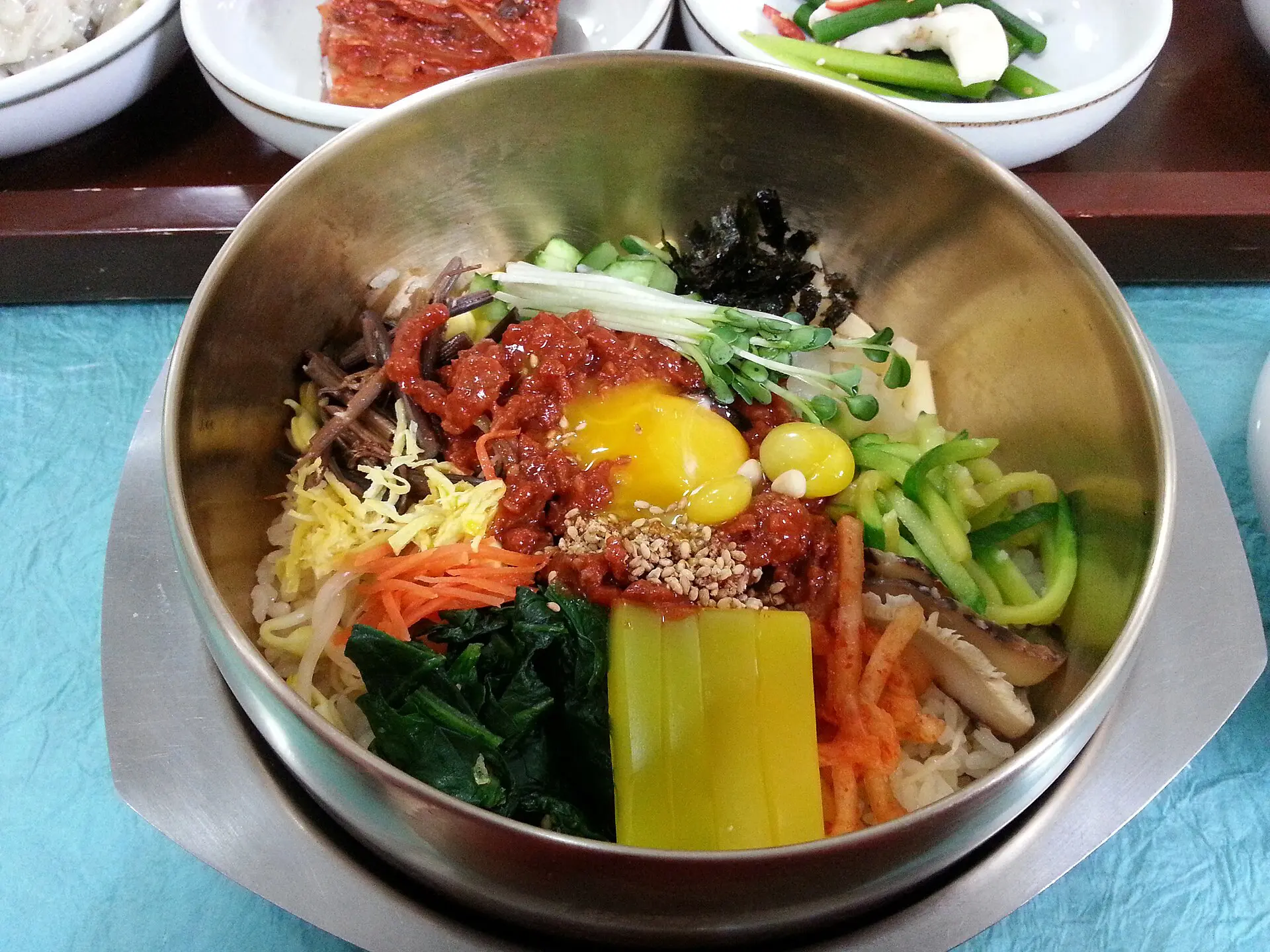
Those small dishes are banchan, and they work as a system. Some places serve a set of ten or more with every rice meal, refilled for free. Others bring a spread only when you order drinks. Rice and soup are the anchor, and banchan are the variety: pickled radish, seasoned greens, braised tofu, salted fish, kimchi in several styles.
Meals follow a conventional rhythm. Breakfast can be light or hearty soup. Lunch, usually between noon and 14:00, is the main sit-down meal, and many restaurants run a set lunch. Dinner is later and more social, with drinks and shared plates. The city is small enough to cover on foot, so you can walk between eating stops.
One more habit is worth knowing: seasonings are served on the table, not added in the kitchen. Gochujang, sesame oil, soy sauce and salt let each diner tune the bowl, so taste before you season and add a little at a time.
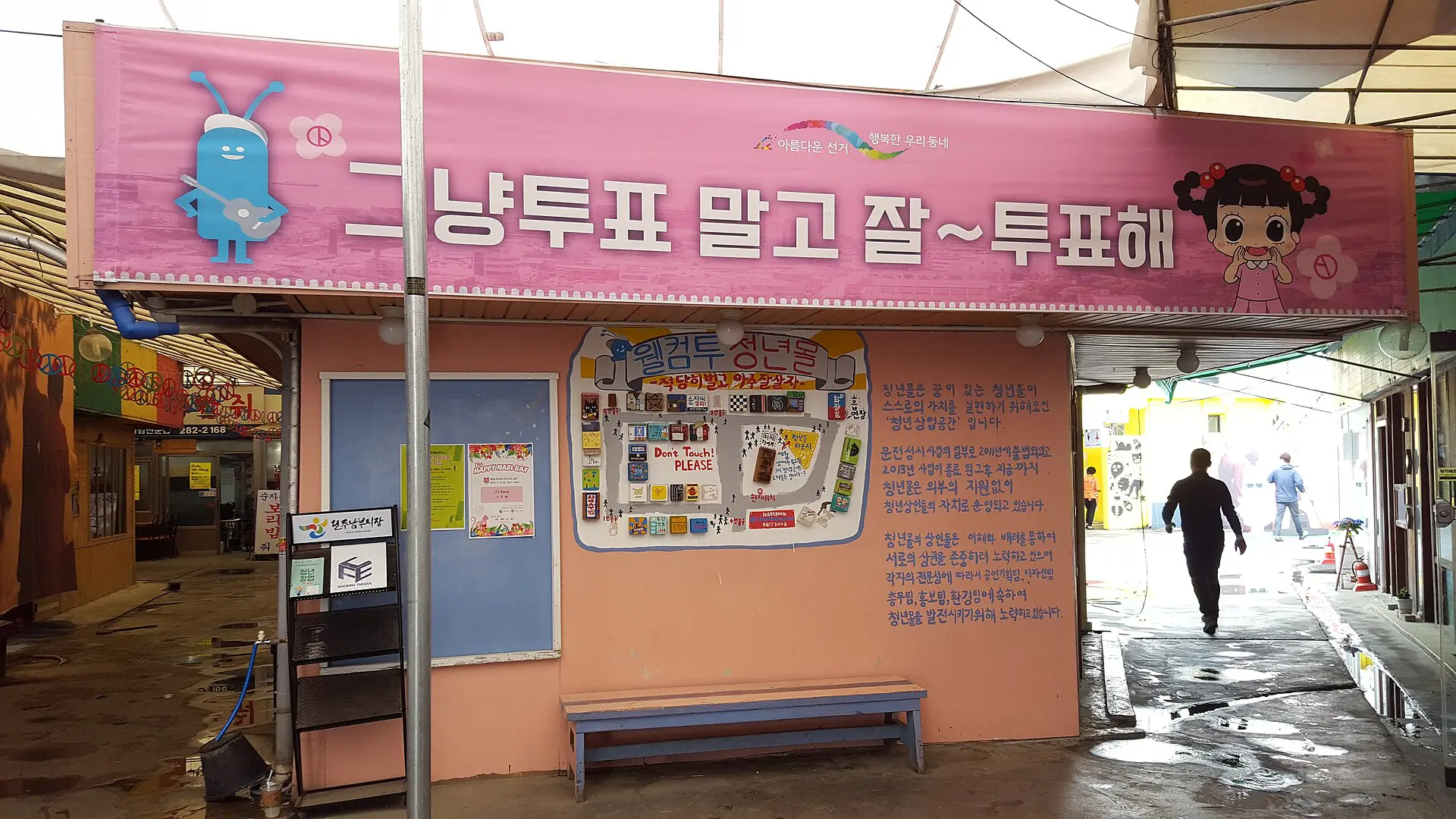
Jeonju market and meal timing
Exact hours vary by shop and season, and many places close one day a week. Confirm before you go.
| Time | Where | What to order |
|---|---|---|
| Early morning (6:00-9:00) | Bean-sprout soup restaurants, traditional market stalls | Kongnamul gukbap, boiled egg, kimchi |
| Late morning (10:00-12:00) | Hanok-village snack lanes | Skewers, rice cakes, pastries, coffee |
| Lunch (12:00-14:00) | Bibimbap and set-meal restaurants | Jeonju bibimbap, hanjeongsik set meal |
| Afternoon (14:30-17:00) | Tea rooms and snack stands | Traditional tea, rice cake, fried snacks |
| Evening (18:00-late) | Makgeolli streets, night market on set evenings | Makgeolli kettle with side dishes, pajeon |
What to order in Jeonju
1. Jeonju bibimbap
Rice, topped with blanched bean sprouts, seasoned vegetables, egg yolk, sometimes raw beef, and a spoon of gochujang chile paste. Jeonju versions are known for cooking the rice in beef broth, which gives it more flavour. Mix everything thoroughly before eating. Roughly ₩10,000-16,000, as of 2026.
2. Kongnamul gukbap
Rice in a clear, hot soup of soybean sprouts, often topped with a raw egg that cooks in the broth. It is a breakfast and hangover classic, mild and clean. Add salted shrimp or chile if you want more depth. Roughly ₩8,000-11,000.
3. Hanjeongsik set meal
A table of many dishes brought together: rice, soup, grilled fish, braised meat, seasoned vegetables and kimchi. The format shows regional cooking at its fullest, and it is better shared by two or more people. Roughly ₩20,000-50,000 per person, with higher tiers in traditional houses.
4. Makgeolli with a table of side dishes
Makgeolli is cloudy, lightly sweet rice wine, served in a metal kettle. In Jeonju’s makgeolli streets, ordering a kettle typically brings a table of food with it: stews, fried fish, pancakes, grilled items. The system is part of the city’s identity. Roughly ₩20,000-40,000 for a kettle with food, as of 2026.
5. Pajeon and jeon
Savoury pancakes made from scallions, seafood or vegetables bound with batter and fried on a hot griddle. They go with makgeolli and are best eaten crisp. Roughly ₩10,000-20,000 per plate.
6. Tteokgalbi
Minced beef or pork ribs formed around the bone, then grilled and glazed in a sweet-soy marinade. The meat has a soft, juicy texture. Some restaurants require a minimum of two portions. Roughly ₩15,000-30,000 per portion.
7. Street snacks around the hanok area
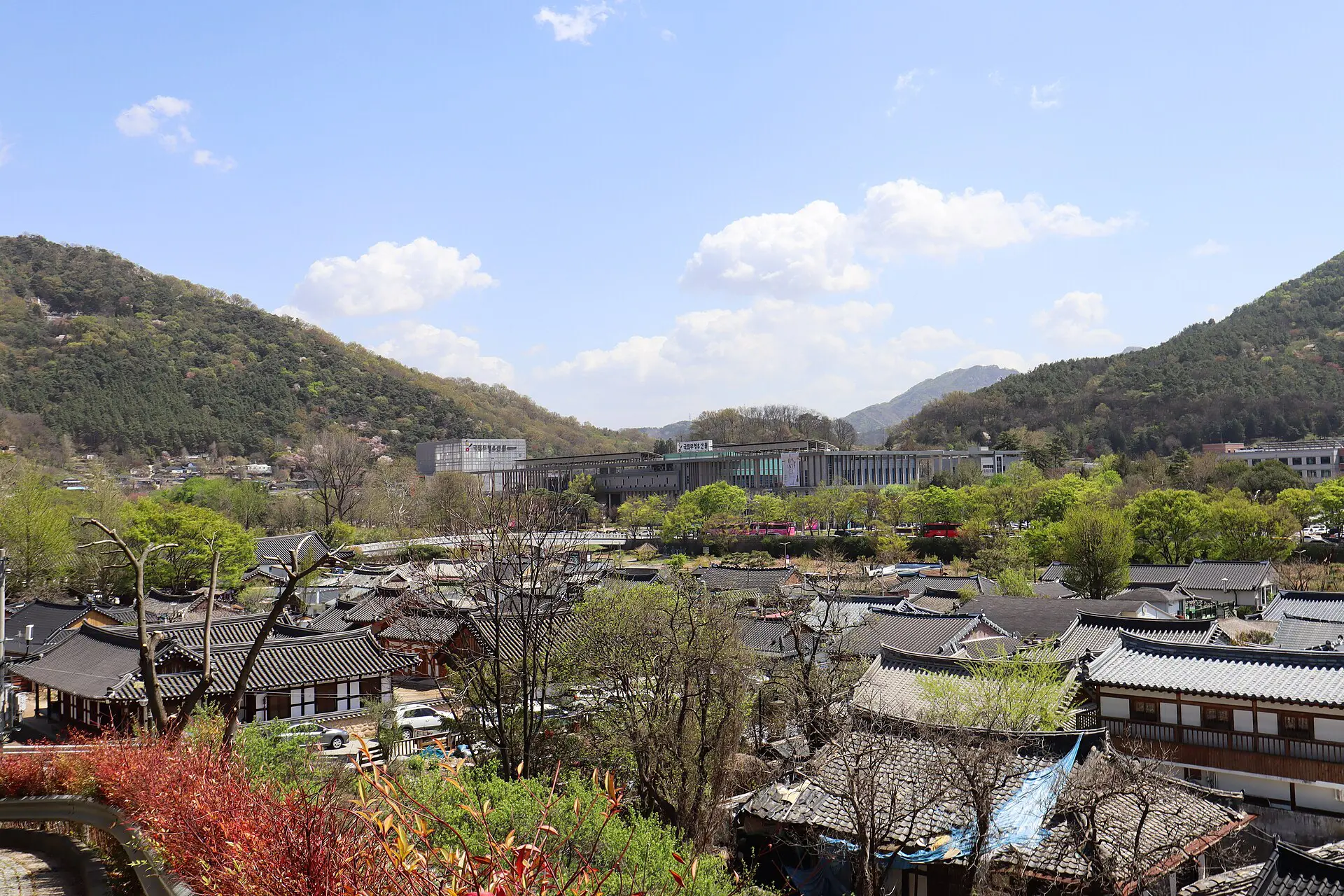
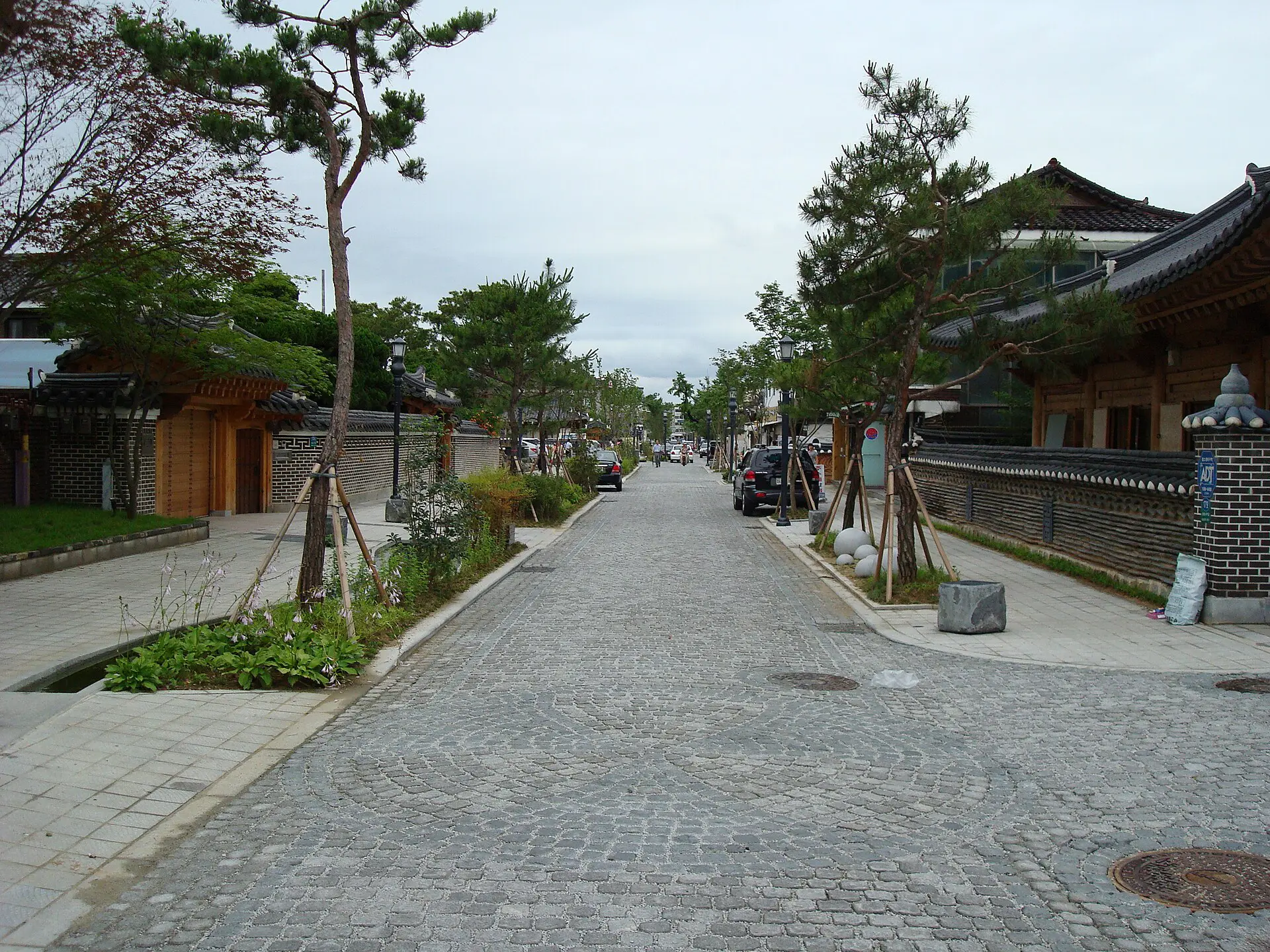
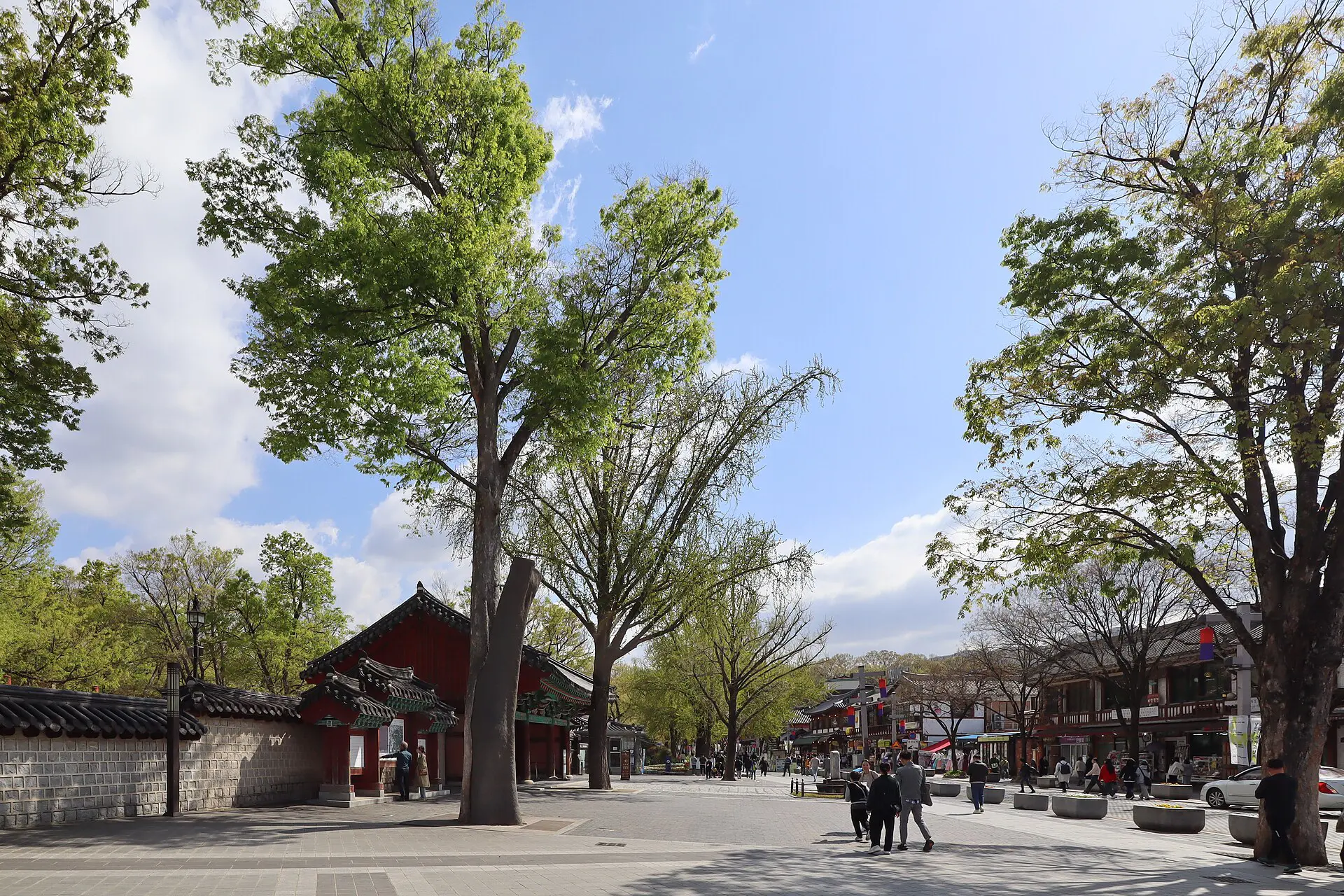
The traditional village area, whose architecture even extends to the expressway tollgate, has snack lanes with skewers, rice cakes and sweet pastries. Eat while walking, keep the skewer sticks or wrappers until you find a bin, and expect roughly ₩2,000-6,000 per item. Sweet items such as rice-flour pastries and roasted chestnuts sell best in the afternoon, when the lanes fill with visitors.
Jeonju food prices by meal
These are hedged per-person ranges in Korean won, as of 2026. Prices vary by restaurant and location.
| Meal | Casual | Sit-down |
|---|---|---|
| Breakfast | About ₩8,000-11,000 | About ₩12,000-18,000 |
| Lunch | About ₩10,000-16,000 | About ₩20,000-50,000 |
| Snack or tea | About ₩2,000-8,000 | About ₩8,000-15,000 |
| Dinner with drinks | About ₩15,000-25,000 | About ₩30,000-60,000 |
A day of eating typically comes to ₩40,000-80,000 per person, more if you add a hanjeongsik table. Tipping is not customary in Korea.
Etiquette when eating in Jeonju
- Spoon for rice and soup, chopsticks for banchan: do not stand either upright in the bowl.
- Leave the bowl on the table: lifting a rice bowl to your mouth is considered impolite.
- Let elders start: wait for the eldest at the table to pick up their spoon first.
- Pour for others: in drinking settings, pour for neighbours with two hands and receive in the same way.
- Ask for refills: banchan are often free to refill. Finish what you take, since leaving a lot is considered wasteful.
- Solo diners: some grilled-meat and stew restaurants have a two-portion minimum, so ask before sitting down.
Where to eat in Jeonju by type of place
- Hanok village area: the best choice for set meals, tea houses and snack lanes, though prices are higher and queues form at midday.
- Bean-sprout soup restaurants: usually open from early morning, and they cluster near the city centre and the traditional market.
- Traditional market and its night market: a good place for stall food, produce and fried snacks. Night-market days are set by the organisers, so check the current schedule.
- Makgeolli streets: neighbourhood lanes where taverns serve kettles with side dishes. Go in the evening with at least two people.
- University and downtown districts: lower prices, quick set menus and coffee shops, useful when you want a simple meal.
What to skip when eating in Jeonju
I would skip the busiest hanok-village restaurants at midday on weekends, where waits are long and the same dishes are served for less elsewhere. Skip ordering a whole hanjeongsik table if you are alone; one bibimbap and a few banchan will do.
Do not add all the chile paste at once: add it gradually, since the dish can become hotter than expected. Skip the sweetest snacks before a big lunch, because they dull your appetite for the savoury dishes that matter. And skip eating on the move at the market when a hot soup is nearby: some foods are better at the table.
FAQ about Jeonju food
What is Jeonju famous for eating?
Bibimbap is the headline dish, along with bean-sprout soup rice, makgeolli with a table of side dishes, and large banchan spreads. The region has long had a reputation for generous, well-seasoned cooking based on local rice and vegetables.
What should I order first in Jeonju?
Start with bibimbap at lunch, since it is the signature. For breakfast, kongnamul gukbap is a gentle introduction. Save the makgeolli kettle for the evening, with friends, and treat the free side dishes as part of the meal, not extras. A third meal that day can be a simple pancake or a bowl of noodles.
Is Jeonju food expensive?
No, for the dishes you came for. A bowl of bibimbap or soup rice is typically ₩8,000-16,000 as of 2026, and street snacks cost a few thousand won. Hanjeongsik tables and makgeolli with food cost more. Check current menus.
How do I get to Jeonju for a food trip?
KTX trains from Seoul take about two hours, and express buses take about 2 hours 40 minutes. The city is compact enough for walking, and buses cover the longer hops. See the Jeonju guide, the South Korea travel guide and Wikivoyage’s Jeonju page.
Do I need to speak Korean to order in Jeonju?
Not much. Many restaurants have picture menus, and pointing works. Learn the names of two or three dishes, such as bibimbap and kongnamul gukbap, and carry a translation app for allergy questions.