For a Jeju digital nomad, the island works best as a one-to-two-month reset rather than a permanent base: volcanic scenery, a mild climate, and a quiet routine, with the logistics of an island attached. It suits people who want nature and focus and are comfortable organising transport. It is a weaker fit if you want a dense nomad scene or a city you can do car-free. Below: a monthly budget, areas by work style and a week-one test.
What does a month on Jeju Island cost for a remote worker?
Planning ranges in US dollars, as of 2026, converted loosely from Korean won. Jeju is a domestic holiday destination, so rents move with the season and are not always the bargain people assume. Verify every row.
| Item | Range per month |
|---|---|
| Furnished studio or one-bed, off-peak | US$600 to 1,200 |
| Same, in peak holiday months | US$900 to 1,800 |
| Food (local restaurants and groceries) | US$350 to 650 |
| Car rental or ownership, fuel included | US$350 to 700 |
| Coworking desk or cafe spend | US$0 to 200 |
| Mobile data and utilities | US$60 to 150 |
| Realistic total, single person | US$1,500 to 3,000 |
The car line is what separates Jeju from most bases, so decide early whether you will have one. Without a car the total drops, but so does your range.
Do you need a car in Jeju, and when to go
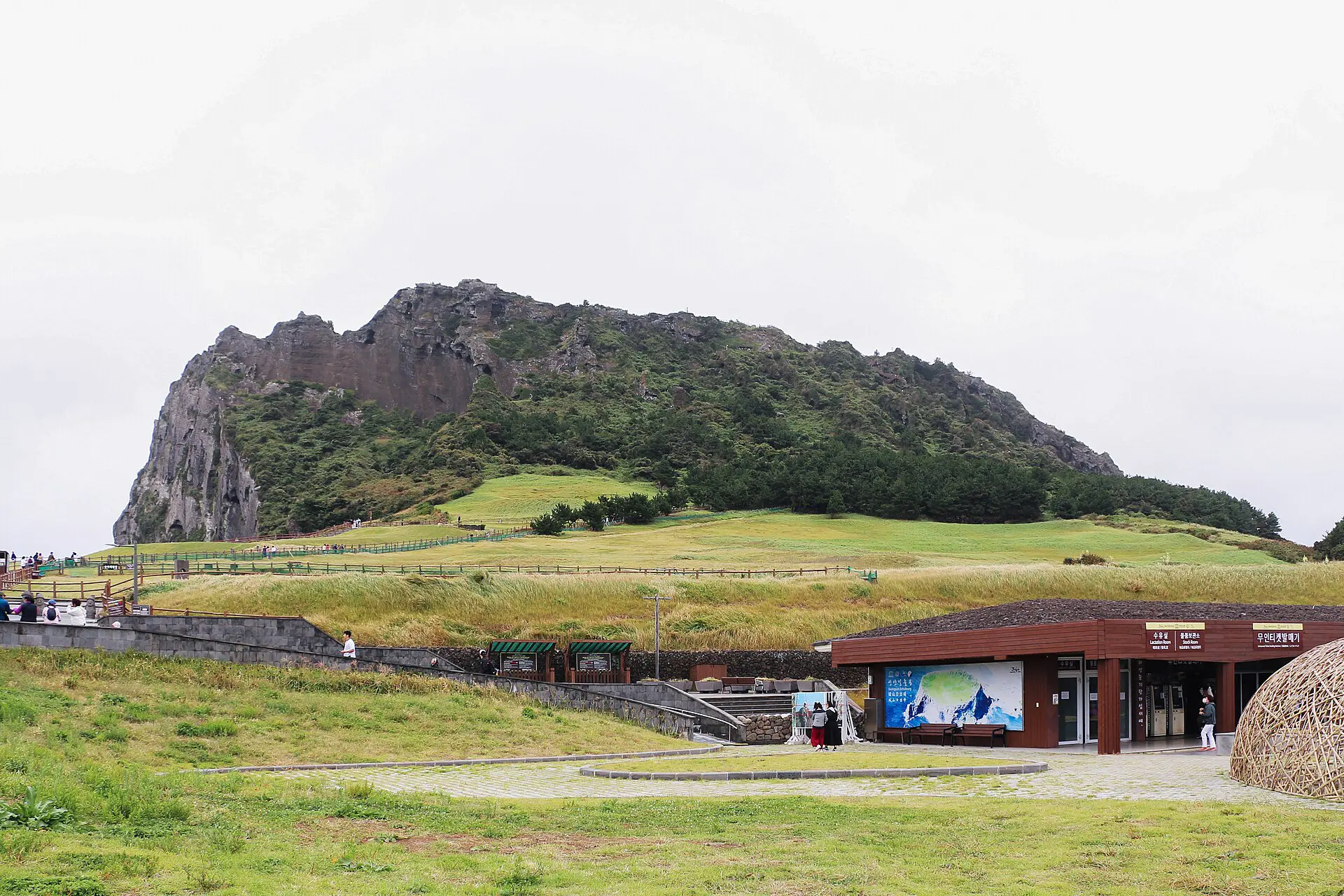
Wikivoyage describes Jeju as South Korea’s largest island and as crowded with tourists all year, with Seoul to Jeju named as one of the world’s busiest flight routes. The island measures roughly 73 km east to west and 41 km north to south, and the public bus network covers the main roads but is slow and sparse in the countryside. Many long-stayers rent a car. Foreign drivers should check the current licence rules, including whether an international driving permit is accepted, before relying on one.
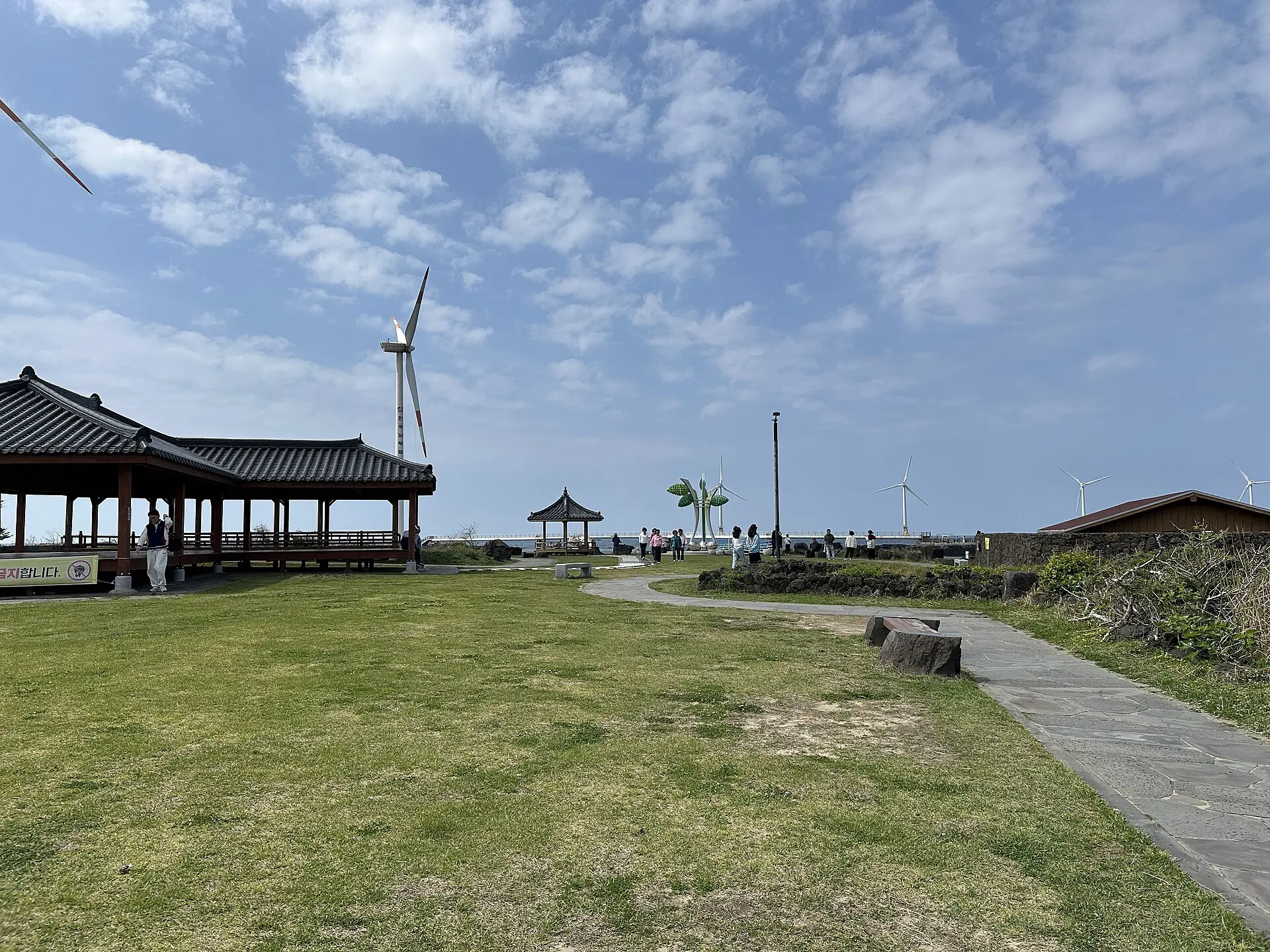
The climate is mild for Korea, with highs averaging around 8 degrees Celsius in January and 30 in August, plus wind all year and the heaviest rain from June to September. Rents tend to rise in school holidays and peak travel months, so spring and autumn weekdays are the sweet spot. Winter is quieter and cheaper, but storms can disrupt flights and ferries. Check the forecast before moving in.
Where to base yourself on Jeju Island by work style
There are two main settlements, Jeju City in the north, where the international airport sits, and Seogwipo in the south. Beyond those, the choice is about how much coast, quiet and driving you want. All six options below are types of area, not endorsements.
1. Jeju City
The practical choice. It has the airport, the most apartments, the widest range of cafes, shops and hospitals, and the best bus links. The city does not have many tourist attractions, which in a working month is a plus. Choose it if you want a normal city routine and can day-trip to the coast.
2. Aewol and the north-west coast
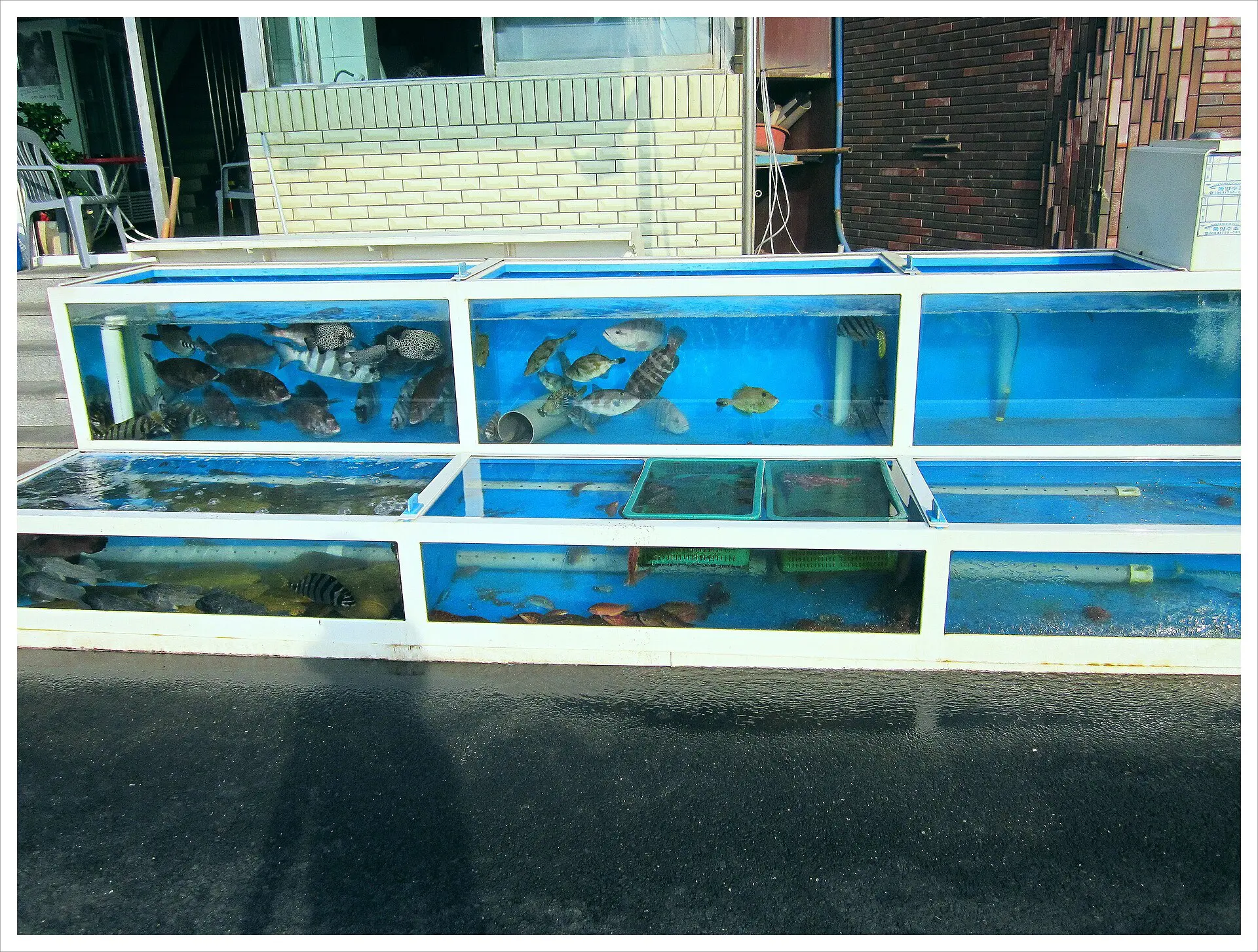
A coastal strip west of Jeju City known for cafes and sea views. Good for people who like working with the ocean outside and a short drive to the city. Popular with visitors, so weekends can be busy and rents vary by season.
3. Seogwipo
The southern town, close to many of the island’s sights, with a more relaxed feel than Jeju City. It suits people who want a small-town base with cafes and a harbour, and who are comfortable with the drive over to the airport side.
4. Jungmun
The resort district on the south coast, with large hotels and a tourist-complex feel. It includes the Jungmun Tourist Resort Complex. It is comfortable but not cheap, and it can feel quiet outside holiday periods.
5. East coast near Seongsan
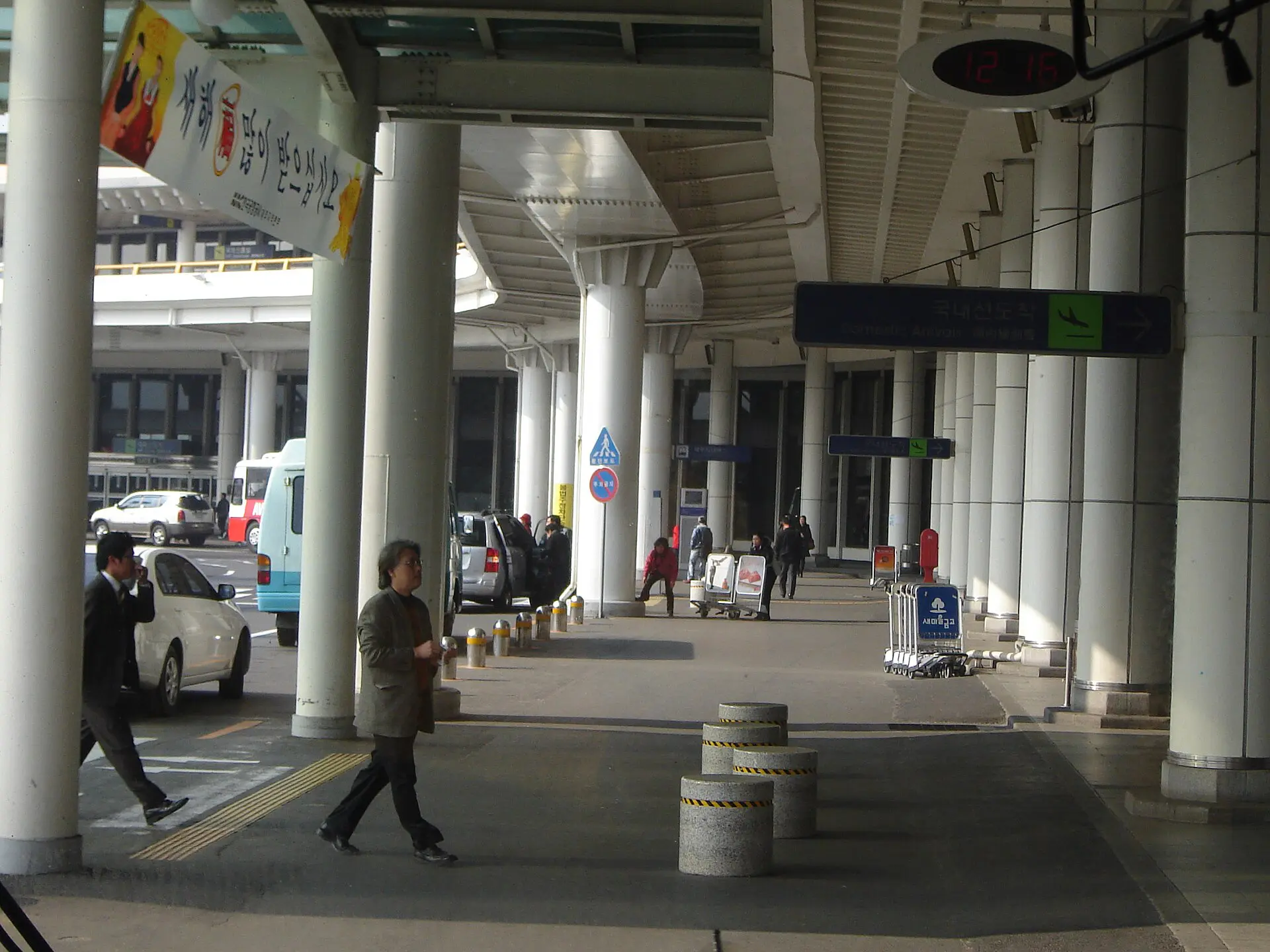
A quieter, rural stretch near the famous crater at the eastern end of the island. Good for deep focus and early starts. You will almost certainly need a car, and shops and services are thinner.
6. North-east villages such as Gimnyeong
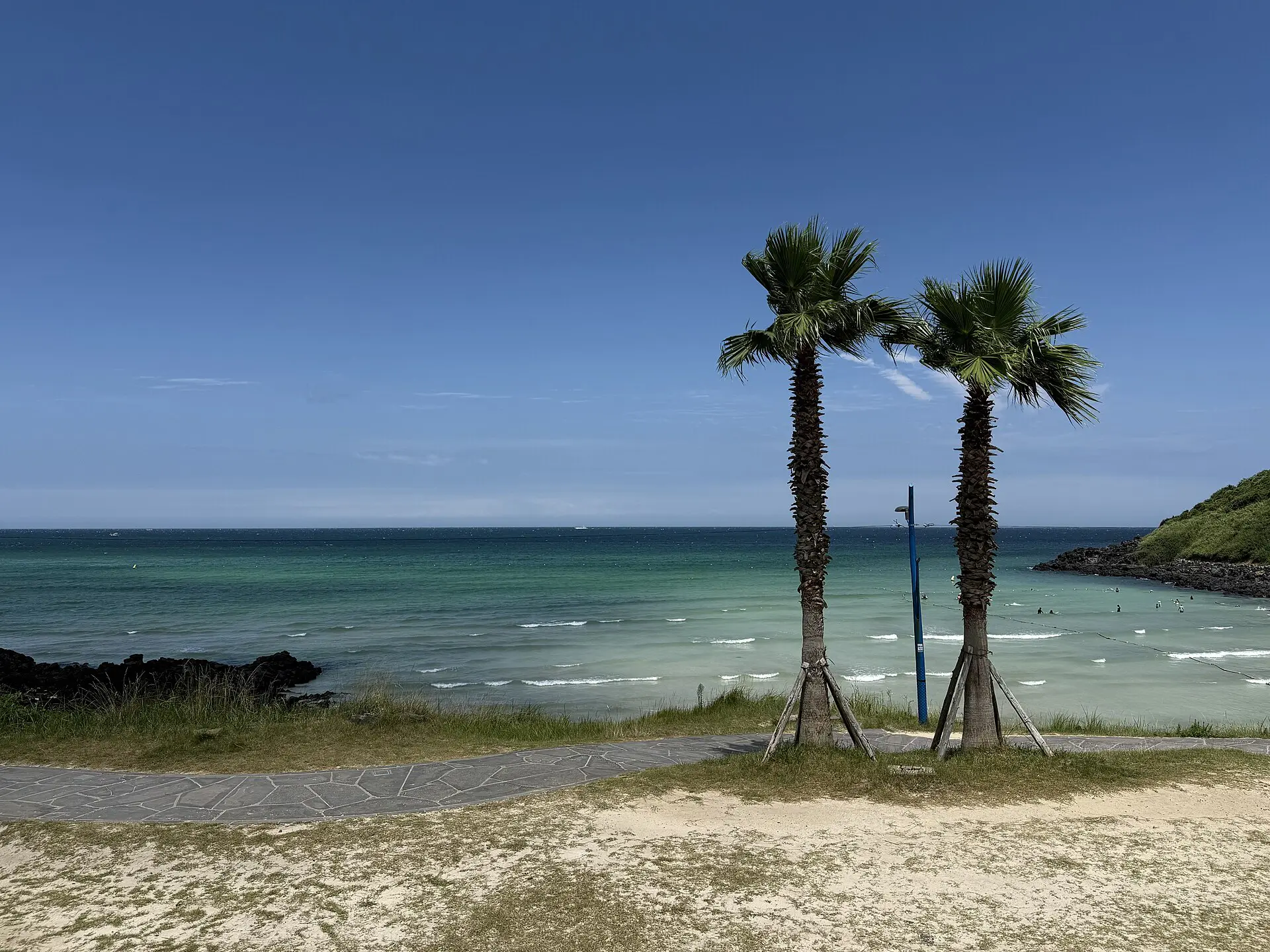
Small coastal villages with beaches and low-key cafes. They suit people who want a slow routine and are comfortable cooking for themselves. Check the internet and the distance to a supermarket before committing.
Work-friendly spots by type on Jeju Island
We name no places because we cannot vouch for any connection. Look for these types.
- Coworking or remote-work space: Jeju has promoted itself to remote workers, so some operators offer day and monthly desks. Ask about quiet hours, meeting rooms and backup connections.
- Cafe with a laptop culture: Korean cafes are generally comfortable places to work, but many are built for photos and short stays. Look for sockets, a table big enough for a laptop and a policy that allows a long visit.
- Apartment desk: the most predictable. Ask for a desk, a proper chair and a test of the connection before you pay a deposit.
- Library or public space: useful as a quiet fallback, though rules for visitors vary.
Internet and power on Jeju Island: what to check yourself
South Korea is widely known for fast, widespread internet, and fibre is common in apartments. On a rural island that picture can change from one building to the next, so test before you commit.
- Run a speed test at your desk at your working hours, and join a video call.
- Ask whether the home connection is fibre and what happens when it fails.
- Check mobile coverage in the area. Hills and remote coast can have gaps.
- Arrange a local SIM or eSIM before you arrive and confirm it works on your phone.
- Check the plug type for your devices, and have a power bank and adapter.
- Check storm warnings, since typhoons can interrupt power and travel.
Jeju digital nomad visa and stay length
South Korea’s entry rules depend on your passport. Many nationalities can enter visa-free for a limited period but may need an electronic travel authorisation, and the rules have shifted over time. South Korea has also introduced a long-stay visa for remote workers, with income and insurance requirements. Do not rely on a blog, including this one. Verify the current rules, the maximum stay and whether remote work for a foreign employer is permitted with the official Korean immigration or visa portal or your embassy. Also check Jeju’s own entry rules for your nationality if any apply.
Routine and recovery on Jeju Island
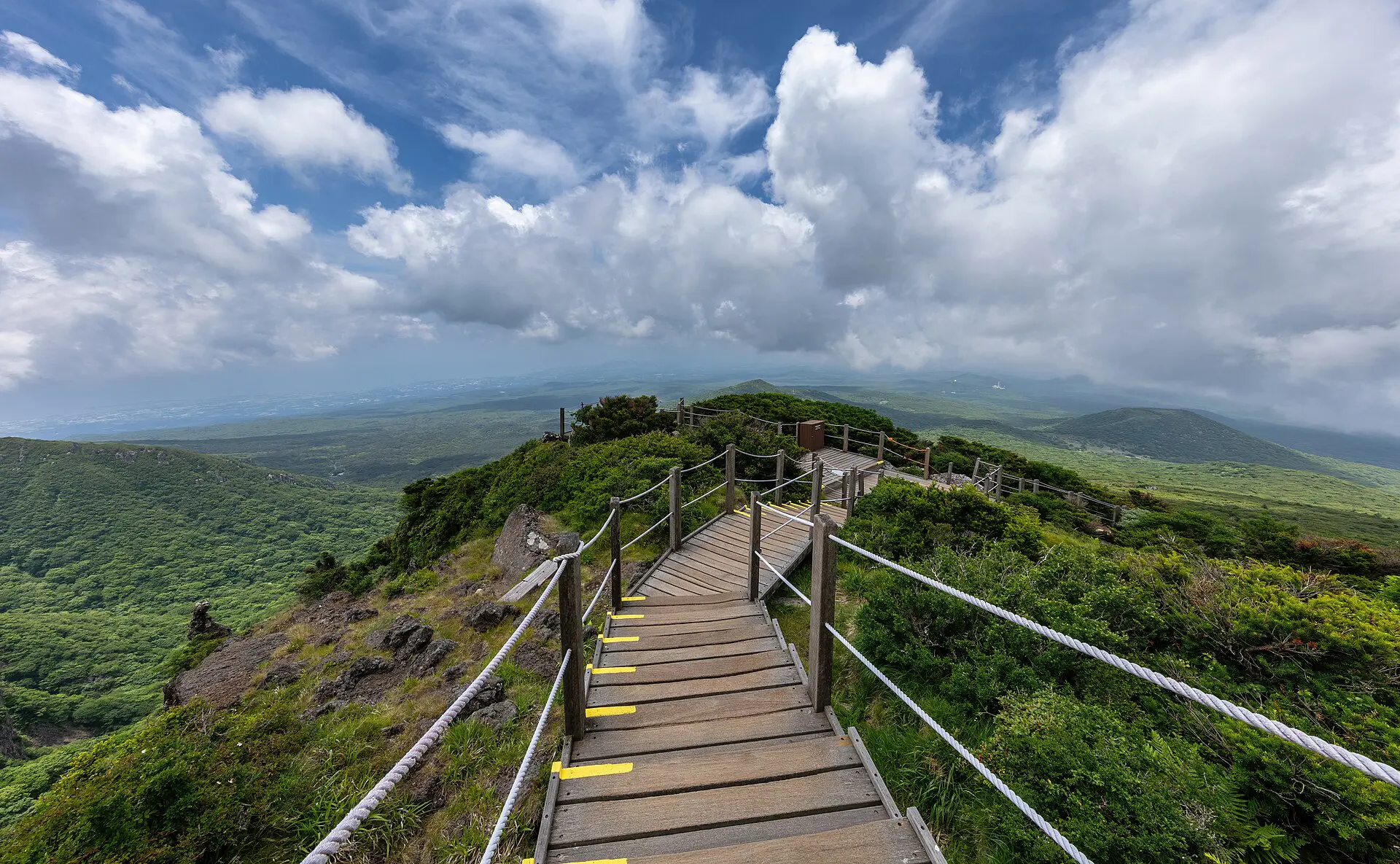
Jeju rewards a slow routine. Work in the morning, then use the afternoon for a coastal walk or a hike on Hallasan, the island’s volcano and South Korea’s highest mountain, which forms Hallasan National Park. Plan the hardest focus work for days with bad weather, and keep clear days for the outdoors.
Isolation is the risk in a rural base. Build in contact: a weekly meetup, a coworking day or a trip to the city. Our Jeju Island guide covers what to see, and the South Korea travel guide covers the wider country. Ferry and flight links to the mainland are frequent, so a weekend away is easy to arrange.
Test Jeju in your first week
Book a short first stay or a refundable deposit, and run this checklist.
- Speed-test your desk at three times of day and do one real video call.
- Drive or bus the route from your home to the nearest supermarket and a backup work spot.
- Check how you get to the airport, and how long it takes, in case of a work emergency.
- Note wind and rain on your daily routes and whether they affect your plans.
- Count the days you did not feel isolated. If there are few, move closer to Jeju City.
- Confirm your stay length with the official source.
- Decide by day seven whether to extend or relocate.
FAQ about the Jeju digital nomad life
Is Jeju good for digital nomads?
It works for people who want nature, quiet and a mild climate, and who accept the logistics of an island. It is less suited to those who want a big nomad community or a car-free city. Jeju City gives the easiest routine, while the coast gives scenery at the cost of services.
Do I need a car to live in Jeju?
Not strictly, especially in Jeju City, where buses and taxis work. But many people who live in coastal or rural areas find a car makes daily life far easier. Check current licence rules for foreign drivers before relying on one, and compare rental with taxi costs.
How much does a month in Jeju cost?
A single remote worker might plan on roughly US$1,500 to 3,000 a month in 2026, depending on rent, season and whether you hire a car. Peak travel months push rents up, so off-peak spring and autumn weekdays are cheaper. Verify every figure before you book.
Is the internet good on Jeju?
South Korea has a strong reputation for fast internet, and fibre is common in apartments. Rural spots can differ, so run a speed test and a video call at your desk before paying a deposit. We cannot vouch for any specific connection.