Is Iceland solo travel a good idea? Yes, for most people, and it works well as a first big solo trip if you respect the weather and plan how you move. Crime is very low and the country is small, English is widely spoken and hostels and guesthouses are used to people travelling alone. The hard parts are cost, distance and driving conditions, not people. This guide covers arrival, an eight-stop route with where to sleep, getting around, company and budgets.
Arriving in Iceland alone: arrival card
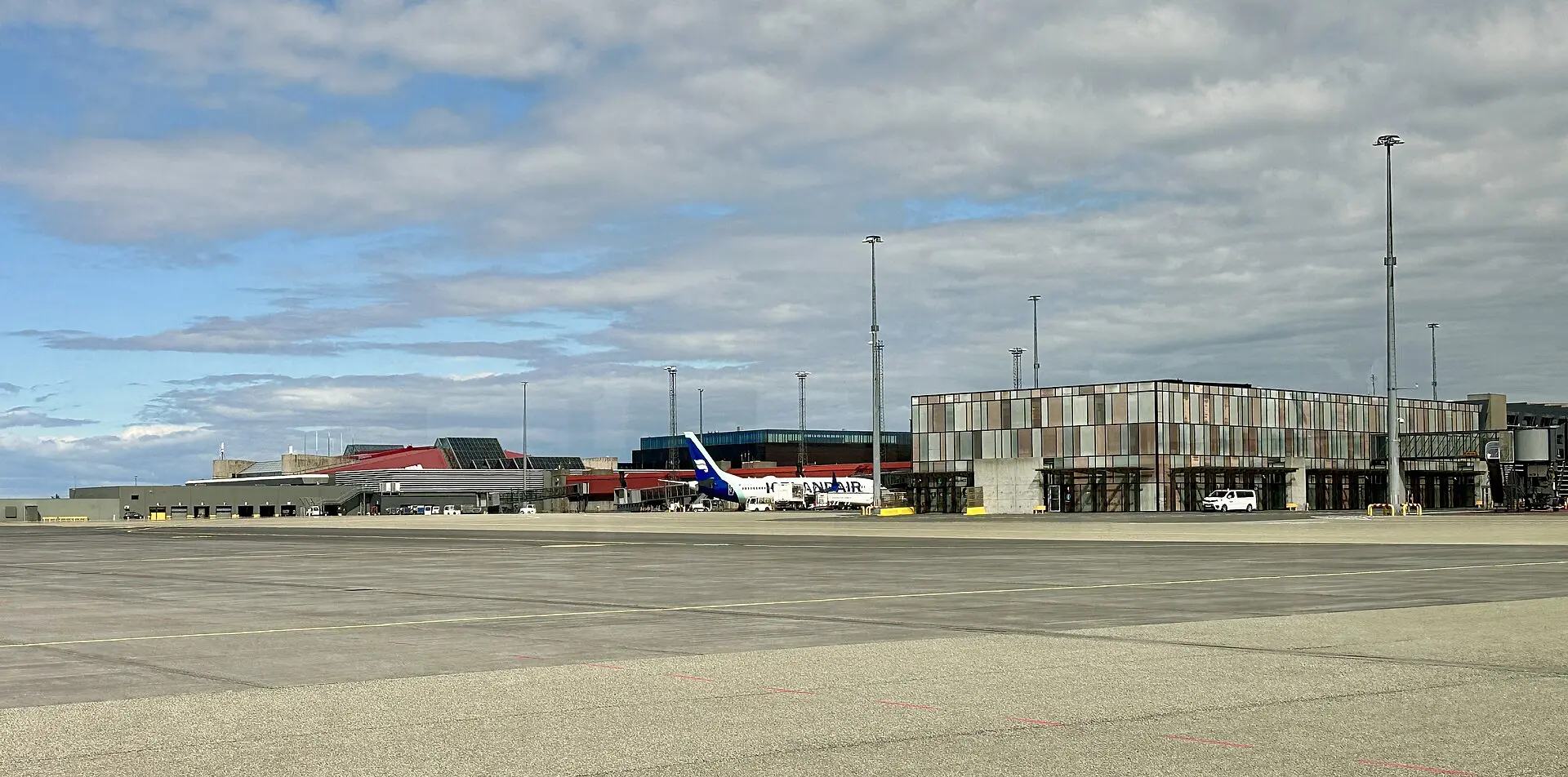
Almost everyone lands at Keflavik International Airport, about 50 km from Reykjavik. Airport coach services run to the capital in roughly 45 to 60 minutes, timed with flights, and a taxi costs far more, so most solo travelers take the coach. Check current fares and booking rules, as prices change.
- Best arrival window: daytime or early evening. In summer that gives you light until late, and in winter it means landing before the short days close.
- Night or early-morning landing: many transatlantic flights arrive in the early hours. Pre-book a first night so your room is ready on arrival, or ask the hostel about early check-in.
- First night: sleep in central Reykjavik, within walking distance of the main street, so you can settle in without a ride.
- Before you land: download offline maps, save the emergency number 112 and check weather and road alerts on the official Icelandic sites.
- Money: cards and phone payments work almost everywhere, and you need little cash.
For a country overview, see our Iceland travel guide, the Wikipedia article on Iceland and the Wikivoyage guide to Iceland.
Iceland solo travel route: 8 stops and where to sleep
The Ring Road is about 1,300 km around the island. Allow at least 7 to 10 days to drive it, or pick a shorter stretch if you have less time. You can also do this route in sections by bus, tour or a mix. Each stop below has a sleeping suggestion.
1. Reykjavik
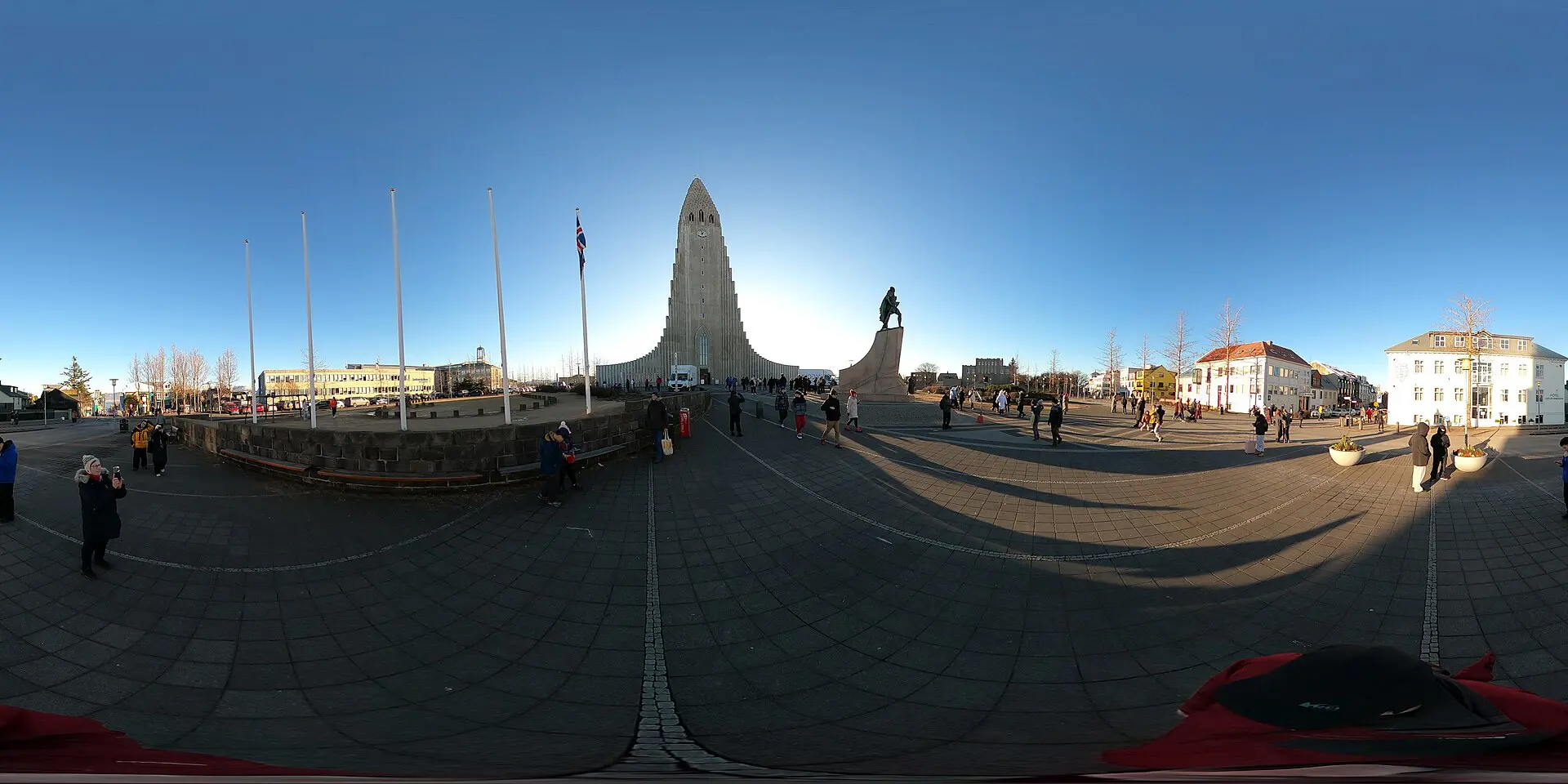
The capital is home to roughly a third of Iceland’s people and is the easiest place to start. Sleep in the centre, close to the main street and the harbour, in a hostel or guesthouse with a common room. It is compact, walkable and lively in the evening, with cafes, bars, swimming pools and free walking tours.
2. The Golden Circle
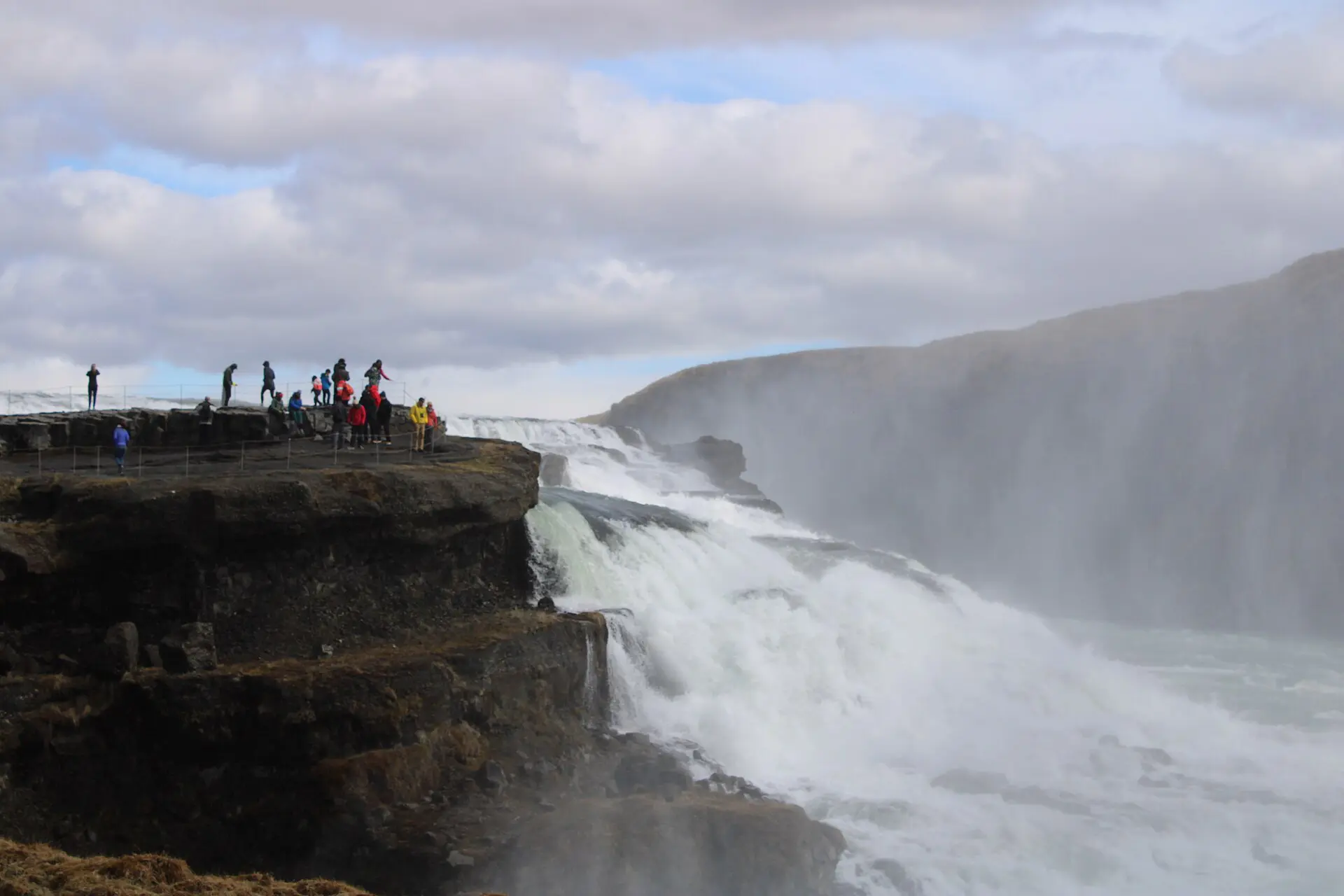
Thingvellir National Park, the Geysir area and Gullfoss waterfall make a classic day trip of about 230 km. Do it as a day tour from Reykjavik, as the stops are close together and you meet people on the bus. There is no need to move your bags, so sleep in Reykjavik.
3. The South Coast
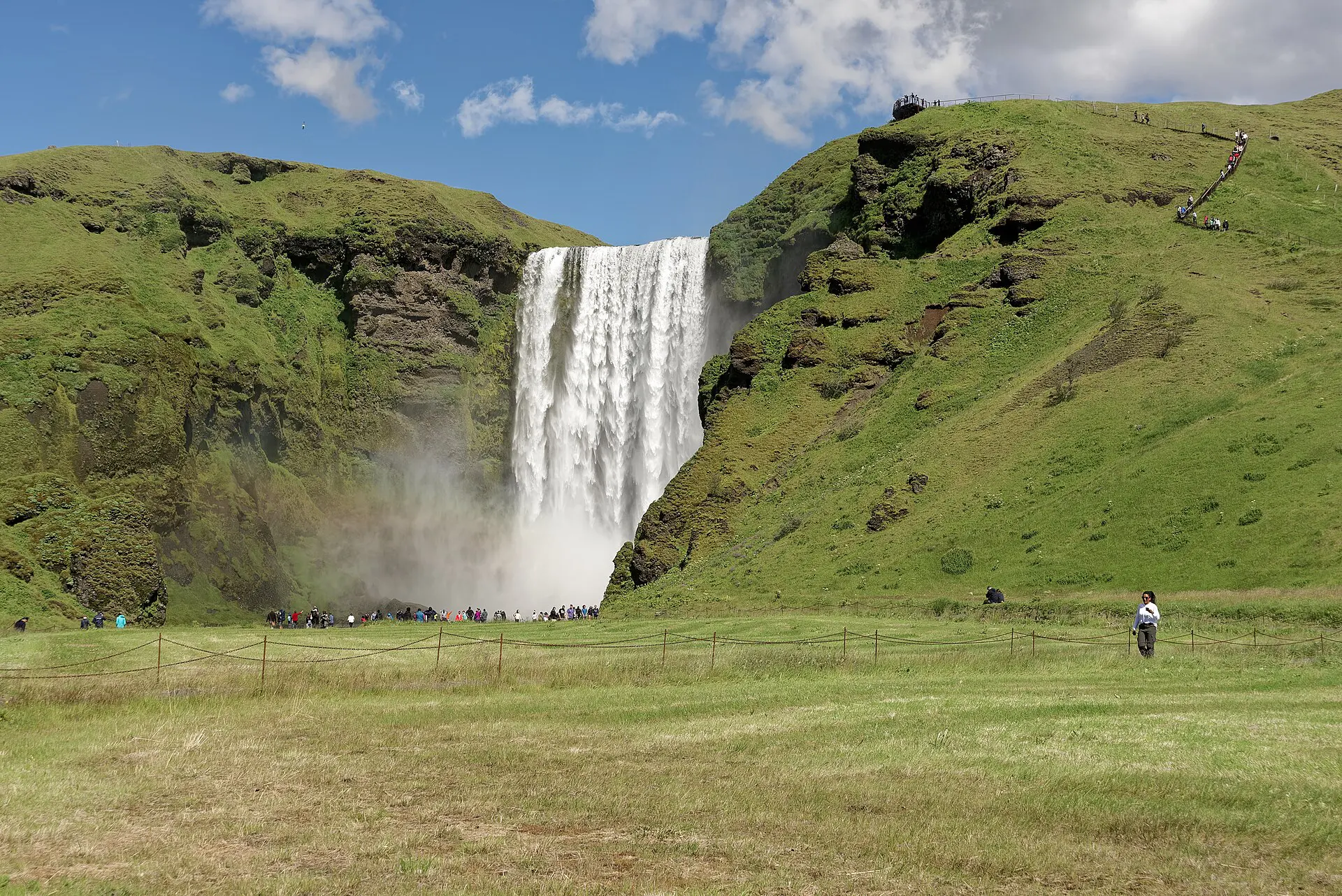
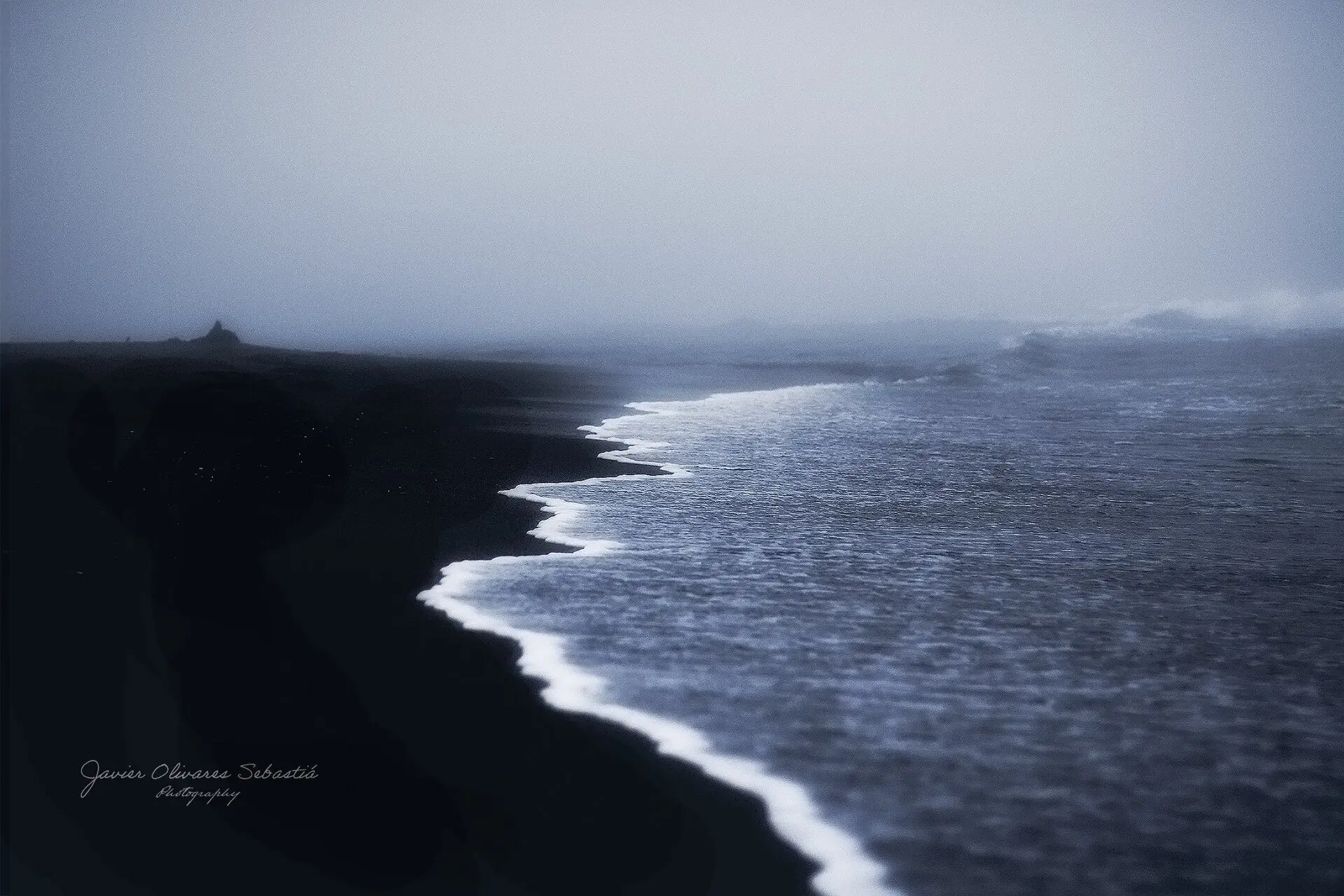
Seljalandsfoss, Skogafoss and the black-sand beaches near Vik are an easy first excursion, and they are reachable on a day tour. If you want to overnight, stay in Vik or a nearby guesthouse, and book ahead in summer. Stay out of the waves on black-sand beaches, where sneaker waves are a real hazard.
4. Jokulsarlon and Hofn
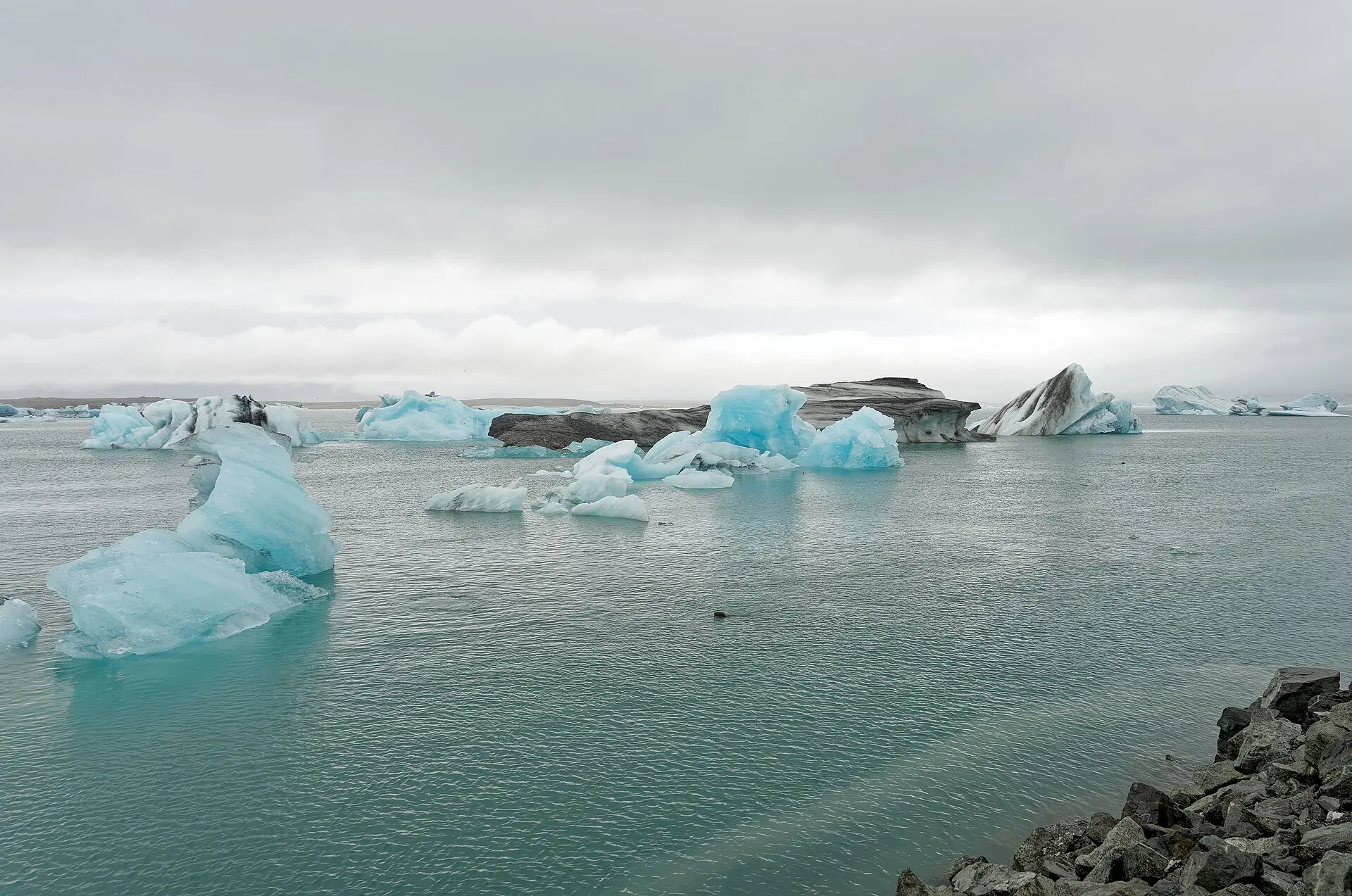
The glacier lagoon and Diamond Beach lie in the southeast, with Hofn as the main town. Sleep in Hofn, which has the shops, restaurants and a few places to stay, rather than in an isolated farm, if you are on your own and want evening options. It is a long drive or a guided trip from Reykjavik, so it suits a multi-day route.
5. Egilsstadir and the East
The East has the best weather in the country in summer and a quieter pace, with fjords and forest. Egilsstadir is the main town and a practical base, with a supermarket, food and a mix of lodging. Roads can be winding, so allow a full day for the drive from the southeast.
6. Myvatn and Husavik
Lake Myvatn has geothermal pools, lava fields and craters, and Husavik is known for whale watching in summer. Sleep in Husavik if you want a village with harbour restaurants and boat tours, or near Myvatn if you want to be close to the lake. Check boat schedules and book tours in advance.
7. Akureyri
Akureyri is the main town in the north and a good base for a few days, with a pool, cafes and a small-city feel. People often search for things to do in Akureyri, and the usual answers are whale watching from nearby, Godafoss waterfall, the botanical garden and the pool. Sleep in the town centre. There are flights between Akureyri and Reykjavik, which can save a long drive, and the town has bus links in season.
8. Snaefellsnes Peninsula
A compact loop on the west coast, with a glacier, lava coast and fishing villages. Stykkisholmur is the main town and a good base for a night or two. It is two to three hours from Reykjavik, which makes it a good option for the end of a trip or as a short break by itself.
Getting around Iceland alone: day and night rules
Iceland has no train network and limited buses outside summer, so the choice is between a car, a bus pass and tours. A rental car gives freedom, but it is the biggest risk and cost. Our Iceland trip cost guide compares the options in more detail.
- Rental car: good value if you can drive confidently and share costs with others. Read the insurance terms carefully, as gravel, sand and ash damage may be excluded.
- Buses and tours: regular buses link Reykjavik with the main towns in summer, and day tours reach the big sights. In winter, services are reduced.
- Daylight rule: plan driving during daylight. In June and July the sun barely sets, but in December you have about four to five hours of light.
- Weather rule: if the road authority shows a red or closed road, wait. Never drive past a closure sign. Build one spare day into any route.
- F-roads and the Highlands: these mountain tracks need a 4×4 and experience, and most are open only in summer. As a solo traveler, I would skip them unless you join a guided trip.
- Fuel: fill up when you pass half a tank, as stations can be far apart in the east and north.
If you do not want to drive, a mix of Reykjavik-based day tours and a bus to Akureyri or the south coast covers most of what first-time visitors want.
How to meet people on Iceland solo travel
Iceland is easy to meet people in because most visitors follow the same few routes. Start with the lowest-effort options.
- Hostel common rooms and kitchens: the simplest route. Even a private room gets you access to the lounge.
- Day tours: the Golden Circle, the South Coast and whale watching have small groups, shared transport and built-in conversation.
- Free walking tours in Reykjavik: a no-pressure first-day activity.
- Swimming pools and hot springs: social in a quiet way. Locals use them daily, and nobody expects you to talk.
- Multi-day small-group trips: these suit the Highlands or glacier hikes, where you want a guide.
If someone is too persistent, a plain line works: “I am heading off, enjoy your evening.” Then leave. You never have to explain, and staff at hostels will help if someone does not respect your space.
What to do after dark in Iceland
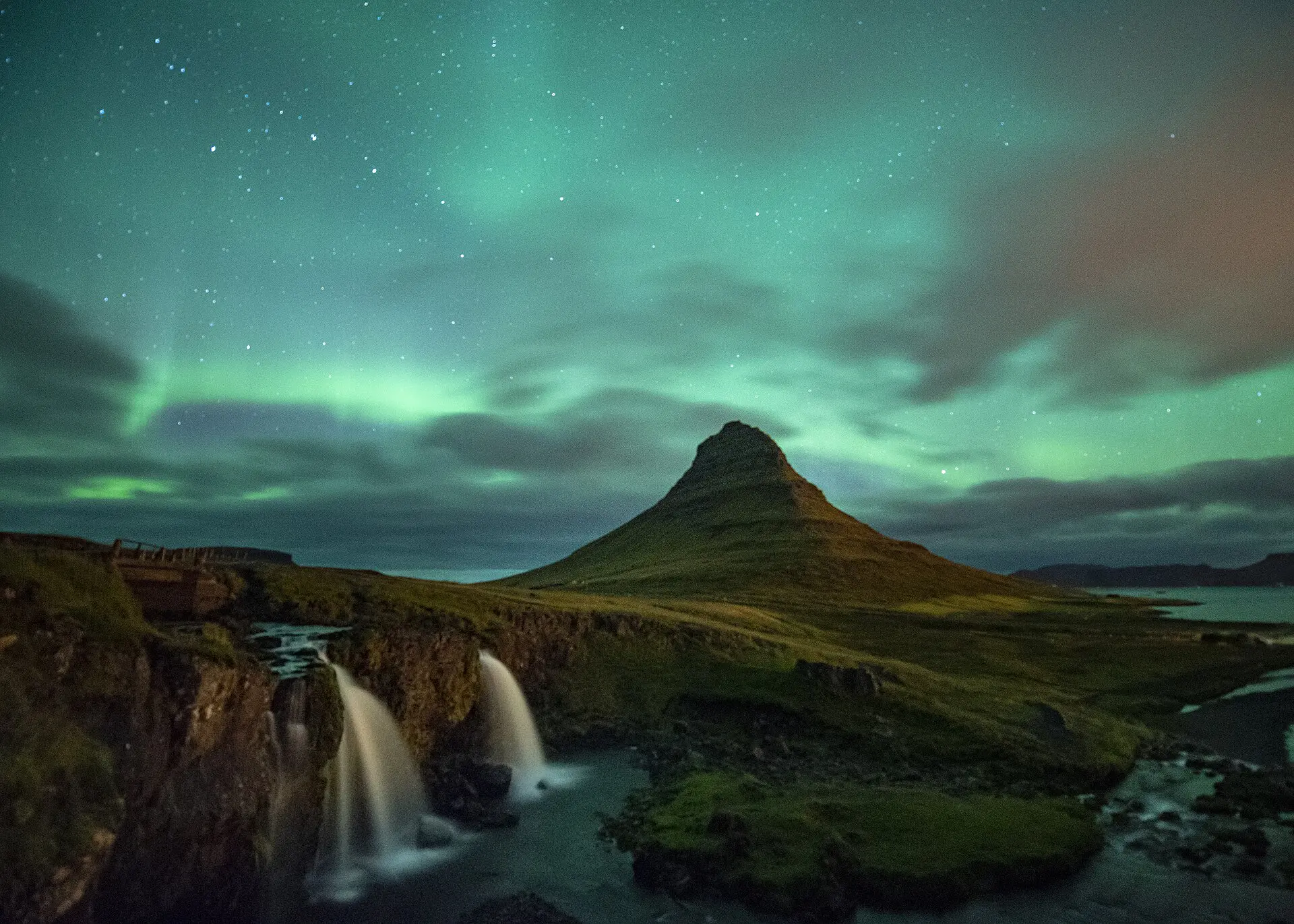
In summer, dark barely arrives, so evenings are long and walking back at 11 p.m. feels like dusk. In winter it is the opposite: dark by mid-afternoon, which is good for northern lights. Aurora season runs roughly from September to April, and tours leave in the evening, which makes them useful for company.
In Reykjavik, evenings centre on the pools, restaurants and bars along the main street. Weekend nights can be loud and busy. If you do not drink, join an aurora tour, soak in a thermal pool or eat dinner at a counter. Outside the capital, evenings are quiet, and your accommodation is the social spot.
Rules for night: do not drive in unfamiliar areas after dark in winter, stay on lit roads in towns, and if you go out to see the aurora alone, tell someone where you are going and take a charged phone. Prefer a guided tour for dark, remote locations.
Iceland solo travel budget bands
Iceland is one of the most expensive countries in Europe, and prices move with season. The bands below are rough as of 2026, per person per day, and exclude flights.
| Style | Roughly per day | What it looks like |
|---|---|---|
| Lean | 100 to 160 USD | Dorm beds, supermarket food, buses and one or two tours |
| Middle | 160 to 300 USD | Private rooms or guesthouses, some restaurant meals, a few tours |
| Comfortable | 300 USD and up | Hotels, car hire and several guided trips |
To save money, cook in hostel kitchens, buy groceries and use the free tap water, which is good everywhere. Travel in May, June or September, when prices fall and daylight is generous. Book summer stays months ahead.
The costs that surprise people are car hire, tours and alcohol. A Golden Circle tour, for example, costs about the same as a night in a private room, so budget for two or three paid excursions rather than one every day. A sibling guide on the Iceland itinerary with kids gives a second view of route pacing.
Practical safety for Iceland solo travel
Iceland’s risks come from nature, so most safety is about information. Do these things and you remove most of the danger.
- Check the weather and road forecast every morning, and the alerts the night before.
- Register travel plans on the official safety site if you plan any hiking, and tell your accommodation your route.
- Stay on marked paths, and keep well back from cliffs, geysers and waterfalls.
- Do not enter ocean waves on black-sand beaches, and watch the tide at the glacier lagoon.
- Do not stop on the road for photos. Use pull-offs.
- Wear layers and waterproofs even in summer.
- Carry a power bank and a paper copy of your booking details.
- Call 112 in an emergency, and use the SafeTravel app if you hike.
Pool etiquette is simple: shower without a swimsuit before you enter, as signs show. It is routine for all genders and is separated by changing rooms, and staff will explain it if you are unsure.
Iceland solo travel: FAQ
Is Iceland safe for solo female travelers?
Iceland has very low crime and is often listed among the safest countries in the world. For women travelling alone, the practical risks are weather, roads and remote hiking. Share your plans with your accommodation, check road conditions daily and use small-group tours for isolated areas or winter nights.
Can I travel Iceland without a car?
Yes, with limits. Reykjavik, the Golden Circle, the South Coast and whale watching are all covered by day tours, and buses link the main towns, particularly in summer. A car gives more freedom, but tours and buses work well if you do not want to drive alone.
How many days do I need for Iceland alone?
Four to five days covers Reykjavik, the Golden Circle and the South Coast. A full Ring Road trip needs 7 to 10 days with some slack. If you have only a long weekend, stay in Reykjavik and take two day tours.
Is Iceland good for a first solo trip?
It can be. It is safe, English-speaking and easy to navigate, with hostels and group tours for company. It is also costly and weather dependent, so build in a buffer day and book ahead in summer. If budget is tight, a cheaper country may be a better first trip.
When is the best time for Iceland solo travel?
June to August has long daylight and the most open roads and tours, but also the highest prices. May and September are cheaper and quieter, and September to March is the aurora season. Winter suits some people, but days are short and driving is harder.