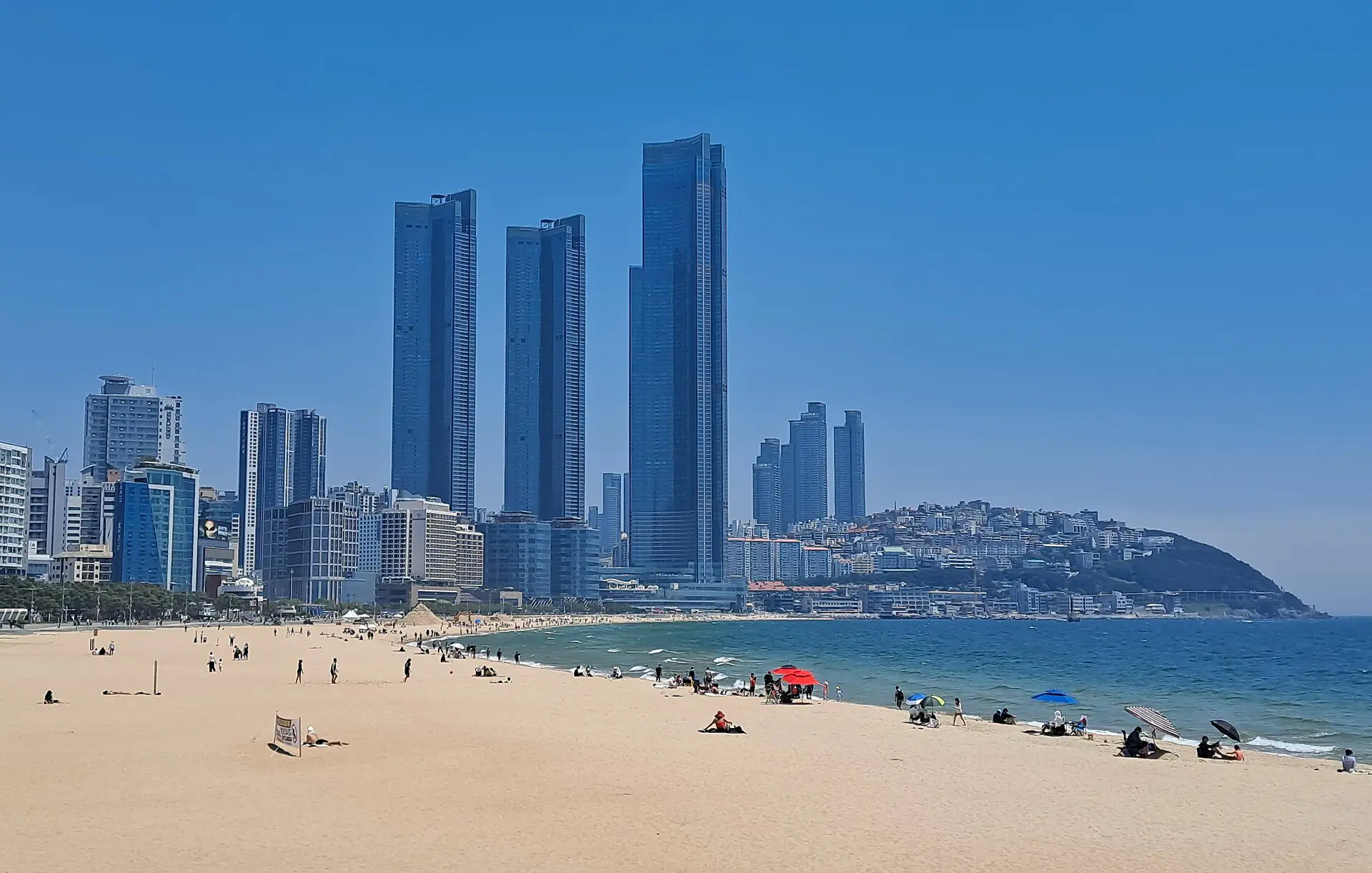
Haeundae Beach Busan is worth a month, not just a day trip, if your work travels with you. It is a 1.46 km strip of sand on Korea’s south-east coast, backed by towers, cafes and a metro line, so you can keep a normal workday and still be in the water at six in the evening. Here is how we would approach it: how to get there, which season to pick, where to base yourself, what to do after hours and roughly what a month costs.
Getting to Busan
Most of us arrive from Seoul by KTX high-speed train. The ride takes around two to two and a half hours and a standard ticket has been about 60,000 won, though you should check current fares. Book ahead for Fridays and holidays, because peak trains sell out. Onboard wifi can cut out in tunnels, so skip video calls on the ride.
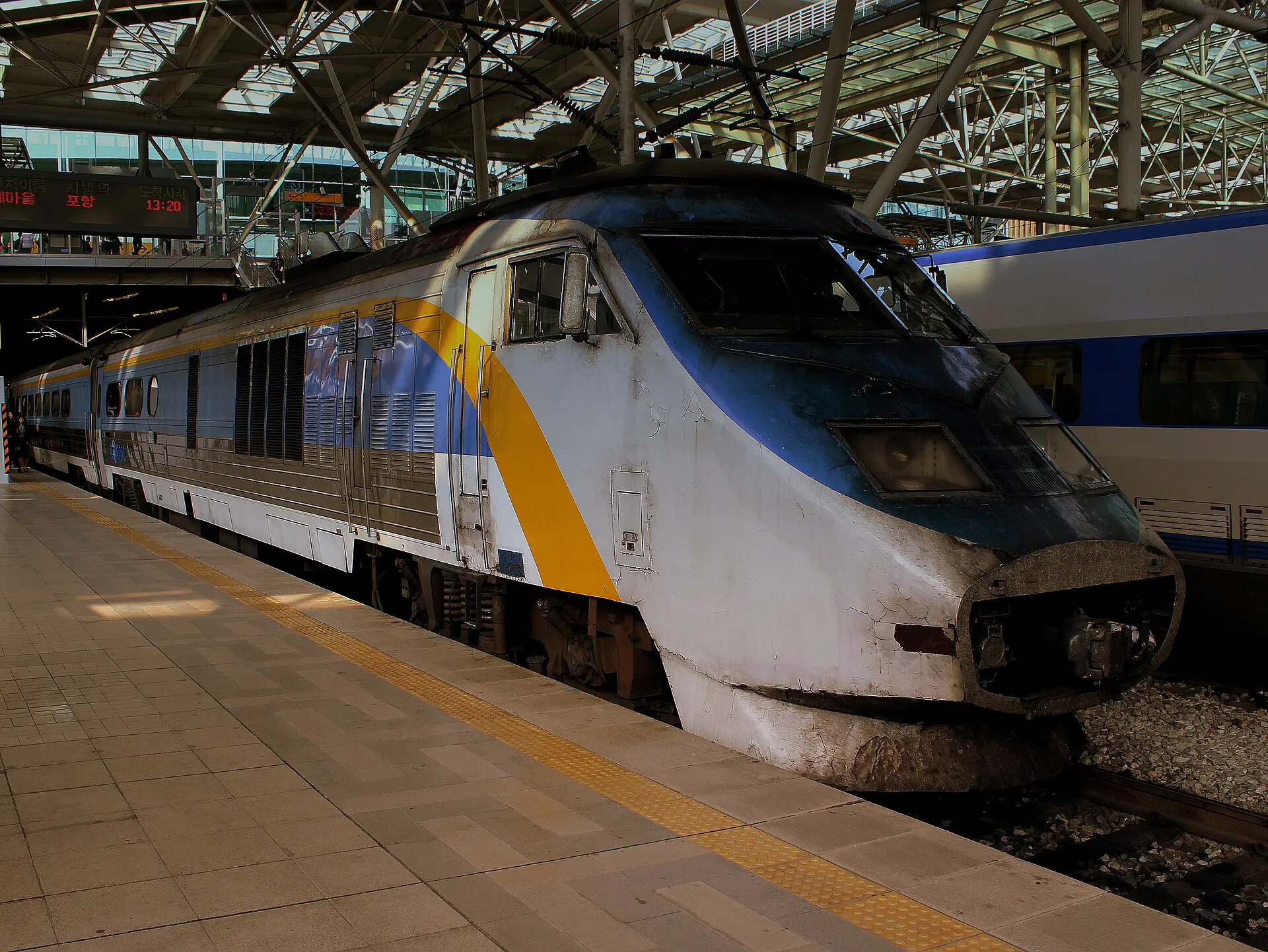
Flying works too. Gimhae International Airport is on the western side of the city and connects to Seoul, Jeju and several international cities. Allow roughly an hour to an hour and a half by metro, limousine bus or taxi to reach Haeundae. The KTX stops at Busan Station, but Sin-Heundae station on the regular intercity lines is closer to the beach, so it is worth comparing both when you book. A second Busan airport is planned for 2029, so this may change.
What is Haeundae Beach like?
It is an urban beach, and that is the whole appeal. The sand is about 40 m wide, the water is shallow with an average depth of around a metre, and the strip can hold roughly 120,000 people. Sand is added each year because the beach has been eroding for decades. Parking, showers and food are all within a minute of the sand.
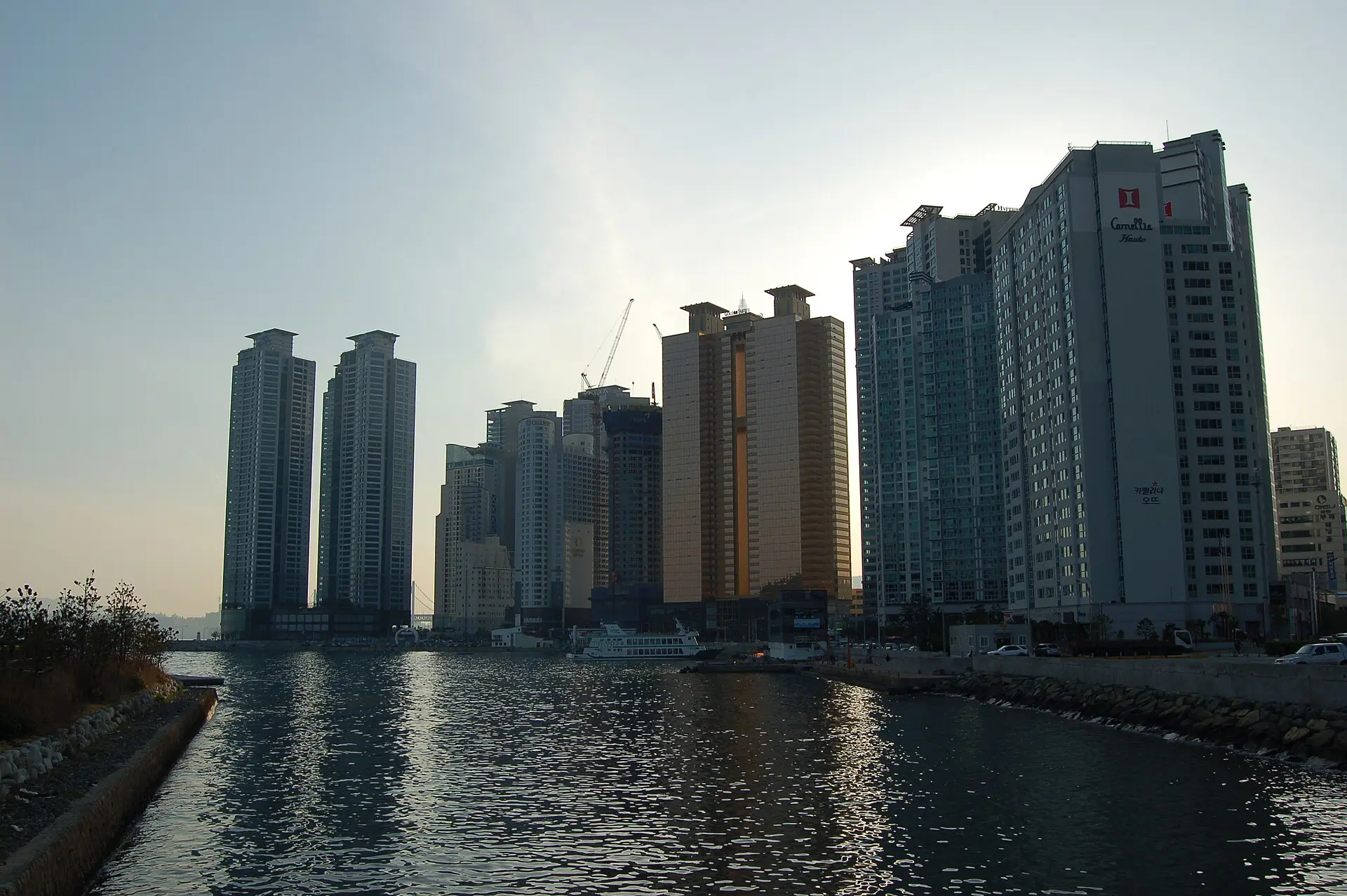
In peak summer it is packed end to end, and a 2008 Guinness record counted 7,937 umbrellas. Out of season it becomes a long, quiet promenade with cafes along the edge, which is the version that suits a working month.
Best time to visit Haeundae Beach Busan
For swimming, go in July and August, and accept the crowds, the heat (often above 30 degrees Celsius) and the prices. For working, we would pick late spring or autumn: milder weather, thinner crowds and easier bookings. Typhoons can arrive between July and September, so keep a flexible booking if you travel then. Winters are mild by Korean standards and snow is rare, but the sea is cold. January even has the Polar Bear Festival, where thousands wade into near-freezing water. We would watch that one from the sand.
What to do at Haeundae Beach
Work from the waterfront, by type of spot
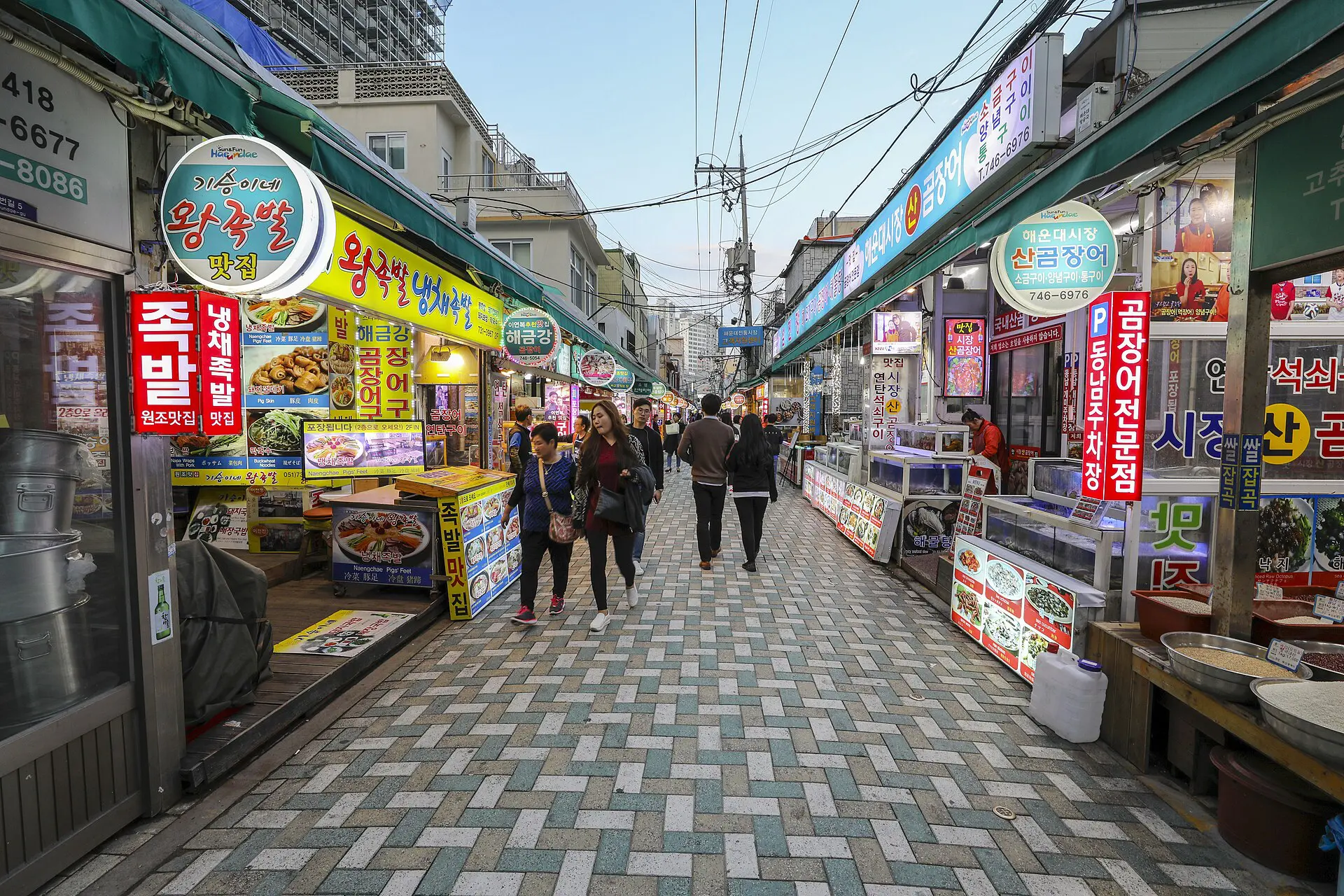
We do not have a tested speed to quote for any particular cafe, so treat this as a method. Look for three types: a big chain-style cafe with plenty of outlets and seating for long sessions, a small independent cafe for a focused two-hour block, and a coworking space a few streets back from the sea for calls. Test the wifi with a speed check before you commit to a seat, and keep a phone hotspot as a backup.
Walk the sand at sunrise or after dinner
This is the daily reset. The beach is flat and lit in the evening, which makes it an easy place to walk off a long day. Mornings are quieter and cooler in summer. Make it a routine: a 30-minute loop before work or after is one of the main reasons to base yourself here.
Climb Dongbaekseom and follow Dalmaji-gil
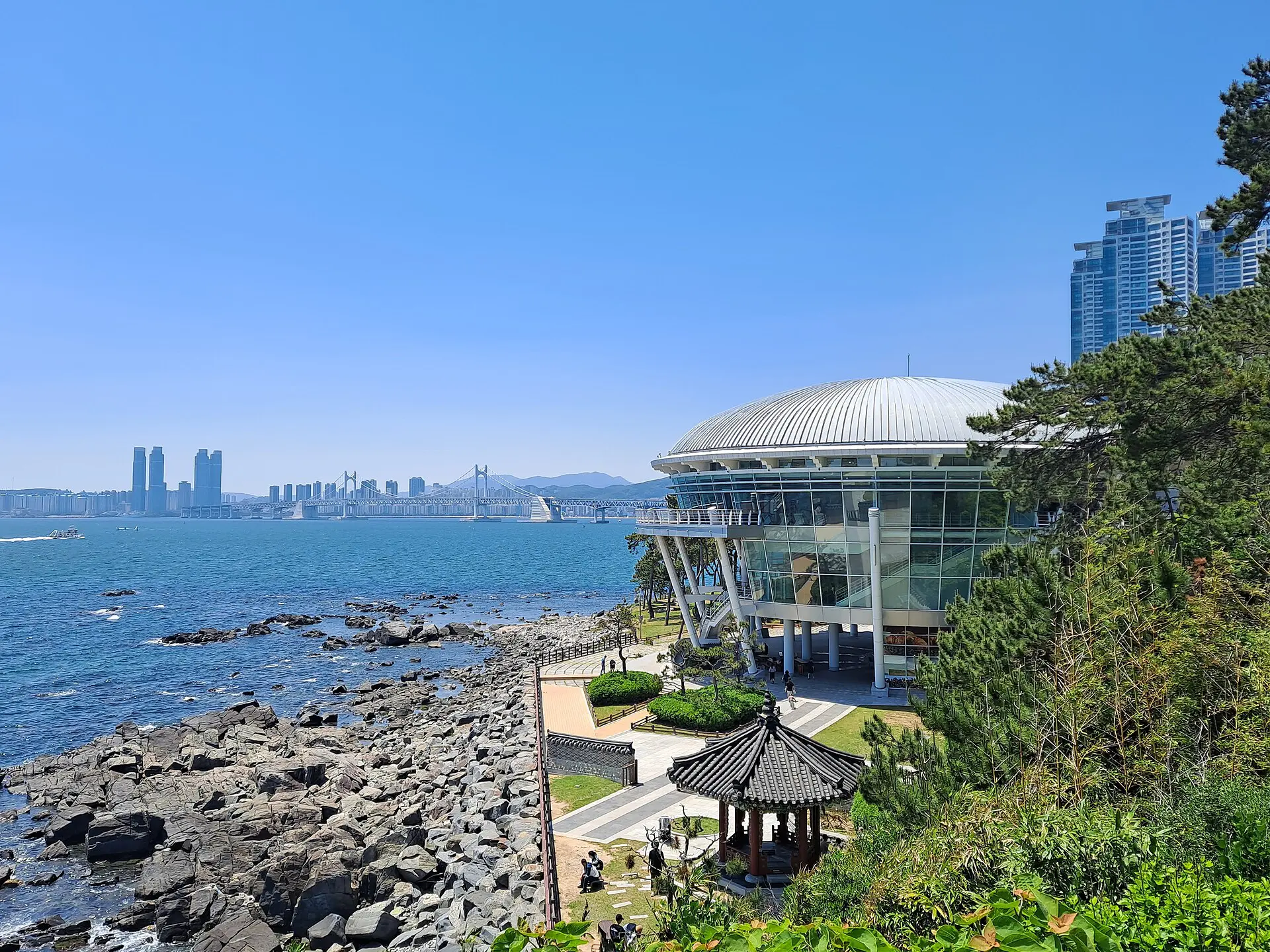
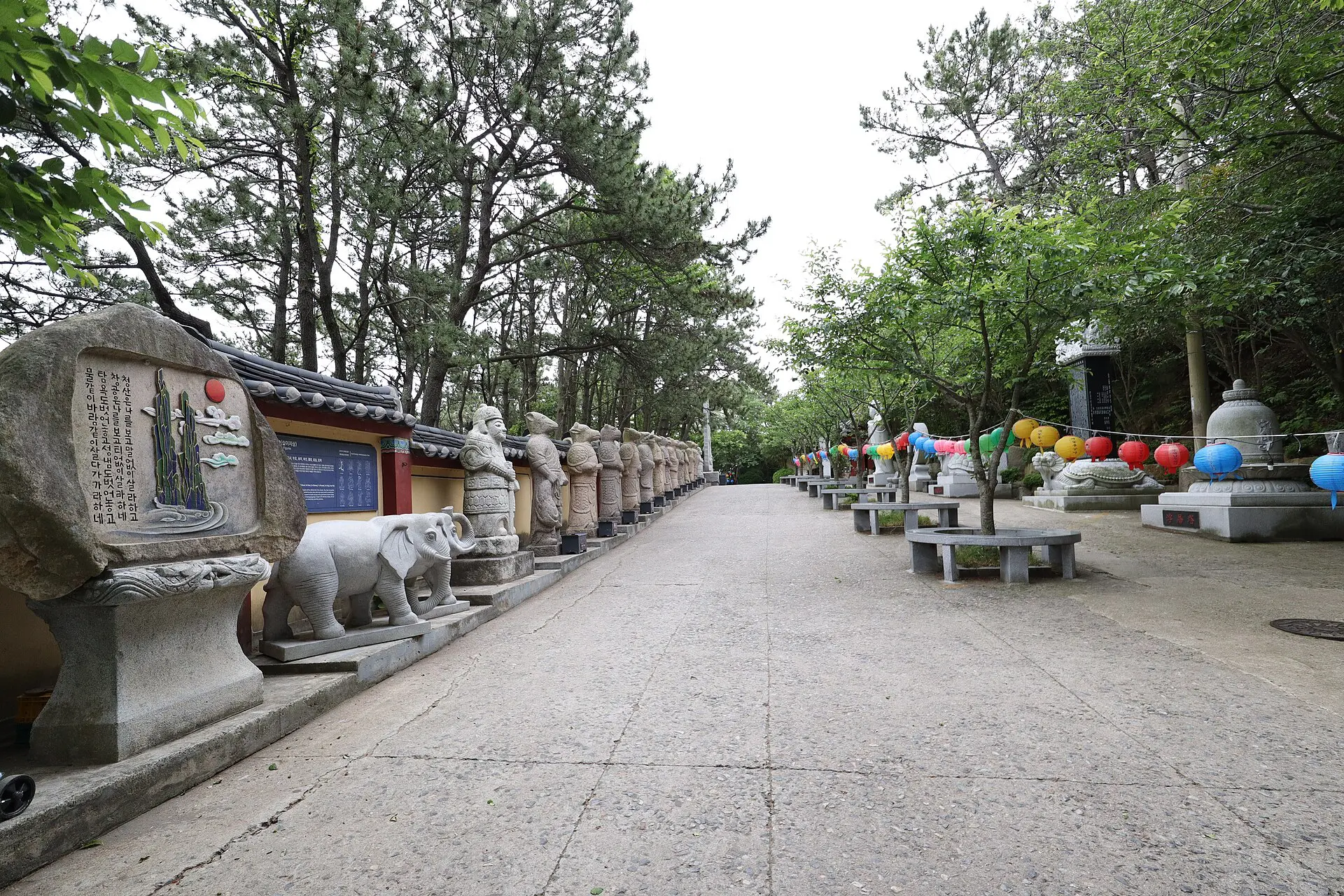
Dongbaekseom sits at the west end of the beach and is a former island, now joined to the mainland, with a coastal walking path and a long reputation for its scenery. APEC Naru Park is nearby. For a longer outing, the Dalmaji-gil road above the coast is a good half-day for a slow walk or a cafe stop.
Soak at the Haeundae Hot Springs
Haeundae has a hot spring area, and a bathhouse session is a decent way to end a week at a desk. Hours and prices vary by venue, so check before you go.
Visit Sea Life Busan Aquarium
It sits right by the beach and works as a bad-weather option for a rest day. Ticket prices change, so check the current rate.
Catch a festival or an evening event
The beach hosts the Sand Festival, the Polar Bear Festival in January and events linked to the Busan International Film Festival. Events are good for meeting people, but they push up accommodation prices, so book early.
Safety, rules and practical tips
Busan is considered very safe by Korean standards, and Haeundae is a busy, well-lit area. Swim only when the beach is open and lifeguards are on duty, and obey flag and swimming-zone signs. In typhoon season, stay out of the water when warnings are posted, even if the surf looks inviting.
For work, carry a power bank and a hotspot-capable SIM or eSIM, as most of us do on any trip. Visa-free stays for many passports are limited to a few weeks to three months, and working rules differ from tourist rules, so confirm with the official Korean authorities for your own situation before you plan a month here.
Nearby alternatives
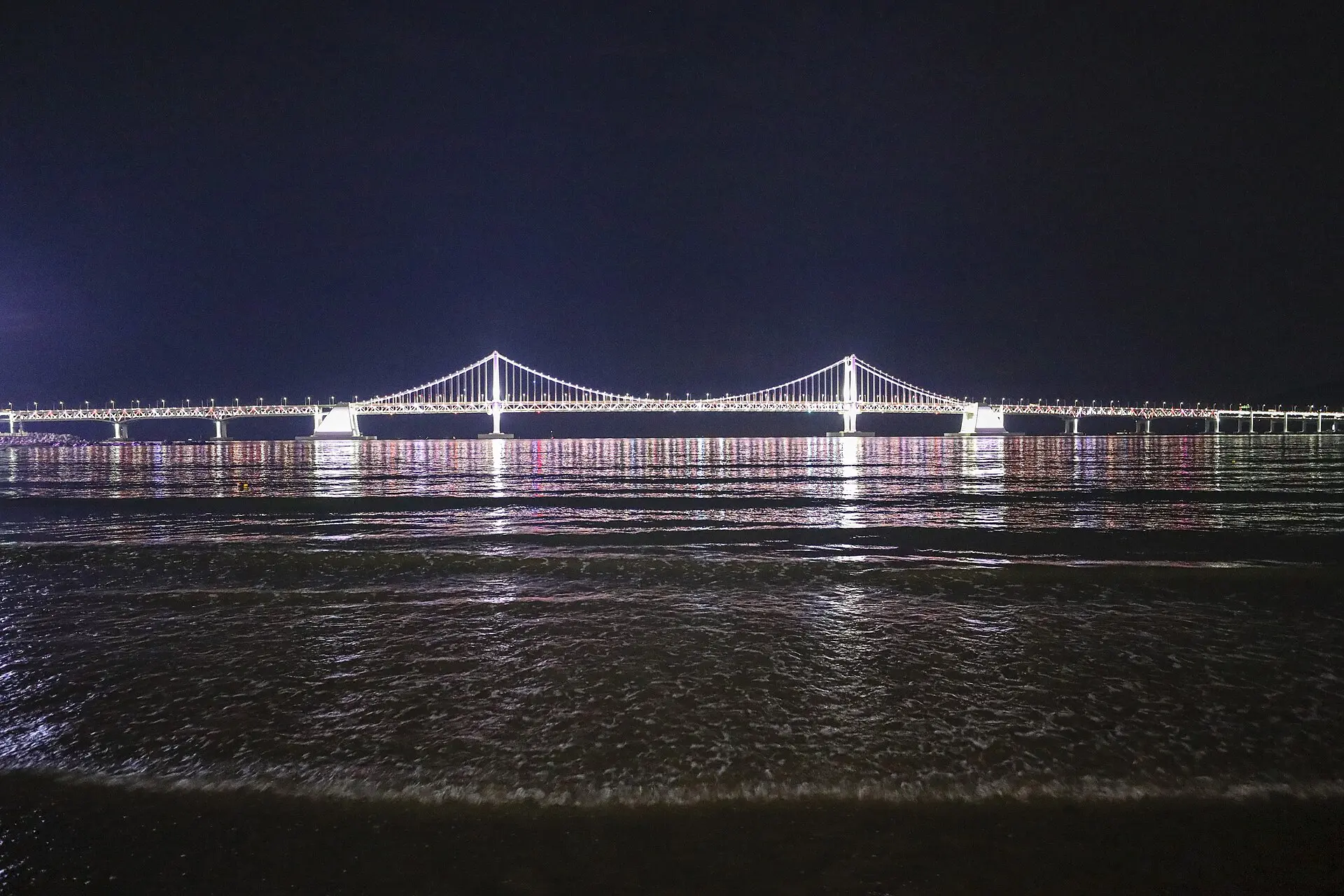
If Haeundae feels too busy, Gwangalli is the other beach most people compare it to, with a city skyline view. Songjeong, further east, is quieter and has a surfing scene. For a city base closer to markets and the old port, look at Nampodong, which includes the well-known Jagalchi fish market, or Seomyeon, the central business hub. Our advice for a first month at Haeundae Beach Busan is to stay put, then do day trips into the rest of Busan by metro. See the Wikivoyage guide to Busan for district details.
How much does a month at Haeundae cost?
Treat these as rough bands and check current prices. Housing is the swing factor, because beachfront and summer months cost far more than streets a few blocks inland.
- Lean month: roughly 1,800 to 2,400 USD with a small studio inland, local meals and the metro.
- Comfortable month: roughly 2,500 to 3,500 USD with a one-bedroom apartment, a coworking pass and regular restaurant meals.
- Beachfront summer: 3,500 USD and up, mostly because of rent.
Short-term rentals can be hard to find in peak season, so book the first week and then look around once you are on site.
Haeundae Beach Busan FAQ
Is Haeundae Beach good for digital nomads?
Yes, for a month or so. You get a metro line, plenty of cafes and apartments, and a beach for your downtime. The trade-off is summer crowds and higher rent close to the sand.
How far is Haeundae from Busan Station?
Plan on roughly 40 to 50 minutes by metro, depending on your route and connections. Sin-Heundae station is a shorter walk to the beach for intercity trains, so compare options.
Can you swim at Haeundae all year?
The beach is open year-round, but the official swimming season is summer, and the water is cold the rest of the year. Obey posted signs, and skip the water during typhoon warnings.
Is Haeundae better than Gwangalli?
Haeundae is bigger, busier and has more apartments and attractions. Gwangalli is more compact, with a famous skyline view at night. Work-wise, either is fine. Pick Haeundae for space and facilities.
For background on the beach itself, the Haeundae Beach entry on Wikipedia covers history and the erosion work.