Ghent in 2 days is enough to see the van Eyck altarpiece, the medieval canal core and the student quarter, because almost everything sits within a 20-minute walk. Pair one anchor with one street in each block and the plan runs itself. If you only have one day, take the cathedral and altarpiece at opening, the Graslei at lunchtime, the Gravensteen in the afternoon and the canals at dusk. Skip the rest.
How to spend 2 days in Ghent
The logic is simple: one anchor sight, then one street, market or waterfront that costs nothing. Day one is the medieval centre on foot. Day two moves out to the museum park and into the university streets. That order puts the busiest sights in the first two mornings, when queues are shortest.
Ghent is a useful comparison with Bruges, which is half an hour away by train. Bruges is smaller and more preserved as a set piece. Ghent is bigger, has a working port and a large student population, and feels like a city that people actually live in. Choose Bruges for postcard calm and Ghent for density and range.
Check the Belgium-wide rule before you fix dates: many museums close on Mondays. Plan the museum block for a day when it is open, and swap the days if you land on a Monday. For background, the Belgium travel guide and the Ghent guide cover the wider picture.
Ghent in 2 days: the time-blocked plan
Day 1, 9:00: St Bavo’s Cathedral and the Mystic Lamb
The anchor. The Adoration of the Mystic Lamb, a 24-panel altarpiece completed by Jan van Eyck in 1432, is displayed in a chapel and crypt area that has its own entry and timed arrangements, separate from the free cathedral nave. Conservation work has run since 2010, so check what is on view and book the slot online before you go.
The cathedral nave has shorter hours on Sunday mornings, when services come first. Allow 75 minutes in total. Pair it with Sint-Baafsplein outside, then walk two minutes to the next block.
The altarpiece is the reason this city appears on culture itineraries, so protect this block. If the chapel slot you want is full, take a later one and move the Belfry earlier. The cathedral also holds a Rubens, The Conversion of St Bavo (1623), which sits in the free part of the building and is worth ten minutes.
Day 1, 11:00: Belfry, Cloth Hall and the Groentenmarkt
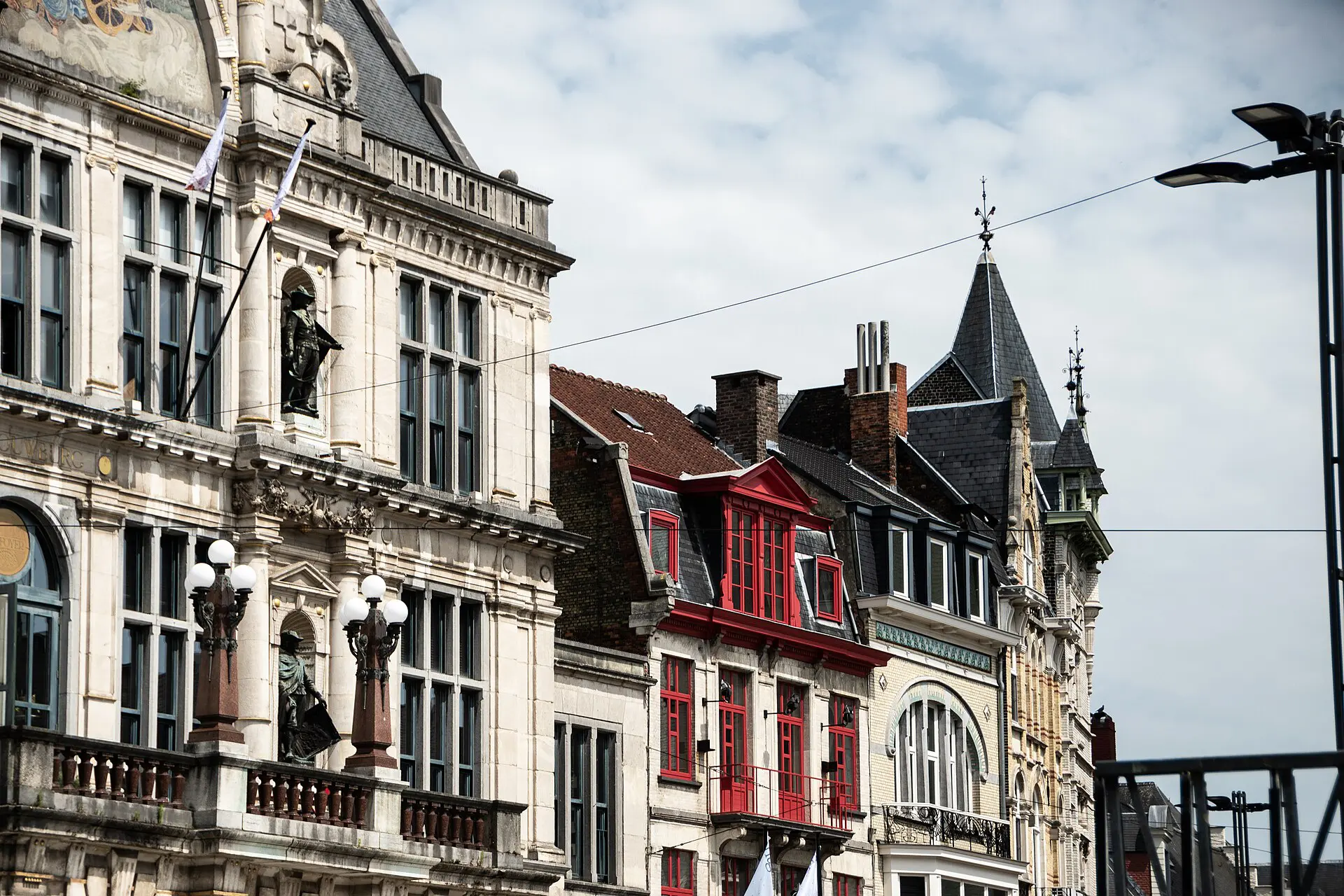
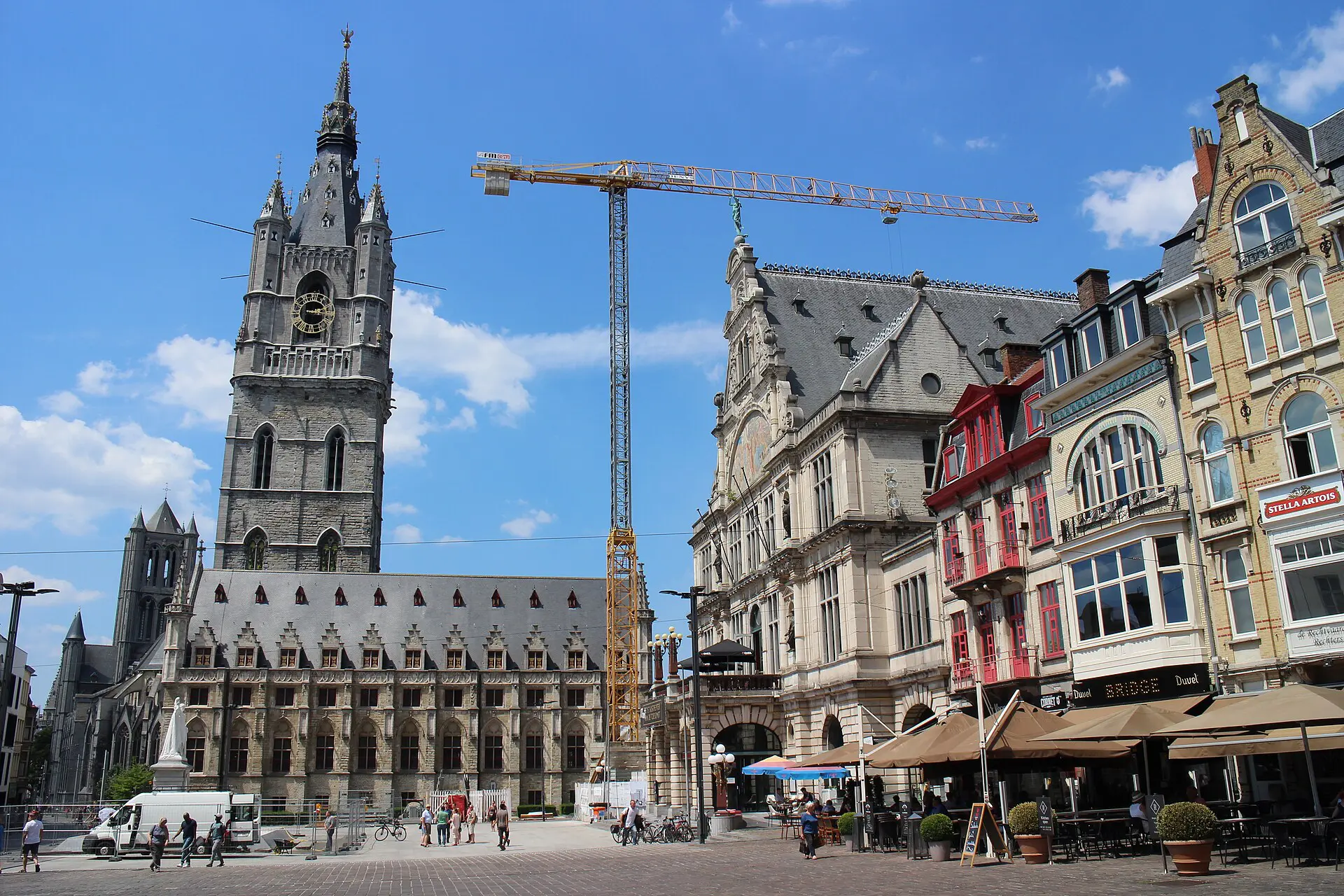
The Belfry (begun 1313, finished 1380) has a lift to a gallery around 66 m up, with a panorama of the roofs and the three towers in line. Allow 45 minutes. Next to it, the Cloth Hall dates from 1425. The Groentenmarkt, just across the canal, is the street scene to pair with it: a stone-paved square lined with old fronts, good for a lunch stop. Opening is typically daily in daytime, but confirm current hours.
Free guided Belfry tours run on some afternoons from Easter and in summer, which is useful if you want the history without reading panels. Eat late rather than early here: lunch queues peak at 12:30, and by 13:45 the square is calmer.
Day 1, 14:00: Gravensteen and Patershol
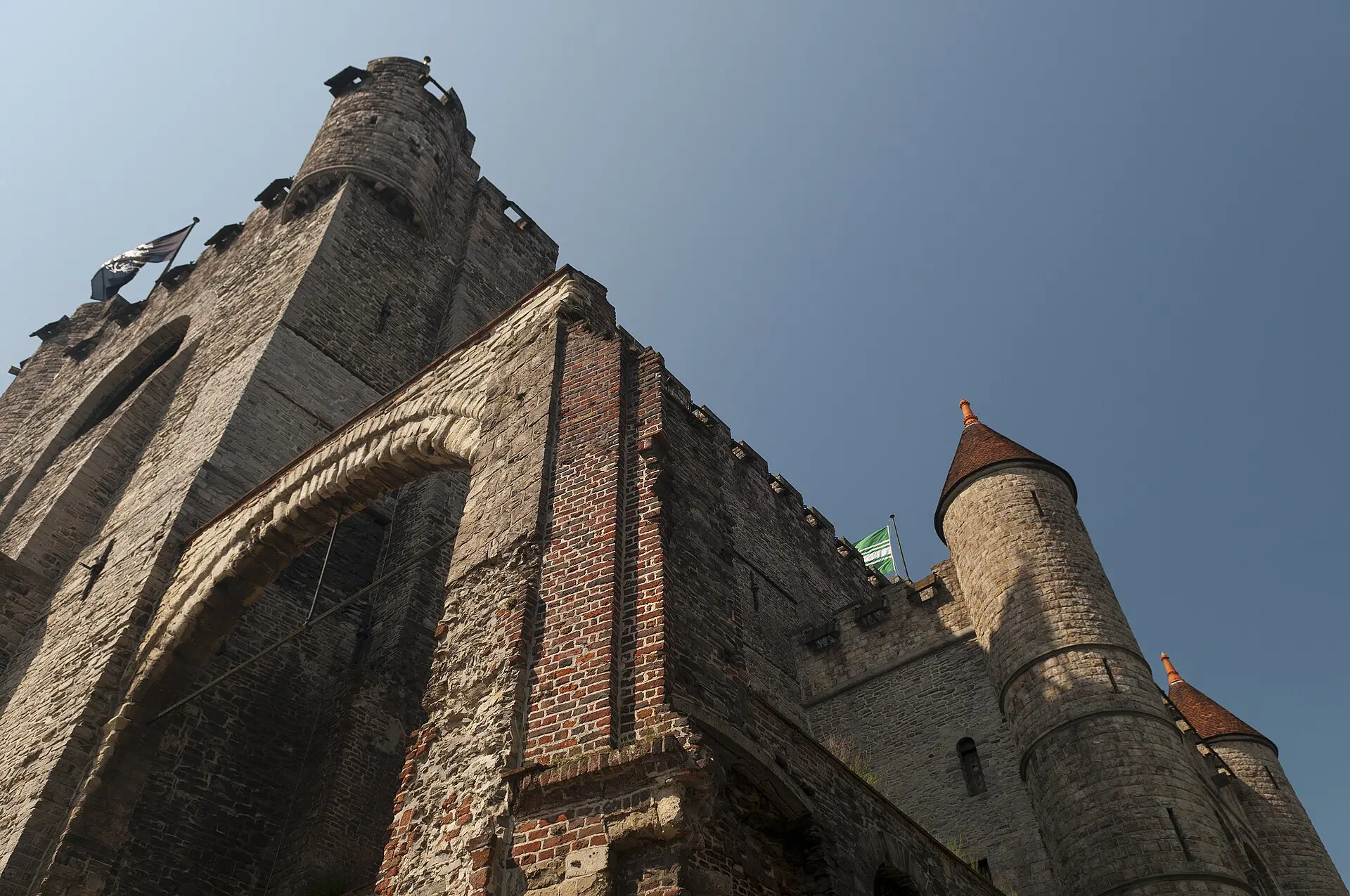
The Castle of the Counts is a 12th-century moated fortress in the middle of town. Visit it after lunch, when the morning tour groups have gone. Allow 90 minutes, including the walls. The audio guide is included in the ticket at most times, but check as of 2026.
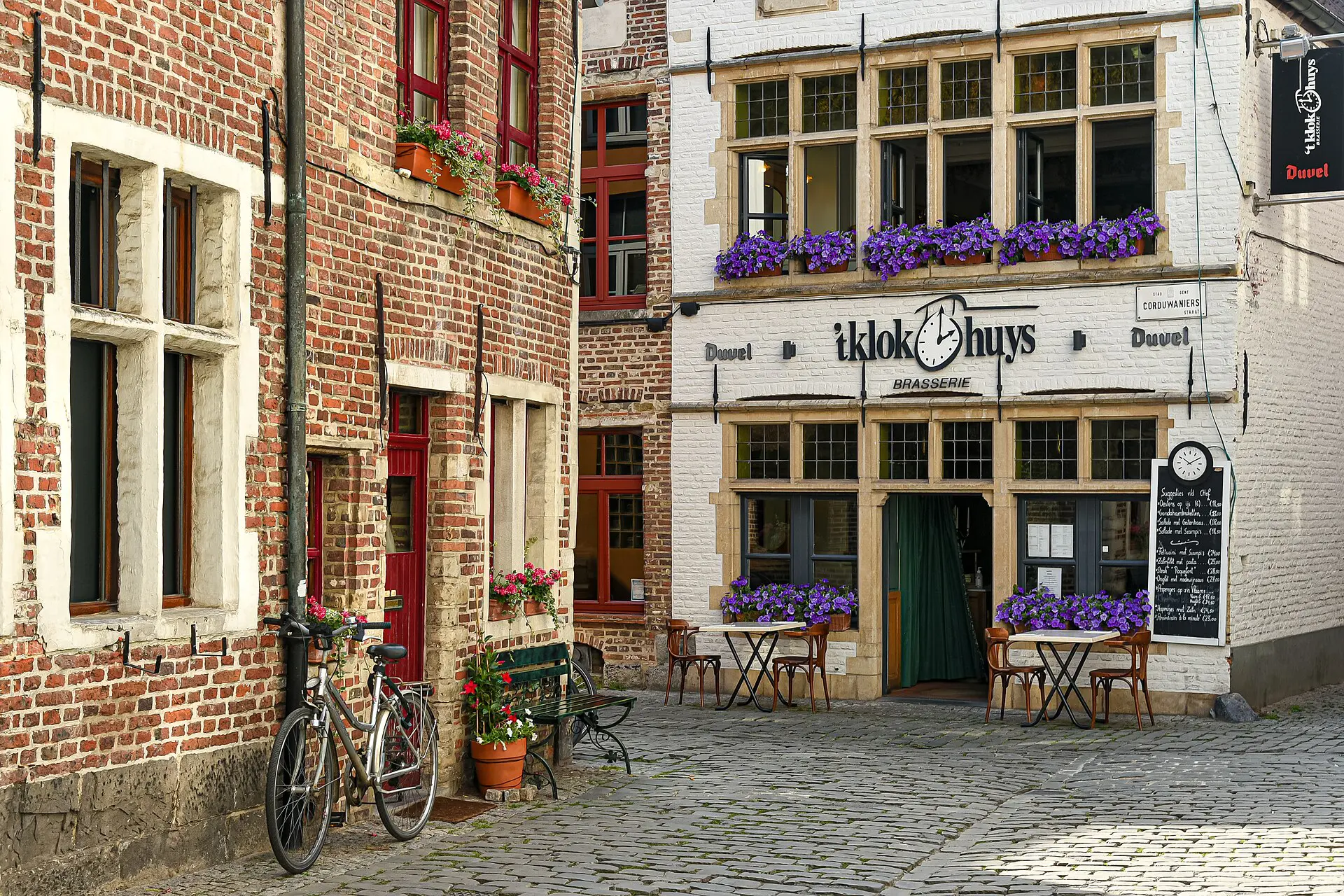
Pair it with Patershol, the cobbled lanes behind it. This was a workers’ quarter and is now restaurants and small courtyards. Walk it at 16:00, before dinner service starts and the lanes fill. If the castle queue is long, walk the lanes first and return at 16:30, when ticketing is usually quieter.
Day 1, 18:00: Graslei and Korenlei at canal light
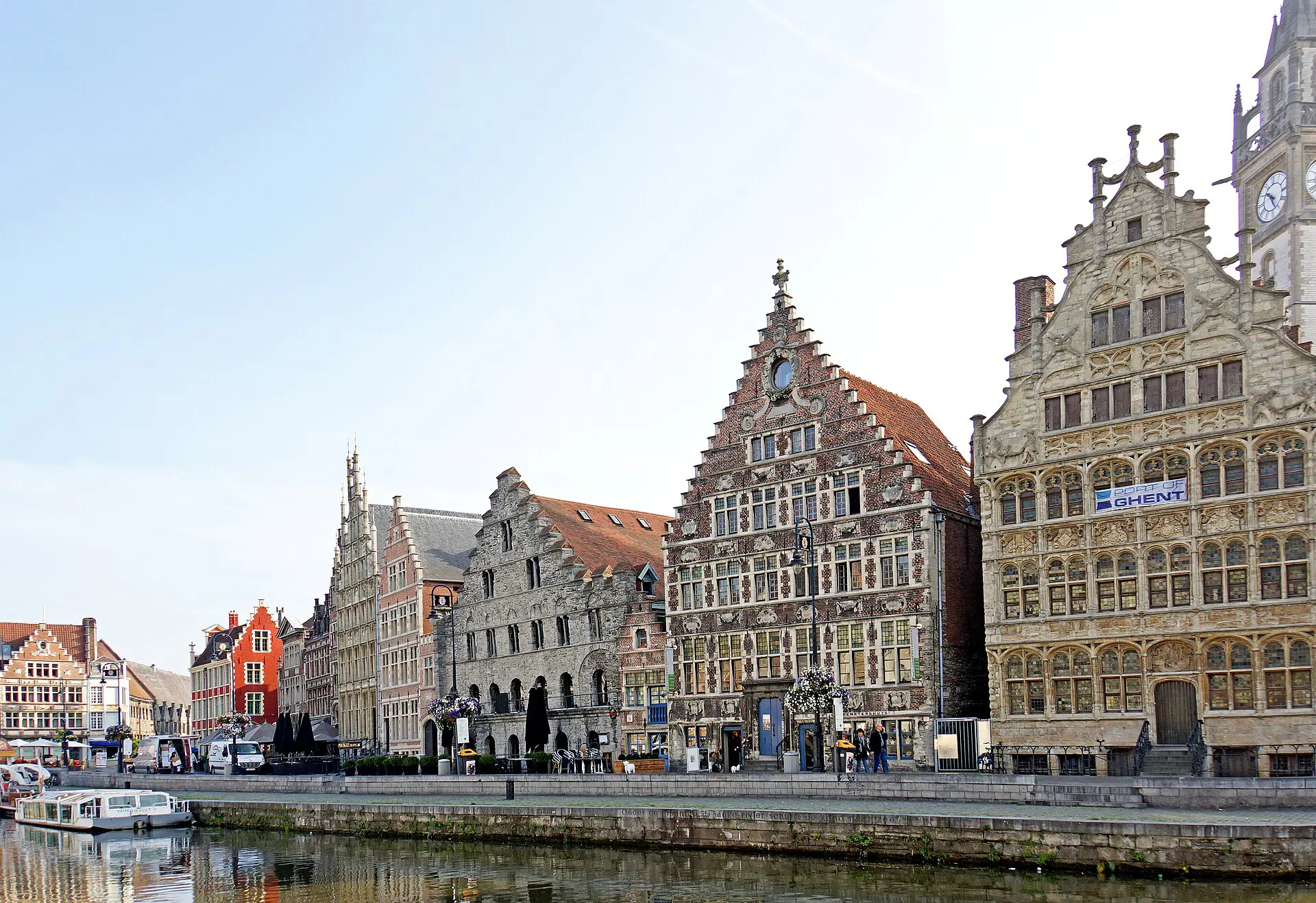
This is the closing block. The Graslei and the opposite Korenlei are the two quays where the medieval harbour stood, lined with guild houses along the Leie. Light is best in the hour before sunset, when the stepped gables turn warm. In winter that is mid-afternoon, so move this block earlier. Take the bridge between the two quays, then continue along Korenlei to see both fronts reflected. A canal boat is an option, but the quays themselves are free and give the better photographs. Dinner afterwards is easy in the surrounding streets.
Day 2, 10:00: Museum of Fine Arts or Design Museum
Move to Citadelpark for the second anchor. The Museum of Fine Arts (MSK) holds Flemish and Dutch painting from the Middle Ages onward. The Design Museum Gent, in the town centre, suits those who prefer objects to paintings. Both normally close on Mondays, so verify. Allow two hours at MSK. Walk through the park afterwards, then take the tram back to the centre. Pre-book a slot if the museum is running a headline exhibition, since those draw queues at weekends. If one museum is closed, swap in the other, and move the Citadelpark walk to the afternoon.
Day 2, 14:30: Vrijdagmarkt and the student streets
The street block. Vrijdagmarkt is a wide square used for a market on Friday mornings, with cafes around it. From there, walk to the university quarter along Sint-Pietersnieuwsstraat, where bars and bookshops fill with students in term time. The Overpoort area is the late-night end; skip it unless you are after nightlife. Term time brings more people, and exam weeks are quieter. Finish with an early dinner in the student quarter, where main courses are generally cheaper than around the quays.
How to avoid queues in Ghent
- Altarpiece: book the earliest slot, or the last slot before closing. Mid-morning is the peak.
- Belfry: go before 10:00 or after 16:00. Lift capacity is the bottleneck.
- Gravensteen: early afternoon, once school and tour groups thin out.
- Mornings: the town is quiet before 10:00 and the light on the Graslei is soft in the morning as well as the evening.
- Weekends: Saturday afternoons are the busiest time on the quays. Visit them on a weekday evening if you can.
- Festival: the ten-day Gentse Feesten in July draws 1 to 1.5 million visitors, so prices and crowds rise sharply.
Getting around Ghent
The centre is largely car-free and small, so you will walk. Gent-Sint-Pieters is the main station; tram 1 reaches the centre in 10 to 15 minutes. Gent-Dampoort is closer but served only by trains from Antwerp. A single De Lijn ticket has been around €3 and valid for an hour, so check current fares. Bikes are common, but cobbles are rough and tram rails are slippery.
From Brussels the train takes about 30 minutes, and Bruges is a similar hop the other way. If time allows, a half-day in Bruges is possible, but it will cost you one block of this plan.
Where to stay in Ghent
- Medieval centre (Graslei, Patershol): everything on foot, the best base for a 2-night stay, and the highest prices.
- Near Sint-Pieters station: convenient for trains and often cheaper, with a short tram ride in.
- Student quarter (Sint-Pietersnieuwsstraat): lively and good value, but noisier late on weekends in term time.
What to skip in Ghent if time is short
A Ghent in 2 days plan has little slack, so cut in this order. Patershol goes first, then the museum block. If you must choose a museum, take the altarpiece over MSK. Skip the Overpoort nightlife strip unless it is your reason for coming. I would also skip the Belfry on a hazy day, since the view is the point.
FAQ about Ghent
Is 2 days enough for Ghent?
Yes. Two days cover the altarpiece, the Belfry, the Gravensteen, the quays and one museum with time for meals. A third day adds a trip to Bruges or Brussels, or slower museum time.
Do I need to book the Ghent Altarpiece in advance?
Booking is wise, especially for weekends and school holidays. Timed slots are used for the chapel and crypt, so check the cathedral’s own ticket page for current rules, as the display and visiting arrangements have changed in recent years.
Should I visit Ghent or Bruges?
Choose Ghent if you want a living city with museums and students. Choose Bruges for a smaller, more preserved centre. They are about 30 minutes apart by train, so with 3 days you can do both.
What day are museums closed in Ghent?
Many Belgian museums, including the main fine arts museum, close on Mondays, and some also on public holidays. Plan the cathedral, Belfry, canals and market on a Monday, and verify each opening day before you go.
Further reading: Wikivoyage on Ghent.