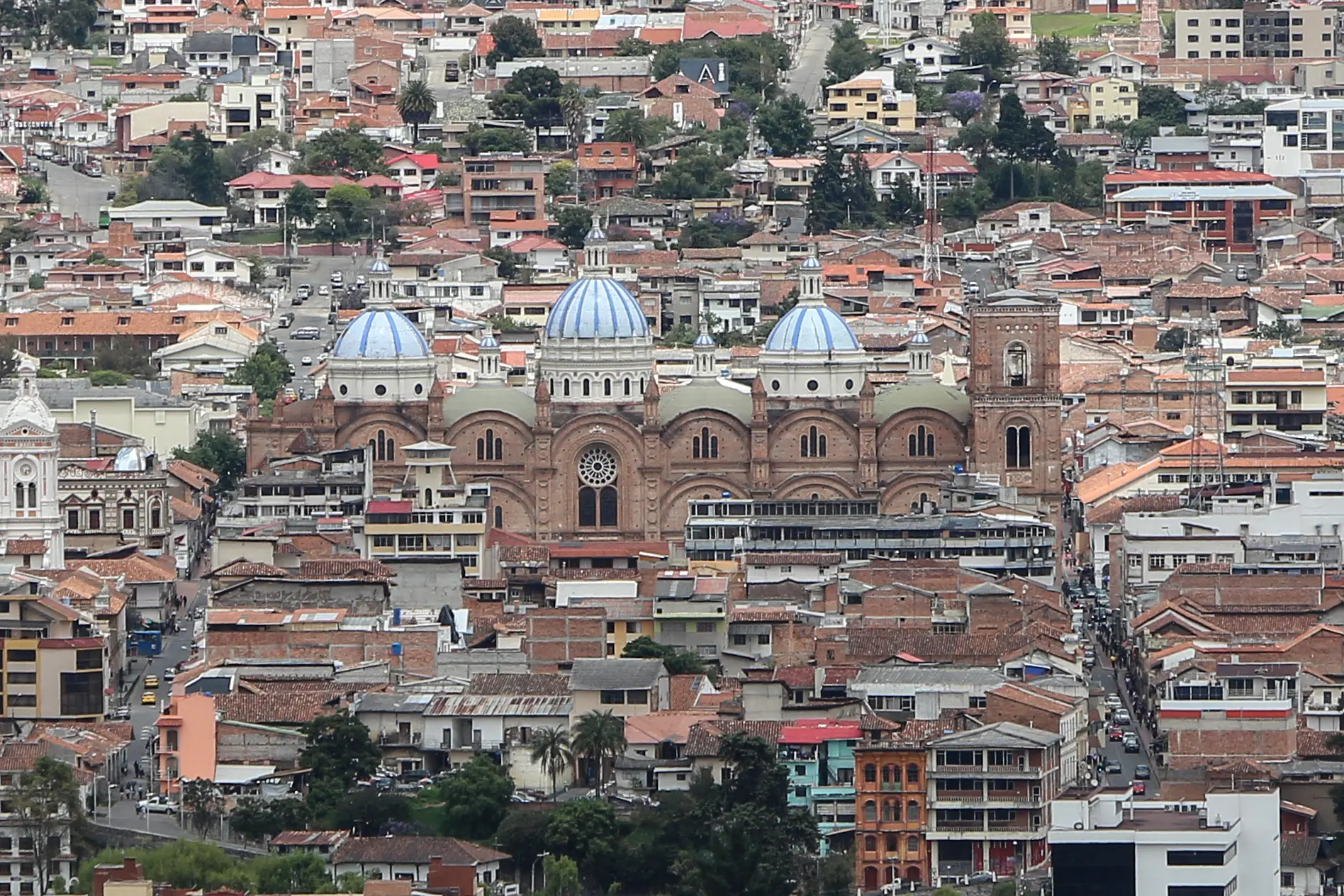
Cuenca suits the Cuenca Ecuador digital nomad who wants a walkable, calm, mid-sized Andean city and does not need a beach or a big nightlife scene. At roughly 2,500 metres, it is cool and quiet, with a historic centre, four rivers and a long-running foreign-resident community. It is a poor fit if you hate altitude, want a young party crowd, or need a dense startup scene. Below: costs, neighbourhoods, work setups and a first-week test.
Cuenca Ecuador digital nomad budget: one month
Ecuador uses the US dollar, so there is no exchange-rate guesswork. The figures below are rough ranges for one person working remotely, as of 2026, and they move with the season and the building. Treat them as a starting point, then check current listings.

| Item | Range (US$ per month) |
|---|---|
| Furnished one-bedroom or studio, monthly rent | 400 to 800 |
| Utilities and home internet (if not included) | 40 to 90 |
| Groceries and market food | 150 to 250 |
| Eating out and coffee | 100 to 250 |
| Local transport (tram, bus, short taxis) | 20 to 60 |
| Coworking or desk (optional) | 0 to 120 |
| Mobile data, health cover, extras | 60 to 150 |
| Total | about 800 to 1,600 |
For a Cuenca Ecuador digital nomad on one income, the low end assumes a simple flat, market cooking and few extras. The high end is a modern apartment in a good area with regular cafe work. Foreigner-listed rentals can cost more than local ones, so ask for a monthly rate and compare.
Where to base yourself in Cuenca
The city is compact, and most of what we need sits within a tram or taxi ride. Wikivoyage calls it very walkable, with sidewalks being upgraded. Here are six options by work style.
El Centro, the historic core
Best for people who want to walk everywhere. The UNESCO-listed centre has colonial streets, plazas, cafes and rivers within minutes. Expect older buildings, some street noise and variable internet, so test before you pay.
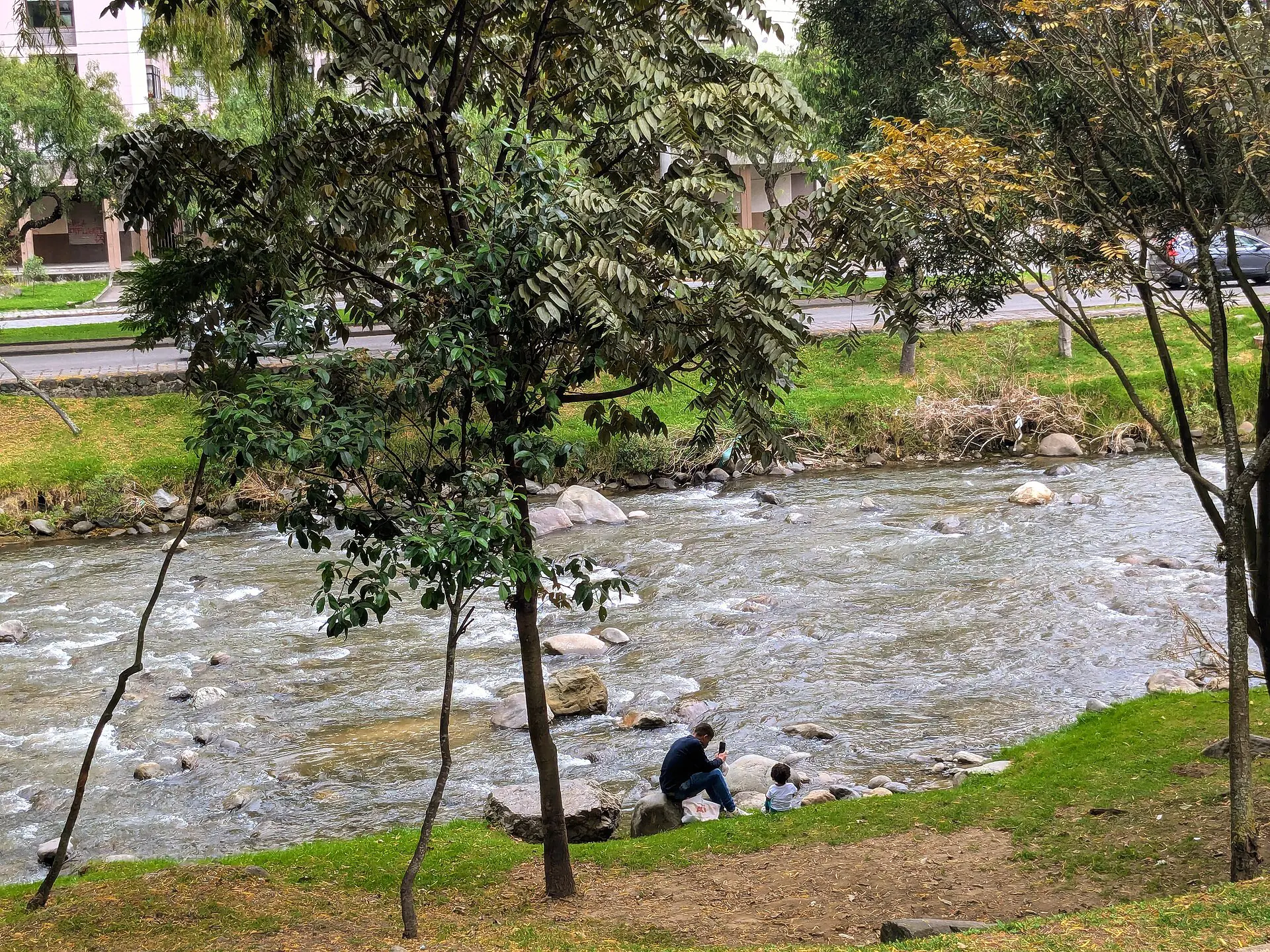
Along the Tomebamba river
The riverside streets just south of the centre are good for a quiet routine. A river path suits a morning walk before work and a break at midday. Apartments here often come with character and, sometimes, thin walls.
Around Avenida Solano and the Ejido area
A residential, practical zone west of the centre, with modern buildings, shops and parks. Best for anyone who wants a normal-city feel and a short ride to the centre.
Yanuncay and the western edge
Greener, quieter and more local. Good if you want space and a lower rent and do not mind a short taxi or bus to cafes.
Turi and the hillside
The hills above the city give wide views and cooler air, but you depend on taxis or a car. Suitable if you work mostly at home and value quiet over convenience.
Near the airport and tram line
The Tranvia runs along a single line with 27 stops and connects the airport and the centre. Living near a stop keeps you car-free without living in the old core.
Work-friendly spots in Cuenca by type
We will not name places here, because we have not tested any, and a cafe that works in one month may not in the next. Look for these types and judge them yourself.
- Coworking spaces: a handful of shared offices tend to exist in or near the centre. Look for day passes, desk hours that match your time zone and a quiet call room.
- Cafes: plenty in the centre and along the river. Look for a table with a socket, shade or heating (the evenings are cool) and a hostess who does not mind a two-hour stay.
- Apartment desk: usually the strongest option for a month. Ask for a real desk and chair, not a dining table, and a landlord who will fix the router.
- Libraries and cultural centres: some are quiet and free, but hours vary, so check before building a routine on them.
Internet and power in Cuenca: what to check yourself
High-speed internet is available around the city, but speeds depend on the building and the provider, so do not take any listing for granted. Before you commit, ask the host for the provider name and plan speed, and run a speed test on your own device, at the hours you work. Check upload speed and stability on a video call as well as download.
Power is generally stable in cities, but ask about outages in the rainy months and keep a power bank. Ecuador uses 120 V sockets of the North American type, so check your chargers and bring an adapter if needed. A local SIM with data is a cheap backup for a failed router.
Visa and stay length for Cuenca
Visa rules change and depend on your passport, so treat this as a map, not advice. Many nationalities can enter Ecuador as visitors for a period of around 90 days, with extensions possible in some cases, but verify the exact allowance with the official Ecuadorian foreign ministry site or your nearest consulate. Ecuador has also had a remote-worker visa route, with income and insurance requirements that have changed over time. Confirm the current terms before relying on any of it, and check whether working remotely for a foreign employer is allowed under your entry status.
For country-level context, see the Ecuador travel guide. Keep proof of onward travel and health insurance to hand at the border.
Routine and recovery at altitude
At about 2,538 metres, Cuenca is lower than Quito but still high enough that some people feel it. Wikipedia gives a temperate Andean climate averaging 16.3 degrees Celsius. Many people notice breathlessness, poor sleep or headaches for the first days, so we would keep the first week light, drink plenty of water and avoid heavy alcohol. If symptoms are severe, see a doctor.
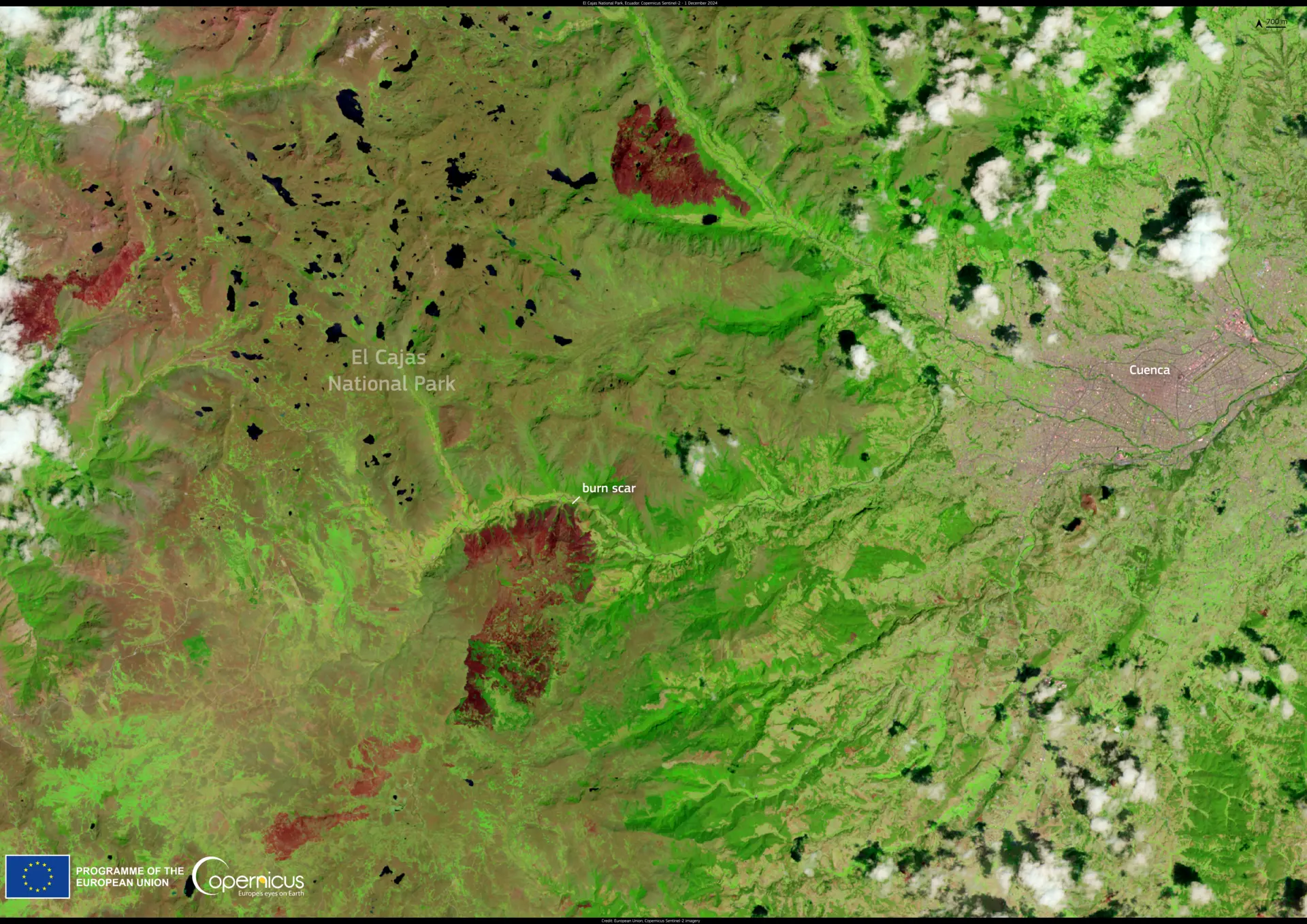
The climate is mild, but mornings and evenings are cool and rain is common, so pack layers. A sensible routine is a river walk in the morning, a long focus block before lunch, an inexpensive set lunch at a market or cafe, and lighter tasks after. Weekends suit the Cajas National Park nearby, where it is much colder, so take a rain jacket and warm layers, and keep one day a week free of work to recover.
Test Cuenca in your first week
Run this checklist yourself before you commit to a longer stay. Book the first week short, and a month only after it passes. A Cuenca Ecuador digital nomad stay works best when the test comes before the deposit.
- Speed-test your apartment on a weekday morning and evening, plus a video call test.
- Work from at least three different cafes or a coworking day pass.
- Walk from your flat to groceries, a tram stop and a cafe, and note the effort.
- Check the noise at night and the water pressure and hot water.
- Sleep four nights and note how the altitude feels.
- Test a mobile SIM as backup.
- Confirm your visa stay length and any extension steps.
FAQ about the Cuenca Ecuador digital nomad life
Is Cuenca good for digital nomads?
It suits quiet, routine-driven remote workers who like walkable cities and cool weather. There is no large nomad scene and the time zone is friendly for the Americas. It is less suited to people wanting beaches, nightlife or fast-moving coworking communities. Test internet and altitude first.
How much does a month in Cuenca cost?
A single remote worker could budget roughly US$800 to 1,600, including a furnished flat, food and local transport. Rent is the big variable. Prices change, and ranges from older sources may be out of date, so check current listings before you plan.
Is the altitude in Cuenca a problem?
Cuenca sits at about 2,500 metres. Most healthy people adapt within a few days, but you may feel tired or short of breath at first. Go slowly, stay hydrated and ask a doctor if you have heart, lung or blood conditions. Plan an easy first week.
Can I stay in Cuenca for three months?
Many visitors can stay about 90 days on entry, and some may extend, but it depends on your passport and current rules. Verify the allowance and any remote-work visa terms with the official Ecuadorian immigration source or a consulate. More on the city is in the Cuenca guide.