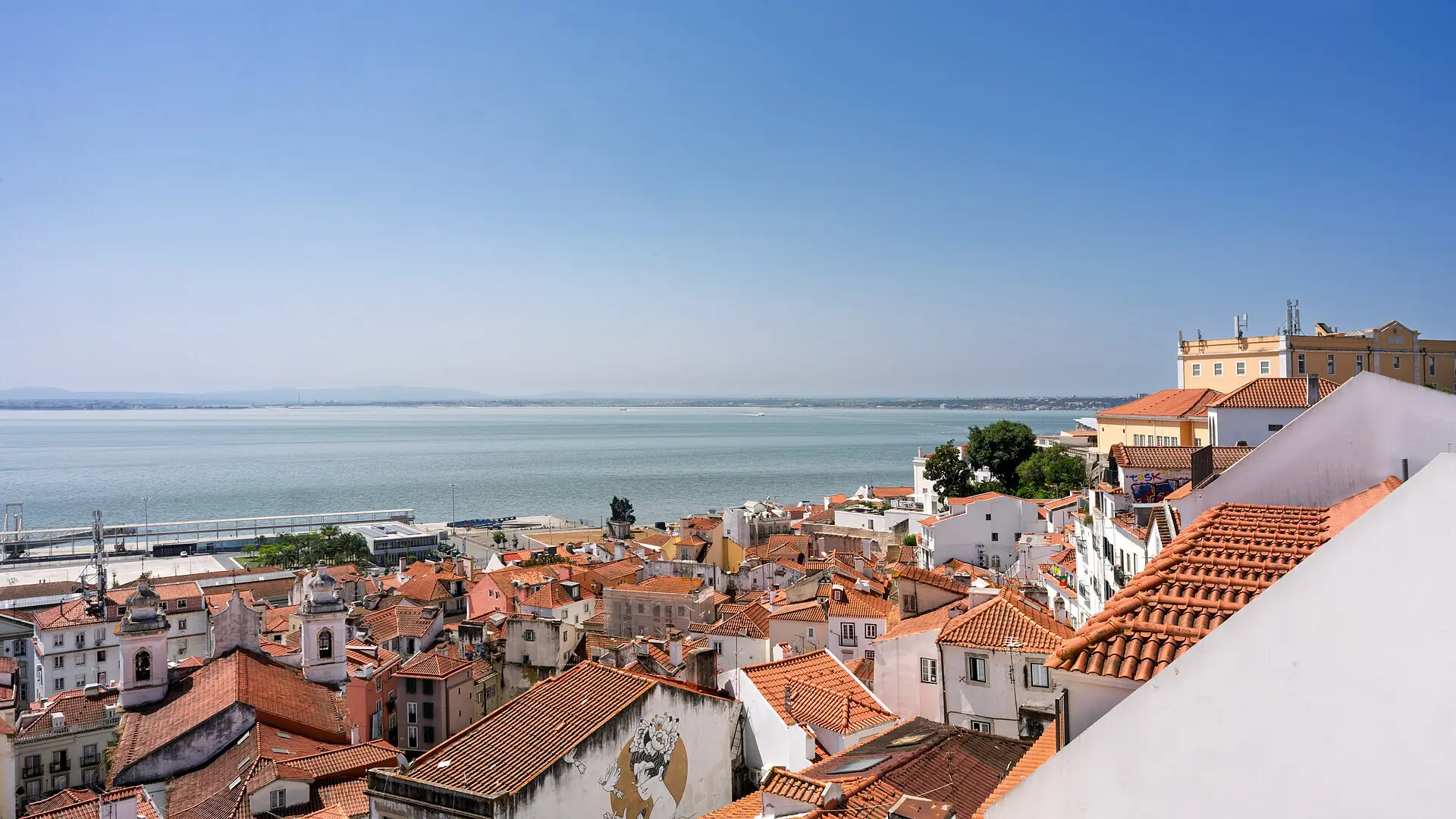
The cost of living in Portugal for a single remote worker is roughly 1,400 to 2,800 euros a month, as of 2026, and the gap is almost all rent. Lisbon sits at the top of that band, Porto just under it, and smaller cities such as Braga, Coimbra or Faro at the bottom. We treat these as planning ranges, not quotes: check live listings before you commit to anything. This guide shows where the money goes and what to test first.
Cost of living in Portugal: a monthly budget band
Portugal is no longer the bargain it was a decade ago, but it is still cheaper than most of Western Europe for food, transport and eating out. Housing is the exception, particularly in Lisbon, where demand from long-stay visitors has pushed rents up. The table below turns that into daily and ten-day figures for one person, in euros, hedged for 2026.
| Budget level | Daily range | 10-day total | What it covers |
|---|---|---|---|
| Lean | around 50 to 75 euros | around 500 to 750 euros | A room in a shared flat or a basic studio in a smaller city, supermarket cooking, set-lunch menus, public transport |
| Comfortable | around 90 to 150 euros | around 900 to 1,500 euros | A one-bedroom flat in Porto or a central smaller city, cafe workdays, restaurant dinners, a coworking day pass now and then |
| Easy | around 170 to 260 euros and up | around 1,700 to 2,600 euros and up | A good one-bedroom in central Lisbon or a coastal town, a coworking desk, regular dinners out, weekend trips |
The daily and 10-day figures are for a short stay at nightly rates. Over a month the daily cost falls, because long-stay rents are lower, so use the monthly figures for a longer stay.
For a one-month band, plan on about 1,400 to 1,900 euros in a smaller city, 1,800 to 2,400 in Porto and 2,200 to 2,800 or more in Lisbon, all including rent. Rents change quickly, so treat the housing line as the number to verify.
Where to base yourself by work style
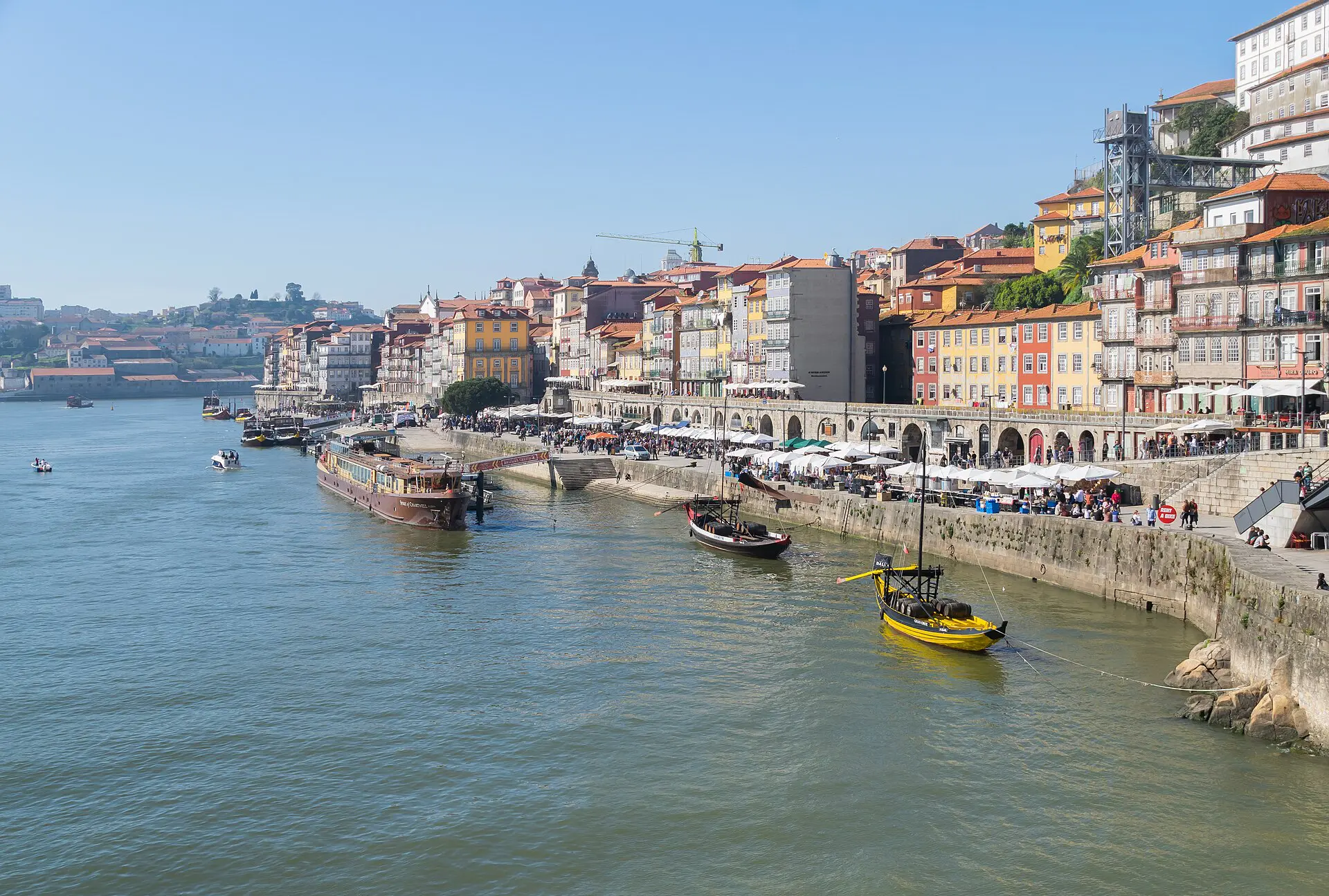
Pick the base by how you work, not by the postcard. Lisbon suits people who need a large community, frequent events and the best flight connections. Porto is a step smaller and cheaper, with a compact centre and good rail links. Coimbra, Braga and Faro are quieter, usually cheaper and easier for deep-focus months. If you take calls in several time zones, check how late you can comfortably work and how far you are from a decent coworking space. Our Portugal digital nomad guide goes deeper on visa routes and bases.
Where paying more pays off
A few lines in the budget are worth extra money because they protect your workday. We would spend here before spending on anything else.
1. A flat with a proper desk and a tested connection
Rent a place with a real table, a decent chair and a fibre line rather than whatever is cheapest. Fibre is widely available in Portugal, but quality varies by building and landlord. Ask for a recent speed test, then run your own on arrival, and keep a mobile data plan as backup. A cheap flat with unreliable internet costs more in lost work than it saves in rent.
2. A central or well-connected neighbourhood
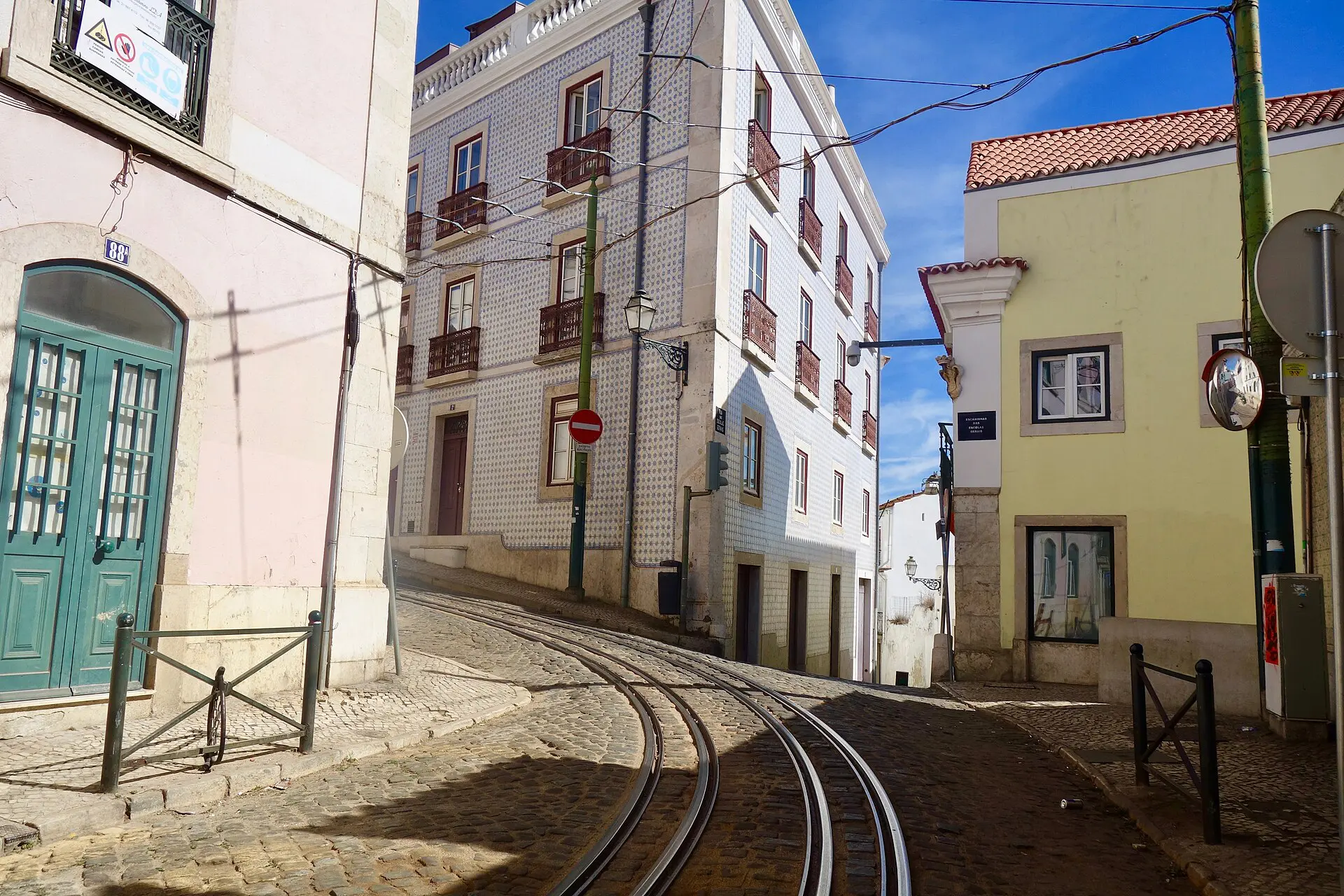
Paying 150 to 300 euros more a month to live near a metro, tram or train line can save hours and taxi fares. In Lisbon and Porto, the steep hills and old buildings also matter: lifts are not guaranteed, and noise from nightlife streets is common. Visit at the hour you will actually be working before signing for a month.
3. A coworking desk in your heaviest weeks
Coworking in Portugal usually runs somewhere in the range of 100 to 250 euros a month for a hot desk, and day passes are cheaper for occasional use. As of 2026 prices vary by city and operator, so check current rates. Take a day pass first and judge the noise, light and Wi-Fi yourself. We are not going to rank spaces we have not used.
Where to save
Everyday Portuguese life is where the savings are. These four habits make the biggest difference to the cost of living in Portugal without making the stay feel like a sacrifice.

4. Eat the set lunch
Many local restaurants serve a prato do dia at lunchtime, usually a main, bread, a drink and coffee, often for noticeably less than an evening meal. As of 2026 expect roughly 8 to 14 euros outside tourist centres, though prices vary. Make lunch the big meal and cook lighter at home.
5. Cook with market and supermarket produce
Fish, fruit, vegetables, bread and cheese are good value, and supermarkets in cities are well stocked. Cooking most breakfasts and dinners is the single easiest way to bring a month under budget. Buying fish at a market instead of a restaurant also teaches you the seasons.
6. Choose a smaller city
Braga, Coimbra, Aveiro, Faro and Viseu cost noticeably less than Lisbon for rent and eating out, and several are well connected by train. The trade-off is a smaller international crowd and fewer flights. If you only need a quiet base, it is a good trade. The Portugal travel guide lists more towns worth comparing.
7. Travel off-peak and book monthly stays
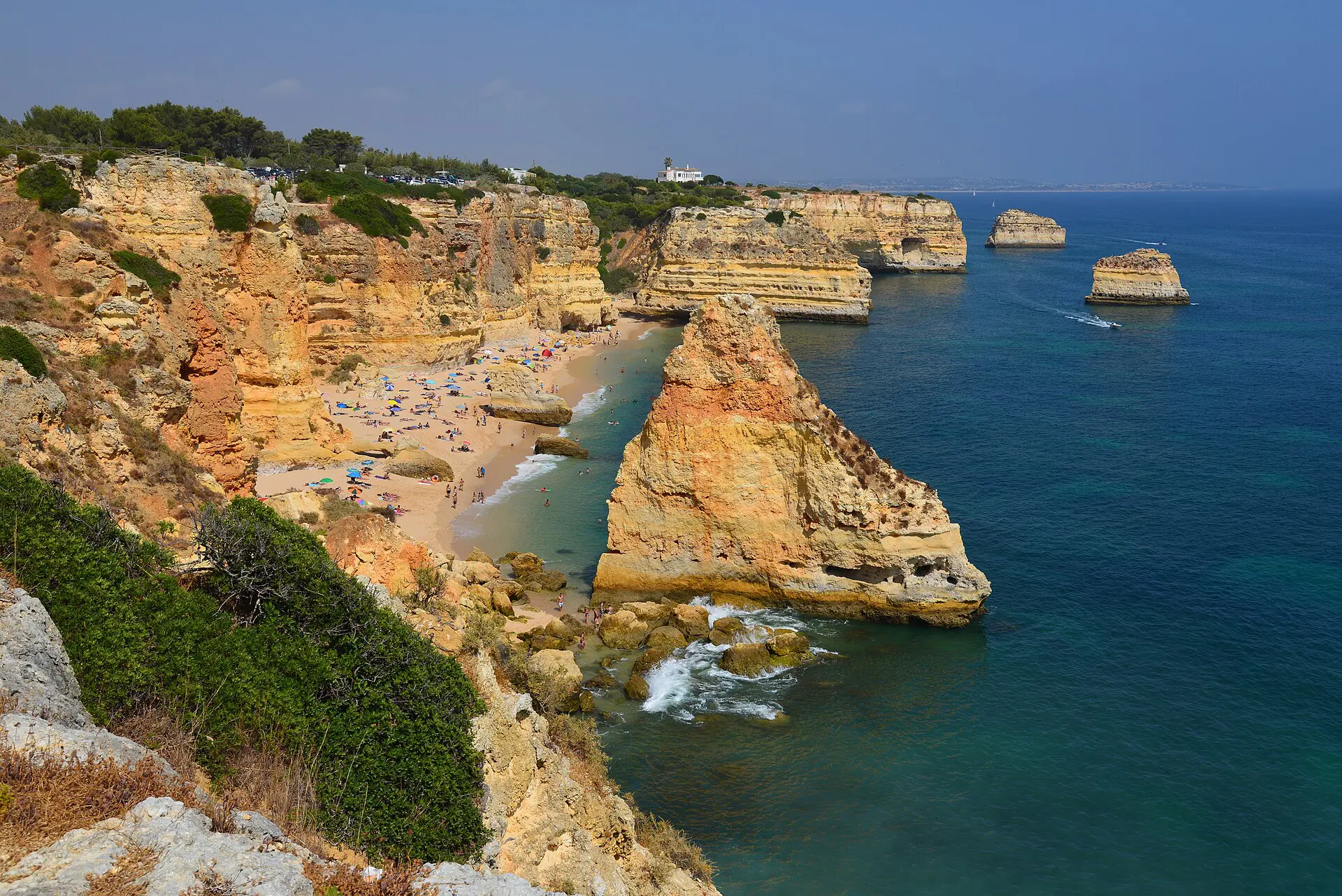
Ask for a monthly or long-stay rate rather than paying nightly prices. Rents drop for stays of a month or more, and winter lets in coastal towns can be far cheaper than summer ones. Avoid the Algarve and Lisbon in July and August if the goal is to stretch money.
Transport and booking windows
Portugal is easy to cross without a car. Lisbon and Porto have metro and tram networks, and a monthly public transport pass is much cheaper than daily tickets or taxis. Intercity trains and buses link most cities, and fares are low by Western European standards, but check the timetable and prices on the official operators because they change. The fast train between Lisbon and Porto usually costs more if booked at the last minute, so reserve a few days to a few weeks ahead where possible.

A car helps in the Alentejo, the Algarve interior and rural north, but adds fuel, tolls and parking. Many motorways use electronic tolls that are easy to miss as a visitor, so ask the rental company how they are handled. For flights, midweek and shoulder-season fares tend to be cheaper. Book accommodation for the first week only if you are testing a base.
Best months for value
For the best mix of price and weather, aim for late April to early June or September to October. Summer is hot in the south and inland, and it is the most expensive for accommodation on the coast. November to March can bring rain and cold, but rents in resort towns fall and cities stay lively. Winter is the cheapest time to rent on the Algarve, though some seasonal businesses close.
Test-it-yourself checklist before you commit
Run these checks in the first week of a stay, ideally before you pay a long deposit.

- Run a speed and latency test at your desk at 9am, noon and 9pm.
- Do a video call with the people you work with, not just a test.
- Walk from home to a cafe, supermarket and transit stop, and note the hills.
- Spend one workday in a coworking space and one in a cafe, then compare.
- Price a typical weekly shop and three dinners.
Compare the results against our Portugal cost per day guide and the wider Wikivoyage entry for Portugal.
FAQ about cost of living in Portugal
How much money do you need to live in Portugal per month?
A single person might plan on roughly 1,400 to 2,800 euros a month as of 2026, depending on the city and rent. Smaller cities sit at the lower end, Lisbon at the top. Residence routes can have income requirements, so verify the figure with the official source rather than relying on a blog.
Is Lisbon more expensive than Porto?
Usually, yes. Rent in Lisbon is generally higher, and so are restaurant and coworking prices. The gap is smaller for groceries and transport. Porto is a good middle option if you want a city with a strong food scene but a lower monthly bill than Lisbon.
Is Portugal cheaper than Spain?
For rent in the main cities, the two are closer than they used to be, and Lisbon can cost as much as Madrid. Food and everyday services are often cheaper in Portugal. Our Spain vs Portugal comparison covers the differences.
Can you live in Portugal on 1,500 euros a month?
It is possible for one person in a smaller city if you cook most meals, share a flat or find an older studio. It is harder in Lisbon or the Algarve in summer. It also depends on your visa route and whether you pay for health cover, so build in a buffer.
What is the cheapest part of Portugal to live in?
Inland and northern towns, and smaller cities such as Braga, Viseu or Coimbra, tend to be cheapest. The interior has fewer flights and a smaller international community, so test the lifestyle before you commit. The Wikipedia article on Portugal gives an overview of the regions.