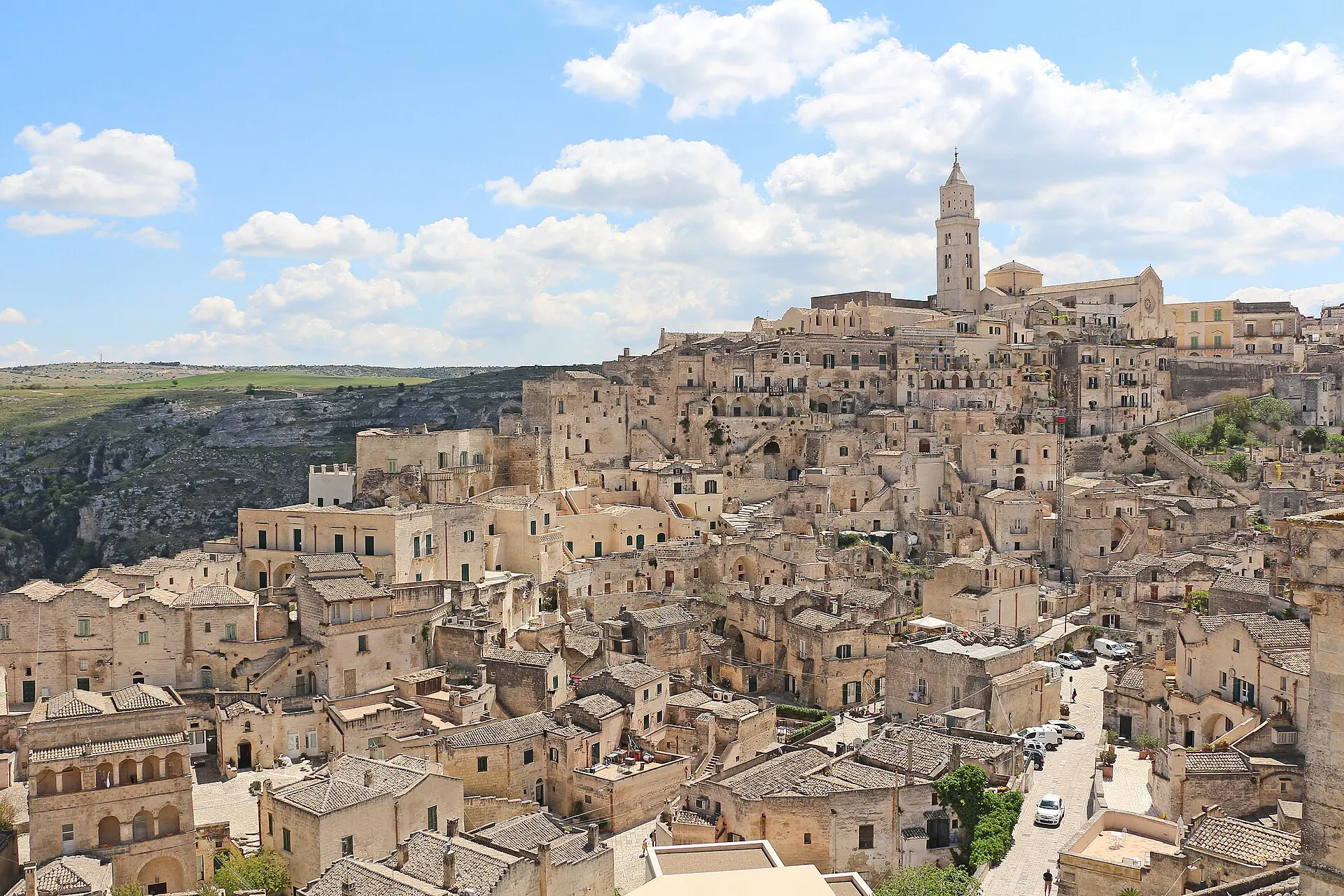
The cost of living in Italy for one remote worker is roughly 1,400 to 2,800 euros a month, as of 2026, and the number depends far more on the city than on the country. Rome and Milan sit at the top. Smaller cities and the south cost noticeably less for rent, and that is where a long stay makes sense. These are planning ranges, not quotes, so check live rental listings before you commit.
Cost of living in Italy: a monthly budget band
Italy is two price maps in one. Milan, Rome, Florence and Venice are expensive for rent and tourist-area meals. Much of the rest, especially the south and smaller northern cities, is cheaper, and daily food costs are reasonable almost everywhere if you eat like a local. The table gives daily and ten-day totals for one person, hedged for 2026.
| Budget level | Daily range | 10-day total | What it covers |
|---|---|---|---|
| Lean | around 50 to 75 euros | around 500 to 750 euros | A room or basic studio in a southern or smaller city, market food, bars for coffee, local buses |
| Comfortable | around 90 to 150 euros | around 900 to 1,500 euros | A one-bedroom flat in a mid-sized city, cafe workdays, trattoria dinners, regional trains |
| Easy | around 170 to 260 euros and up | around 1,700 to 2,600 euros and up | A central flat in a larger city or tourist town, a coworking desk, restaurants, weekend trips |
The daily and 10-day figures are for a short stay at nightly rates. Over a month the daily cost falls, because long-stay rents are lower, so use the monthly figures for a longer stay.
For a one-month band, plan on about 1,400 to 1,900 euros in a smaller or southern city, 1,800 to 2,500 in a mid-sized northern city and 2,400 to 3,000 or more in Rome, Milan or Florence, all including rent. Rent is the line to verify first.
Where to base yourself by work style
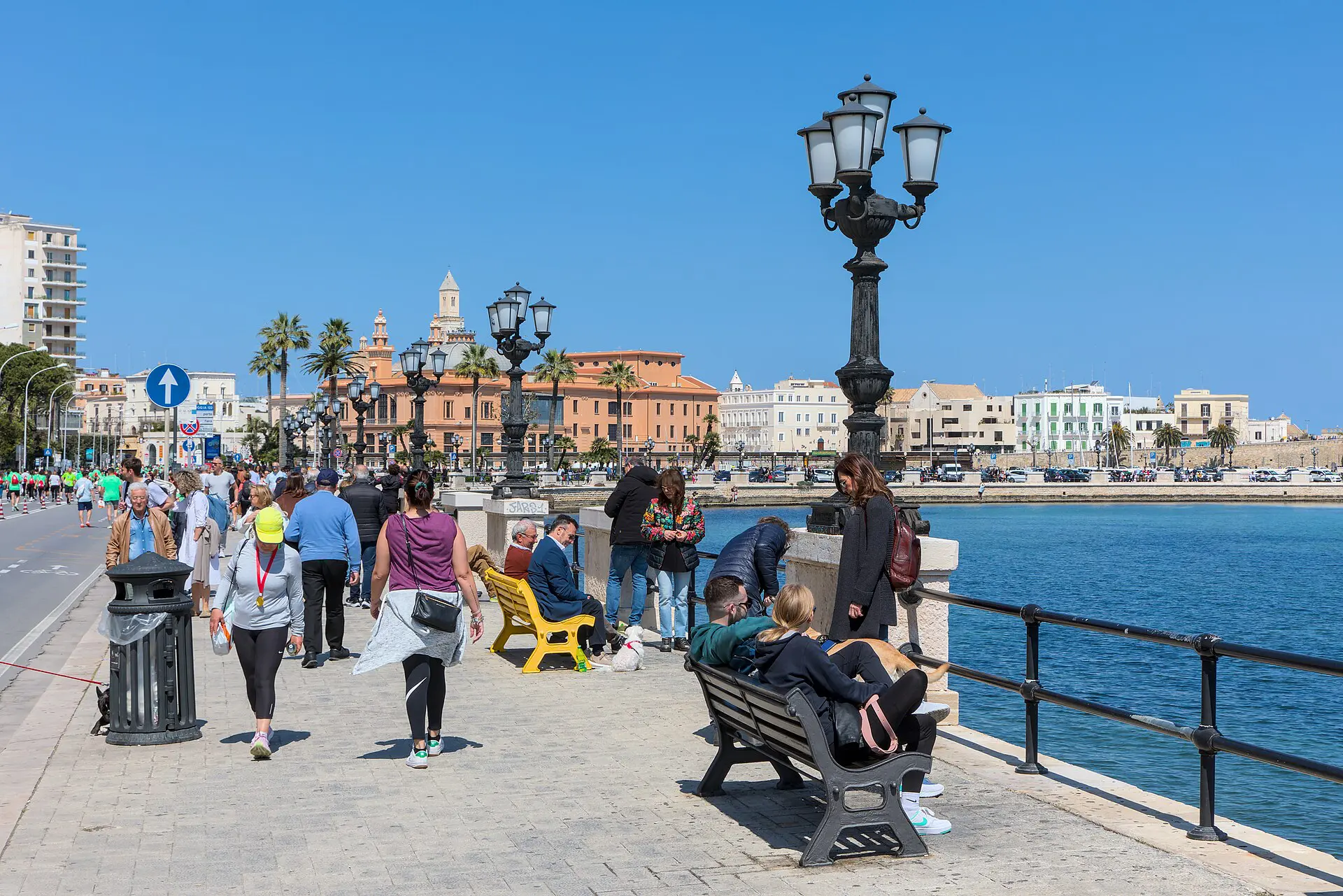
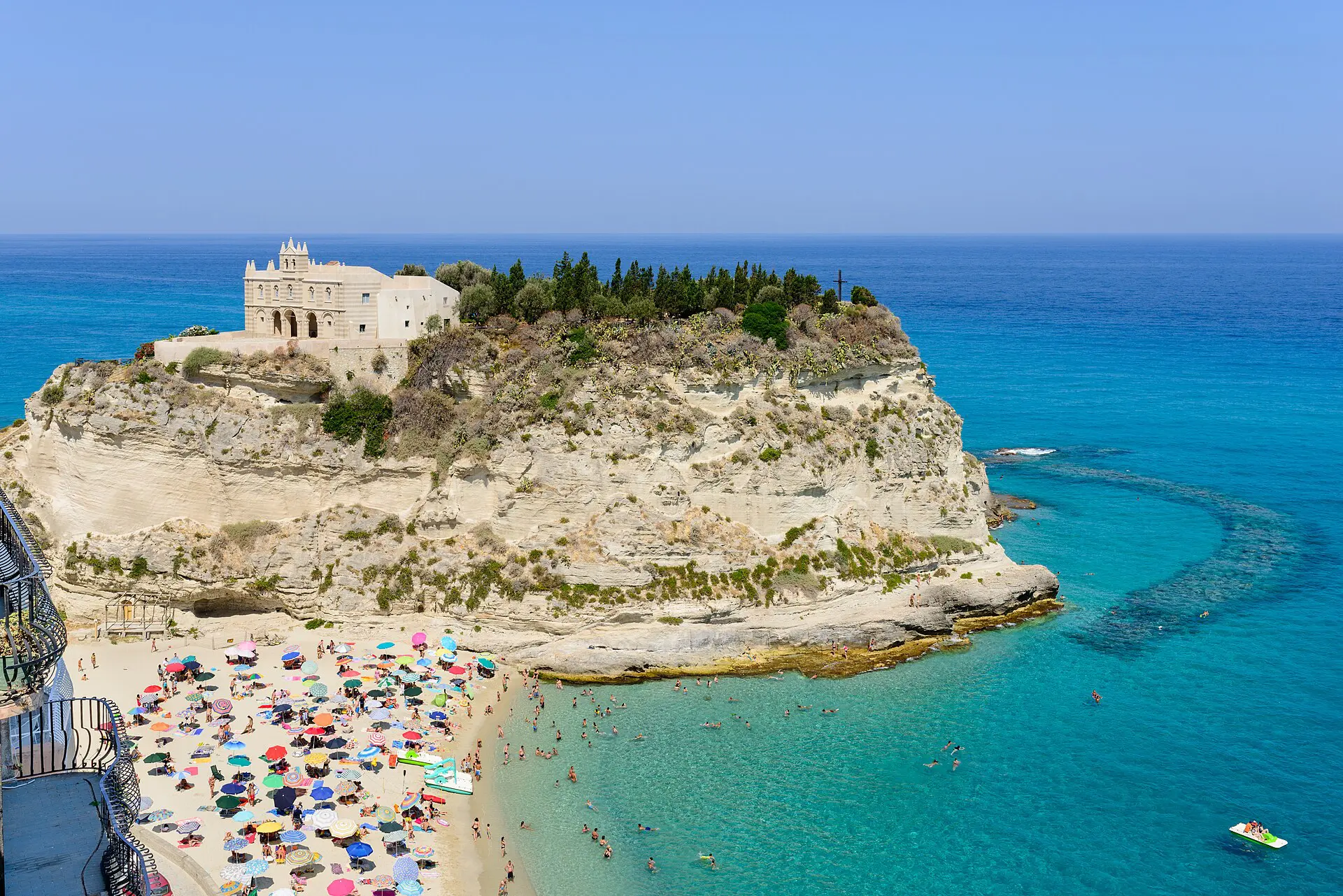
If you need a large international crowd, direct flights and coworking, the big cities are the obvious pick, and you will pay for them. A second-tier city such as Trieste, Bologna, Turin or Bari gives you trains, a university crowd and lower rent. Small southern towns and Matera suit quiet, focused weeks, though connections and flights are thinner. Coastal places such as Tropea are very seasonal and shut down in winter.
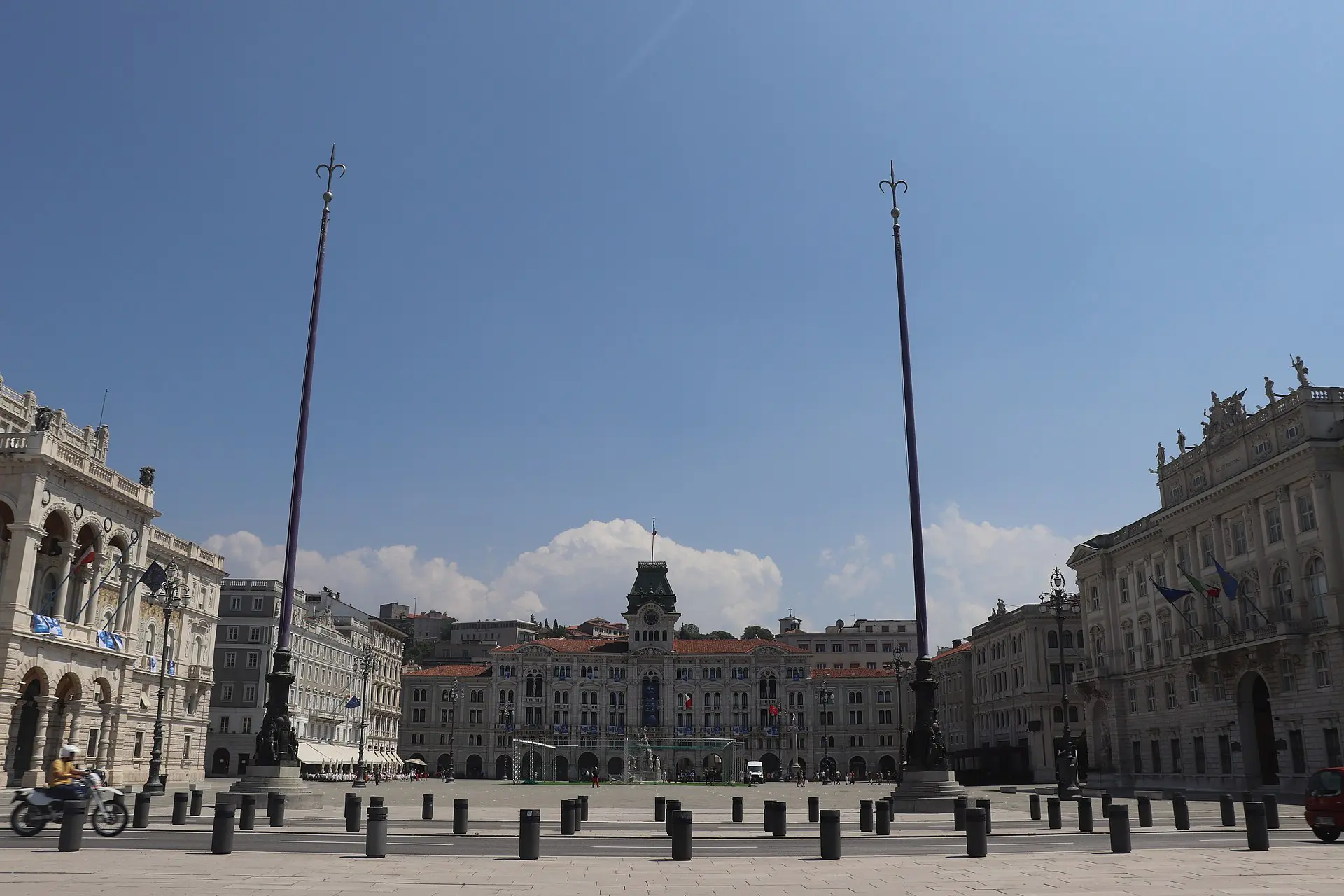
Choose by how many meetings you take and how far you are from an airport. If most of your calls fall in the US afternoon, remember that Italy is six to nine hours ahead, so a southern base means late evenings at the desk. Pick a flat where you can work after dinner without disturbing neighbours. The Italy travel guide compares the regions.
Work-friendly spots by type in Italy
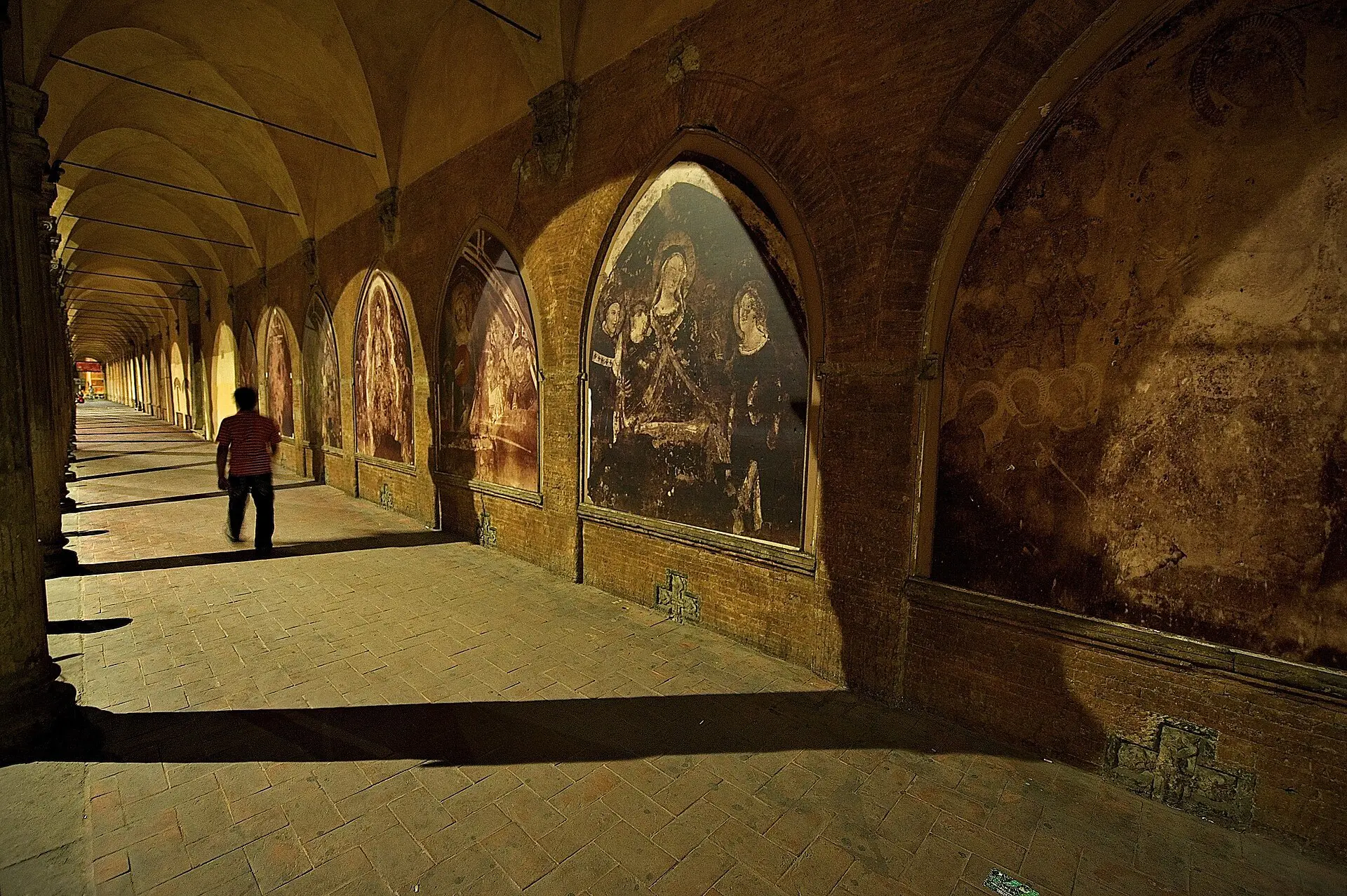
We have not tested individual spaces, so use this as a sorting guide. Coworking spaces cluster in Milan, Rome, Turin and Bologna and are rarer in the south. Italian cafes are built for a quick coffee at the bar, not a four-hour laptop session, so look for places with tables, sockets and a relaxed attitude, and buy something regularly. Libraries and university spaces can be good where public access is allowed. Apartment-rental hosts often know which local bar tolerates laptops. Always test the Wi-Fi with a real call.
Where paying more pays off in Italy
A few lines are worth paying for because they affect work and daily life.
1. A flat with a proper connection
Fibre coverage has grown, but older buildings, historic centres and rural areas can still have weak lines. Ask for a recent speed test and the provider, and be ready to use a mobile data plan as backup. Italian landlords may not offer an instant internet setup, so confirm before you move in.
2. A central position near a station
Italy’s regional trains are good value, and living within walking distance of a station opens up weekend trips for little money. In cities with limited traffic zones in the historic centre, being on a transit line is more useful than having a car. Pay a little more to avoid the isolated outskirts.
3. Heating and cooling that work
Many older Italian flats have limited heating or no air conditioning. Winters in the north can be cold and damp, and summers in the south hot. Check what heats and cools the flat and who pays. A cheaper flat without climate control can cost more in bills and lost productivity.
Where to save in Italy
The cheapest habits are the local ones.
4. Drink coffee at the bar and eat the lunch menu
In most Italian cities, coffee at the bar standing up costs far less than at a seated table. Many places offer a fixed-price weekday lunch with a first course, a second and a drink. As of 2026, that is usually good value compared with dinner, though prices vary a lot between a tourist street and a back street.
5. Shop at markets and supermarkets
Fresh produce, bread, pasta, cheese and cured meat are good value, and weekly markets are cheaper than supermarkets in many towns. Cooking at home most days is the easiest way to hold the cost of living in Italy under budget.
6. Choose the south or a second-tier city
Rent in places such as Bari, Lecce, Palermo or Trieste is generally lower than in Milan or Rome. The trade-off is slower trains, fewer international flights and sometimes slower bureaucracy. If you work to your own schedule and travel rarely, it is a good trade.
7. Stay off-season in resort towns
Seaside and lake towns drop prices outside summer, and a winter rental can cost a fraction of an August one. The cost is that many restaurants and services close. Ask the landlord what is open in the months you plan to stay.
Transport and booking windows
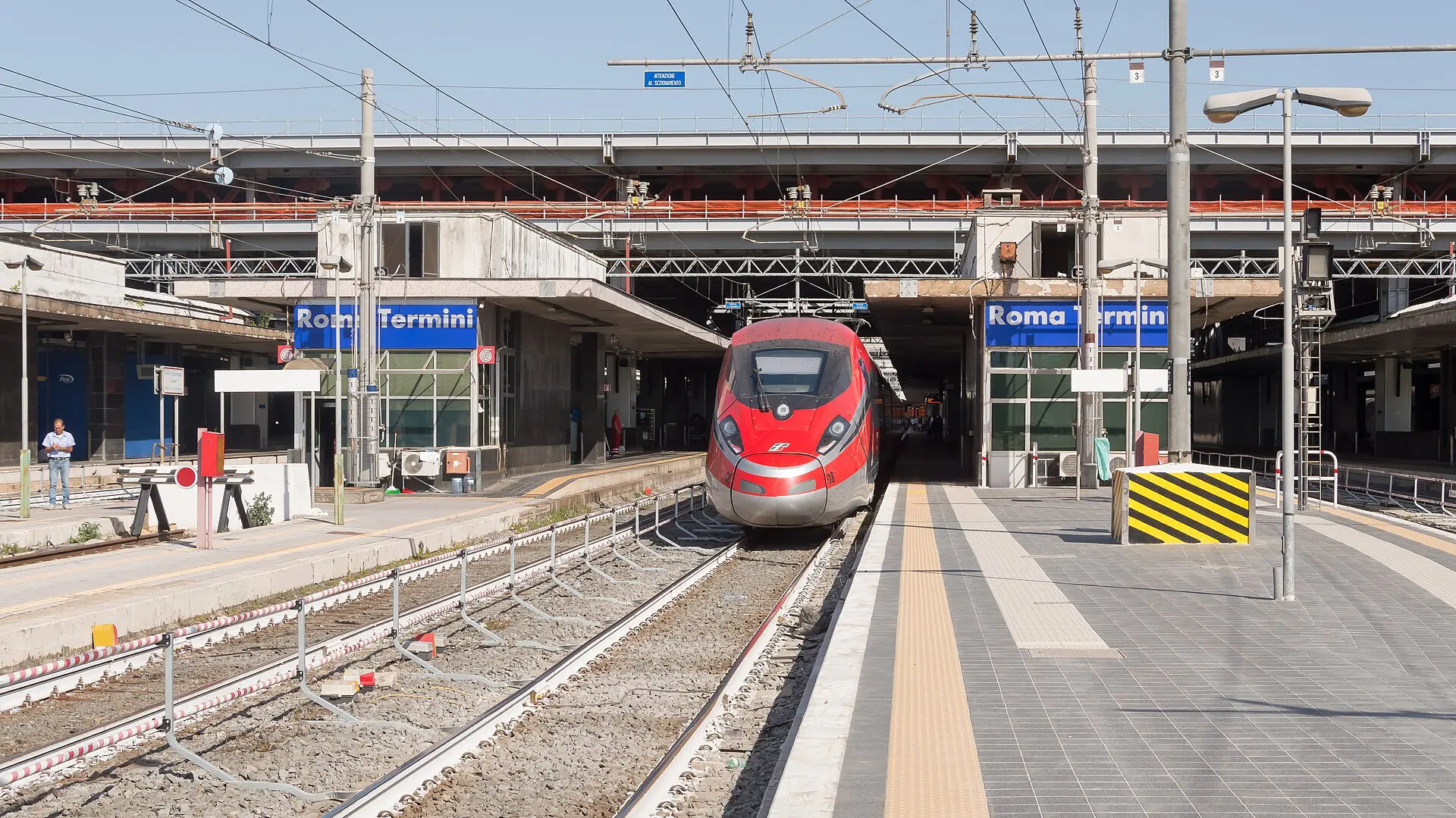
Italy is good for car-free living. High-speed trains link the big northern and central cities, and regional trains are cheap and frequent. Book high-speed seats a few weeks ahead for the best fares, and check timetables on the official operators because prices change. Buy and validate regional tickets as the rules require, as fines can apply. In the south and in rural areas, trains and buses are slower and less frequent, so a car helps, but expect fuel, tolls, parking and limited traffic zones that fine drivers who enter them.
Flights to smaller airports can be cheap with budget airlines, but check baggage fees. For timing and weather, see our best time to visit Italy guide.
Best months for value
April to early June and late September to October give the best mix of weather and price. July and August are hot, crowded and expensive on the coast and in the big historic cities, though cities such as Rome empty out in mid-August. Winter is cheaper and quieter, with fog and cold in the north and closures in resort towns. If you plan a southern base, spring and autumn are comfortable for working.
Test-it-yourself checklist before you commit
- Run a speed test at your desk at several times of day and make a real video call.
- Check the heating and cooling, and ask about the last winter’s bills.
- Walk to the nearest station, supermarket and cafe at the time you would go.
- Price a normal weekly shop and three dinners at a neighbourhood place.
- Check opening patterns: many shops close in the afternoon and some towns shut on Sundays.
For extra background, the Wikivoyage page on Italy is a useful companion, and families can read the Italy itinerary with kids.
FAQ about cost of living in Italy
How much money do you need to live in Italy per month?
A single person might plan on roughly 1,400 to 2,800 euros a month as of 2026, with smaller and southern cities at the bottom and Rome, Milan and Florence at the top. Residence routes can have income requirements, so verify the figure with the official source rather than relying on a blog.
Is Italy cheaper than France or Spain?
It depends on the city. Rome and Milan can match Paris for rent, while the south is usually cheaper than most of France and similar to or slightly above much of Spain. Food at local places is good value in all three, so compare listings for your target area.
What is the cheapest part of Italy to live in?
The south and islands, including Puglia, Calabria, Sicily and Basilicata, are usually cheapest for rent, as are small inland towns. The trade-offs are slower transport, fewer flights and seasonal closures, so test a short stay before committing to a long one.
Can you live in Italy on 2,000 euros a month?
One person can in most cities outside Rome, Milan and Florence if they rent sensibly and cook at home. It gets tight in the big cities and tourist towns in high season. Build in a buffer for deposits, insurance and travel back home.
Is it cheaper to rent or buy in Italy?
Renting is the sensible option for a short remote stay. Buying brings legal, tax and renovation costs, and rules for foreign buyers can change. Seek independent advice and check the Wikipedia article on Italy for background before any large decision.