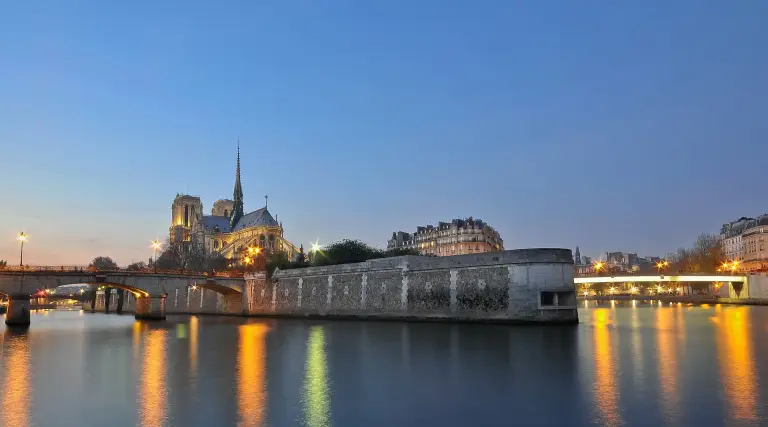
The most manageable Italy itinerary with kids is 10 days in three bases, Rome, Florence and Venice, joined by two fast train rides and with no more than one museum a day. Italy’s famous sights are close together inside each city, so the difficulty is not distance but stamina: queues, cobbles, heat and long lunches. This plan states each transfer, keeps blocks short, and gives every day a lighter version for when the group has run out of energy.
Italy itinerary with kids at a glance
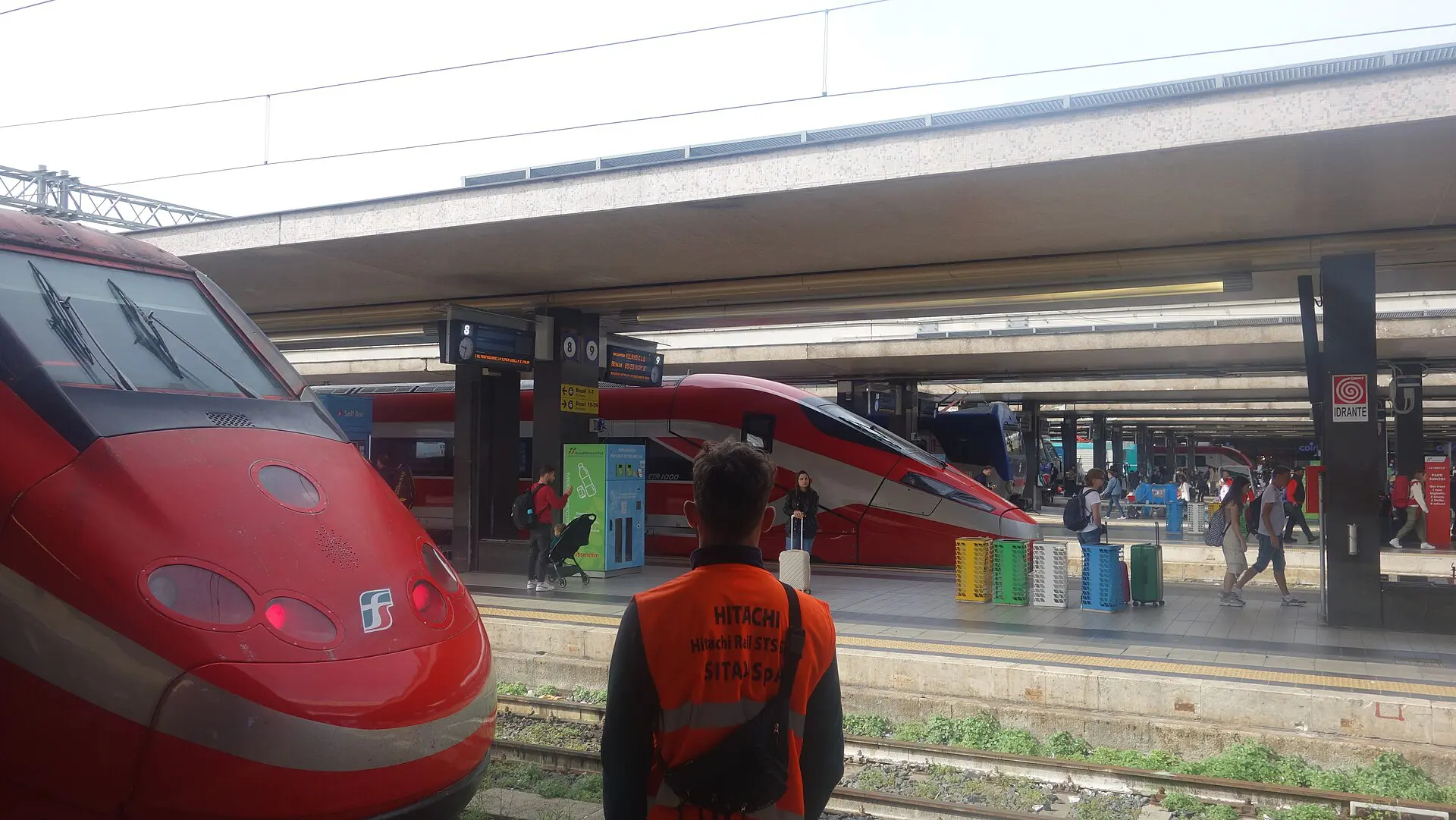
Fly into Rome and out of Venice, which removes a return trip. The two train rides are the longest transfers: about one hour 30 from Rome to Florence and about two hours from Florence to Venice, on the high-speed services. Times are approximate and vary by train.
| Days | Base | Longest transfer | Pace |
|---|---|---|---|
| 1 to 2 | Rome | Airport train, about 30 minutes | Gentle |
| 3 | Rome | 20 minutes by metro | Full, one anchor sight |
| 4 | Rome | About 40 minutes by train | Medium, outdoors |
| 5 | Rome to Florence | About 1.5 hours by train | Travel day |
| 6 | Florence | Walking | Medium |
| 7 | Florence | About 25 minutes by bus | Light |
| 8 | Florence to Venice | About 2 hours by train | Travel day |
| 9 to 10 | Venice, then flight | Boat to airport, about 1 hour | Medium, then light |
Day-by-day Italy itinerary with kids
The rules for every day: one big sight or museum, no more, a seated lunch in the middle, and a block that you can cut. Museums and churches usually close on a fixed day or at midday, so check opening times in advance.
Days 1 to 2: Arrive in Rome and walk the parks
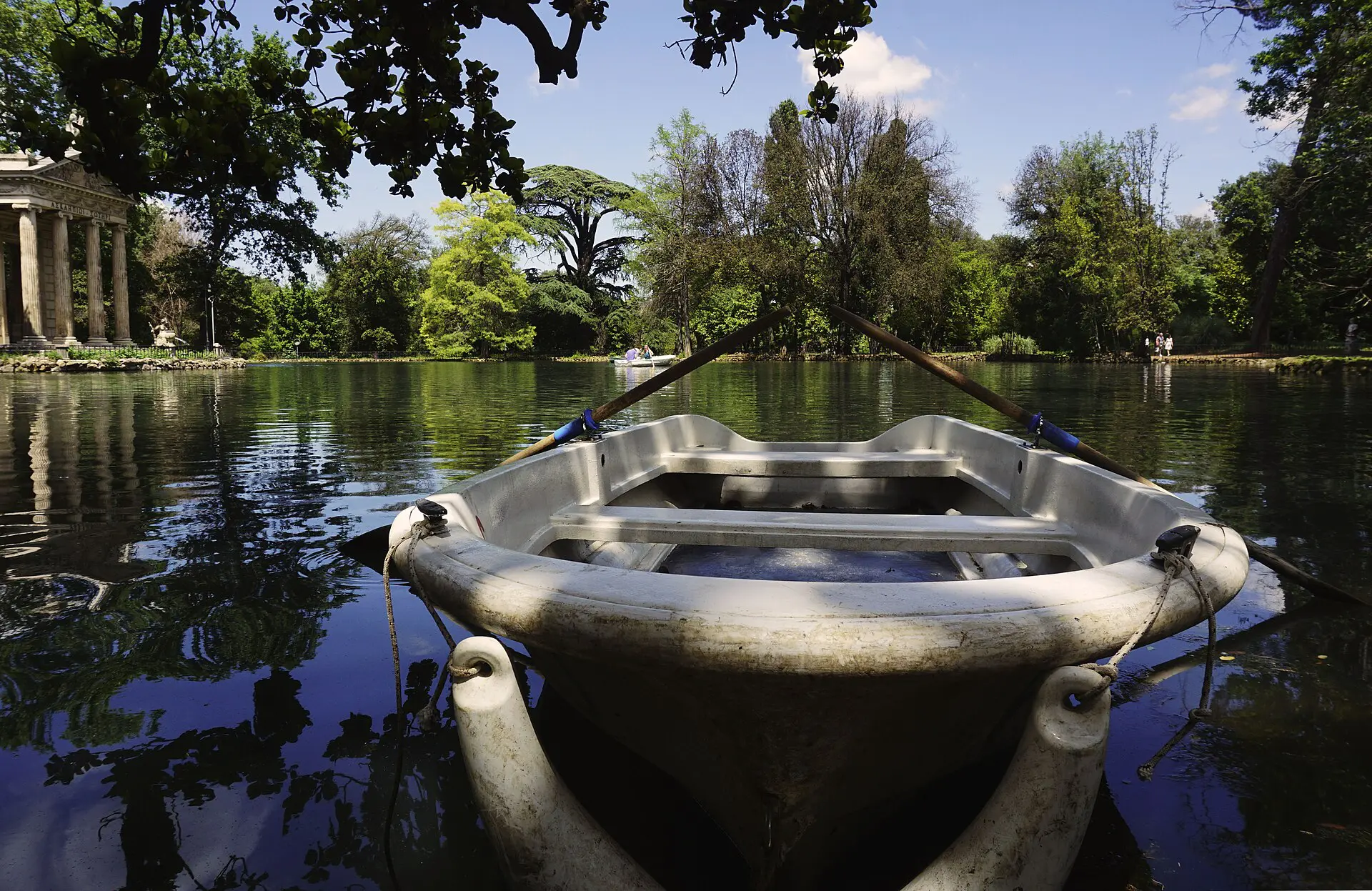
Take the airport express train to central Rome, check in, and eat early. Day 2 morning: Villa Borghese gardens, a large flat park with a pond, rental bikes and open lawns. Afternoon: the Pantheon and a slow walk through nearby squares. Anchor: lunch at a sit-down place around 12:30 and a rest in the room.
Energy check: if anyone is dragging at 15:30, stop for a snack with protein, water and a bench, not another sight. Tired-day swap: park only, then an early dinner.
Day 3: Colosseum and the Roman Forum
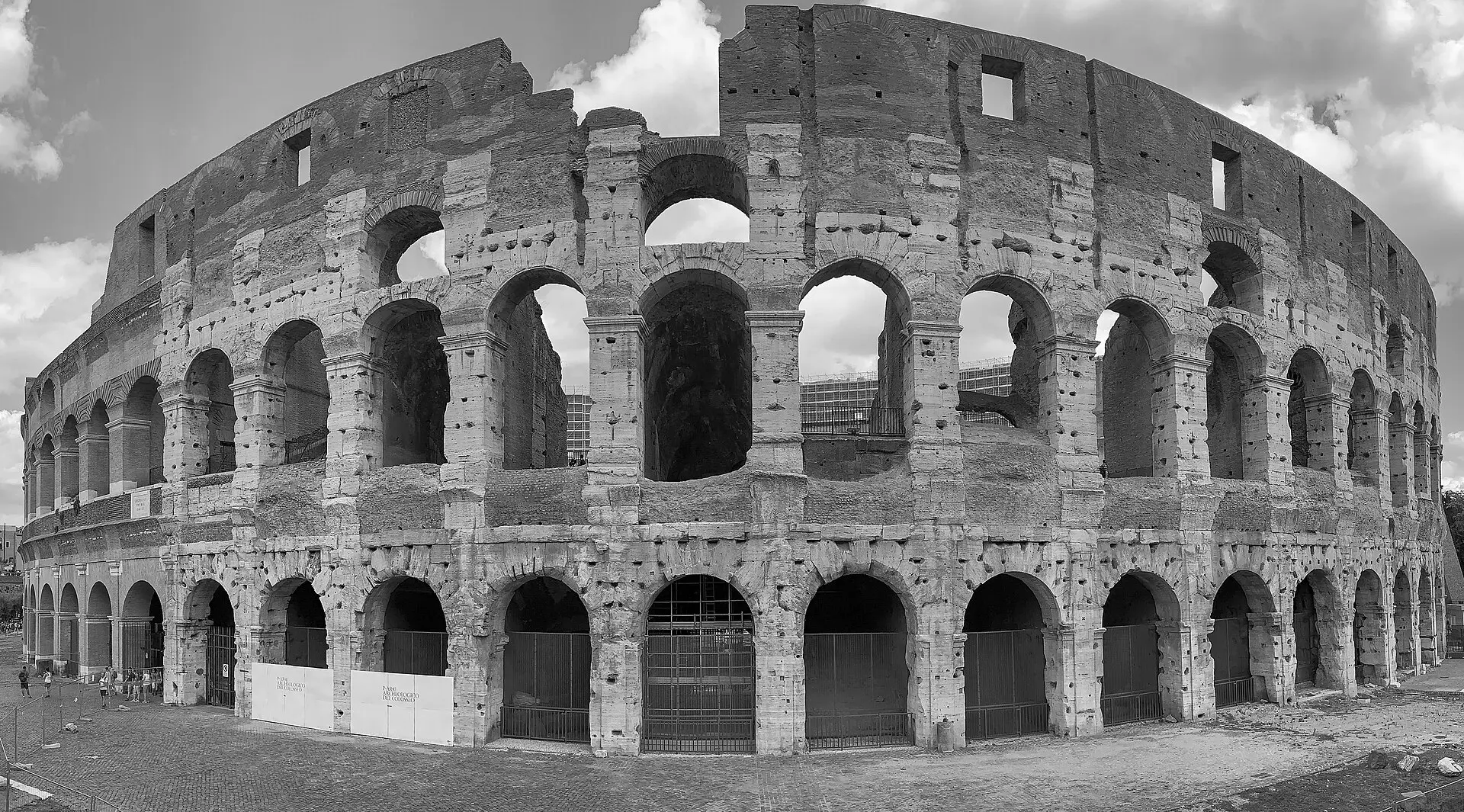
This is the one headline day in Rome. Book timed tickets ahead, because the Colosseum often sells out, and arrive at the opening hour. Allow about 90 minutes inside, with children who like stories about gladiators and engineering holding interest longer than those who do not. Afternoon: the Forum area is hot and shadeless in summer, so cut it short.
Anchor: a cold drink and a rest in the shade by 11:30, then lunch away from the monument. Tired-day swap: see the Colosseum from outside and spend the time in a park near the hotel.
Day 4: Ostia Antica or a rest day
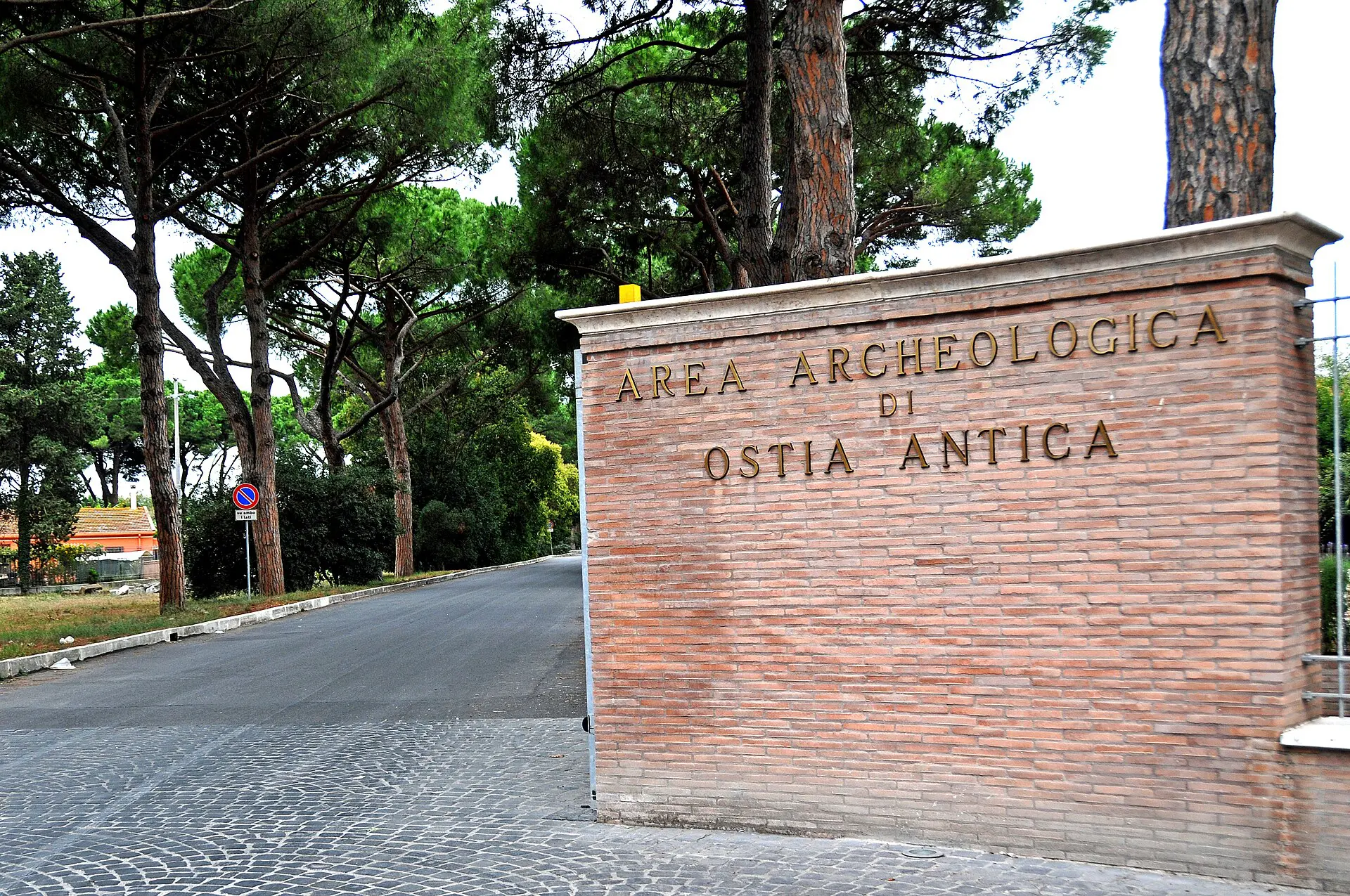
Ostia Antica is an ancient port town reached by a local train from Rome in under an hour. Children can run along old streets, climb steps and spot mosaics. It is outdoors, uncrowded compared with central Rome, and the site is large, so decide on a stopping point beforehand. Allow three hours with a snack break.
Tired-day swap: a Rome rest day with a late start, a long lunch and an hour in a playground. I would pick this over a third museum.
Day 5: Train to Florence
Book the high-speed train in advance, with seats together. The journey is about an hour and a half, so it is easy. Anchor: sandwiches and fruit bought at the station. Afternoon: check in, rest, then walk to the main square at about 18:00 when the light softens and the heat drops.
Tired-day swap: go to the hotel and stay there. Pack lightly; trains have limited luggage racks, and cobbled streets are rough on suitcase wheels.
Day 6: Florence, one museum only
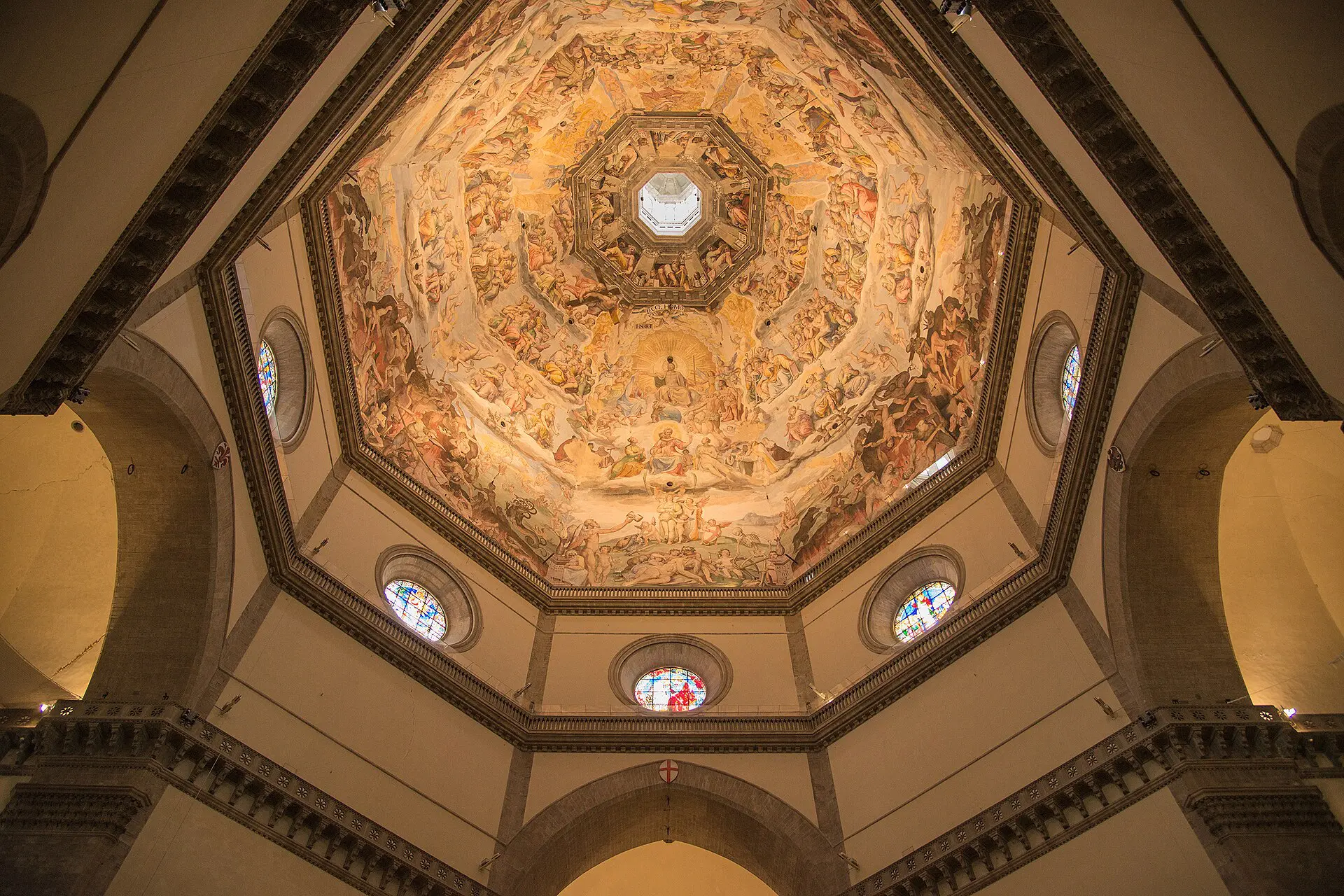
Morning: Florence’s cathedral area, where children can look at the outside, and older children aged 8 to 11 may enjoy the climb of the dome if reserved in advance (check the current rules and age limits, as the steps are steep and narrow). Alternatively, a science museum with working instruments. Afternoon: Boboli Gardens, which have open lawns and fountains.
Anchor: lunch by 12:30 and a rest on a garden bench. Tired-day swap: keep the gardens and drop the museum, or take a short walk on the riverfront.
Day 7: Fiesole and a quiet afternoon
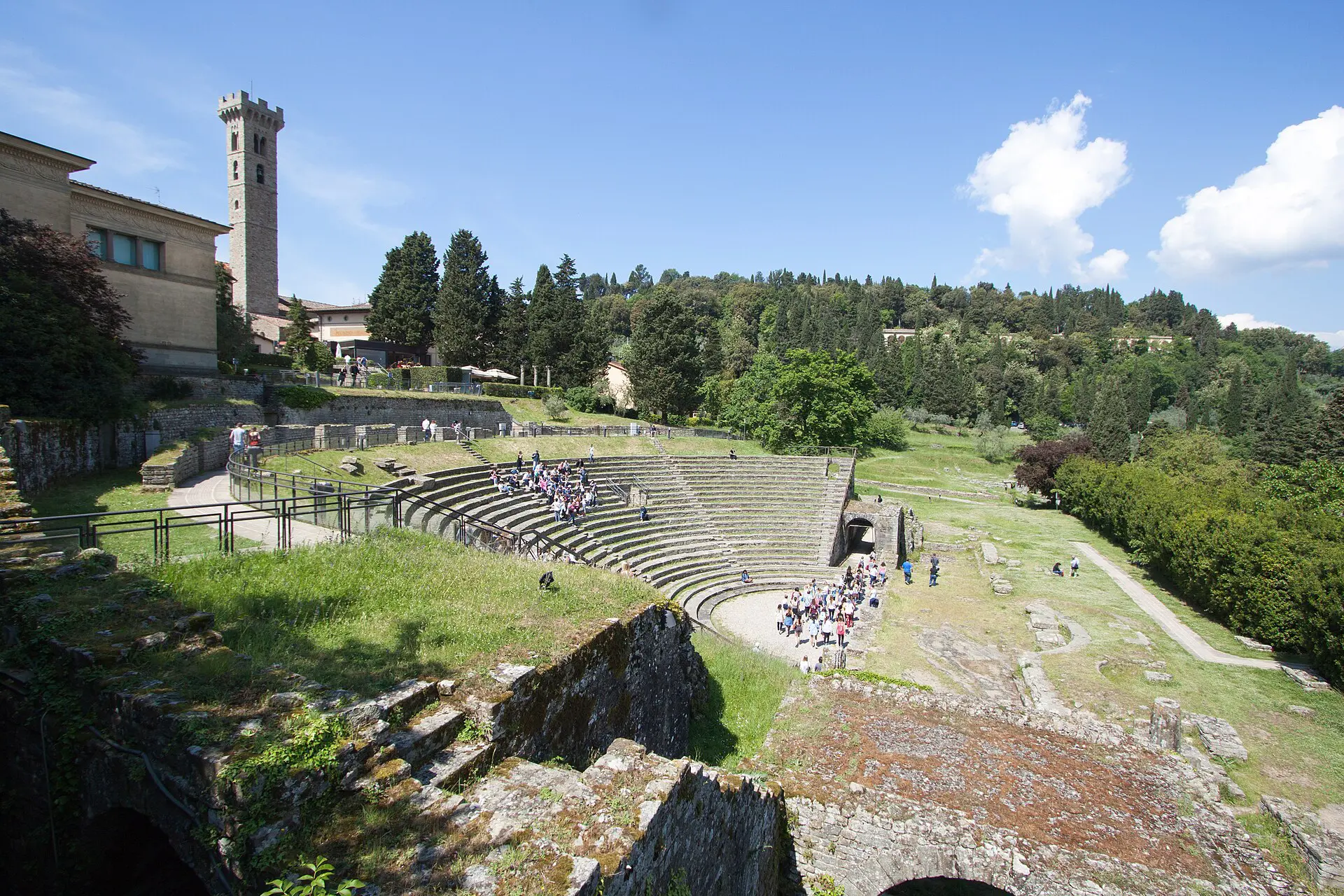
A local bus runs from Florence to the hill town of Fiesole in about 25 minutes. Morning: the Roman theatre, the views over the city, and a gentle walk. Afternoon: back in Florence by 14:00, with a rest, a playground and an early dinner. This is the planned light day, so do not add a second outing.
Tired-day swap: stay in town and walk along the Arno, then pack for Venice. Hills in Fiesole are steep, so a carrier is better than a stroller for younger children.
Day 8: Train to Venice and the Grand Canal
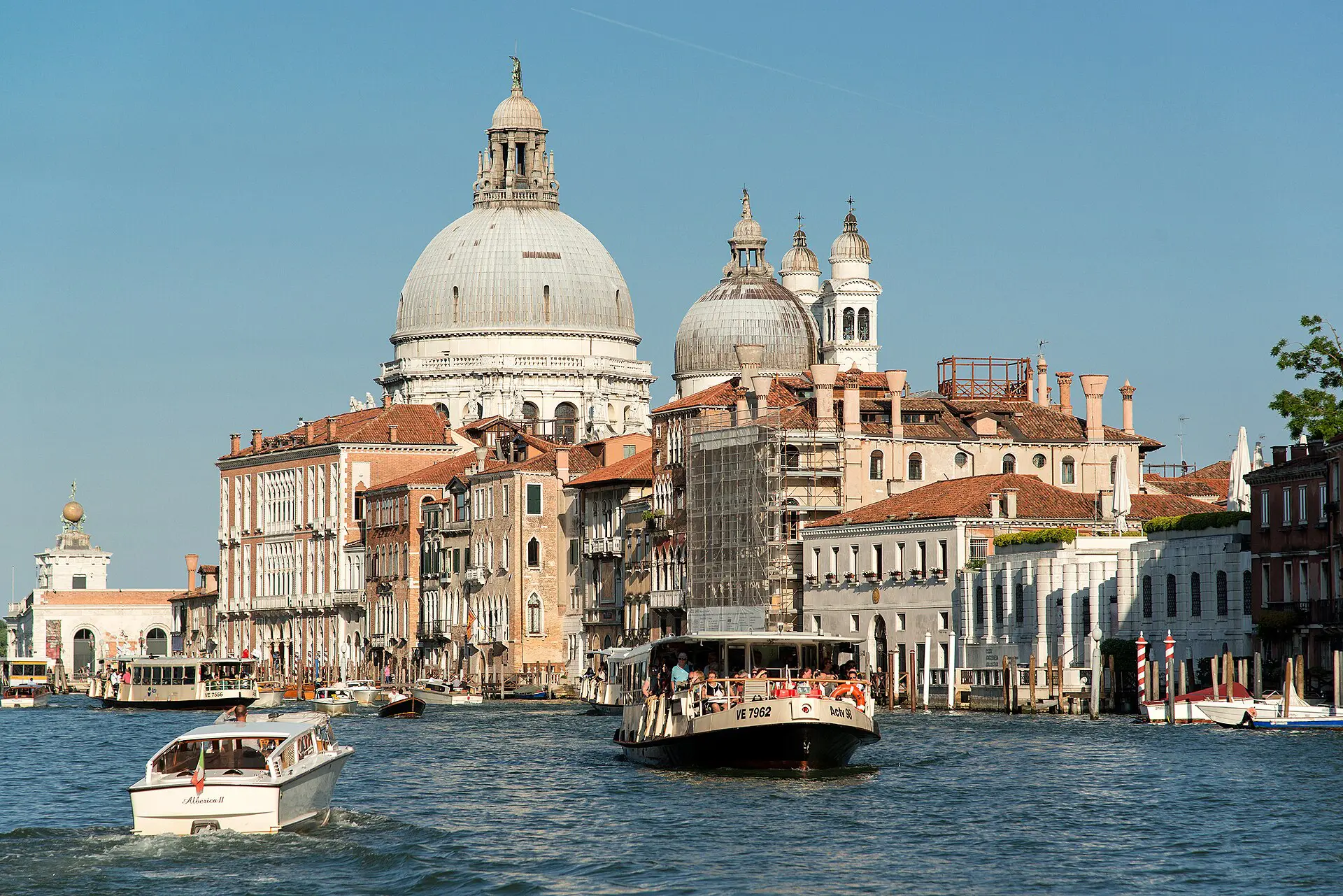
Take the high-speed train, about two hours, and buy food before you board. At Venice, take a vaporetto along the Grand Canal, which is the best introduction to the city and doubles as a rest. The hotel will probably be reached on foot over bridges, so pack light.
Anchor: an early dinner. Tired-day swap: go to the hotel and walk only to the nearest campo, a small square where children can run.
Days 9 to 10: Venice islands and departure
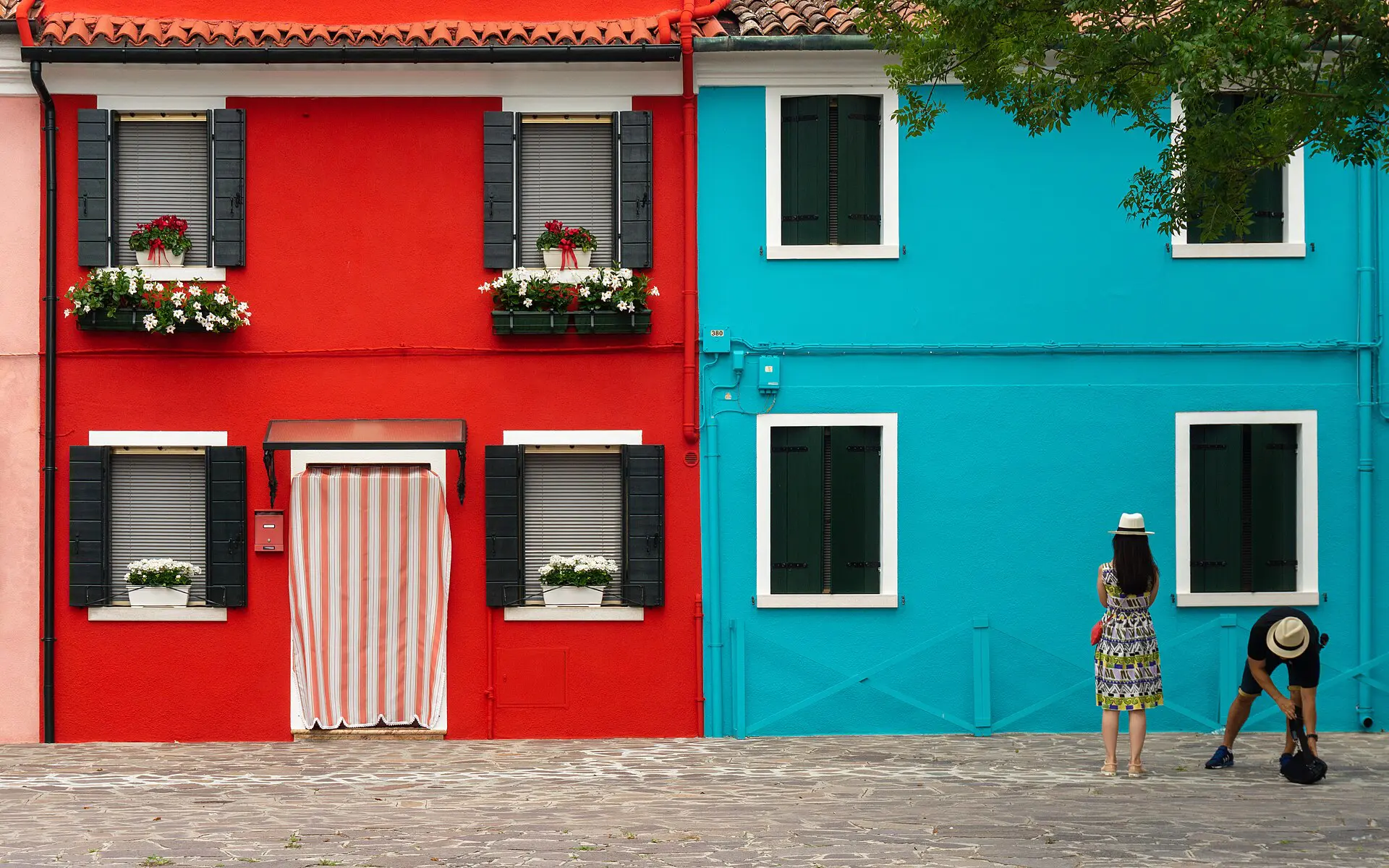
Day 9 morning: a vaporetto to Murano or Burano, about 40 minutes each way, to see glass-making and colourful houses. Afternoon: a quiet hour in the hotel, then Piazza San Marco in the late afternoon, when it is less crowded. Day 10: a water bus or taxi to the airport, leaving about three hours before a flight.
Tired-day swap: choose one island, not both, or skip the islands and walk to the Rialto area at a slow pace.
Ages and stamina on an Italy trip
Ages 5 to 7: allow two to three hours of sightseeing a day, one sight only, a long lunch and a rest at the hotel. Cobbles, steps and Venice’s bridges make strollers awkward, so a carrier or a lightweight stroller is better for children who still tire easily.
Ages 8 to 11: three to four hours of sightseeing is realistic with breaks. Give them a job: carry a printed ticket, navigate with a simple map, or collect one photo of each fountain. The dome climb and the Colosseum suit this group better than the younger one.
Getting around Italy with children
For this route, take trains between cities and use metros, buses, vaporetti and walking inside them. Central Rome, Florence and Venice all limit private cars in the centres, and a rental car would add parking stress. Reserve seats on the high-speed trains. Many tickets are cheaper when booked in advance, so check fares a few weeks before.
Decision points
- Train or car? Train for three bases. A car makes sense only for a Tuscan countryside base, with a drive of under two hours.
- Add a fourth base? No. Each extra move costs half a day.
- Prebook or play it by ear? Prebook the Colosseum, the Florence dome and the trains. Leave everything else flexible.
Where to stay in Italy with kids
- Rome: near a metro line and a park, such as the area around Villa Borghese. Apartments with a kitchen help with early dinners and laundry.
- Florence: within a 15-minute walk of the station and the centre, preferably with air conditioning in summer.
- Venice: near a vaporetto stop, ideally with few bridges between the stop and the door. Confirm the walking route before booking.
The Italy travel guide covers other regions if you want to extend the trip, and the Wikivoyage page on Italy lists the main destinations.
Rainy-day and tired-day fallbacks in Italy
Indoor options in each city include a science museum, a covered market, a church with simple art to look at, a cinema and a long lunch. In Venice, wet streets are slippery, so use a vaporetto instead of walking far. Heat is the other common problem. In July and August, use the early morning for sights and spend the middle of the day inside.
On a tired day, drop the afternoon block, keep lunch, and stay close to the hotel. The plan holds up if you drop one block per day, so do it without guilt.
How much does an Italy itinerary with kids cost?
As of 2026, rough daily ranges for a family of four, excluding flights: budget around 200 to 300 euros, mid-range 350 to 550 euros, and higher 650 euros and up. Accommodation is the largest item, especially in Venice. Train fares, timed tickets and tourist taxes add up, but meals can be inexpensive if you eat where locals do. Many state museums offer free or reduced entry for children, but rules differ, so check before you go.
Best time for families in Italy
April to June and September to October have the best balance of weather and crowds. July and August are hot, busy and expensive, especially in Rome and Florence. Winter is quiet and cheaper, but days are short and Venice can flood in autumn. Easter and August holidays can close shops and fill trains, so book early. Background reading is on Wikipedia’s Italy article.
FAQ about an Italy itinerary with kids
How many days do you need for Italy with kids?
Ten days is comfortable for Rome, Florence and Venice. Seven days works with two bases, Rome and Florence, or Florence and Venice. A third base needs at least three nights, otherwise the time goes into packing and trains.
Is Italy a good destination for children aged 5 to 11?
Yes. Children generally enjoy the ruins, the boats and the food, and the cities are compact. The difficulties are heat, crowds, queues and cobblestones. Planning one big sight a day and a long lunch reduces most of the problems.
Should we rent a car in Italy with kids?
Not for Rome, Florence and Venice. Trains are faster, and city centres restrict cars. If you want a Tuscan countryside stay, rent a car for that part only, and keep any drive to under two hours.
How many museums can children manage in a day?
One, for about 90 minutes, followed by a long break. Ages 5 to 7 often manage less, and a hands-on museum works better than an art gallery. Do the museum in the morning and plan the afternoon as outdoors.
What should we do on a hot day?
Start early, visit one indoor sight before noon, eat lunch in the shade, and rest at the hotel from about 13:00 to 16:00. Carry water, hats and sunscreen. Return to the sights or a park in the early evening, when it is cooler.