The best time to visit Italy for value is April to early June and late September to October. Weather is pleasant, sights are open, and prices sit below the July and August peak, when heat and crowds both rise. Italy’s price calendar differs by place: cities are dearest in spring and autumn, beaches in August, ski towns in winter. This guide gives the months by price and crowds, shows where paying more is worth it, and sets out when to book.
Best time to visit Italy: month by month
Price level is relative to the Italian year: 1 is cheapest, 5 is dearest. It describes the major city and tourist circuit, not every region.
| Month | Weather | Price level | Crowds | Verdict |
|---|---|---|---|---|
| January | Cold in north, mild in south | 1 | Low | Cheapest for cities; short days |
| February | Cool, damp; Carnival in Venice | 2 to 3 | Low, except Carnival | Cheap outside Carnival weeks |
| March | Cool, changeable | 2 | Low | Good value, mixed weather |
| April | Mild, some showers | 3 to 4 | Rising, Easter peak | Pretty and busy around Easter |
| May | Warm, mostly dry | 3 to 4 | High | Best weather; shop for deals early |
| June | Warm to hot, long days | 4 | High | Good, rising heat; coast opens up |
| July | Hot, often above 30C in cities and south | 4 to 5 | High | Heat and crowds; coast busy |
| August | Hottest, humid | 5 on the coast, 2 to 3 in cities | Beaches packed; cities quieter | Italians on holiday; some shops closed |
| September | Warm, sea still warm | 3 to 4 | Moderate | Top value for weather and sea |
| October | Mild, more rain | 2 to 3 | Moderate | Good for food, harvest and low rates |
| November | Cool, wet | 1 to 2 | Low | Cheap, some seaside closures |
| December | Cold, festive | 3 | Low, peaks near Christmas | Markets and low prices early on |
Italy runs about 1,200 kilometres from the Alps to Sicily, so the north and south behave differently. Wikivoyage describes a mostly Mediterranean climate, with colder winters in the north and hot summers across the south and islands.
Pay more for / save on by season
Where you stand in the calendar changes what is worth paying for.
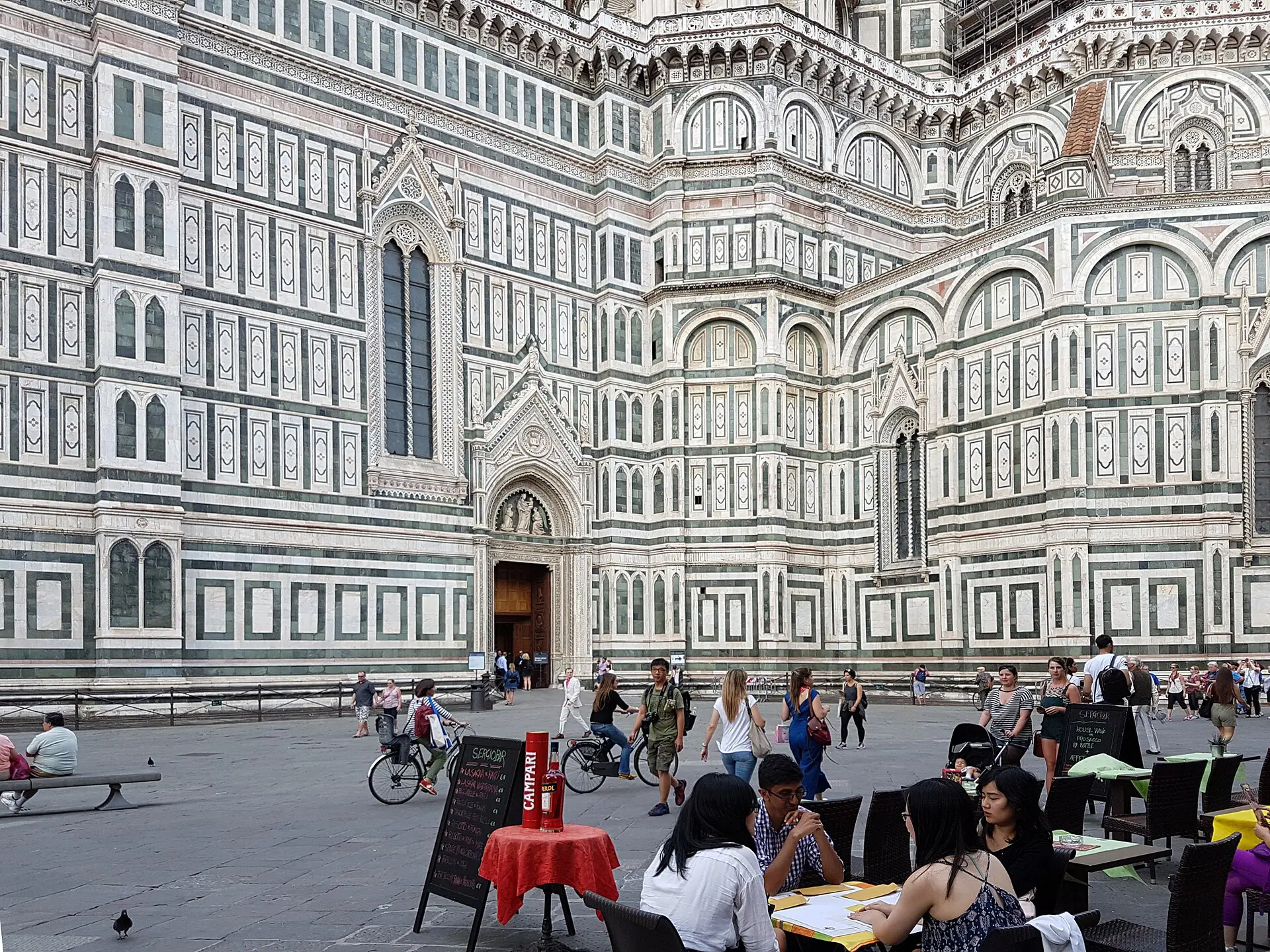
- Pay more for: central rooms in Rome, Florence and Venice in peak weeks. Location saves time and transport costs.
- Pay more for: timed entry tickets to the biggest sights in spring and summer. Booking ahead can save long queues, and the saved hours are worth the booking fee.
- Pay more for: air conditioning from June to September, especially in southern towns.
- Save on: August in cities. Many Italians leave, hotel rates in some inland cities fall, but check that restaurants are open.
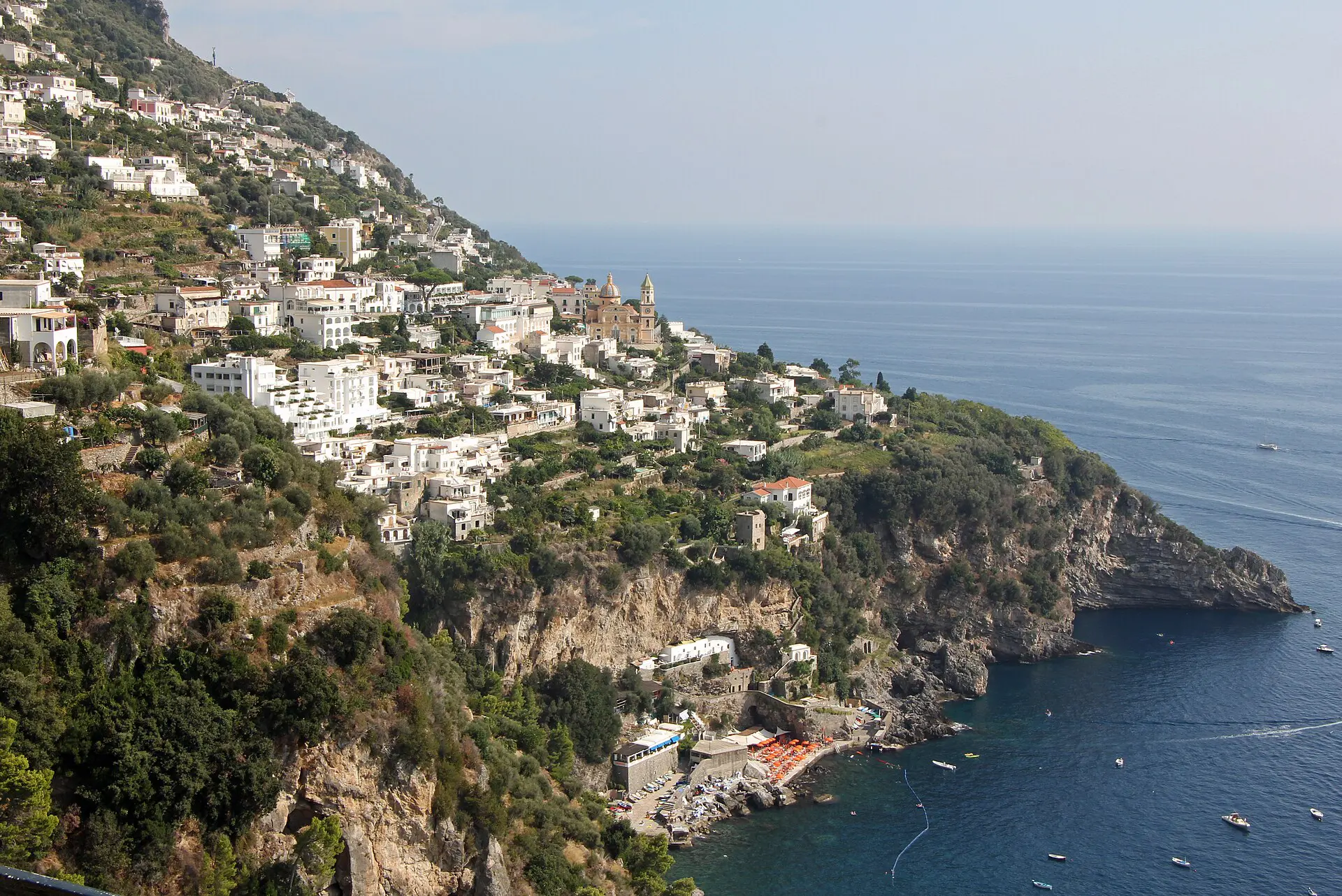
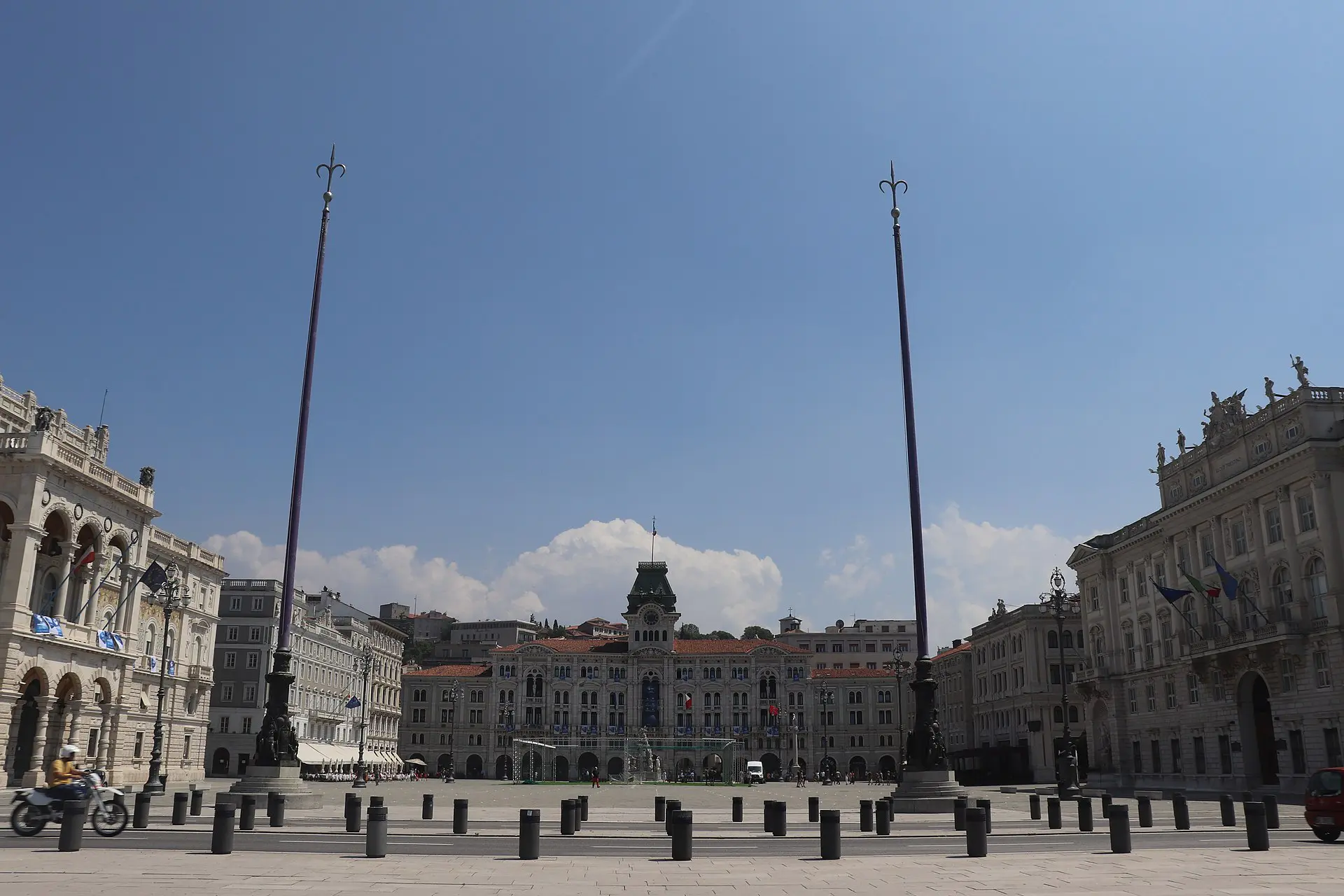
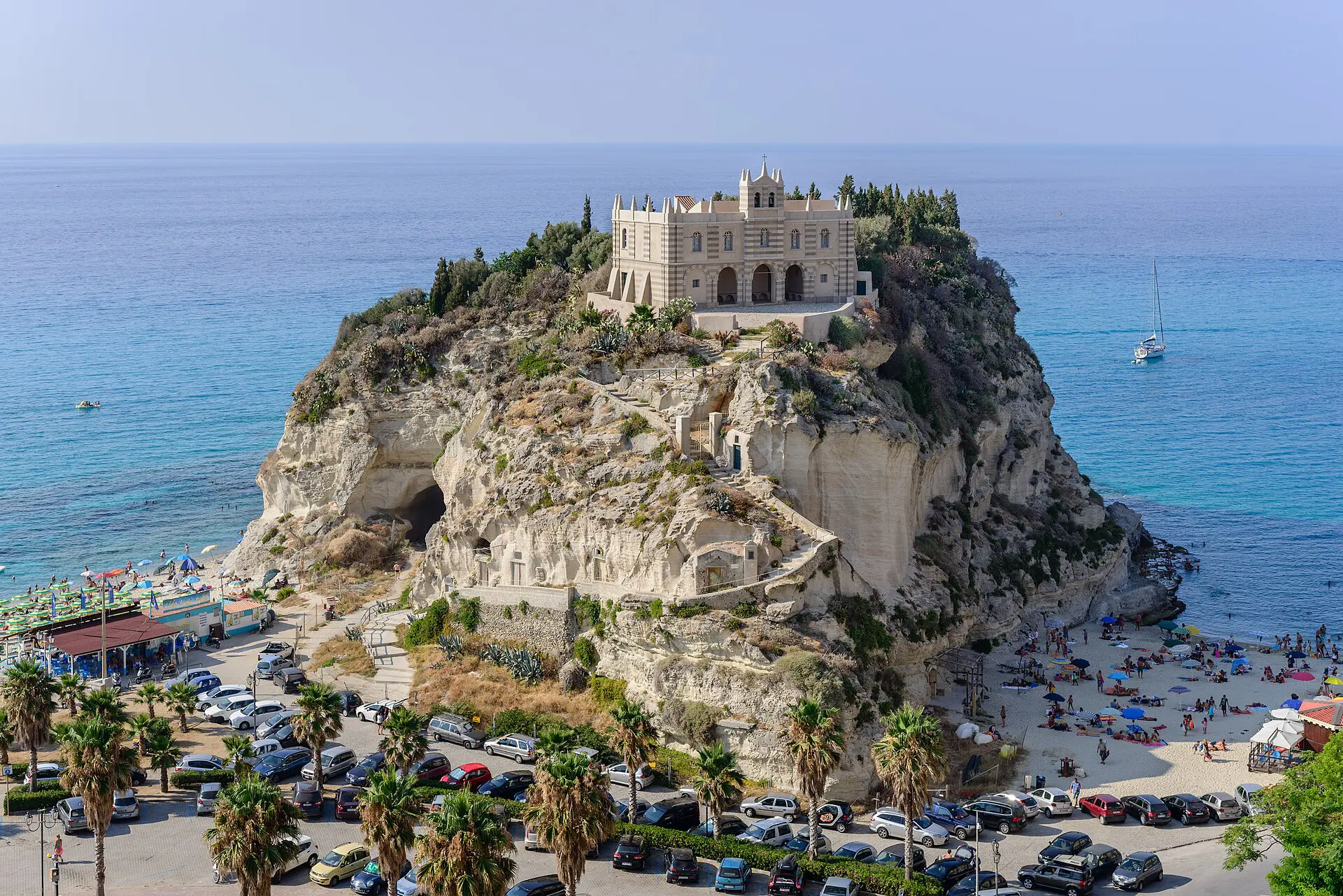
- Save on: smaller towns and second cities in place of the headline destination. Trieste, Matera and Tropea are examples of places that offer a different pace from the main circuit and often cost less than Venice or the Amalfi coast.
- Save on: regional trains, which usually cost far less than high-speed services. Compare both for your route.
The best value window for visiting Italy
Late September to mid-October gives warm days, a sea still warm enough to swim, harvest season and lower rates once August ends. April to early June is the spring alternative, with the proviso that Easter week and long weekends can lift prices sharply.

A rough range for a mid-range double room in a main city, as of 2026, is $120 to $220 a night in shoulder months and $180 to $350 or more in peak weeks, depending on the city. Coastal resorts show a wider gap: August beach rooms may cost double the price of late September. A week of two people sharing, with meals and local transport, might come to roughly 20 to 35 percent less in the shoulder windows than in peak July. Our guide to cost of living in Italy gives a sense of everyday prices outside the tourist centre.
Months to skip
Skip July and August in the south and in Rome if you dislike heat, since temperatures often pass 35C and sightseeing at midday becomes hard. Skip the first half of August if you want a beach on the cheap, because the coast is full and booked, with prices to match. Skip Easter week if rates matter more than the processions. November is cheap but wet, and some seaside businesses close for the season. January and February suit city museums and food, not coastal trips.
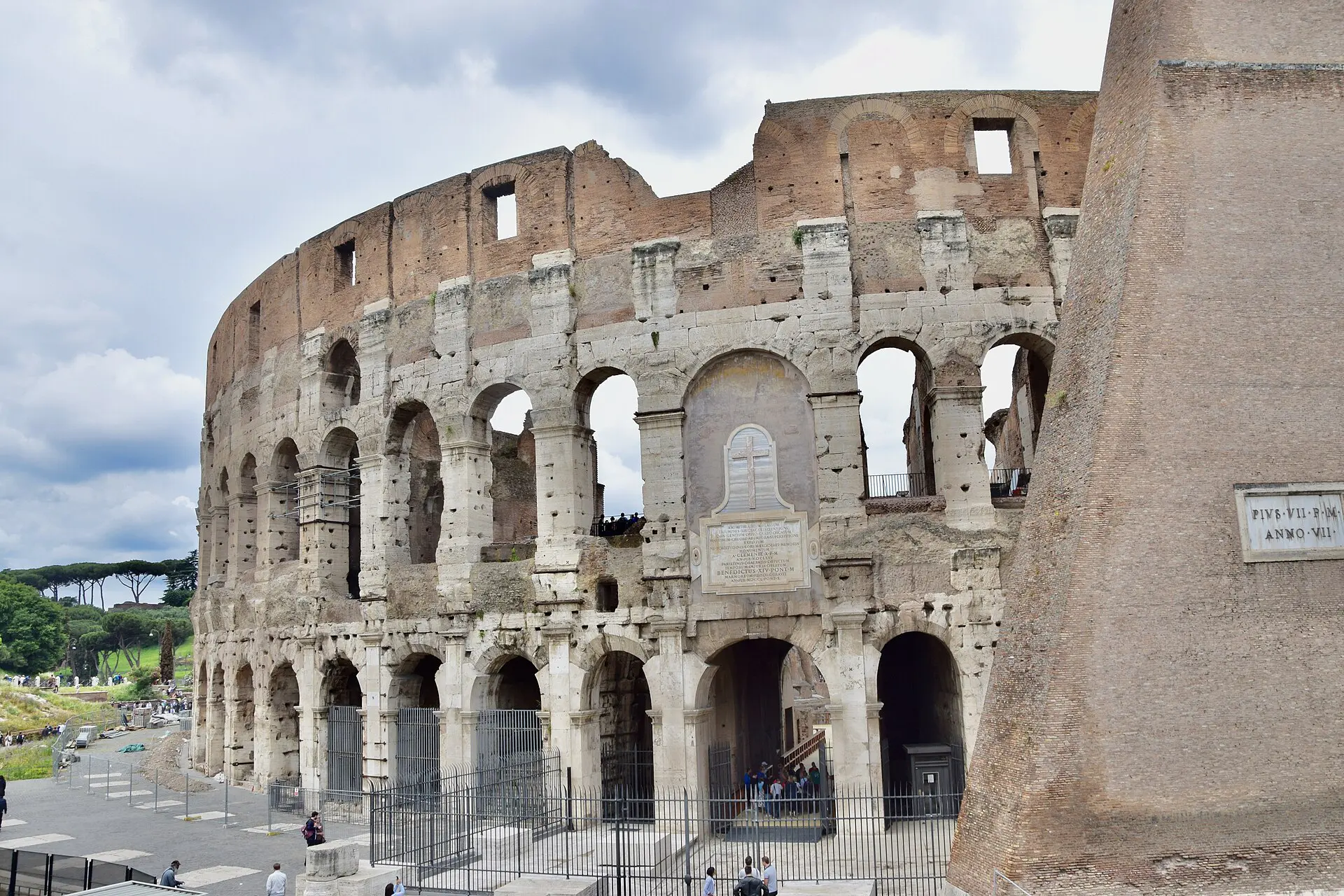
I would also avoid Venice in peak summer weekends if possible. The city is crowded, and some day visitors have faced an access fee on selected days since 2024, so check the current rules before you plan.
Booking timing for Italy
Italy’s sights and beds sell out on a predictable schedule, so the order in which you book matters: lodging first, headline sight tickets second, trains third.

- Summer and Easter: book rooms three to five months ahead, and a coastal August stay six months or more.
- Shoulder months: six to ten weeks ahead is usually enough.
- Major sights: the most popular museums and monuments release timed tickets weeks ahead. Book on the official site, since resellers add a premium.
- Trains: high-speed fares drop when booked early, often opening about two to three months ahead. Regional trains have fixed prices.
Travelling with children? Our Italy itinerary with kids shows pacing that avoids midday heat.
Event spikes that raise prices in Italy
Local events fill rooms and raise rates fast.
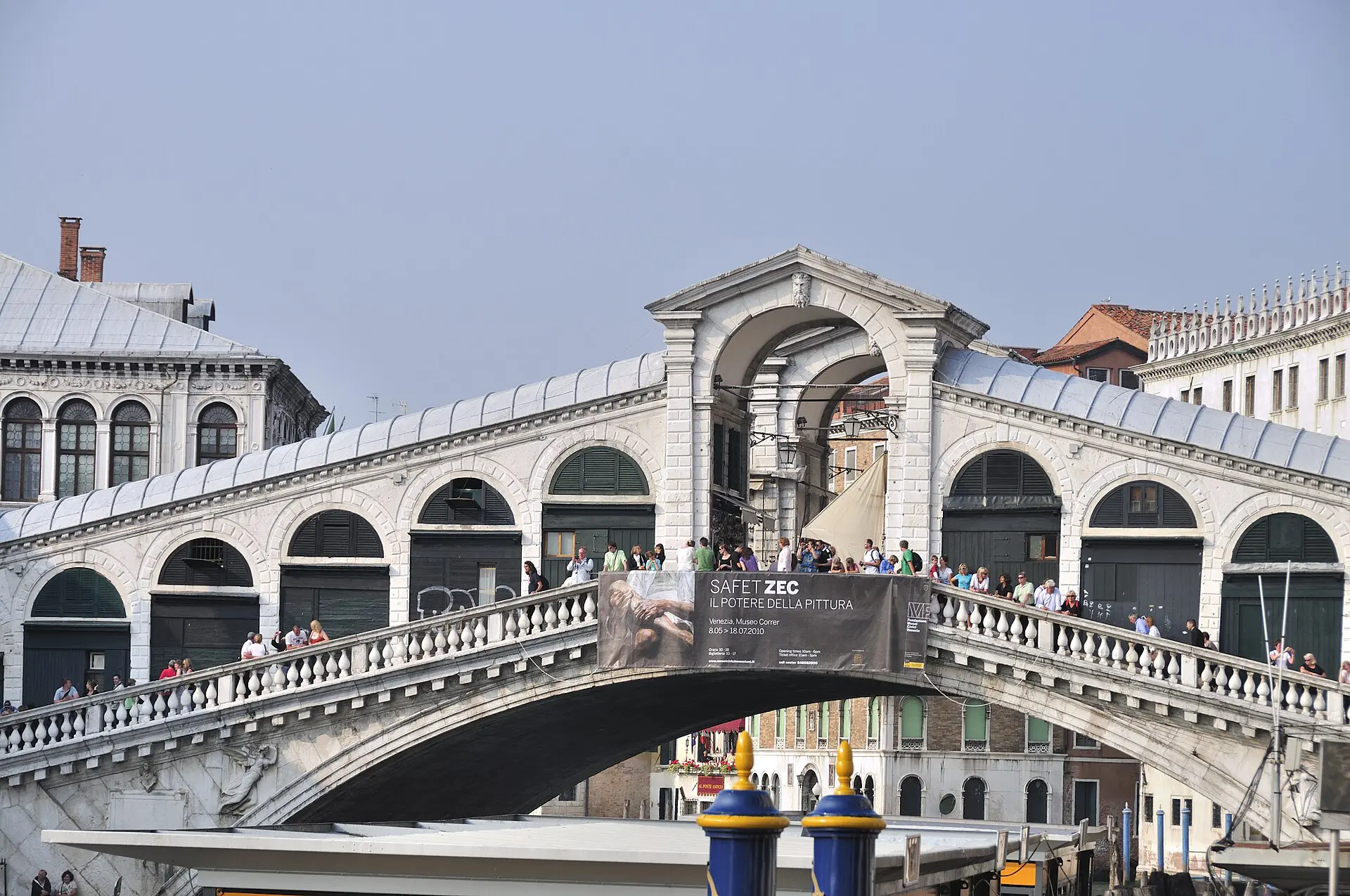
Venice Carnival, February
The Carnival runs for around two weeks before Lent. Venice hotels rise and weekends sell out. Stay on the mainland for lower rates.
Easter week
Italian families travel, and Rome sees large crowds. Rates in cities and on the Amalfi coast climb. Book early or pick the week after, when prices usually ease and queues shorten.
Salone del Mobile, Milan, April
The furniture fair pushes Milan hotel rates to the year’s highest. Avoid Milan that week unless you are attending.
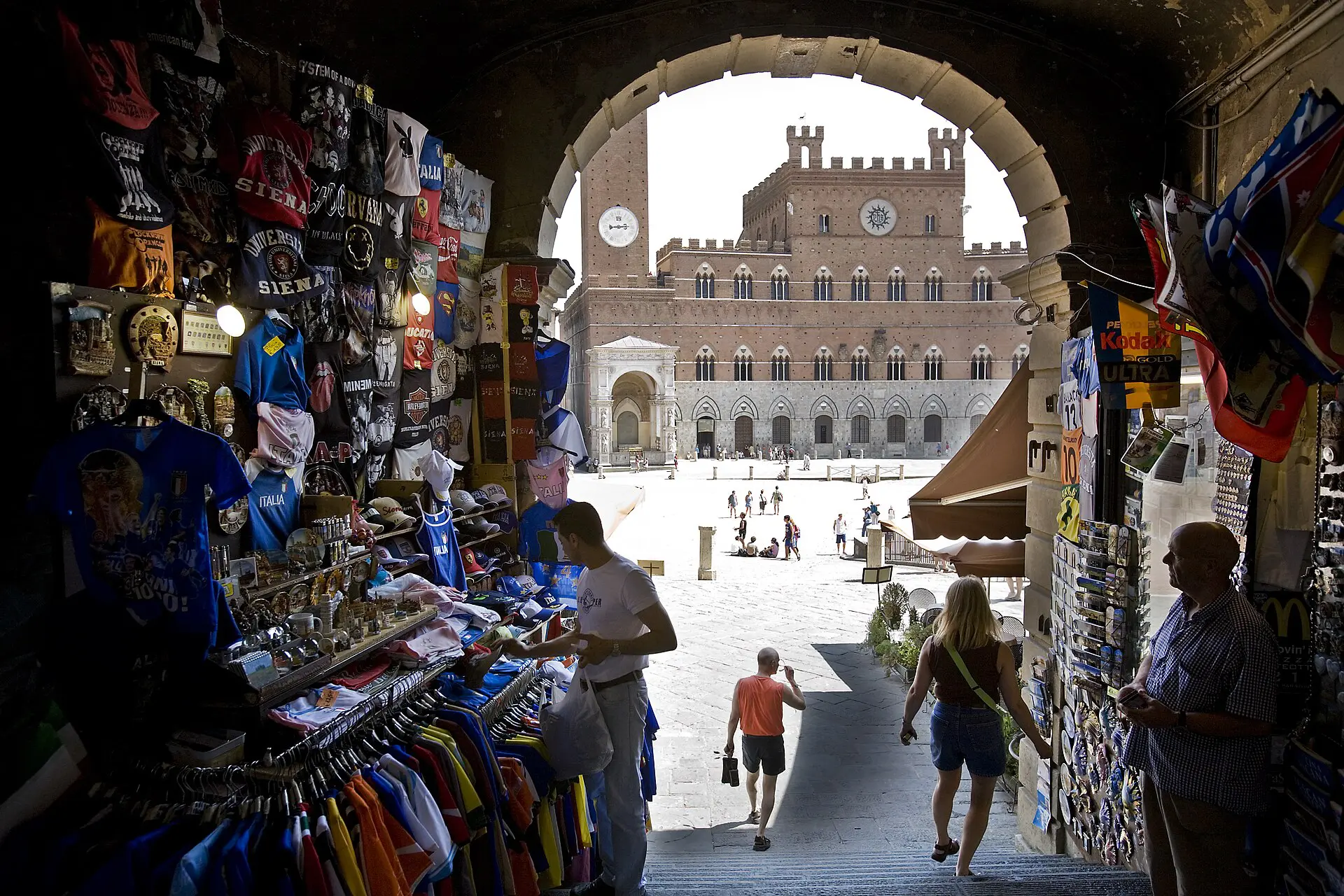
Palio di Siena, July and August
The horse race is held twice each summer, on July 2 and August 16. Siena and nearby Tuscan towns fill up, and rooms book far ahead.
Ferragosto, August 15
The national holiday marks the peak of Italian domestic travel. Beaches and mountain resorts are full, and rates peak. Cities empty out and some businesses shut.
Barcolana regatta, Trieste, October
The sailing race brings many visitors to Trieste in early October. Rooms rise for the weekend, though the rest of October stays quiet.
FAQ about the best time to visit Italy
What is the cheapest month to visit Italy?
January and November are usually cheapest for cities. February and March are also low outside Carnival and Easter. The trade-off is cooler, wetter weather and shorter days, so choose by what you plan to do.
Is August a bad time to visit Italy?
For heat and beaches, yes. Coasts are the most crowded and expensive, and cities get very hot. Cities can be cheaper and quieter, but check that restaurants and shops are open around Ferragosto, since many family-run places close for a week or two.
When is the best time to visit Italy for weather?
May and June, and September, give warm days without the worst heat. October stays pleasant in the south. Spring brings occasional showers, and autumn rain increases through October. Mountain areas such as the Dolomites follow their own calendar, with hiking from about June to September.
When is the best time to visit the Amalfi coast and southern Italy?
May, June, September and early October. Ferries and coast buses run fully, the sea is warm in September, and prices are well below August. Some hotels and boats close from November to Easter.
How many days do you need in Italy?
Ten to fourteen days covers three or four bases, such as Rome, Florence, Venice and one region. See our Italy travel guide, the Wikivoyage guide to Italy and the Wikipedia entry on Italy for more.