The best Chongqing things to do are vertical: stacked riverside districts, cable cars over the Yangtze and a metro train that runs through an apartment block. The city is built on steep hills at the meeting of two rivers, so distances on the map mislead and timing matters. If you only have one day, do the old waterfront at Chaotianmen in the morning, Jiefangbei and a hotpot lunch at midday, and the river lights at night.
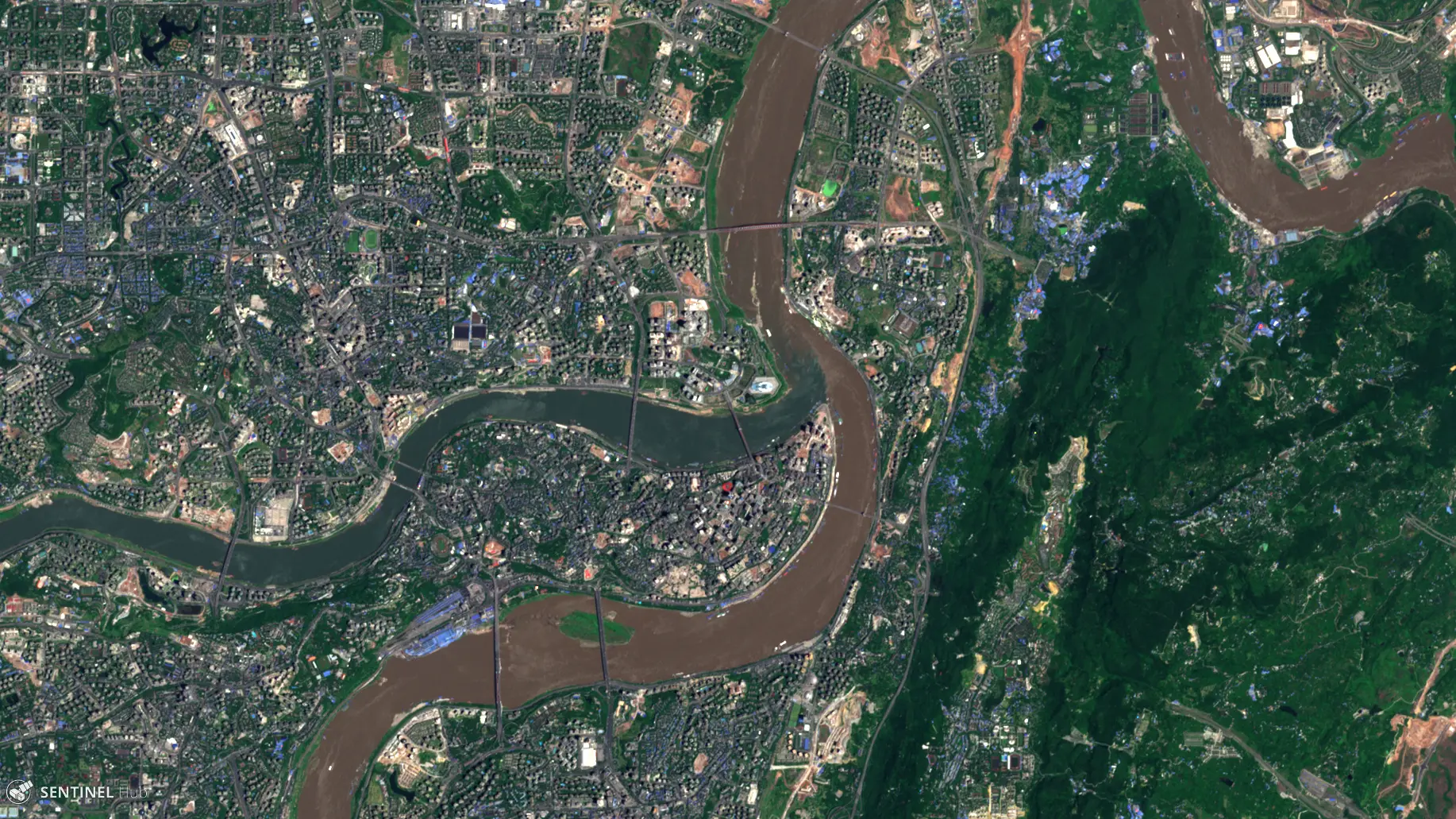
Best time to visit Chongqing
Chongqing is notorious for hot, humid summers, and air quality can be poor, especially from October to March. Spring and early autumn are the practical windows for Chongqing things to do on foot. Winter brings cloud and mist more than sun.
| Season | Weather | Crowds and prices | Good for |
|---|---|---|---|
| Spring (Mar-May) | Mild to warm, some rain | Moderate; busy around public holidays | Walking, old towns, river views |
| Summer (Jun-Aug) | Very hot and humid | Busy, with higher prices at weekends | Night scenes, indoor sights, hotpot after dark |
| Autumn (Sep-Nov) | Warm early, cooler later, hazier from October | Moderate; busy at the October holiday | Sightseeing, Dazu, river cruises |
| Winter (Dec-Feb) | Cool, damp, often overcast | Quietest; best rates | Hotpot, museums, cheaper stays |
Top Chongqing things to do, in time order
Ordered by time of day. Many sights get crowded on Chinese public holidays, so avoid the first days of a national holiday. Check opening times and any booking rules before you go.
1. Chaotianmen and the river confluence
Start at the point where the Jialing River meets the Yangtze, at the tip of the old city. The old harbour gate and the viewing area give the clearest picture of why Chongqing sits where it does. Go early, when the light is soft and the crowds are small. Allow 45 minutes. Boat trips down the Yangtze start in this area, so it also helps with planning.
2. Jiefangbei
The pedestrian heart of the Yuzhong peninsula, centred on the Liberation Monument and ringed by shopping towers. It is the main commercial district, so treat it as a short orientation stop, not a cultural highlight. Walk through in the late morning, take in the street scene and move on. It is also the best place to find a metro interchange and a quick lunch before the next block.
3. Hongyadong
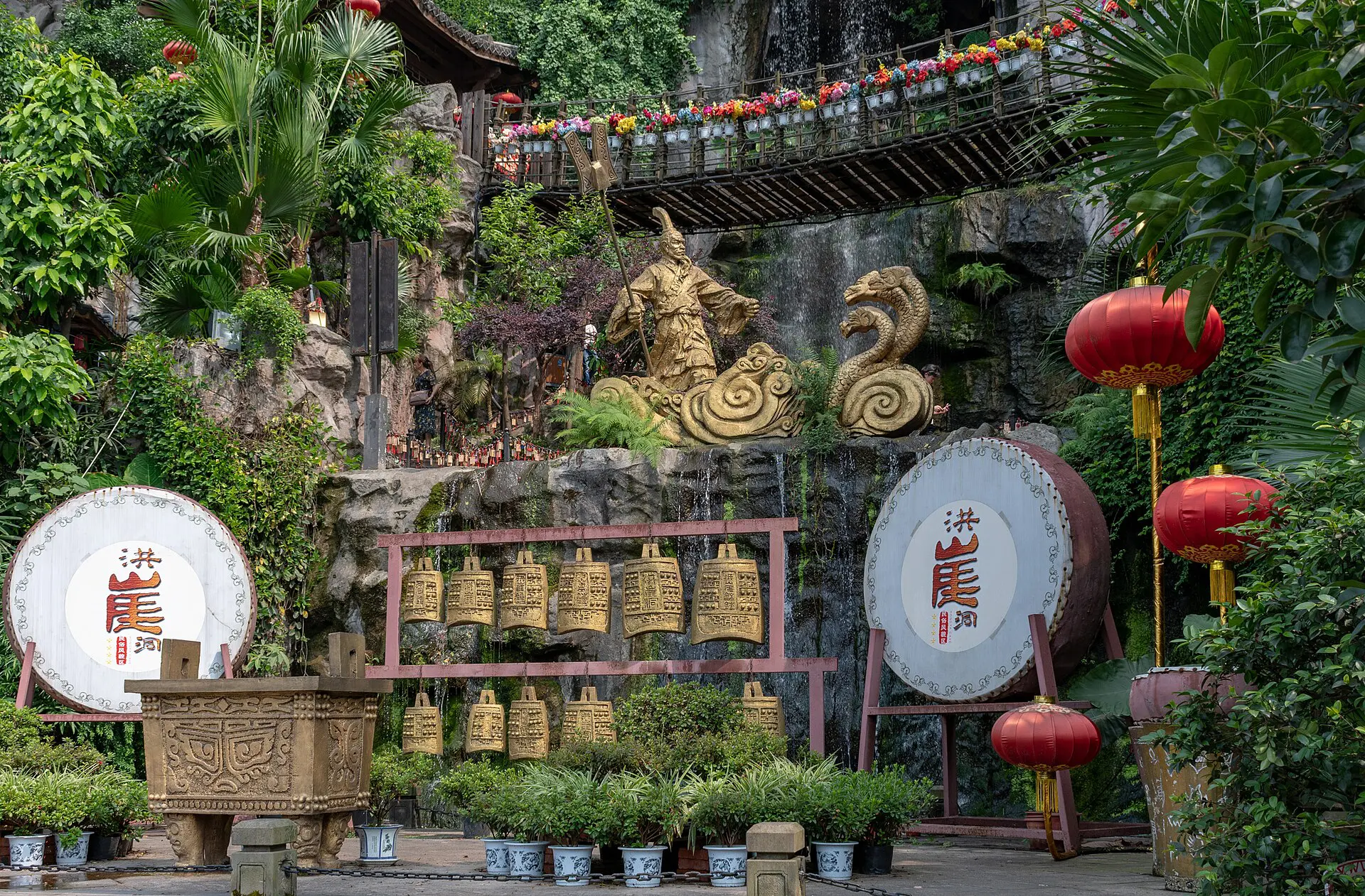
A stilted-building complex on the Jialing River cliff, lit at night, and the image most visitors have in mind. It is very crowded after dark, particularly at weekends and holidays. Queue-avoidance tip: visit at dusk on a weekday, enter from the upper road and walk down rather than up. Allow an hour. Many of its shops are tourist-oriented, so look at the architecture and the river rather than buying.
4. Liziba Station
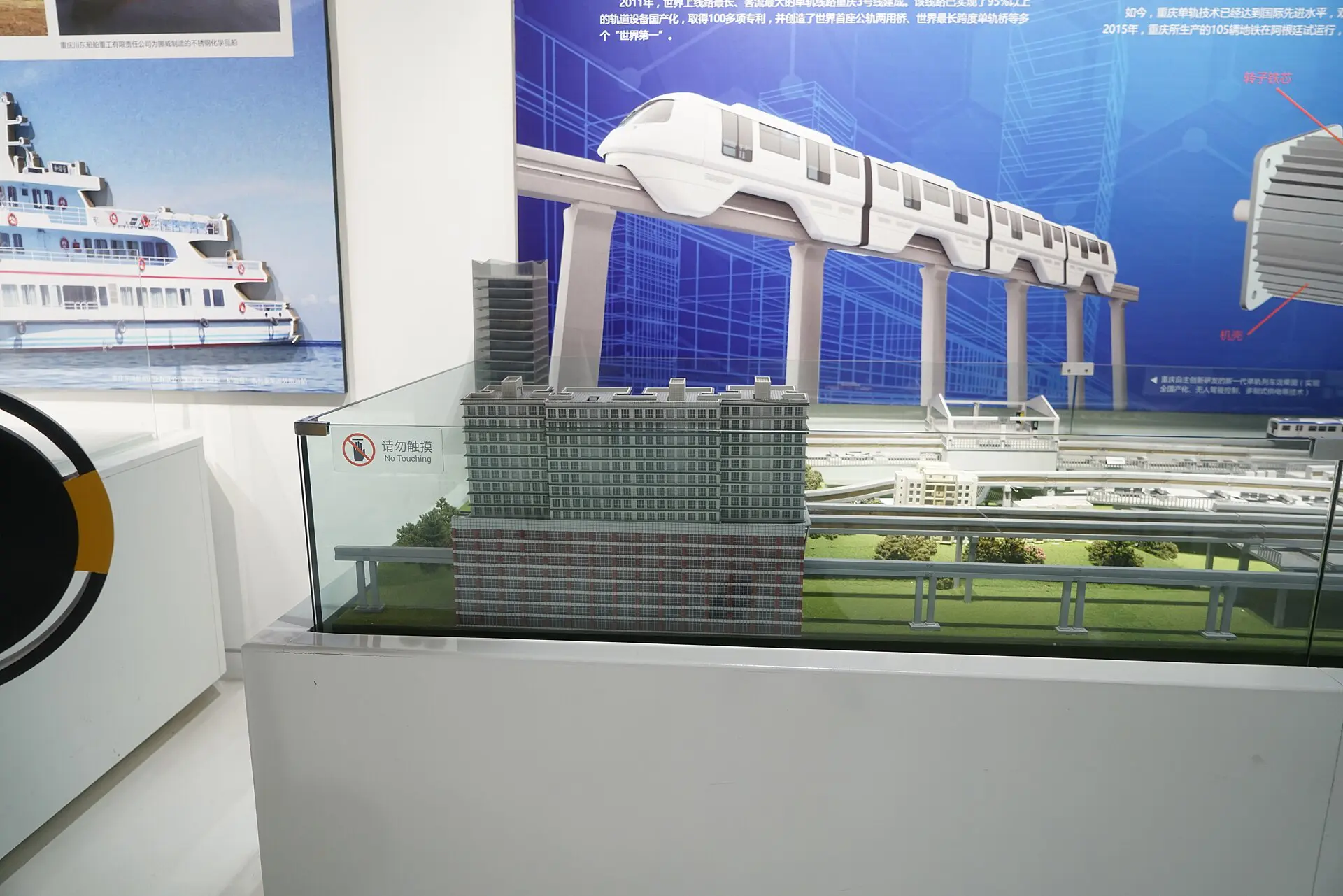
Here, a Line 2 monorail train passes through the middle of a residential building. A signed viewing platform sits nearby for photographs. It takes about 20 minutes to see, and trains run frequently, so the wait is short. Go in daylight, when the building is clearer. Be aware that it is a residential area, so keep noise and drones out of it.
5. Yangtze River Cable Car
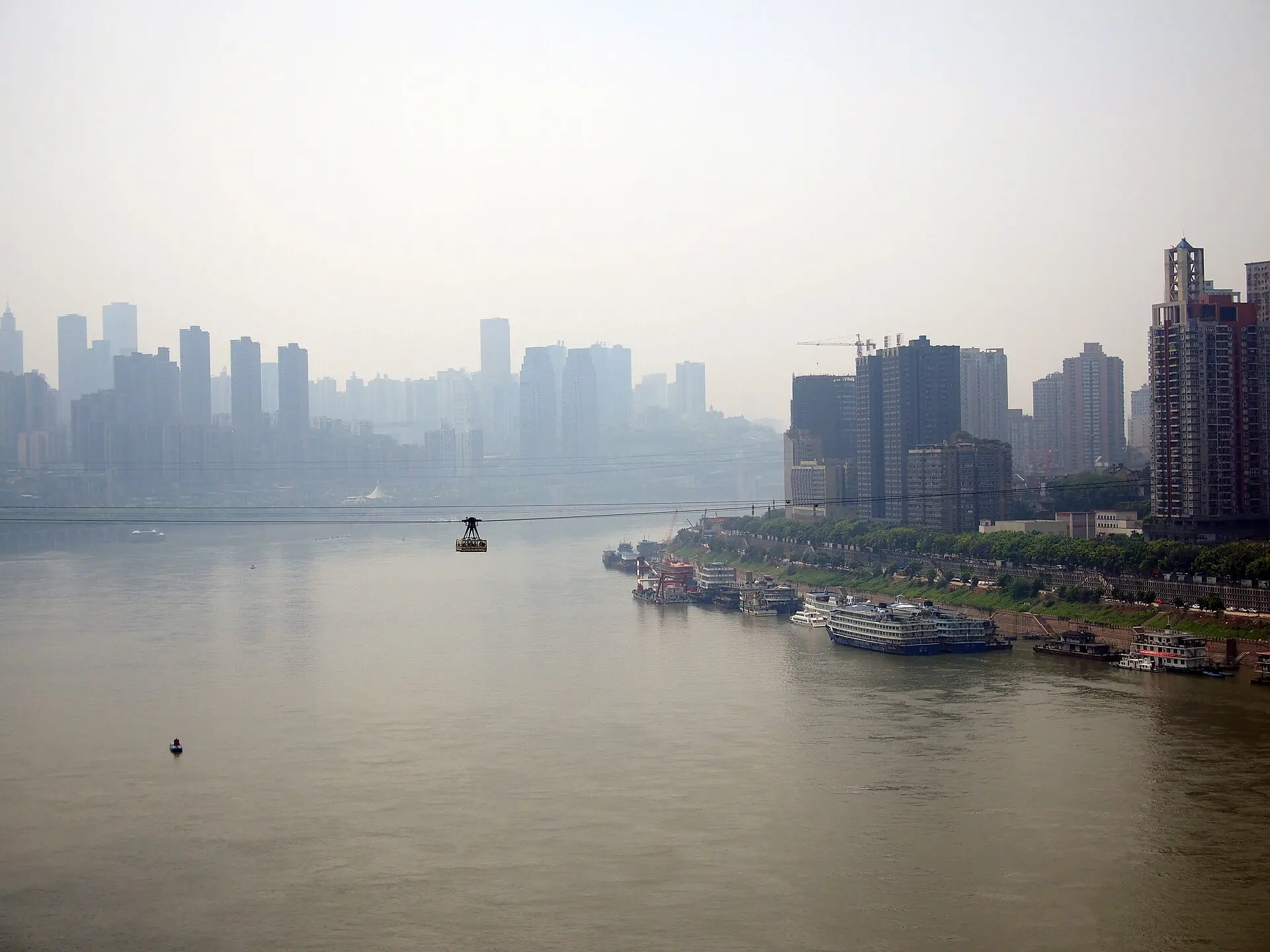
A cable car links the Yuzhong peninsula with the south bank across the Yangtze, offering a view of the river and the skyline. It is a short ride, about ten minutes, and works as transport as well as a sight. Check whether it is running, since weather and maintenance can stop service. Choose late afternoon for the best view, and avoid peak holiday queues if possible.
6. China Three Gorges Museum
The city’s main museum, near the People’s Square area, covers the history of the Three Gorges region, local archaeology and wartime Chongqing, when it served as the temporary capital of China. It is the efficient wet-day or hot-day fallback. Reservation may be required, and a passport is typically needed for entry, so confirm the current rules. Allow two hours. Go straight after opening to avoid groups.
7. Ciqikou Ancient Town
A restored riverside old town west of the centre, with stone streets, teahouses and snack stalls. It is crowded and commercial at weekends, with queues for the most popular snacks. Visit on a weekday morning. Allow two hours. The Ciqikou area gives you a sense of older Chongqing street life, though much of it is rebuilt and aimed at visitors, so keep expectations modest.
8. Shibati old street
A stepped, hillside district of lanes and viewpoints that shows the city’s up-and-down logic better than any map. It has been partly redeveloped. Go in the afternoon and wear comfortable shoes, since there are many steps. Allow 60 to 90 minutes. It combines well with a walk back to Jiefangbei and offers a more local feel than Hongyadong.
9. Chongqing hotpot
Hotpot is the city’s signature meal, built on chili and Sichuan peppercorn, and it is a cultural experience as much as a dinner. Pick a place full of locals, go in a group of three or more if possible, and order a mild or split broth if you are unsure. Eat at a normal dinner hour, but arrive early because waits can be long. Price varies widely, so check the menu.
10. Dazu Rock Carvings
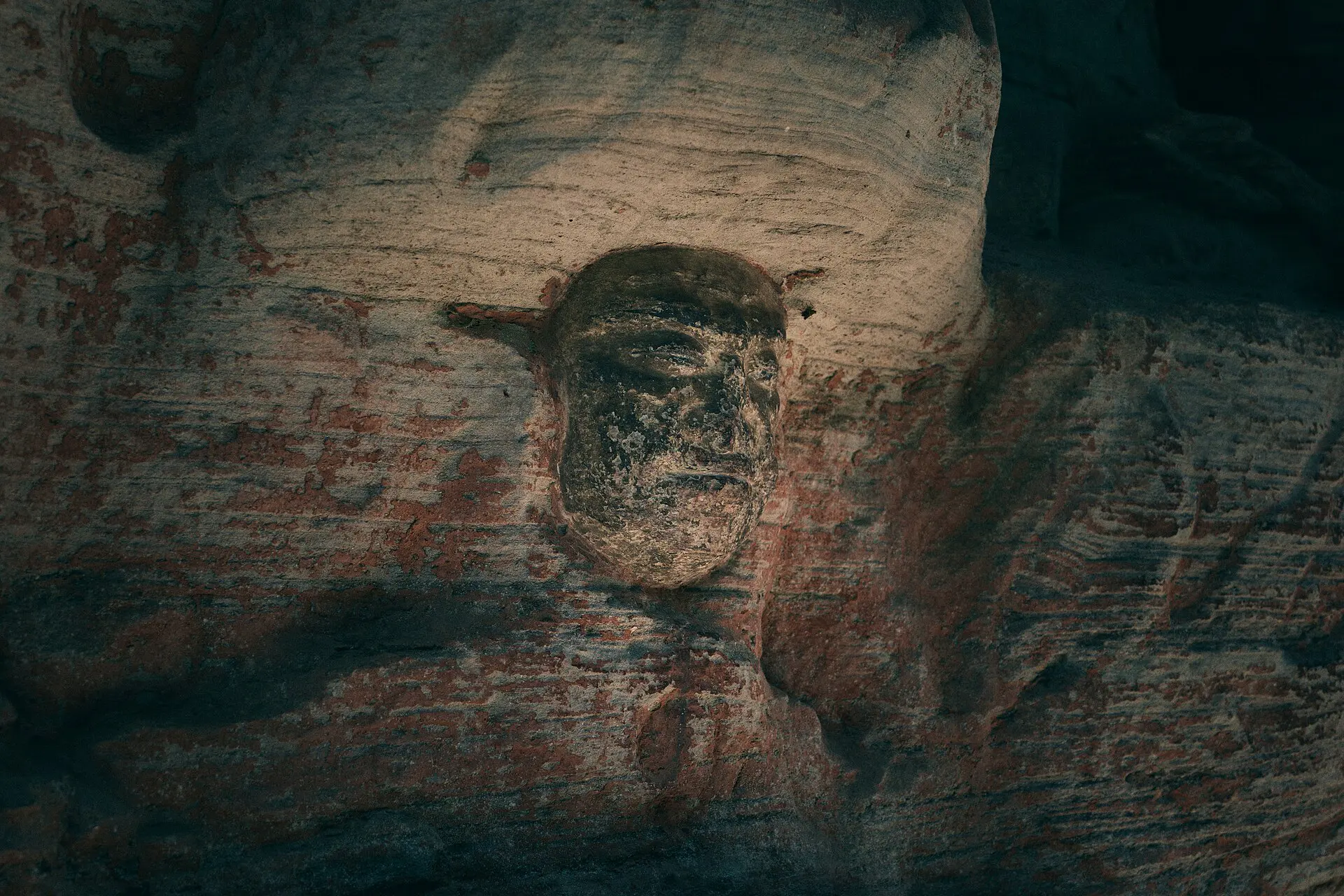
A UNESCO World Heritage Site about three hours west of Chongqing, with Buddhist carvings in the cliffs. It is a full day and the best cultural outing from the city. Start early, travel by train or tour, and check ticket rules before you go. It is worth the trip if you care about art and religious history. If time is short, stay in the city.
Where to stay in Chongqing

- Jiefangbei and Yuzhong: the best base for a short break; sights, metro lines and restaurants are close, though the streets are steep and noisy.
- Chaotianmen and Hongyadong: river views and easy access to the old harbour; better for sightseers than for quiet sleep.
- Jiangbei: across the Jialing River, with modern towers and good metro links; useful for the airport line.
- Nan’an: the south bank, with skyline views and a calmer feel; fewer cultural sights nearby.
Getting around Chongqing
The metro is the backbone and handles the hills. Stations can be deep, with long escalators and many exits, so check the exit number before you surface. Taxis are cheap but traffic is heavy, and routes wind around the terrain. Chongqing Jiangbei International Airport connects to the centre by metro, with lines 3 and 10 serving the terminals. Many services use mobile payment, so set up a payment app before you arrive and carry some cash. Check visa and transit rules for your passport before booking.
How much does a trip to Chongqing cost?
These are rough per-person daily estimates in USD, as of 2026, excluding international flights.
- Budget: about $40 to $70, with a hostel or simple hotel, street food and the metro.
- Mid-range: about $90 to $160 for a central hotel, restaurant meals and paid attractions.
- High-end: about $200 and up for a luxury hotel, river cruises and private guides.
Food is inexpensive by international standards, and the metro is cheap.
Is Chongqing worth visiting?
Yes. The Chongqing things to do here suit anyone who wants a dense, unusual city with strong views and a distinctive food culture. It was long off the foreign tourist radar, and its futuristic downtown has become a favourite of travel video makers. Skip it if you dislike crowds, steep streets, heat or spice, or if you are visiting in smoggy winter weeks. Two days is enough; three with Dazu.
For background, see the Wikivoyage Chongqing guide and the Wikipedia article on Chongqing.
FAQ: Chongqing things to do
How many days do you need in Chongqing?
Two days cover the core: the waterfront, Jiefangbei, Hongyadong, Liziba and hotpot. Add a third day for the Dazu Rock Carvings or a Three Gorges cruise. One day is workable if you stay in the Yuzhong area.
Is Chongqing walkable?
Only in small sections. The city is built on steep hills, with stairs, bridges and long tunnels, so the metro does most of the work. Walk within each district, and use the metro between them.
What is Chongqing famous for?
Chongqing is famous for hotpot, its hilly river-city skyline and its role as China’s wartime capital. It is also the launching point for Yangtze boat trips through the Three Gorges, and the Dazu Rock Carvings lie within the municipality.
When is the best time to go to Chongqing?
Spring and early autumn are the most comfortable. Summers are hot and humid, and air quality is worse from October to March. Avoid the first days of Chinese national holidays, when major sights are very crowded.
Is Chongqing hotpot very spicy?
Often, yes, because chili and Sichuan peppercorn are central. You can order a mild broth or a split pot with two broths, and a cool drink helps. If you are unsure, ask for the mildest level and add heat gradually.