Brno digital nomad life is a student-city routine at Czech prices that sit below Prague’s: cafes, trams, a compact centre and a train to Vienna in about 90 minutes. Brno is the Czech Republic’s second city, about 400,000 people, with tens of thousands of students. It suits people who want a working month without tourist crowds. It suits you less if you need a large English-speaking scene. Below: costs, areas, internet checks and a first-week test.
Brno digital nomad budget: what does a month cost?
These are rough monthly ranges for one person, shown in euros for easy comparison, as of 2026. Czech prices are in koruna, and rents shift with the semester calendar, so check live listings. We have priced types of spending, not specific venues.
| Item | Range per month |
|---|---|
| One-bedroom or studio, furnished | about 600 to 1,000 euros, higher near the centre |
| Utilities and energy | about 100 to 220 euros |
| Mobile data and home internet | about 20 to 45 euros |
| Groceries and cooking | about 220 to 350 euros |
| Eating and coffee out | about 150 to 400 euros |
| Coworking desk (if you use one) | about 80 to 200 euros |
| Local transport pass and occasional taxis | about 25 to 70 euros |
| Total, comfortable single | about 1,300 to 2,200 euros |
The semester matters. Flats near the universities tighten in September and February, and you may find better monthly rates in July and August when students leave. Short lets in the centre can cost more than a long contract, so ask for both.
Where to base yourself in Brno
The centre is walkable and trams cover the rest. Wikivoyage calls Brno the largest student city in the country by percentage of population, which shapes every district. Choose by work style, then check the actual building.
1. The historic centre, for a no-commute routine
Within walking distance of the main station, Freedom Square and Špilberk. Most cafes, restaurants and shops are close. Flats tend to be pricier and some streets are noisy on weekend nights, so ask which way the bedroom faces.
2. Veveří and the university streets, for a student-city rhythm
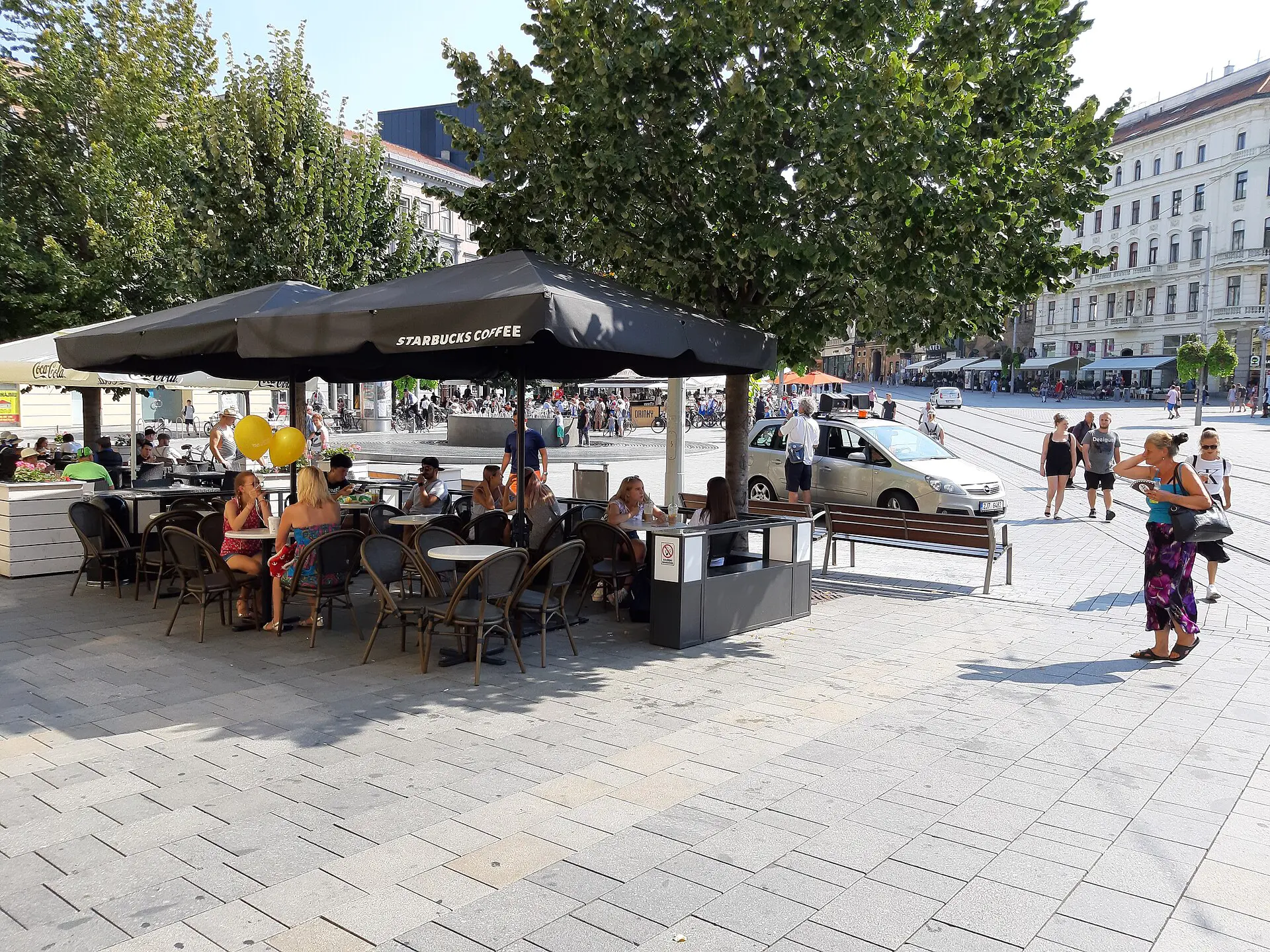
A lively band just west of the centre where flats, bars and cheap eating mix. It is a good base for people who like activity around them. It can be loud during term, so check noise before paying a deposit.
3. Žabovřesky and the villa quarter, for quiet focus
A greener residential area to the north-west, with houses, small shops and tram links. It suits long deep-work days and people who prefer a calmer evening. You pay with a ride into the centre.
4. Královo Pole, for tech workplaces and practicality
A larger district north of the centre with university and technology institutions, shops and good transport. It is practical and often cheaper, but it lacks the old-town feel. Good for stays of a month or longer.
5. Zábrdovice and Husovice, for cheaper and more local
Older districts just north-east of the centre, undergoing renovation. Rents tend to be lower, and the centre is a short tram ride. Quality varies a lot from street to street, so view in person or by live video.
6. Lesná or another hillside estate, for lower rent and green views
Large housing estates built on the slopes offer renovated flats at the low end of the range, with parks nearby. They are good for budget-minded stays and poor for spontaneous evenings out. I would pick one only if a quiet desk matters more than cafe access.
Work-friendly spots by type
We are not naming venues, because hours, desk policies and wifi change. Look for these types.
- Coworking spaces: best for fixed hours and calls. Ask about day passes, trial days and meeting rooms. A monthly pass usually wins after about a week.
- Cafes: good for two or three focused hours. Check for sockets, daylight and quiet, and order regularly. Calls are a poor fit.
- University libraries and study rooms: quiet and cheap, but access rules for non-students vary. Check before you rely on one.
- Your apartment desk: the most reliable. Ask the host for a photo of the desk and the chair.
Internet and power: what to check yourself
The Czech Republic is generally regarded as well connected, and fibre is common in city buildings, but quality differs from block to block. We cannot vouch for any one flat. Ask the host for a recent speed test and the provider name, then run your own at the hours you work, including upload speed if you take video calls.
A local SIM or eSIM is a cheap backup. Plugs are the European two-pin type, 230 volts. Ask about heating and energy, since both are billed separately in many lets and bills climb in winter.
Brno digital nomad visa and stay length
The Czech Republic is in the Schengen Area. Many nationalities can stay up to 90 days in any 180 days without a visa, but that depends on your passport and rules change. Longer stays generally need a national visa or residence permit, and the Czech rules for self-employed or remote work differ by case. Verify the current position with the Ministry of the Interior and the foreign ministry before you plan past 90 days. Count days across all Schengen countries, not just this one.
Tax is separate. Working in a country for months can create obligations at home or abroad, so check with an adviser for a long stay.
Routine and recovery in Brno
Brno rewards a daily rhythm. Work in the morning, then take a tram to a park or the castle hill in the afternoon. The city sits between South Moravian vineyards and the Moravian Karst, so weekend escapes are close (Wikivoyage).
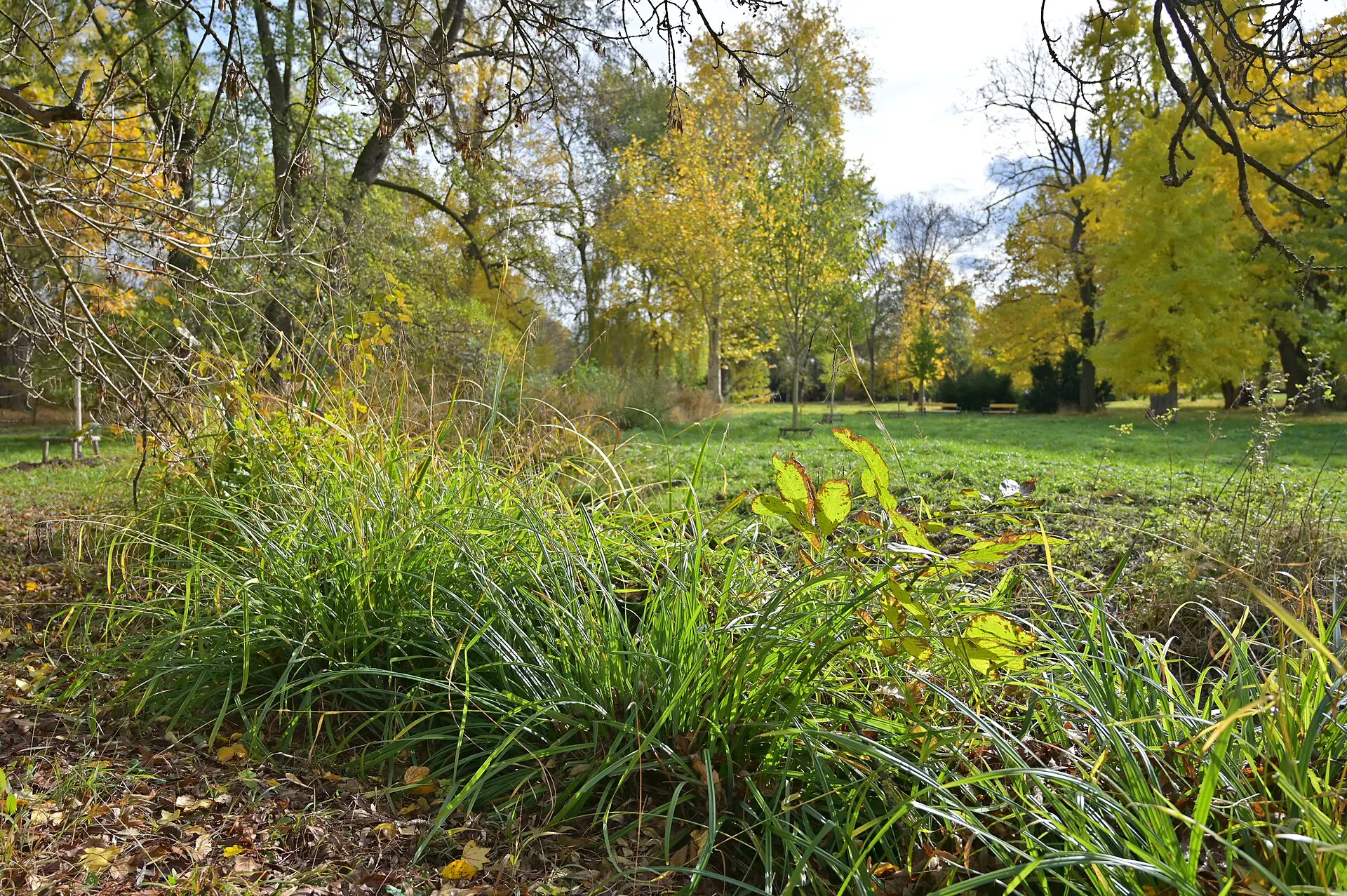
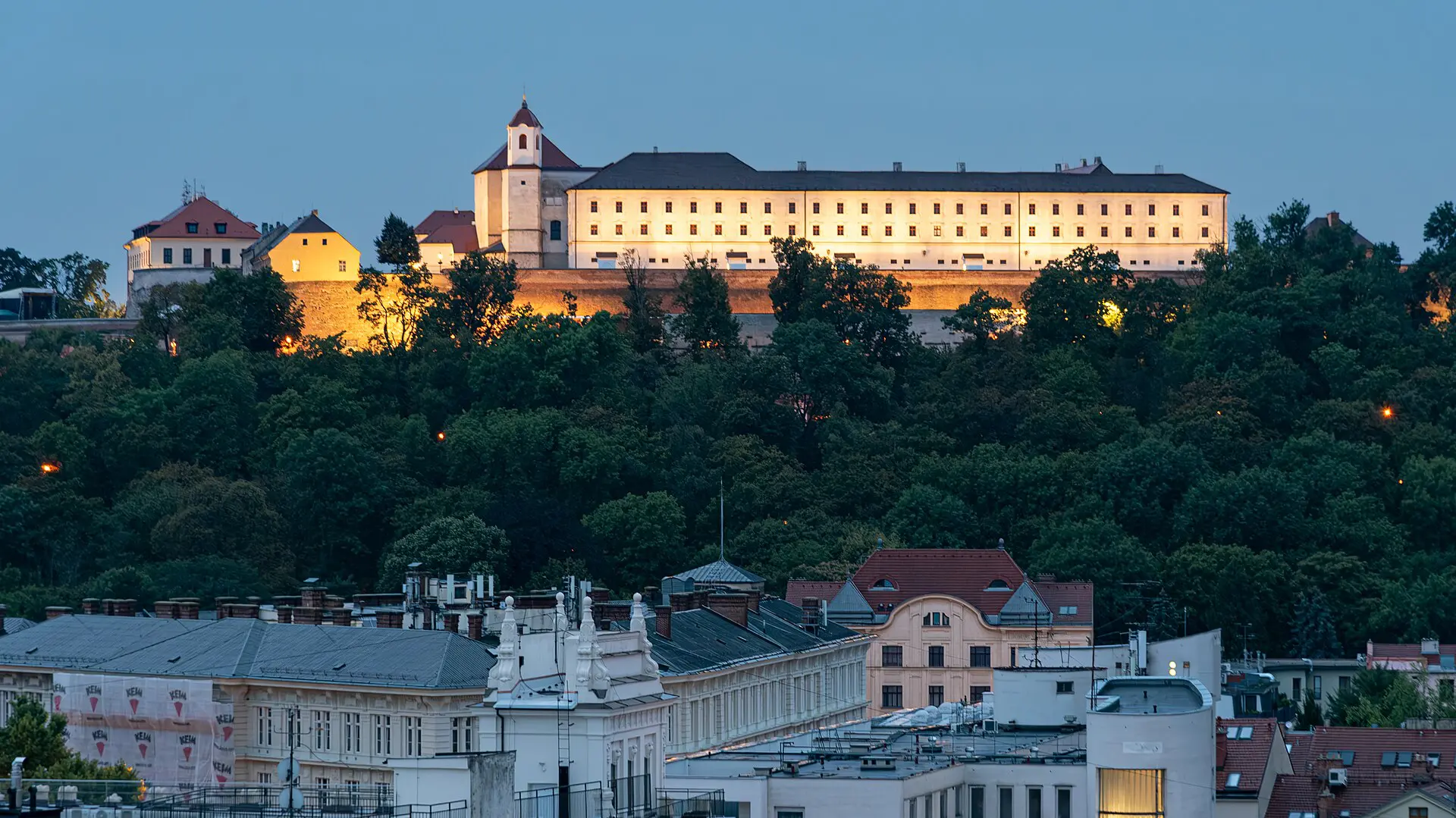
For breaks that cost little, good options are Lužánky Park, the oldest public park in the country, Špilberk Castle on its hill and the Brno Underground, a maze of cellars with a large ossuary. Each is a sensible one-hour reset between work blocks, and none needs a full day. Spring and autumn are the easiest seasons for walking.
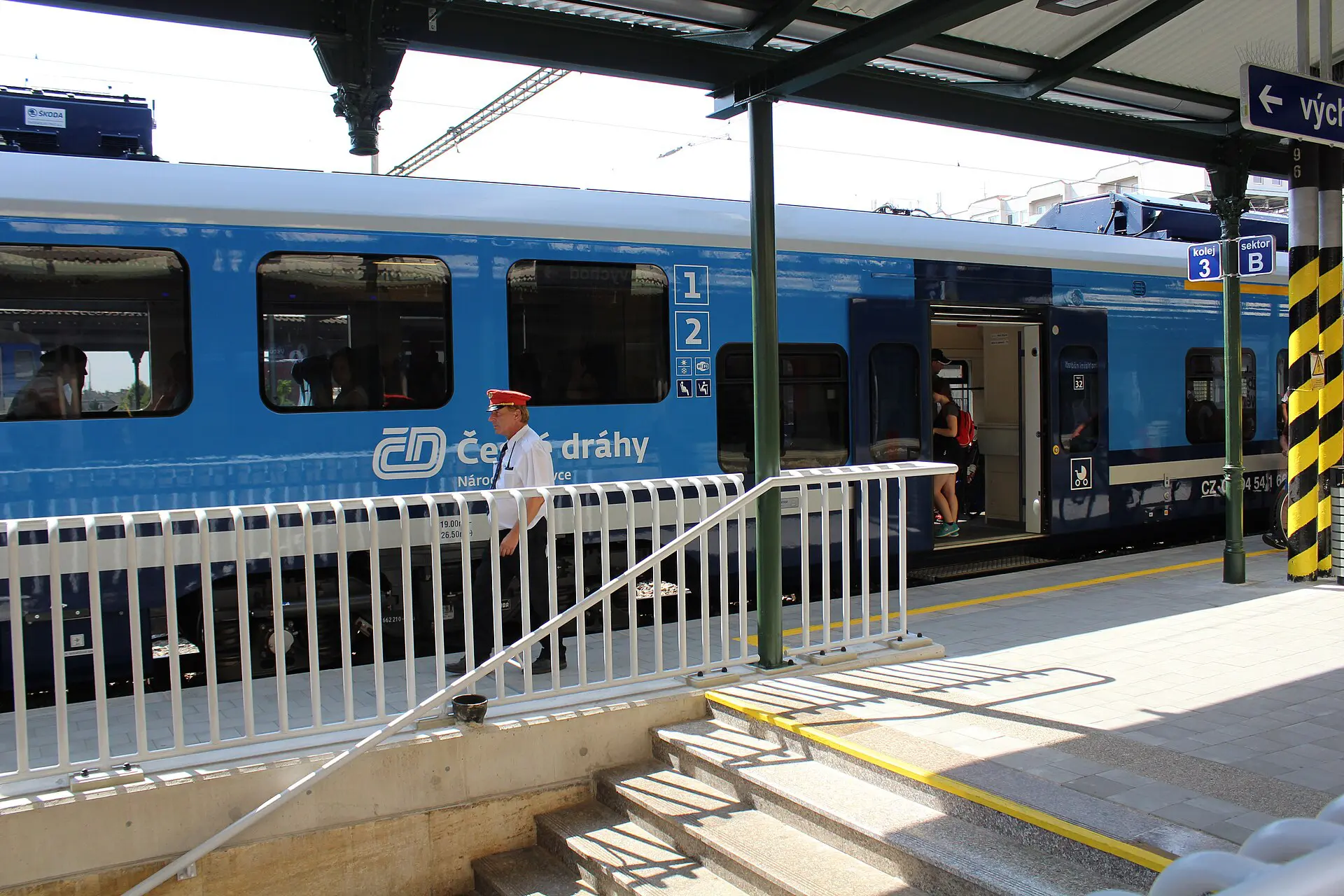
Against Prague, Brno is smaller, quieter and usually cheaper, with fewer international events. Train links keep it connected: trains take about 2.5 hours to Prague, about 1.5 hours to Bratislava and about 1.5 hours to Vienna, so a hub is a day trip away. See Wikipedia for the history, our Brno guide for what to see, and the Czech Republic travel guide for the wider country.
Test Brno in your first week
- Run a speed test at 9am, 2pm and 8pm, and note upload speed.
- Take one video call from the desk and one from a cafe.
- Ride the tram on your commute at the hour you would use it.
- Listen for night noise from the street and neighbours.
- Do a three-day grocery run and compare the total with the table.
- Find the nearest pharmacy, clinic and station, and check how many tram stops you are from the main train station.
- Decide by day 7 whether to extend, and ask for a monthly rate only then.
Brno digital nomad FAQ
Is Brno good for digital nomads?
It suits people who want a student-city routine, lower costs than Prague and good rail links. It has a smaller international crowd and fewer coworking choices. Test internet, noise and your commute in the first week before signing anything long.
Is Brno cheaper than Prague?
Generally yes, particularly on rent, though the gap changes with area and semester timing. Prague has more flights, events and coworking. Brno offers a quieter day and easy trains to Vienna and Bratislava. Compare current listings in both.
How long can I stay in Brno without a visa?
For many nationalities, up to 90 days in any 180 days across the Schengen Area, but your passport decides. Longer stays usually need a national visa or permit. Check the official Czech government or embassy pages before you book.
When is the best time to base yourself in Brno?
Spring and early autumn are the most comfortable. Summer is warm, and winter is cold but manageable with good heating. Rents near the universities can be tight in September and February, so book ahead then.