The best time to visit Victoria Falls for most people is roughly late February to May, when the Zambezi is full and the falls are at their most powerful, or June to August if you want clear views, mild days and moderate prices. September to December has the lowest water and the hottest weather, but it is the only time some activities run. Your goal decides the month, so pick it first and then book.
Month-by-month: Victoria Falls seasons
Months are approximate, because the rains and river levels vary from year to year. Treat prices as relative, not exact.
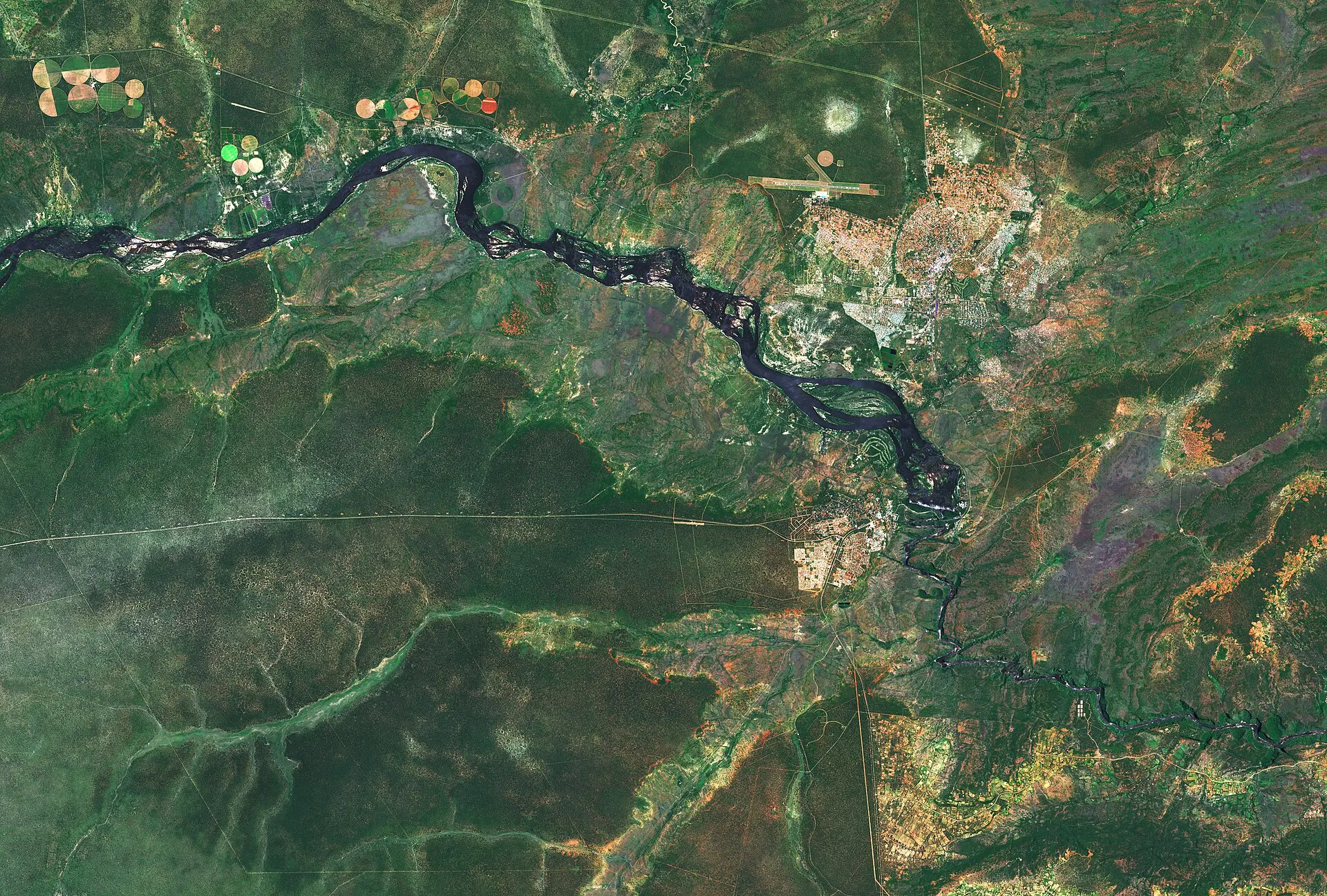
| Months | Water level | Weather | Views | Prices |
|---|---|---|---|---|
| November to January | Rising | Hot, wet, storms | Good, mist grows | Lower, rainy-season deals |
| February to April | High to flood | Warm, humid | Heavy spray, hard to see the drop | Moderate |
| May to July | Still high, easing | Dry, mild, cool mornings | Strongest balance of volume and clarity | Rising |
| August to October | Falling to low | Dry, getting hot | Clear, rocky ledges show | Highest in peak safari months |
What changes by season
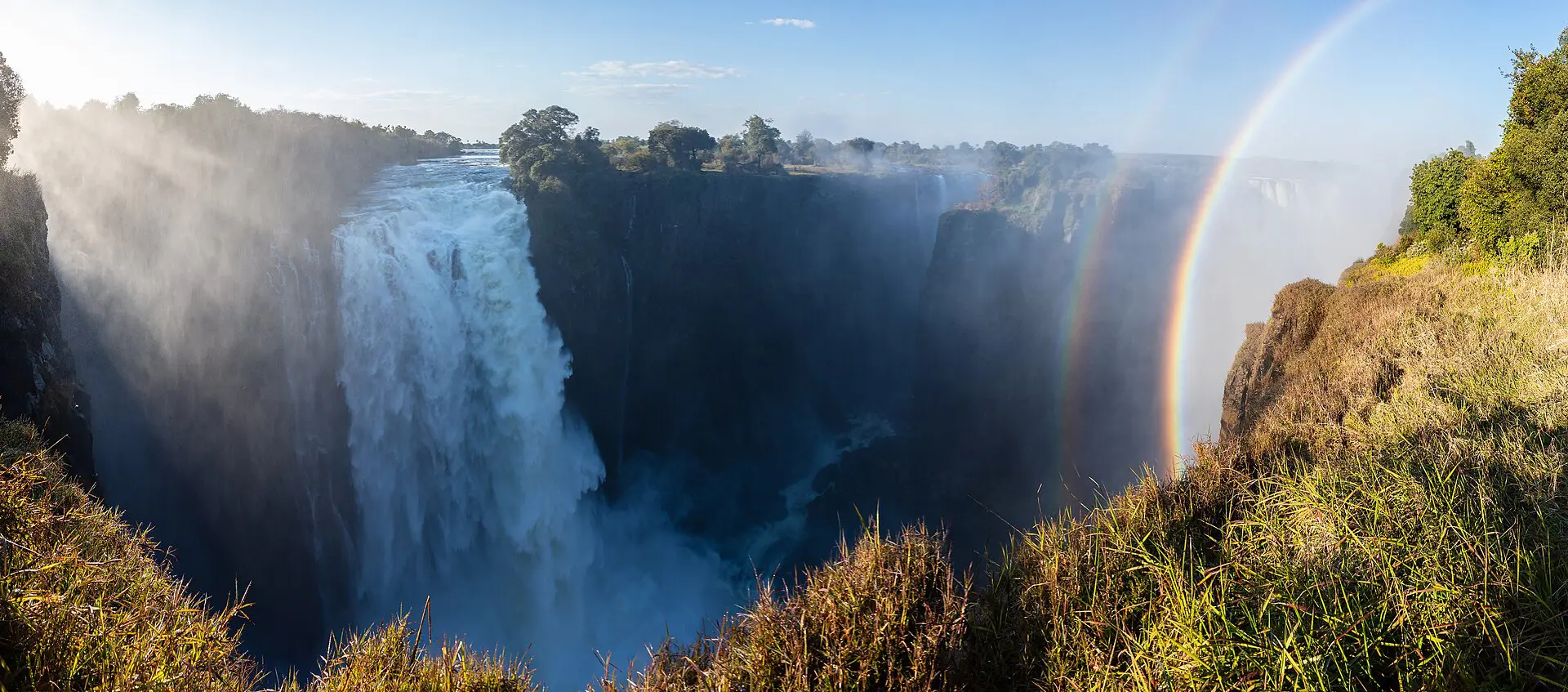
The rainy season runs from November to March, with high volume and a dramatic show, and the dry season as April to October, with lower water. The catch is that the biggest flows can hide the falls behind spray. In high water you will get very wet on the bridge and the trails, so bring a rain jacket or plan to buy a poncho.
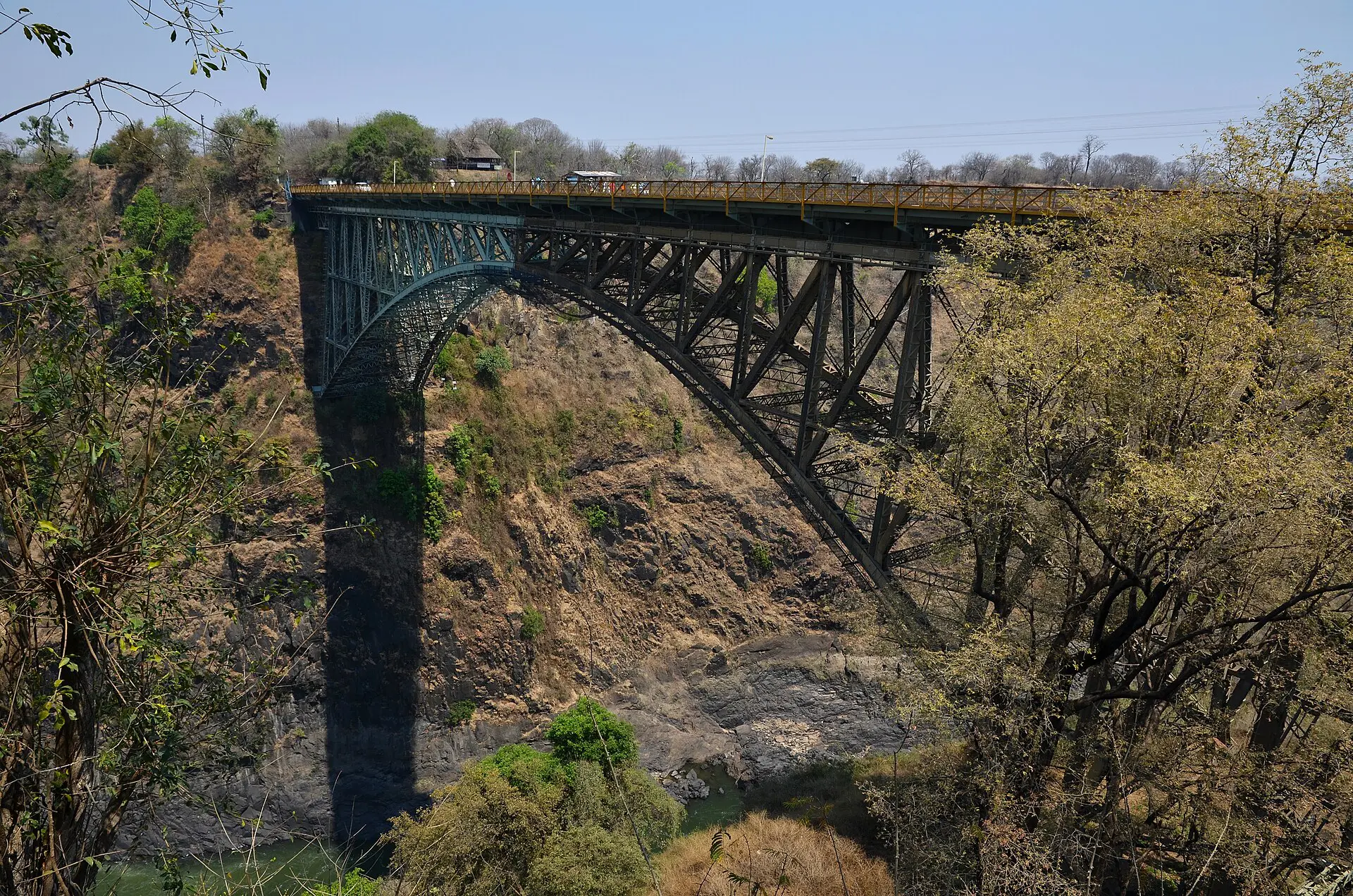
In the dry season the view of the cliff and gorge is clearer, but by about October some stretches can run thin. The trade-off is simple: more water means more drama and more spray, less water means a clearer picture and fewer drops in view. Crowds follow the dry months, when safaris in the wider region are also at their best, so prices for rooms and tours tend to rise together.
Best time to visit Victoria Falls for different goals
- Maximum power: late February to May, though expect to be soaked and limited in photos.
- Best balance: late May to July, with full flow, less spray and cooler air.
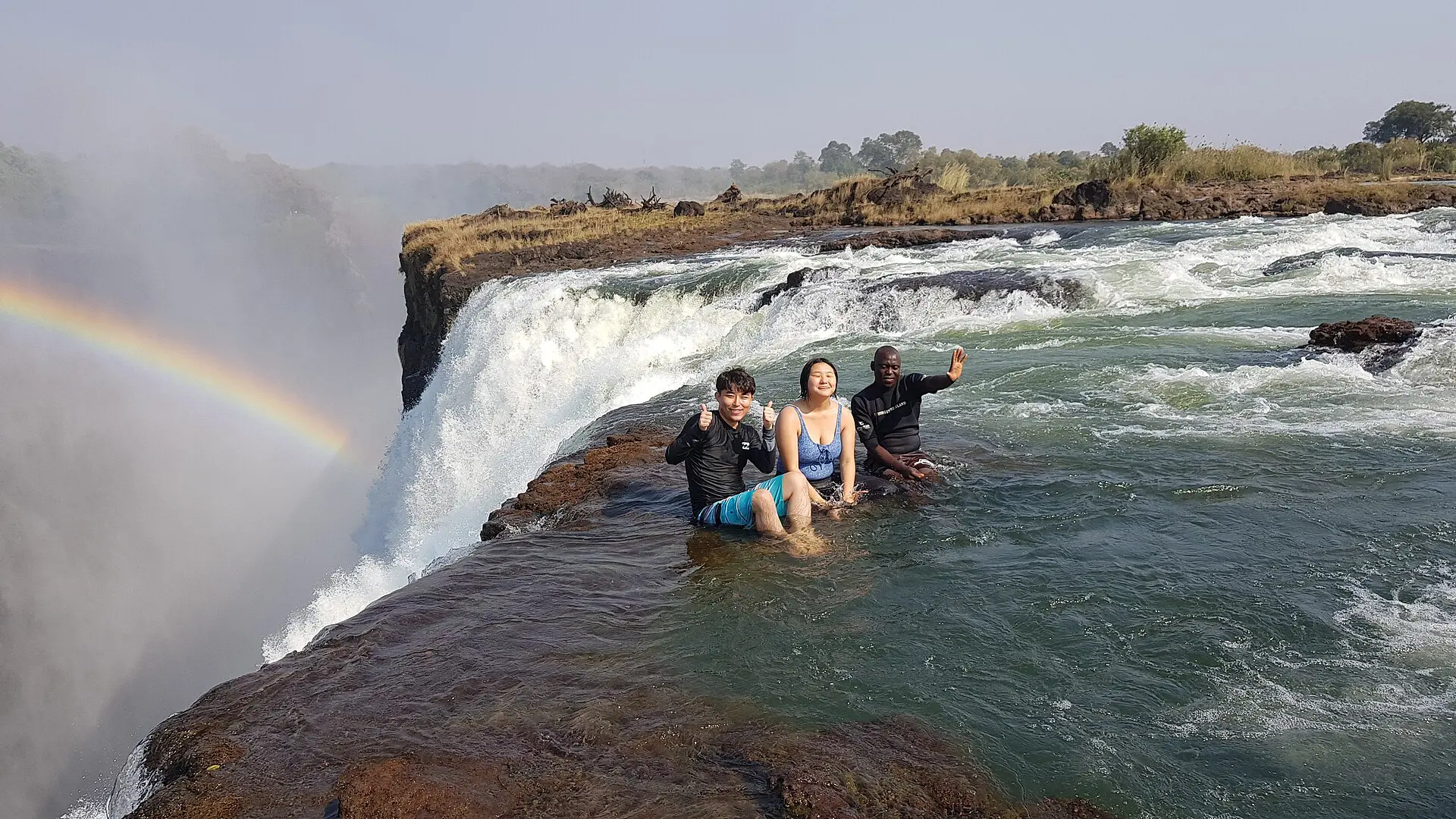
- Devil’s Pool: only possible when the river is low, usually around September to December, and it is run from the Zambian side. Confirm with operators.
- Photography and walking: June to August, when mornings are clear.
- Lowest cost: November to early February, though weather is hotter and wetter.
Two practical points sit behind the table. First, the river peaks later than the rain: the heaviest flow usually arrives a few weeks after the wettest months, which is why April and May are the flood period even though the rains are fading. Second, the falls are about 1,708 metres wide and 108 metres high at their tallest, so even in low water the scale is large. Low season is a weaker show, not a cancelled one.
Daily conditions matter too. Mornings are cooler and clearer, and midday in the hot months can be punishing on the exposed trails, so plan walks for early hours and spend the afternoon on the river or in the shade.
When to avoid Victoria Falls
Skip October and early November if your priority is the falls themselves. The water is lowest and the heat is at its most intense, so the main curtain can look thin. Also avoid April for photos, since peak flood can make the view almost entirely mist. If you are a first-timer with a single chance, I would book June or July. Anyone who hates heat should skip October altogether.
Booking and cost timing
Trip cost is set by season more than by anything else. The dry months from about July to October are the high season for the wider region, with the highest lodge prices and tighter availability. Book rooms and popular activities several months ahead for that window, and expect some of the best options to sell out. In the rainy season, you can often find lower rates, and shorter bookings are easier.
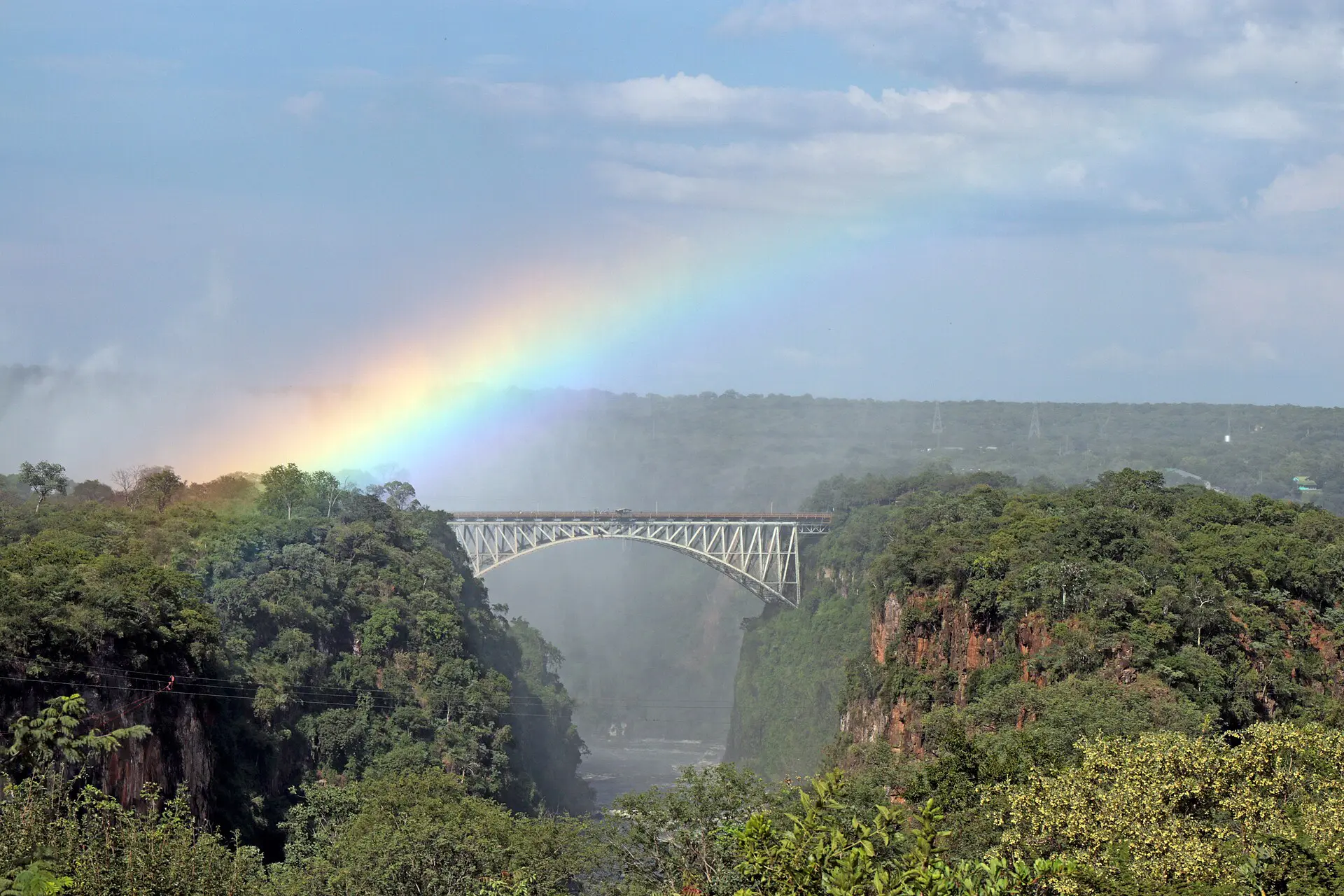
Flights are a second factor. Flights to neighbouring Livingstone in Zambia are often cheaper than to the Zimbabwean side, so compare both. If you plan to see both banks, border and visa fees add up. On recent figures, doing both sides could cost under $100 in visas, but rules change, so check before you go. For background, see the Wikipedia page on Victoria Falls and the Wikivoyage guide.
Where to pay more and where to save is straightforward. Pay more for a flexible booking in the flood months, since weather can change your plans, and for a guided Devil’s Pool visit in the low-water window, because it depends on conditions and operators. Save by choosing mid-range rooms in the rainy months, by combining activities into one day, and by travelling on weekdays when flights and transfers are cheaper.
Best time to visit Victoria Falls: FAQ
What is the cheapest month to visit Victoria Falls?
Usually between November and early February, when rains keep visitor numbers down. Expect heat, storms and some disrupted activities. Compare room rates for your dates before committing, and book a flexible rate, since weather can change your plans.
Is Victoria Falls worth visiting in the dry season?
Yes, though it looks different. You get clearer views of the cliff and gorge, and you can reach Devil’s Pool when the river is low. Water volume is lower, and by October the falls can be thin.
Which side is better, Zambia or Zimbabwe?
Zimbabwe offers the wider head-on view for much of the year, and Zambia is closer to some activities. In low water the Zambian side can be more limited for views. Many visitors do both if costs allow.
How many days do you need at Victoria Falls?
Two full days cover the falls on one side plus one paid activity. Add a third if you want both banks or a safari, since moving between countries takes time. Check current visa and border fees before you cross.