The best time to visit Quito is the dry season, June to September, with December to February a decent second choice. Quito sits at 2,850 m, so temperature barely changes through the year; rain and crowds are what vary. That makes this a pricing question as much as a weather one. The dry months cost more in flights and hotels, while the wetter months are cheaper and still workable if you plan around the afternoons.
Quito by month: the season table
Daytime highs are typically in the high teens to low 20s Celsius all year, and nights are cool. Treat the rainfall and price columns as general patterns, not forecasts.
| Months | Rain | Crowds and prices | Verdict |
|---|---|---|---|
| Jan to Feb | Moderate, often afternoon showers | Moderate; Carnival can lift prices | Good |
| Mar to May | Wettest stretch | Lowest | Best for savings |
| Jun to Aug | Driest, sunniest, breezy | Highest; northern summer travellers | Best weather, pay more |
| Sep | Dry, tapering | Falling | Best balance |
| Oct to Nov | Rain returns | Low | Cheap, flexible |
| Dec | Mixed | High around Christmas and city festivities | Busy, lively |
What changes by season in Quito
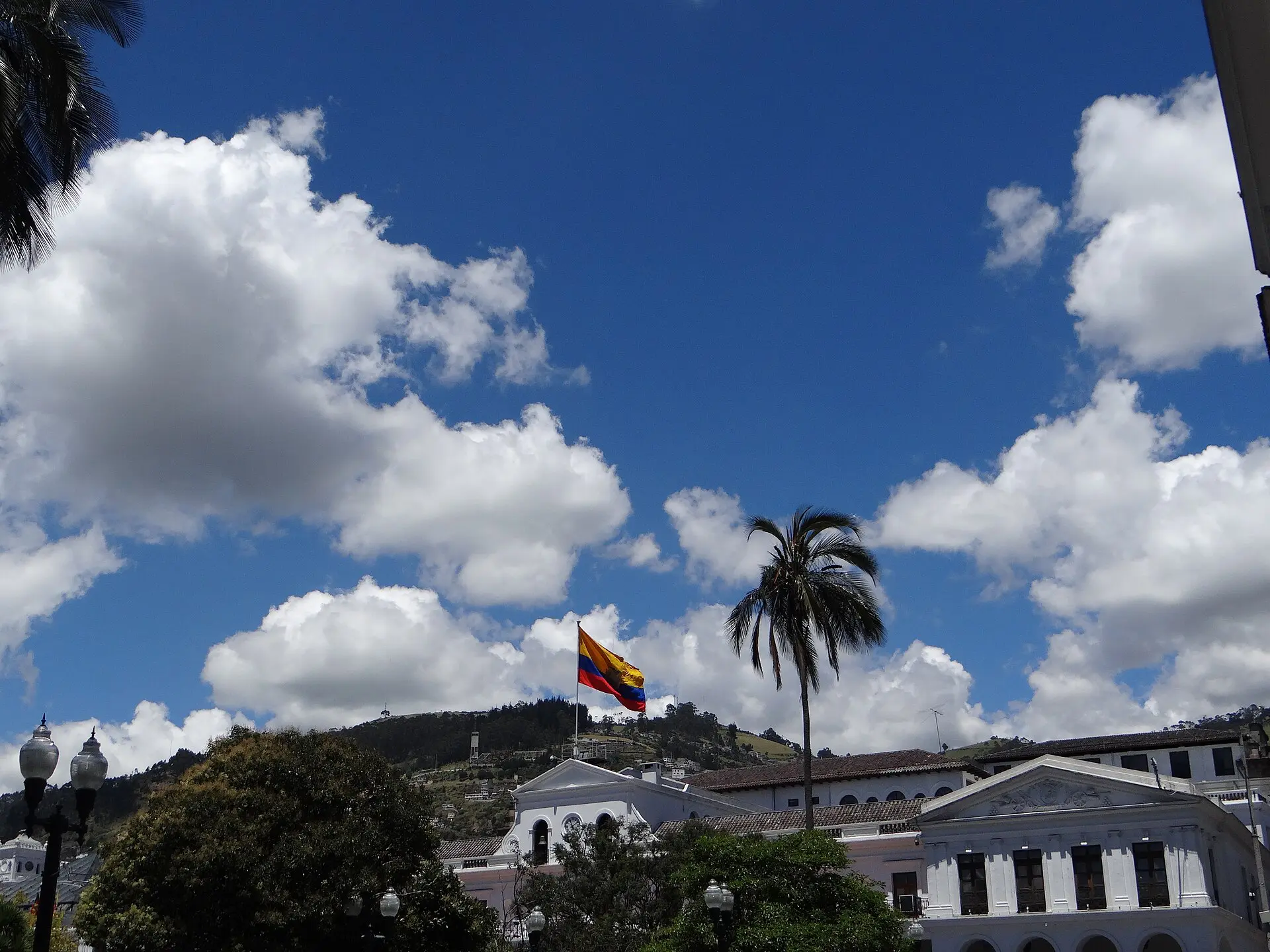
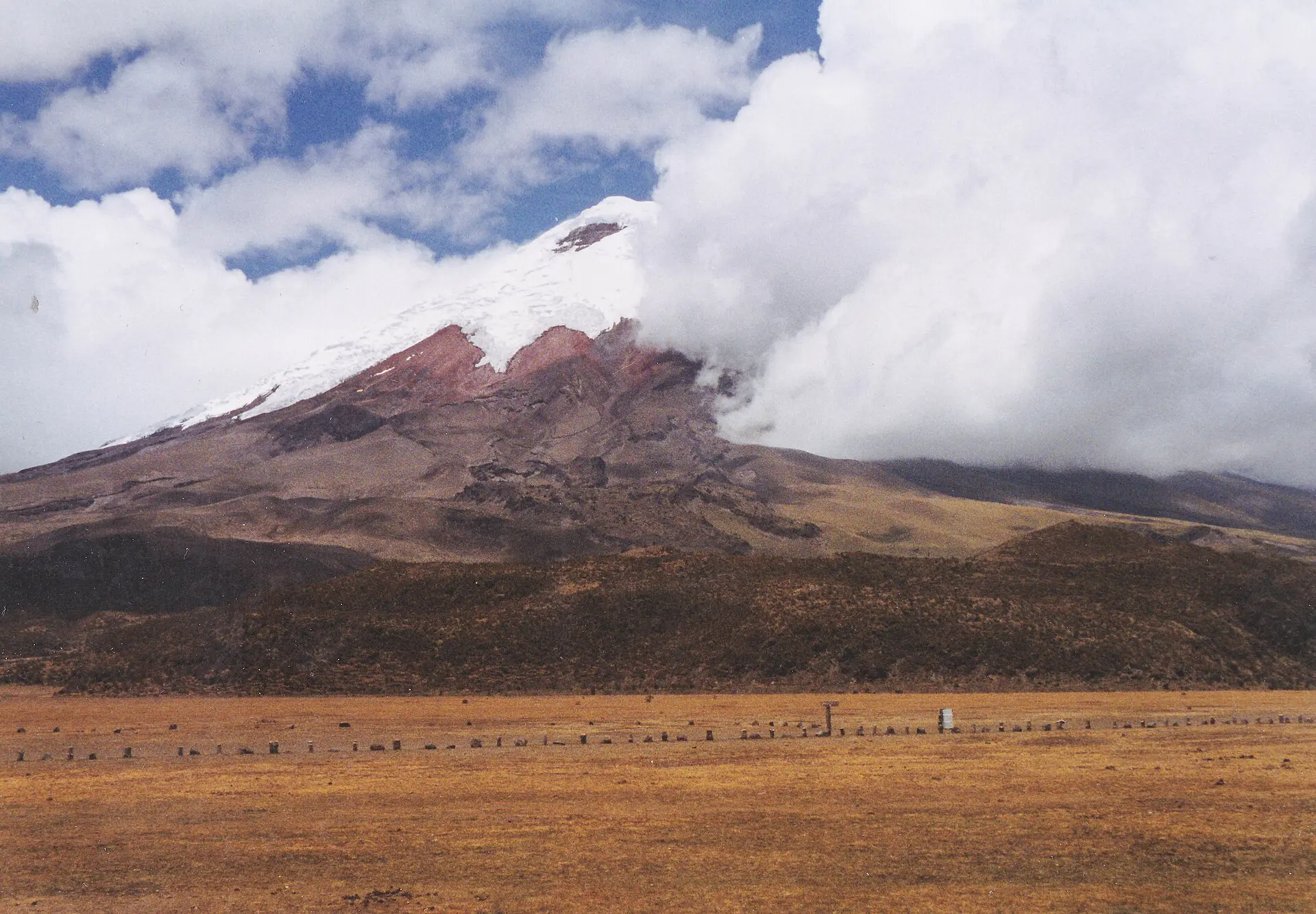
The dry season gives clear mornings, which matters because the volcano views, the Old Town skyline and the cable car are all about visibility. Skies are often bright but the wind is cooler, and the sun at this altitude is strong. Sunscreen matters even on cool days.
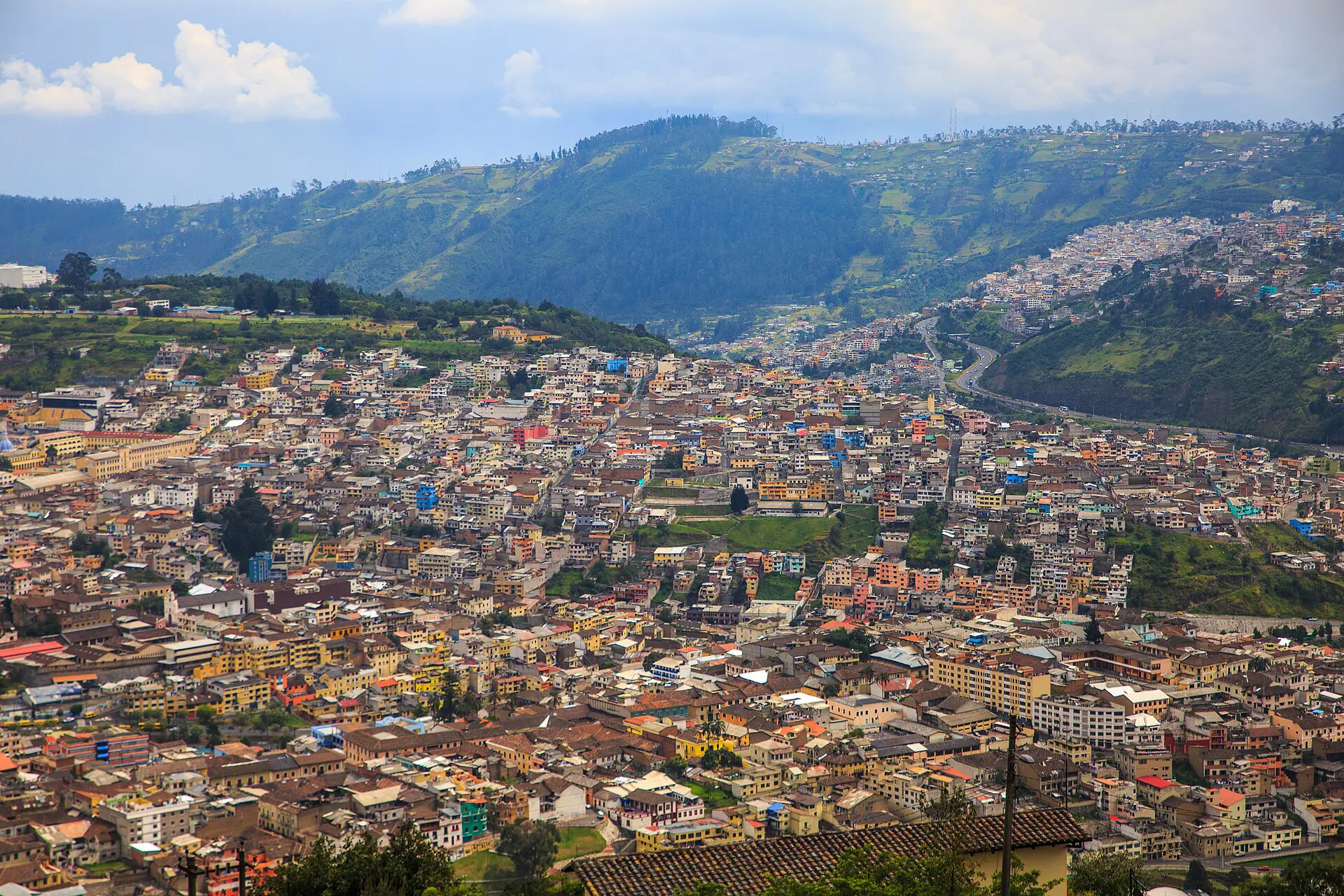
In the wetter months, rain usually arrives in the afternoon. Start sightseeing early, finish indoors and you lose little. Hotels and tour operators often discount, and fewer visitors mean shorter lines in the churches and museums of the Old Town, which the Wikivoyage Quito guide describes as among the largest and best preserved in the Americas.
A simple way to read the table: if the weather is the point, pay for June to August. If the city itself is the point, the churches, plazas and museums of the Old Town and the food, there is little reason to pay peak prices, since a rainy afternoon fits a museum visit well. Most trips fall into the second group.
Two other patterns are worth knowing. Because Quito is close to the Equator, daylight is almost the same length all year, with sunrise and sunset around 6 am and 6 pm. You never gain extra evening hours in summer, so the daily schedule barely changes by month. And the weather can shift within a single day, so a sunny morning does not guarantee a dry evening in any month.
The best window for your goal
- Best weather: July and August. Pay for the dry skies, but book months ahead.
- Best value: September, or April to May if you can accept afternoon showers.
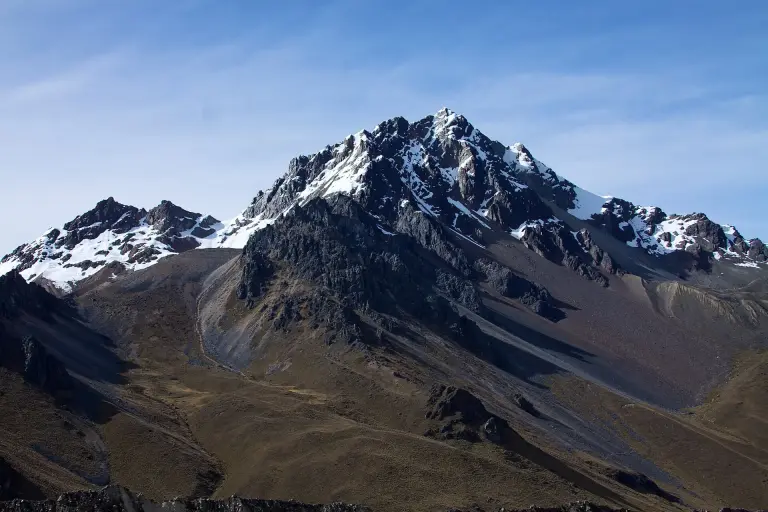
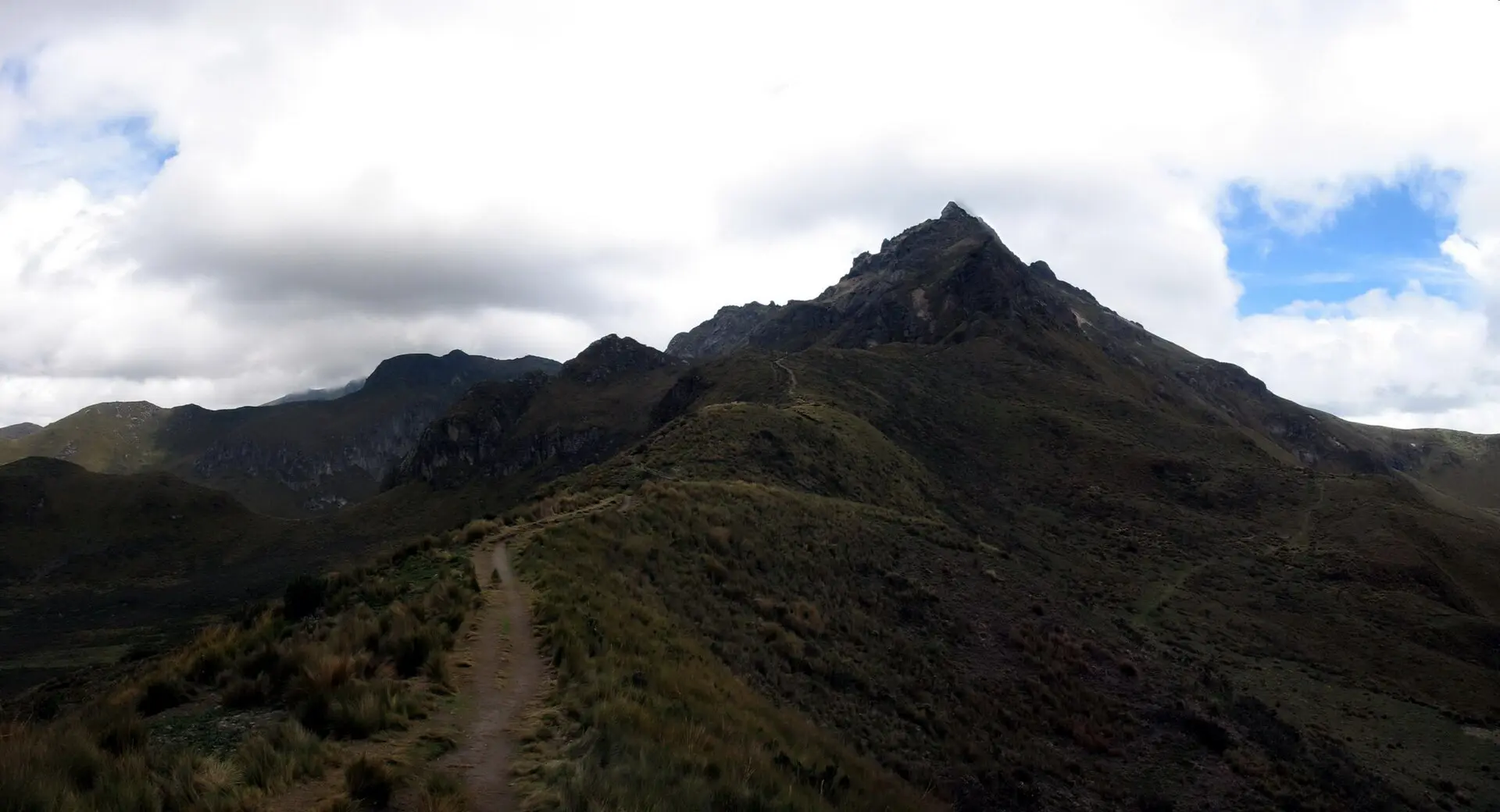
- Volcano and mountain day trips: June to September gives the best chance of clear summits, though mountain weather can turn quickly at any time of year.
- Altitude adjustment: any month. Altitude sickness is common in the first days, so allow a gentle first day and fit the strenuous plans later.
- Festivals: Holy Week processions, Carnival and the early-December founding celebrations bring crowds and atmosphere. Book early if you want these.
- Combining with the Galapagos: choose Quito dates around your flights and the islands’ own season, and check current conditions.
When to avoid Quito
Skip July to August if your budget is tight; the weather is excellent but you pay a premium for it. Skip the heart of the wet season, March to May, if you rely on clear views from the cable car or day trips to high ground. I would also avoid arriving on a long public holiday weekend if you need an open museum or tour, because many sights close or sell out. Check dates for national holidays before you fix flights.
The cost of getting this wrong is uneven. Hitting rain on a cheap trip costs you a few hours indoors. Paying peak rates for a trip where you could have flexed dates can cost 20 to 40 percent more on the hotel line, based on typical seasonal gaps, so flexibility is worth real money.
Booking and cost timing
The pay more for / save on split looks like this. Pay more for: dry-season dates in July and August, a central hotel with good heating and a flight that lands in daylight. Save on: shoulder months, a longer stay in a smaller guesthouse and rides by app rather than airport-style transfers.
Think in terms of total trip cost rather than the nightly rate. A cheaper low-season hotel can lose its advantage if you need to add taxis to avoid walking in the rain after dark, or if bad visibility makes you pay twice for a mountain trip. Build a small buffer of one spare day into a wet-season itinerary, and you keep most of the saving without the risk.
As a rough rule, book flights two to four months ahead for peak dates, and a few weeks ahead for shoulder months. Hotels fill first around Christmas, New Year and July to August. Rates and schedules change, so compare prices before committing. Background on the city and its setting is on Wikipedia’s Quito page.
FAQ about the best time to visit Quito
What is the rainy season in Quito?
The wetter period runs from about October to May, with the heaviest rain often in March to May. Showers tend to arrive in the afternoon and clear by evening, so mornings remain useful for sightseeing.
Is Quito cold?
Quito has mild days and cool nights year-round because of its altitude of 2,850 m. Bring layers, a warm jacket for evenings and sun protection. It rarely feels tropical despite sitting near the Equator.
How many days do you need to acclimatise to Quito?
Many people feel the altitude for the first one to three days. Keep the first day light, drink water, eat lightly and avoid heavy alcohol. If symptoms are severe, seek medical advice.
Is it cheaper to visit Quito in the low season?
Usually yes. Prices tend to be lower outside July to August and Christmas, and tours are easier to book at short notice. The trade-off is more rain, so keep the plan flexible and compare current rates.