
The best places to travel with kids are the ones where the trip from the airport to the bed is short, one base covers the whole stay and the day has room to drop a block. For most families that means Orlando, San Diego, the Gold Coast, a single-island Caribbean resort, the Mexican Caribbean coast, London or northern Italy. The ranking below sorts them by transfer load first and by age fit second.
How to rank the best places to travel with kids
A destination is only good for children if the adults can run it without a crisis at 4 pm. Four tests decide that, and they matter more than the attraction list.
- Transfer load: the time from landing to the first bed, and the longest single transfer on the trip. As a working cap, aim for under 90 minutes for ages 2 to 5 and under two hours for ages 6 to 11. Teenagers cope with more.
- Number of bases: one base for trips under a week, two for ten days, three at most. Every move costs a half day of energy.
- Reset options: a pool, a beach, a playground or a shaded park within a short walk of the bed, because every child needs a flat block in the middle of the day.
- Weather swaps: whether a wet or very hot afternoon still leaves two or three indoor choices.
Prices, flight times and opening hours change, so everything below is a planning range as of 2026. Check the official source for each attraction before you book.
Best places to travel with kids at a glance
| Destination | Typical transfer after landing | Bases for a week | Best ages | Stamina load | Reset block |
|---|---|---|---|---|---|
| Orlando, Florida | Short road transfer, often 20 to 40 minutes | 1 | 4 to 12 | High, with heat | Hotel pool |
| San Diego, California | Under 30 minutes from the airport to most bases | 1 | 2 to 12 | Low to medium | Beach or park |
| Gold Coast, Australia | About 30 minutes from the local airport; longer from Brisbane | 1 | 3 to 12 | Medium | Beach or resort lagoon |
| Caribbean island resort | Varies by island, often 15 to 60 minutes | 1 | 2 to 10 | Low | Pool and shallow sea |
| Mexican Caribbean coast | Often under one hour from Cancun airport to the main resort strips | 1 to 2 | 2 to 12 | Low to medium | Pool and beach |
| London, England | Around one hour by rail or taxi from the main airports | 1 | 5 to 14 | Medium to high | Royal parks |
| Milan and Bologna, Italy | Short by rail; about one hour between the two cities | 2 | 6 to 14 | Medium | City parks and piazzas |
Read the table across, not down. A low stamina load with a short transfer is the safest fit for a first trip with a child under five. A high load is fine for school-age children if the reset block is protected.

Seven places that pass the transfer test
1. Orlando: short transfers, hot afternoons
Orlando works because the airport, the theme parks and the hotels sit within one driving zone. Most stays need one base and one rental car or shuttle. The weak point is heat and queues: the parks demand long standing periods, so the plan has to protect the middle of the day.
Age and stamina note: ages 4 to 12 get the most out of the big parks, while under fours do better with a pool-heavy trip and one park day. Rest anchor: back at the hotel pool between roughly 1 and 4 pm. Tired-day fallback: a pool day with an early dinner. Read the guide to where to stay in Orlando with children before choosing an area.
2. San Diego: the low-effort default
San Diego combines a mild climate, calm beaches, a large zoo and parks, and short drives between them. It is the easiest destination on this list for a family that wants a relaxed week. Parking and weekend traffic are the usual friction points.

Age and stamina note: suits every age from toddlers upwards, because most days need only two stops. Rest anchor: beach or park after lunch. Decision point: stay near the water if the children are under six, or near the zoo and park district if they are older. The San Diego with kids guide has a day-by-day grid.
3. Gold Coast: beach first, parks second
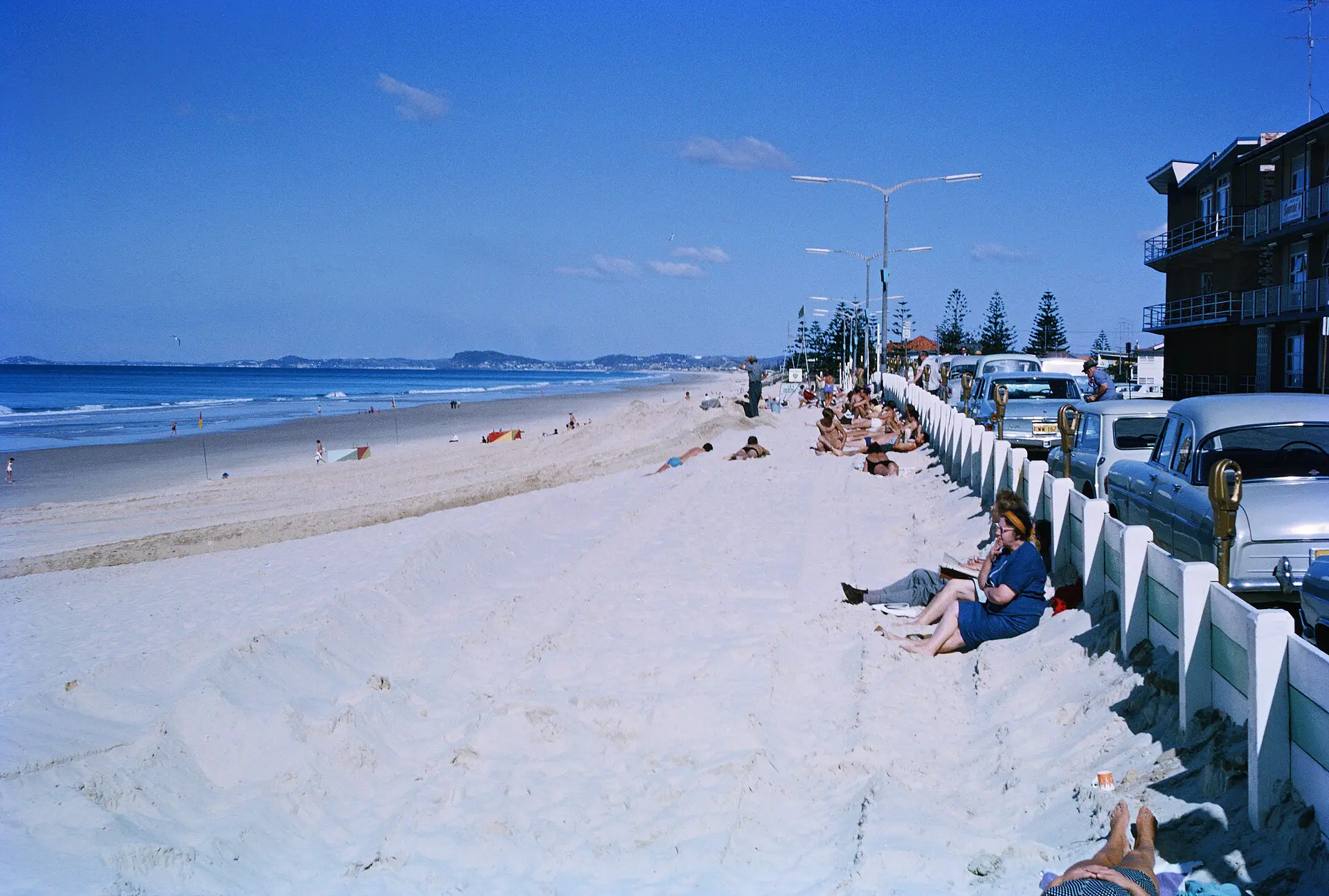
The Gold Coast offers long surf beaches, calm patrolled swimming areas, several theme parks and a strip of apartment-style accommodation. Most of it is built around families, and a kitchen in the room removes a lot of meal stress. Fly-in transfers are short if you use the local airport and longer from Brisbane.
Age and stamina note: beach days suit all ages, and the theme parks suit ages 5 and up. Safety note: swim only between the flags on patrolled beaches. Decision point: a resort base versus an apartment base, covered in the guide to choosing a Gold Coast resort by beach and theme park.
4. A Caribbean island resort: one island, one base
A resort on a single island removes almost every logistics problem, as long as you pick an island with a short airport transfer and do not try to hop between islands. Shallow water, shade and an on-site kitchen or buffet carry the trip. Hurricane season runs roughly June to November, so check the season and buy flexible bookings.
Age and stamina note: good for ages 2 to 10, and teenagers may want more to do. Rest anchor: a shaded lunch, then a pool hour. Tired-day fallback: do nothing, which is the point. The guide to which Caribbean island suits which ages compares options.
5. The Mexican Caribbean coast: a flight, then a short shuttle
The resort belt south of Cancun has direct flights from many North American cities, warm shallow water and all-inclusive options that simplify meals. The key decision is the base: a strip near the airport keeps the transfer short. Choose on transfer time, not on the photos.
Age and stamina note: works for ages 2 and up if the base is close to the airport. Decision point: all-inclusive suits families with fussy eaters and short attention spans, while a self-catering base suits families who want to explore. See choosing a Mexican coast by flight and transfer time.
6. London: a city that works if you stay central
London suits school-age children who can walk for an hour and enjoy museums, parks and river views. The transport network is good, but the city is large, so one central base and short hops matter more than seeing everything. Many major museums are free to enter, though special exhibitions and some attractions charge, so check each one.
Age and stamina note: best from about 5 up. Rest anchor: a royal park or playground after each museum block. Tired-day fallback: a river boat or a bus ride on the top deck. The four-day London itinerary with rest anchors lays out the days.
7. Milan and Bologna: Italy without the transfer marathon
Italy is often planned as a tour, which is the fastest way to exhaust children. Two northern cities linked by fast trains give the culture without the packing. Piazzas, covered arcades in Bologna and city parks provide natural rest stops.
Age and stamina note: best for ages 6 and up. Decision point: two bases of three or four nights each, not four bases of two. Start in Milan and then move to Bologna.
A pacing grid you can reuse anywhere
Whatever destination you pick, a day with children has the same skeleton. Use it to test any plan.
- Morning (8:30 to 12:00): one anchor activity, with a snack stop built in.
- Midday (12:00 to 1:30): lunch in a place with space and a quick service time.
- Afternoon (1:30 to 4:00): a rest block at the base for under sevens, or a flat activity such as a park for older children.
- Late afternoon (4:00 to 6:00): an optional second activity, which you drop if the morning ran long.
- Evening (6:00 onwards): an early dinner, because tired children reach the end of their patience at around 7.
Cap the transfer at one per day, and no more than two travel days in a week.
Common mistakes when choosing where to go
- Counting attractions, not hours: a list of ten sights is a list of ten transfers. Count minutes.
- Stacking bases: four bases in ten days means four unpackings and four tired afternoons.
- Booking the long-haul first night with a long drive after landing: arrive near your first bed, even if it costs more.
- Ignoring season: midsummer heat in Florida and Southern Europe, and hurricane risk in the Caribbean, change what a day can hold.
- Planning for the child you imagine: plan for the child who is tired, hungry or hot, because that is the one who arrives.
What to verify before you book
Because the facts here move, confirm these items with the official sources before paying anything.

- Entry rules and passport validity for every traveller, including children, as of your travel date.
- Opening days and timed-entry requirements for each major attraction.
- Height or age limits on rides and activities, which vary by operator.
- Airline rules on child fares, seats and baggage, and the transfer time from your exact arrival airport.
- Whether your accommodation has a kitchen, a cot and a late-arrival option.
Where to go next
If a city appeals most, start with the three-day pacing grid for Chicago with children. For a trip that is mostly a resort stay, weigh the costs of packages against self-planned trips before you book.

FAQ about the best places to travel with kids
What is the easiest place to travel with kids for the first time?
Choose a place with one base, a short airport transfer and a pool or beach for the middle of the day. San Diego, an Orlando hotel with a pool and a Caribbean resort on a single island all fit. Avoid multi-stop tours until the children are older and used to travelling.
What age is best to travel with kids?
There is no ideal age, only a better fit. Ages 2 to 5 suit slow beach and resort trips. Ages 6 to 11 can handle theme parks, museums and short train rides. Teenagers handle longer days, and often want more independence or a challenge such as surfing, cycling or a city with food markets.
How long should a family flight be?
Many families keep the first trips to under four hours in the air, then stretch as children grow. Total door-to-door time matters more than flight time, including the airport, the transfer and a late arrival. Plan the first night as a rest, not an outing.
Is it better to stay in a resort or a city with children?
A resort lowers the planning load and gives a built-in rest block, so it suits children under six. A city offers more variety but needs more transfers, so it suits ages 6 and up. A mixed trip with three nights in each can work, as long as the move between them is short.
How many days do you need for a family trip?
Plan five to seven nights for a single base, and add a spare day for jet lag if you cross more than three time zones. For a ten-day trip, use two bases. A third base only works if the move between each pair is under two hours.





