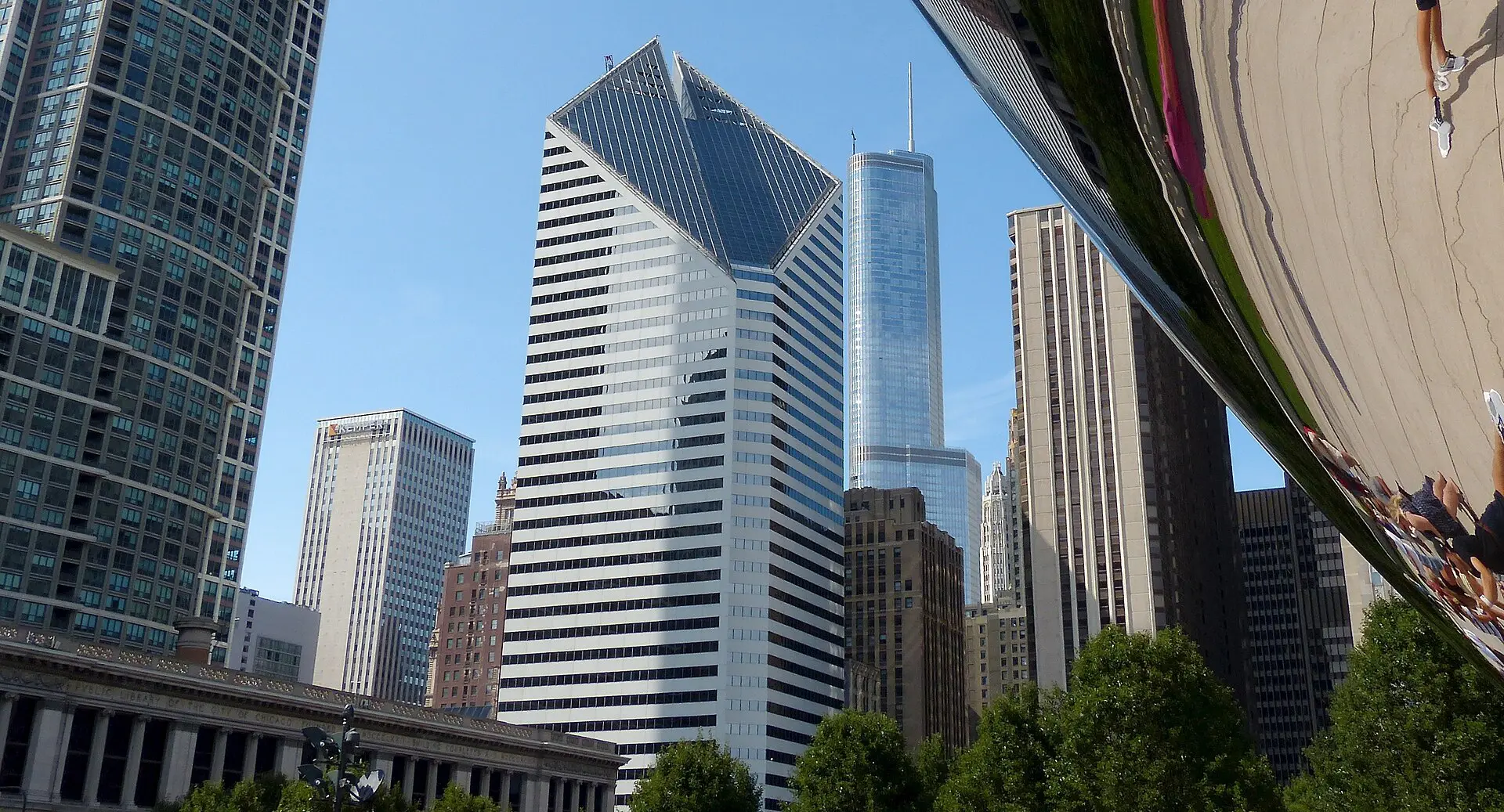
The best things to do in Chicago with kids are the lakefront parks, Lincoln Park Zoo, the big museums on the lake, an architecture river cruise and Navy Pier, spread over three days with one anchor each. Chicago is flat, easy by train and full of free green space, so a day with two stops and a playground works well. The plan below gives eight stops with stamina notes and a swap for every day.
Is Chicago good with kids?
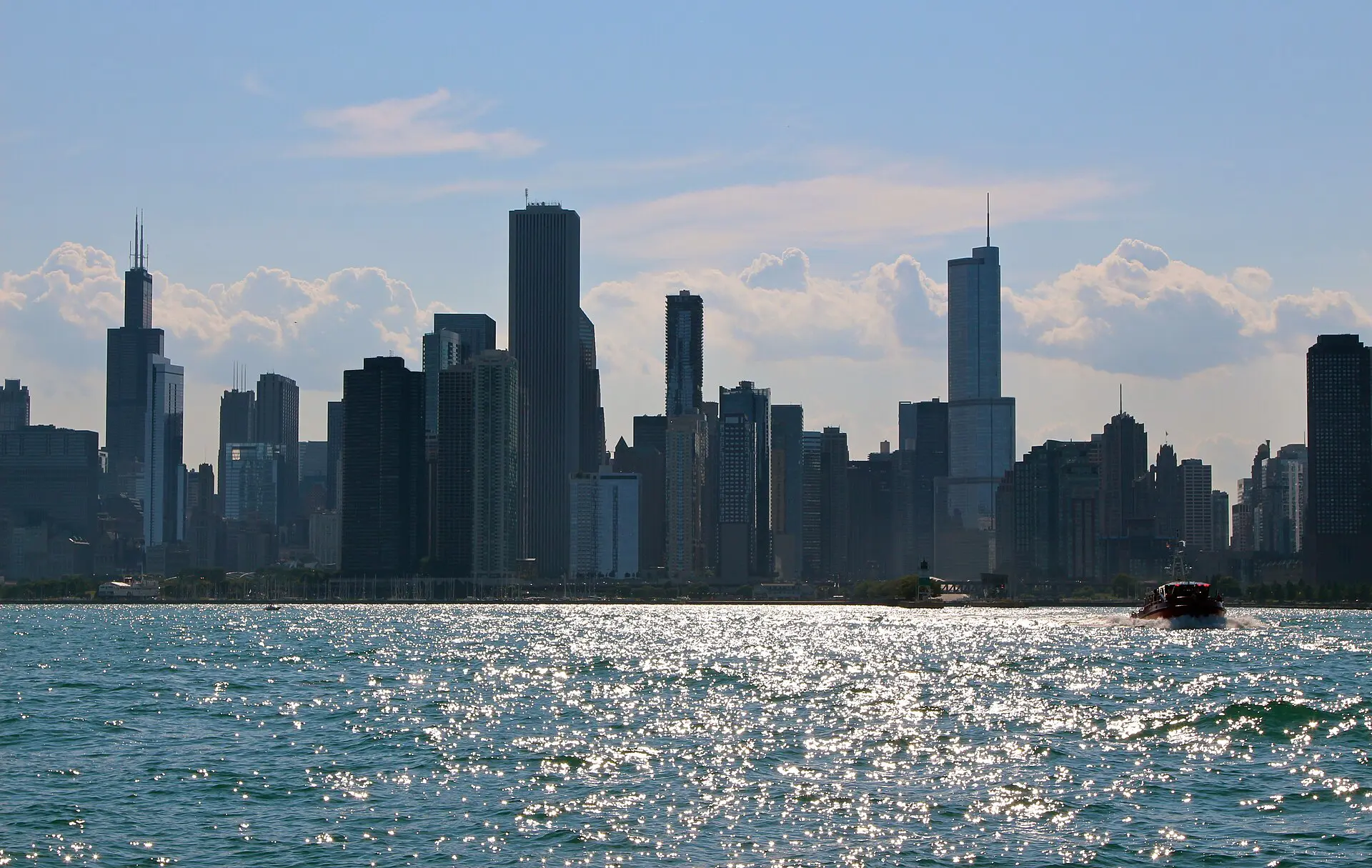
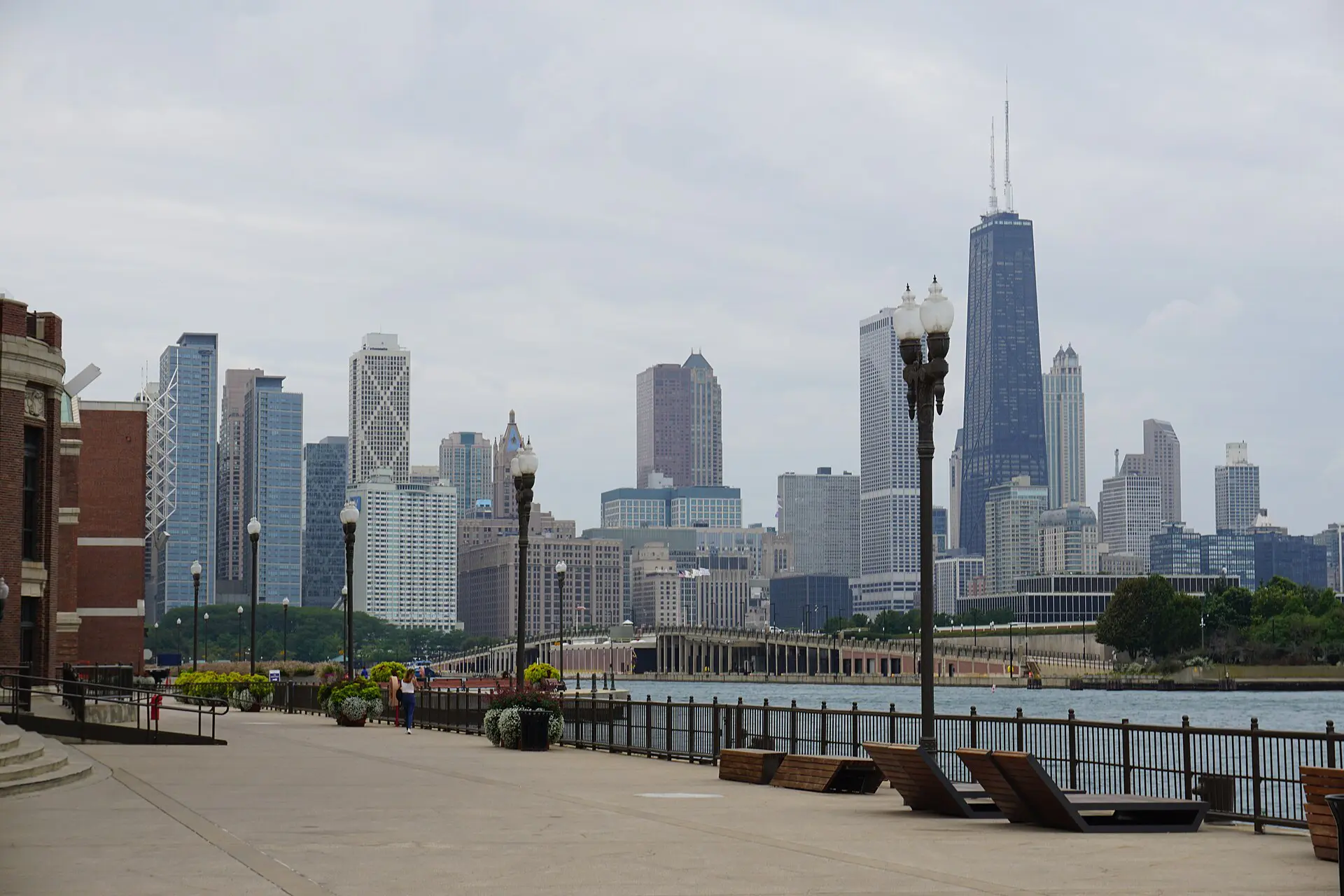
Yes, and the list of things to do in Chicago with kids is longest for school-age children. The city has large museums, a long lakefront with beaches and bike paths, and parks with playgrounds on almost every block. It is also walkable in the centre and has a train network that reaches the main sights. Wikivoyage’s Chicago guide sets out the districts and the transport.
| Age | Verdict | What works | Stamina note |
|---|---|---|---|
| Under 3 | Fine with a stroller | Parks, zoo, fountains, short museum visits | One stop a day, with a nap |
| 3 to 6 | Very good | Zoo, children’s museum, beach, boat ride | Two stops, a rest after lunch |
| 7 to 12 | Excellent | Science, natural history, architecture cruise, observation decks | Two to three stops, with a flat block |
| 13 and up | Very good | Neighbourhood walks, bike rides, food markets, views | Flexible, with later starts |
Best time to visit Chicago with children
Late May to September gives the beaches, outdoor festivals and long evenings, but July and August can be hot and humid. June and September are often the most comfortable months, with lighter crowds after the school holidays start to settle. October is cooler and good for museums and parks.
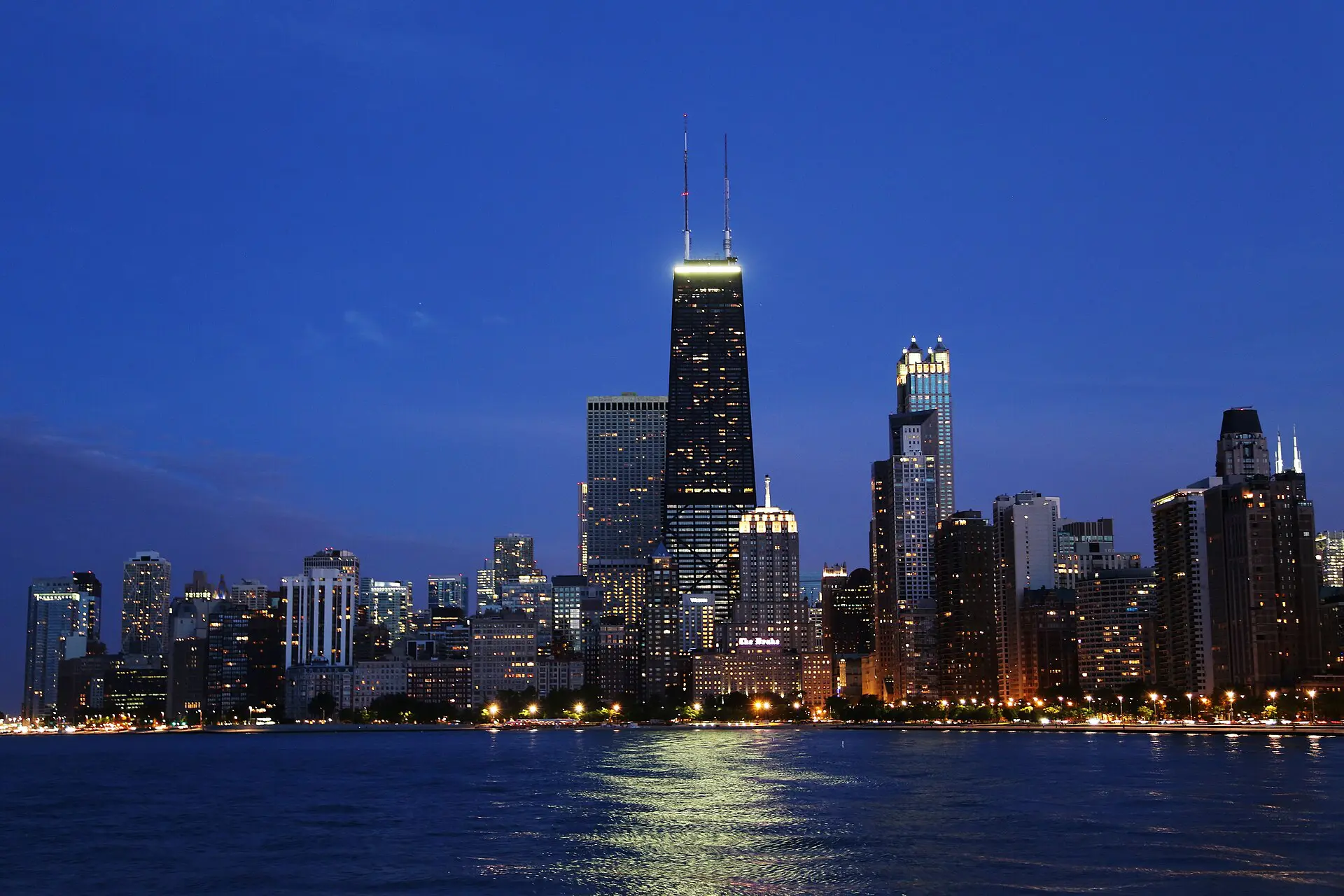
Winters are cold and windy, and a lakefront walk can feel harsh with small children. Winter suits museums, the zoo in short visits and indoor play, and hotel rates are usually lower outside the holidays. Check the forecast the night before, and keep a dry plan ready for every day.
A 3-day Chicago plan with kids
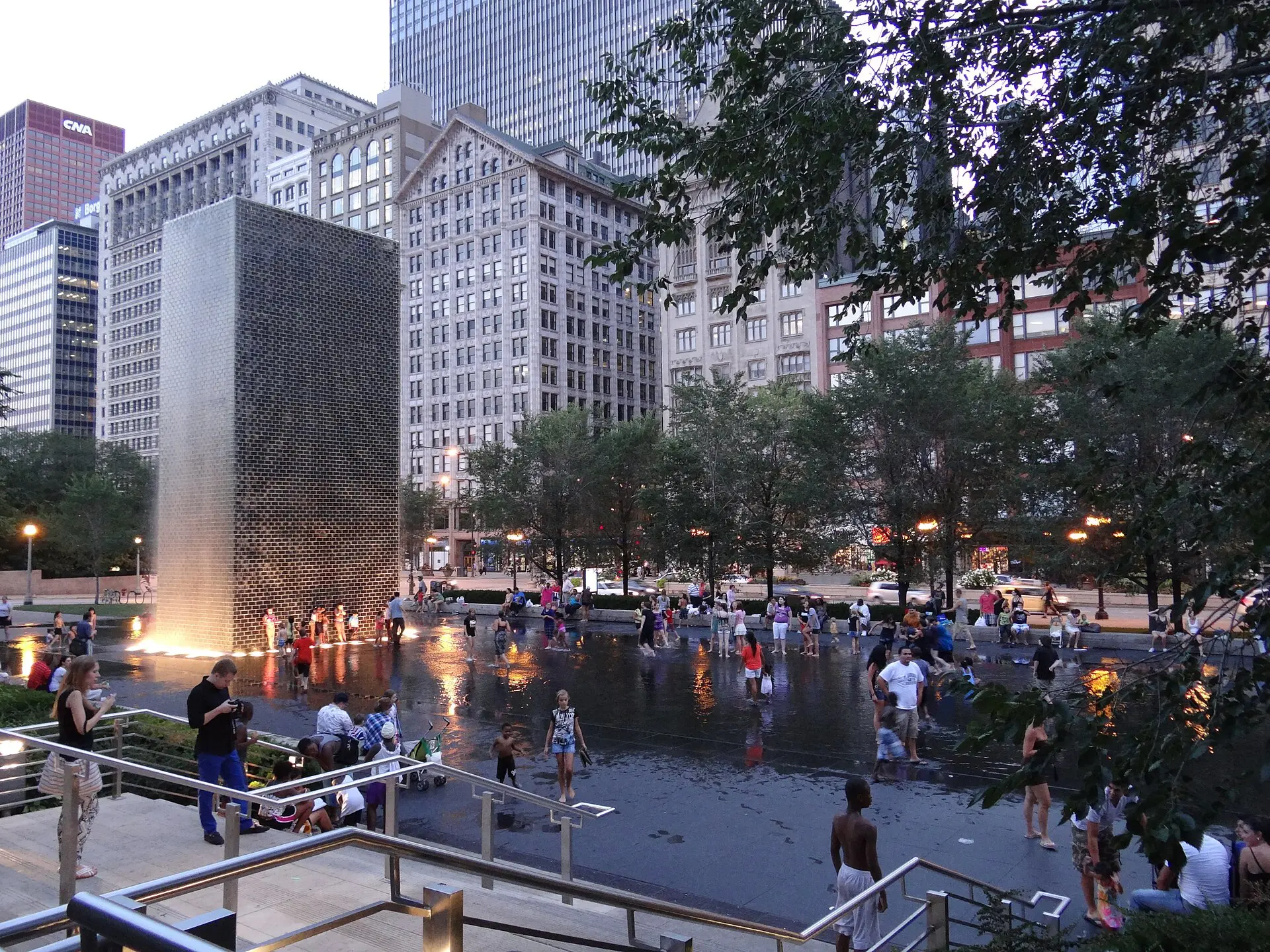
- Day 1, the lakefront: Millennium Park in the morning, with Cloud Gate and the Crown Fountain, then lunch and a rest. In the afternoon, Maggie Daley Park for the playground. Rest anchor: an hour at the hotel from about 1:30. Rainy-day swap: an Art Institute visit in place of the playground, kept to 90 minutes.
- Day 2, the museum campus: choose one of the Field Museum, Shedd Aquarium or Adler Planetarium, and go on the opening morning. Add a lakefront walk in the afternoon. Rest anchor: a picnic by the water at noon. Rainy-day swap: a second museum on the same campus, with no outdoor walk.
- Day 3, the zoo and the river: Lincoln Park Zoo in the morning, then a short architecture river cruise in the afternoon. Rest anchor: a break in Lincoln Park between the two. Rainy-day swap: the Lincoln Park Conservatory, or a museum such as the Museum of Science and Industry.
The transfer cap is 40 minutes between stops, and public transport or a short taxi covers most of it. Move one block to the next day if a child needs a quiet morning.
Top things to do in Chicago with kids
1. Millennium Park and Cloud Gate
The mirrored sculpture nicknamed the Bean is a quick, free stop, and the Crown Fountain next door lets children wade in summer. Allow 60 to 90 minutes. Age and stamina: all ages, with a stroller if needed. Go early to avoid crowds, and bring a change of clothes in the warm months.
2. Maggie Daley Park
This lakefront park has climbing structures, a play garden and, in cold months, an ice-skating ribbon. It is a good reset block after a museum. Age and stamina: best for ages 3 to 10. Check the park’s website for seasonal opening and ice conditions before you go, and allow an hour.
3. Lincoln Park Zoo
The zoo sits within a large park north of the Loop and has free general admission, which makes it a good budget choice. The paths are flat and suit strollers, and the buildings give shelter. Age and stamina: every age, with one to three hours. Check for timed-entry rules and any charged exhibits before you go.
4. Shedd Aquarium
The aquarium holds a wide range of marine species, and the dim galleries are calm for children who tire of bright, loud places. Queues can be long at weekends and school holidays, so book timed tickets and arrive at opening. Age and stamina: ages 3 and up, with a break at the cafe. Allow two to three hours.

5. Field Museum
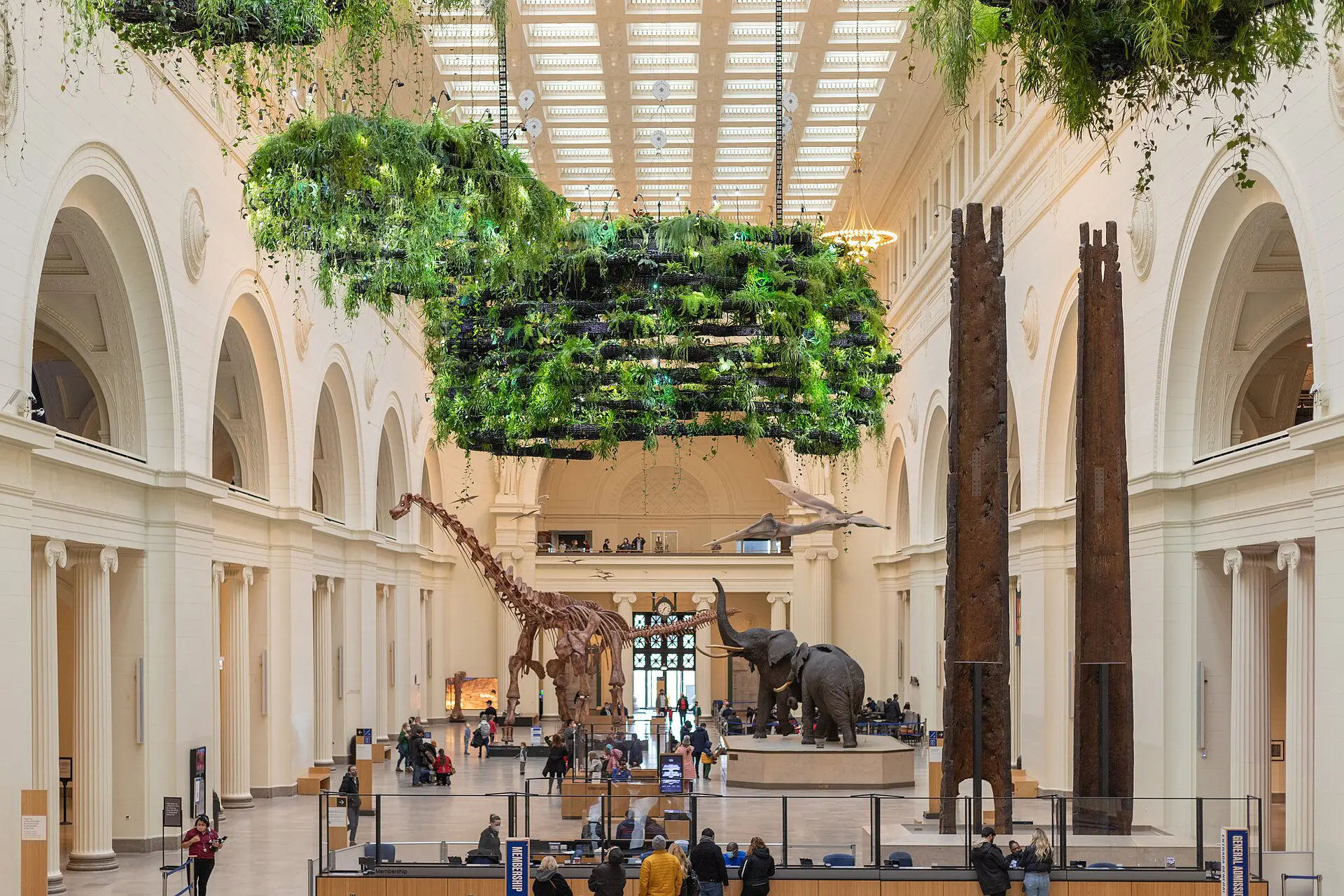
The natural history museum is known for its dinosaur skeleton and large halls, and it is one of the easiest places to spend a rainy morning. Pick two or three galleries and leave the rest. Age and stamina: ages 5 and up, and younger children with a plan to leave early. Allow two to three hours.
6. Museum of Science and Industry
This large museum in Hyde Park is hands-on and suits children from about 6. It is a short ride south of the centre, so make it the main plan for the day. Age and stamina: choose two exhibits and one break, since the museum is big and can overwhelm a small child. Check ticket rules and any extra-cost exhibits first.
7. A Chicago architecture river cruise
A boat tour on the river runs between the high-rises and gives children something to look at without walking. Tours are usually about 75 to 90 minutes, and sailings run in warmer months, so check the season. Age and stamina: ages 5 and up, because of the length of the commentary. Bring a layer, because wind on the water is cool even in summer.
8. Navy Pier
The pier has a Ferris wheel, rides, a children’s museum and lake views. It is busy and commercial, and the rides cost extra, so treat it as a single short visit. Age and stamina: good for ages 3 to 12, and fireworks nights run late, so check the schedule. I would use it for one afternoon only.
Where to stay in Chicago with kids
- The Loop and River North: central, with train access and many hotels. Best for families who want a short walk to Millennium Park and the river.
- Streeterville and the Magnificent Mile: close to Navy Pier and the lakefront, with larger rooms in some hotels. Best for a first visit.
- Lincoln Park: quieter and residential, near the zoo and the lake. Best for families who prefer an apartment or a calm base.
Choose a hotel with a family room or a kitchenette, and check for a pool if the trip falls in hot months. The Chicago location guide covers the city beyond family stops, and for background see Wikipedia’s Chicago article.
Getting around Chicago with children
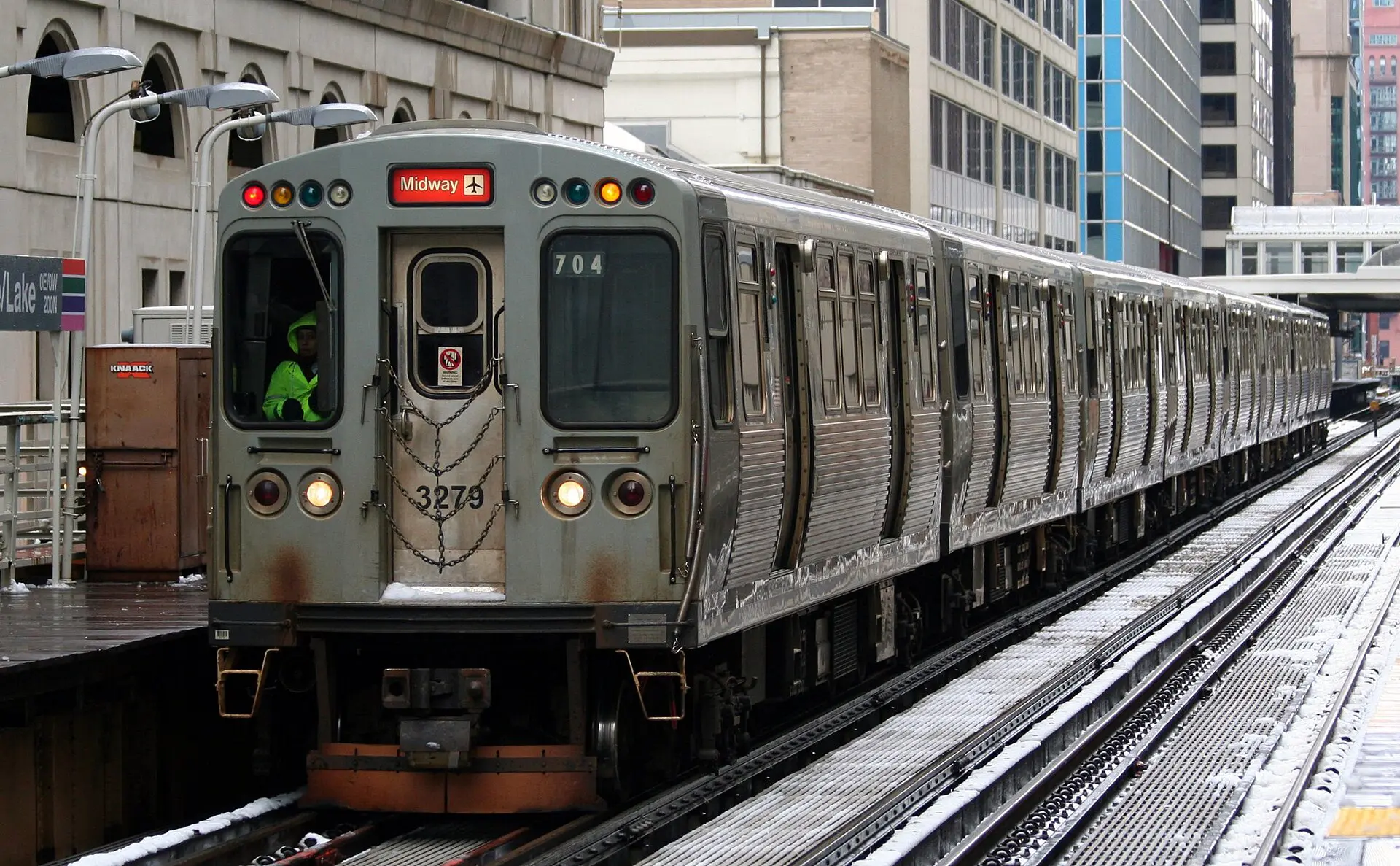
The city’s elevated and subway trains, known as the L, connect the airports and the centre, and buses fill the gaps. Many children under a certain age travel free on public transport, but check the current rules. Taxis and ride-hailing are simple for tired days. Strollers are easy on the lakefront and in parks, and harder on crowded trains at peak times.
The lakefront path is good for walking or renting bikes in the warm months. Cap daily travel time at about an hour in total, including waits.
Food and rest anchors by type
- Breakfast: a diner or bakery near the hotel, so the first stop starts by 9:30.
- Lunch: a food hall or museum cafe, which avoids long waits and offers choice.
- Snack: a park stand or bakery, with water in the bag for every outing.
- Dinner: a pizza place or casual restaurant by about 6, before tired children lose patience.
Chicago is known for deep-dish pizza, which can take 40 minutes or more to bake, so order a starter, or choose a thin-crust place on a tired day.
Rainy-day things to do in Chicago with kids
A wet or freezing day is a museum day. Pick the Field Museum, the Museum of Science and Industry or the Shedd Aquarium and book the opening slot. Add a long lunch and a rest at the hotel, then a short evening outing if the weather clears. The Lincoln Park Conservatory and Garfield Park Conservatory are warm, calm indoor options.
What things to do in Chicago with kids cost
Costs change by season, so these are rough ranges as of 2026 and exclude flights. Expect hotels to be the largest item, and big museums, aquariums and cruises to charge per ticket, with child discounts that vary. Lincoln Park Zoo and the parks cost little to enter.
- Budget: about US$250 to US$400 a day for a family of four, using a kitchenette, free parks and one paid ticket.
- Mid-range: about US$450 to US$700, with a central hotel, two paid attractions a day and some restaurant meals.
A multi-attraction pass can save money if you plan three or more paid visits, but compare the list and the price before you buy.
FAQ about Chicago with kids
How many days do you need in Chicago with kids?
Three days covers the main things to do in Chicago with kids at a calm pace: a lakefront day, a museum day and a zoo and river day. Four days adds a spare or rainy day, or a trip to a beach. With toddlers, plan two stops per day at most.
What is the best age to visit Chicago with kids?
Ages 5 to 12 get the most from the museums and the architecture cruise. Younger children enjoy the zoo, the fountain and the playgrounds. Teenagers like the skyline views, food markets and bike rides. Every age works if the day is short.
Is Chicago walkable with a stroller?
The centre, the lakefront and the parks are flat and suit strollers. Some train stations have stairs or lifts that are out of service, so check before you travel. Use buses or taxis if the station access is uncertain, and carry a light folding stroller.
Where should families stay in Chicago?
Streeterville and the Loop are the easiest for a first visit because of the lakefront and trains. Lincoln Park suits a calmer stay near the zoo. Choose a room with space for everyone, and a lift if you travel with a stroller or small luggage.
Is Chicago too cold for kids in winter?
It can be very cold and windy, but indoor sights keep a winter trip viable. Plan museum days, the zoo in short visits and warm lunches, and dress in layers. Check the forecast each evening and keep a spare hour in the day. More on the country is on the United States guide.