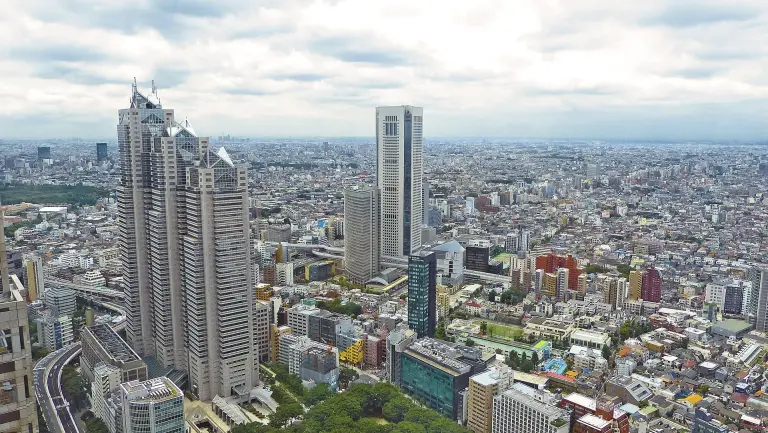
The best places to travel solo are the ones where arriving is easy, transport runs late enough to get you home, and meeting people takes little effort. For a first trip, that usually means Japan, Portugal, the Netherlands, Costa Rica or Canada’s Rockies. Below: how I rank them, a comparison table, and for each place where to sleep, how to arrive and what to do after dark.
How to choose the best places to travel solo
“Best” depends on the trip you are taking, so this list uses four practical criteria instead of a vibe. Each one removes a specific kind of stress.
- Arrival ease: a clear train or bus link from the airport, signs in English, and a reasonable chance of landing before dark.
- Night transit: metros, trams or reliable ride-hailing that run late enough to get you home from dinner without a long walk.
- Social infrastructure: hostels with common rooms, walking tours, cooking classes and day trips where company is built in.
- Cost and solo supplement: how much a private room, a single seat on a tour or a meal for one costs compared with sharing.
Nothing here is a guarantee. Conditions change, so treat the list as a shortlist and check your government’s current travel advice before you book.
Best places to travel solo at a glance
| Place | Arrival | Night transit | Meeting people | Budget (hedged) |
|---|---|---|---|---|
| Tokyo and Kyoto | Very easy, trains from the airports | Trains stop around midnight, taxis after | Medium: hostels, food tours | Mid to high, cheap eating |
| Lisbon | Very easy, metro from the airport | Good until late, ride-hailing after | High: hostels, walking tours | Low to mid |
| Amsterdam | Very easy, direct train | Trams and night buses | Medium | High for rooms |
| Costa Rica | Easy, but plan transfers | Limited, use shuttles and taxis | High: shared tours and surf camps | Mid |
| Mexico City | Easy, metro and ride-hailing | Ride-hailing door to door | High: classes, tours, hostels | Low to mid |
| Banff, Canada | Easy, airport shuttle from Calgary | Small town, quiet nights | Medium: hostels, group hikes | High in summer |
| Barcelona | Very easy, train and metro | Metro runs late at weekends | High: social hostels | Mid |
Prices and timetables shift by season, so read the ranges as a ranking, not a quote.
Seven easy places to travel solo, one by one
1. Japan: Tokyo and Kyoto
Arrival card: from either Tokyo airport, express trains take roughly 35 to 60 minutes to the centre. They stop running around midnight, so land before about 9pm or budget for a taxi.
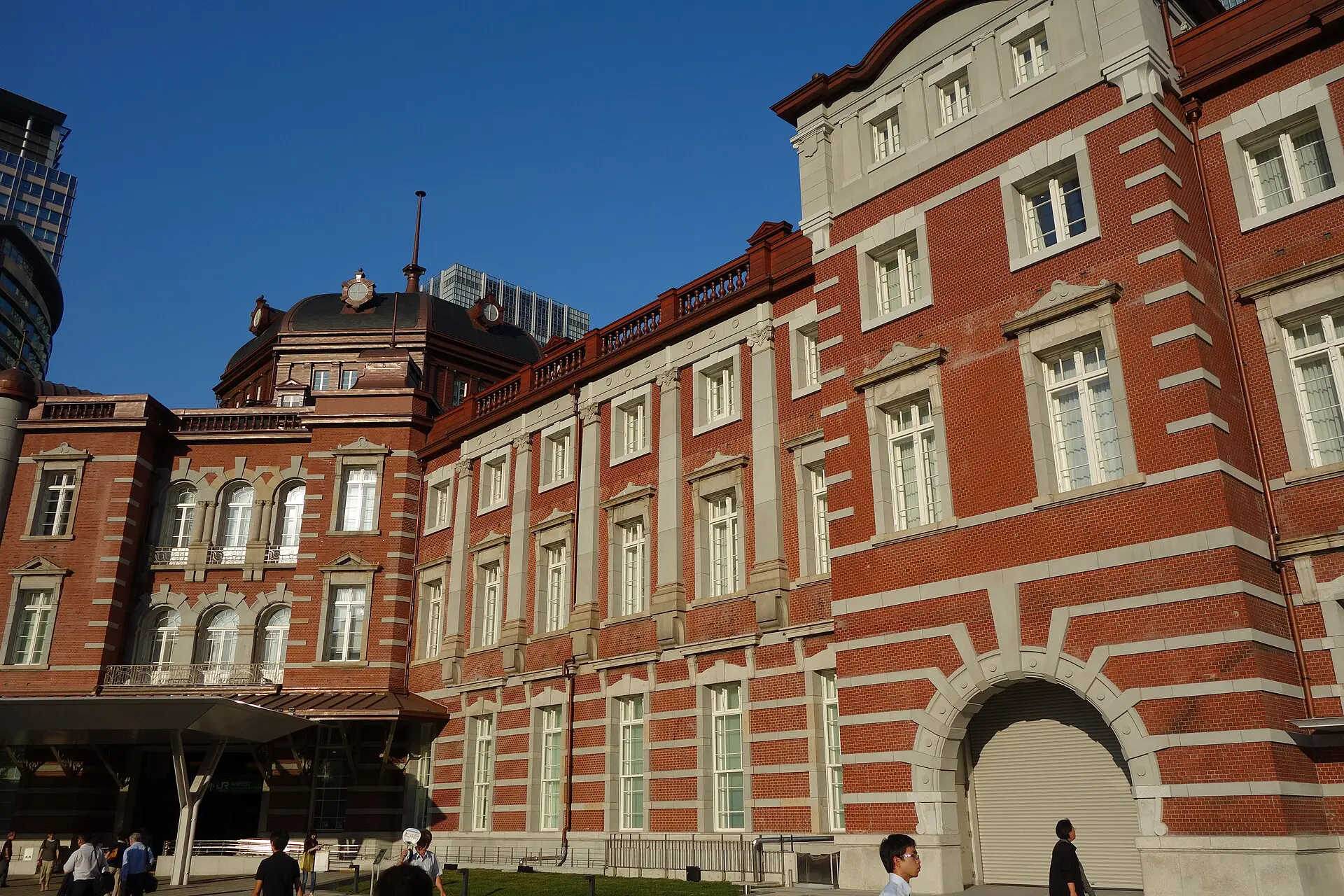
Japan is the classic gentle start. Trains are punctual, signs have English, and eating alone is normal. Sleep near a major station so your first and last walks are short, and see where to stay in Tokyo for the area-by-area breakdown. Meet people through hostel common rooms or a small food tour. Eating at a counter or ticket-machine ramen shop alone is completely normal, which removes a common worry. After dark, stay on the lit station-side streets and plan your last train.
2. Portugal: Lisbon
Arrival card: the airport is only a few kilometres from the centre, so even a late landing is manageable by metro or ride-hailing. Aim for an arrival before 10pm and pre-book the first night.
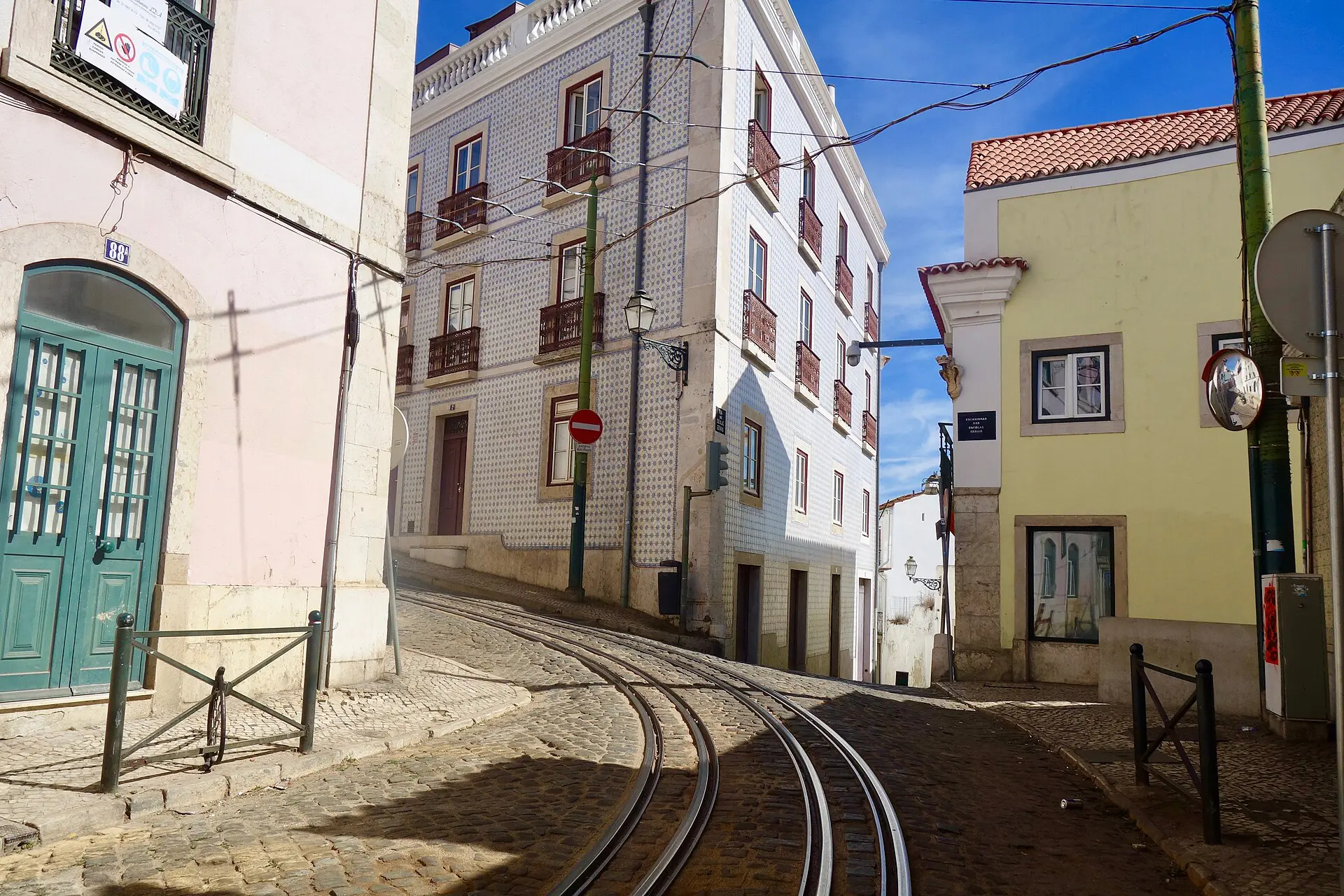
Lisbon combines a short airport ride, hills you can walk by day and one of the easiest hostel scenes in Europe. Many hostels run family dinners and walking tours, which makes the first evening simple, and the fado and viewpoint evenings are easy to enjoy in a group of three or four. Sleep in a central, flat-ish district, because the steep streets are tiring with a bag. Read where to stay in Lisbon before booking.
3. The Netherlands: Amsterdam
Arrival card: trains from Schiphol run frequently and take about 15 to 20 minutes, which makes this one of the easiest night arrivals in Europe. Buy the ticket inside the station, not from a stranger.
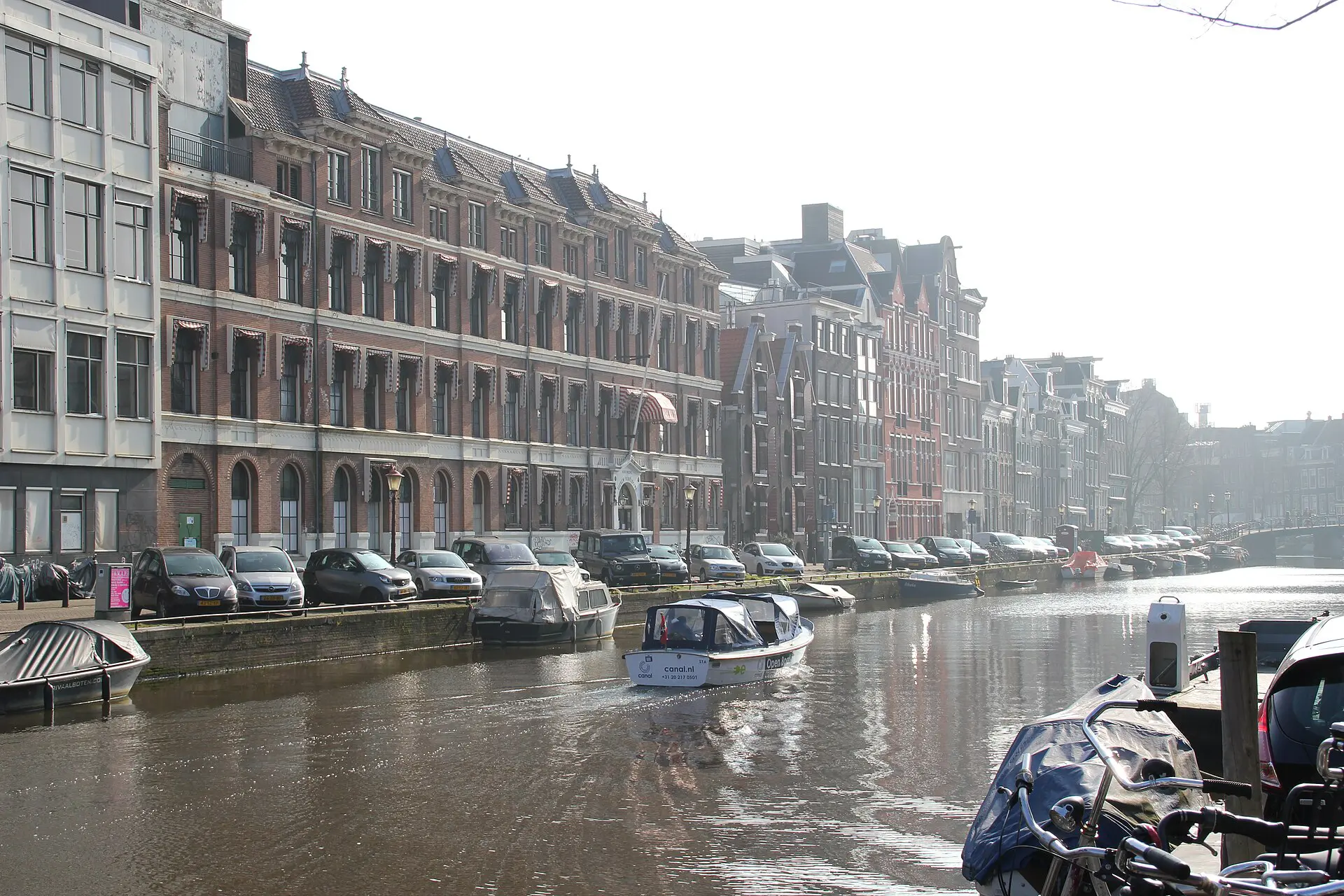
Amsterdam is small, flat and fast to leave, with a direct train from the airport to the centre. English is widely spoken, which lowers friction on a first solo trip. The trade-off is price: rooms cost more than in southern Europe, so a hostel or a small guesthouse is the solo-friendly option. Cycle lanes are busy, so learn the rules before you hire a bike. After dark, central streets stay busy and tram stops are well lit, so evenings are easy to enjoy alone.
4. Costa Rica
Arrival card: land in daylight if you can. Roads are slow after dark, and many shuttles stop running in the evening. Pre-book a transfer for the first leg and keep the driver’s details.

Costa Rica works because tourism is organised around shared transport and group activities. Shuttles link the main bases, and surf schools, canopy tours and wildlife walks put you with other people by default. Night transit is thinner, so pick a base within walking distance of dinner and book the shuttle in advance. Many solo travellers stay in a small social hostel or guesthouse near the main square of a town, which gives them dinner company. See where to stay in Costa Rica for the regions.
5. Mexico City
Arrival card: use an official airport taxi booth or a ride-hailing pickup point, and confirm the plate before you get in. A daytime landing means traffic but fewer decisions.
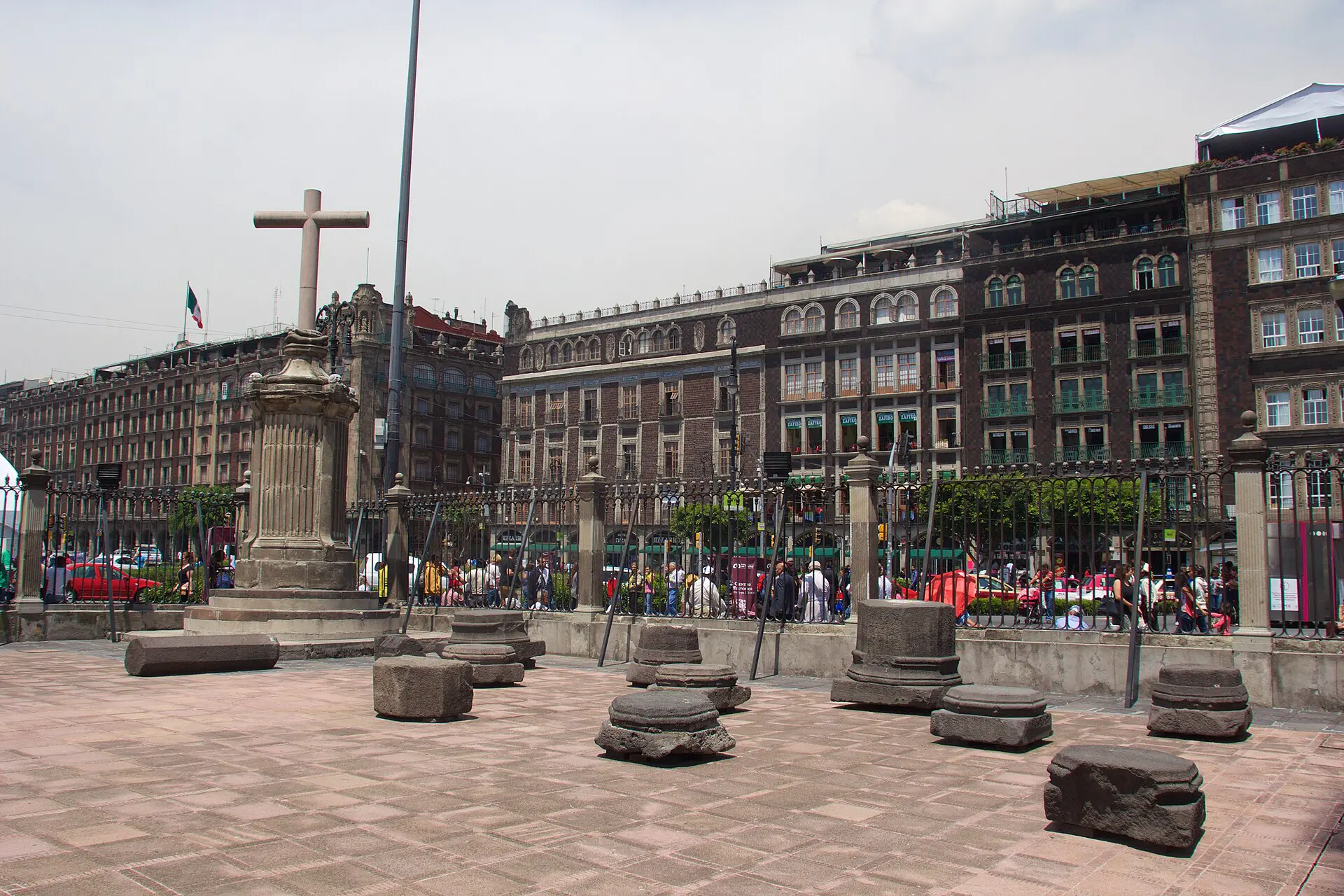
Mexico City is large and rewards a base in a walkable, busy neighbourhood. Ride-hailing, ordered from inside your accommodation, handles night transit. Cooking classes, street-food tours and language exchanges are strong social entry points. Do not walk long distances alone late at night, and let your host know where you are headed. Sleep in a busy, central neighbourhood with lots of restaurants, and ask your host which streets they would avoid after dark.
6. Banff, Canada
Arrival card: most people fly into Calgary and take a shuttle of roughly 90 minutes to Banff. Book it ahead, since schedules thin out in the off-season.
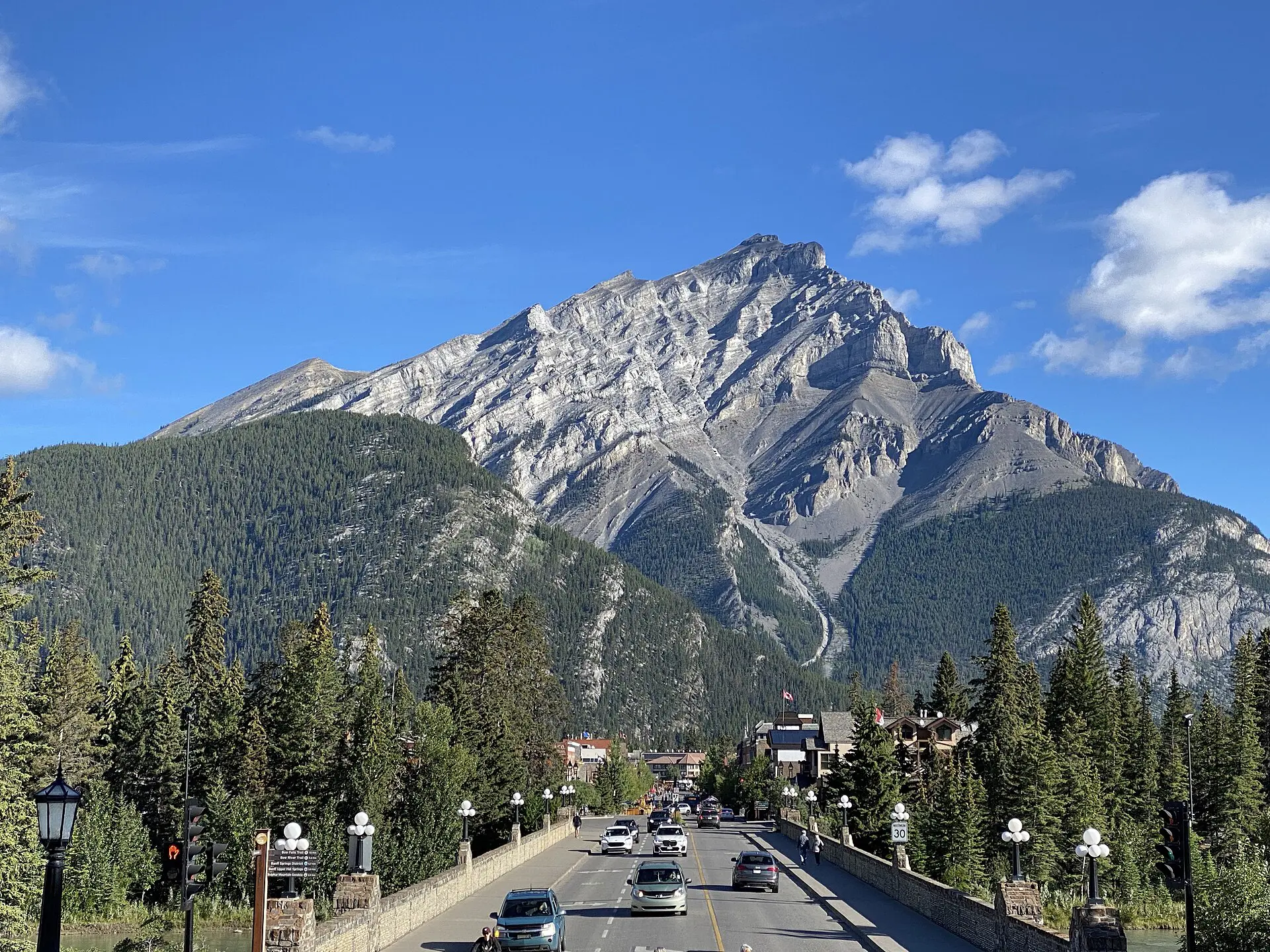
Banff is the easiest outdoor trip: a compact town, marked trails, shuttles to the main lakes and hostels that organise group hikes. Nights are quiet, so this is a place to rest, not to go out. Sleep in town rather than at a remote lodge so you can walk to dinner, and join a guided hike on day two if you want company on the trail. Book summer rooms months ahead, and check trail and wildlife notices before every hike.
7. Spain: Barcelona
Arrival card: airport trains and an airport bus both reach the centre in about 30 to 40 minutes. Late arrivals are fine, but go straight to your pre-booked bed.
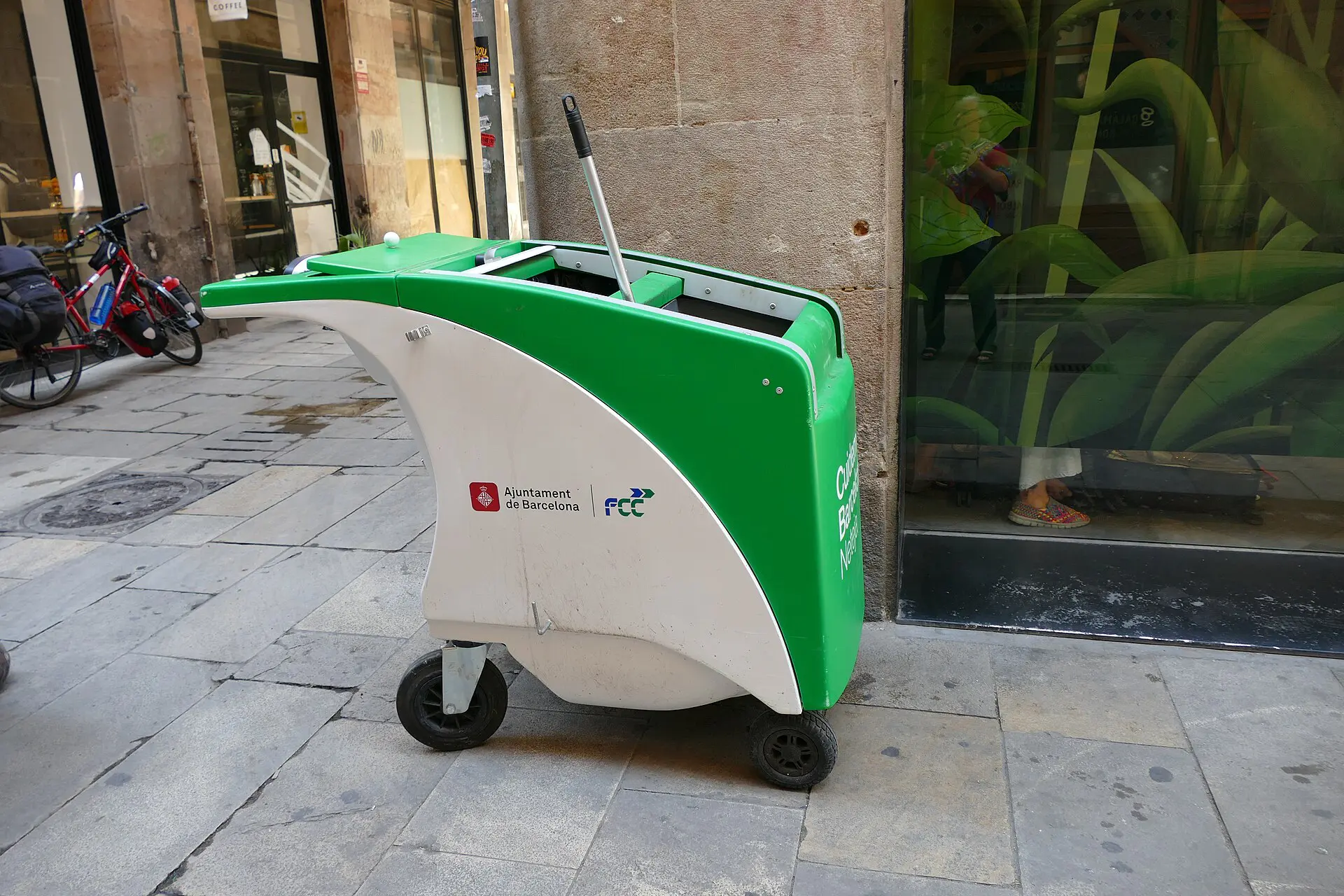
Barcelona has a late-running metro, many social hostels and a dense walking-tour scene. It also has a reputation for phone and bag theft in crowded areas, which is solved by habit: zipped cross-body bag, phone away on the metro, and no valuables on café tables. Choose a central base and you can get home without a long night walk. Hostels here often run tapas nights and bar crawls, which are optional: say no without guilt and go to bed.
Common mistakes when you plan a solo trip
The most common mistake is booking a cheap room far from the centre. You save a little on the rate and pay it back in late taxis and lonely evenings. Pick the area first, then the bed.
The second is arriving after midnight with no plan. Choose flights that land in daylight or the early evening, and pre-book your first night.
The third is saying yes to everything. Meeting people is good, but you set the pace. A few short scripts help:
- “Thanks, I’m meeting someone later.” Ends an unwanted invitation without a debate.
- “I’m going to head back now.” A full sentence that needs no reason.
- “No, thank you.” Repeat it, keep walking, and go into a shop or café if someone follows.
A fourth mistake is overpacking the route. A common pattern is five cities in ten days, which leaves about two nights per place and little time to meet anyone. For a first solo trip, two bases in 10 to 14 days is plenty, with day trips from each. A fifth is paying for the wrong bed: a cheap 12-bed dorm can mean little sleep, while a four-bed room usually gives you company and quiet in the same night.
What to verify before you book
Check the current official advice for your destination, entry rules, and whether your passport needs months of validity left. Confirm your first-night address and check-in hours, and the last train or ride from the airport. Read recent reviews for security and staff, not only cleanliness. Look at transport timetables for the season you are going, because late-night services often drop in winter.
Save the local emergency number, your embassy contact and your accommodation address offline, and send your itinerary to one person at home. Ask your accommodation whether the front desk is staffed at night, which matters more than a star rating if you arrive late.
Where to go next
If you are still deciding between a hostel and a hotel, read the guide on hostel vs hotel for solo travelers. For a single country, try the best places for a solo woman to travel in the US.
Best places to travel solo FAQ
What is the best place to travel solo for the first time?
Japan, Portugal and the Netherlands are the usual answers, because arrival is simple, public transport is reliable and English or clear signage is common. Pick the one that fits your budget and season, and book your first night in advance.
What are the safest places to travel solo?
No place is risk-free, but places with reliable late transport, low violent crime and good hostel scenes feel easier. Japan, the Netherlands, Portugal and Canada are often cited. Check current government advice, choose a central area and plan your night transport before dinner.
Where can I travel solo on a budget?
Portugal, Mexico and much of Southeast Asia and Eastern Europe tend to have lower daily costs than Western Europe or Japan. Dorm beds, local food and free walking tours stretch a budget. Prices vary by season, so compare rooms for your actual dates.
How do I meet people when I travel alone?
Start with low-pressure options: hostel common rooms, walking tours, cooking classes and day trips. These give you a shared activity, so conversation is easy and you can leave when you want. Evening bars are optional, not required.
Is it better to stay in a hostel or a hotel when travelling solo?
Hostels are cheaper and more social. Small hotels or private rooms give you quiet and control. Many people mix both: a hostel for the first nights to meet people, then a private room. Look for female-only dorms, lockers and a staffed front desk.