Batumi digital nomad life swings with the seasons: a warm Black Sea resort in summer, a quiet, rainy, cheaper city in winter. Batumi is Georgia’s second city, on the coast about 20 km from the Turkish border, and its skyline of new towers sits beside a restored old town. It suits people who want sea air and flexible rents. It is a poor fit if you want a calm summer, since the resort crowds and noise arrive then. Below: the seasons, costs, areas and a first-week test.
Batumi digital nomad budget: what does a month cost?
These are rough monthly ranges for one person, shown in US dollars, as of 2026, for a mid-range single. Rents swing sharply between summer and winter, so the table gives a low-season and high-season view. Check live listings, and treat the ranges as a frame. We priced types of spending, not specific venues.
| Item | Range per month |
|---|---|
| Studio or one-bedroom, low season (autumn to spring) | about US$350 to 700 |
| Studio or one-bedroom, high season (summer) | about US$600 to 1,300, sometimes more on the seafront |
| Utilities | about US$40 to 120 |
| Mobile data and home internet | about US$10 to 30 |
| Groceries and cooking | about US$150 to 250 |
| Eating and coffee out | about US$150 to 350 |
| Coworking desk (if you use one) | about US$60 to 150 |
| Local transport and occasional taxis | about US$15 to 50 |
| Total, comfortable single | about US$800 to 1,800, depending on season |
The same flat can cost far more in July than in February. If your dates are flexible, shoulder months give a better balance of weather and price.
Batumi seasons: when to base yourself
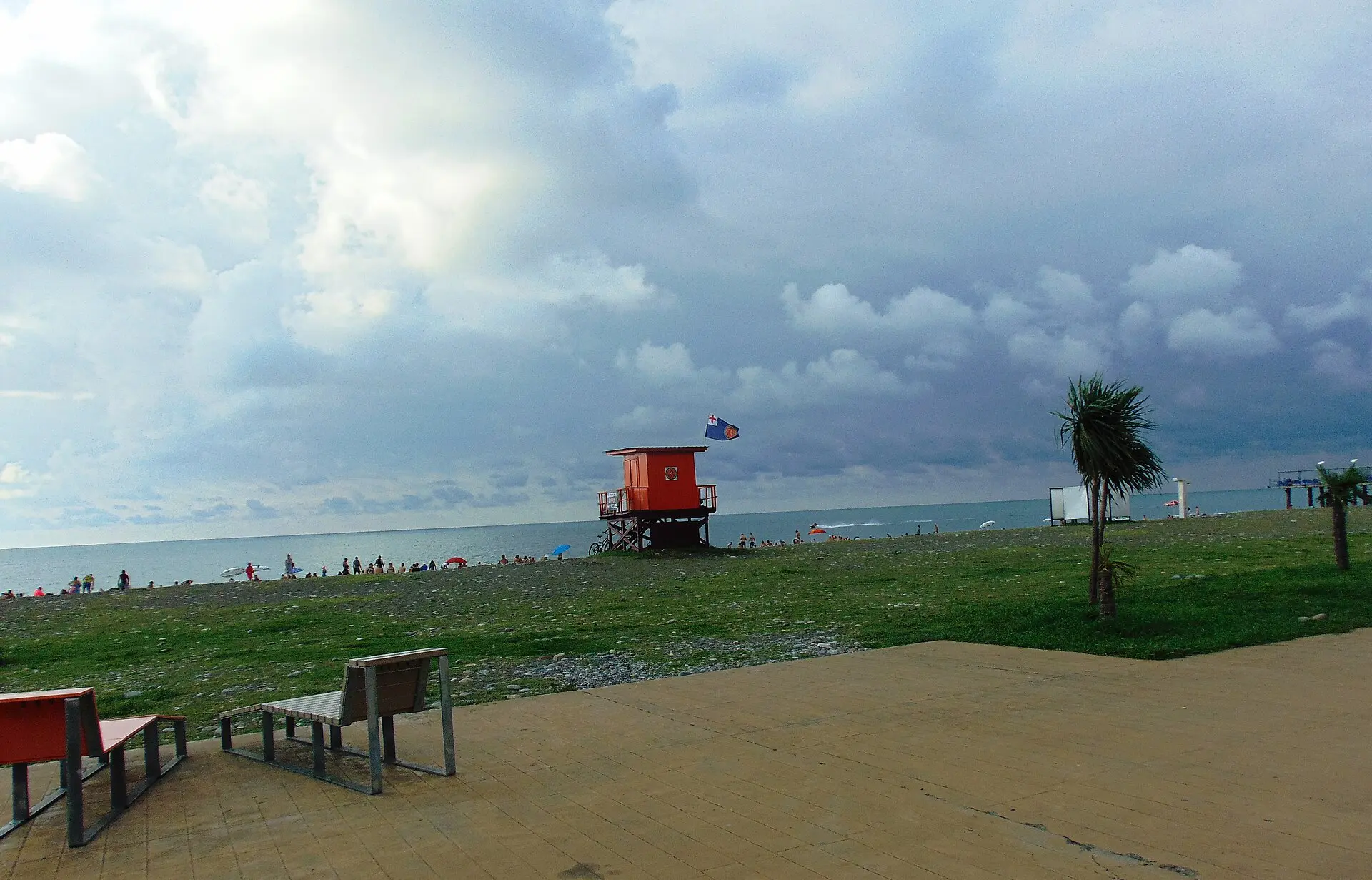
Per Wikivoyage, the climate is humid subtropical with mild winters and warm summers. The January average is about 7 degrees Celsius and August about 23 degrees, with roughly 2,560 mm of rain a year and frequent showers. Winter is wet and quiet, with some seasonal businesses closed. Summer is busy, with beachfront clubs and big crowds. Late spring and early autumn are the easiest for both sea and work.
Where to base yourself in Batumi
The decision is mainly coast versus centre. The seafront is lively and expensive in season. The inland grid is calmer and cheaper. Choose by work style, then check the building.
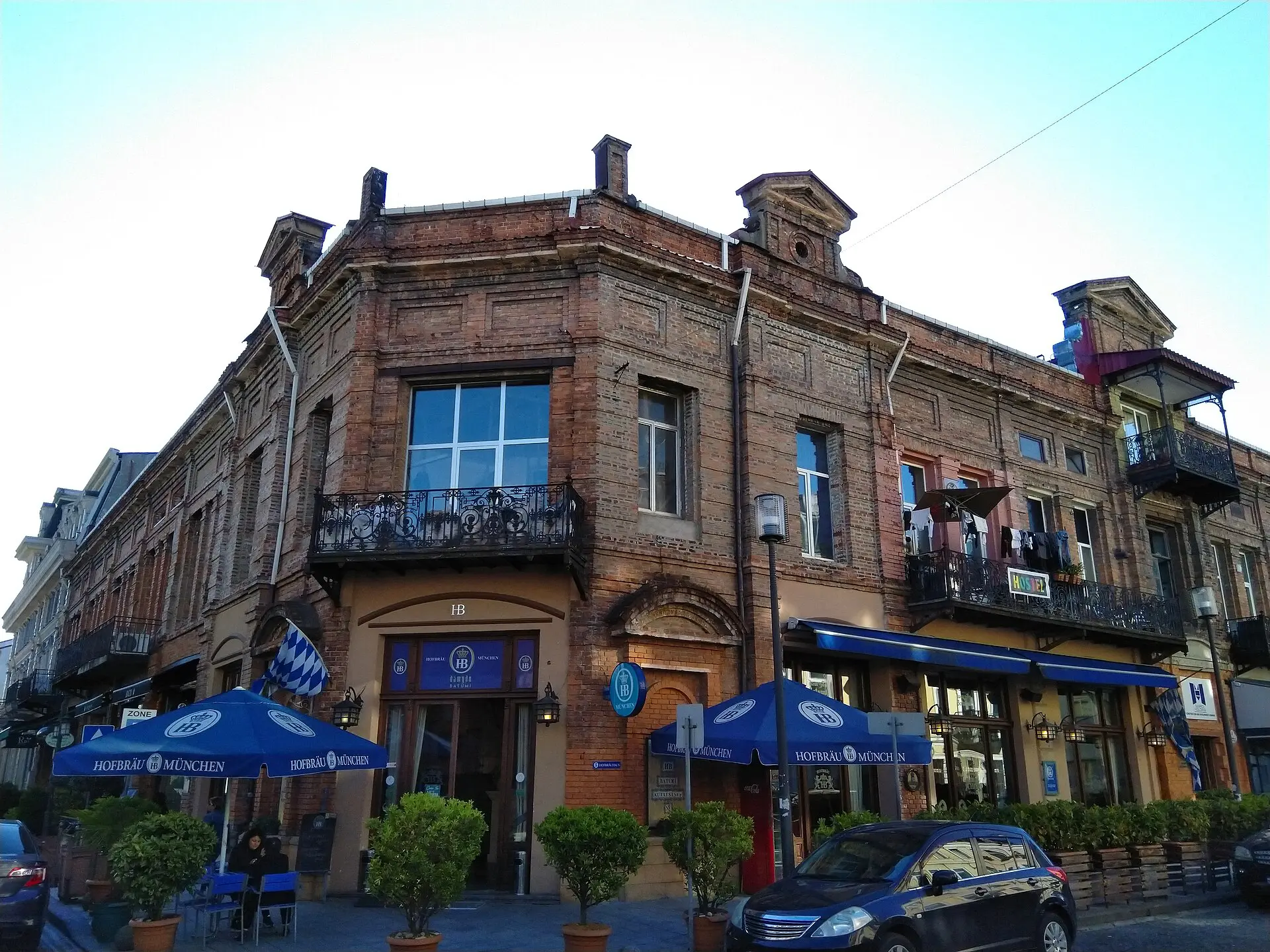
1. The Old Town, for character and walking
Restored 19th-century buildings, cafes and small streets. It suits short work blocks and strolls. Flats can be older, with noise from bars, so ask about the bedroom side and soundproofing.
2. The New Boulevard and seafront towers, for views and the beach
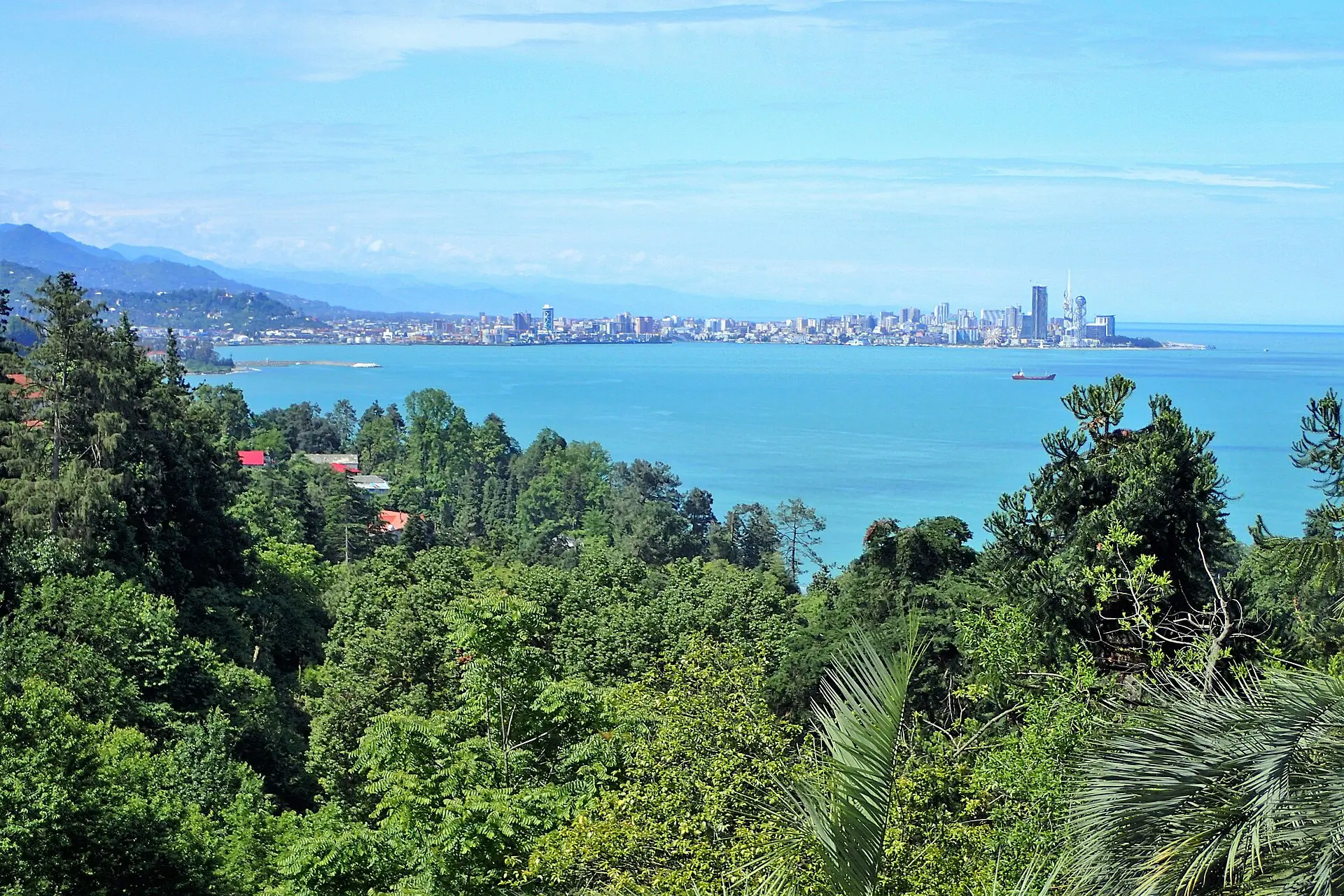
High-rise apartments close to the promenade and the sea. The city has been transformed by modern high-rises since 2010. Rents are highest here in summer, and some towers have thin walls and lift queues. Good for the sea, less good for quiet.
3. The central grid around Chavchavadze and Rustaveli, for everyday practicality
Streets a few blocks from the sea with shops, cafes and transport. This is a middle choice: a short walk to the beach, lower rents than the front line and a year-round feel.
4. Makhinjauri, for a quieter, greener base
North of the centre along the coast, with a calmer feel and sea views. You will need a bus or taxi for the centre. It suits people who want a long, quiet working block more than night life.
5. Green Cape area, for hillside air and gardens
Further north, known for its botanical garden and green slopes. It is peaceful but remote, so a car or regular taxis help. I would pick it only for a stay of two months or more.
6. Gonio and Kvariati, for the cheapest rents and a beach-village feel
South of the city toward the Turkish border. Minibuses run to nearby Sarpi, around 20 minutes, so Gonio and Kvariati are reachable but not walkable. Winter can feel very quiet, and some businesses close.
Work-friendly spots by type
We are not naming venues, because hours, desk policies and wifi change. Look for these types.
- Coworking spaces: best for calls and a fixed schedule. Ask about day passes and trial days. Some are seasonal, so check hours in winter.
- Cafes: good for two or three hours. Check sockets, shade and noise, and order regularly. Seafront cafes can be loud in summer.
- Hotel lobbies and lounges: sometimes workable, but policies differ, so ask first.
- Your apartment desk: the most reliable. Ask the host for a photo of the desk, chair and window side.
Internet and power: what to check yourself
Georgia is generally regarded as having decent fixed broadband in cities, but quality varies by building and provider, and we cannot vouch for any one flat. New towers can be well wired, though shared lifts and construction in the area can affect noise and sometimes utilities. Ask the host for a recent speed test and provider name, then test at the hours you work, including upload speed.
A local SIM or eSIM is a cheap backup. Plugs are the European two-pin type, 220 to 240 volts. Ask whether power or water cuts have happened in the building, and about heating, since winter is damp.
Batumi digital nomad visa and stay length
Georgia has long allowed citizens of many countries to enter without a visa for a long stay, often up to a year, but this depends on your passport, and the terms can change. There are also special schemes aimed at remote workers. Verify the current rules with the Georgian government and your nearest embassy before you book, and confirm what you may do while there.
Tax is a separate matter. Working in a country for months can create obligations at home or abroad, so check with an adviser if your stay is long.
Routine and recovery in Batumi
A workable rhythm: deep work in the morning before the heat or rain, a walk on the promenade after lunch, and a quieter evening. The bicycle sharing scheme, BatumVelo, covers rides along the beaches, and marshrutkas cross the city. Getting in: the airport is about 2 km south of the city, and Tbilisi is a 6 to 7 hour bus or a train ride away.
In summer, expect noise and crowds, and sleep light. In winter, expect rain and quiet, and plan indoor routines. For history, see Wikipedia. For the sights, our Batumi guide is the place to start, and the Georgia travel guide covers the wider country.
Test Batumi in your first week
- Run a speed test at 9am, 2pm and 8pm, and note upload speed.
- Take one video call from the desk and one from a cafe.
- Walk your commute to a cafe or coworking at the hour you would use it.
- Check for night noise from bars, the road and neighbours.
- Check for damp and heating if you arrive in the cooler months.
- Shop for three days and compare the total with the table.
- Decide by day 7 whether to extend, and negotiate a monthly rate only then.
Batumi digital nomad FAQ
Is Batumi good for digital nomads?
It suits people who want sea air, low winter rents and flexible stays. It is noisy and pricier in summer, and the nomad scene is smaller than in Tbilisi. Test internet, noise and your commute in the first week before committing.
When is the best time to stay in Batumi?
Late spring and early autumn balance warm weather and lower rents. Summer is busy and costly, and winter is wet and quiet but cheap. Pick by what you value, and book short first, then extend once you know the building.
Is Batumi cheaper than Tbilisi?
Out of season it can be, particularly on rent, but in summer prices rise sharply. Tbilisi has a bigger nomad community and more coworking. Batumi offers the sea and a calmer winter. Compare current listings for your dates in both.
How long can I stay in Batumi without a visa?
Many nationalities have been allowed a long visa-free stay in Georgia, often up to a year, but your passport decides and rules change. Check the official Georgian government site or your embassy before you book, and confirm any conditions on working.