Antwerp in 2 days is a Rubens day and a fashion-and-port day, with a river walk to link them. The centre is compact, most sights are 10 to 25 minutes apart on foot, and the museums pair naturally: the cathedral with Rubens’s house, fashion with the Nationalestraat shops, the docks with the MAS tower. If you only have one day: cathedral and Grote Markt, Rubenshuis, Nationalestraat for lunch, then the Eilandje docks.
How to use your Antwerp in 2 days
Antwerp was a financial centre of the 16th century and is still a major port and the global diamond trade hub. The city is less preserved than Bruges or Ghent, which is an advantage: it feels like a working city, with art and fashion layered on top.
Plan around Belgian museum habits. Most museums are closed on Mondays, so a Monday visit should lean on streets, churches and the river. Opening hours change by season, so check each venue before you set out.
- Day 1: the old town, the cathedral, Rubens and the river.
- Day 2: the fine arts museum, the fashion street and the docks.
Antwerp in 2 days: the time-blocked plan
1. Day 1 morning: Cathedral of Our Lady and the Grote Markt
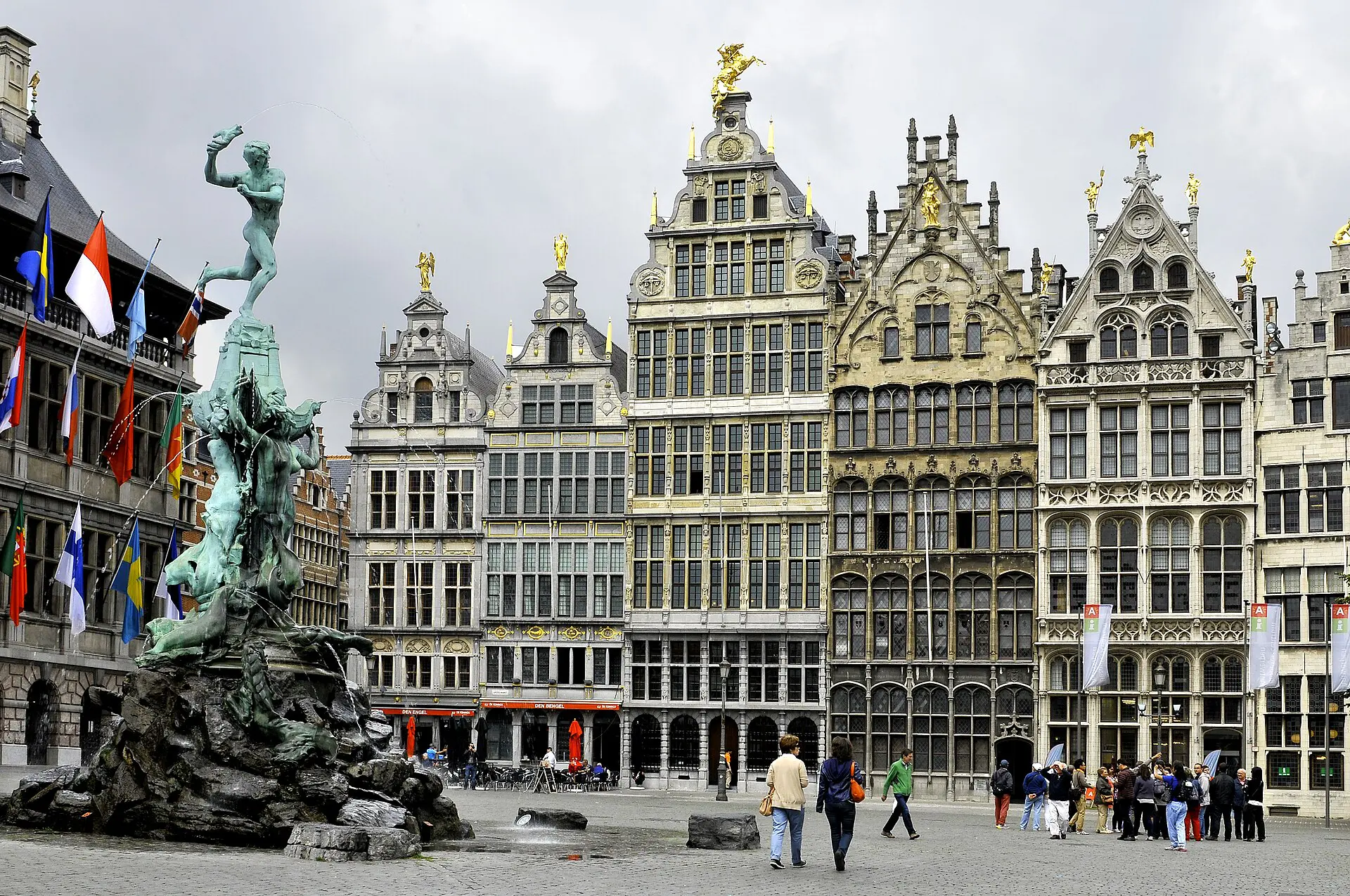
The cathedral holds major Rubens altarpieces, including the Descent from the Cross. Go at opening, when the nave is quiet, and allow an hour. Then step out to the Grote Markt, the guild-house square with the town hall and the fountain of Silvius Brabo. The square is about 1.5 km from Centraal Station, a 20-minute walk through the Meir shopping street if you want a first look at the city.
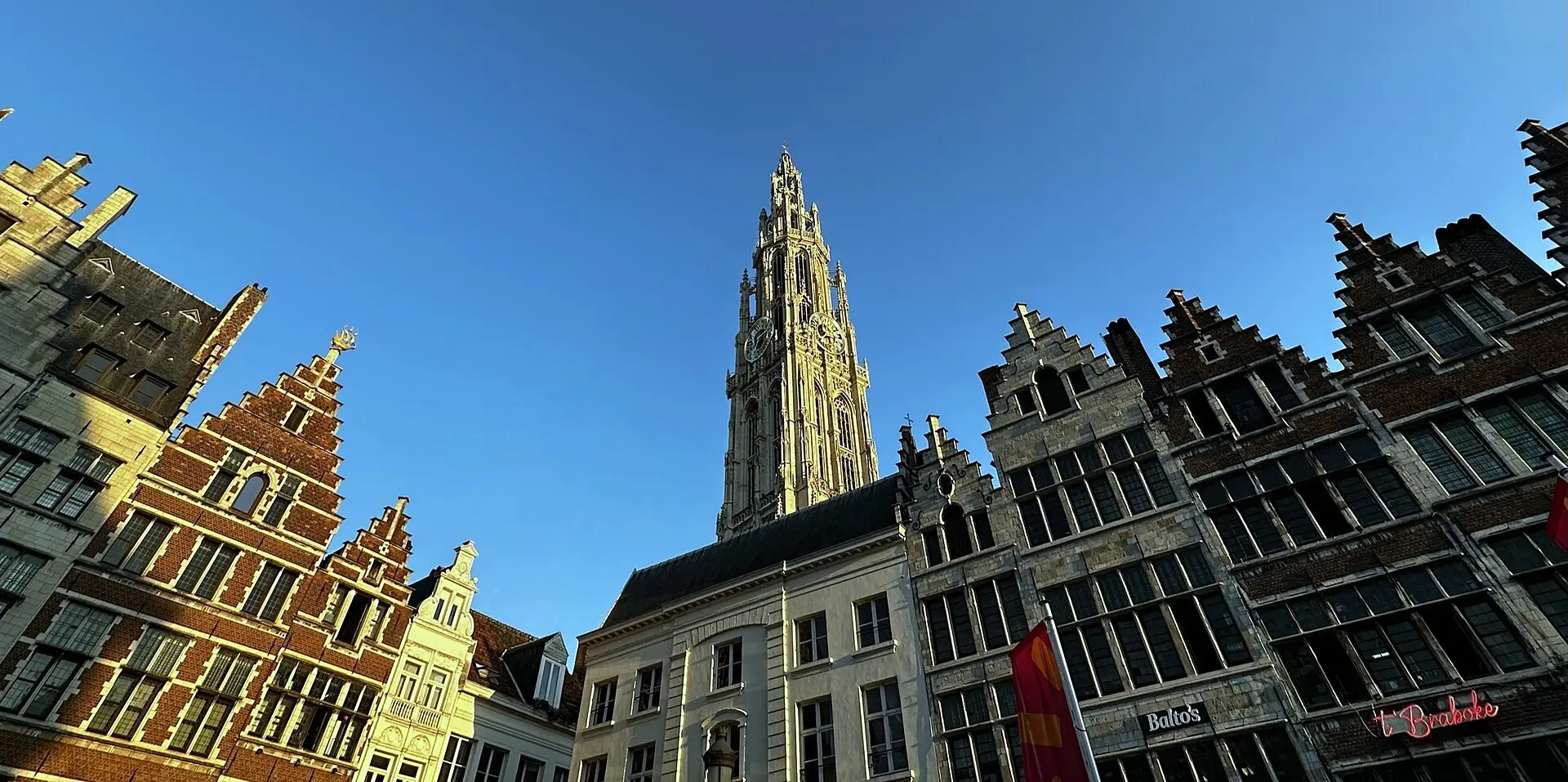
Inside the cathedral, read the altarpieces in order: the Descent from the Cross is the one most visitors come for, and the side chapels hold the quieter works. Entry is ticketed, so expect a modest fee and check whether church services restrict access on the day. The tower is one of the tallest church towers in the Low Countries, and its carillon is a feature of the old town’s soundscape.
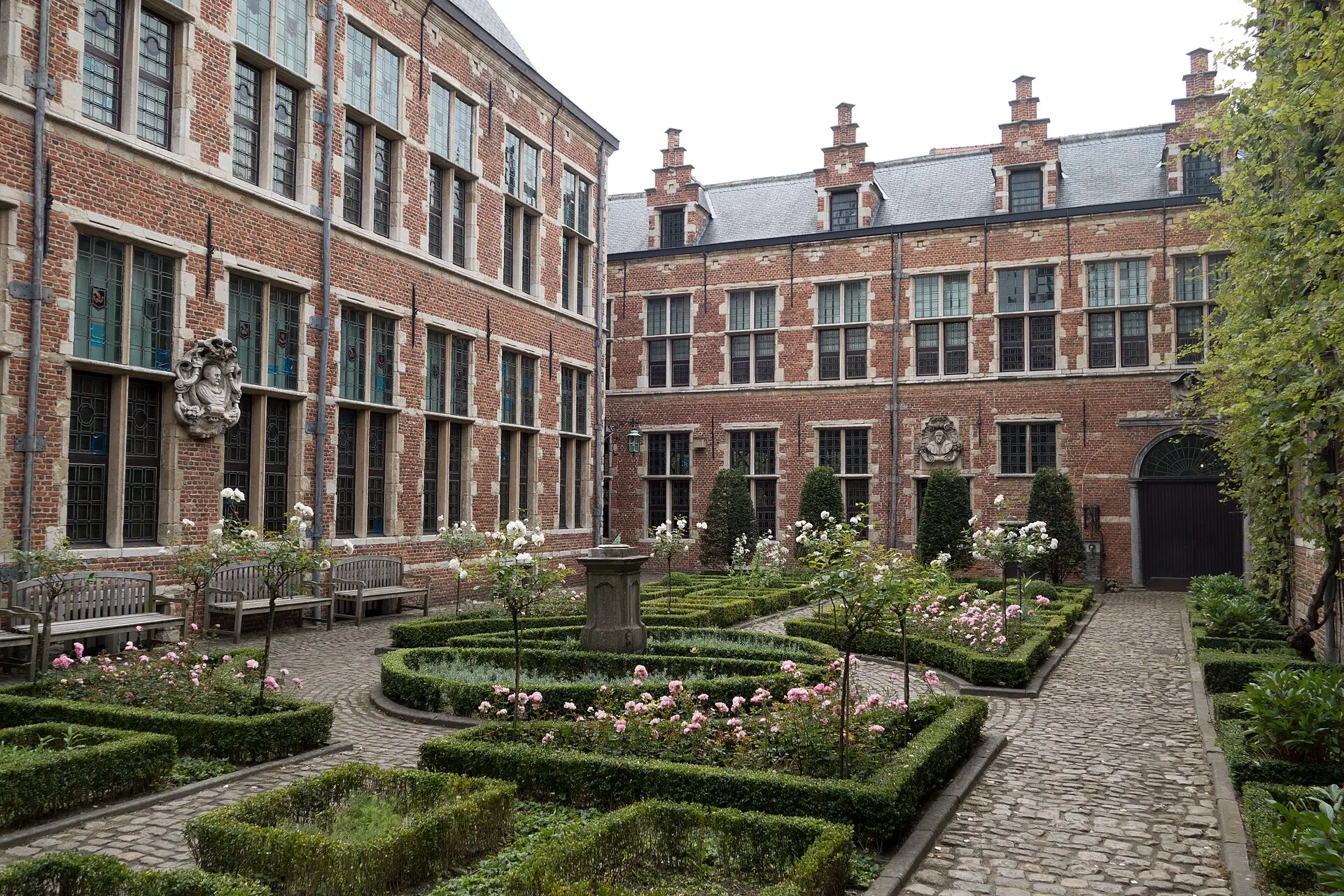
2. Day 1 midday: Rubenshuis and the Plantin-Moretus Museum
The Rubenshuis is the painter’s former home and studio, about 900 m from the Grote Markt, and it shows how a 17th-century workshop operated. The Plantin-Moretus Museum, a UNESCO-listed printing house, is a further 800 m or so. Choose both if you have time, or the Rubenshuis alone if you are short. Many Belgian museums close on Mondays and may shut early on some days, so check hours in advance.
3. Day 1 afternoon: the river, Het Steen and the St. Anna tunnel
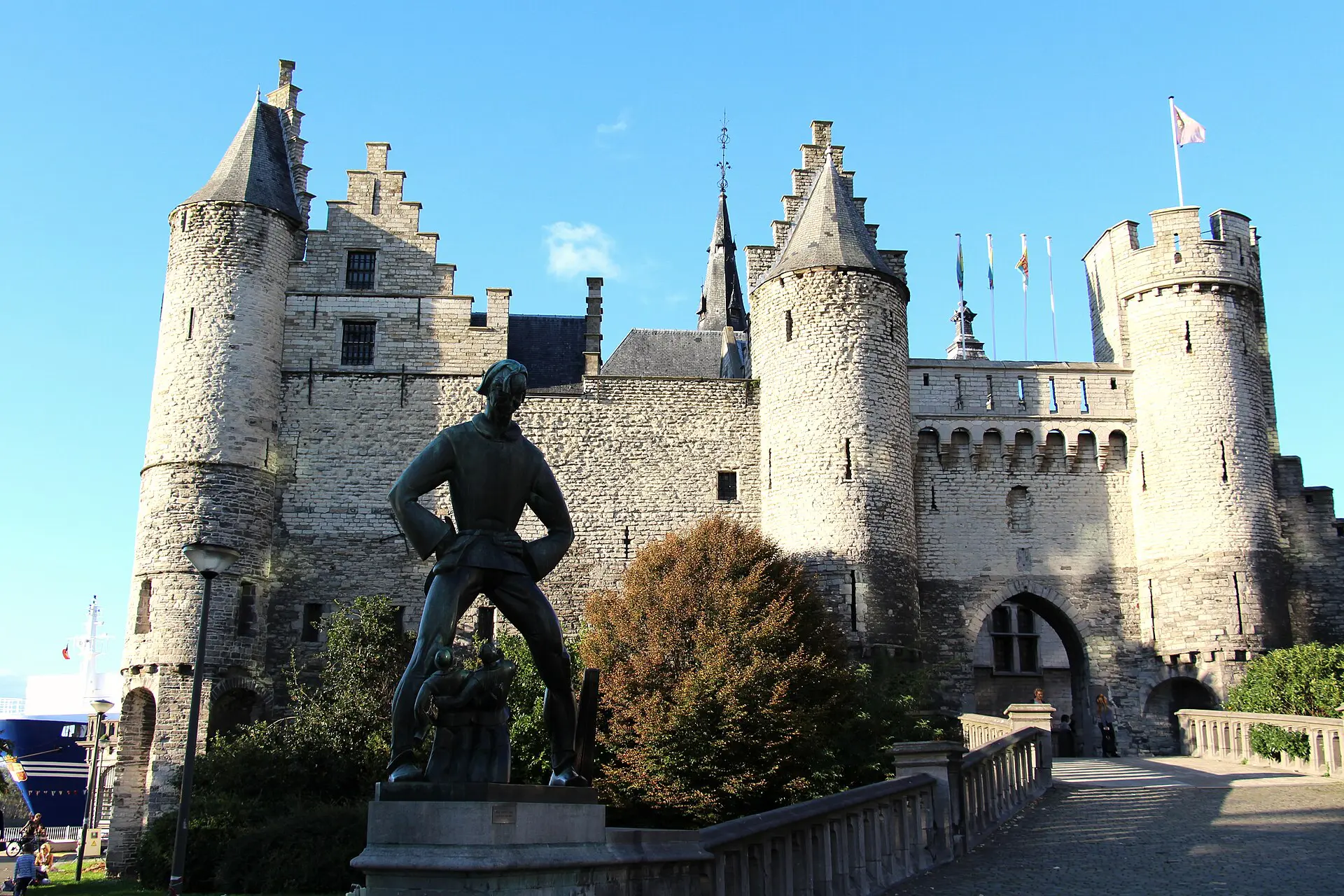
Walk to the Scheldt waterfront and Het Steen, the old castle on the quay. From here you can see the river bend and the port cranes. For something different, take the pedestrian Sint-Annatunnel under the river, which has long wooden escalators; check that it is open, since maintenance can close it. The walk to the left bank is a short, quiet stretch, and the skyline view on the way back is the reward.
4. Day 2 morning: the Royal Museum of Fine Arts (KMSKA)
The KMSKA reopened in 2022 after a long renovation and holds a large Flemish collection, with Rubens, Jordaens and Van Dyck among the highlights. It is in the Zuid district, about 2 km from the Grote Markt, so go by tram or on foot. Book a timed ticket where available, and plan two hours. This is the main museum block of the trip, and it is calmest in the first hour after opening.
The building is large, so decide in advance what to see: the Rubens rooms, the older Flemish masters and the modern wing form three different visits. If you have already seen the cathedral Rubens, spend the saved time on the early Flemish rooms. Walk back north through the Zuid district to see the streets of galleries, cafes and Art Nouveau houses, about 2 km to the old town.
5. Day 2 midday: Nationalestraat and MoMu
Antwerp has been a fashion city since the Antwerp Six designers rose in the 1980s. Nationalestraat is the main fashion street, with independent boutiques, and MoMu, the fashion museum, stands on it. Check MoMu’s schedule, since it changes exhibitions and has periods of closure. Walk the street end to end, about 15 minutes, and stop for lunch. Side streets such as Kammenstraat and the lanes around Sint-Andries add small shops and cafes that are quieter than the main strip. Many shops open late morning and close on Sundays, so plan the block for Saturday or a weekday.
6. Day 2 afternoon: Eilandje, MAS and the Port House
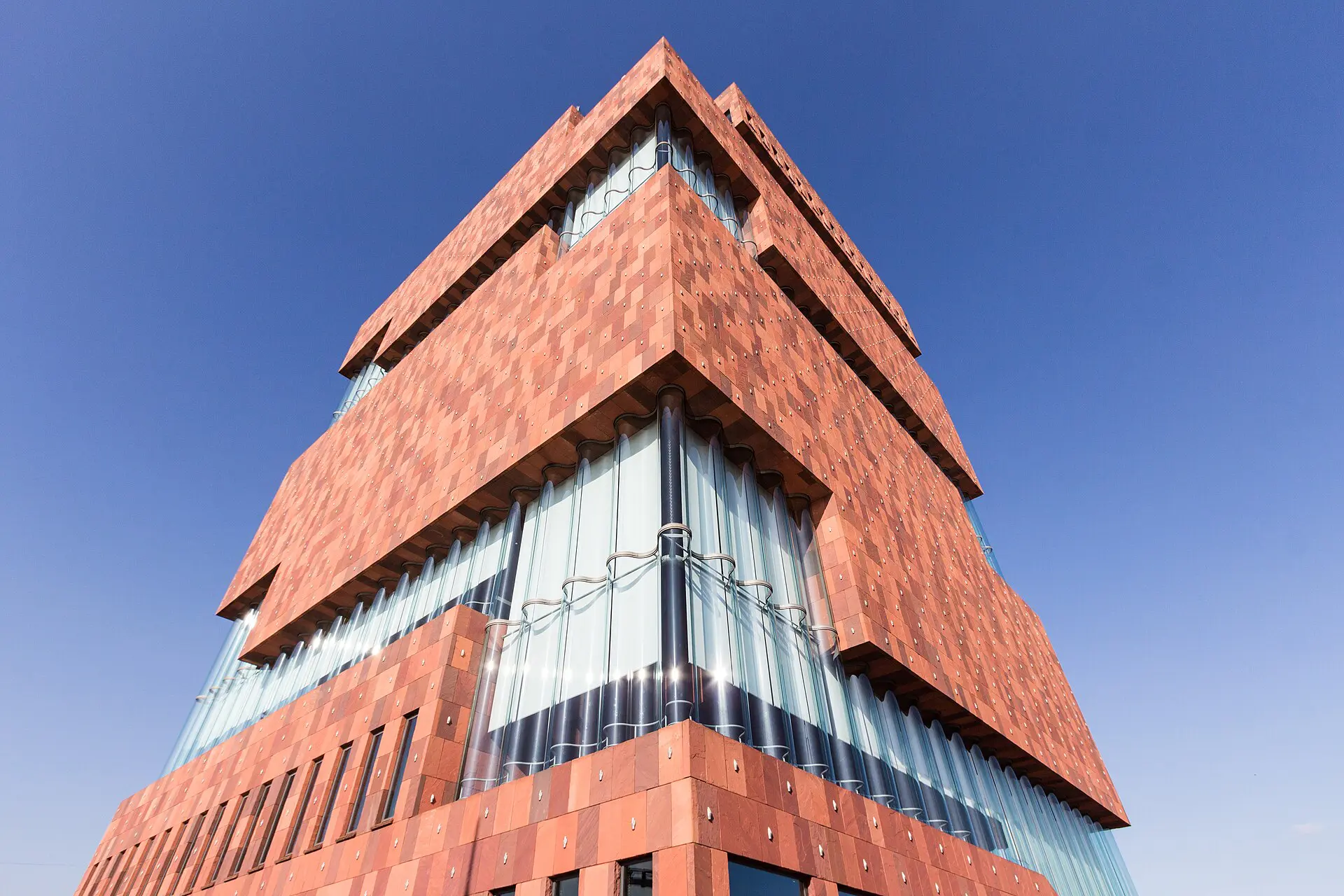
The Eilandje district is the old dock area, now rebuilt as a museum quarter. The MAS tower is about 1.5 km north of the Grote Markt and has a panoramic terrace, which was free to visit at last check. Close to it stands the Port House, a glass-and-steel addition to an old fire station by Zaha Hadid, which can be seen from the outside at any time and by tour on certain days. Finish with the docks at golden hour.
Between the MAS and the Port House, you pass old warehouses, bridges and the Willem dock. This is the best place in Antwerp to understand why the port matters to the city, as cranes and container ships are visible from several points. Allow two hours for the whole block, and carry a windproof layer, because the open dock edge is exposed.
Queue-avoidance timing in Antwerp
Antwerp is quieter than Bruges, but a few timings still help.
- Cathedral first. It is quietest at opening, before the tour groups.
- Weekday museum visits. Weekends and school holidays bring families and groups.
- Shop early. Nationalestraat is calmest before noon on weekdays.
- Dock sunset. The MAS terrace is best in the last hour of daylight, and opening hours vary by season.
Getting around Antwerp
Walk the centre. Antwerp Centraal, the Cathedral, the Rubenshuis and Nationalestraat are all within about 25 minutes of each other. For KMSKA and Eilandje, use the trams or buses run by De Lijn, which cover the main routes; check the current ticket options. Cycling is common, and bike-share is available.
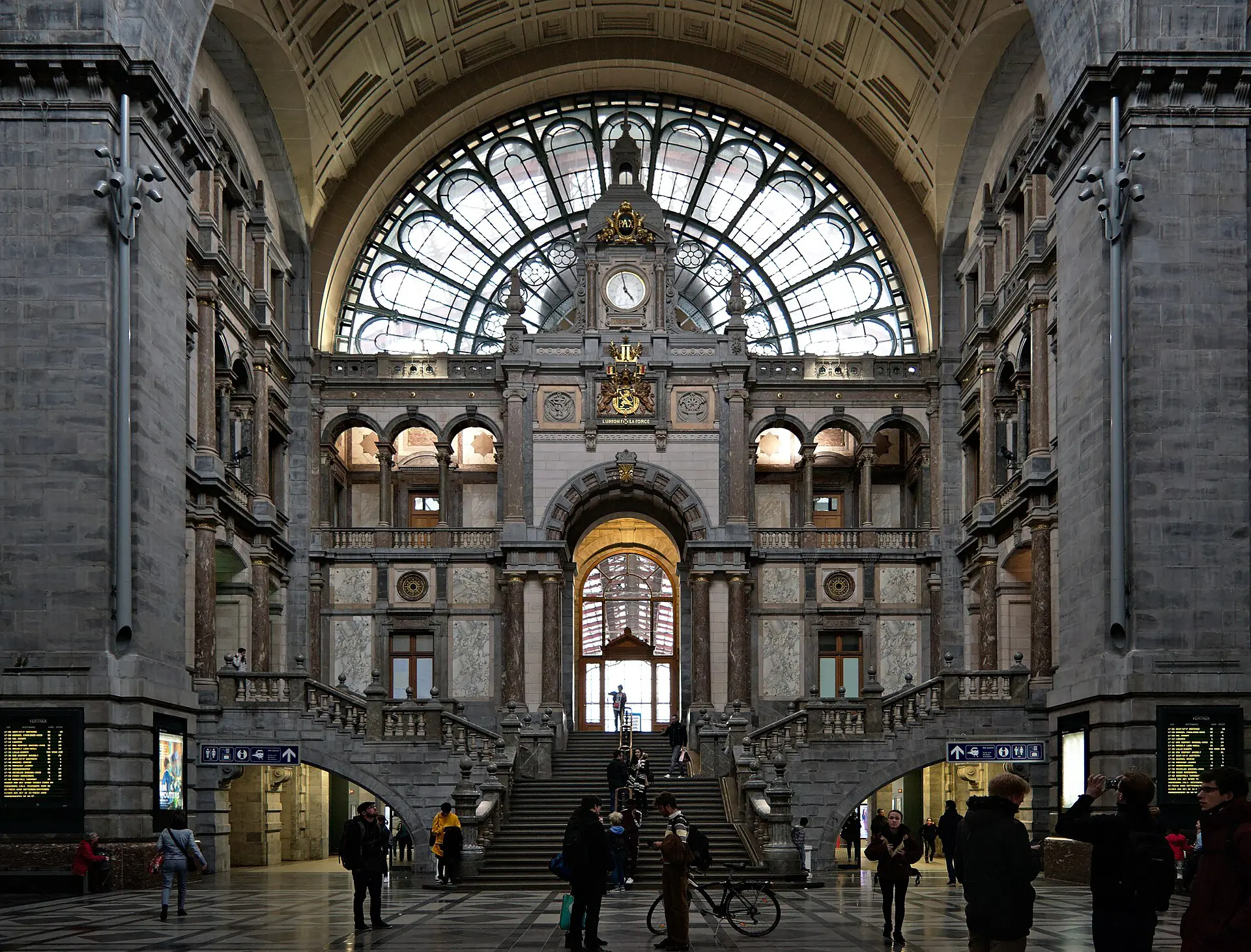
The central station is a sight in itself and has direct trains from Brussels in about 35 to 50 minutes. Rotterdam and Amsterdam are about an hour or more by train, which makes Antwerp an easy add-on to a Dutch trip. See the Wikivoyage Antwerp guide for more on getting around.
Where to stay in Antwerp
- Old town near the Grote Markt: best for first-time visitors, close to the cathedral and the river; busy on weekends.
- Het Zuid: near KMSKA, with cafes and restaurants, and a calmer evening mood.
- Near Centraal Station: practical for trains, with the diamond district nearby; the area is functional rather than charming.
- Eilandje: modern, near the docks and the MAS; quieter, and a tram ride from the centre.
For more on the districts, see our Antwerp city guide.
What to skip in Antwerp if you are short on time
I would skip the Meir shopping street as a destination and the diamond district unless you have a specific reason to go: both are busy and offer less than the museum blocks. I would also skip a second Rubens site on a one-day visit; the cathedral alone is enough.
The one-day cut, in order:
- 9am: Cathedral of Our Lady and Grote Markt.
- 11am: Rubenshuis.
- 1pm: lunch on Nationalestraat.
- 3pm: MAS and the Eilandje docks.
FAQ about Antwerp
Is two days enough for Antwerp?
Yes, for the cathedral, Rubens, the fashion street and the docks. Two days lets you pair each museum with a street block without rushing, and gives you a river walk at both ends of the trip.
Which Antwerp museums close on Mondays?
Many Belgian museums close on Mondays, including several in Antwerp, but hours differ. Check the official site for the Rubenshuis, MAS, KMSKA, MoMu and Plantin-Moretus before you plan, and keep Monday for walking and the cathedral.
How far is it to walk between the main sights?
From Centraal Station to the Grote Markt is about 1.5 km. The Grote Markt to the Rubenshuis is about 900 m, and to the MAS about 1.5 km. KMSKA is about 2 km south, so a tram is worth using.
Is Antwerp better than Ghent or Bruges for a short trip?
It depends on what you want. Antwerp is larger, with fashion, a port and a working-city feel; Ghent and Bruges are more historic and preserved. Pick Antwerp for museums and design, and the others for medieval streets.
For the wider picture, see our Belgium guide and the Wikipedia entry on Antwerp.