Eat waakye for breakfast. Accra food runs on a clear order, and the first order of the day is waakye, rice and beans cooked together and served with stew, egg, fried plantain and a spoon of shito pepper sauce. Later come kenkey with fried fish, banku with tilapia, and fufu in light soup. This guide sets out what to order at each hour, when the markets work, what a meal costs in hedged bands and how to eat by hand. For the country picture see the Ghana travel guide.
How eating works in Accra
Accra is a hot, semi-arid coastal city on the Gulf of Guinea, with a population of several million across the wider region. Food is organised around the chop bar, a small informal canteen, and around street sellers who each specialise in one dish. Cooks start before dawn, because many dishes need long steaming, soaking or pounding.
The key to the Ghanaian table is the pairing of a starch with a sauce or soup. Starches include rice, kenkey (fermented corn dough), banku (corn and cassava), fufu (pounded cassava and plantain) and plantain. Sauces include groundnut soup, light soup with fish or goat, and pepper sauce. Learn the pairings and the menu reads itself. Accra food is also seasonal in small ways: rain brings flooded roads and thinner crowds, and festival weeks change what is on sale. Tomatoes, peppers and fish are the daily ingredients that decide a cook’s price.
Accra market hours and food timing
Hours move with traffic, rain and festivals, so treat the times as a pattern and confirm locally. Central markets are busiest in the morning, and many street cooks sell until the pot is empty.
| Time | Where | What to order or buy |
|---|---|---|
| Dawn to 9:00 | Street corners and waakye stands across the city | Waakye, hausa koko with koose, bofrot (fried dough), tom brown porridge |
| Early morning | Central markets such as Makola | Produce, yam, tomatoes, peppers, dried fish and spices |
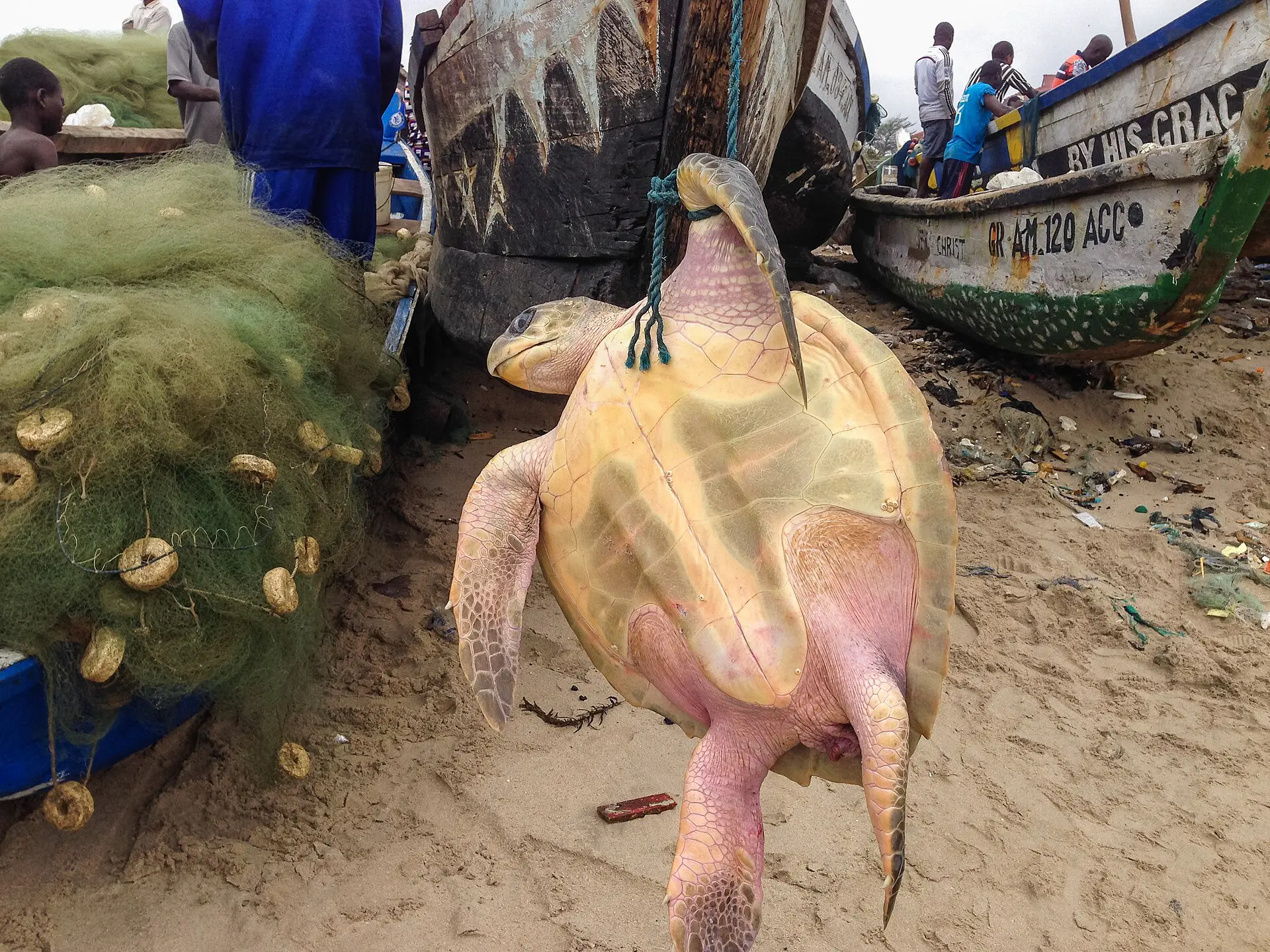
| Morning | Fishing harbour at Jamestown | Fresh fish and the working harbour; go early and go with a guide if you are unsure |
| Midday to 15:00 | Chop bars | Banku with tilapia, fufu with light soup, jollof, red red |
| Evening | Street grills and night food stalls | Kebabs, kelewele, grilled fish and chicken |
What to eat in Accra: seven dishes
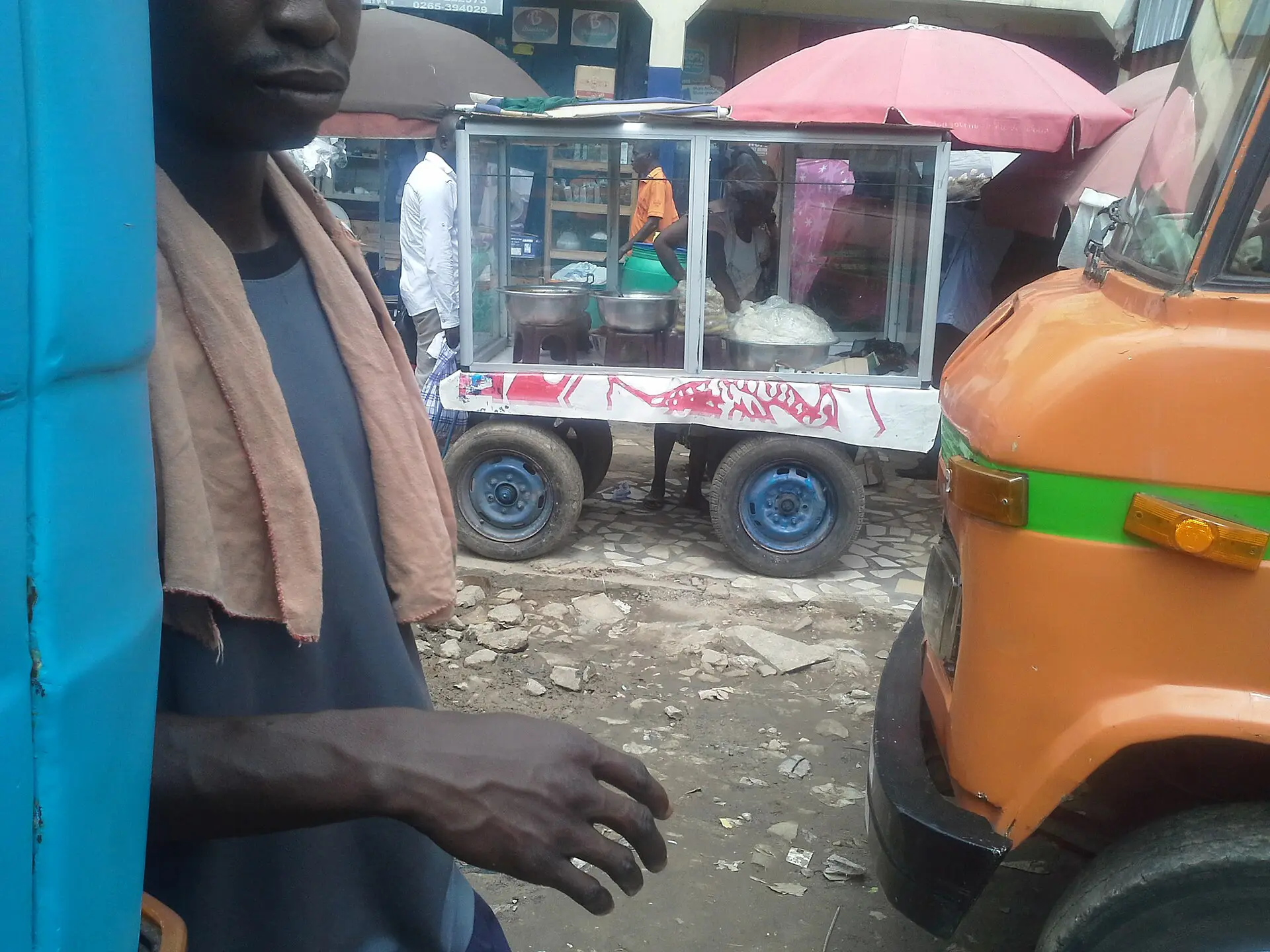
1. Waakye
Rice and black-eyed peas cooked with dried sorghum leaves, which give a reddish-brown colour. It comes in a plate or a wrapped portion, with spaghetti, gari (grated cassava), boiled egg, stew and shito, a dark, oily pepper sauce. It is the standard breakfast and a lunch for many. Cheap, filling and very Accra.
2. Hausa koko and koose
Hausa koko is a spiced millet porridge, thin and peppery, and koose is a fried bean fritter that you dunk in it. It is an early-morning pairing that arrives hot and finishes by mid-morning. It is a good, light breakfast for a first morning.
3. Kenkey and fried fish
Ga kenkey is fermented corn dough, wrapped and steamed into a dense, sour ball, and it is the signature starch of the city’s Ga people. It is served with fried fish and a raw pepper and onion sauce. Eat it with your right hand, and break off small pieces.
4. Banku and tilapia
Banku is a smooth, slightly sour dough of fermented corn and cassava. Pair it with grilled tilapia, shito and a tomato-pepper relish. The fish is often cooked over charcoal and brought whole. Order this for a long lunch with friends, not a quick bite.
5. Fufu with light soup
Fufu is cassava and plantain pounded into a soft, stretchy ball. It sits in a bowl of light soup with goat, chicken or fish, scented with ginger and chilli. Swallow it in small pieces rather than chewing it, and use your fingertips.
6. Jollof rice
Rice cooked in a tomato, onion and pepper base, usually served at gatherings and with fried chicken or fish. West Africans argue fiercely about whose version is best, so do not choose a side. In Accra you will find it at chop bars, at events and with grilled meat.
7. Kelewele
Ripe plantain cubes marinated with ginger, chilli and spice, then deep-fried until sweet and crisp at the edge. It is a street snack for the late afternoon and evening, and a good way to end a market walk. Eat it hot from a paper cone. Many sellers pair it with roasted groundnuts, which makes a cheap, filling snack.
How much does food cost in Accra?
These are rough US dollar bands, as of 2026. Cedi prices change with inflation, so check what people around you pay and ask the price first.
| Meal type | Typical band (USD) | Notes |
|---|---|---|
| Street breakfast (waakye, koko, bofrot) | 1-4 | Portion size varies with the add-ons |
| Chop bar lunch | 3-8 | Banku, fufu, jollof with protein |
| Grilled fish or chicken | 5-12 | Whole tilapia at the higher end |
| Sit-down dinner | 12-30 | Upscale districts and hotels cost more |
Eating etiquette for Accra food
Use your right hand to eat, give, take and pass. The left hand is considered unclean. Wash your hands before a meal, and most chop bars provide a basin or a bottle of water for this. If you eat with others, take from the section of the bowl in front of you.
Greet the cook and the people near you before sitting down, and answer when you are asked to join a meal. Pepper is serious, so taste before piling on shito. Tipping is modest, with rounding up common, but check whether service is included. Drink sealed water or water from a trusted source, and eat food cooked hot and fresh.
Where to eat in Accra, by type of place
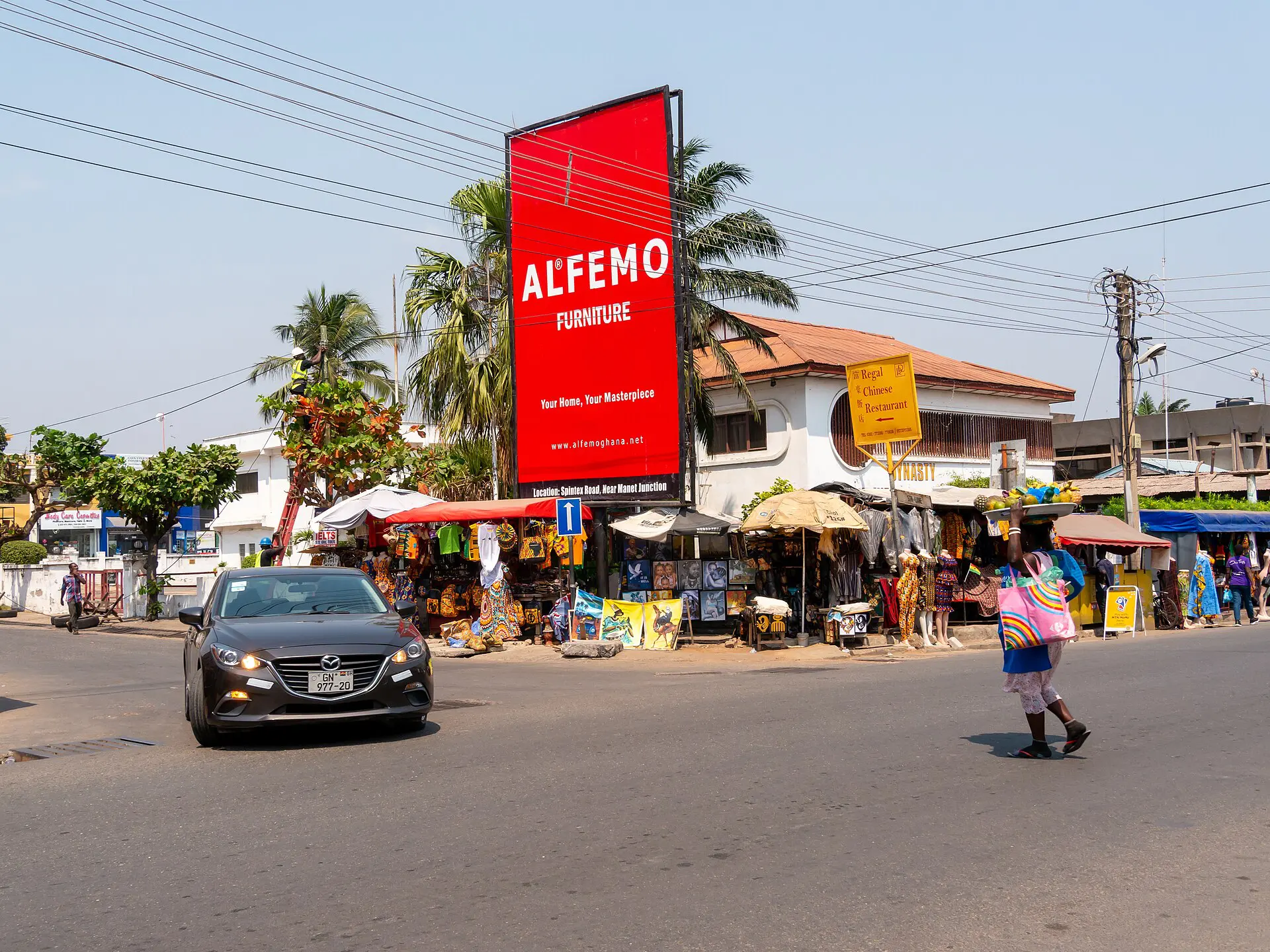
- Central Accra and Makola: markets, chop bars and lunch stalls. Best for weekday lunches and for seeing ingredients.
- Jamestown and Ussher Town: the old Ga quarters, with a fishing harbour, kenkey sellers and grilled fish.
- Osu: a busy commercial area with street food, kebab stalls and many restaurants late into the evening.
- Labadi and the coast: beach-side grills and drinking spots, busiest on weekends.
- Residential suburbs: neighbourhood chop bars and waakye stands, good value and mostly local.
What to skip when eating in Accra
I would skip raw salads, ice of unknown origin and cut fruit sold from open trays in the heat. Skip anything that has clearly been sitting, and be careful with very spicy dishes on your first day, since a sore stomach is a poor start.
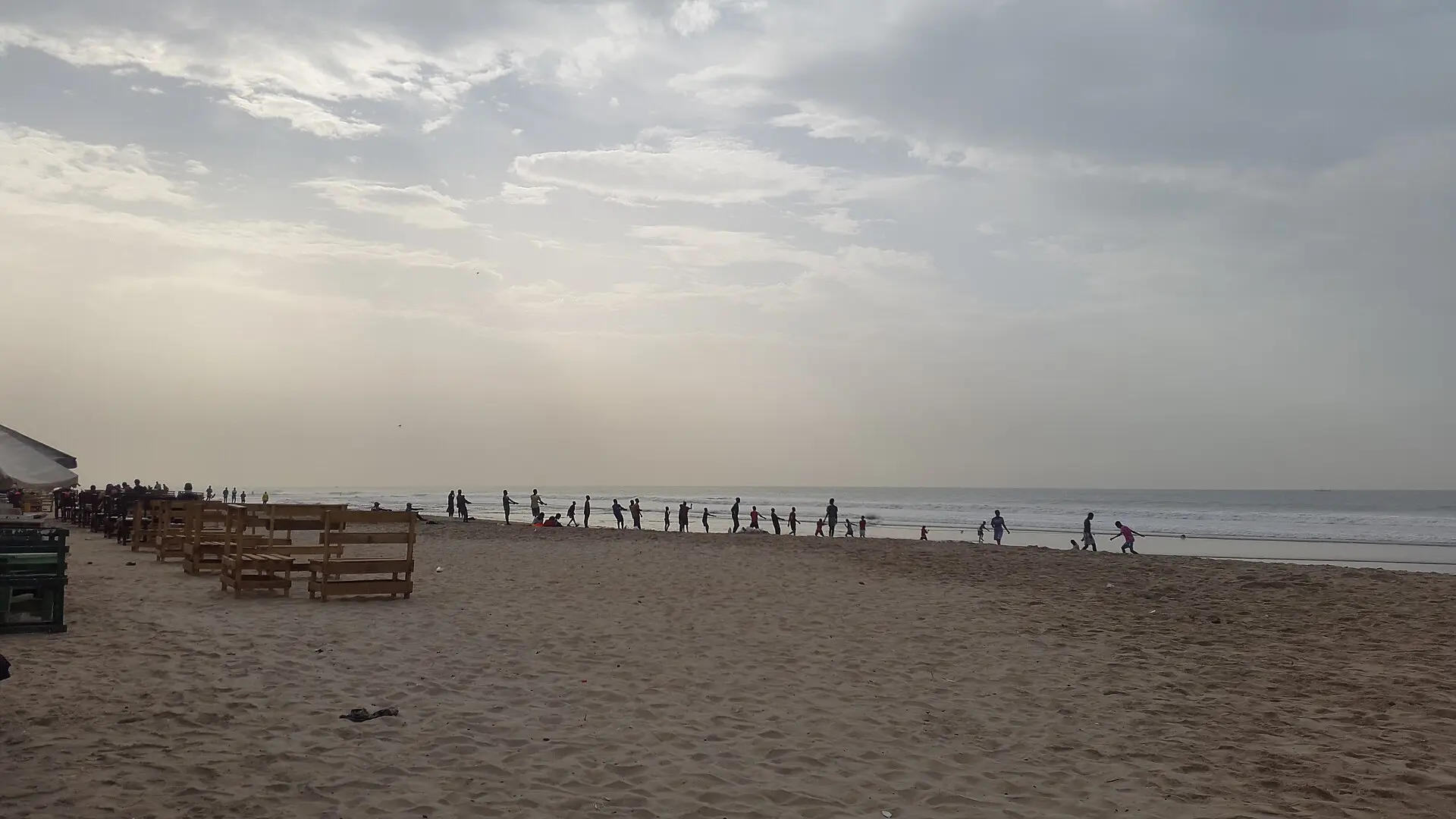
If you are building a day around Accra food, start with breakfast and finish with grilled fish, and leave one meal open for whatever the market sells that morning. Heavy rain may cause flooding in low areas, so plan transport around it. More ideas are in things to do in Accra, and the Wikivoyage Accra guide covers arrival and safety.
FAQ about Accra food
What is the national dish of Ghana?
Ghanaians often cite fufu with light soup, and jollof rice is also widely loved. There is no formal national dish, but both appear at celebrations and in everyday chop bars, so you can try both in Accra.
What is waakye?
Waakye is rice and beans cooked together with sorghum leaves, which colour it reddish brown. It is served with stew, boiled egg, plantain, gari and shito. Many Accra residents eat it for breakfast or lunch from a street stand.
Is Accra street food safe to eat?
Many visitors eat it, choosing busy stands with food cooked hot and fresh. Avoid anything left standing, drink sealed water and wash your hands first. Ask your doctor about vaccines and travel health well before you go.
Do I eat with my hands in Accra?
For kenkey, banku and fufu, yes, using the right hand only. Rice dishes come with a spoon. Wash your hands first, and if you are unsure, watch the people around you or ask the cook how to eat it.
Where can I read more about Accra?
The Wikipedia article on Accra covers the city’s history as the Gold Coast capital and its Ga roots, which explains why the harbour quarters still dominate the fish and kenkey trade.