The best things to do in Accra start with the market stalls and the cooking pots. Ghana’s capital eats early, with rice-and-bean breakfasts sold before the traffic builds, and the city is easiest to read through its food: waakye, kenkey, grilled tilapia, fried plantain. Between meals, you can see the old forts of Jamestown, a mausoleum to the country’s first president, a few good museums and an Atlantic beach. This guide is built around when to eat and where to go in between.
Best time to visit Accra
Accra is hot and humid all year, with daily temperatures between roughly 22 and 32 degrees Celsius. The main rains fall from April to mid-July, usually as short, heavy storms that can flood streets, with a lighter wet spell in September and October.
| Season | Weather | Crowds and prices | Good for |
|---|---|---|---|
| Dec-Feb | Dry, hot, dusty haze when the harmattan wind blows | Busy around holidays, higher flight and hotel prices | Beach days, long market walks |
| Mar | Hot, building humidity | Moderate | Museums, outdoor eating |
| Apr-Jul | Main rainy season, heavy storms | Quieter, better prices | Indoor sights, cooking, cheap stays |
| Aug-Nov | Drier in August, lighter rain in Sep-Oct | Moderate, with festival crowds in some years | Street food, Jamestown, general sightseeing |
Top things to do in Accra
Use this order if you are unsure what to do in Accra on a first visit: market in the morning, a walk through the old quarter, then something cool and shaded as the heat peaks.
1. Eat waakye for breakfast
Waakye is rice and beans cooked together with sorghum leaves, which gives the dish its deep red-brown colour. It is sold from roadside stalls and small kitchens, scooped into a bowl or wrapped, and topped with a spoon of shito (a dark chilli sauce), boiled egg, gari, spaghetti, fried plantain or fish. Eat it before 9am, when the pots are full. Use your right hand or the spoon provided, and expect a filling plate for a very small price.
2. Get lost in Makola Market
Makola is the city’s central market, and the best single window onto how Accra eats: pyramids of tomatoes and peppers, yams, cassava, dried fish, smoked herring, palm oil, spices, bead stalls and cloth. Go in the morning before the heat, wear closed shoes and keep your bag in front. Be prepared for crowds and narrow aisles. Ask before taking a portrait, smile, and buy something small from the stall you photograph. Haggling is normal but should be friendly.
3. Walk Jamestown and the fishing harbour
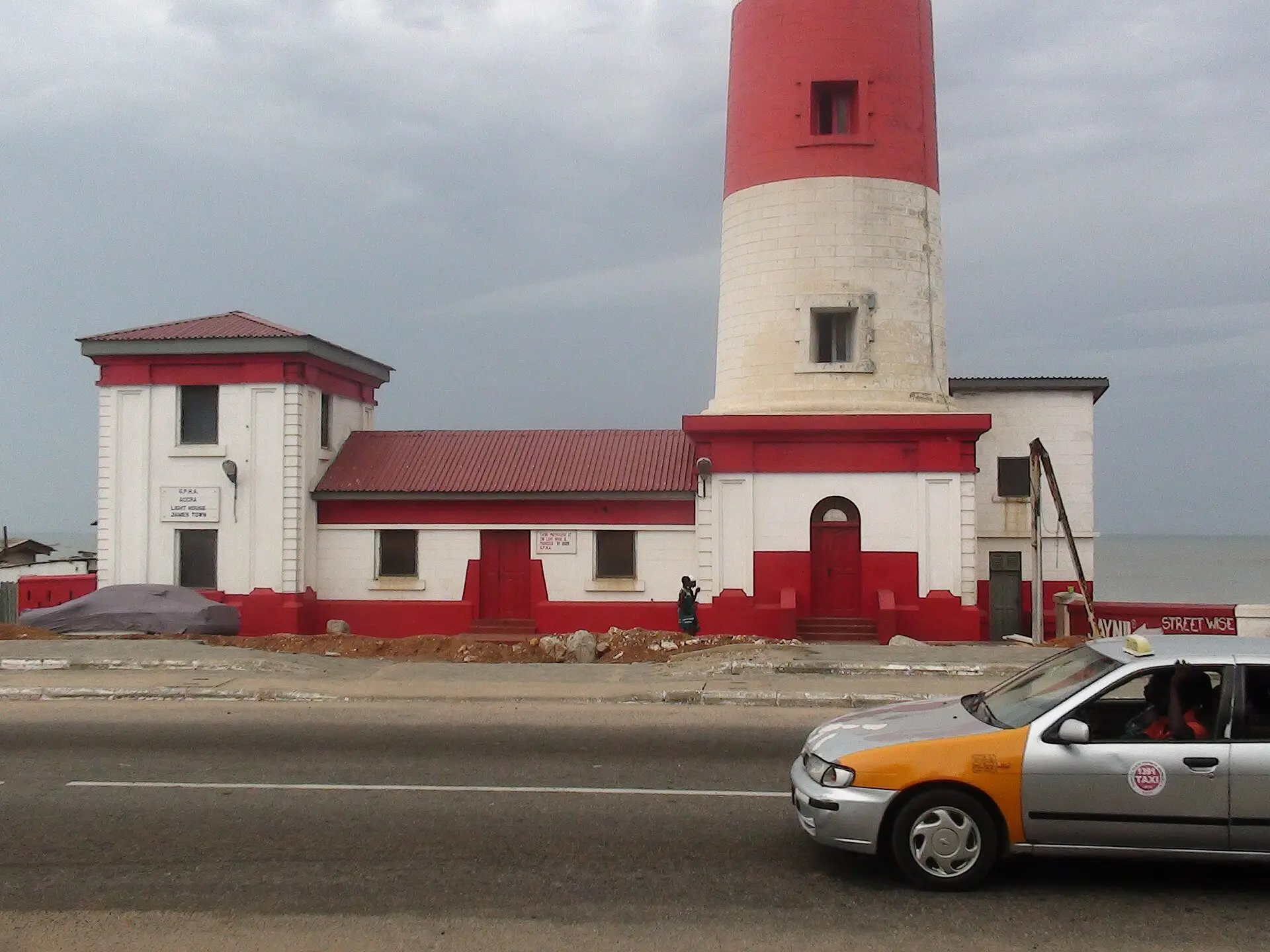
Jamestown is Accra’s oldest quarter, built around the old British fort and a working fishing harbour. Early morning is when boats come in and nets are mended, and the lanes smell of smoke and fish. You will see colonial-era houses, a lighthouse and murals. Take a local guide if you can, since it is a working neighbourhood and not a theme park. Ask before photographing people, and buy smoked or fried fish from the women who sell it near the shore.
4. Visit the Kwame Nkrumah Memorial Park
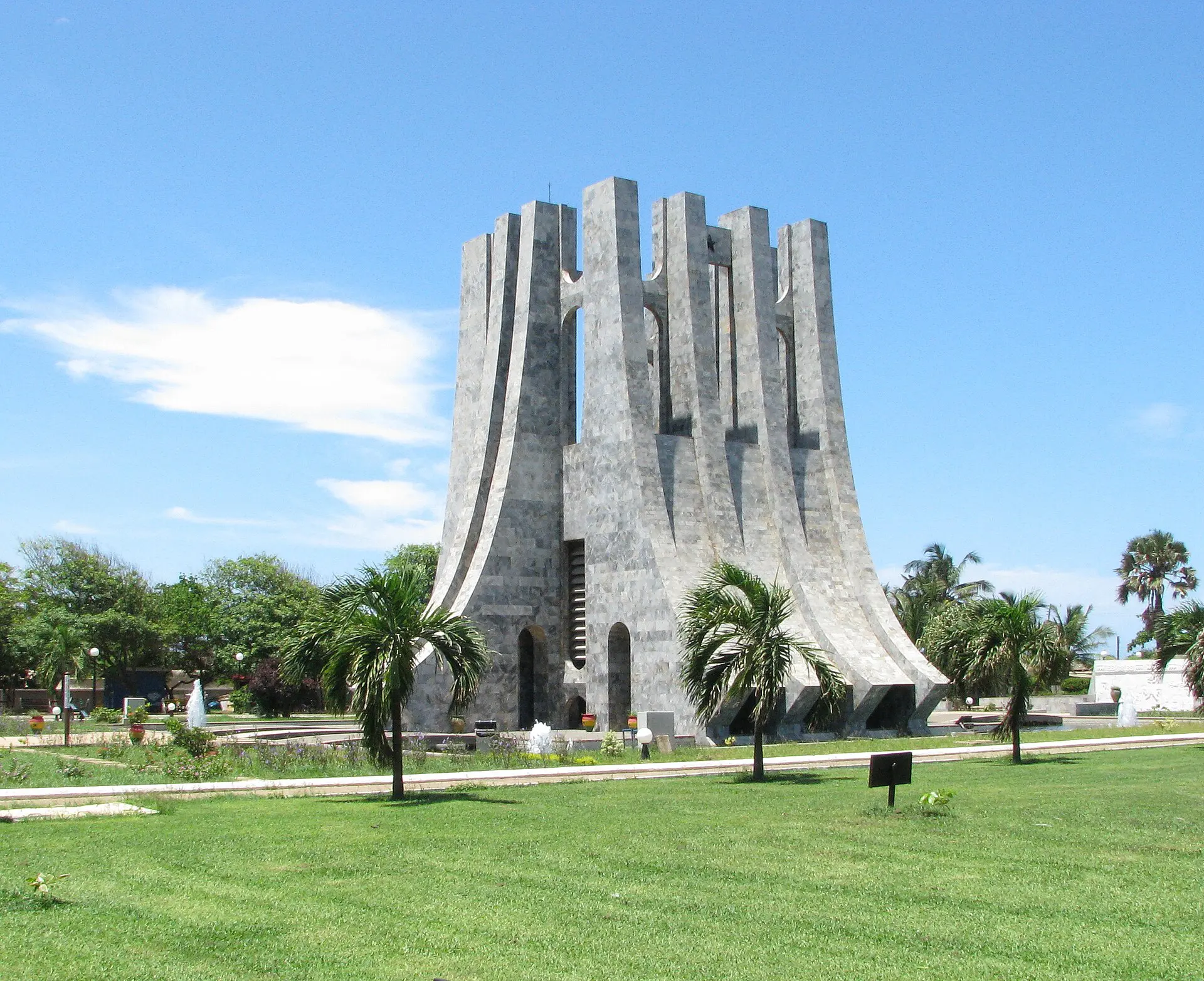
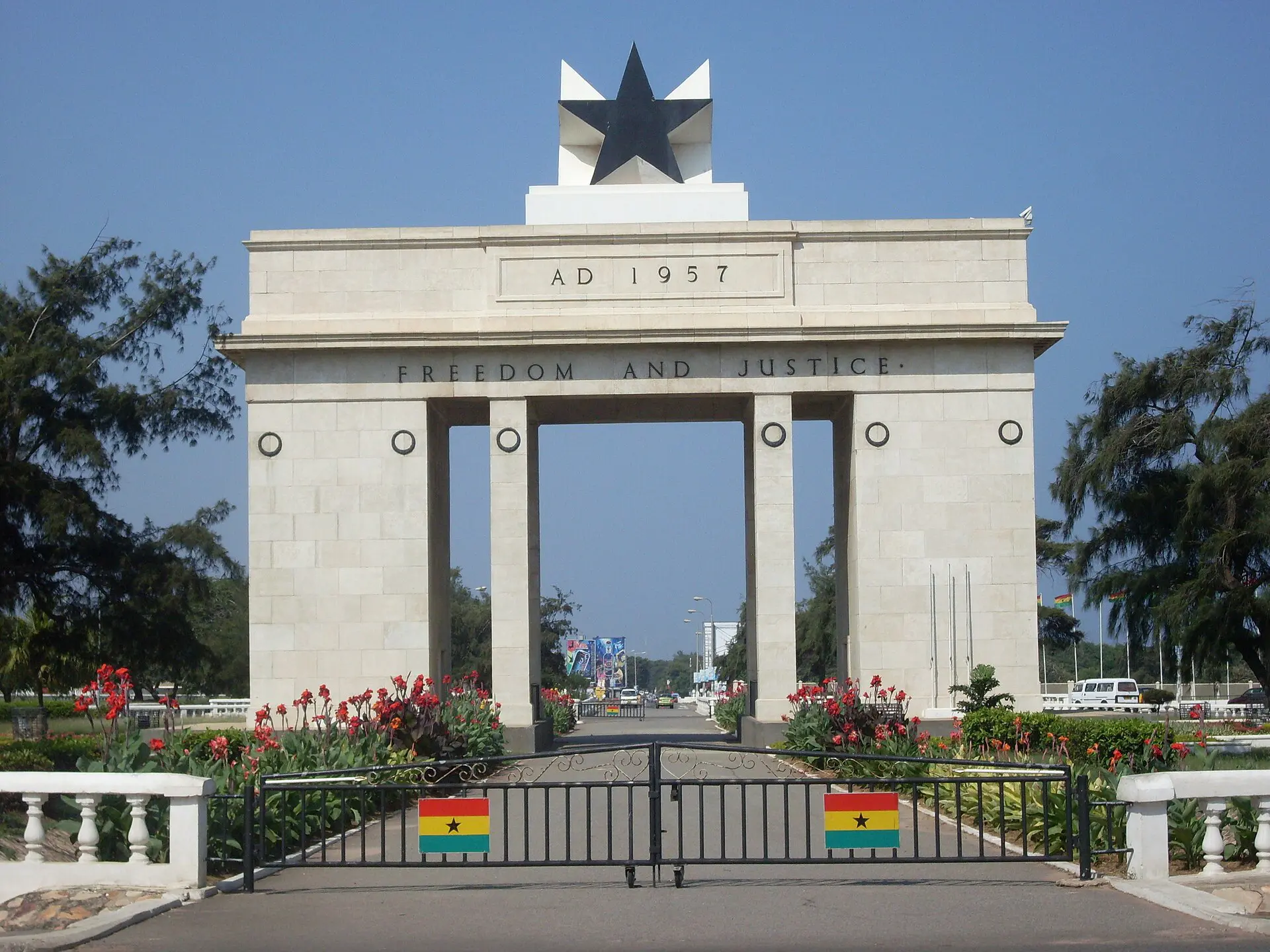
This park and mausoleum honours the first president of independent Ghana, who led the country to independence in 1957. The grounds are tidy and shaded, a quiet change from the traffic outside, and there is a small museum with personal items and photographs. Allow about an hour. Dress respectfully, and check opening hours and entry fees ahead, as they change. Nearby streets have chop bars for a plate of rice and stew afterwards.
5. See the National Museum
For a clear introduction to Ghanaian history and craft, the National Museum holds kente cloth, carved stools, masks, drums and archaeological pieces. Allow an hour or two and go in the late morning, when the heat sends people indoors. Hours and exhibits change, so confirm before you go. Pair it with lunch at a nearby simple restaurant serving fufu with light soup or banku with grilled tilapia, both eaten by hand.
6. Eat your way through Osu
Osu is the busiest food and nightlife district, with a long shopping street and many small restaurants and street vendors. Evening is the time to come. Try kelewele, ripe plantain cubes fried with ginger, pepper and spices; grilled corn; skewers of grilled meat; and jollof rice, the West African rice dish that Ghanaians happily argue about. Order what the crowd is eating. Cash is helpful for the smallest vendors.
7. Spend an afternoon at Labadi Beach
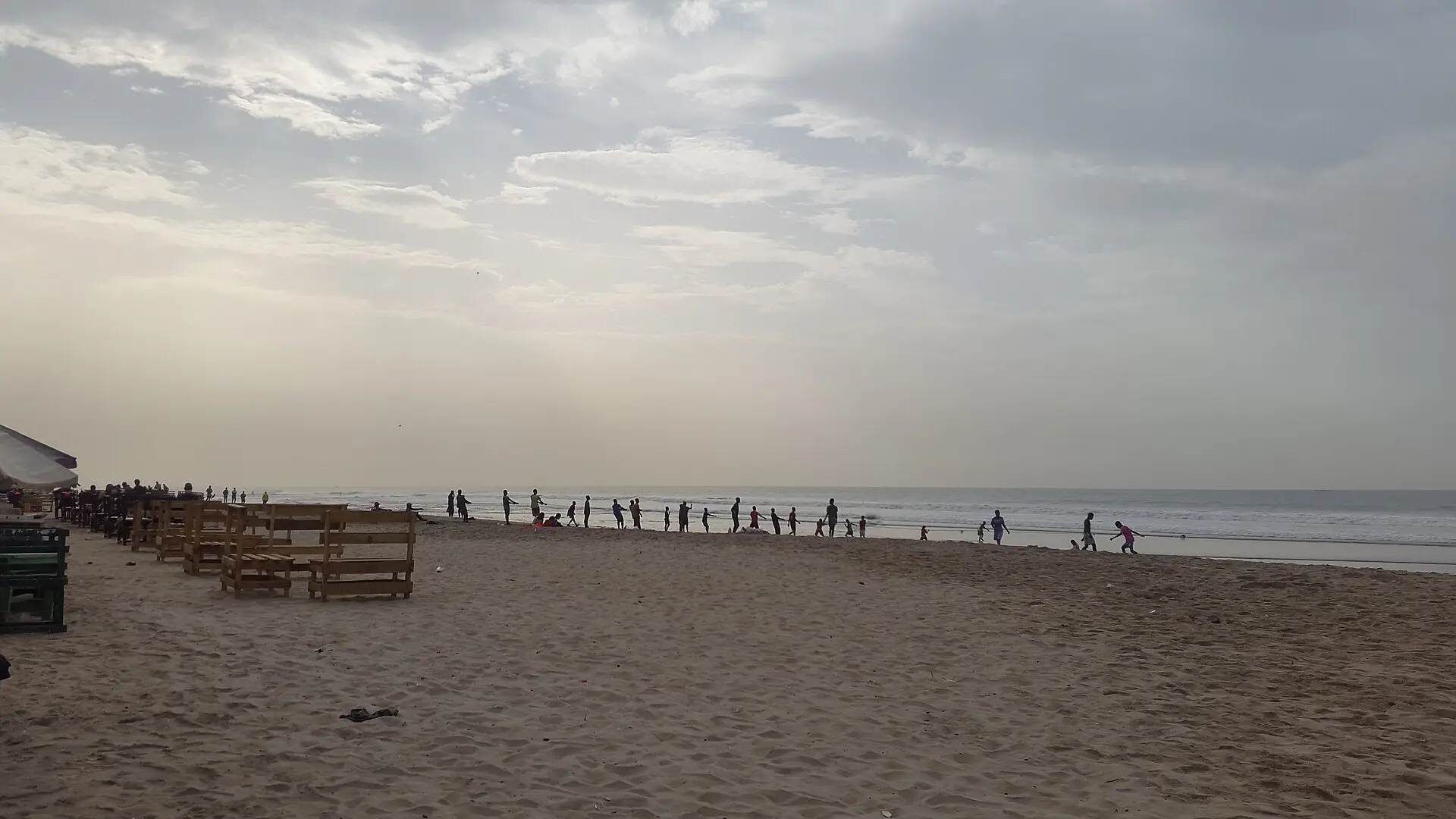
Labadi is the city’s busiest beach, loud on weekends with music, horses, drummers and food vendors. The surf and currents can be strong, so swim only where locals are in the water and ignore anyone pressing you to buy something. Weekdays are calmer. Come at the end of the afternoon, when the sun softens, and eat grilled fish or fried yam with pepper sauce on the sand.
8. Escape to Aburi Botanical Gardens
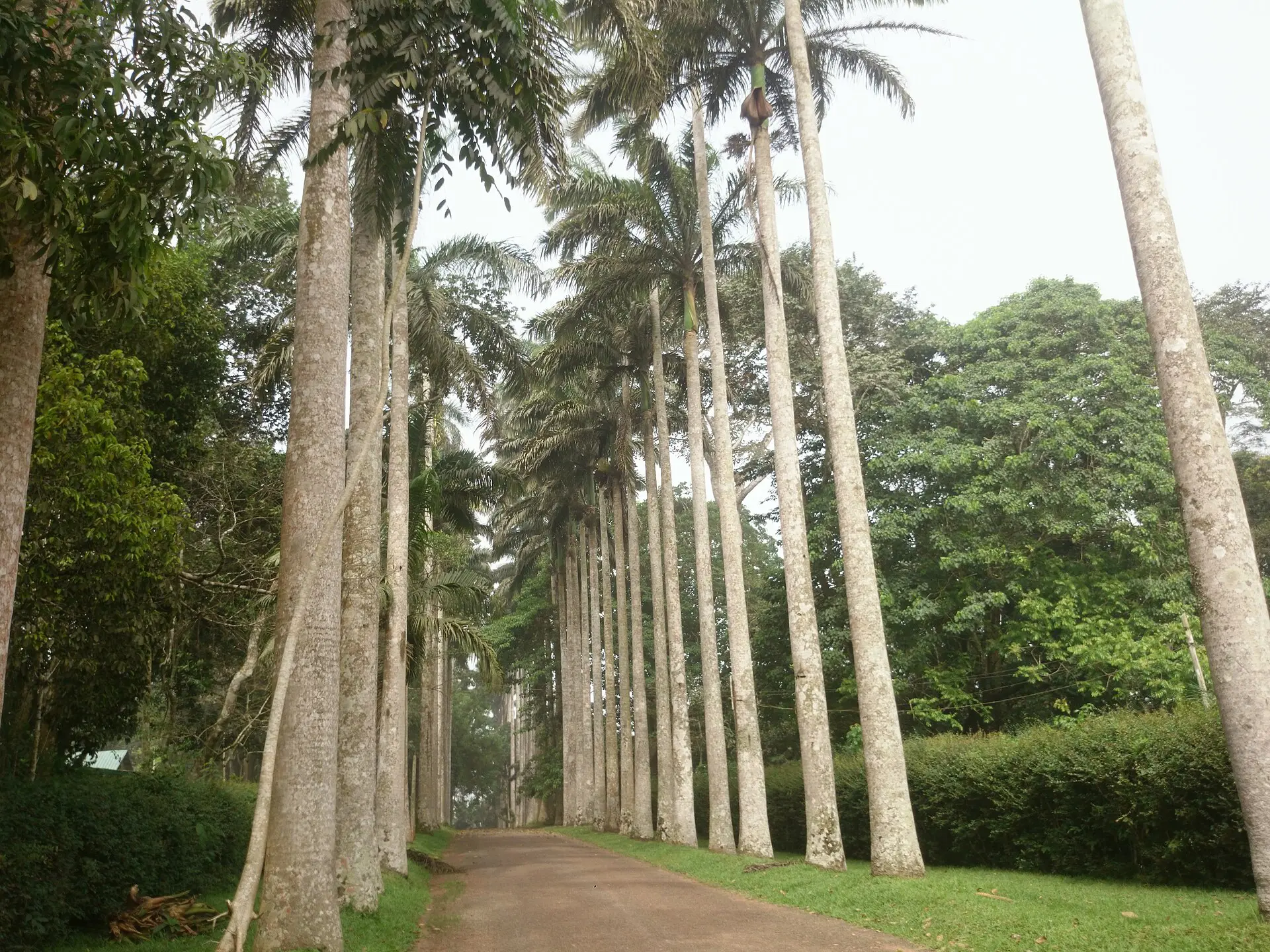
Aburi sits in the hills north of the city, about an hour away depending on traffic, and the air is cooler there. The gardens have mature trees, shaded paths and a quiet that is hard to find in Accra. The town is also known for wood carving. Leave early to beat traffic and go on a weekday if you want peace. Bring water and insect repellent.
Where to stay in Accra
- Osu: central for restaurants, nightlife and shops, and good for first-time visitors who want to walk to dinner.
- Airport Residential and Cantonments: calmer, near the airport and many hotels and embassies. Suits business travelers and short stays.
- East Legon: a modern residential area with cafes, malls and apartments. Suits longer stays and those who like a quieter base.
- Jamestown and the coast: simple guesthouses near history and fishing. Suits adventurous travelers who prefer character to comfort.
Getting around Accra
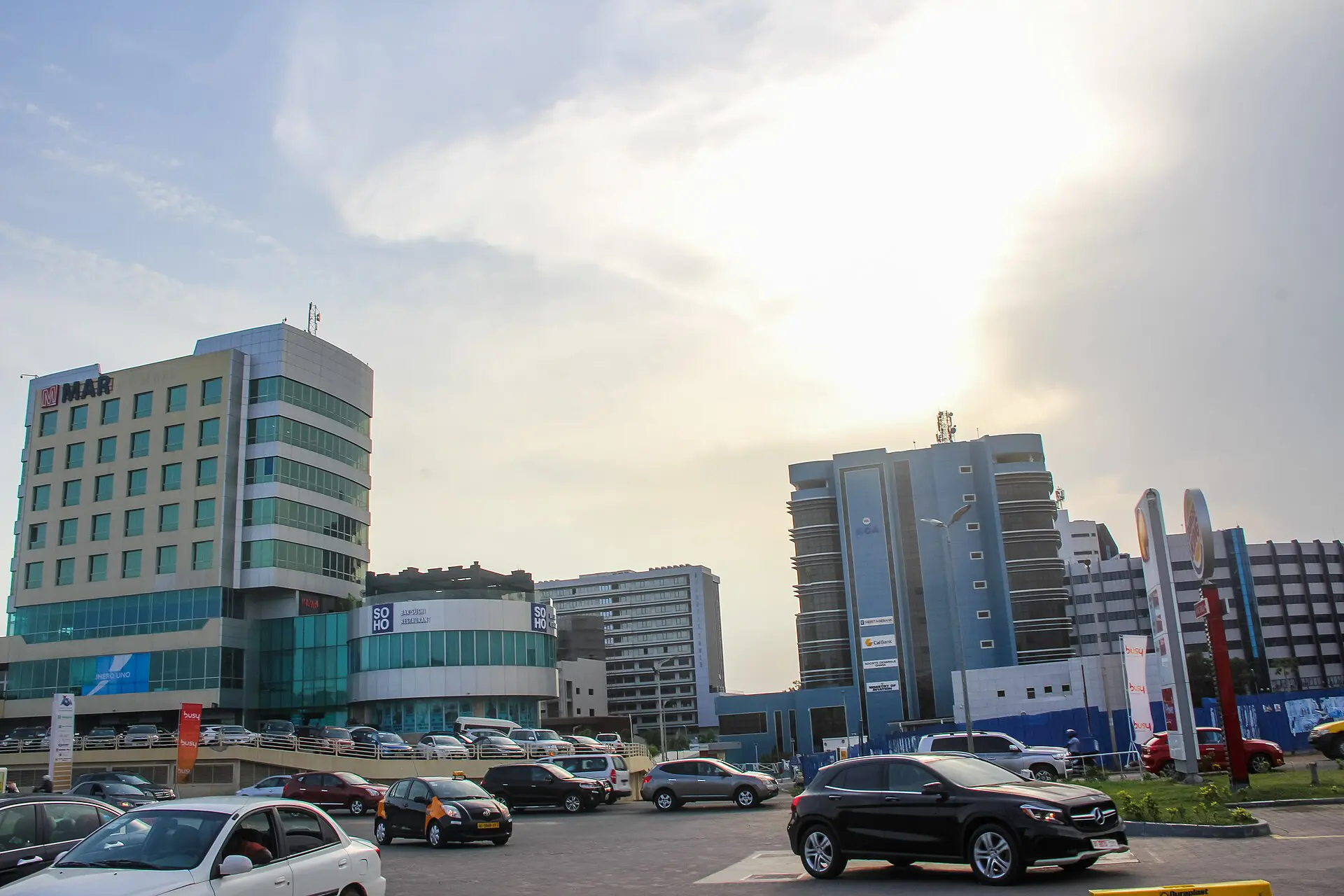
Traffic is heavy, so allow double the time you expect. Ride-hailing apps and taxis are the simplest option; agree the fare before you get in if there is no meter. At the airport, use the official taxi stand for a regulated fare rather than accepting offers from touts. Shared minibuses called trotros are very cheap, but routes are hard to learn. Use them for short, familiar hops if you want the experience. Walking is practical within Osu and Jamestown.
How much does a trip to Accra cost?
Local food is cheap and hotels are the main expense. These are rough daily totals per person in US dollars, as of 2026; prices and exchange rates change, so check before you go.
- Budget, about $35-60: a basic guesthouse, street breakfasts, chop-bar lunches, shared transport and apps.
- Mid-range, about $90-160: a good hotel or apartment, restaurant dinners, rides and entry fees.
- High, about $200 and up: upscale hotel, private driver, fine dining and guided tours.
Is Accra worth visiting?
Yes, if you want a city where food, music and history are close to the street. Accra is not a quiet, tidy destination; it is loud, hot and congested, and the sights are spread out. I would skip it if you want a compact old town or a relaxed resort. Come for the markets, the cooking and Jamestown, and pair it with a trip along the coast. For further reading, see the Accra guide on Wikivoyage and the Wikipedia article on Accra.
FAQ about Accra
How many days do you need in Accra?
Three days covers Makola, Jamestown, a museum, a beach afternoon and a couple of evenings in Osu. Add a day for Aburi or a coastal excursion. Traffic eats time, so avoid over-planning each day.
What food should you try in Accra?
Waakye, kenkey with fish, banku with grilled tilapia, fufu with light soup, jollof rice, kelewele and shito. Most are inexpensive and sold at stalls and chop bars. Eat where the food is cooked fresh and the line is steady.
Is Accra safe for tourists?
Many visitors find Accra welcoming, but petty theft and scams happen in crowds. Keep valuables out of sight, use apps or official taxis at night and check your government’s travel advice before you go.
What language is spoken in Accra?
English is the official language and widely used, alongside Ga, Twi, Ewe and others. A few local greetings are appreciated. Always greet people before asking a question or a price; it is considered polite.
What is the best month to visit Accra?
December to February is dry and sunny but dusty and busy. August is a reasonable shoulder month. The April to July rains are heavier, and bring lower prices if you can tolerate storms.