A 3 day Masai Mara safari from Nairobi works with children if you accept that the first and last days are mostly travel. You get two real nights in the reserve and about four game drives, which is enough to see lions, elephants and a lot of plains animals without wearing anyone out. The key decision is road or air: five to seven hours each way by road, or about half an hour by small plane. This plan assumes children of about seven to ten.
At a glance
- Length: three days, two nights in or beside the reserve.
- Suits: children who can sit for two to three hours at a time and sleep in a tent or lodge room. For under sevens, I would choose the flight and a shorter drive each day.
- Difficulty: low physically, medium logistically. The ride is bumpy, the days start at dawn, and the road can be slow after rain.
- Cost (hedged): very roughly US$400 to $700 per person per day for a mid-range road package, and more for flights, private vehicles or conservancy lodges. Prices change with season. Confirm what is included before booking.
- Best months: July to October is the dry season and the usual window for the migration. April, May and November bring rain and muddy tracks.
Day-by-day plan for a 3 day Masai Mara safari from Nairobi
Four timed blocks per day. Treat times as a guide and let the driver adjust to the animals and the weather.
Day 1: Nairobi to the Mara
- 6:00 am, depart Nairobi. Leave early to beat the city traffic. Pack the car with water, fruit, dry snacks and a spare layer. Children usually sleep for the first hour.
- 8:30 am, breakfast and viewpoint stop. Many road itineraries pause on the Rift Valley escarpment for a view and toilets. Ten minutes on foot is a good reset before the rougher final section.
- 12:30 to 1:30 pm, arrive and lunch at camp. The final stretch is slow, bumpy and dusty. Allow up to seven hours in the rains. Check in, eat and rest. Do not rush into a drive on arrival. Ask the staff to explain the rules for walking between tent and dining area after dark, and tell children that wildlife can pass through camp.
- 4:00 pm, first short game drive. Aim for 90 minutes, not three hours. Animals are active again in late afternoon, light is softer and children are rested. Head back for sunset and dinner.
If you fly instead, you land on an airstrip after roughly 30 minutes in the air, and the lodge usually picks you up. That gives you a full afternoon drive and an easier first day.
Day 2: The full Mara day
- 6:15 am, early game drive. The best sightings of cats and big herds are in the first two hours. Take a flask, a blanket and a snack. At about 1,500 to 2,200 metres, mornings are cool.
- 9:30 am, breakfast and a long rest. Return to camp or stop for a bush breakfast if your package includes one. Let children swim, draw or nap for two hours. This is the anchor of the day.
- 1:00 pm, lunch and quiet time. Midday is hot and the animals mostly rest in shade. Do not schedule a drive here.
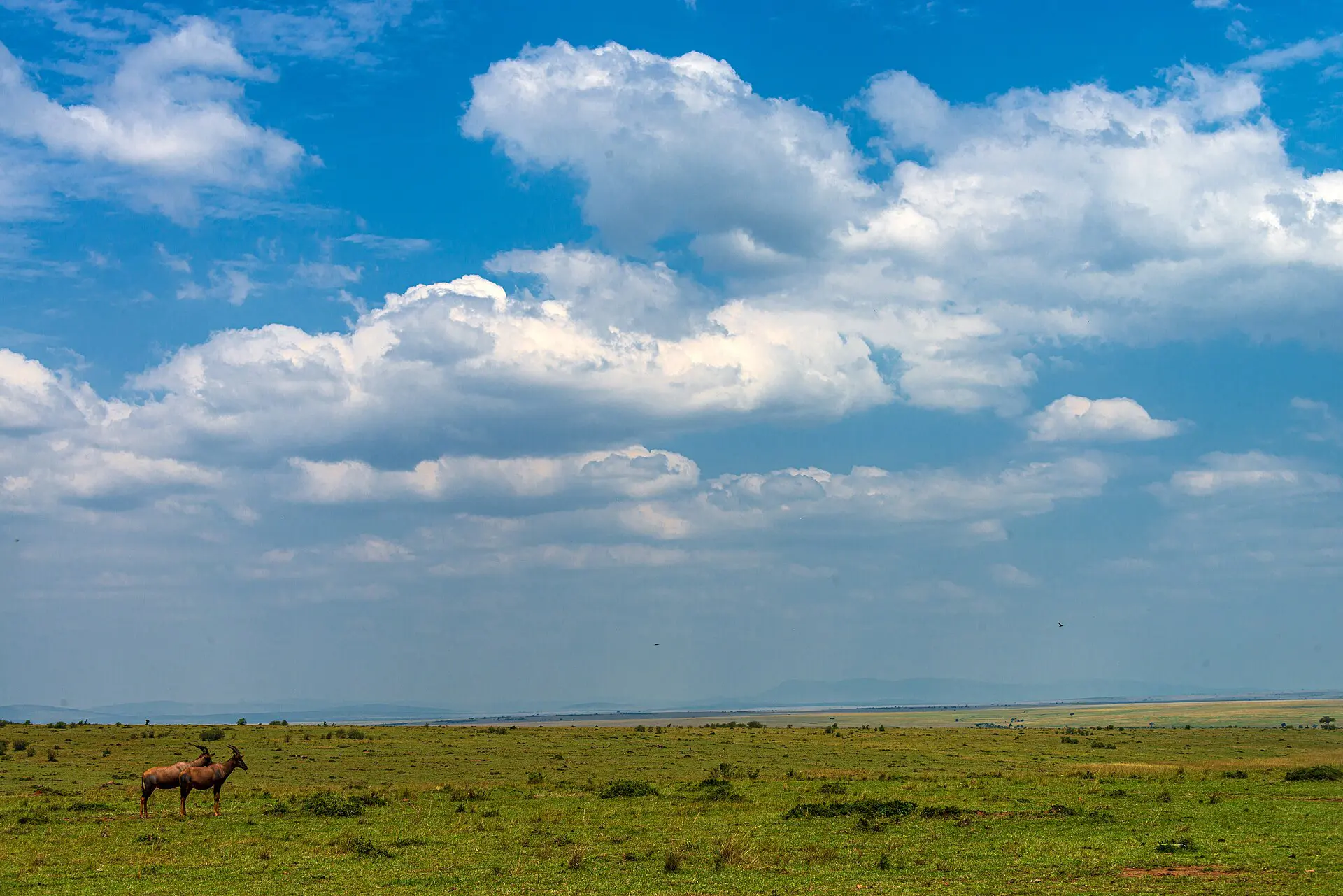
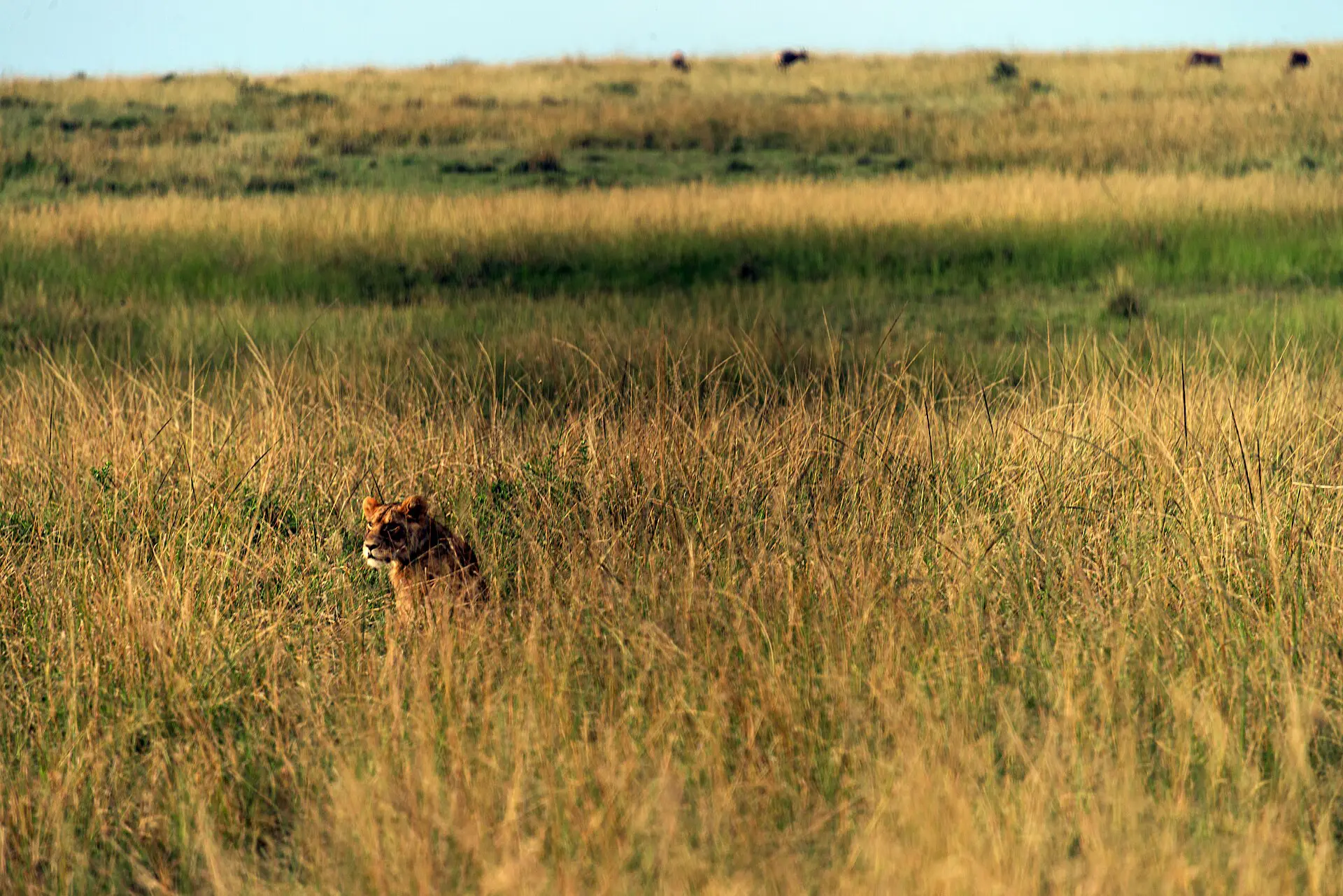
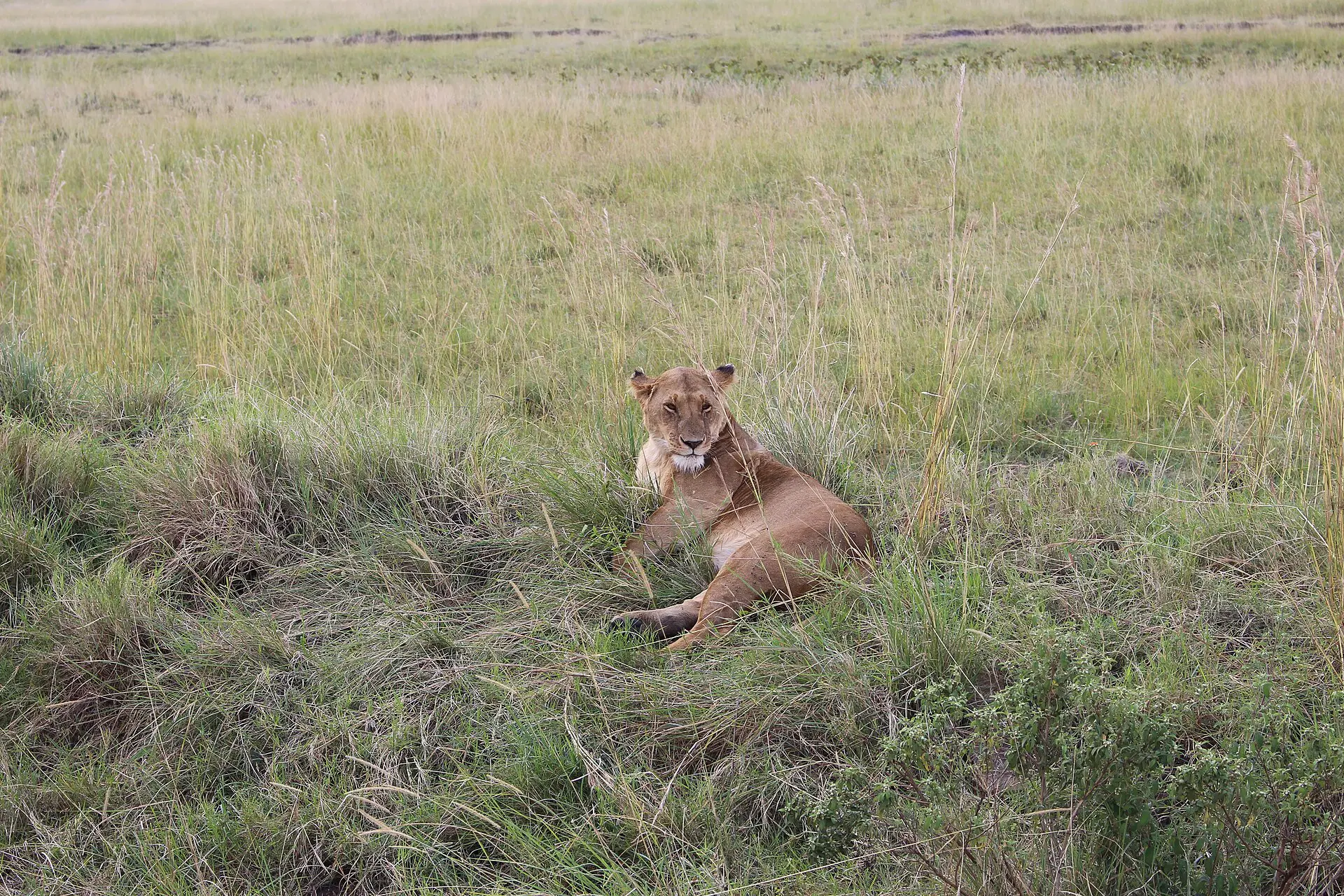
- 4:00 pm, late game drive or a Maasai cultural visit. Either is fine. Ask in advance how a community visit works and who benefits, and keep it short. Children can usually manage a drive of two hours. Lions, cheetahs, leopards and elephants all live in the Mara, and the reserve is one of the few places where several of the Big Five can be seen in a single day. Agree on one or two target animals with the children at breakfast so the quiet stretches have a purpose.
Day 3: Final drive and return
- 6:15 am, short farewell game drive. Keep it to 90 minutes. You are looking for what you missed on the first two days; ask the driver which animals the children want to see most.
- 8:30 am, breakfast and pack. Do the packing the night before so the morning is calm.
- 9:30 am, depart the Mara. By road, allow five to seven hours to Nairobi. Put snacks and a game or an audiobook within reach.
- 3:30 to 5:30 pm, arrive in Nairobi. Build in a buffer if you have a flight home that evening. I would not book an international flight before the following morning.
Backup plan for a tired or rainy day
Build one slack block into Day 2. If it rains hard, tracks can turn to mud and the guide may shorten the drive. If children are flat, swap the afternoon drive for time at camp, then take a short sunset outing close to the lodge. A missed drive costs far less than a miserable one. Pack a deck of cards, a notebook for a sightings list and a small waterproof layer for each child.
What to pack for each child
- Two or three neutral-coloured, long-sleeved layers; mornings and evenings are cool.
- A wide-brimmed hat, sunscreen and sunglasses.
- Closed shoes and one spare pair of socks.
- A soft bag, since small planes and some lodges prefer these to hard cases.
- Binoculars, a water bottle and a notebook or animal checklist.
- Any regular medicines, plus rehydration salts and a basic first-aid kit.
Getting there and around
By road, the drive from Nairobi usually takes about five hours in the dry season and up to seven in the wet. The last part is rough.
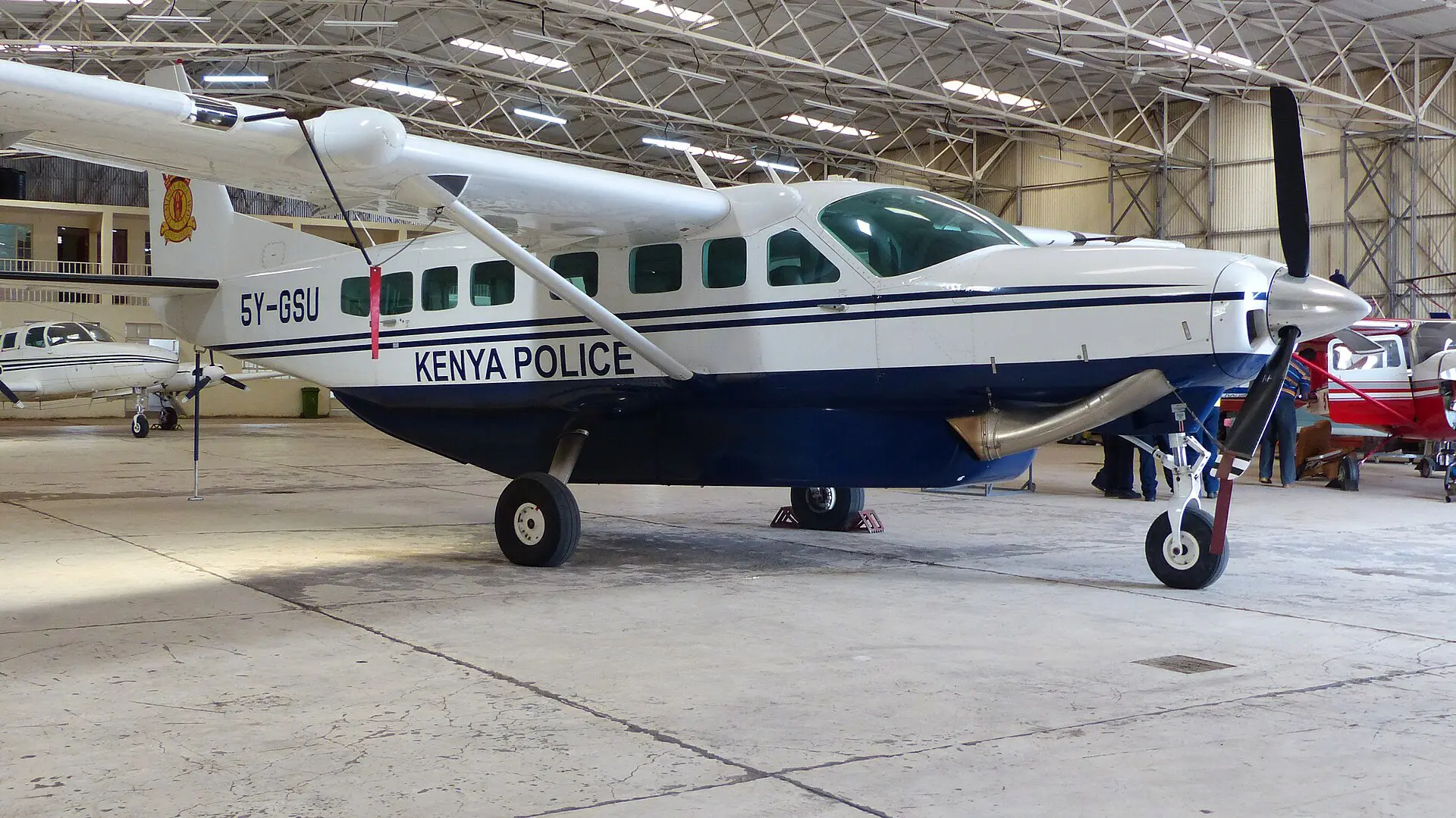
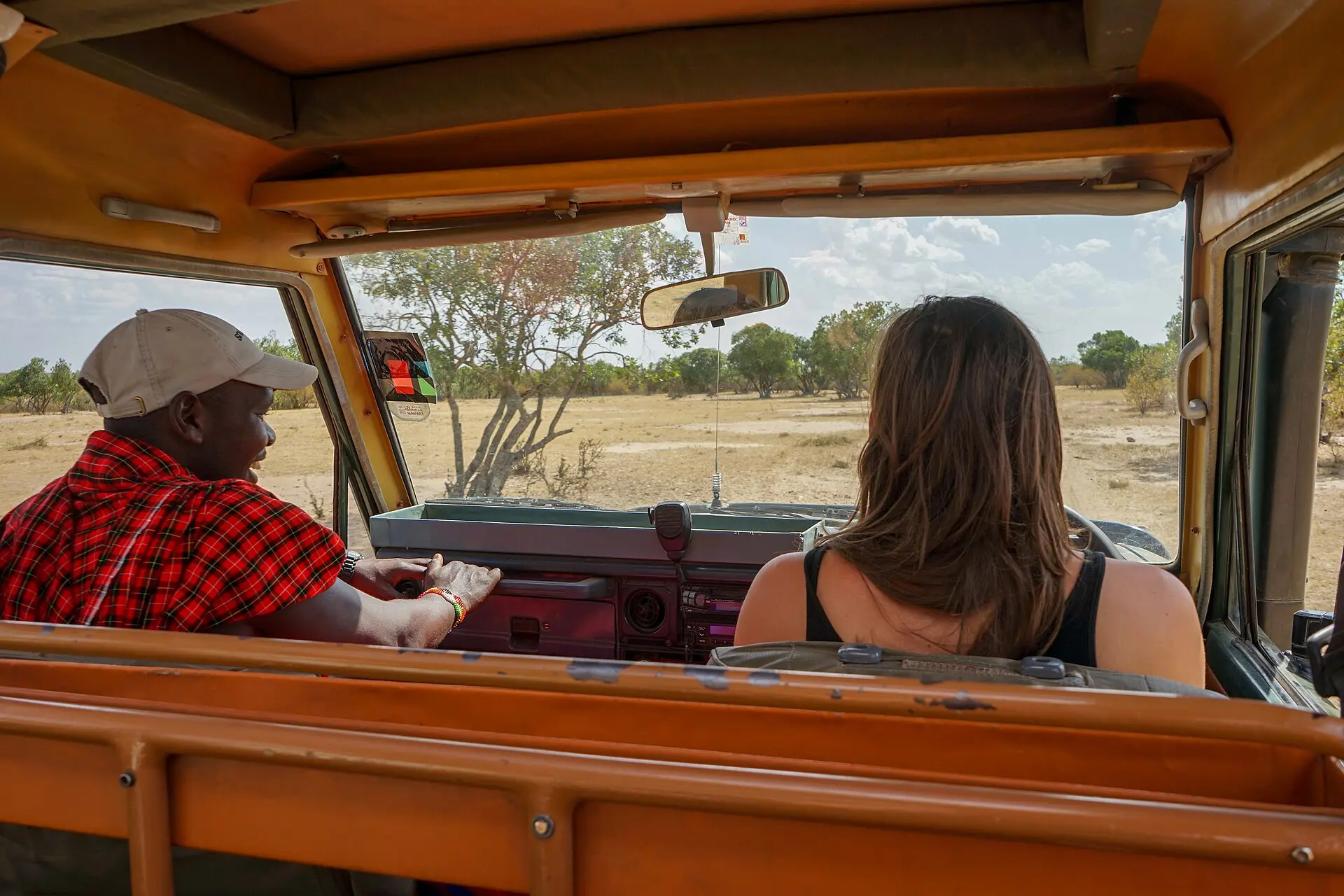
A 4×4 with a pop-up roof is standard, and a driver-guide goes with you throughout. By air, scheduled flights from Wilson Airport take around half an hour and may land at several airstrips. Some flights run only when there are enough passengers, so book early and keep flexible dates. Baggage limits on small aircraft are strict, often with soft bags only, so ask the airline. If you take a flight, you will fly from Wilson Airport, not the main international airport, so allow time and a taxi transfer between the two on arrival day.
With a road transfer, ask your operator to confirm the pickup time the evening before, and whether the vehicle has seat belts for every child.
In the reserve, you stay in the vehicle for drives. Do not use shared minibuses that pack six people with camera gear for the whole day if you can avoid it; a seat per child and a window each matters. For more background see the Maasai Mara guide on Wikivoyage.
Where to sleep by area
- Inside the main reserve (Narok side). Many lodges and camps, shorter drives to sightings, and more vehicles at popular spots. Good for first-timers who want convenience.
- The Mara Triangle. The north-western part has fewer properties, well-kept gravel roads and rangers who limit vehicle numbers at sightings. Camps lying just outside the Oloololo Gate usually take guests into the Triangle. Calmer, often better for children who dislike crowds.
- Conservancies on the edges. Private land next to the reserve with limited vehicles and sometimes night drives and walks. Usually pricier, and children’s age limits vary, so check before booking.
- Outside the reserve. Cheaper, but a longer transfer each morning. For a three-day trip, a good location matters more than a lower price.
Whichever you choose, ask about a family room or adjoining tents, and about fences and escorts at night.
Costs
Costs depend on season, group size and style. The main items are:
- Accommodation and meals: the biggest cost; many packages are full board.
- Reserve entry fees: charged per person per day, at higher rates for non-residents and lower for children. Check the current rate.
- Vehicle and driver: included in most packages; cheaper if shared, costlier private.
- Flights: an extra if you choose air over road.
- Extras: hot-air balloon rides, cultural visits, drinks and tips. Balloons often have age minimums, so confirm.
A realistic range for a family of four, mid-range, is several thousand US dollars in total for three days. Peak season in July to September costs most. Booking months ahead is worth it for the migration months. If the budget is tight, travel in the shoulder weeks, or in June, when prices are often lower, and spend the saving on a better location and a private vehicle. Pay more for the vehicle and the lodge location; save on extras such as drinks, souvenirs and optional activities.
Mistakes to avoid
- Cramming in too many parks. Three days is one place. Visiting several in one itinerary eats the time in transit.
- Choosing a cheap package without checking the vehicle. Ask how many people share and whether each has a window seat.
- Skipping the midday rest. Children who rest in the heat do much better on the late drive.
- Planning a late flight home. The road can run long. Leave a night in Nairobi.
- Booking in the rains without a plan B. Mud can close tracks. Ask what the operator does if a drive is cut short.
- Not asking about children’s rules. Some camps have age limits, fences and rules about walking at night.
3 day Masai Mara safari FAQ
Is three days enough for the Masai Mara?
Yes, for a first visit. Two nights give you four to five drives, which is long enough to see big cats, elephants and large herds. It is too short for a relaxed pace if you travel by road in both directions.
Should we drive or fly?
Fly if you can afford it, especially with children under eight. The flight takes about half an hour versus five to seven hours by road. Drive if budget matters and children cope with long trips; take breaks and snacks.
When is the best time to go?
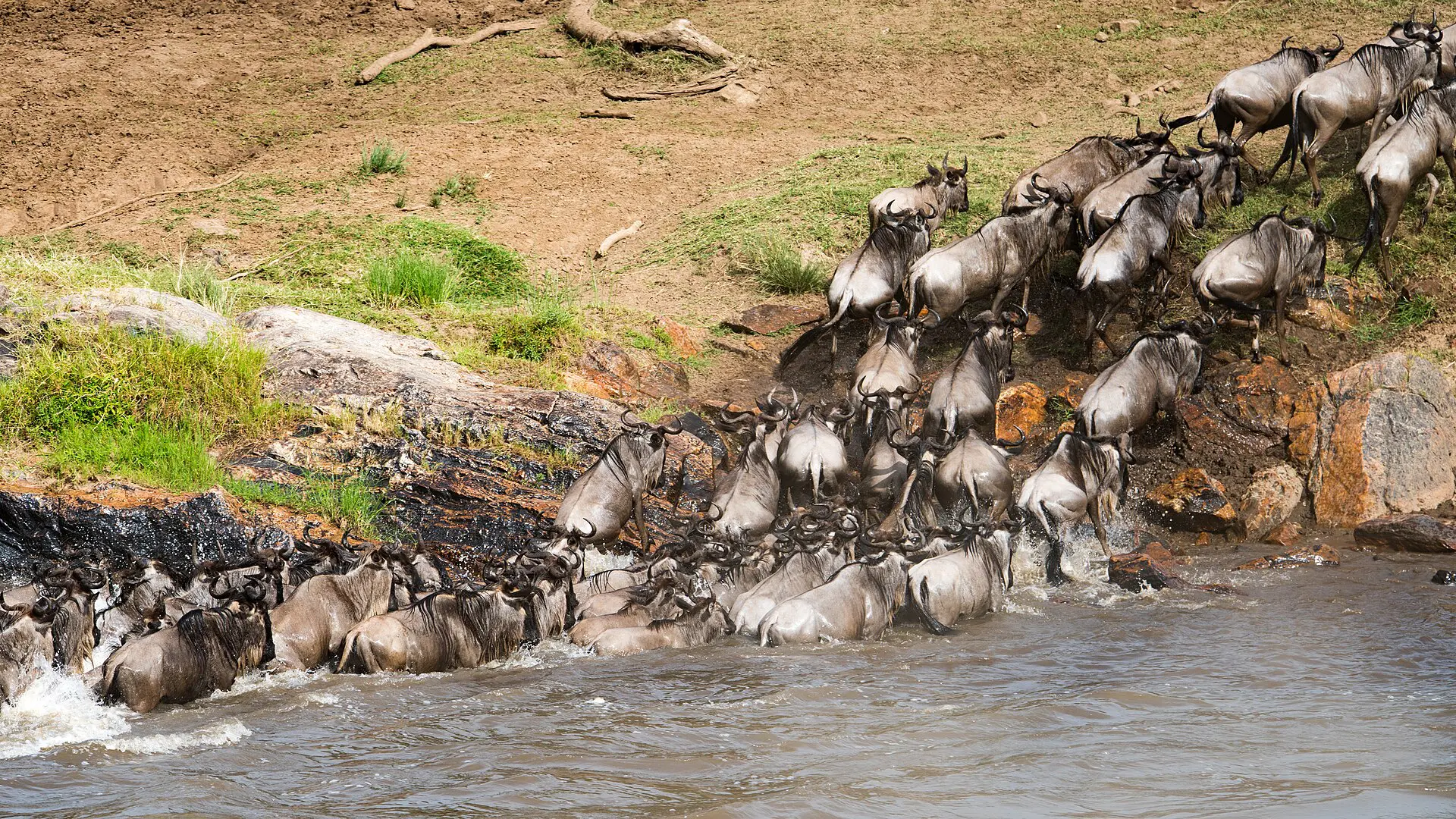
July to October is the dry season, and the wildebeest usually cross into the Mara between July and early September, though timing varies year to year. April, May and November are wetter, with muddy tracks.
What is the plan if a child is tired or unwell?
Skip a drive. The camp can offer a rest, a swim or a short walk in the grounds. Tell the guide early. Carry any regular medicines, rehydration salts and a thermometer.
Do we need vaccinations or malaria tablets?
Check current advice with a travel clinic well before you go. Malaria risk, yellow fever requirements and entry rules change, and children have different dosing. Use repellent and long sleeves at dusk.