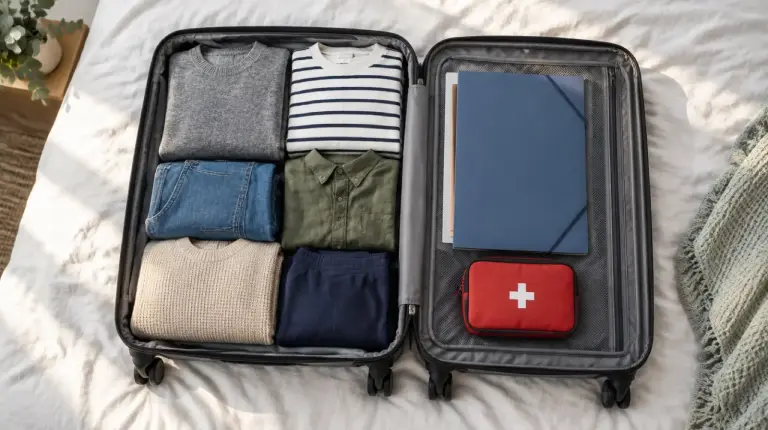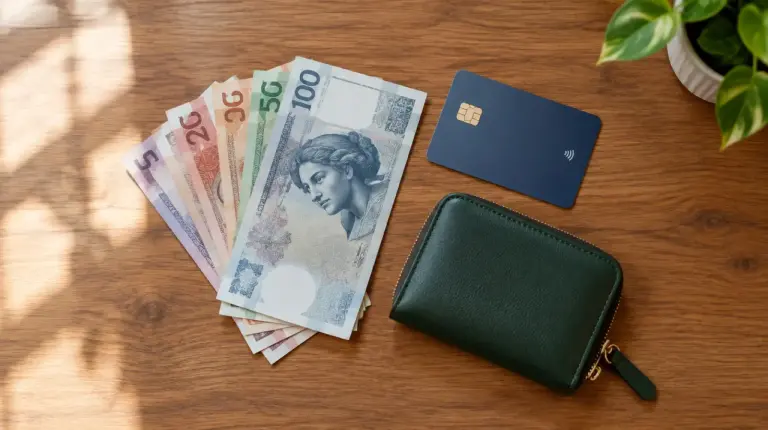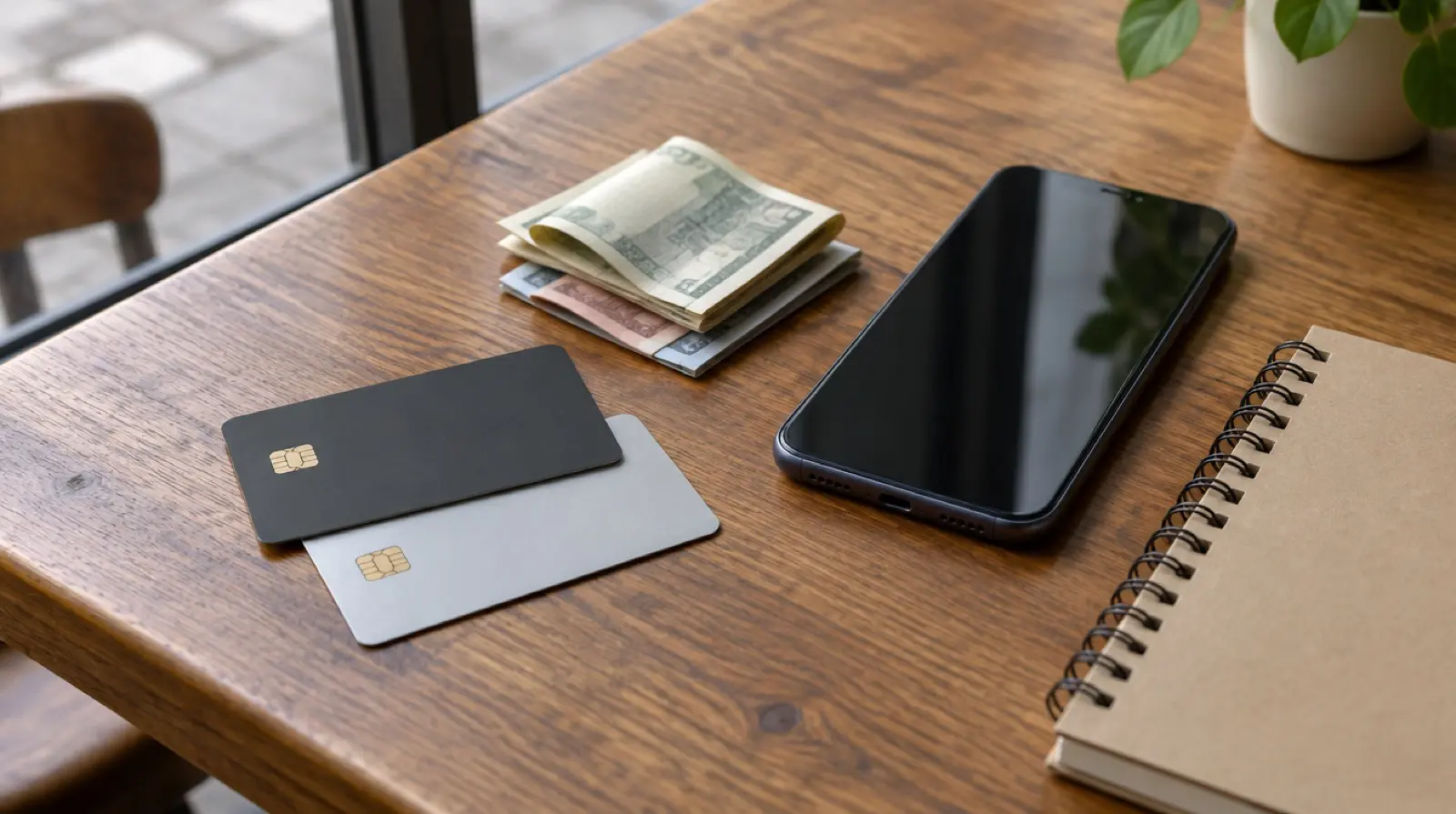
Banking while travelling long term works best as a layered setup: your main account, a second card from a different provider, a way to move money across borders, and a short admin routine. None of it is exotic. Rules and fees differ by bank and country, so treat this as general information and verify each point with your provider.
The short version
- Tell your bank how long you plan to be away and keep its contact details somewhere you can reach offline.
- Carry at least two cards from different providers, stored in separate places.
- Choose one low-cost method for transfers and withdrawals, and check the real fees.
- Set up alerts, secure access and a plan for lost cards or phones before you leave.
- Check tax, residency and visa questions with a qualified professional and official sources.
Step by step
Banking while travelling long term is mostly six small decisions made before you leave.
1. Call your bank before you go
Ask your bank what it expects of customers who live abroad for months. Some banks restrict accounts if you change address or spend long periods overseas, and some require you to tell them. Confirm how you receive replacement cards, one-time codes and letters while away. Get answers in writing where you can, and note any limits on foreign withdrawals or card use.
2. Build a layered card setup
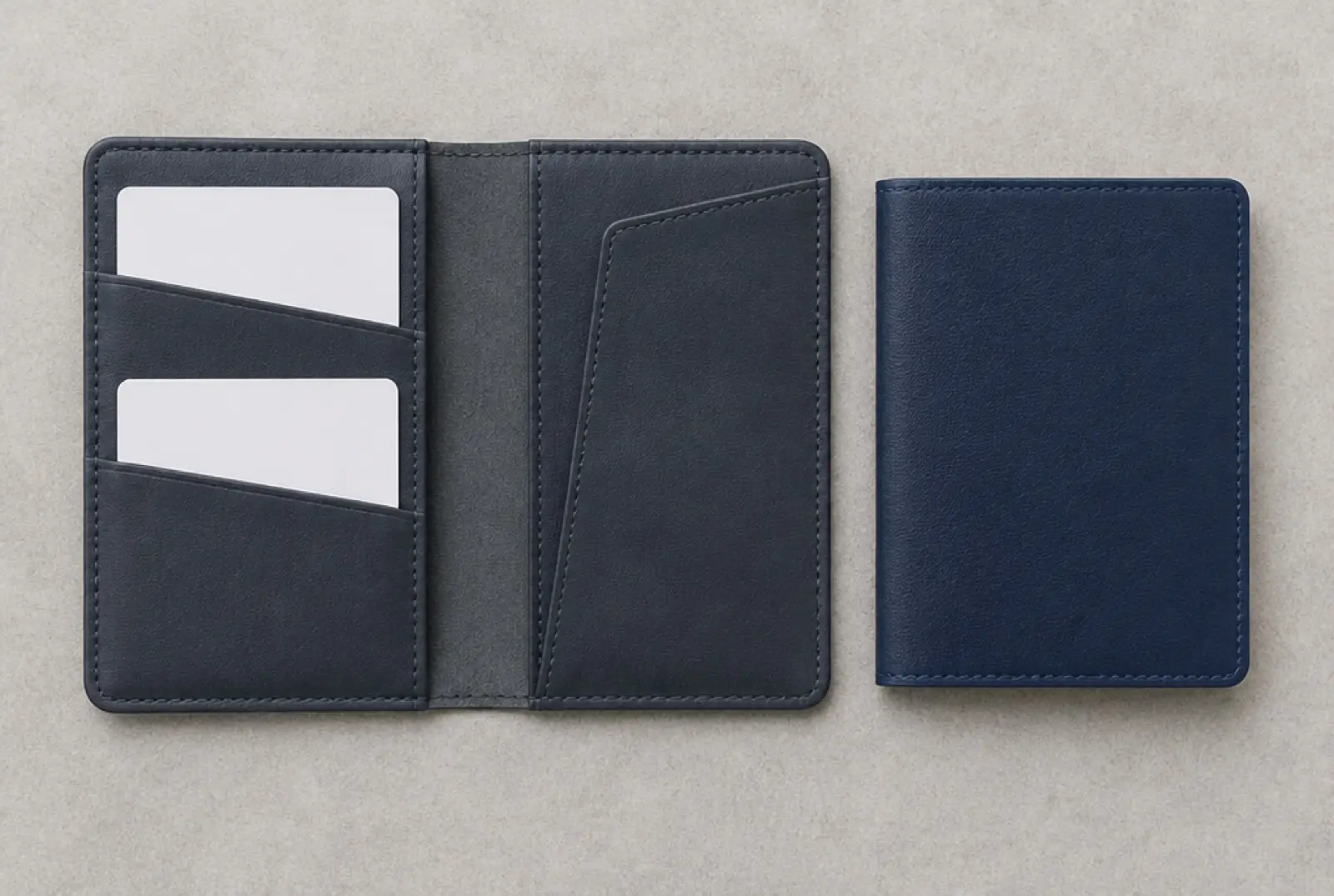
A single card is a single point of failure. A common pattern is a main debit card, a second debit or credit card from a different bank, and a small amount of cash in a local or widely accepted currency. Keep them in separate places, so one lost bag does not cut you off. Check that each card works abroad, has no unexpected foreign fees and can be frozen from your phone.
3. Plan how money moves across borders
Think about how you are paid and how you pay rent. Some nomads keep their income in one account and move set amounts to local accounts or cards as needed. Others use a multi-currency account. Compare the exchange rate and the fee, not just the headline fee, since the rate can cost more than the charge. Check which services are available in your country of residence, and how they are regulated.
4. Handle cash and withdrawals sensibly
Withdrawals abroad can involve a bank fee, a machine operator fee and an exchange margin. When a machine offers to charge you in your home currency, the rate is often worse than letting your bank convert, so check this before accepting. Use machines at banks where possible, and cover the keypad. Take cash in modest amounts, in line with local advice.
5. Keep the admin routine small and regular
Once a week, check balances, review transactions for anything unfamiliar, and note upcoming rent or subscription dates. Keep digital copies of key documents in secure storage, and a short list of every account, its support number and what to do if a card is lost. For work-friendly spots, a quiet cafe or coworking desk is better for banking than a public network. See digital nomad visa europe for how stay rules can affect which local accounts you can open.

6. Ask about tax, residency and local accounts
Staying abroad for long can affect where you are tax resident, what you owe and what reporting you have to do. It can also shape whether you can open a local account, which often requires a local address or residence status. This is general information, not advice. Speak to a qualified tax professional who knows both your home country and your base, and check the official tax authority websites. For a stay-by-country example, the page on portugal digital nomad shows how routes and requirements are laid out.
A layered banking setup at a glance
| Layer | What it does | Check with | Rough monthly cost |
|---|---|---|---|
| Main account | Holds income and pays core bills | Your bank, about long stays abroad | About $0 to $15 in account fees |
| Backup card | Works if the main card is lost or blocked | A second provider, about foreign use | Often $0, depending on provider |
| Cross-border transfers | Moves money between currencies | Provider, about rates and regulation | Varies with volume and rate margin |
| Cash buffer | Covers outages and cash-only places | Local advice on safe amounts | Withdrawal fees, typically a few dollars |
| Local account, if any | Rent and local bills | Bank and immigration authority | Varies, and sometimes unavailable |
As a one-month band, plan on about $0 to $30 in fees for a basic layered setup. Heavier use of transfers and foreign withdrawals can push that higher. These figures are rough and change, so check the current terms.
Common mistakes with banking while travelling long term
- Relying on one card. A block, a loss or a chip failure can leave you without money in a place where nothing else works.
- Not telling the bank. Silence can lead to blocked cards or closed accounts.
- Ignoring exchange margins. A fee-free service can still cost you through the rate.
- Keeping every code on one phone. Plan for a lost or broken phone, including how you will get verification codes.
- Assuming tax follows your passport only. Residency rules differ, so ask a professional rather than guessing.
What to verify before you go
Run this checklist yourself and confirm each item with the provider or an official source:
- Ask your bank about long stays abroad, address changes and foreign card use.
- Test each card with a small payment or withdrawal soon after arrival, and check the fees on your statement.
- Check that your phone number and email for verification still work abroad.
- Read the official immigration and tax pages for each country you plan to stay in. Visa and stay-length rules change, so do not rely on a blog alone.
- Check what deposit protection or regulation applies to any non-bank account you use.
FAQ about banking abroad long term
Do I need a local bank account?
Not always. Many nomads manage with their home account, a backup card and a transfer service. A local account can help with rent and bills, but opening one often requires residence status or a local address. Ask the bank and check immigration rules.
Which cards are best for long stays?
There is no single answer. Look for low foreign transaction fees, easy freezing from an app and acceptance where you will be. Carry two from different providers, and compare current terms before you travel.
Will my bank close my account if I live abroad?
Some banks restrict or close accounts if customers move abroad or stop meeting residency conditions. Policies differ, so ask your bank directly about long stays and keep its answer in writing.
Do I have to pay tax where I stay?
It depends on your residency status, how long you stay and the countries involved. Short stays and long stays are treated differently. This is general information, not advice, so ask a qualified tax professional and check the official tax authority pages.