Why visit Stuttgart
Planning things to do in Stuttgart usually starts with cars. The city is known as a centre of mechanical and automobile engineering, and Bosch, Mercedes and Porsche all have their headquarters in the metropolitan area. Two of the most visited car museums in Europe are here.
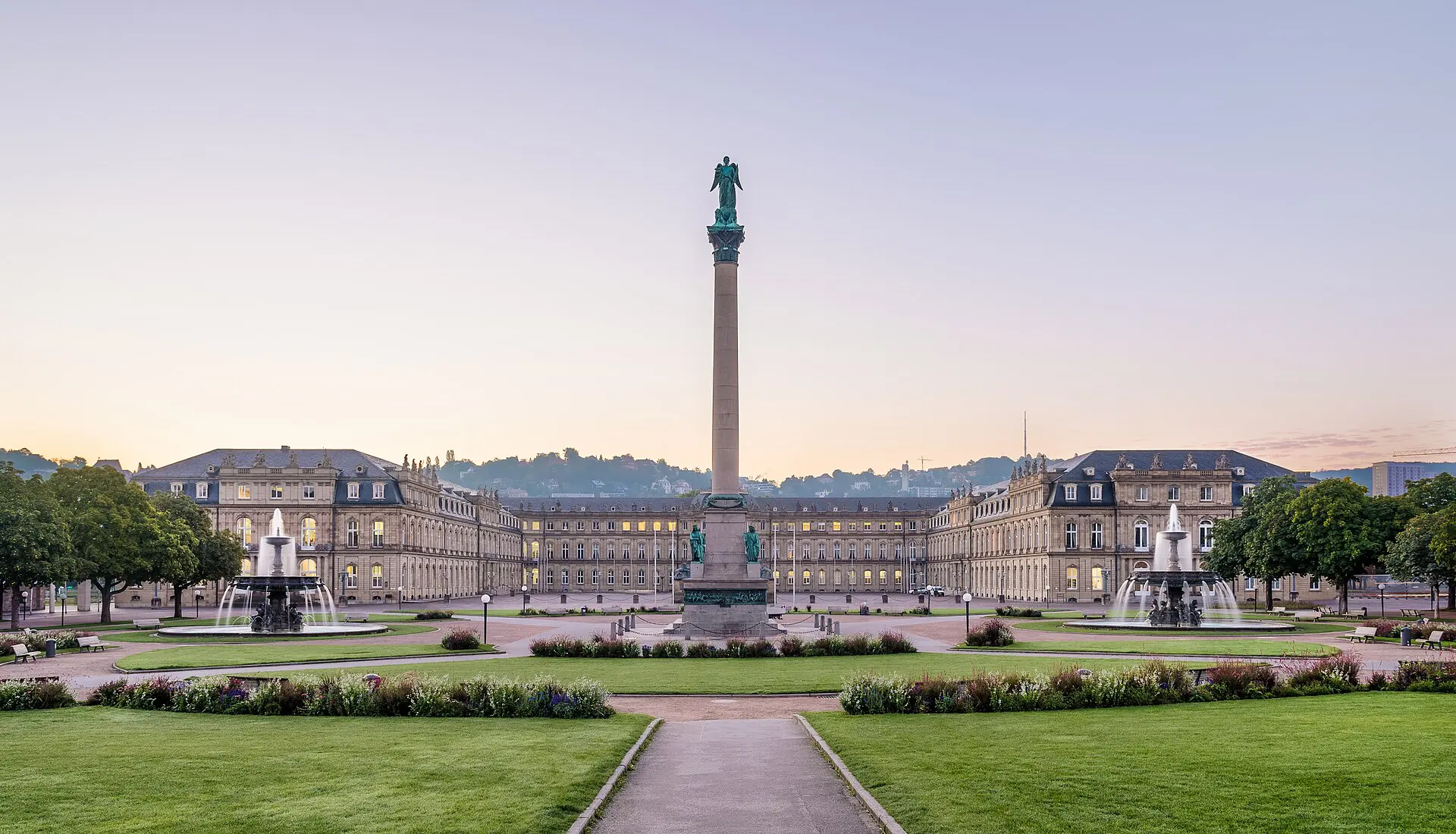
Yet Stuttgart does not look like a typical industrial hub. It is a rather sparse city spread over many hills and valleys, with forests, parks, mineral springs and even vineyards inside the city limits. It is the capital of Baden-Wurttemberg and the sixth largest city in Germany, with roughly 606,000 residents in the city and more than 2.8 million in the wider metropolitan area as of 2024.
Visitors can combine engineering history with wine slopes, art museums, opera and ballet, and a lively food scene that draws on Swabian cooking. It is not a place of old medieval lanes, so go for museums, green space and an easygoing regional atmosphere rather than a postcard old town.
Top things to do in Stuttgart
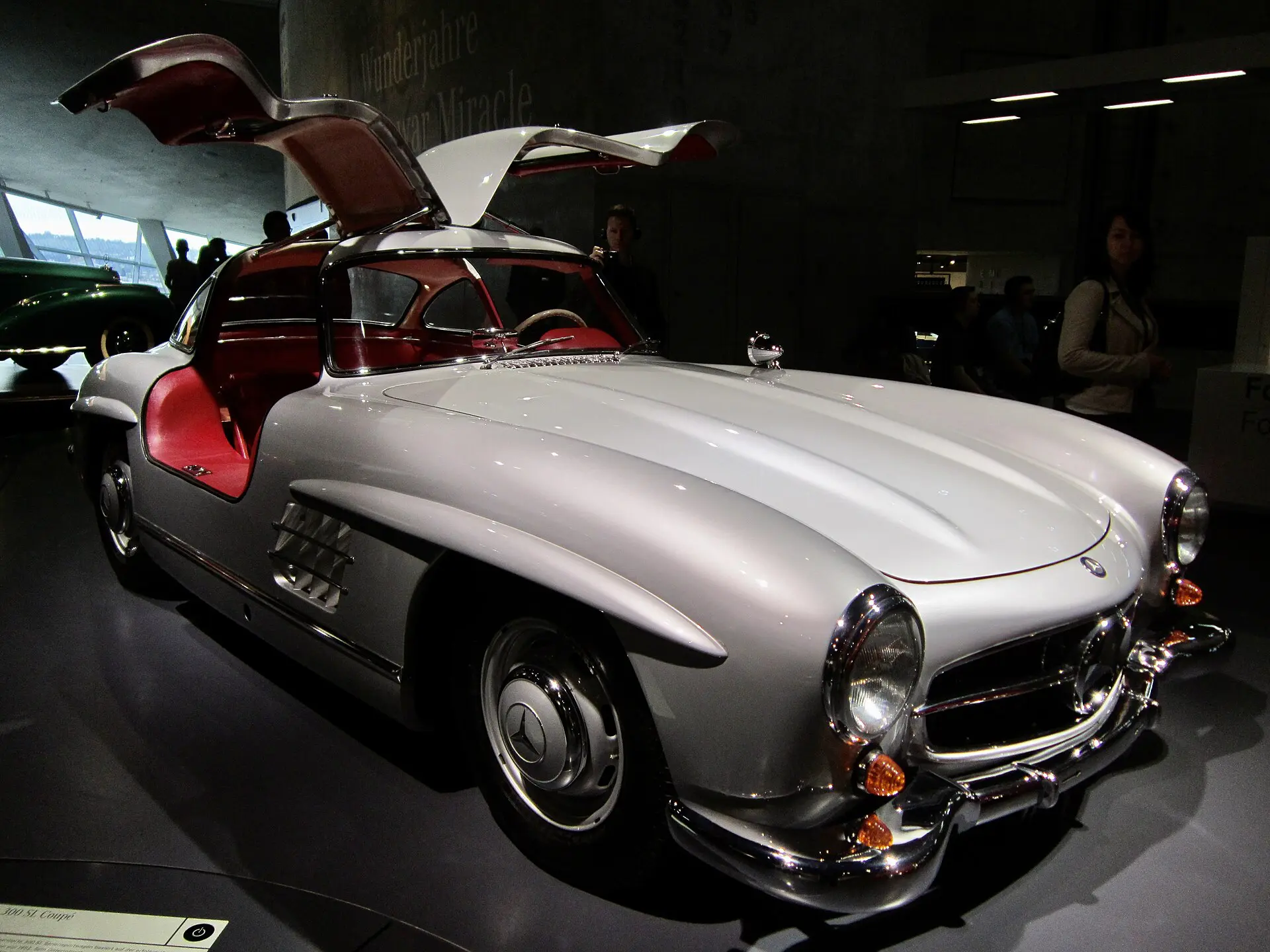
Mercedes-Benz Museum
This large museum follows the history of the car from its earliest models to modern vehicles across several floors. Allow three to four hours and take the audio guide. Check opening days before you go, as museums often close on Mondays, and book tickets online to skip queues.
Porsche Museum
Sports car fans will find the history of the brand, racing cars and design displays here. Allow two to three hours. The museum is in the north of the city and easy to reach by suburban rail, so you can combine it with a lunch stop nearby.
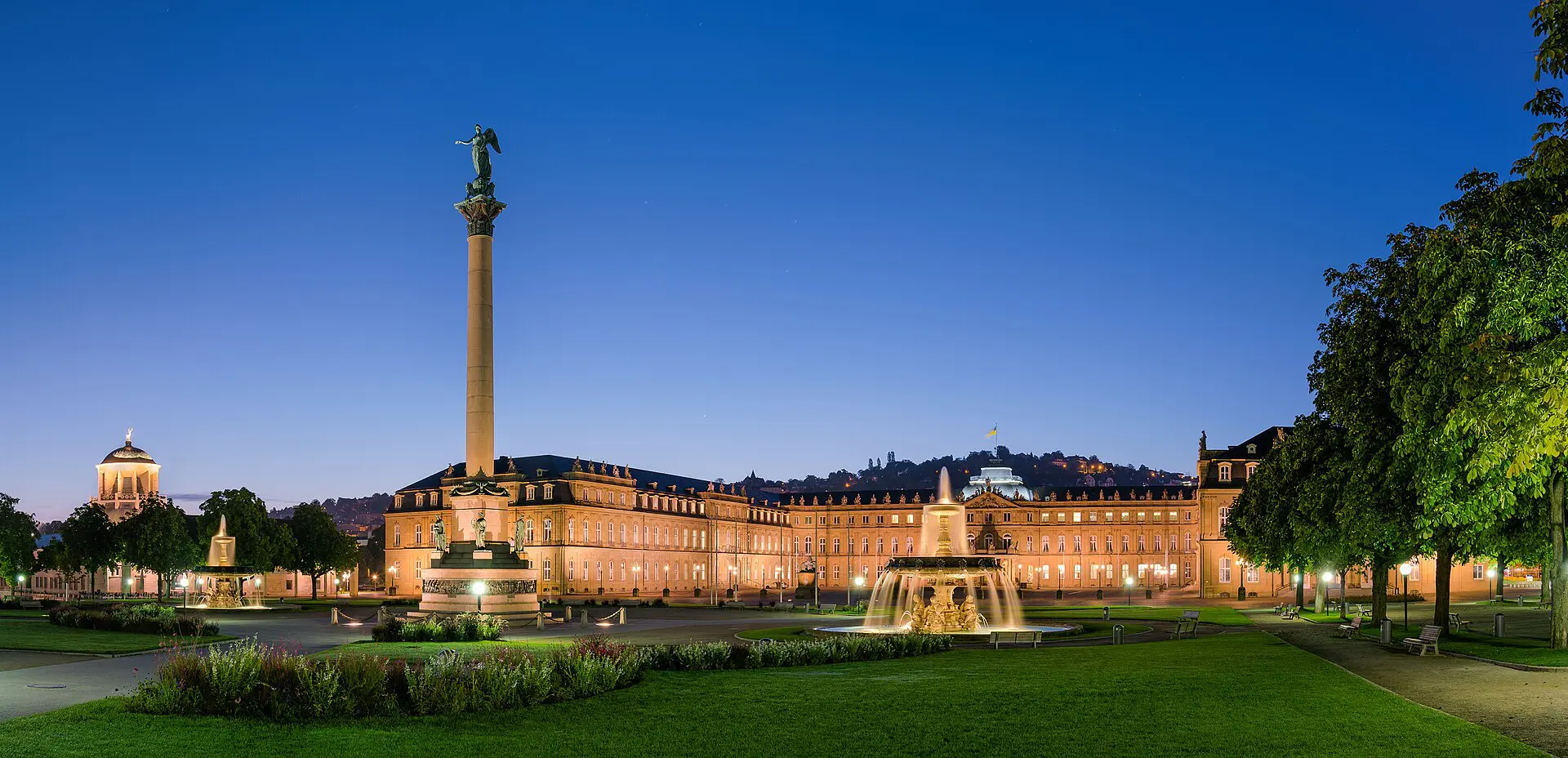
Schlossplatz and the Neues Schloss
The city’s central square is the best starting point for a walk, with the palace, gardens and shopping streets all within easy reach. Allow an hour or two. It is also a convenient meeting point, and public events are often held here in summer.
Killesberg Park and the Weissenhof estate
Green terraces, viewpoints and the architecture of the Weissenhof modernist housing estate make a pleasant half-day outing. Check what can be visited inside on the day. Wear walking shoes, because the city is hilly and some paths are steep.
Mineral baths
Stuttgart has mineral springs, and bathing in thermal pools is a local tradition. Plan two to three hours for a visit. Sauna areas often have separate rules and may be clothing-optional, so check conventions before you go and bring a towel if one is not provided.
Vineyards and wine taverns
Vineyards climb the hills inside the city itself, and local taverns serve regional wines and Swabian dishes. Walk a vineyard path in the afternoon and finish with dinner. Ask for local varieties, and remember opening hours at smaller taverns can vary by season.
Art and opera
The city has respected art museums, a notable opera and a ballet company. Check programmes in advance and book tickets early for popular performances. Even if you do not attend a show, the museum quarter is worth an hour.
Best time to visit Stuttgart
Late spring to early autumn, from May to October, is the most comfortable period for walking, parks, vineyards and outdoor dining. Summer can be warm, and the city sits in a valley basin, so it sometimes feels hot and still. Autumn brings wine harvest season and colourful slopes, which is a good time for tavern visits.
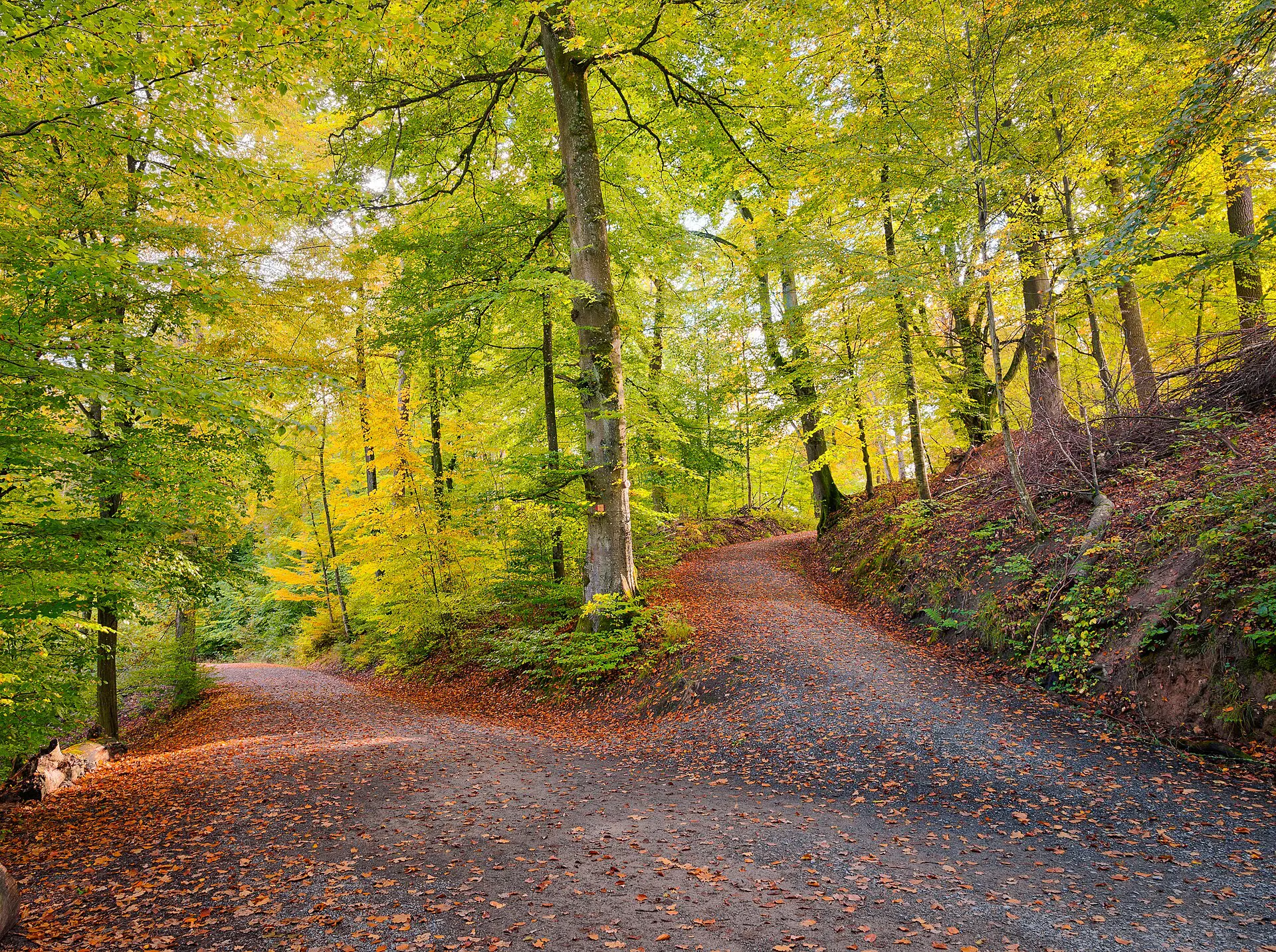
Winter is cold and often grey, but the Christmas markets are a major draw and indoor museums are unaffected by weather. Spring is mild, with blossoming trees, though showers are common. Prices for hotels rise during large trade fairs and events, so check dates before you book.
| Season | Weather | Crowds and prices |
|---|---|---|
| May to October | Mild to warm, some showers | Busier, higher prices |
| March to April | Cool, changeable | Moderate |
| November to February | Cold, grey, occasional snow | Quieter, except trade fairs and markets |
How to get to Stuttgart and around
Stuttgart Hauptbahnhof is a major rail hub with fast trains from Munich, Frankfurt and other German cities. Journey times vary, and booking early often lowers fares. Long-distance coaches also serve the city.
Stuttgart Airport lies south of the centre and handles European and some intercontinental flights. The S-Bahn suburban rail line connects the airport with the main station in around 30 minutes, though you should check current timetables.
Inside the city, the S-Bahn, U-Bahn trams and buses cover most sights, and a day ticket is usually cheaper than single fares. Because Stuttgart is hilly, some routes involve climbs, and the old rack tramway is an unusual way to reach a hillside neighbourhood. Taxis and ride apps are available for late evenings.
Where to stay in Stuttgart
The city centre around the main station and Schlossplatz puts museums, shops and public transport at your door. It is the practical choice for short stays and for travellers arriving by train, though some streets are busy and have a business feel on weekdays.
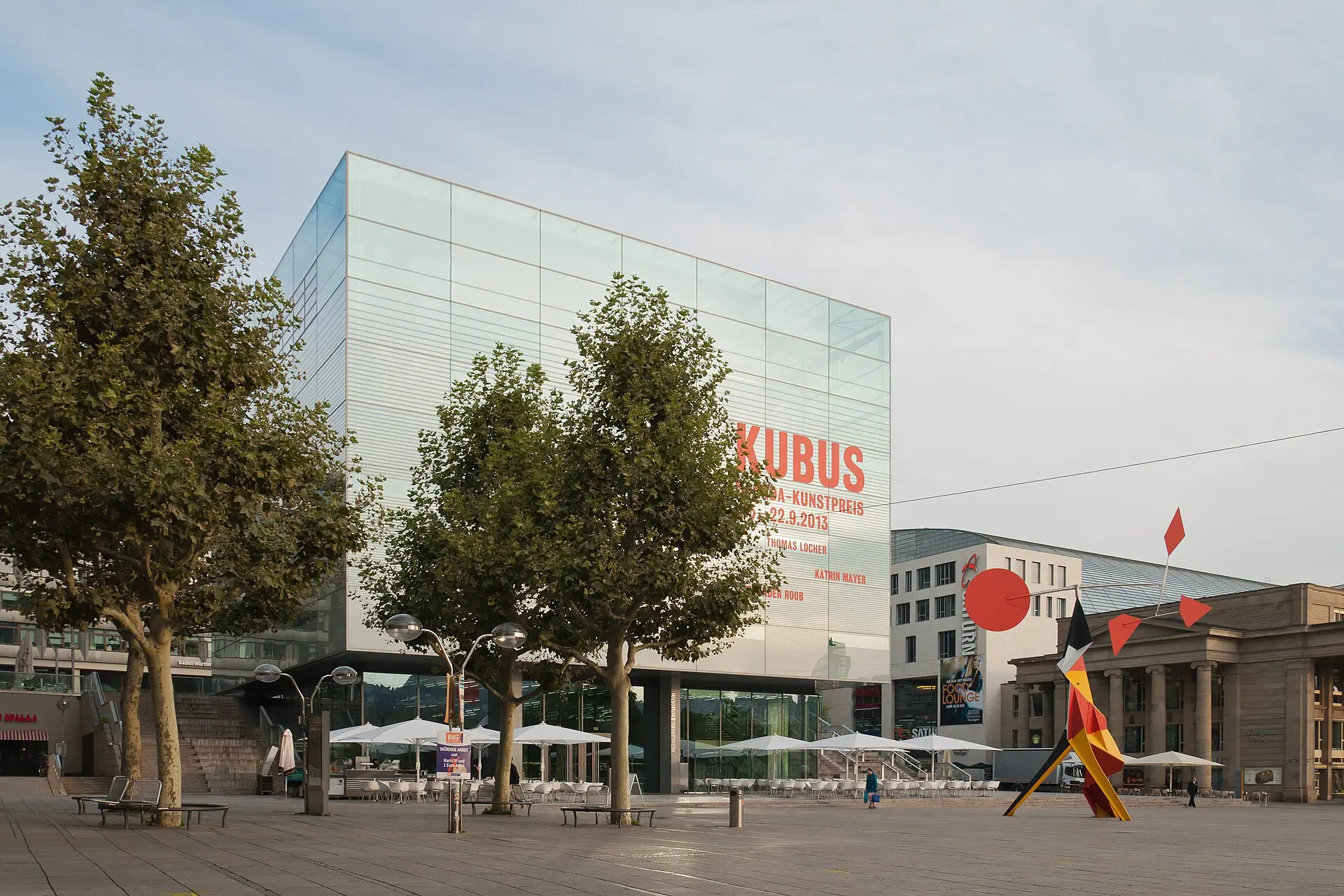
The areas on the hillsides, including the quarters near vineyards and parks, are quieter and greener. They suit travellers who prefer walks and local taverns to nightlife, but you will rely on trams and the S-Bahn to get into the centre.
Neighbourhoods near the Porsche or Mercedes museums suit car enthusiasts who want a short ride, and hotels there often cater to business travellers. Chain hotels, apartment stays and a few guesthouses are available. Book early for trade fairs and major events, when prices can double and rooms run out.
How many days do you need?
Two days suits most visitors, covering both car museums and a few other sights. Three days leaves room for a day trip, while a single day forces you to choose between one car museum and the city centre.
- Day 1: Mercedes-Benz Museum in the morning, then Schlossplatz and the city centre, and a Swabian dinner.
- Day 2: Porsche Museum, then a park or vineyard walk and an evening in a wine tavern.
- Day 3: A mineral bath in the morning, then a day trip by train to a nearby town.
If your time is limited, book timed museum entries in advance and use public transport rather than taxis between sights.
Day trips and nearby
Munich
Bavaria’s capital is reachable by fast train from Stuttgart. It is better as an onward stop than a day trip, but a long day is possible if you start early and check the timetable.
Frankfurt
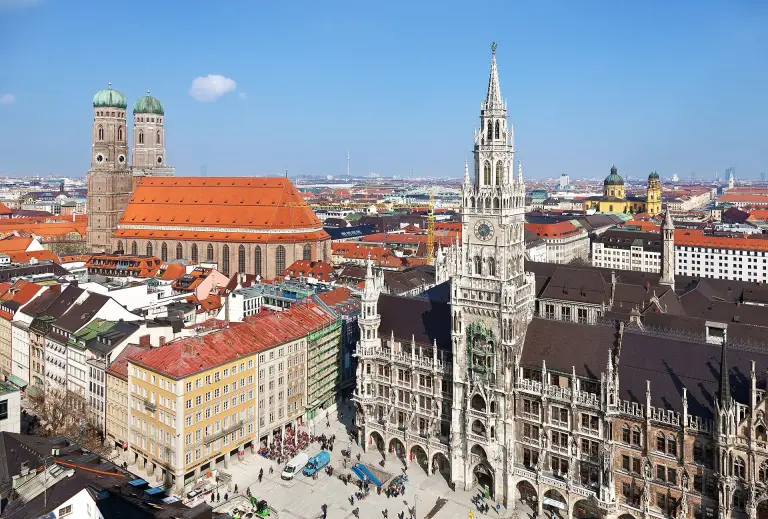
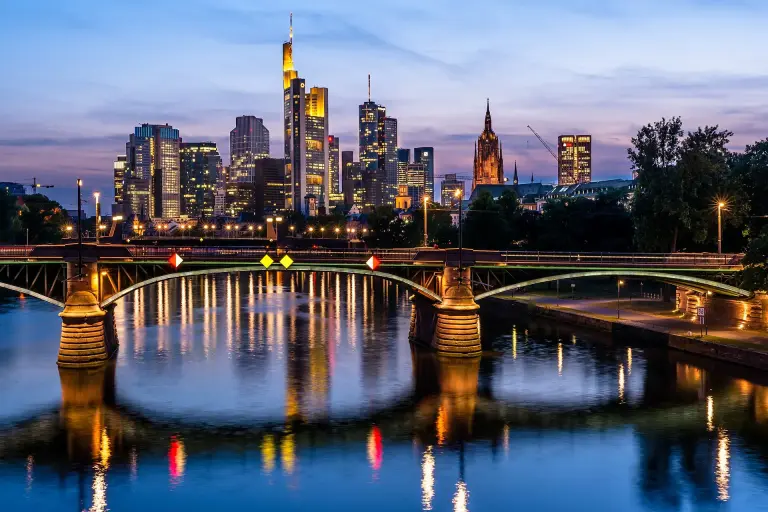
The financial hub lies north of Stuttgart and is a major air gateway. Many travellers combine the two cities on a Germany itinerary, using the train between them.
Nuremberg
This historic Franconian city has a restored old town and a well-known Christmas market. It is a longer train ride, so consider an overnight stay.
Regional towns and vineyards
Smaller towns around Stuttgart offer castles, vineyards and walking routes, and many are reachable by regional rail. Ask at the tourist information office for current suggestions and timetables.
FAQ
Q1What is the best time to visit Stuttgart?
May to October gives the mildest weather for parks, vineyards and outdoor dining, with autumn adding wine harvest atmosphere. Winter is cold, but Christmas markets and museums keep the city worth a visit. Check trade fair dates, as hotel prices can rise.
Q2How many days do you need in Stuttgart?
Two days is enough for the Mercedes-Benz and Porsche museums, the city centre and a park or vineyard walk. Add a third day for a mineral bath or a day trip. One day means choosing a single highlight.
Q3How do you get to Stuttgart?
Fast trains link Stuttgart Hauptbahnhof with Munich, Frankfurt and other German cities. Stuttgart Airport has European and some long-haul flights, and the S-Bahn runs from the airport to the main station in about half an hour. Check current timetables before you travel.
Q4Is Stuttgart worth visiting?
Yes, especially if you like cars, museums, wine or green spaces. It lacks a classic medieval old town, but its hills, parks, vineyards and mineral baths make it distinctive. It also works well as a base for exploring the region.
Prices, schedules and entry rules change. Check current details with official sources before you travel. Read the Germany travel guide.