Why visit Berlin
If you are planning things to do in Berlin, start with the scale of the place: it is the capital and largest city of Germany, with around 3.7 million people, and it is also one of the country’s states. It is surrounded by Brandenburg, with Potsdam just to the southwest.
Berlin grew up along the Spree river and has been the capital of Prussia, the German Empire, the Weimar Republic and Nazi Germany, before being divided during the Cold War and reunified in 1990. Few European cities show so many layers of twentieth-century history in the open, from the preserved stretches of the Wall to the memorials and rebuilt landmarks of the centre.
It is also a city of culture, media and science, with major museums, orchestras, universities and a large creative scene. Distances are big, so it feels less like a single centre and more like a collection of neighbourhoods, each with its own character. Parks, lakes and canals take up a lot of space, which makes it easy to balance sightseeing with downtime. Prices are generally lower than in several other Western European capitals, though they have been rising.
Top things to do in Berlin
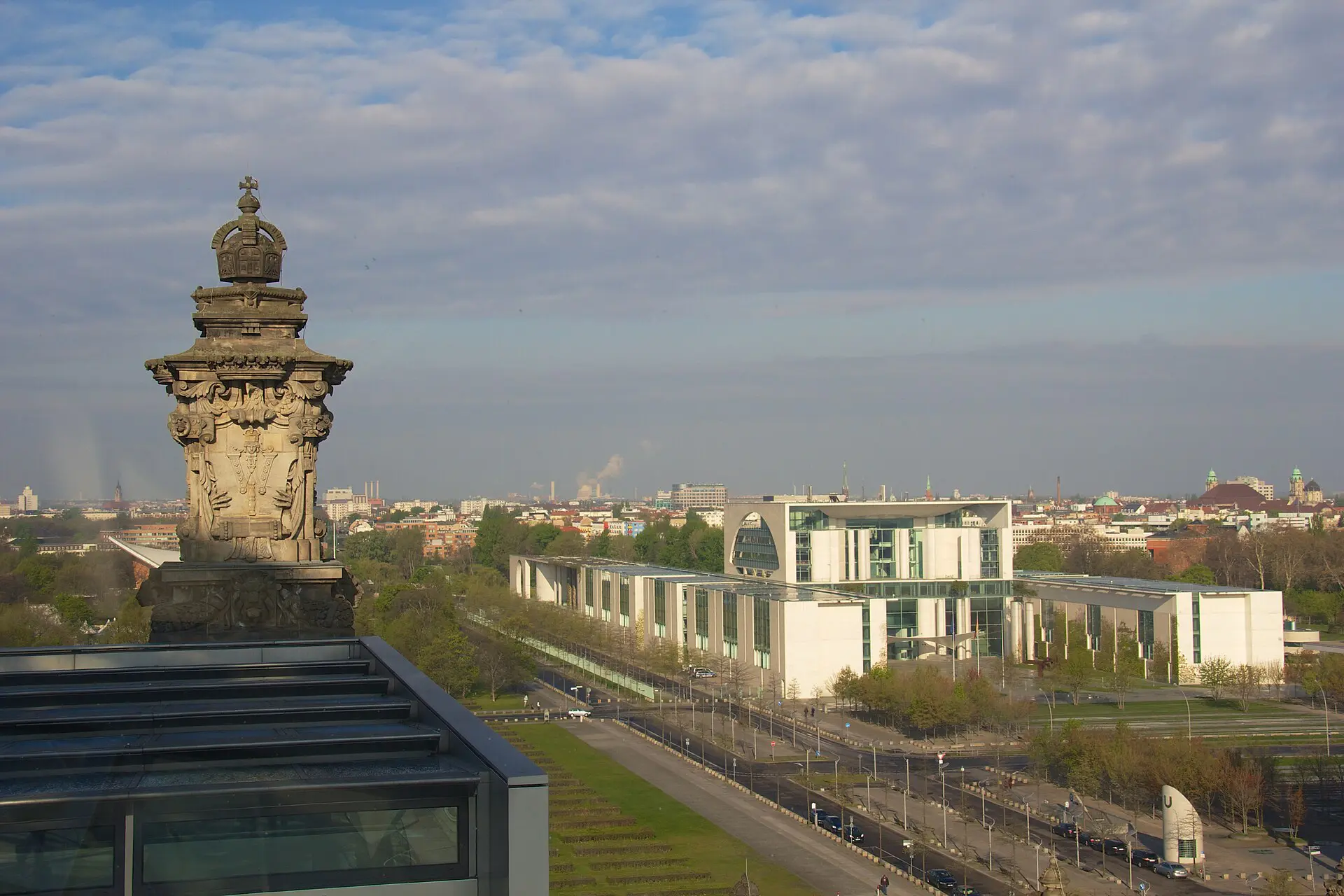
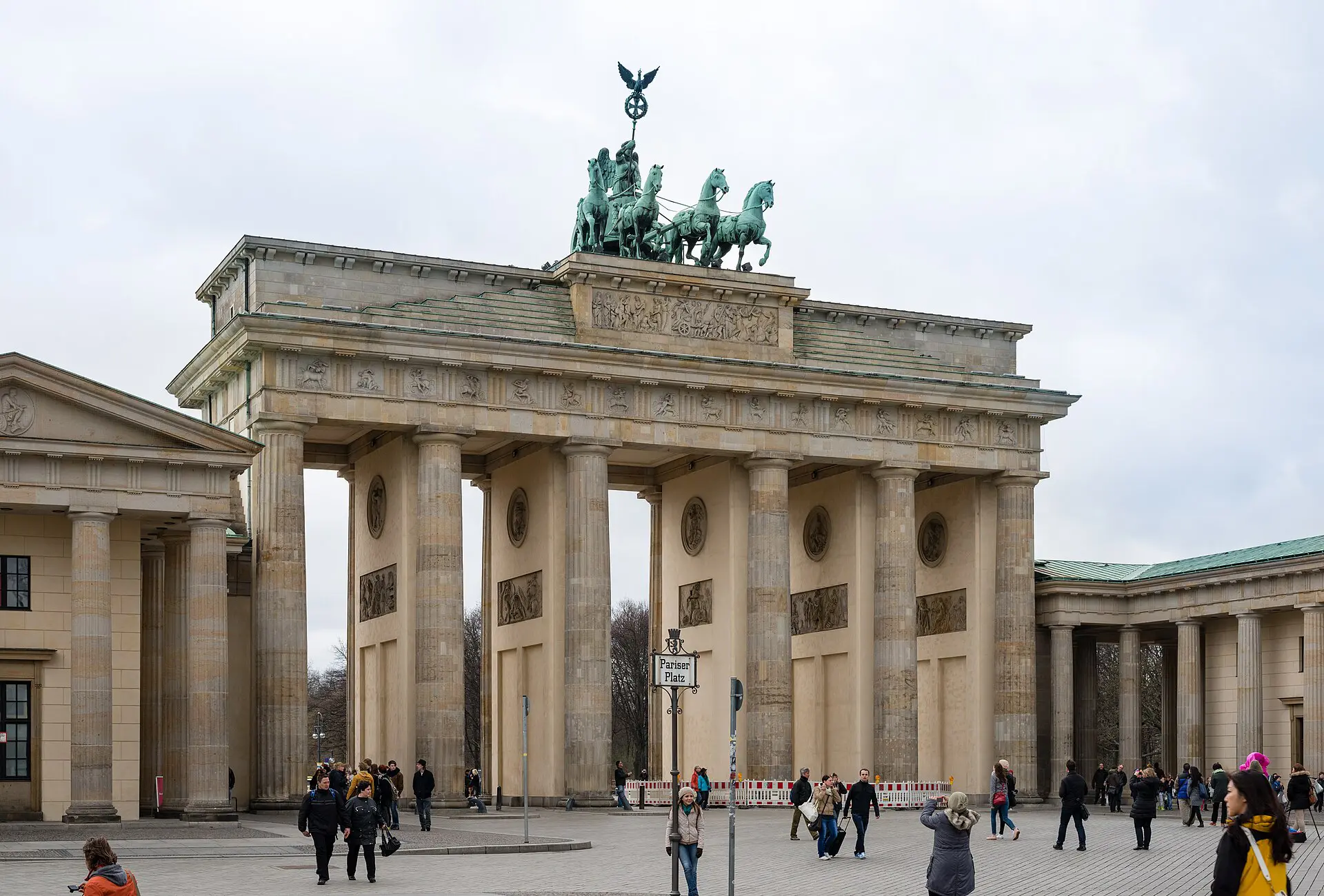
Brandenburg Gate and the Reichstag
The Brandenburg Gate is the city’s best-known landmark and sits at the end of the Unter den Linden boulevard. The nearby Reichstag, home of the German parliament, has a glass dome that visitors can enter, but you normally need to register in advance. Allow about two hours for both, and check the booking rules before you go.
Berlin Wall Memorial and East Side Gallery
The Berlin Wall Memorial on Bernauer Strasse preserves a section of the border strip with documentation and a viewing platform. The East Side Gallery is a long stretch of the Wall covered in murals along the Spree. Give the memorial around two hours and the gallery one hour, and visit early to avoid crowds.
Museum Island
Museum Island, a UNESCO World Heritage site on the Spree, holds several major museums, including the Neues Museum and the Pergamon, whose main building has been under long-term renovation. You will not see them all in a day, so pick one or two. Check which buildings are open, because renovation work has closed parts of the complex in recent years.
Holocaust Memorial and Topography of Terror
The Memorial to the Murdered Jews of Europe is a field of concrete slabs near the Brandenburg Gate, with an information centre underneath. The Topography of Terror is a free documentation site on the former Gestapo headquarters grounds. Both are sombre and deserve unhurried time, roughly one to two hours each.
Tiergarten and the city’s parks
The Tiergarten is a large central park that runs from the Brandenburg Gate towards Charlottenburg. Tempelhofer Feld, a former airfield, is another popular open space where you can walk or cycle on the old runways. Plan an easy half day, and take water and snacks in summer.
Charlottenburg Palace
Charlottenburg Palace is a baroque royal residence in the west of the city, with formal gardens that are often free to enter. The interiors are ticketed. Allow two to three hours, and combine it with a walk along the Kurfürstendamm for a view of the western centre.
Kreuzberg and Neukölln
These neighbourhoods are known for their mix of cafes, street food, markets and nightlife. They are best explored on foot or by bike over an afternoon and evening. Cash is still more common in Germany than elsewhere, so carry some, and check opening times because many venues start late.
Best time to visit Berlin
Berlin has four distinct seasons and is busiest in summer, but it is a year-round destination.
| Season | Weather | Crowds and prices |
|---|---|---|
| Spring (Mar-May) | Cool to mild, changeable | Moderate crowds, mid-range prices |
| Summer (Jun-Aug) | Warm, long days, occasional heat | Highest crowds and prices |
| Autumn (Sep-Nov) | Mild, then cool and grey | Moderate, falling after September |
| Winter (Dec-Feb) | Cold, short days, some snow | Lowest prices, except around Christmas |
May to September is the most comfortable window for walking, beer gardens and lakes. December brings Christmas markets, which many visitors enjoy despite the cold. Museums are a good plan for winter, but pack warm layers and waterproofs.
How to get to Berlin and around
Most international visitors arrive at Berlin Brandenburg Airport (BER), south of the centre, where regional trains and the airport express reach the city in roughly 30 to 40 minutes. Check current services and ticket zones before you travel.
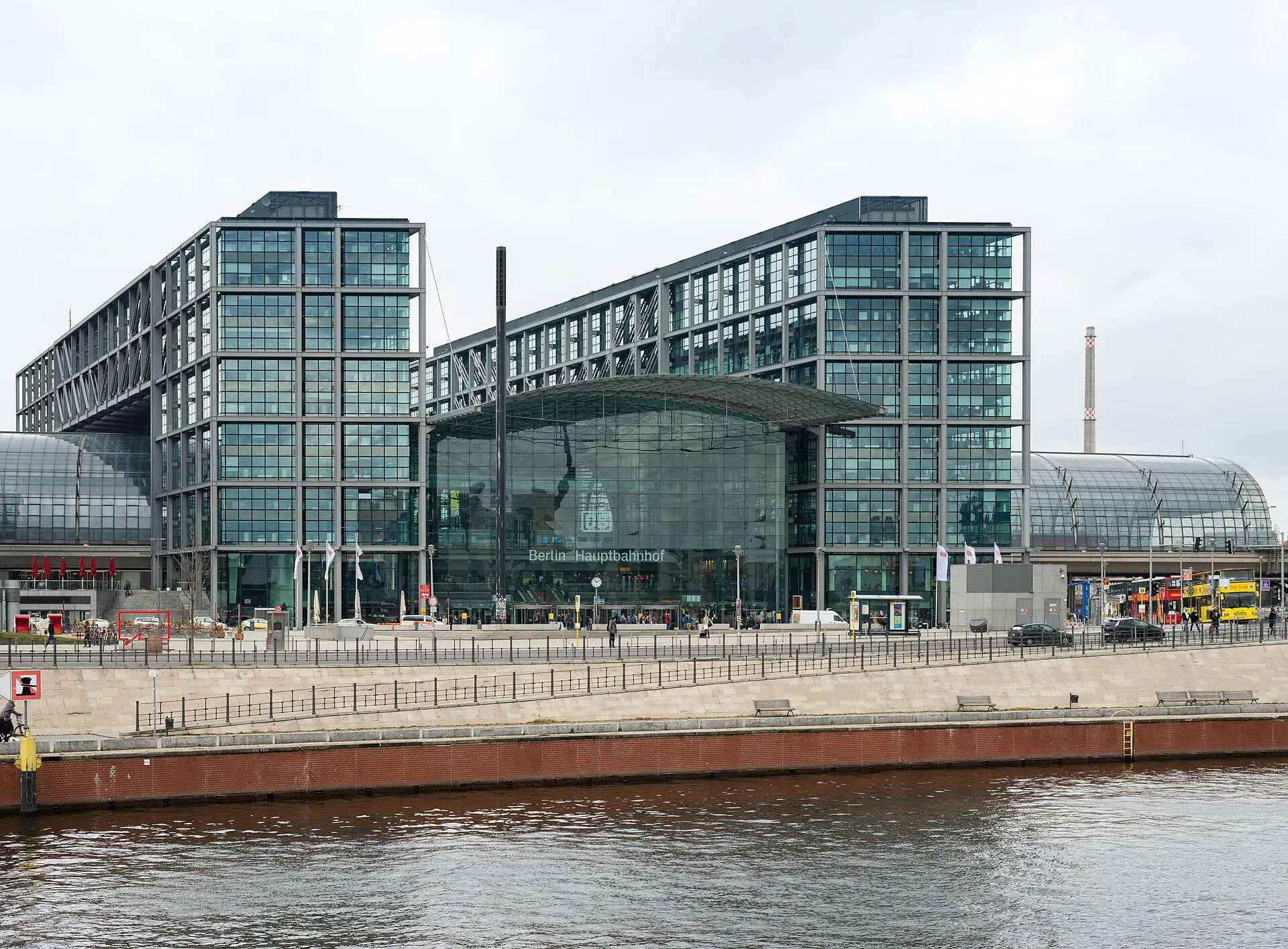
By rail, Berlin Hauptbahnhof is the main station, with high-speed links to Hamburg, Munich, Frankfurt and other German cities, plus international connections to neighbouring countries. Long-distance buses are another cheaper option.
Within the city, the S-Bahn, U-Bahn, trams and buses run on one integrated ticket system with several fare zones, and most visitors only need the central zones. Day and multi-day passes are available. Cycling is also common, with many bike lanes, though you should watch for tram tracks. Taxis and ride-hailing apps work, but public transport is usually faster.
Where to stay in Berlin
Berlin is large, so choose a base by the kind of trip you want rather than by the single most central point.
- Mitte suits first-time visitors who want to walk to Museum Island, the Brandenburg Gate and major sights. Expect higher prices and more tourists.
- Kreuzberg and Friedrichshain suit travellers who want nightlife, cafes and an informal feel, and are good value for younger visitors. Nights can be noisy.
- Prenzlauer Berg is a calmer, leafy residential area with cafes and boutiques, popular with couples and families.
- Charlottenburg in the west suits those who prefer a more traditional, quieter area with shops and good rail links.
Choose somewhere near an S-Bahn or U-Bahn station, and book early for summer and Christmas.
How many days do you need?
Berlin rewards three full days, which is enough for the main sights and a taste of its neighbourhoods. With two days you will need to be selective, and with five or more you can add day trips and slower neighbourhood time.
- Day 1: Brandenburg Gate, the Holocaust Memorial, the Reichstag and a walk through the Tiergarten, then an evening in Mitte.
- Day 2: Museum Island in the morning, then the Berlin Wall Memorial and the Topography of Terror in the afternoon.
- Day 3: East Side Gallery, then Kreuzberg for lunch, markets and an evening out.
Add a fourth day for Charlottenburg Palace, Tempelhofer Feld or a trip to Potsdam.
Day trips and nearby
Potsdam
Potsdam borders Berlin to the southwest and is the capital of Brandenburg. It is known for Sanssouci Palace and its parks, and it is easily reached by regional train in under an hour. Plan a full day, and check ticket rules for the palaces.
Leipzig
Leipzig lies to the southwest and is known for its music heritage and relaxed city centre. High-speed trains take roughly an hour or a little more. It works as a long day trip or an overnight stop on the way to Dresden or south.
Dresden
Dresden sits on the Elbe river and is known for its rebuilt baroque old town and its museums. Trains from Berlin usually take a little over two hours, so a day trip is possible but an overnight stay is more relaxed.
Hamburg
Hamburg is a major port city to the northwest with a large harbour, canals and a lively waterfront. High-speed trains take around two hours, which makes it a feasible long day trip, though you may prefer to stay overnight.
FAQ
Q1When is the best time to visit Berlin?
May to September is the most comfortable period, with long days, outdoor beer gardens and lake swimming. Summer is also the busiest and most expensive season. Winter is cold but quieter, and Christmas markets in December are a draw. Check weather forecasts before packing.
Q2How many days do you need in Berlin?
Three full days cover the main sights, including Museum Island, the Wall sites and the Reichstag, with time for a neighbourhood or two. If you add Potsdam, parks or deeper museum visits, plan four to five days. Two days is possible if you are selective.
Q3How do you get from the airport to central Berlin?
Berlin Brandenburg Airport (BER) is south of the centre and connected by regional and airport express trains that reach central stations in roughly 30 to 40 minutes. Taxis are available but cost more. Check current routes and ticket zones before you travel.
Q4Is Berlin expensive?
Berlin is generally cheaper than many Western European capitals, but prices have been rising. Budget roughly EUR 100-180 per day for mid-range travel, with museums, transport and meals as the main costs. Public transport passes and free sights such as parks and memorials help keep costs down.
Prices, schedules and entry rules change. Check current details with official sources before you travel. Read the Germany travel guide.