Why visit Nuremberg
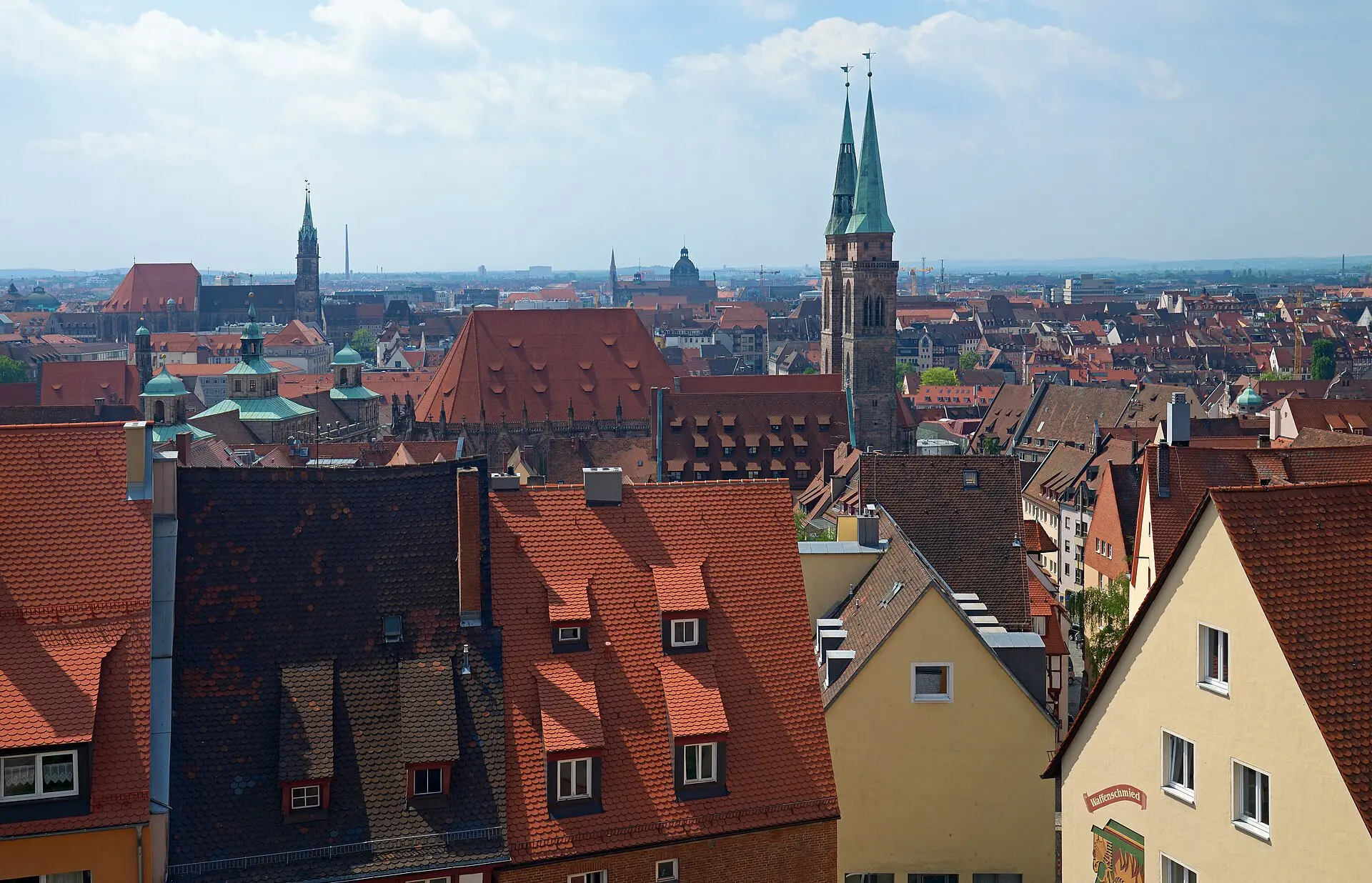
People searching for things to do in Nuremberg usually find two stories at once. One is a medieval imperial city on the Pegnitz river, with a castle, timber-framed houses, sandstone churches and a walled old town that was rebuilt after heavy wartime damage. The other is the city’s role in the twentieth century, as the site of Nazi rallies and later of the war crimes trials.
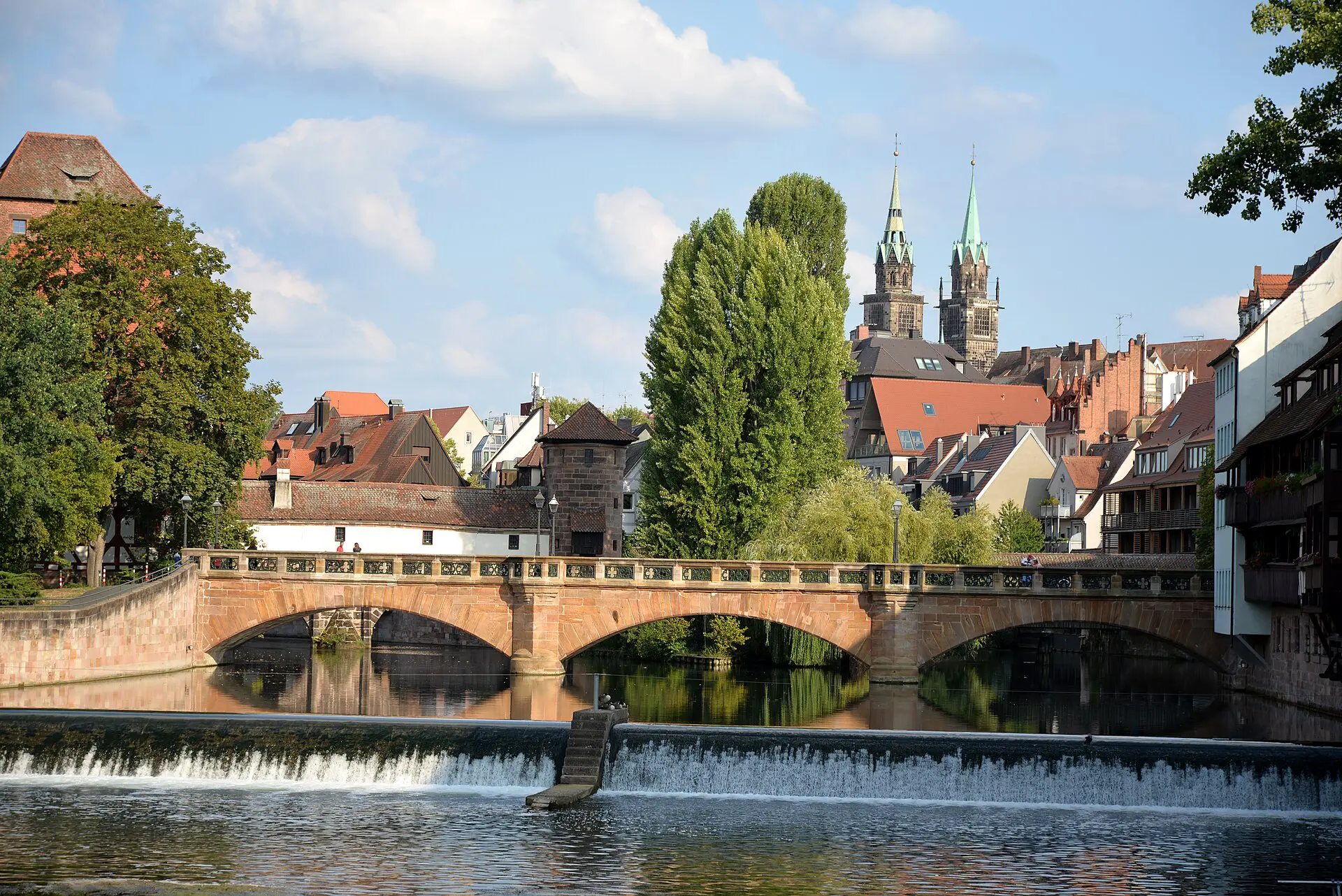
Both are handled seriously. The Documentation Center at the former rally grounds and the Memorium Nuremberg Trials explain what happened without spectacle, and they sit alongside the Germanisches Nationalmuseum, one of the largest museums of German culture.
The city is also practical. The old town is small enough to cross on foot, beer and Franconian food are reasonably priced, and the airport and rail links make it easy to add to a longer Germany itinerary.
Top things to do in Nuremberg
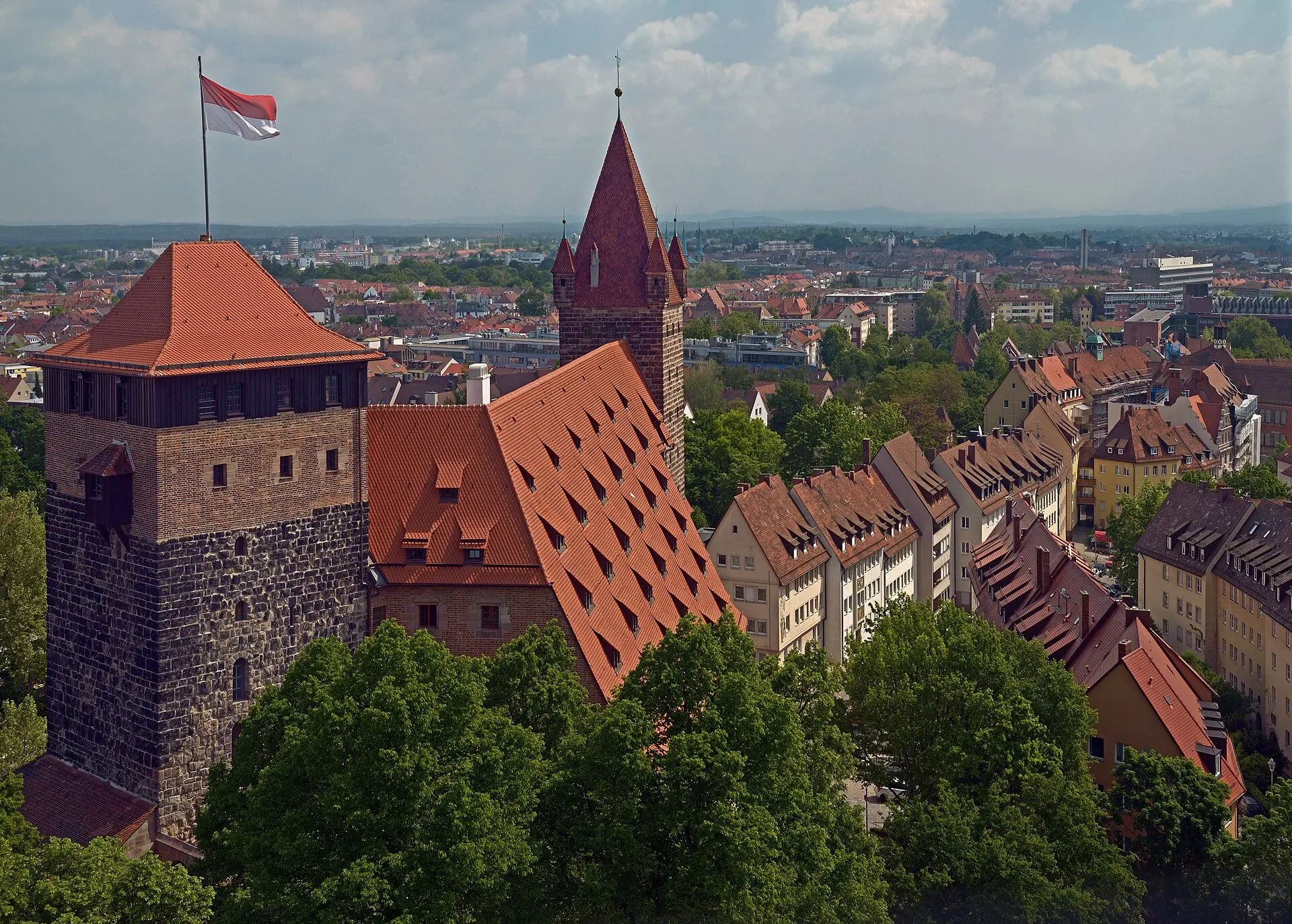
Imperial Castle (Kaiserburg)
The castle sits on a sandstone rock above the old town and was a major residence of the Holy Roman emperors. You can walk the courtyards and towers for free in many areas, with paid entry for the museum rooms. Allow 90 minutes, and enjoy the city views from the ramparts. Check opening hours, which change by season.
Old town and Hauptmarkt
The central market square is dominated by the Church of Our Lady and the ornate Beautiful Fountain. Wander east to west along the main streets and lanes for an hour or two. Markets operate most days, so go in the morning for the best selection.
Documentation Center Nazi Party Rally Grounds
This museum occupies part of the unfinished Congress Hall south-east of the centre. Its permanent exhibition explains the rise of National Socialism and the rally grounds themselves. Allow two to three hours and use the audio guide. Trams and local trains run from the centre.
Memorium Nuremberg Trials
Courtroom 600 in the Palace of Justice hosted the Nuremberg trials after World War II and is still used by courts on some days. Access to the courtroom depends on the court schedule, so check ahead. Allow about two hours.
Germanisches Nationalmuseum
Germany’s largest museum of cultural history holds art, instruments, toys and everyday objects across many centuries. Its scale is large, so choose a few sections instead of trying to see everything. Plan on two hours at least.
Handwerkerhof and Nuremberg food
Look for Nuremberg’s small grilled sausages, served in threes or sixes with sauerkraut or potato salad, and for Lebkuchen, the local spiced gingerbread. The crafts courtyard near the station is touristy but handy for a quick sample.
Albrecht Durer House
The painter’s former home, near the castle, shows how a well-off Renaissance household worked. Visits are short, about 45 minutes, and are best combined with the castle walk.
Best time to visit Nuremberg
Late spring and early autumn are the most comfortable seasons, with mild temperatures and long daylight for walking the old town. Summer days can be hot, and there are occasional thunderstorms, but outdoor beer gardens and river terraces are at their best.
December is the busiest time, thanks to the Christkindlesmarkt, one of Germany’s best-known Christmas markets. It usually runs from late November until Christmas Eve. Expect crowds, higher hotel prices and cold weather, so book ahead and bring warm clothing.
January and February are quiet and cold, with lower prices and fewer queues at museums. This can suit travellers focused on indoor sights. Spring brings mild weather and fewer visitors than December.
How to get to Nuremberg and around
Nuremberg Airport has scheduled flights to many European cities and a direct U-Bahn line to the main station in roughly 12 to 15 minutes. Munich Airport is the main alternative for intercontinental arrivals, with onward trains of around an hour to Nuremberg, depending on service.
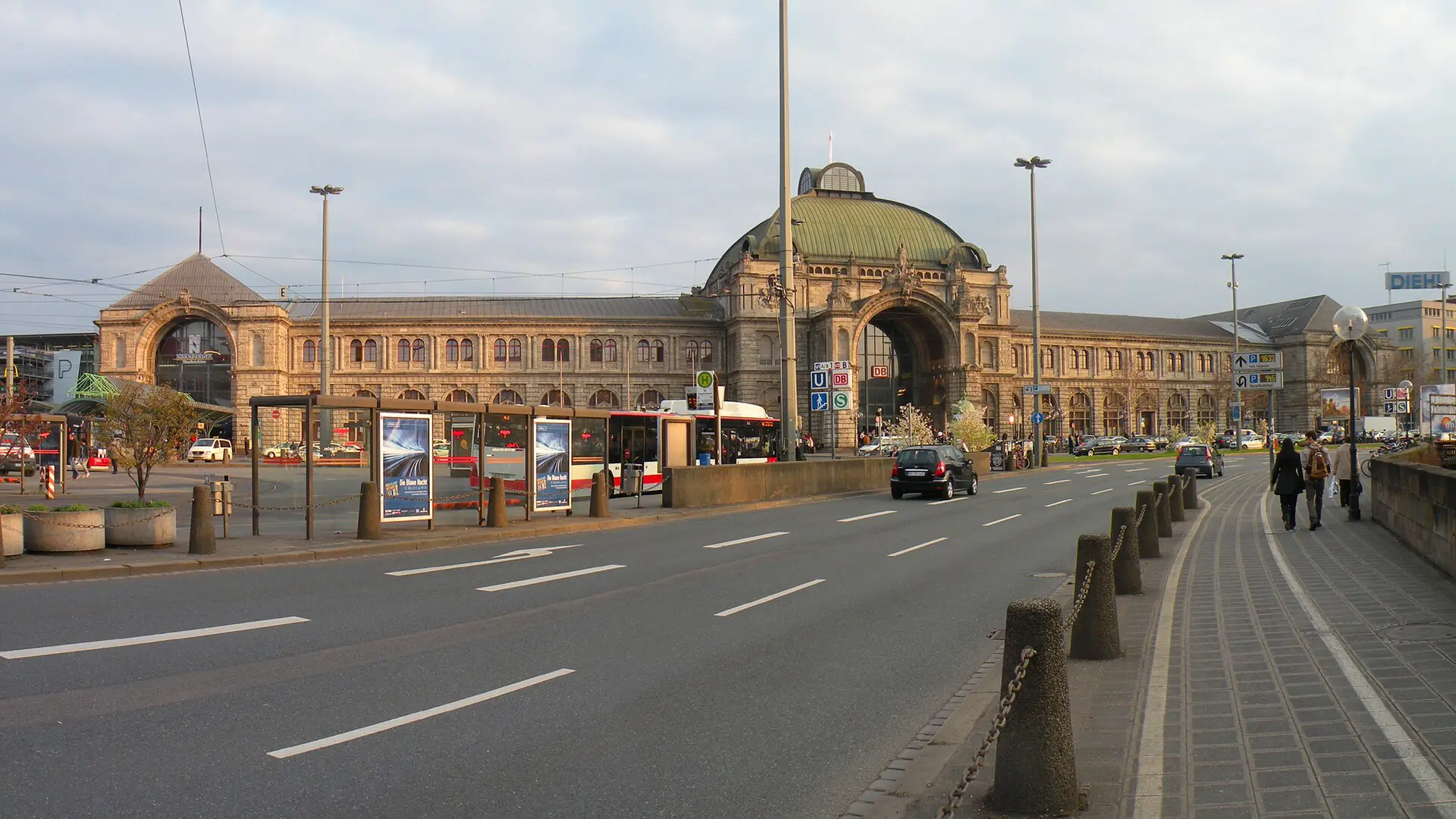
The main railway station is a major hub. High-speed ICE trains connect with Munich in about an hour, Frankfurt in roughly two to three hours and Berlin in about three to four hours. Check current timetables before travelling.
Within the city, the old town is walkable. The U-Bahn, trams and buses cover areas such as the rally grounds and the museums. Day tickets are inexpensive, and many hotel stays include a visitor card with transit discounts, so ask when you book.
Where to stay in Nuremberg
The old town, inside the walls, is the best base for first-time visitors. You can walk to the castle, market square and most museums, though prices are higher and some streets are noisy on weekend evenings.
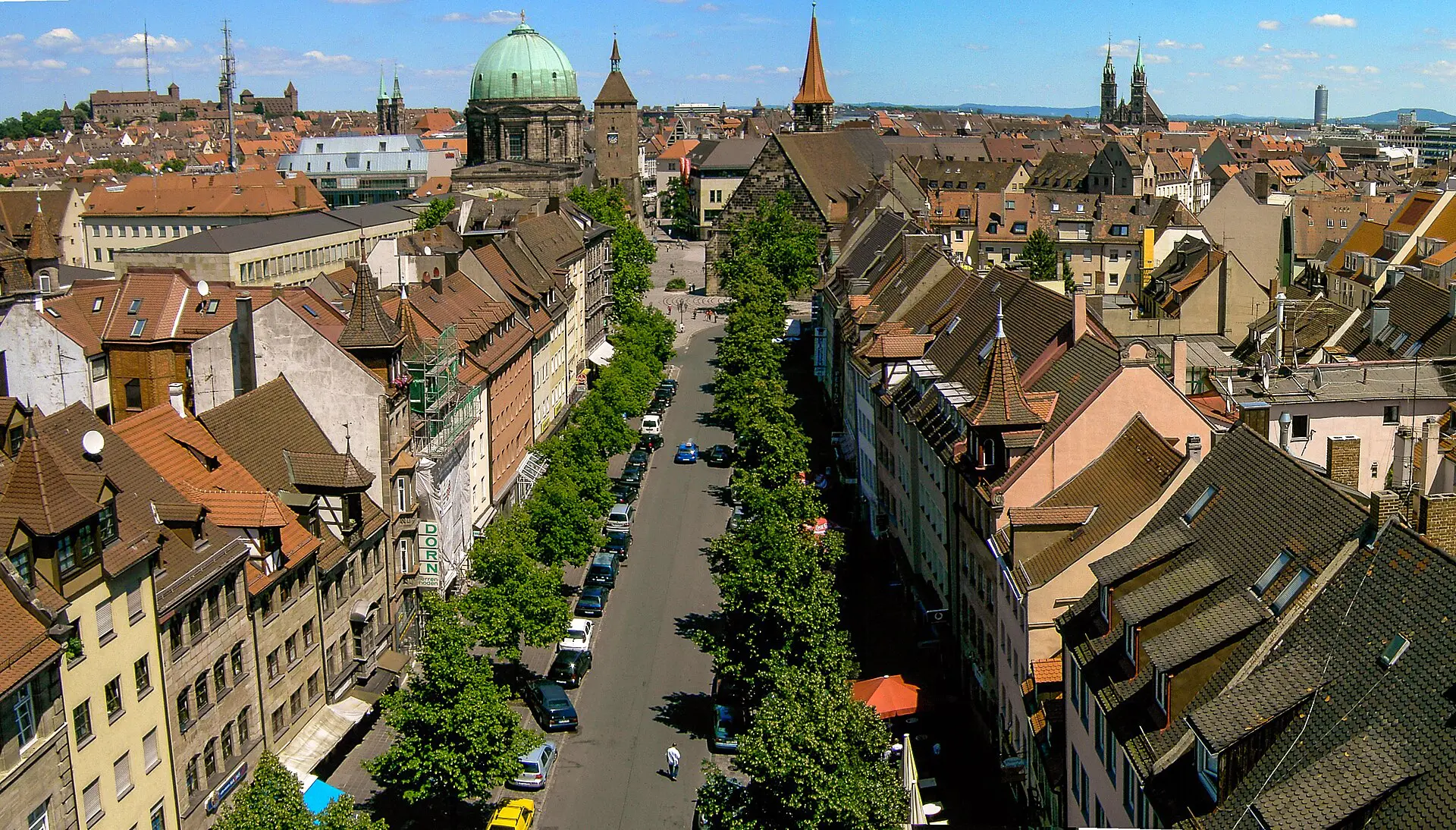
The area around the main station and just south of the walls has a wide range of chain and mid-range hotels, with easy rail and U-Bahn access. This suits short stays and early departures, and prices are often lower than inside the walls.
Neighbourhoods such as Gostenhof and the districts on the Pegnitz river have a more local feel, with cafes and bars, a good choice for longer visits. If you are visiting in December, book early, because rooms near the market sell out.
How many days do you need?
Two days is the sweet spot. You can see the old town and castle on the first day and the twentieth-century sites on the second. A single day is possible if you skip the large museums, while three days adds time for the countryside and nearby towns.
- Day 1: Hauptmarkt and Church of Our Lady, the castle and Durer House, then dinner with local sausages.
- Day 2: Documentation Center in the morning, the Memorium Nuremberg Trials in the afternoon, and an evening river walk.
- Day 3: Germanisches Nationalmuseum, then a trip to Bamberg or Regensburg, or a rail connection onward.
Day trips and nearby
Bamberg
A UNESCO-listed old town roughly 40 to 60 minutes away by regional train, known for its smoked beer and the bridge-mounted town hall. It suits a relaxed day trip with a wander and a long lunch.
Regensburg
A medieval river city on the Danube, about an hour and a half away by train. Its stone bridge and cathedral make a good contrast to Nuremberg’s sandstone.
Munich
Around an hour by fast train, Munich offers large museums, beer halls and the Alps beyond. It works as a day trip or the next stop.
Wurzburg
A baroque residence and vineyards lie about an hour away by train. Check the schedule for direct services.
FAQ
Q1How many days do you need in Nuremberg?
Two days covers the old town, the castle and the main twentieth-century sites without rushing. One long day works if you focus on the old town and one museum. Add a third day for Bamberg or a bigger museum visit.
Q2When is the best time to visit Nuremberg?
May to September offers the best weather for walking, terraces and beer gardens. Late November to December brings the famous Christmas market, with crowds and higher prices. January and February are quiet and cold, with lower hotel rates.
Q3How do you get to Nuremberg from Munich?
High-speed ICE trains take about an hour, with regional services taking longer. Nuremberg also has its own airport with a direct U-Bahn link to the main station. Check current timetables and book ahead for the best fares.
Q4Is Nuremberg expensive?
Nuremberg is generally cheaper than Munich. Meals in traditional taverns and museum entries are moderately priced, and a day ticket for public transport is inexpensive. Hotel rates rise sharply during the Christmas market and major trade fairs, so book early.
Prices, schedules and entry rules change. Check current details with official sources before you travel. Read the Germany travel guide.