Why visit Frankfurt
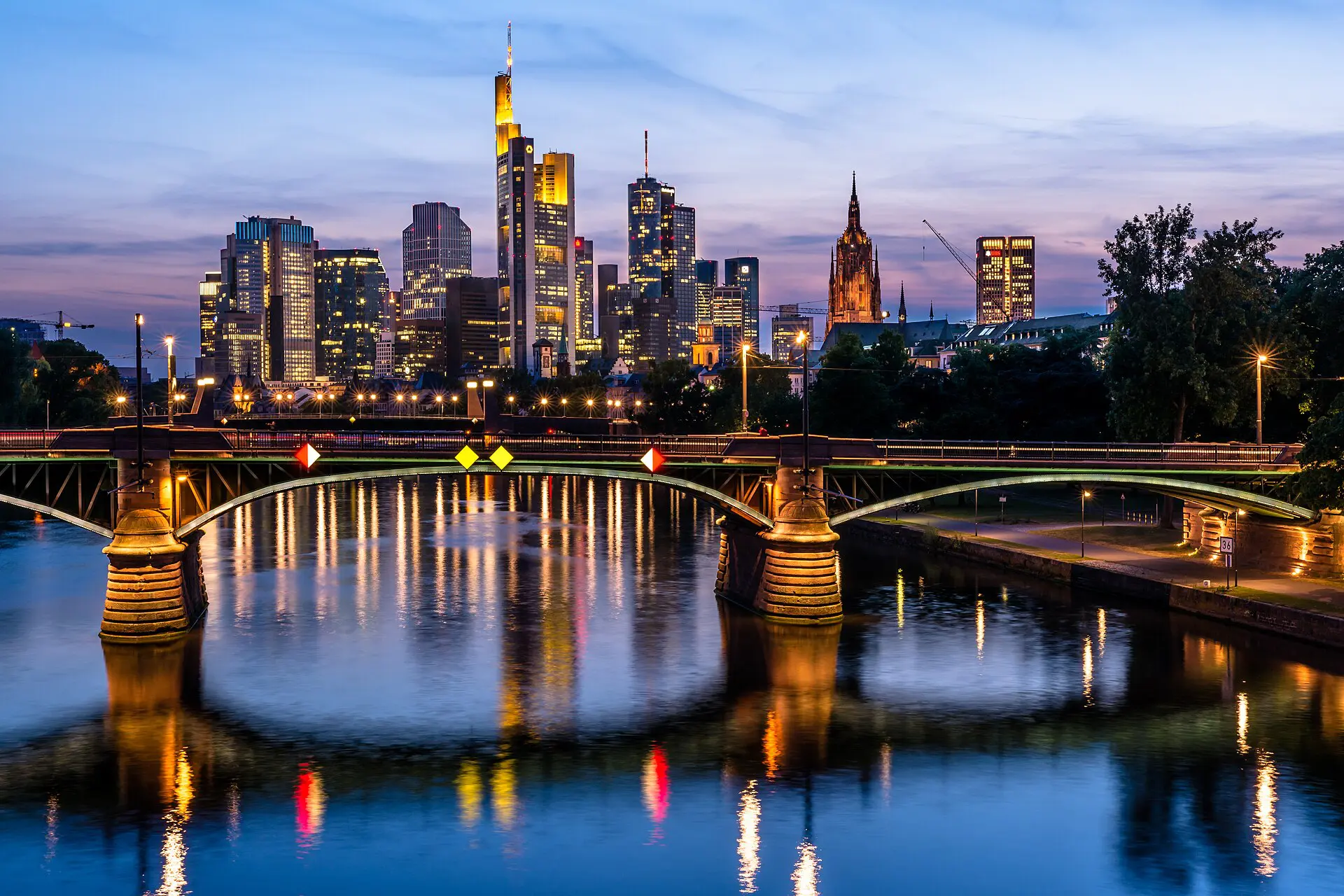
If you are searching for things to do in Frankfurt, start with the contrast. It is a city of contrasts, where bankers, students and others share a place with some of Europe’s most avant-garde skyscrapers next to well-kept old buildings. It is the largest city in the state of Hesse and the fifth largest in Germany, with about 780,000 residents.
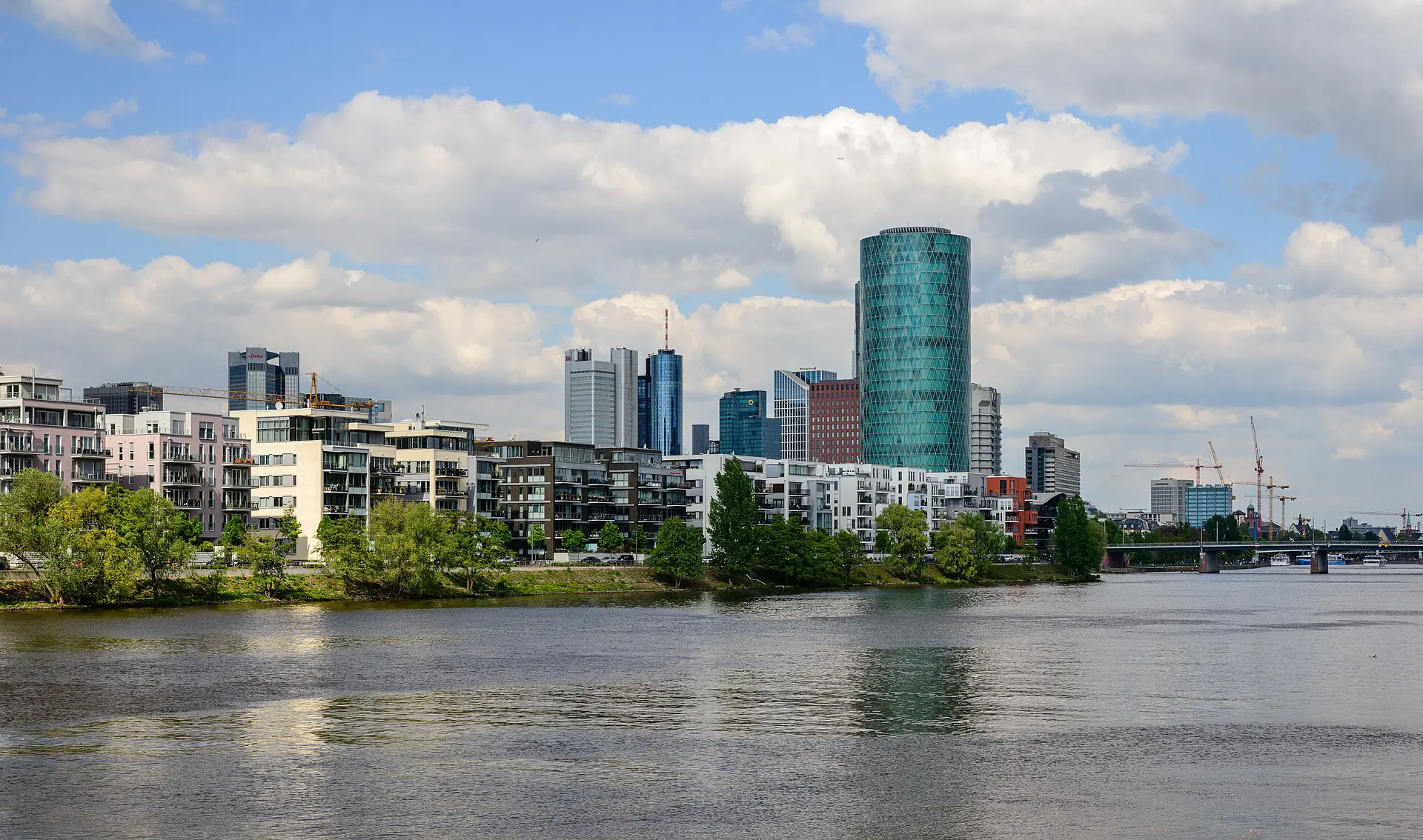
The city is the business and financial centre of Germany, home to the European Central Bank and the Deutsche Boerse, and it hosts major trade fairs such as the Frankfurt Book Fair. It sits on the River Main at a crossroads of motorways and high-speed rail lines, with Germany’s busiest airport nearby, so many visitors pass through.
It rewards those who stay a day or two. The Roemer square and the museums along the Main draw millions of visitors every year, and the riverbanks, parks and traditional taverns give the city a more relaxed side than its skyline suggests.
Top things to do in Frankfurt
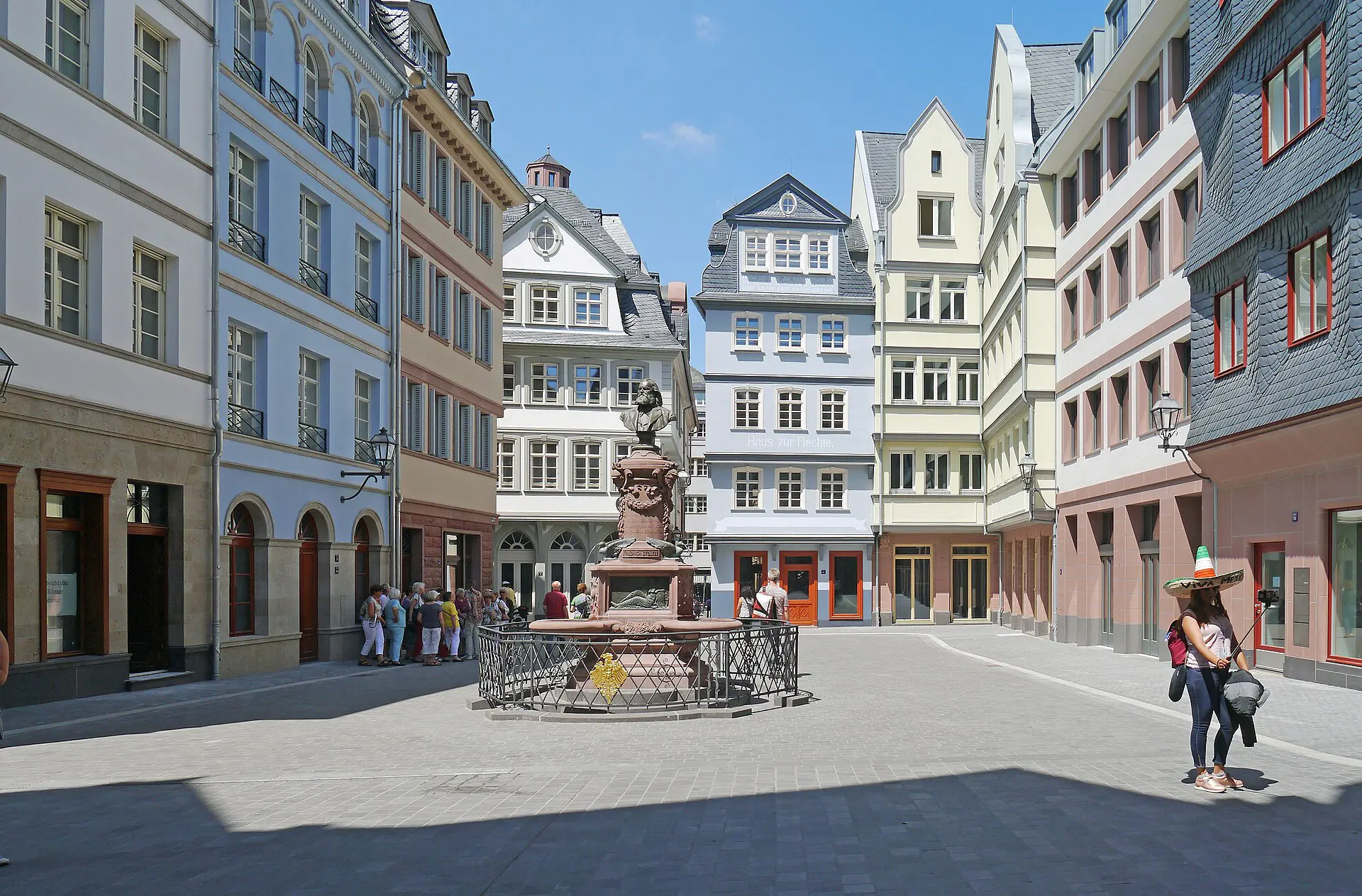
Roemerberg and the old town
The historic square in front of the Roemer city hall is the heart of the old town and has timber-framed houses and a fountain. Parts of the old town were rebuilt after wartime damage. Allow one to two hours. Tip: go early in the day to avoid tour groups, and check opening times for churches nearby.
Museumsufer (Museum Embankment)
A row of museums stands along the south bank of the Main, covering art, film, architecture and more. Allow half a day for one or two. Tip: opening days vary, and many museums close on Mondays, so check ahead and consider a combined museum ticket.
Main Tower observation deck
The modern skyline is a highlight, and you can see it from above at this high-rise’s viewing platform. Allow one hour. Tip: pick a clear day and check opening hours and ticket prices, since the platform can close in bad weather.
Eiserner Steg and the river walk
This pedestrian iron bridge links the old town with the museum bank and gives photo views of the skyline. Allow one to two hours for the bridge and the riverbank paths. Tip: the riverfront is pleasant in summer evenings, when locals gather.
Palmengarten botanical garden
This large botanical garden in the west of the city has glasshouses, lawns and ponds. Allow two hours. Tip: it is a good option in rain, and you should check current entry prices and opening hours.
Sachsenhausen apple-wine taverns
The district south of the Main is known for traditional taverns serving apple wine, a local speciality, alongside regional dishes. Allow an evening. Tip: apple wine is tart and often served in a patterned jug, so try a small glass first, and check opening hours.
Kleinmarkthalle
This covered market sells local produce, sausages, bread and snacks, and is a good place for a casual lunch. Allow an hour. Tip: it is busiest at lunchtime and closes on Sundays, so check hours.
Best time to visit Frankfurt
Frankfurt has a temperate climate with warm summers and cold winters. Spring and early autumn offer comfortable weather for walking and river views, while winter brings Christmas markets.
| Season | Weather | Crowds and prices |
|---|---|---|
| Spring (April to May) | Mild, some rain | Moderate, can be busy with trade fairs |
| Summer (June to August) | Warm to hot | Quieter in town, lower business demand in August |
| Autumn (September to October) | Mild, colourful trees | Peaks during large fairs, including the book fair in October |
| Winter (November to March) | Cold, grey | Christmas market season, moderate prices |
Hotel prices can jump sharply during major trade fairs, so check the fair calendar before booking.
How to get to Frankfurt and around
Frankfurt Airport is Germany’s busiest and one of Europe’s major hubs, southwest of the centre. Regional trains and the S-Bahn reach the main station in around 10 to 15 minutes, so check current times and tickets. The city sits on high-speed rail lines, with direct trains to Cologne, Munich, Berlin, Stuttgart and other cities. The airport also has a long-distance train station.
The city has an efficient public transport network of S-Bahn, U-Bahn, trams and buses, and one ticket system covers them. Day tickets and visitor cards can offer savings. The old town, the museum bank and the main shopping area are close enough to walk, and bikes are available for hire. Taxis are widely available but pricey. Check current fares, and validate paper tickets if required.
Where to stay in Frankfurt
The area around the main station is convenient for travel, with many hotels at different prices, but the streets nearby can feel rough at night, so check recent reviews. The old town and the area near the Roemer are quieter in the evening and close to sights, though rooms are often more expensive.
Sachsenhausen, south of the river, is a lively area with taverns and restaurants and suits visitors who want a local evening atmosphere. The Westend and Nordend are residential districts with cafes and calmer streets, and they suit longer stays. Hotels fill up quickly and prices rise during large trade fairs, so book early if your dates coincide, and consider staying in a nearby city if prices are high.
How many days do you need?
Two days are enough to see the old town, the river and a museum, with an evening in Sachsenhausen. One day works if you are passing through and want to focus on the centre. Add a third day for Heidelberg or the Rhine region.
- Day 1: Roemerberg and the old town, Eiserner Steg, a museum on the Museumsufer, then dinner in Sachsenhausen.
- Day 2: Main Tower skyline view, Kleinmarkthalle, then Palmengarten in the afternoon.
- Day 3: Day trip to Heidelberg or the Rhine region.
Day trips and nearby
Heidelberg
This university town on the Neckar is known for its ruined castle and old town, and it lies about an hour from Frankfurt by train. Allow a full day. Tip: check current train times, and allow time for the castle climb or funicular.
Nuremberg
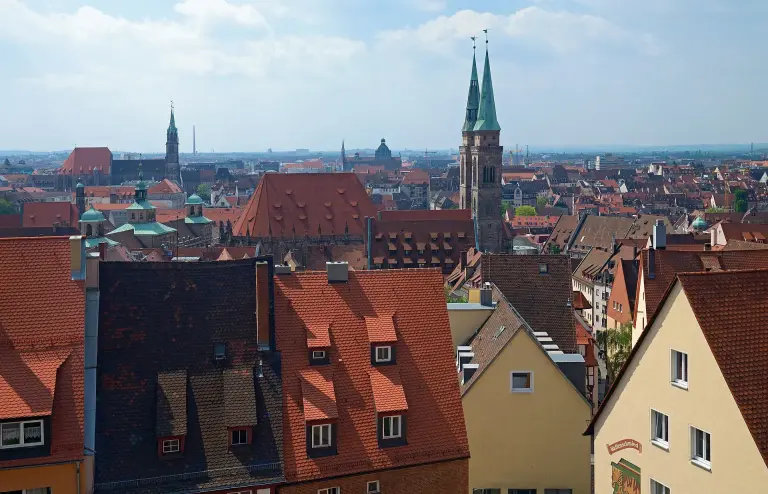
Nuremberg has a medieval centre, a castle and historic museums, and it is reachable from Frankfurt by fast train in around two hours. It is possible as a long day trip but better with a night. Tip: check ticket options.
Cologne
Cologne is known for its large Gothic cathedral and riverside old town and is reached by high-speed train in roughly an hour. Allow a full day. Tip: book rail tickets ahead for lower fares.
Stuttgart
Stuttgart is a city of museums and car heritage, within a couple of hours by fast train. It suits a long day or an overnight stay. Tip: check train times and consider a combined ticket.
FAQ
Q1When is the best time to visit Frankfurt?
April to October is generally best, with mild weather for walking and river views. Winter is cold but has Christmas markets. Hotel prices can spike during big trade fairs, including the book fair in October, so check the calendar before you book.
Q2How many days do you need in Frankfurt?
Two days cover the old town, the river, a museum and an evening in Sachsenhausen. One day works for a short stopover, and three days let you add a day trip to Heidelberg or the Rhine region. Frankfurt is also a good rail hub.
Q3How do you get to Frankfurt?
Most visitors arrive at Frankfurt Airport, where trains reach the main station in about 10 to 15 minutes. High-speed trains link the city with Cologne, Munich, Berlin and other cities. Check current schedules and fares, and book rail tickets early for lower prices.
Q4Is Frankfurt worth visiting?
Yes, especially for a short stay. It has a striking skyline, good museums, a rebuilt old town and local taverns, and it is a convenient base for rail trips. It is less romantic than some German cities, so keep expectations realistic and plan two days.
Prices, schedules and entry rules change. Check current details with official sources before you travel. Read the Germany travel guide.