Why visit Munich
If you are planning things to do in Munich, you can build a trip around three themes: Bavarian tradition, art and architecture, and the outdoors. Munich is the capital of the German state of Bavaria and one of the largest cities in Germany, set on the River Isar with the Alps visible on clear days to the south.
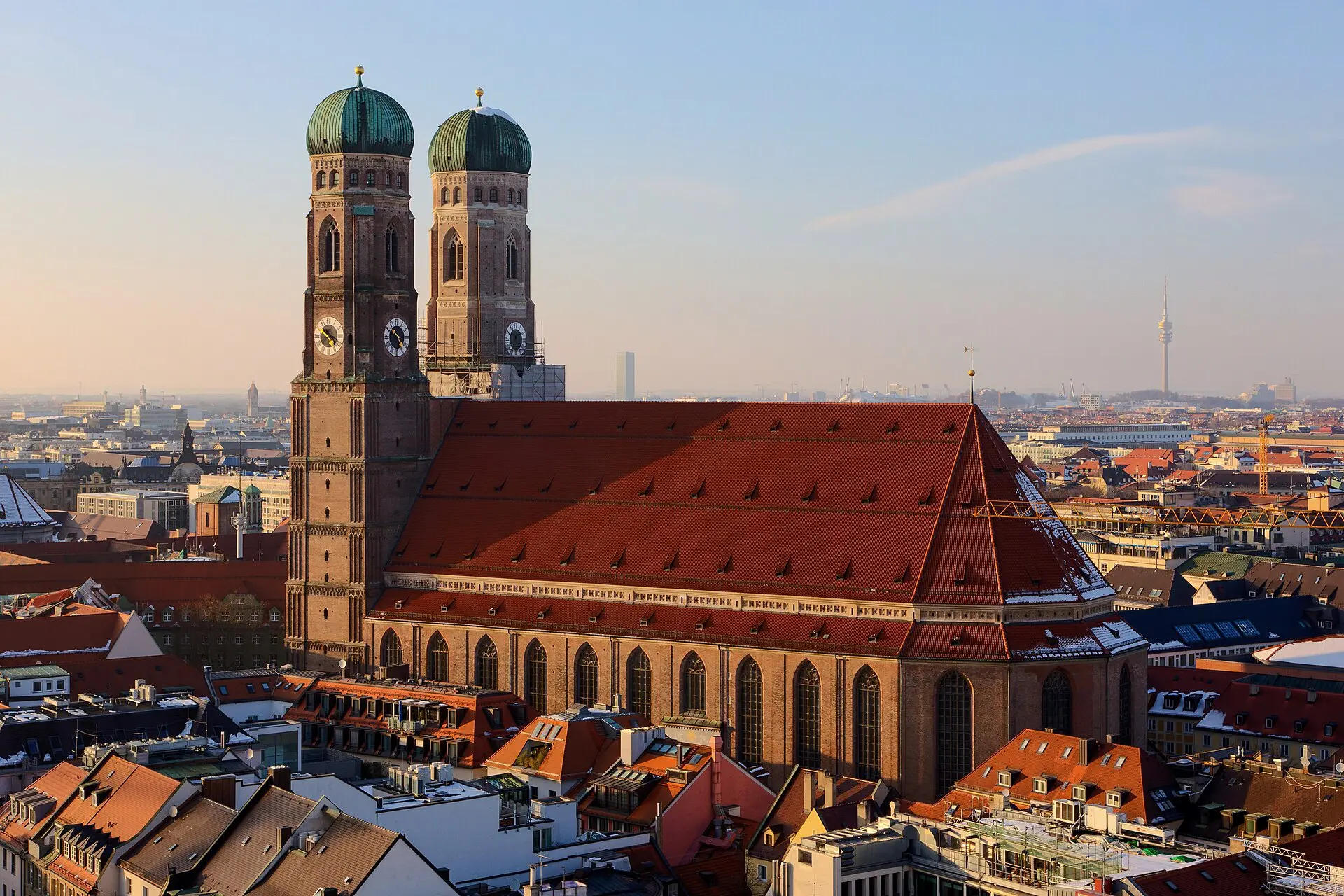
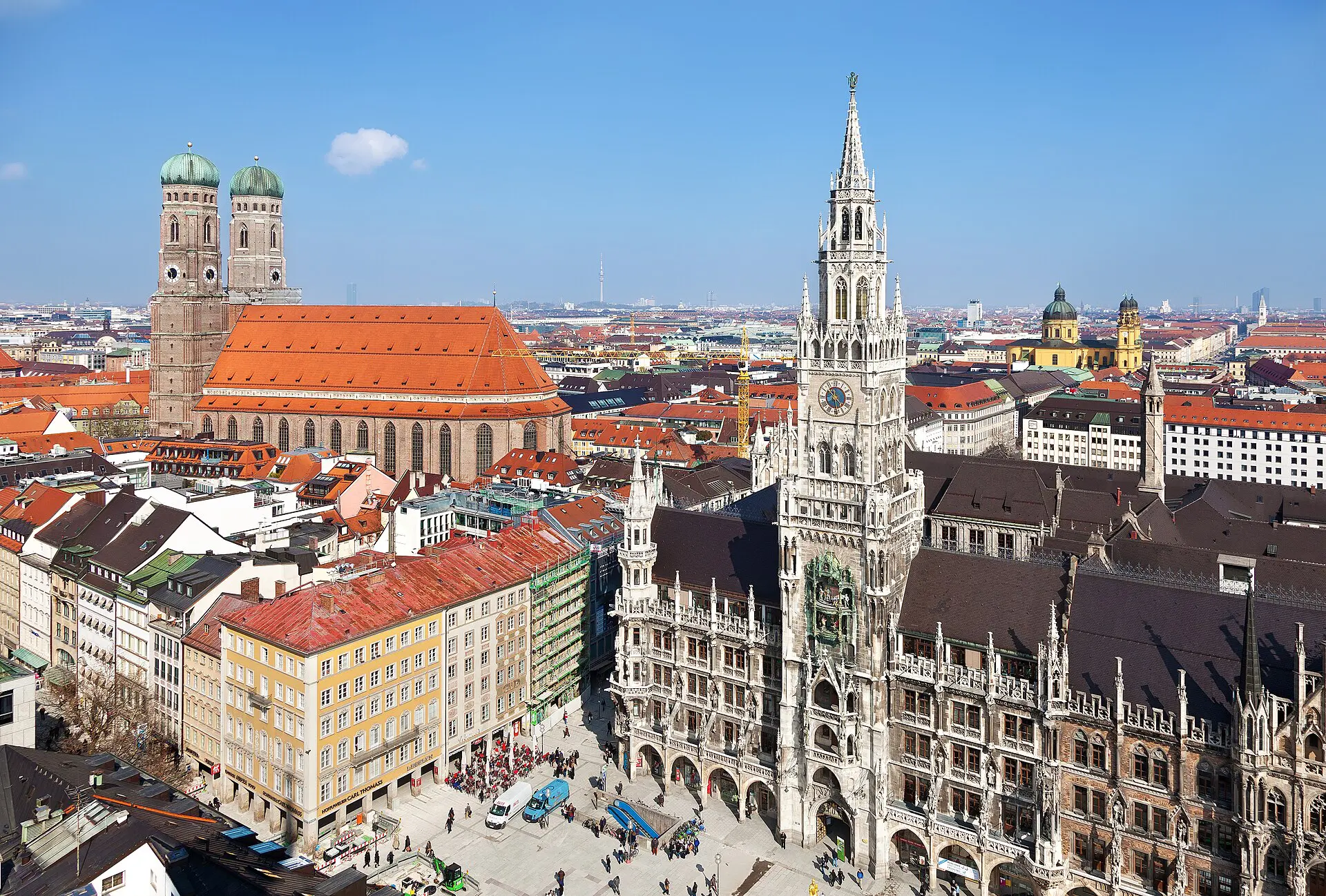
The city centre is compact and mostly pedestrian, built around Marienplatz and its town hall, with churches, markets and a large food hall close by. Beyond the old town, Munich has a series of major museums, royal residences and a huge park, the English Garden, where people picnic, swim in the river and drink in beer gardens.
The city is clean, safe and efficient, with good public transport. It is famous for its beer culture and for the Oktoberfest festival, but visitors who come at other times find a calmer city with plenty to do. Munich also makes a strong base for Alpine lakes, castles and hiking, which you can reach by train in about an hour or two.
Top things to do in Munich
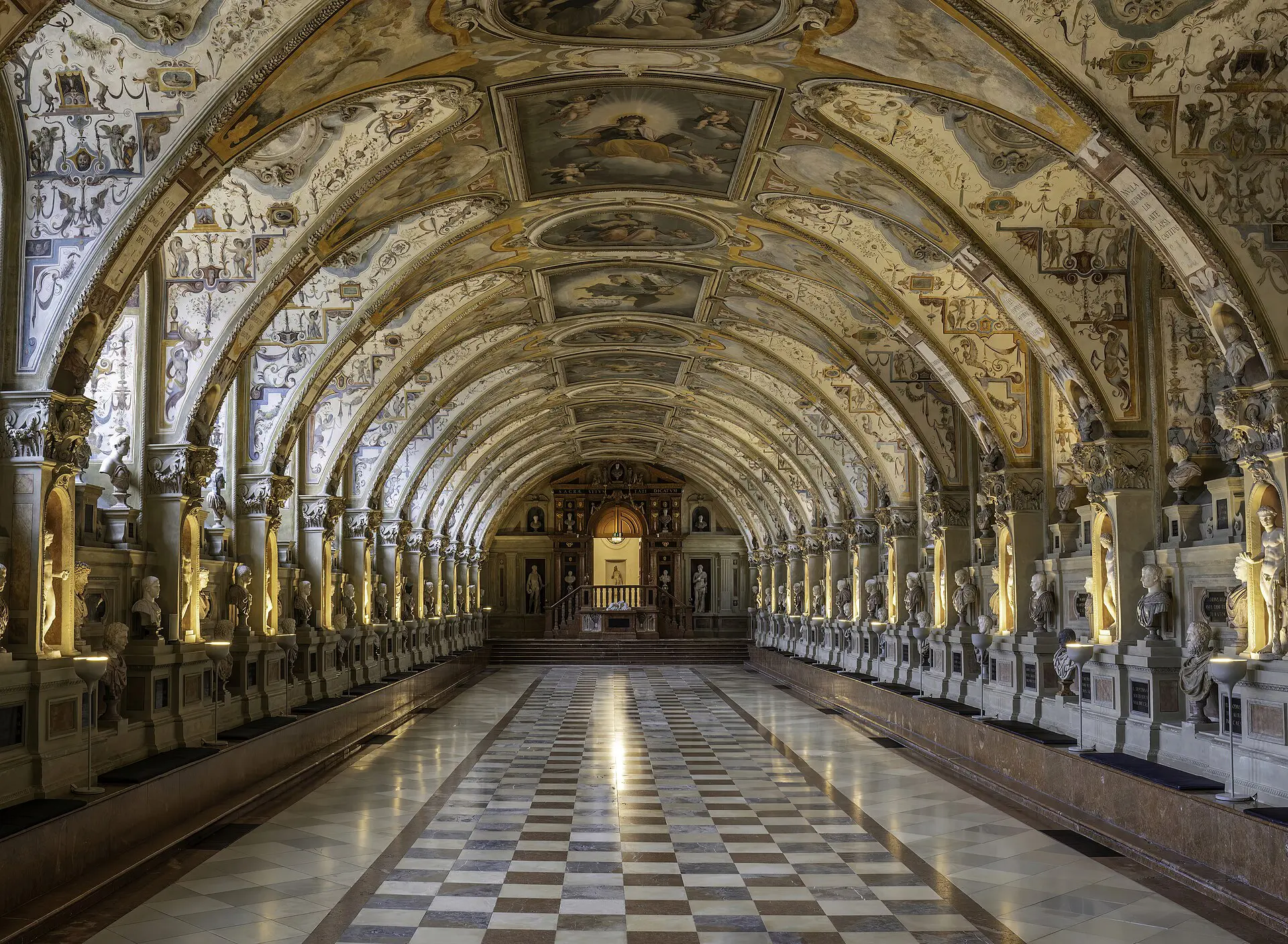
Marienplatz and the Glockenspiel
Marienplatz is the central square, dominated by the neo-Gothic New Town Hall. Its mechanical figures perform at set times in the day. Allow about an hour for the square, the surrounding churches and a coffee. The tower has a viewing platform, usually reached by lift.
Viktualienmarkt
This open-air food market close to Marienplatz sells fruit, cheese, sausages and snacks, with a beer garden among the stalls. Allow an hour or so. It is lively at lunchtime and quieter in the early morning, and most stalls close on Sundays.
Residenz and Hofgarten
The former royal palace of the Bavarian rulers contains many rooms and a treasury, and its courtyards and gardens are free to enter. Allow two to three hours for the museum and treasury, and check which parts are open if you have limited time.
English Garden
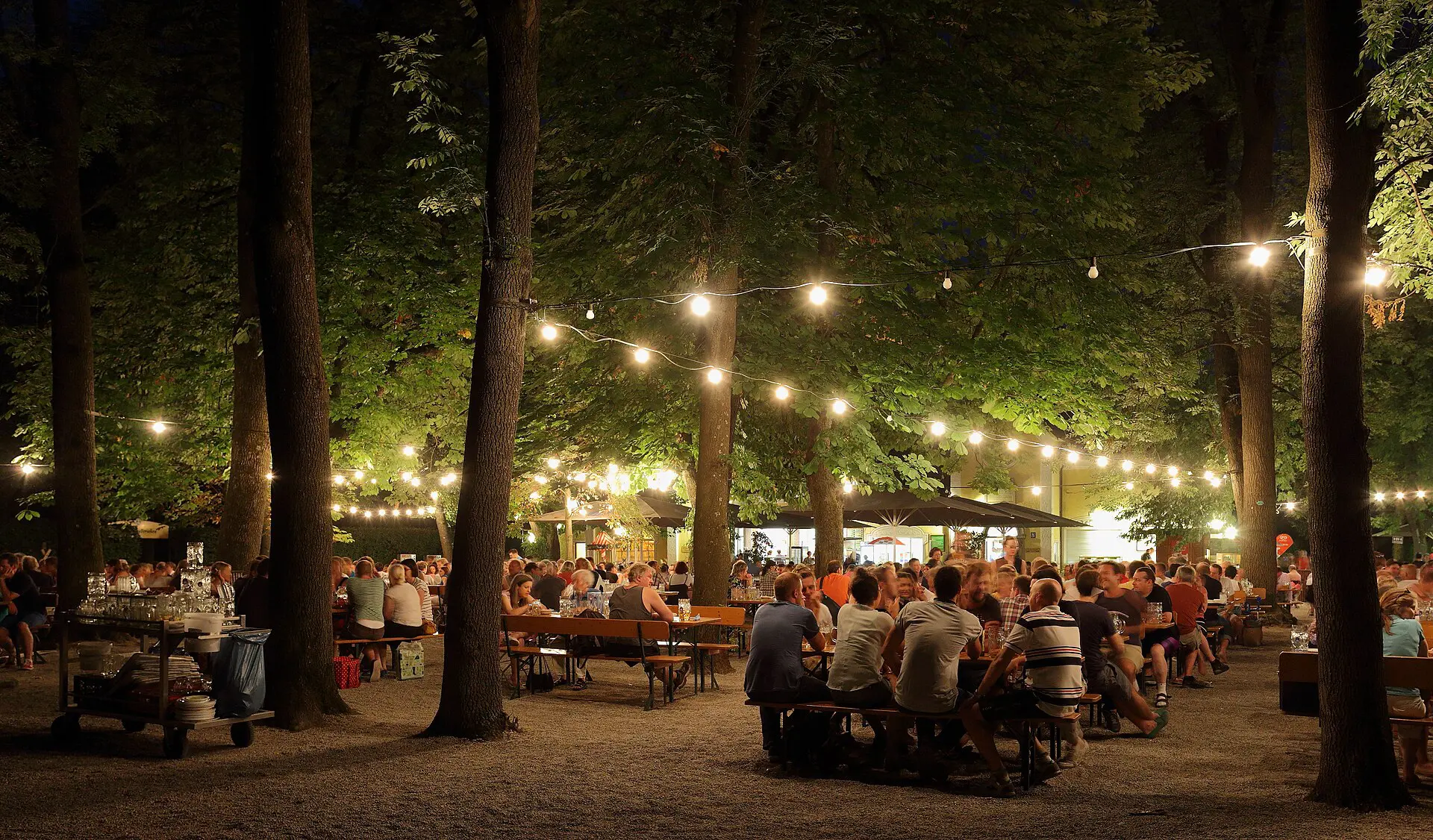
One of the largest urban parks in Europe, the garden has meadows, streams and beer gardens. Allow half a day. Surfers ride a standing wave on a stream near the southern end, and the Chinese Tower beer garden is a favourite stop in summer.
Museums and the Kunstareal
The art museum quarter holds several major collections of old masters and modern art, plus design and antiquities. Choose one or two rather than trying them all, and allow two to three hours each. Many offer reduced-price entry on certain days, so check before you go.
Nymphenburg Palace
This baroque summer residence lies west of the centre, with a large park, canals and smaller pavilions. Allow two to three hours. It is reachable by tram, and the grounds are pleasant to stroll through even if you skip the interior.
Beer halls and Oktoberfest
A traditional beer hall meal of sausages, pretzels and roast pork makes a good evening. Oktoberfest runs from mid-September into early October, and tables in tents can be booked well ahead. Outside the festival, beer halls are easier to enter and less rushed.
Best time to visit Munich
Munich has a continental climate with warm summers and cold winters, and weather near the Alps can change quickly. May to September is best for beer gardens and day trips, while December brings Christmas markets and a festive mood. Oktoberfest pushes hotel prices up sharply in late September.
| Season | Weather | Crowds and prices |
|---|---|---|
| Spring (March to May) | Cool to mild, variable | Moderate |
| Summer (June to August) | Warm, some thunderstorms | High |
| Autumn (September to November) | Mild, then cool and foggy | Very high during Oktoberfest, then lower |
| Winter (December to February) | Cold, sometimes snowy | High at Christmas markets, otherwise low |
Book accommodation many months ahead if you plan to visit during Oktoberfest.
How to get to Munich and around
Munich Airport is the second-busiest in Germany, around 40 km north of the city. S-Bahn lines 1 and 8 take roughly 40 minutes to the centre, and airport buses and taxis are also available. Check current timetables and ticket zones.
Munich Central Station has high-speed trains to Berlin, Frankfurt, Nuremberg and Stuttgart, as well as international services to Austria, Italy and Switzerland. Long-distance buses serve many destinations at lower prices.
Inside the city, the old town is easily explored on foot. The U-Bahn, S-Bahn, trams and buses form an integrated network with common tickets, and a day ticket is good value if you make several trips. Cycling is popular, with plenty of marked lanes, and rental bikes are available. Taxis and ride-hailing are options at night.
Where to stay in Munich
The old town around Marienplatz suits first-time visitors, with sights and restaurants within walking distance, although prices are high. The area around the main station has many hotels at a range of prices and fast connections for day trips, though some streets feel less polished.
Maxvorstadt, close to the museums and the university, is lively and good for travellers who like cafes and culture. Haidhausen, east of the Isar, is a pleasant residential area with restaurants and good transport, which suits couples and longer stays.
Schwabing is known for its parks and nightlife. For lower prices, look at areas along S-Bahn lines outside the centre. Book early for large trade fairs and for Oktoberfest, when prices climb steeply.
How many days do you need?
Two days allows you to see the old town and one or two major museums. Three days adds Nymphenburg or the English Garden at a gentler pace. If you also want a day in the Alps, plan four.
- Day 1: Marienplatz, Viktualienmarkt, the Residenz and Hofgarten, then dinner in a beer hall.
- Day 2: A museum in the Kunstareal, the English Garden, and an evening in Haidhausen or Schwabing.
- Day 3: Nymphenburg Palace in the morning, then an afternoon in a neighbourhood of your choice or a short train trip.
Day trips and nearby
Neuschwanstein Castle
The fairy-tale castle near Füssen is Bavaria’s best-known sight and takes about two hours by train and bus. Book timed entry in advance and start early, since a full day is needed.
Nuremberg
Nuremberg is roughly an hour by fast train and has a medieval old town, a castle and important modern history sites. It suits a full day.
Rothenburg ob der Tauber
This medieval walled town is a popular but long day trip with train changes. Many visitors prefer to stay overnight to enjoy the streets after the day-trippers leave.
Regensburg
Regensburg is a well-preserved medieval city on the Danube, reachable in about an hour and a half by train. It is a good alternative if you want a quieter historic town.
FAQ
Q1When is the best time to visit Munich?
May to September offers the best weather for beer gardens and day trips. December is good for Christmas markets. Oktoberfest, from mid-September to early October, is lively but brings the highest hotel prices, so book many months ahead or choose another time.
Q2How many days do you need in Munich?
Two days covers the old town, a museum and a beer hall. Three days lets you add Nymphenburg Palace and the English Garden. Add a fourth day if you want to see Neuschwanstein Castle or an Alpine lake without rushing.
Q3How do I get from Munich Airport to the city centre?
S-Bahn lines S1 and S8 run from the airport to the centre in about 40 minutes, and airport buses and taxis are also available. Check current timetables and ticket zones, since fares and routes can change.
Q4Is Munich expensive?
Munich is one of Germany's pricier cities, especially for hotels around Oktoberfest. Public transport day tickets, market snacks and beer garden picnics help keep costs down, and some museums offer reduced-price days. Staying slightly outside the centre is a practical way to save.
Prices, schedules and entry rules change. Check current details with official sources before you travel. Read the Germany travel guide.