Why visit Hamburg
If you are searching for things to do in Hamburg, start with the water. The Free and Hanseatic City of Hamburg is Germany’s second-largest city, with a population of over 1.9 million, and it sits where the Alster meets the Elbe, more than 100 km upriver from the North Sea. Its port is the largest in Germany and one of the biggest in Europe.
That trading past shapes what you see today: brick warehouses, canals, merchant districts and a harbour that is still working rather than staged for visitors. Hamburg is also a city-state, so it has its own distinct identity and a confident local culture.
It rewards a short stay. You can walk between the main sights, ride a harbour ferry on an ordinary public ticket, and spend evenings in neighbourhoods known for live music and bars. It is less polished than some German cities and more varied for it.
Top things to do in Hamburg
Harbour and Landungsbrücken
The piers at the Landungsbrücken are the natural starting point for the port. Public ferries cross and run along the Elbe, and organised harbour tours are also available. Allow two to three hours for a ride and a walk. Tip: a ferry on the local transit network is often the cheapest way to see the harbour from the water.
Speicherstadt
The Speicherstadt is a district of red-brick warehouses built along canals, once used to store goods passing through the free port. It is best on foot, in daylight and again after dark when the buildings are lit. Allow one to two hours. Tip: crossing the small bridges gives the best angles, so wander rather than follow a single route.
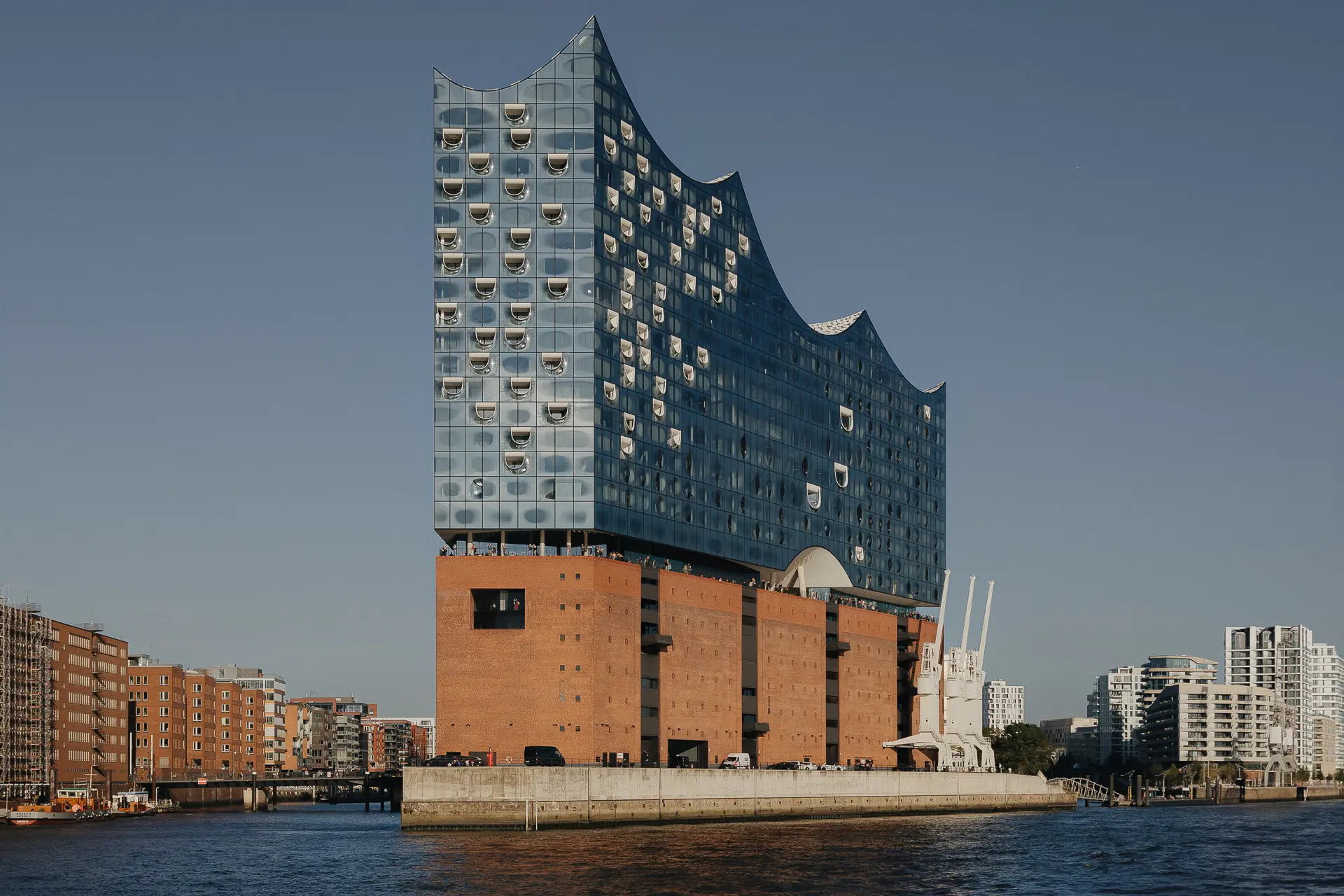
Elbphilharmonie
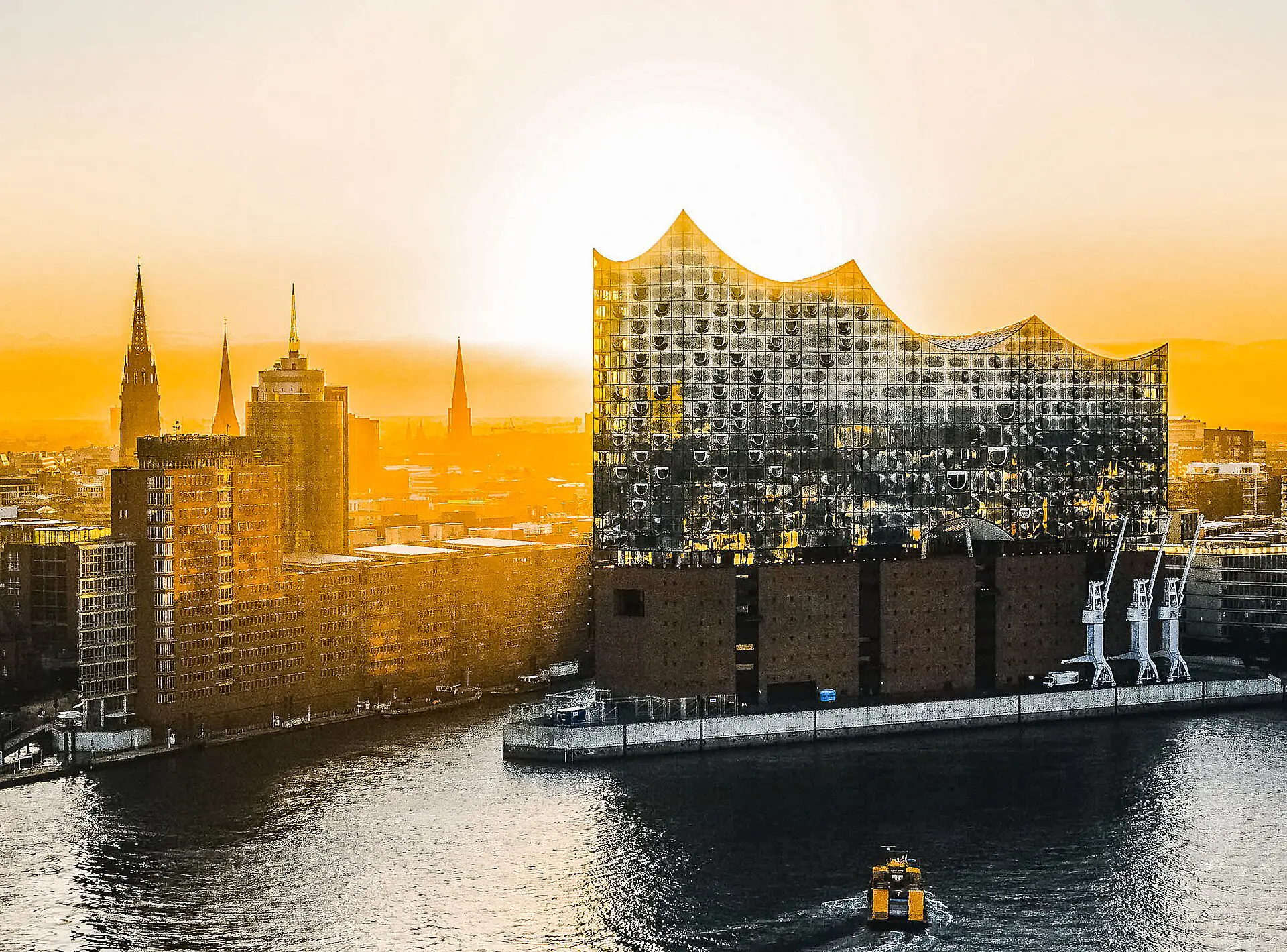
The concert hall stands on the edge of the harbour and is one of the city’s best-known landmarks. Its public viewing area gives wide views over the port and river. Allow about an hour. Tip: access arrangements and ticket rules can change, so check the official site before you go.
Binnenalster and Aussenalster
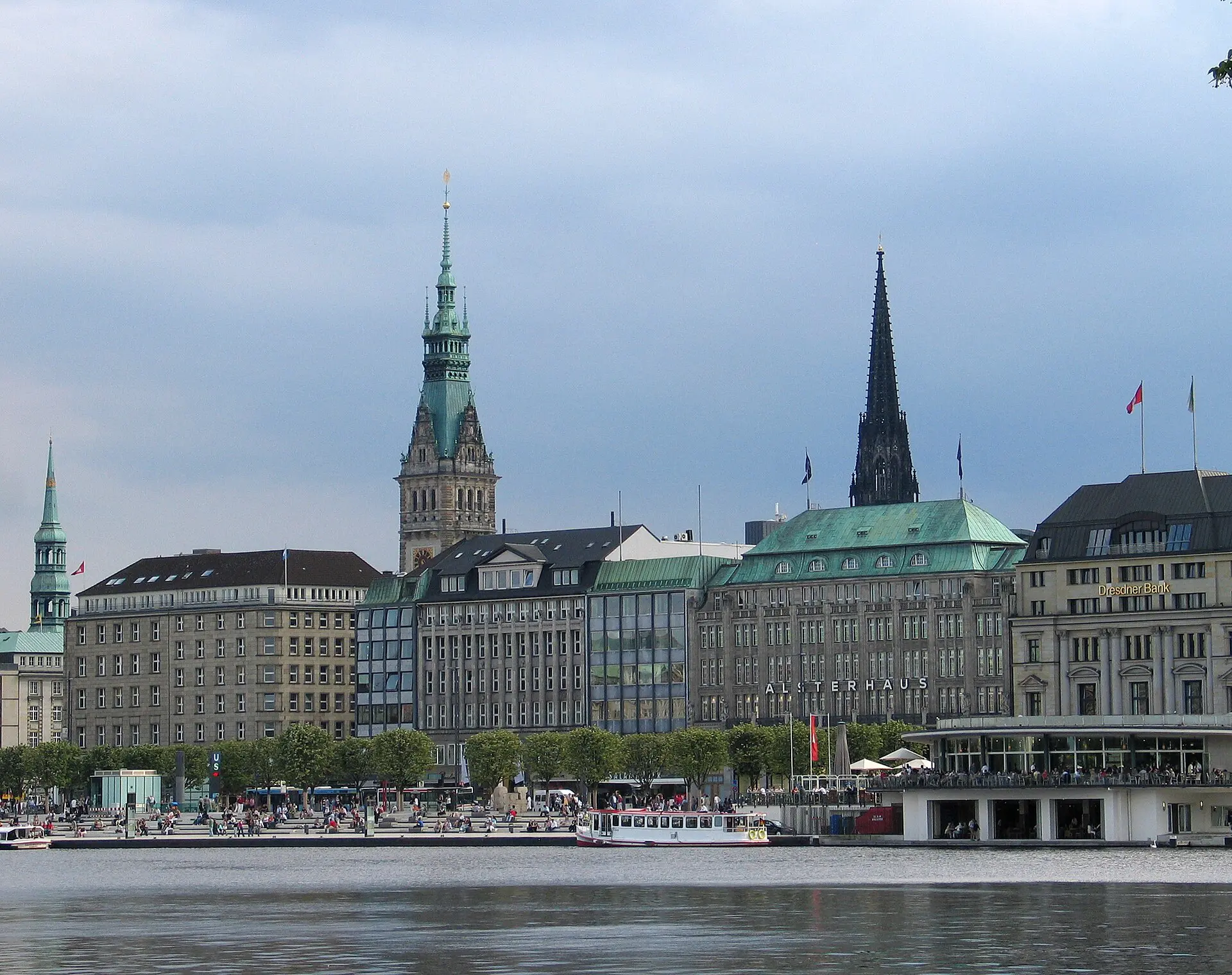
The Alster lakes sit in the middle of the city and are good for a walk, a rest or a boat trip. Allow two hours for a loop of the inner lake and its surrounding promenades. Tip: in warm weather the paths are busy at weekends, so go earlier in the day.
Rathaus and the city centre
The city hall is a grand building that reflects Hamburg’s civic pride as a former free city. The nearby arcades and shopping streets are easy to explore. Allow an hour or two. Tip: check whether guided tours of the interior are running on the day you visit.
St. Pauli and the Reeperbahn
This district is known for nightlife, music venues and a rougher edge than the rest of the city. By day it is calmer. Allow an evening. Tip: keep valuables close in busy areas at night, and use official taxis or public transport to get back.
Hamburg’s museums
The city has a wide range of museums covering art, maritime history and design. Pick one or two rather than many. Allow two to three hours each. Tip: opening days vary and some are closed on Mondays, so check ahead.
Best time to visit Hamburg
Hamburg has a maritime climate, so weather changes quickly in every season and a rain jacket is useful year-round. Late spring and summer are the most comfortable for harbour walks, boat rides and outdoor time by the Alster, and days are long. This is also when prices and crowds are highest, particularly at weekends and during large events.
Autumn is often quieter, with cooler air and good conditions for museums and concerts. Winter is cold and damp but brings Christmas markets and a strong indoor culture of music, bars and cafés. Spring is mild and good for walking, though showers are common. Book accommodation early if your dates match a trade fair or major festival, as hotel prices can rise sharply.
How to get to Hamburg and around
Hamburg Airport is the main air gateway and is linked to the city centre by the S-Bahn in roughly 25 to 30 minutes, though check current timetables. Most visitors from elsewhere in Germany arrive by train at Hamburg Hauptbahnhof, with fast services from Berlin, Hanover and other major cities. Long-distance buses also serve the city.
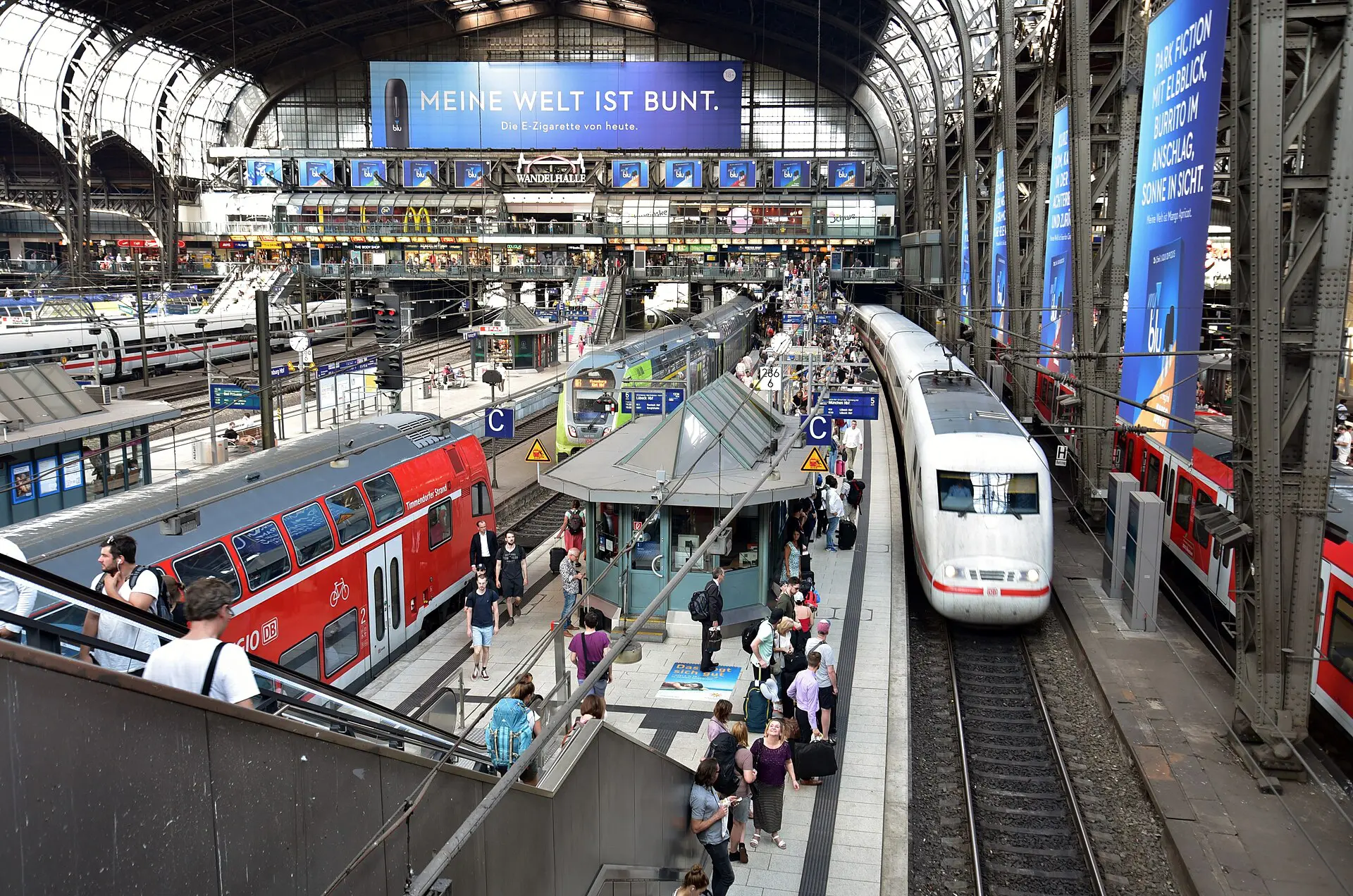
Within the city, the S-Bahn, U-Bahn, buses and harbour ferries are run as one network, and day tickets are usually better value than single fares if you plan several trips. The centre and harbour are walkable, and cycling is common. Taxis and ride services are easy to find, but you rarely need a car inside the city.
Where to stay in Hamburg
The area around the Hauptbahnhof is practical, with many hotels and quick transport links, though some streets feel busy and a little rough at night. The city centre near the Alster suits first-time visitors who want shops, restaurants and an easy walk to the main sights.
St. Pauli and the Reeperbahn suit travellers who want nightlife on the doorstep, with the trade-off of noise. Neighbourhoods around the harbour and the Speicherstadt are good for atmosphere and views. Quieter residential districts near the Alster are better for a calmer stay, and are well connected by public transport. Prices vary by season and events, so compare dates before booking.
How many days do you need?
Two days gives you the harbour, the Speicherstadt and the main city sights. Three days lets you add a museum, an evening in St. Pauli and a slower walk by the Alster. A longer stay is useful if you want day trips.
- Day 1: Rathaus, the city centre and the Binnenalster, then the Speicherstadt and Elbphilharmonie at the end of the day.
- Day 2: Landungsbrücken, a harbour ferry ride, a museum and an evening in St. Pauli.
- Day 3: A longer walk by the Aussenalster, or a day trip beyond the city.
Day trips and nearby
Berlin
Germany’s capital is a longer trip, with fast trains taking roughly two hours, though check current schedules. It is possible as a day trip, but works better as a separate stay of at least two nights.
Leipzig and Dresden
These cities in eastern Germany are better as part of a multi-day route than as day trips, as the journey from Hamburg is several hours each way. Combine them with Berlin if you are travelling onward.
Cologne and Düsseldorf
Both lie in western Germany and are reachable by rail in a few hours. Plan an overnight stay rather than a rushed day, and use the rail network to link the two.
Other German cities
Frankfurt, Munich, Nuremberg and Stuttgart are all far to the south, so treat them as stops on a longer route. For a true day trip from Hamburg, look at smaller towns in Schleswig-Holstein and Lower Saxony on the regional rail network.
FAQ
Q1When is the best time to visit Hamburg?
Late May to September is the easiest period, with long days and comfortable weather for harbour walks and time by the Alster. Autumn is quieter and good for museums and concerts. Winter is cold and damp but has Christmas markets and a strong indoor culture.
Q2How many days do you need in Hamburg?
Two to three days is enough for most visitors. Two days covers the harbour, the Speicherstadt, the Elbphilharmonie and the city centre. A third day lets you add a museum, the Alster lakes and an evening in St. Pauli at a relaxed pace.
Q3How do you get to Hamburg?
Hamburg Airport is the main gateway, with an S-Bahn link to the centre. From other German cities, fast trains arrive at Hamburg Hauptbahnhof, for example from Berlin in roughly two hours. Long-distance buses also run, so compare prices and travel times for your dates.
Q4Is Hamburg expensive?
Hamburg is mid-range for Germany. Hotels are the largest cost and rise during trade fairs and big events. Public transport day tickets, casual food and many outdoor sights keep daily costs manageable. Many visitors spend roughly EUR 110-200 per day, but check current prices before you go.
Prices, schedules and entry rules change. Check current details with official sources before you travel. Read the Germany travel guide.