Why visit Dusseldorf
If you are planning things to do in Dusseldorf, expect a city that mixes business and leisure. It is the capital of North Rhine-Westphalia and the seventh largest city in Germany, with a population of about 620,000, and it lies mostly on the right bank of the River Rhine.
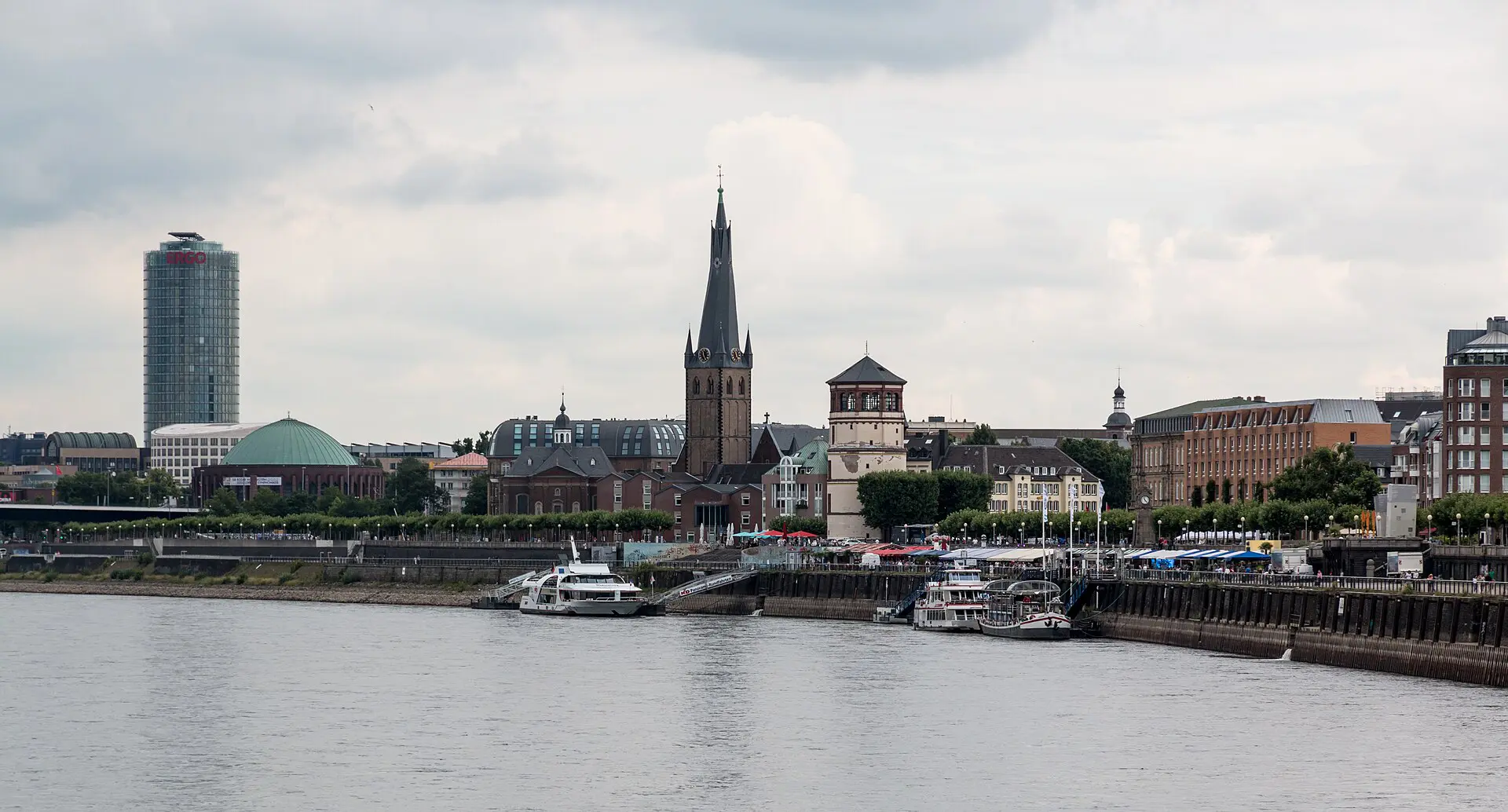
The city is known as one of Germany’s leading fashion cities, with a high concentration of professional services, creative industries and media. It has a large Japanese community, which is visible in its restaurants and shops, and it hosts big trade fairs. Its roots go back to a small settlement at the mouth of the Dussel River and city rights granted in 1288.
For visitors, that translates into a lively old town, one of the longer riverside promenades in the Rhine region, a strong art scene and a famous carnival. Most of the sights are close together, so a short stay works well.
Top things to do in Dusseldorf
Altstadt
The old town is packed with traditional breweries, bars and restaurants, and it is often called the longest bar in the world. Allow an evening. Try the local Altbier, and expect crowds on weekends and during carnival.
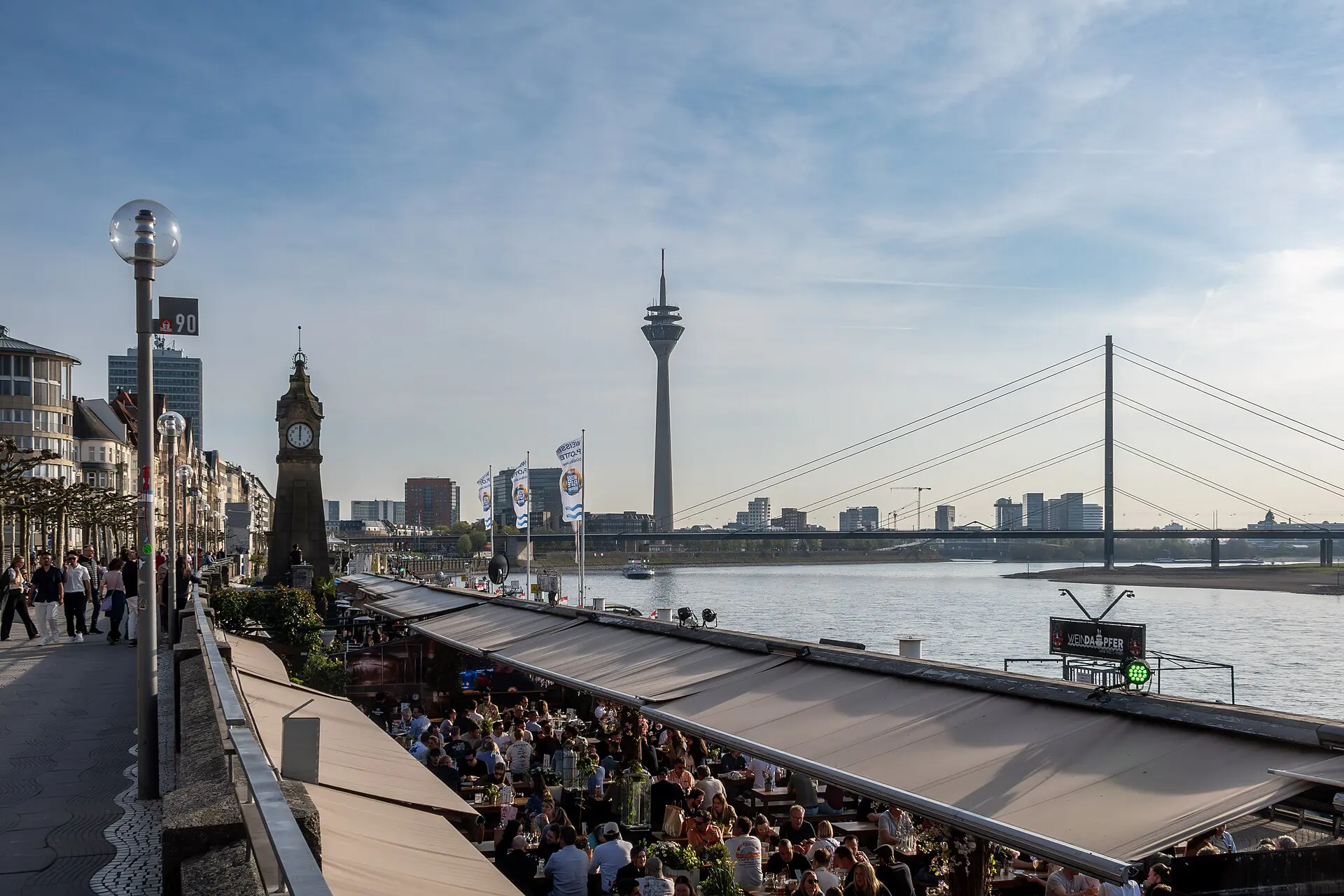
Rhine promenade
The riverside walkway runs below the old town, with cafes, steps and views across the water. Allow an hour or two for a stroll, especially in the evening. In warm weather it fills with locals sitting by the river.
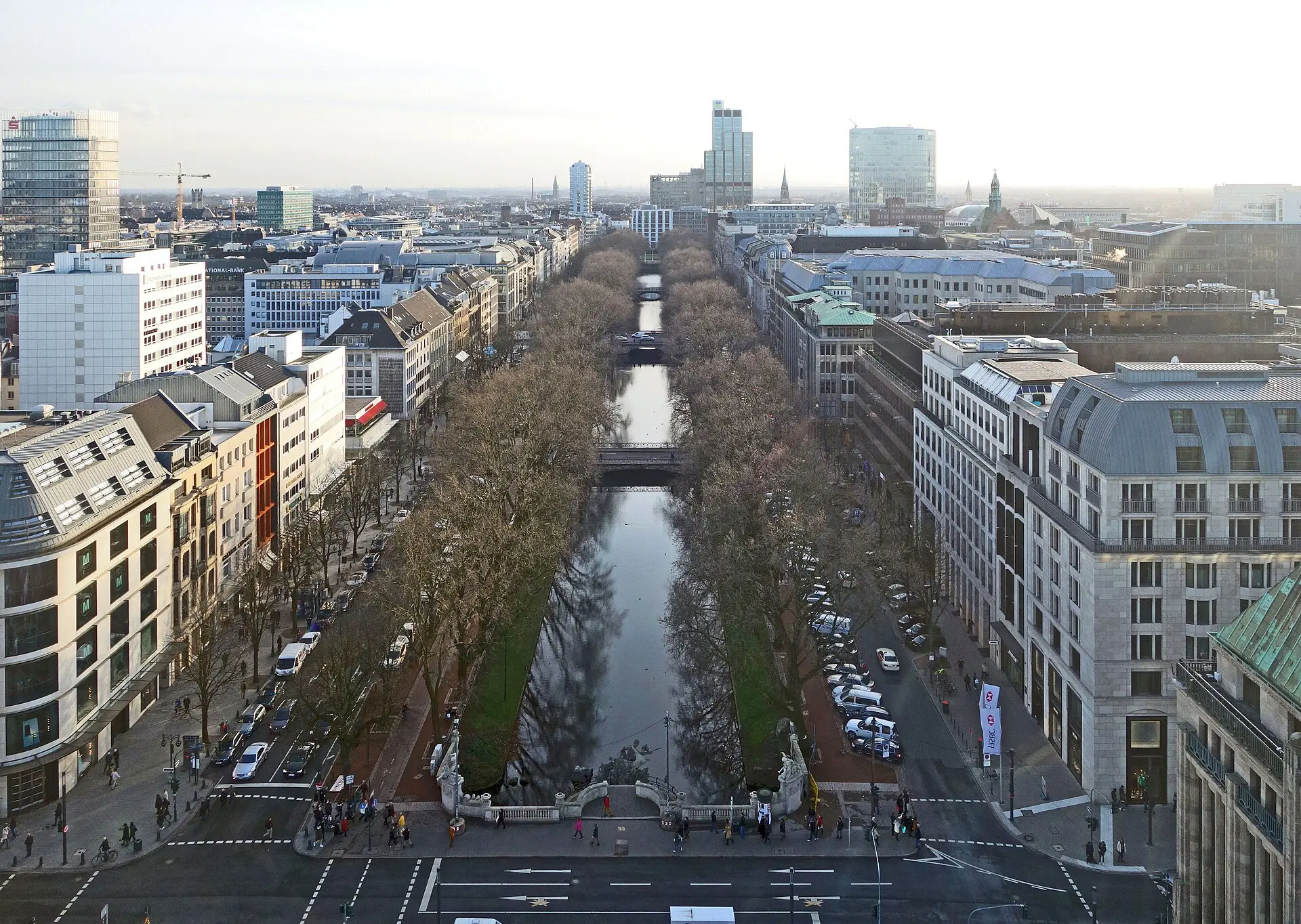
Konigsallee
The city’s best-known shopping boulevard is lined with fashion houses, department stores and a canal in the middle. Allow one to two hours. You do not need to buy anything to enjoy the people watching, and many shops close on Sundays.
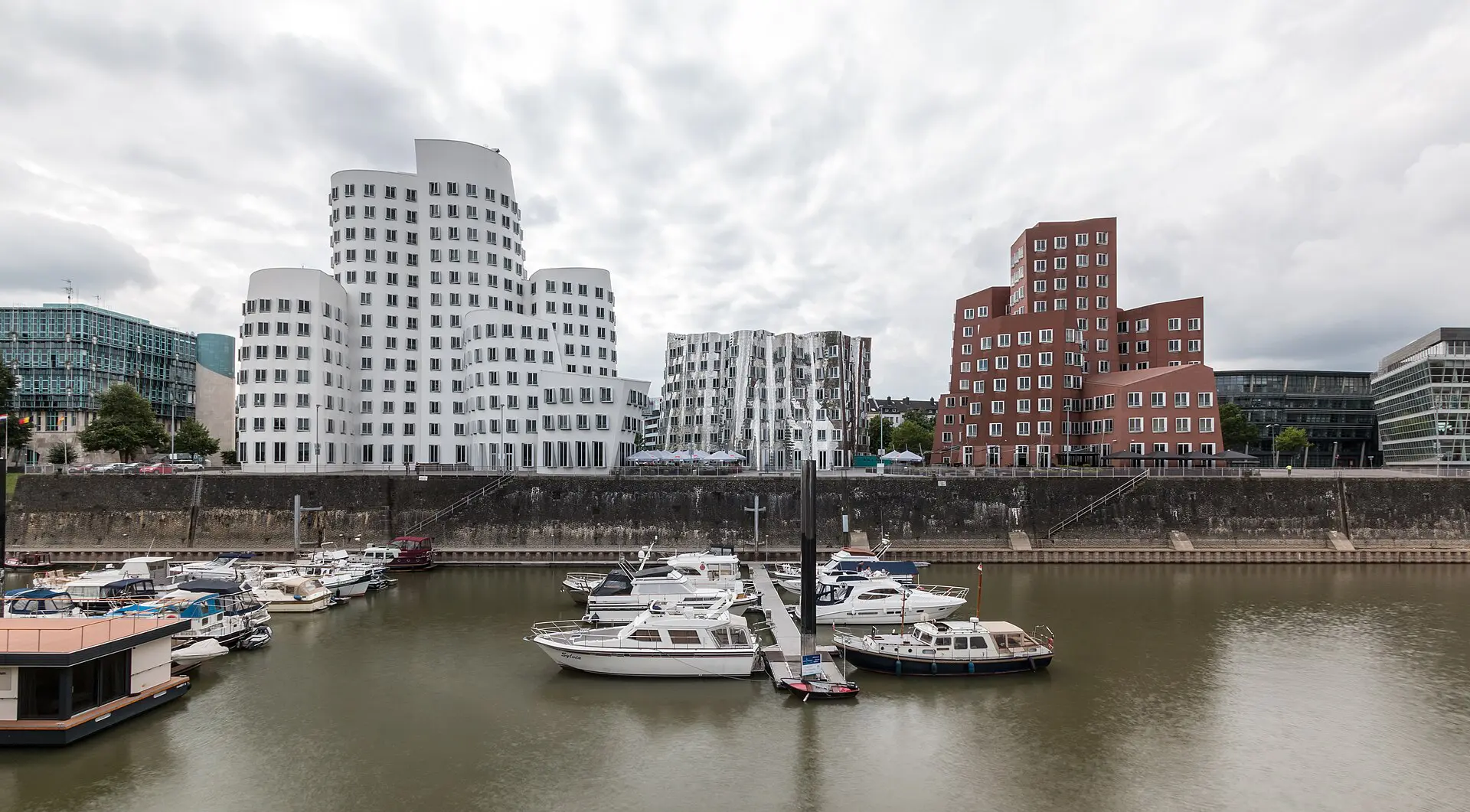
Medienhafen
This former harbour was redeveloped into a district of offices, restaurants and modern architecture, including buildings by Frank Gehry. Allow an hour. It is a good place for photographs and a drink at the water’s edge.
Rheinturm
The Rhine Tower has an observation deck with views over the city and the river. Allow 45 minutes. Choose a clear day, and check opening hours and ticket prices, since a restaurant and viewing areas may be reserved on some dates.
Museums and the Kunstpalast
Dusseldorf has a strong art tradition, helped by its historic art academy, with museums covering modern, old and decorative art. Allow two hours per museum. Check opening days, since many close on Mondays.
Hofgarten
The city’s central park offers shaded paths, ponds and a break from the shops. Allow an hour. It is a calm place for a picnic or a walk between the old town and museums on the north side.
Best time to visit Dusseldorf
Dusseldorf has a temperate maritime climate with mild summers, cool winters and rain at any time of year. May to September is the best period for the riverside, beer gardens and outdoor events, and the summer Kirmes fun fair on the Rhine meadows draws millions of visitors. Autumn is cooler but pleasant. Winter has Christmas markets and carnival in February or March, though weather is grey and damp. Trade fairs can fill hotels and push up prices at any time of year.
| Season | Weather | Crowds and prices |
|---|---|---|
| Spring (April-May) | Mild, changeable | Moderate |
| Summer (June-August) | Warm, some rain | Busy, events and fairs |
| Autumn (September-October) | Cool, often mild | Moderate, fair-dependent |
| Winter (November-March) | Cold, damp | Christmas and carnival peaks |
How to get to Dusseldorf and around
Dusseldorf Airport is one of the larger German airports, with a good range of European and international flights, and it is linked to the city centre by rail and by a local train and a short taxi ride. The main station, Hauptbahnhof, is a hub for regional and long-distance trains, with frequent services to Cologne and other cities in the Rhine-Ruhr area. Driving is possible, but parking in the centre is costly.
Within the city, an extensive network of trams, light rail, underground lines and buses covers most destinations, and day tickets offer good value. The old town and promenade are walkable, and taxis and ride-hailing apps are available. Cycling is also common, with bikes for rent in many places, though weather can be wet.
Where to stay in Dusseldorf
Dusseldorf’s hotel prices depend heavily on trade fair dates, so book early if your stay overlaps with a major event.
- Altstadt: close to bars, restaurants and the Rhine. Suits first-time visitors and groups, though weekend nights are loud.
- Near Hauptbahnhof: practical hotels with good transport links. Suit short stays and budget travellers, but the area is less atmospheric.
- Konigsallee and Carlsstadt: upscale hotels near shopping and galleries. Suit shoppers and couples looking for comfort.
- Medienhafen and Unterbilk: modern hotels and apartments near the riverside. Suit business travellers and those who like contemporary design.
Check whether a fair is on, and compare weekday and weekend rates.
How many days do you need?
Two days is enough for the old town, the promenade and shopping. Three days lets you add museums, the Medienhafen and a day trip. The city also works as a base for exploring the wider Rhine-Ruhr region by train.
- Day 1: Altstadt, Rhine promenade and an evening in a brewery.
- Day 2: Konigsallee, Hofgarten and a museum, then the Medienhafen at sunset.
- Day 3: Day trip to Cologne or another nearby city by train.
Day trips and nearby
Cologne
Cologne is the closest big city, with a major Gothic cathedral and a large old town. Frequent trains make it an easy day trip, so allow a full day. Check regional ticket options before you travel.
Ruhr cities
Cities such as Essen and Duisburg are former industrial centres with museums and reused industrial sites. Allow half a day for each, using regional trains. They suit visitors interested in industrial heritage.
Neuss and Lower Rhine
Neighbouring towns and countryside along the Rhine offer castles, cycling and quieter streets. Local trains and buses make short trips simple. Check current timetables, and pick a day with good weather.
Netherlands and Belgium
The border cities lie within a couple of hours by train or car. They are more realistic as an overnight addition than a day trip. Check train times and carry ID for cross-border travel.
FAQ
Q1When is the best time to visit Dusseldorf?
May to September is the most pleasant period, with outdoor events along the Rhine and warm evenings in the old town. December offers Christmas markets, while carnival in February or March is a major local celebration, though it is cold and busy.
Q2How many days do you need in Dusseldorf?
Two days covers the old town, Rhine promenade, Konigsallee and the Medienhafen. A third day adds museums or a day trip to Cologne. A single day is possible if you are passing through, but you will only see the highlights.
Q3How do you get to Dusseldorf?
Dusseldorf Airport has many European and international flights and a rail link to the city. The main station connects directly with Cologne and other German cities by frequent trains. Check timetables and ticket options before you book.
Q4Is Dusseldorf expensive?
Dusseldorf is on the higher side for German cities, especially for hotels during trade fairs. Meals in old town breweries and public transport day tickets offer reasonable value. Booking ahead and checking the event calendar can help keep costs down.
Prices, schedules and entry rules change. Check current details with official sources before you travel. Read the Germany travel guide.