Why visit Dresden
If you are planning things to do in Dresden, start from the fact that this is the capital of Saxony and one of Germany’s most historically layered cities. It sits on the River Elbe, and locals call it Elbflorenz, or Florence on the Elbe, a nod to its Baroque architecture and its role as an arts centre under August the Strong in the 18th century.
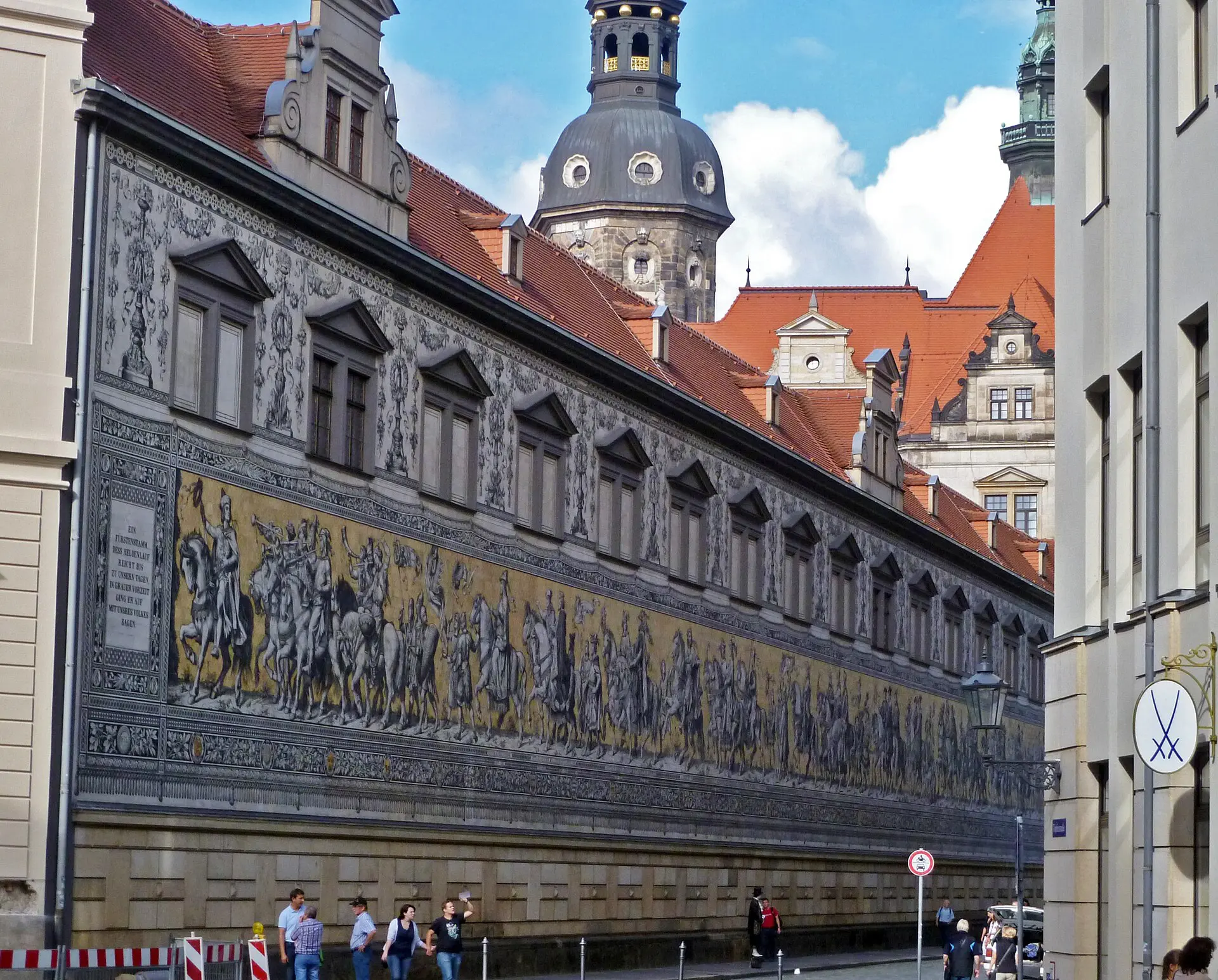
Much of the old town was destroyed in the Second World War, and more was lost in the decades that followed. The reconstruction of landmarks such as the Frauenkirche, consecrated in 2005, means the centre now looks surprisingly whole, even if some facades are new.
Beyond the old town you get a relaxed, green city with riverside meadows, a lively Neustadt district across the water and sandstone hills within easy reach. It rewards a short, unhurried stay.
Top things to do in Dresden
Frauenkirche
The domed Lutheran church on the Neumarkt is the symbol of the rebuilt city. Allow 30 to 60 minutes to see the interior, and consider climbing to the dome for views if it is open. Check visiting hours, since services and concerts can limit access.
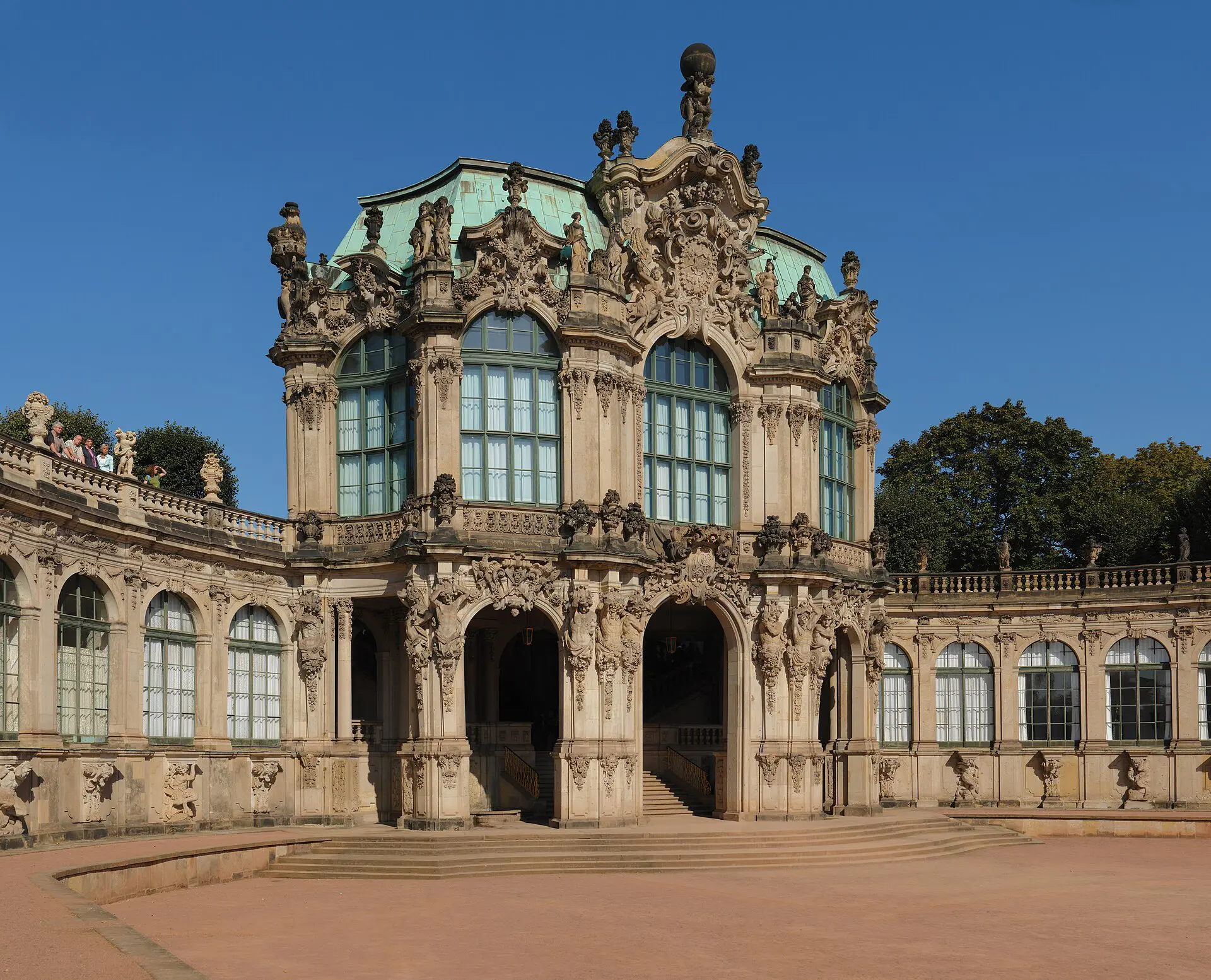
Zwinger
This Baroque palace complex with an enclosed courtyard houses several museums and is best known for its ornate pavilions. Allow an hour for the courtyard and longer if you go into a collection. Visit early in the day, when the square is quiet.
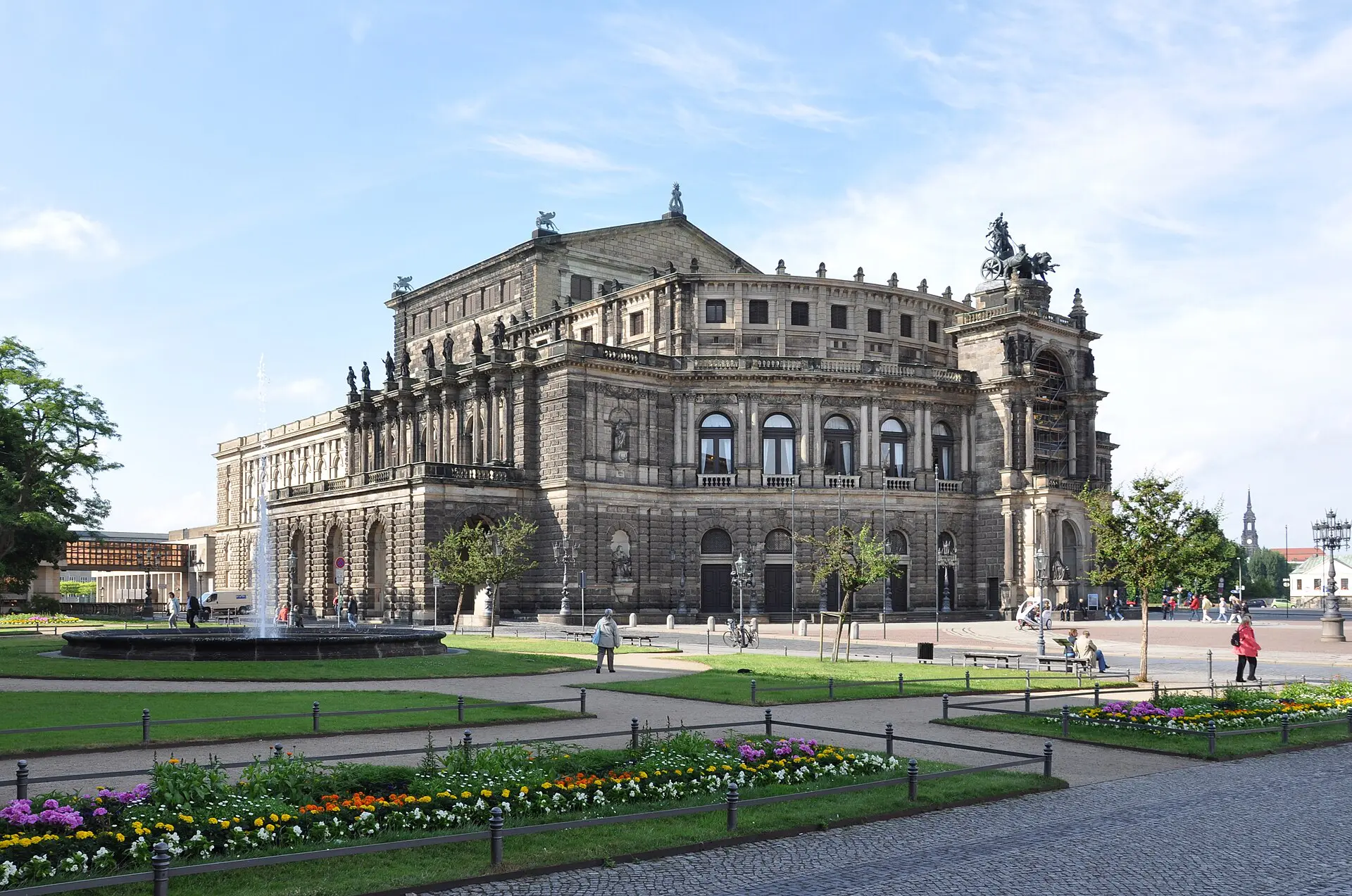
Semperoper and Theaterplatz
The opera house on Theaterplatz is one of the city’s best-known buildings. You can admire it from outside in a few minutes, or book a performance or a guided tour. Check the programme and ticket availability well ahead for popular dates.
Residenzschloss and Green Vault
The royal palace holds museums and the famous Green Vault treasury, home to jewellery and decorative objects. Allow two to three hours. Tickets for timed entries can sell out in busy periods, so check booking rules in advance.
Brühl’s Terrace and the Elbe
This raised promenade above the river gives views across the water and the Neustadt bank. Allow an hour for a walk and a coffee. In summer, riverside meadows and paddle steamers add to the scene, and boat timetables are worth checking.
Neustadt and Kunsthofpassage
The Neustadt, on the north bank, is the lively quarter, with cafes, small shops and courtyards with decorated facades. Allow a few hours in the afternoon or evening. It is a good place to eat after museum visits in the old town.
Albertinum and art museums
Dresden has major collections of old masters and modern art. Choose one or two, since museum fatigue sets in quickly. Allow two hours each, and check which collections are open, since some close on Mondays or for renovation.
Best time to visit Dresden
Dresden has a temperate climate with warm summers and cold winters. Spring and early autumn are the most comfortable times for walking and sitting by the river. Summer can be hot, but it is the time for river events and outdoor cafes. Winter is cold and dark, yet the Christmas markets, including the well-known Striezelmarkt, draw large crowds in late November and December.
| Season | Weather | Crowds and prices |
|---|---|---|
| Spring (April-June) | Mild, some showers | Moderate |
| Summer (July-August) | Warm to hot | Busy at weekends |
| Autumn (September-October) | Cool, often clear | Moderate, good value |
| Winter (November-March) | Cold, sometimes snowy | Busy in Advent, quiet after |
How to get to Dresden and around
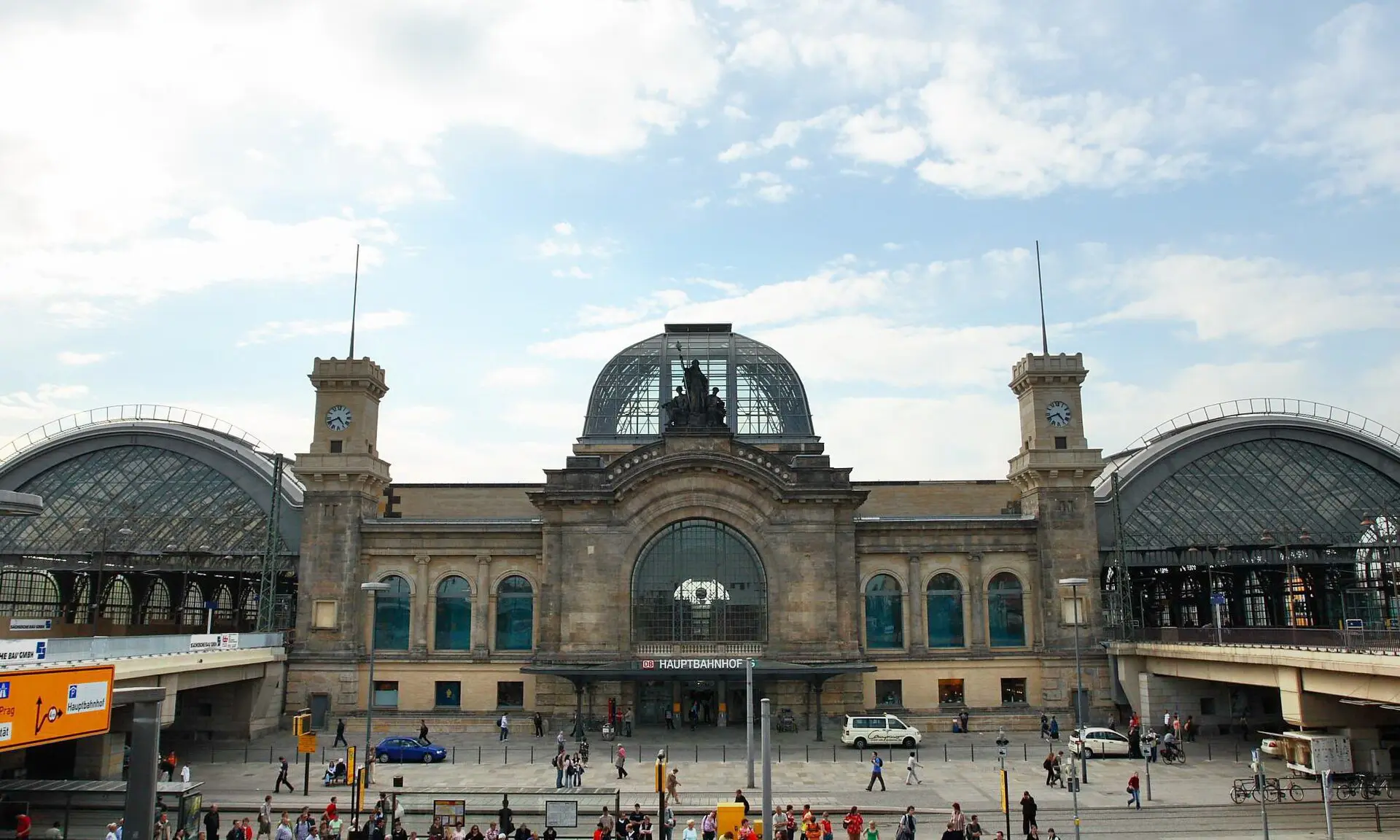
Dresden Airport has a limited set of routes, so many visitors arrive via Berlin, Leipzig or Prague. Direct trains link Dresden with Berlin and Prague, and the long-distance station, Hauptbahnhof, is a short walk or tram ride from the old town. Intercity buses and a good road network add options, and journey times are best checked before you book.
The centre is compact and mostly flat, and you can walk between the main sights. Trams and buses cover the rest, and a day ticket is worth it if you plan several trips. Local trains and river boats reach nearby towns. Taxis and ride-hailing apps are available, and bikes are common along the Elbe cycle path.
Where to stay in Dresden
Dresden is small enough that location matters more than category, and most visitors choose between the old town and the Neustadt.
- Altstadt (old town): closest to the Frauenkirche, Zwinger and museums. Suits first-time visitors and short stays, though prices are higher and nights are quiet.
- Neustadt: bars, cafes and independent shops across the river. Suits younger travellers and anyone who wants evening life within walking distance.
- Near Hauptbahnhof: practical hotels with good transport, suited to travellers arriving by train or on a budget.
- Riverside and suburbs: quieter spots along the Elbe, suited to longer stays, cyclists and visitors with a car.
Book early for the Christmas market period and for major events.
How many days do you need?
Two days covers the old town highlights and a museum or two. Three days lets you add the Neustadt and a river walk at an easier pace. With four days you can fit in a day trip to Saxon Switzerland or Meissen.
- Day 1: Frauenkirche, the Neumarkt, Zwinger and Theaterplatz, followed by Brühl’s Terrace at sunset.
- Day 2: A museum morning in the Residenzschloss or Albertinum, then an afternoon in the Neustadt.
- Day 3: A river cruise or a day trip to nearby hills or towns.
Day trips and nearby

Saxon Switzerland
The sandstone landscape of the Elbe Sandstone Mountains lies southeast of the city. It has rock towers, walking trails and viewpoints such as the Bastei. Reach it by regional train or river boat, and allow a full day. Bring sturdy shoes and check trail conditions.
Meissen
This small town down the Elbe is known for its porcelain and a hilltop castle and cathedral. It is easy to reach by train or boat. Allow half a day, and check opening hours for the porcelain manufactory and its museum.
Berlin
Berlin is a long day trip by train, but better as a separate stop. Direct services run between the two cities, and the journey takes around two hours; check current times and fares before booking.
Prague
Direct trains also link Dresden with the Czech capital. The ride follows the Elbe valley and takes roughly two and a half hours, so it suits an overnight stay more than a rushed day trip. Check timetables in advance.
FAQ
Q1When is the best time to visit Dresden?
April to June and September to October are the most comfortable, with mild weather for walking and river views. December suits visitors who want Christmas markets, though it is cold and busy, so book accommodation early and dress for low temperatures.
Q2How many days do you need in Dresden?
Two days covers the old town, major museums and a riverside walk. A third day lets you slow down in the Neustadt, and a fourth gives you time for a day trip to Saxon Switzerland or Meissen without feeling rushed.
Q3How do you get to Dresden?
Trains are the easiest option, with direct services from Berlin and Prague to the main station near the centre. Dresden Airport has a limited route network, so many visitors fly into Berlin or Leipzig first. Check current timetables before you book.
Q4Is Dresden expensive?
By western European standards Dresden is moderately priced. Museums, meals and public transport cost less than in cities such as Munich, although hotels near the old town rise in peak periods. A day ticket on local transport and a museum pass can save money.
Prices, schedules and entry rules change. Check current details with official sources before you travel. Read the Germany travel guide.