Why visit Cologne
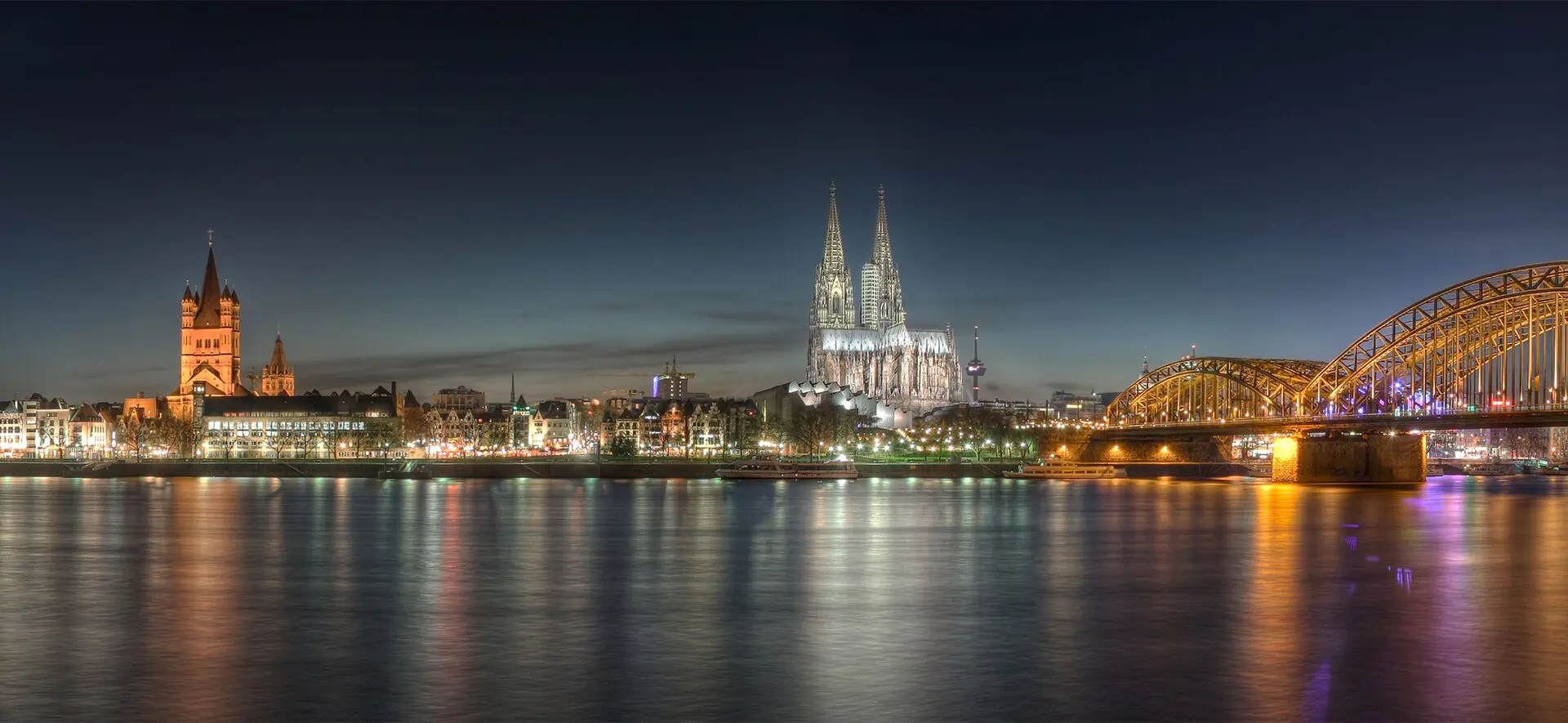
If you are looking for things to do in Cologne, begin with the skyline. The twin spires of Cologne Cathedral rise beside the Rhine, steps from the main railway station, and they set the tone for a city that is both historic and informal. Cologne is one of Germany’s largest cities and a long-established cultural centre in the Rhineland.
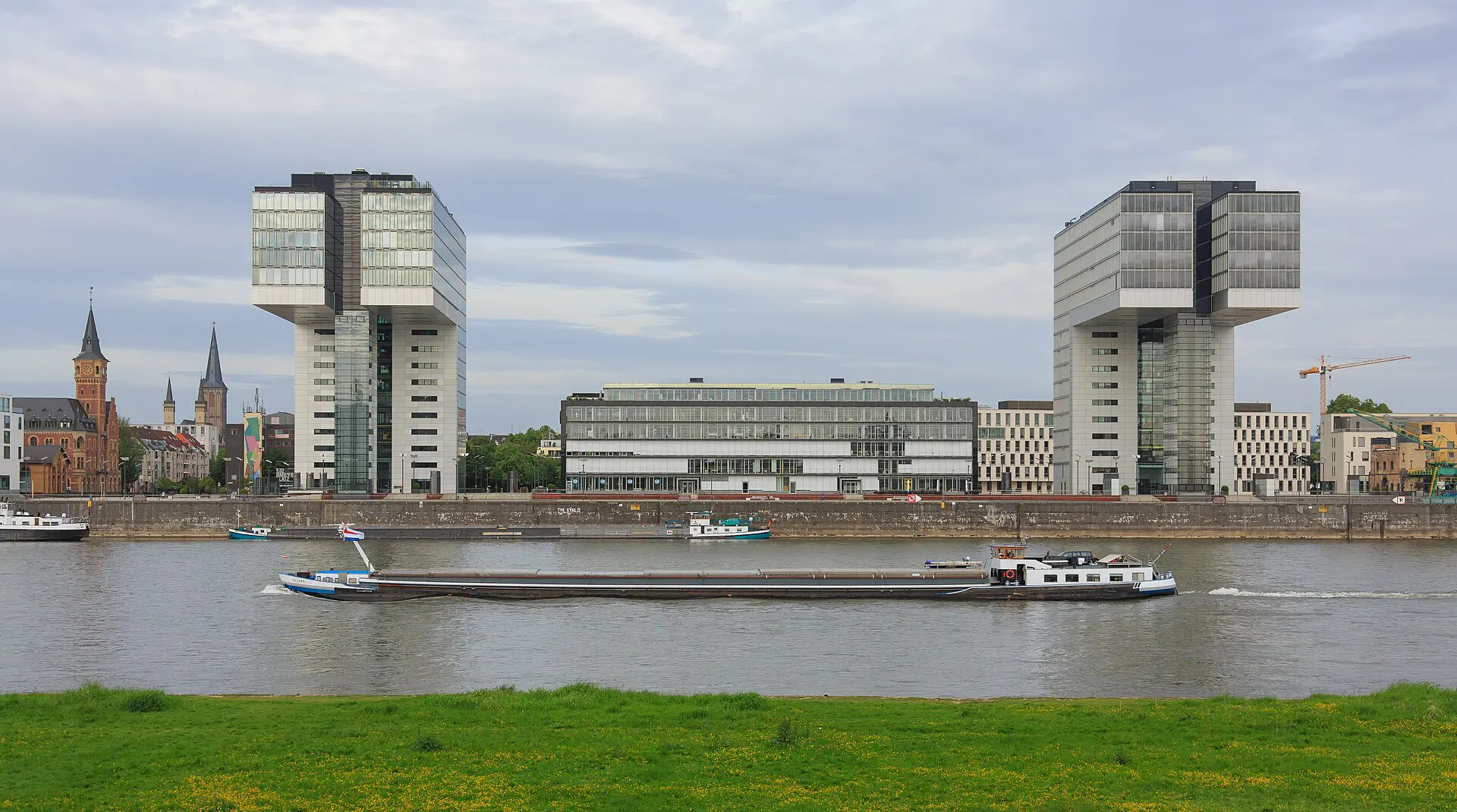
The city was heavily damaged in the Second World War and rebuilt, so the old town is a mix of restored buildings and postwar architecture. What survives is a compact centre with Roman remains, medieval churches, museums, a riverfront promenade and plenty of local drinking culture.
Cologne also suits short trips. Most sights are close together, trains are frequent and you can walk between the cathedral, the old town and the river in minutes. It is a good first stop in western Germany.
Top things to do in Cologne
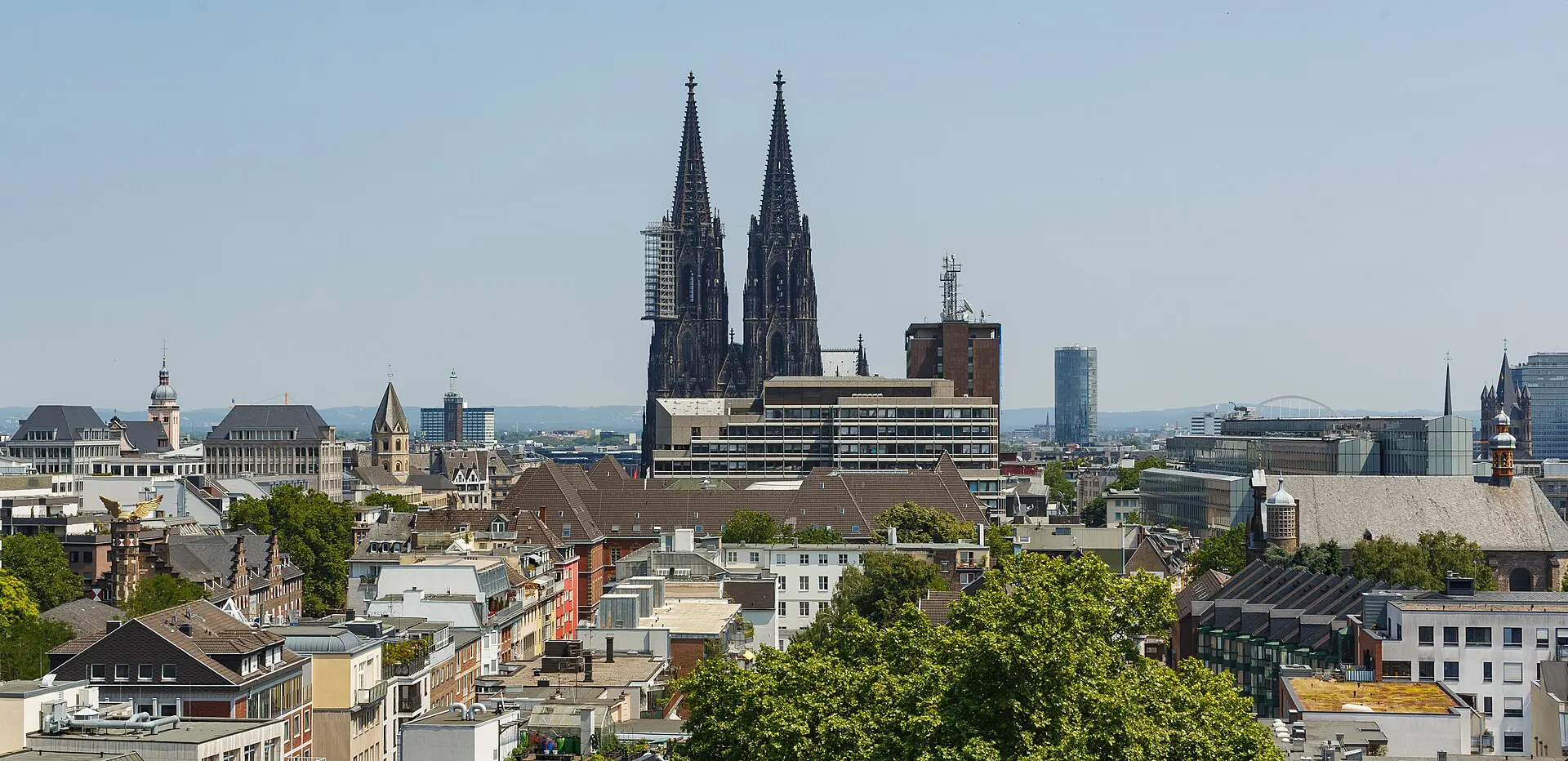
Cologne Cathedral
The Gothic cathedral is the city’s defining landmark. Allow one hour for the interior and longer if you climb the south tower, which has many steps. Check opening hours and access rules, and dress modestly. Queues can be long in peak season, so go early.
Hohenzollern Bridge and the Rhine
The railway bridge beside the cathedral is a short walk and offers views of the river and skyline. Walk across to the eastern bank for the best view back at the cathedral. Plan thirty minutes, and bring a camera for golden hour.
Old Town (Altstadt)
Narrow streets, small squares and old churches fill the area between the cathedral and the river. Walk it slowly for two hours, stopping at a cafe. Many buildings were rebuilt after the war, so look for details such as Romanesque churches.
Roman-Germanic Museum
Next to the cathedral, this museum displays finds from Roman Cologne, including mosaics. Plan one to two hours. It is a compact way to understand the city’s ancient origins. Check current opening days and any renovation notices.
Museum Ludwig
A major museum of modern and contemporary art near the cathedral and the river. Allow around two hours, and check which exhibitions are running. Combine it with a stroll along the Rhine afterwards. Closing days vary, so check before planning.
Kölsch brewery pubs
Cologne is known for Kölsch, a local pale beer served in small glasses in traditional brewery pubs. Try it in a brewhouse in the old town. The waiter will keep bringing glasses unless you place your coaster on top. Eat something local alongside.
Belgian Quarter and Ehrenfeld
These neighbourhoods have independent shops, cafes and bars and show a more local side of the city. Go in the afternoon or evening, and plan a couple of hours. They are easily reached by tram or bus from the centre.
Best time to visit Cologne
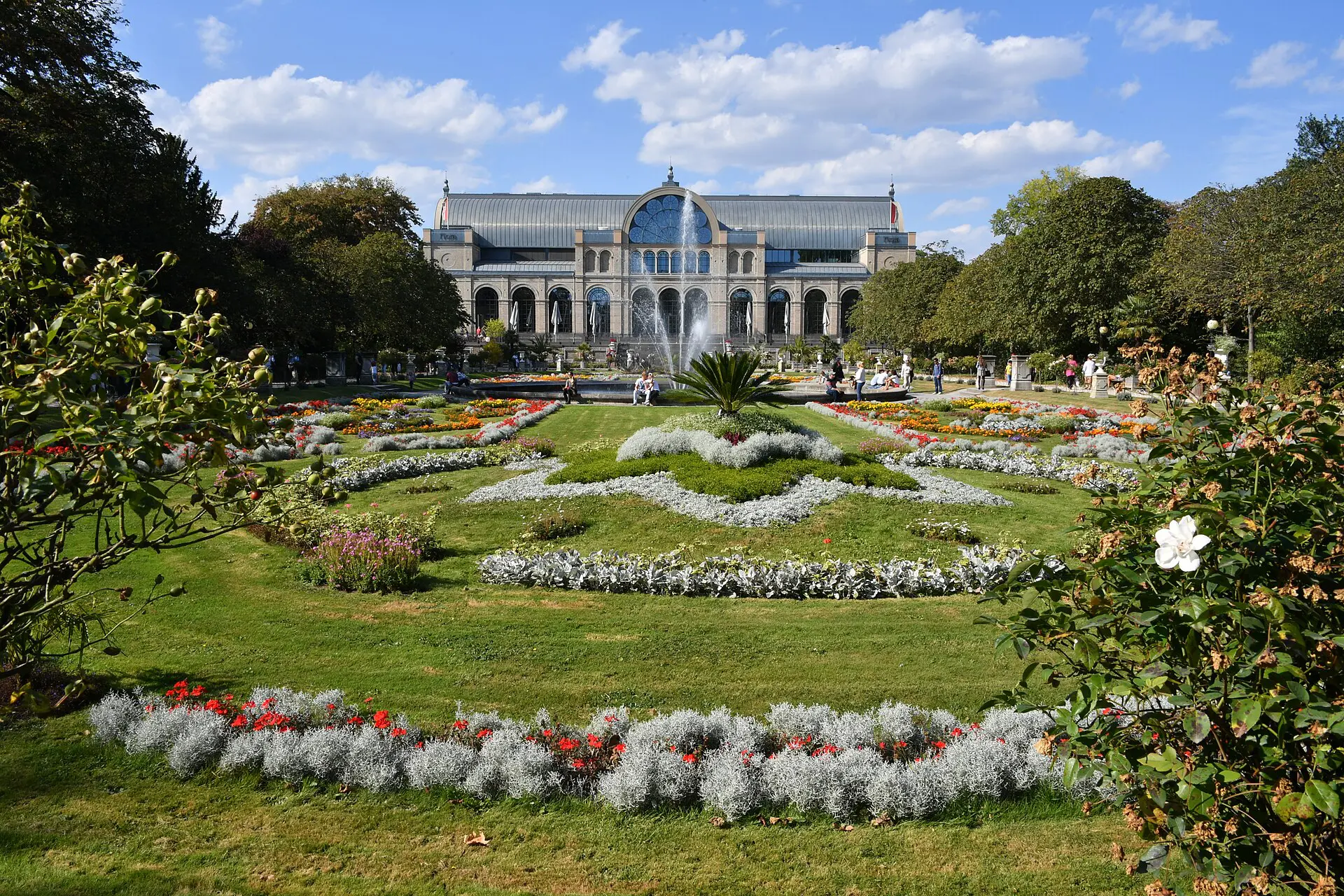
Cologne has a temperate climate with mild summers and cool winters, so it is a year-round destination. Spring and early autumn are comfortable for walking by the river. Summer is warm and lively, with outdoor terraces open, though some days can be hot. Winter is chilly and grey but has one big draw: the Christmas markets, which bring crowds and higher hotel prices in December. The carnival season in February or early in the year is a major local festival and busy with revellers, so book early if you want to join it.
| Season | Weather | Crowds and prices |
|---|---|---|
| Spring (April-June) | Mild, some rain | Moderate |
| Summer (July-August) | Warm | Busy, higher prices |
| Autumn (September-October) | Mild, increasingly cool | Moderate |
| Winter (November-March) | Cold, grey | Busy in December and carnival |
How to get to Cologne and around
Cologne’s main railway station sits next to the cathedral and is a major hub, with fast trains to Düsseldorf, Frankfurt, Brussels, Amsterdam and Paris on regular services; check current timetables. Cologne Bonn Airport lies south-east of the city, roughly 15 km from the centre, with train links to the main station; check the latest routes and journey times.
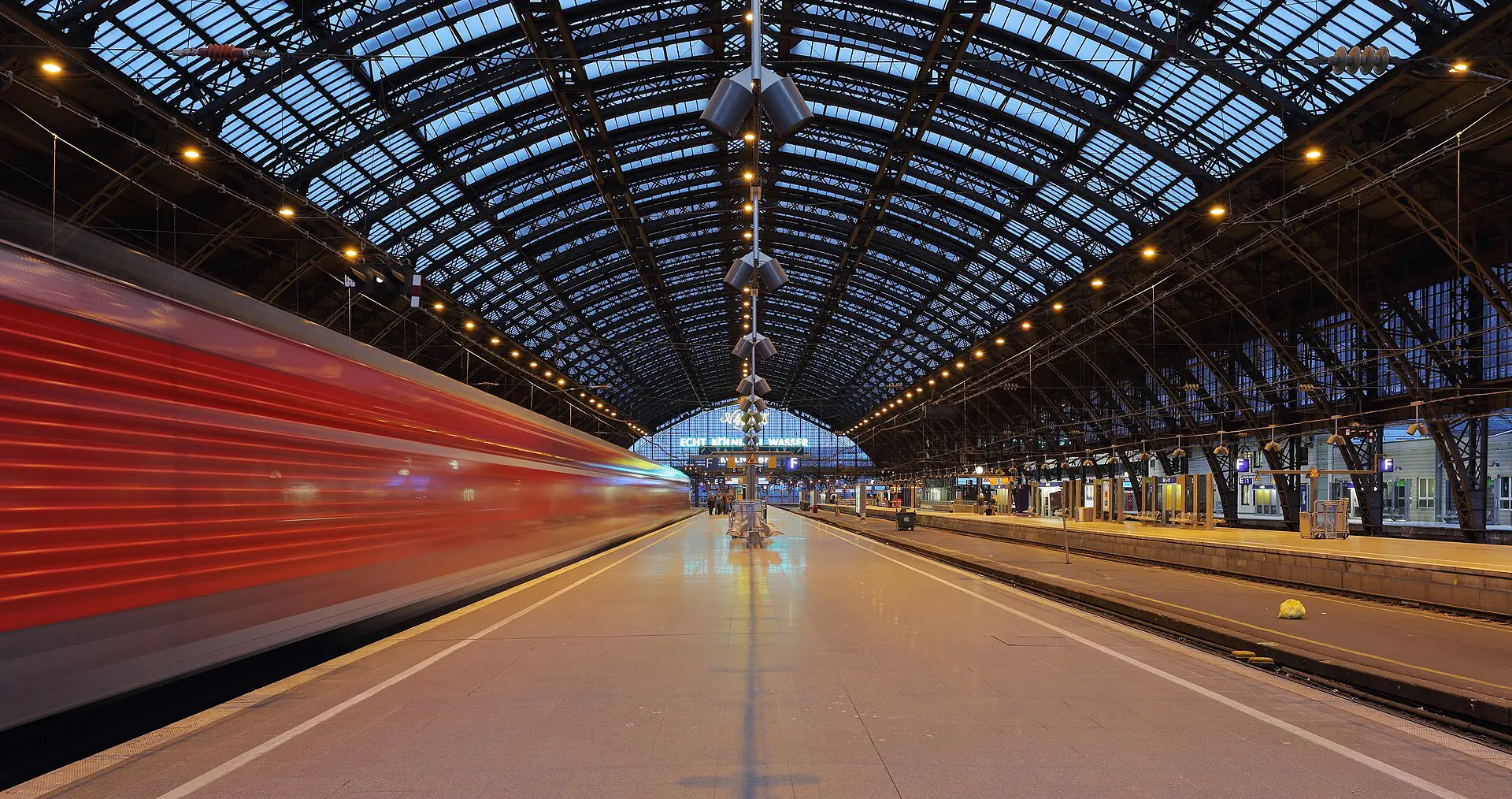
The centre is compact and most major sights can be walked in minutes. For longer distances, the local network of trams, light rail and buses is efficient, and tickets can be bought at machines or in an app. A day ticket often pays off if you plan several trips. Cycling is common on the riverside paths, and taxis are available. Cars are not needed in the centre.
Where to stay in Cologne
Cologne is easy to navigate, so pick an area by what you want from your evenings.
- Altstadt (old town): central, close to the cathedral and river. Best for first-time visitors on short stays, though busy and noisy at weekends.
- Near the main station: convenient for trains and day trips, with many hotels at various prices. Practical, if not the most atmospheric.
- Belgian Quarter: stylish and local, with cafes and boutiques. Good for couples and travellers who want a neighbourhood feel.
- Deutz, across the river: quieter, with views back to the cathedral. Handy for trade fairs and a short walk over the bridge.
Trade fairs and events push prices up significantly, so book early and compare dates.
How many days do you need?
Two days covers the cathedral, old town, a museum and a brewery evening. A third day lets you add another museum, a neighbourhood walk or a short trip. One day is possible as a stopover if you stay near the station.
- Day 1: Visit the cathedral, cross the Hohenzollern Bridge for the view, then wander the old town and try Kölsch in an evening brewery pub.
- Day 2: Spend the morning at the Roman-Germanic Museum or Museum Ludwig, then take the afternoon along the river and neighbourhoods such as the Belgian Quarter.
- Day 3: Take a day trip by train to a nearby Rhineland city, then return for dinner.
Book cathedral tower tickets or tours ahead if available.
Day trips and nearby
Düsseldorf
A short train ride north, Düsseldorf is known for fashion, art and its riverside promenade. It is easy as a half-day or full-day trip, with regional trains running frequently. Check current timetables and ticket options.
Frankfurt
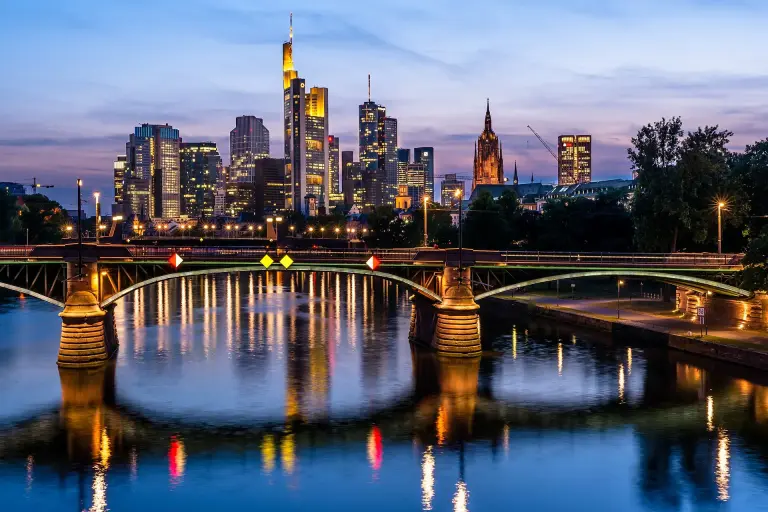
Frankfurt is further south and reachable by fast train in roughly an hour or a little more; check current times. It suits a long day trip, or as a next stop on a Germany itinerary, with museums and a modern skyline.
Heidelberg
A university town with a castle above the river, further south. It works better as an overnight stop than a rushed day trip. Check train connections and plan a night if you want to visit the castle.
Rhine valley towns
The Middle Rhine south of Cologne has castles and wine villages, reached by regional train or river boat on a longer day. Check seasonal boat schedules, and plan to start early.
FAQ
Q1How many days do you need in Cologne?
Two days is enough for the cathedral, old town, a museum and a brewery evening. A third day lets you add a neighbourhood walk or a short trip to another Rhineland city. One day works as a stopover.
Q2When is the best time to visit Cologne?
Spring and early autumn are comfortable for walking and sightseeing. December is popular for Christmas markets but busier and more expensive. Summer is warm and lively, while carnival season is a major local event with big crowds.
Q3How do you get to Cologne?
Most visitors arrive by train, as the main station is next to the cathedral and has frequent high-speed and regional services. Cologne Bonn Airport is around 15 km from the centre, with train links to the city. Check current timetables.
Q4Is Cologne expensive?
Cologne is mid-range by German standards. Expect roughly EUR 100-180 per day for a mid-range trip, with hotels costing more during trade fairs, Christmas markets and carnival. Museums, the river walk and the cathedral exterior are good-value ways to fill the day.
Prices, schedules and entry rules change. Check current details with official sources before you travel. Read the Germany travel guide.