Why visit Zambia
This Zambia travel guide starts with the main draw: the country has some of Africa’s best wildlife viewing without the crowds, and it shares Victoria Falls with Zimbabwe. Large parts of it, about 752,600 square kilometres in all, are protected national parks and game management areas, and it is the birthplace of the walking safari. The Wikipedia overview gives the background to a country that has been politically stable since independence in 1964.
Zambia suits travellers who want river safaris, night drives and walks led by expert guides, as well as people who like adventure activities at the Falls. It is best for repeat safari goers and for those who want quiet camps. It is less suited to travellers on a tight budget, since safaris cost more than in cities, and distances are long.
Best places to visit in Zambia
The best places to visit in Zambia are spread across a large country, so most trips choose one or two regions.
Victoria Falls and Livingstone
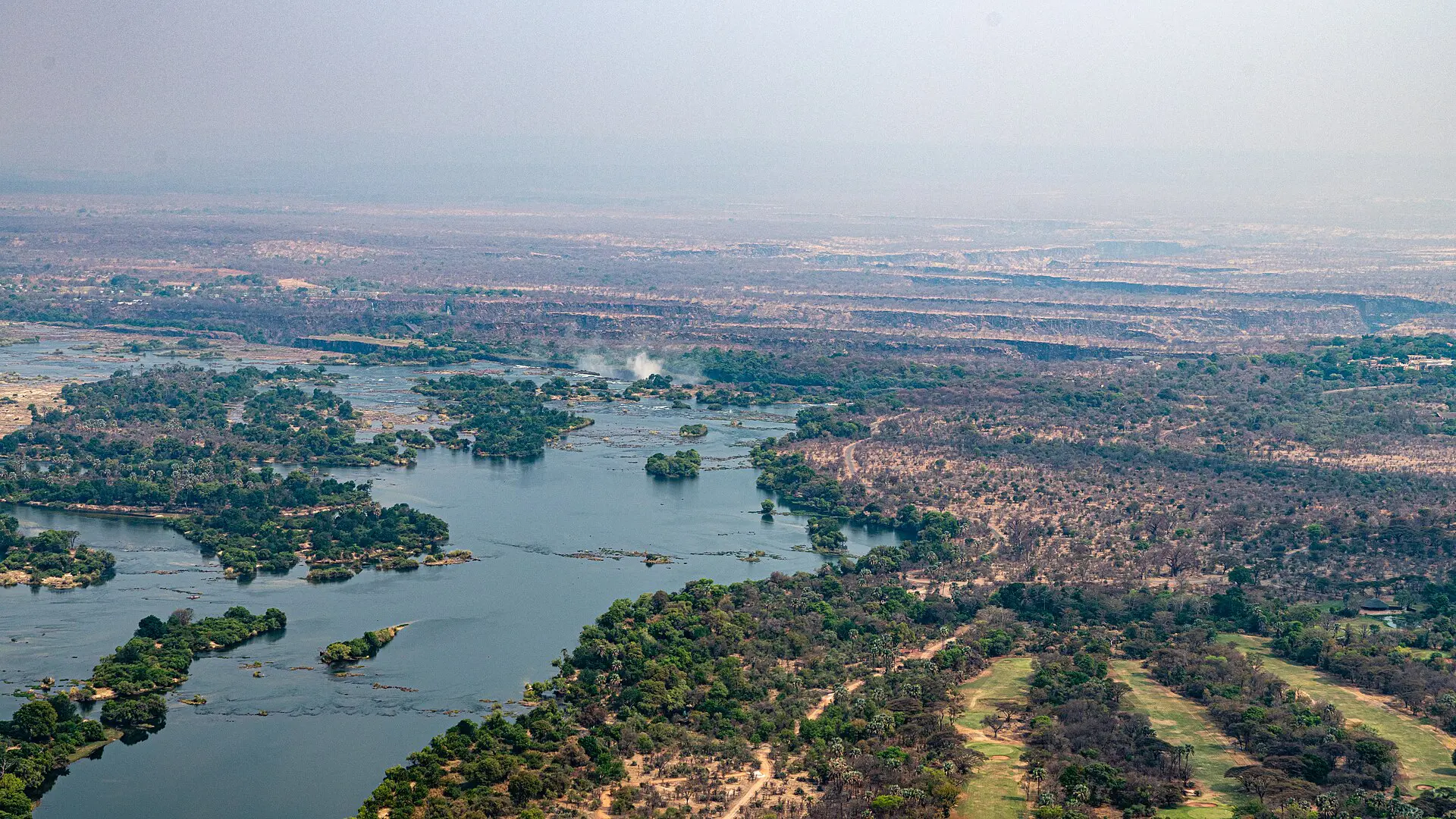
Livingstone, in the far south, is the base for the Zambian side of Victoria Falls, a UNESCO World Heritage Site shared with Zimbabwe. The Falls are widest and fullest after the rains. The town also has river cruises, rafting and the Livingstone Museum.
South Luangwa National Park
In the east, this park is known for dense wildlife, leopards and walking safaris along the Luangwa River. Mfuwe is the gateway airport. The best game viewing is in the dry season.
Lower Zambezi National Park
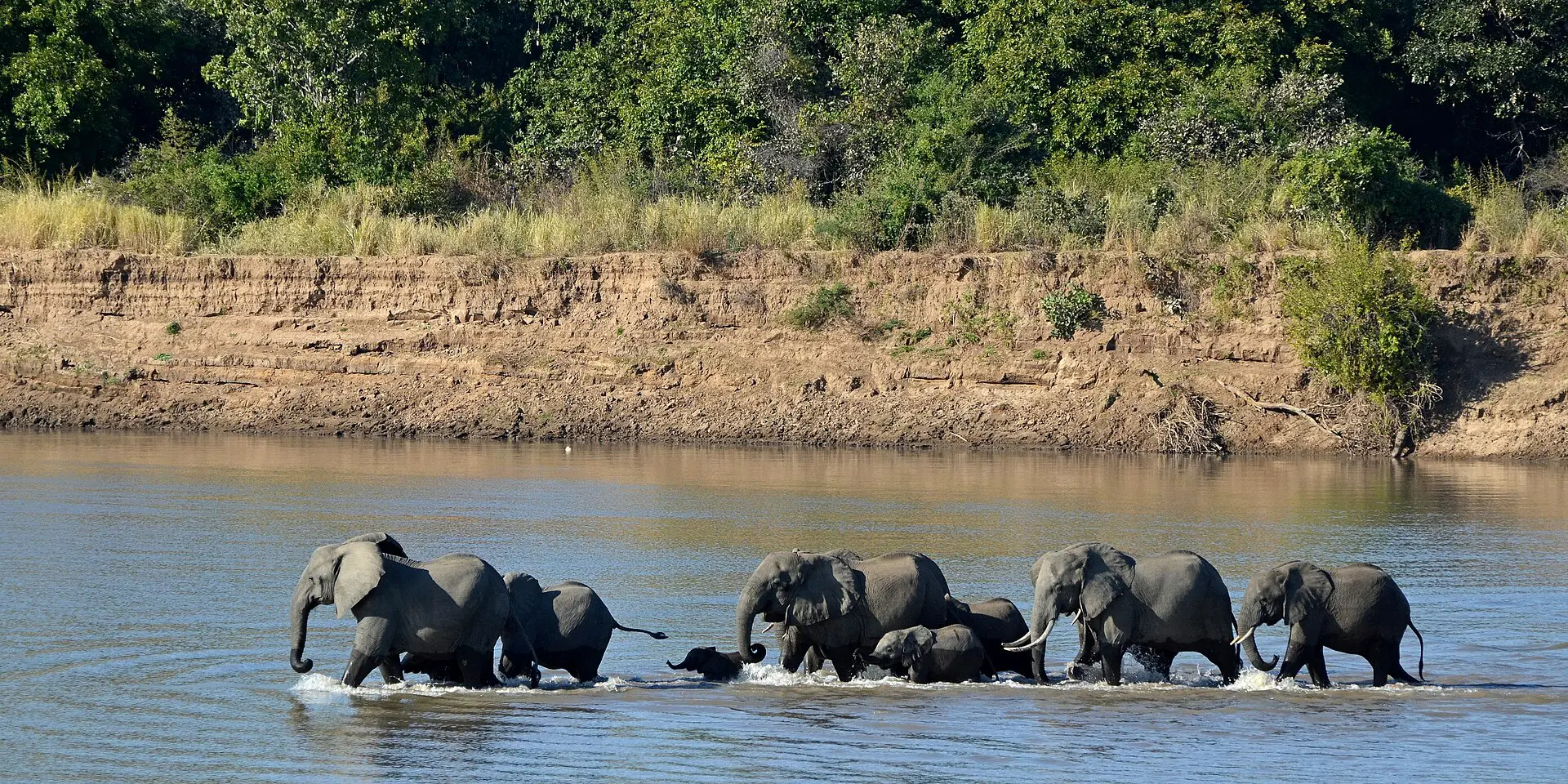
Across the river from Zimbabwe’s Mana Pools, this park offers canoe safaris and boat game viewing, with elephants on the floodplain. It is reached by small plane or road from Lusaka.
Lusaka
The capital is a working city with markets, malls and craft stalls, and is mostly a transit point for flights and buses.
Kafue National Park
One of Africa’s largest parks, Kafue is wild and less visited, with lechwe, lions and leopards.
Lake Tanganyika and the north
Remote beaches and waterfalls such as Kalambo Falls are for adventurous travellers with time.
Top things to do in Zambia
The top things to do in Zambia centre on wildlife, water and adventure.
- See Victoria Falls from the Zambian side: the Knife-Edge Bridge walk gives close views, best in the wet months.
- Swim in the Devil’s Pool: in the low-water season, guided trips reach a rock pool at the lip of the Falls.
- Take a walking safari in South Luangwa: armed scouts and guides lead small groups on foot.
- Join a night drive: the Luangwa Valley is one of the better places in Africa to see leopards and other nocturnal animals.
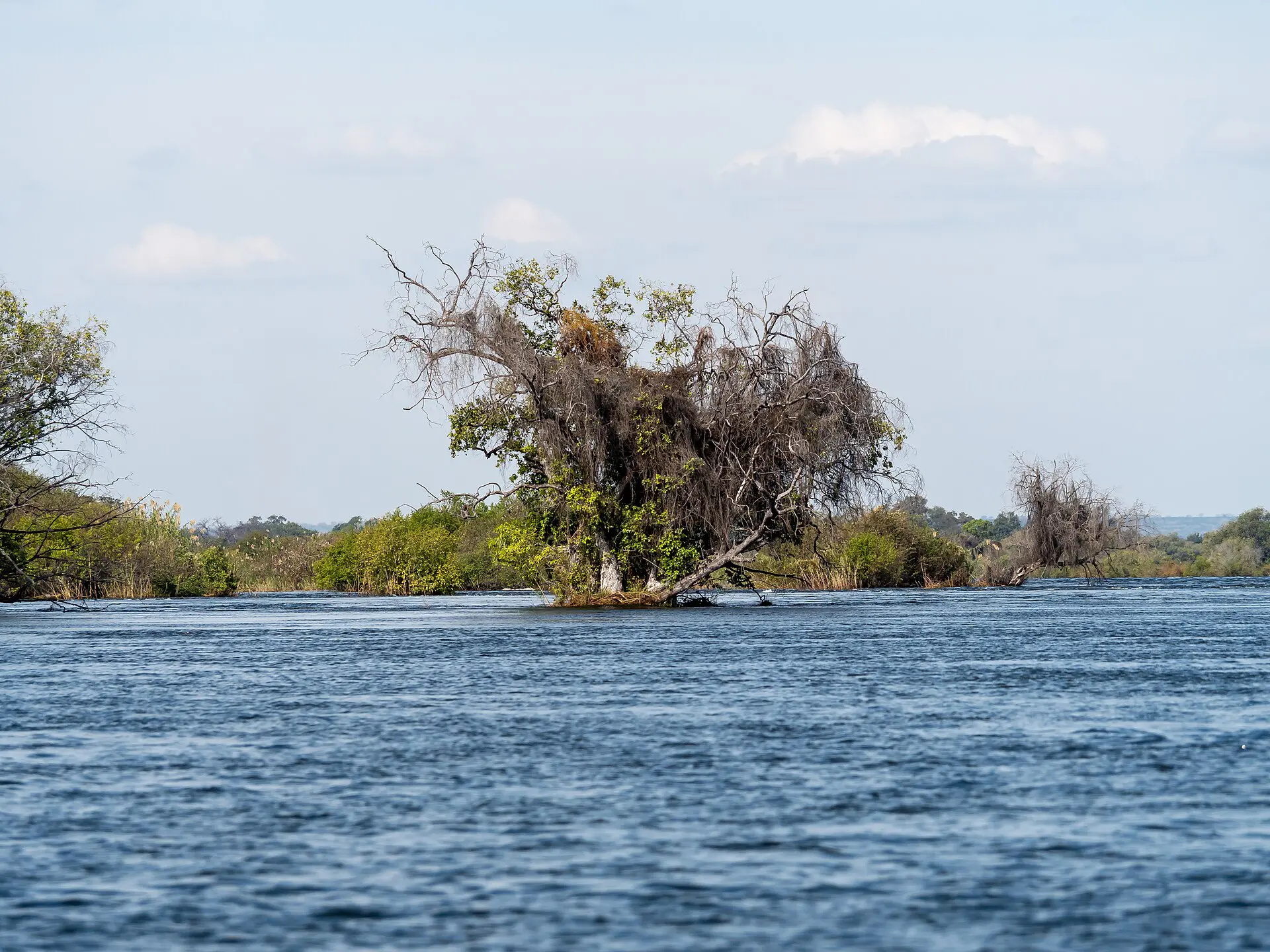
- Canoe on the Lower Zambezi: paddle past elephants and hippos with a guide.
- Raft the Zambezi: white-water trips below the Falls run mostly in the low-water months.
- Cruise the upper Zambezi at sunset: boats leave from Livingstone.
- Visit Kafue National Park: a quiet alternative for game drives.
- Walk with rhinos in Mosi-oa-Tunya National Park: small groups track white rhinos near Livingstone.
- Bungee jump or take the Gorge Swing: a thrill at Victoria Falls Bridge.
Best time to visit Zambia
The best time to visit Zambia for wildlife is the dry season from May to October, when animals gather at rivers and the bush is thinner. The best time for the fullest Victoria Falls is roughly March to May, just after the rains.
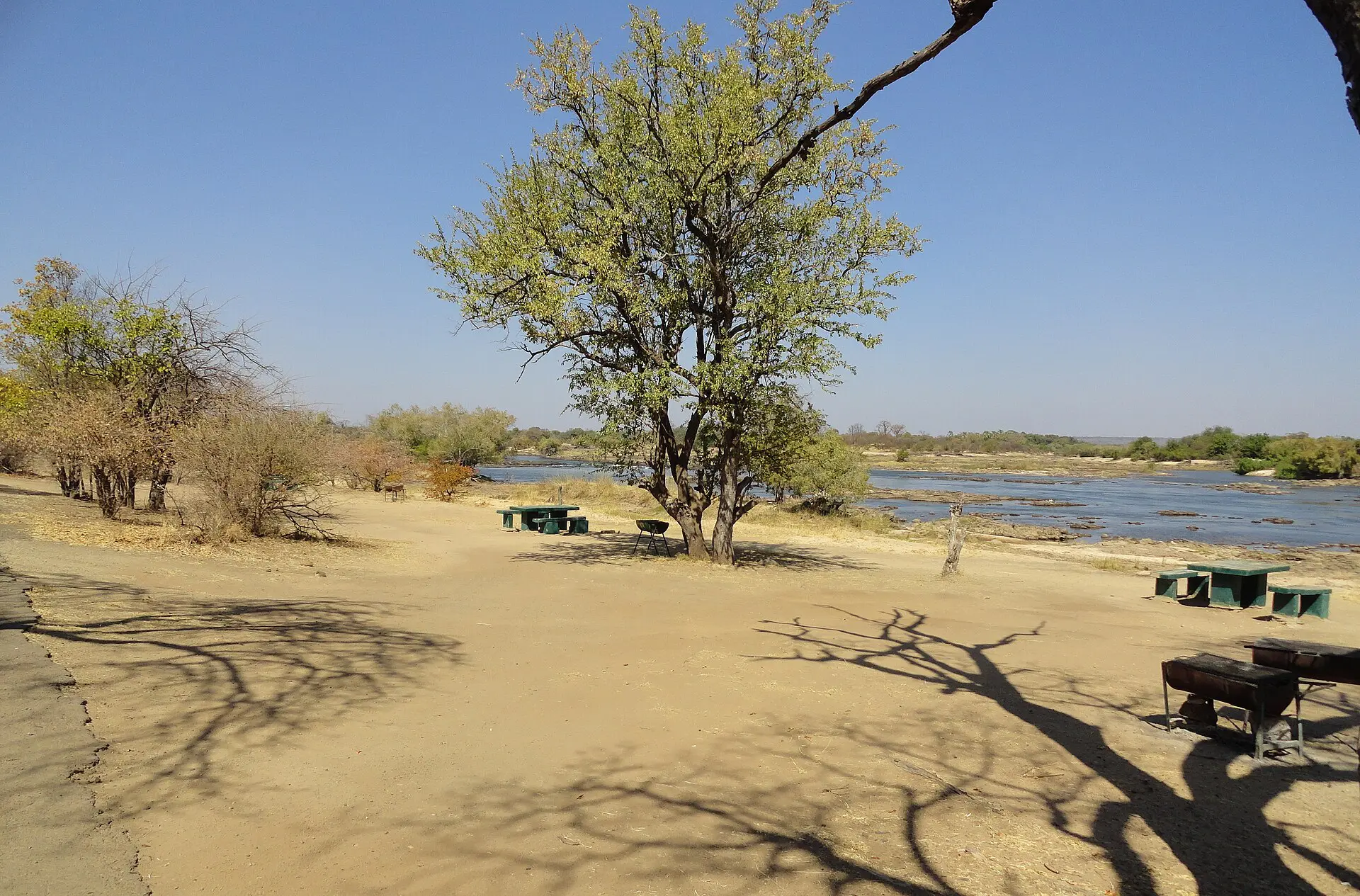
The year has three broad seasons: a hot, wet season from about November to April; a cooler dry season from May to August; and a hot, dry build-up in September and October. Walking safaris and boat trips are strongest from June to October, while November to April is the green season, with lush scenery and baby animals but some roads and camps closed. Spray from the Falls can hide the view at peak flow, and in the driest months the Zambian side can be thin.
| Season | Weather | Crowds and prices | Good for |
|---|---|---|---|
| Cool dry (May-Aug) | Warm days, cool nights | Busy; high prices from June | Walking safaris, big Falls in May |
| Hot dry (Sep-Oct) | Hot, dusty, very dry | Peak in September | Game viewing, Devil’s Pool |
| Green season (Nov-Apr) | Hot, humid, afternoon storms | Low; lodge discounts | Birding, scenery, Falls in March |
Some camps in remote parks close from about November to April, so check opening dates.
Is Zambia safe to visit?
Yes, Zambia is generally safe to visit, and it has a long record of political stability. Violent crime against tourists is uncommon. The usual risks are petty theft, road accidents, malaria and wildlife. Check your government’s current travel advice, such as the UK FCDO or the US State Department, before you go.
In Lusaka and Livingstone, keep phones and bags out of sight, avoid walking at night and use hotel-arranged taxis. Be careful when withdrawing cash. Roads are the main danger: potholes, unlit vehicles and animals on the road make night driving risky.
Malaria is present across the country, so take advice from a travel clinic on prophylaxis and use repellent. Wildlife is dangerous: follow guides’ instructions, never walk alone at night near rivers, and keep a distance from hippos and crocodiles. Do not swim in rivers or lakes unless a guide confirms it is safe, because of crocodiles and bilharzia. Photographing military or government buildings and airports is prohibited. Political demonstrations can occur, particularly around elections, so avoid them.
Visa and entry requirements for Zambia
Visa rules for Zambia vary by nationality, and they have changed in recent years. Citizens of many countries have been exempt from a visa for short stays, while others need a visa that can often be obtained online as an e-visa or on arrival at the main airports and border posts. Fees and conditions change, so confirm them before booking.
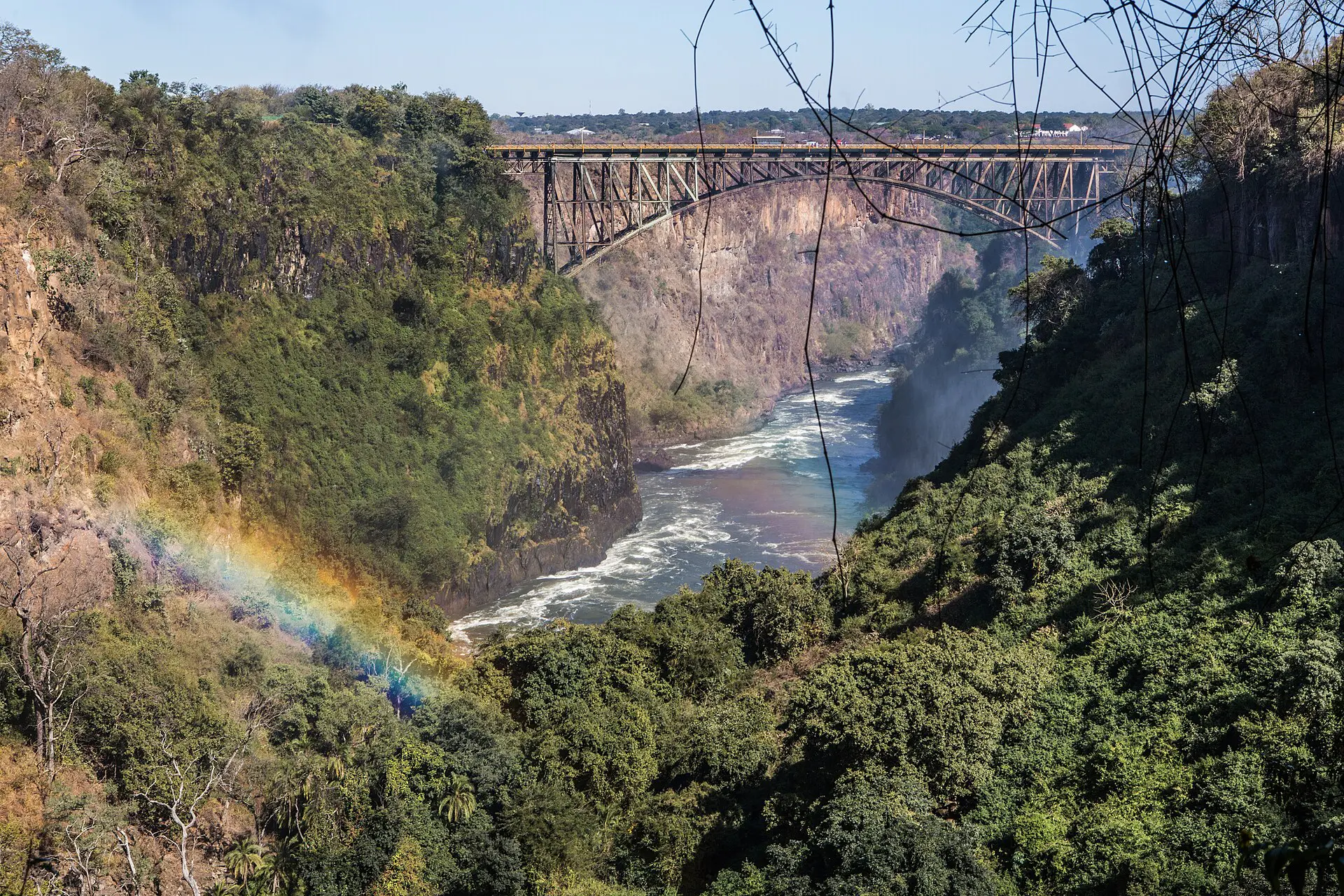
Zambia and Zimbabwe have also offered the KAZA UniVisa, a single visa that covers both countries and day trips to Botswana, for eligible nationalities. Its availability and price have changed over time, so check that it is currently offered and that your nationality qualifies.
Your passport generally needs to be valid for at least six months and have blank pages. Travellers arriving from a country with yellow fever risk may be asked for a vaccination certificate. Proof of onward travel and sufficient funds can be requested.
Always confirm current requirements with the Zambia Department of Immigration or the nearest Zambian embassy, and avoid unofficial agents that charge extra fees.
Getting to and around Zambia
Most visitors arrive by air at Lusaka (Kenneth Kaunda International, LUN) or Harry Mwanga Nkumbula International Airport at Livingstone (LVI), which has regional connections. Mfuwe has flights for South Luangwa. Land borders link Zambia with Zimbabwe at Victoria Falls, with Botswana at Kazungula, and with Tanzania, Malawi and Mozambique.
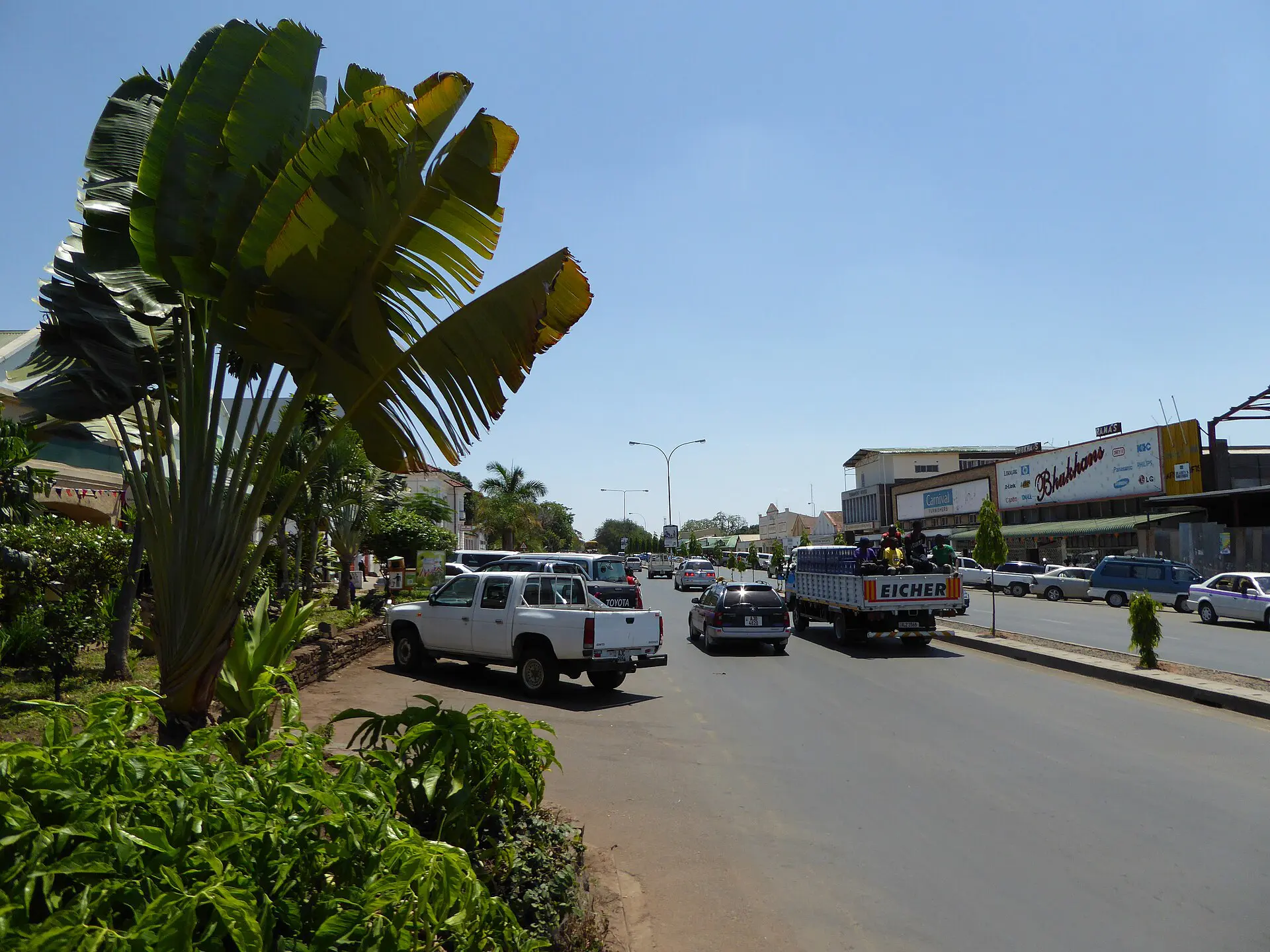
Zambia is large and distances are long. Small charter and scheduled flights are the usual way to reach remote parks, and they are often included in safari packages. Coaches connect Lusaka, Livingstone and other main towns, taking about seven to nine hours between Lusaka and Livingstone. The TAZARA railway between Tanzania and Zambia is a slow, scenic trip.
Driving is on the left. Main roads are mostly paved, though they can be rough, and park roads need a 4×4, particularly in the wet season. Self-drive is possible in some parks but needs preparation. Taxis are cheap in towns, but agree on the fare first or use an app where it works. Within the Falls area, you can cross the bridge to Zimbabwe on foot or by taxi.
How much does a trip to Zambia cost?
A trip to Zambia costs a lot more than ordinary city travel, because safaris are the main expense. The currency is the Zambian kwacha (ZMW), but lodges and tours usually quote in US dollars. These approximate daily bands are for one traveller, before international flights.
- Budget: about USD 50 to 90, using hostels, local food, buses and day trips from Livingstone.
- Mid-range: about USD 90 to 200, using comfortable lodges outside the main parks and some guided activities.
- High-end: USD 400 to 1,000 or more per person per night, for all-inclusive safari lodges in South Luangwa or the Lower Zambezi.
Park fees, chartered flights and guided activities drive the cost. Camps price higher from June to October, and many offer discounts during the green season. Meals in local restaurants are cheap, and Lusaka and Livingstone have a range of choices. Expect separate fees for activities such as Devil’s Pool, rafting and bungee jumping. Tips for guides and staff are extra.
Food and drink in Zambia
Food and drink in Zambia are simple and built around maize, relishes and river fish.
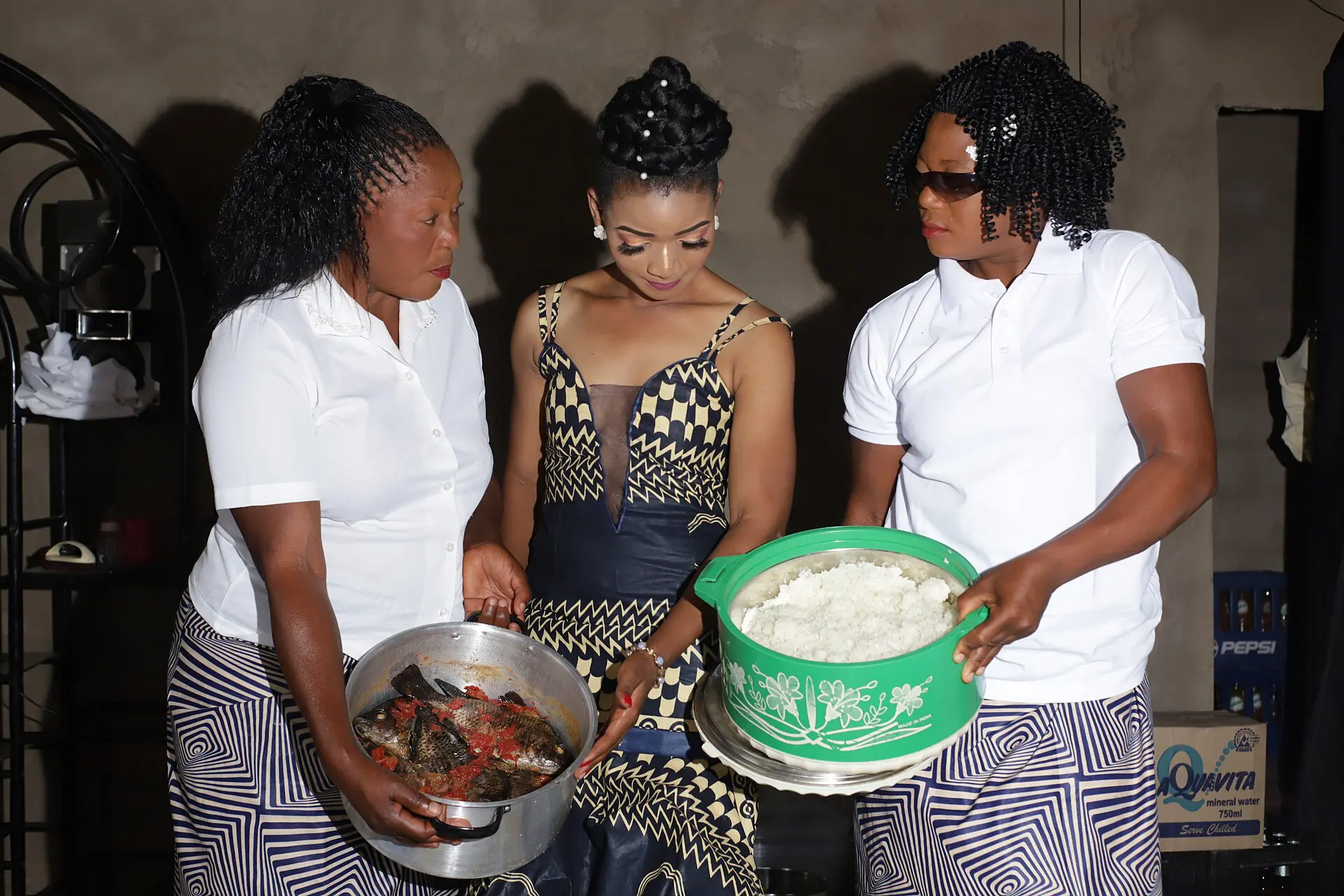
- Nshima: a thick maize porridge eaten with the right hand, the staple at almost every meal.
- Ifisashi: greens cooked in a groundnut sauce, served with nshima.
- Kapenta: small dried lake fish, fried and served with relish.
- Bream and tilapia: grilled fish from Lake Kariba, the Zambezi and other waters.
- Nyama choma and braai: grilled meat, a social meal on weekends.
- Mosi lager: the popular local beer, named after the Falls’ local name, Mosi-oa-Tunya.
- Chibuku: a cheap opaque sorghum or maize beer sold in cartons, which many visitors skip.
Lodges serve international food, and Lusaka and Livingstone have restaurants with Indian, Chinese and European menus. Vegetarians can eat nshima with vegetable relishes, but meat is central to many dishes, so ask. Drink bottled or filtered water, and avoid ice if unsure of its source. Street food is generally fine when cooked fresh and hot.
Culture, language and etiquette in Zambia
English is the official language and is widely used in towns, with more than 70 ethnic groups and languages such as Bemba, Nyanja, Tonga and Lozi spoken in different regions. Zambia is a largely Christian country, and its motto, One Zambia, One Nation, reflects the effort to unite many groups.
Zambians are friendly and polite, and greetings matter. Take time to say hello and ask how someone is before asking a question. A handshake is normal, often followed by a clasp of the thumbs. Use your right hand, or both, when giving or receiving items, and when eating from a shared dish.
Dress modestly in villages and towns, particularly for women, covering shoulders and knees. Ask permission before taking a photo of a person, and do not photograph government buildings, police or the military. Homosexuality is criminalised, and public displays of affection are best avoided. Be respectful at churches and funerals. Bargaining is normal at craft markets but should be friendly. Traditional ceremonies, such as the Kuomboka in the Western Province, are major cultural events.
Zambia itinerary: a 7-day route
This seven-day Zambia itinerary combines Victoria Falls with a flight to South Luangwa, using planes for the long leg.
- Day 1, Livingstone: arrive, then take a sunset cruise on the Zambezi.
- Day 2, Livingstone: walk the Falls and the Knife-Edge Bridge in the morning, then visit Mosi-oa-Tunya National Park or the museum.
- Day 3, Livingstone: optional rafting, Devil’s Pool in the low-water season, or a day crossing to the Zimbabwe side.
- Day 4, fly to Lusaka and Mfuwe: connect to South Luangwa and check in to a camp.
- Day 5, South Luangwa: a morning game drive and an afternoon walking safari.
- Day 6, South Luangwa: a full-day drive or a night drive for leopards.
- Day 7, return: fly from Mfuwe to Lusaka for the onward flight.
Flight connections change and some camps close in the wet season, so book ahead and confirm schedules. If you prefer one region, spend all seven days on the Lower Zambezi and Livingstone.
Practical tips for Zambia
A few practical points help with a Zambia trip.
- Money: the Zambian kwacha (ZMW). Cards work at lodges and larger hotels; carry cash for markets and rural areas. ATMs exist in towns, and the exchange rate has moved a lot.
- SIM and eSIM: local SIMs are cheap, with coverage in towns and along main roads. The calling code is +260. Parks often have no signal.
- Plugs: types C, D and G at 230 V.
- Tipping: around 10 percent in restaurants and separate tips for guides and camp staff.
- Health: malaria prophylaxis, routine vaccines and possibly yellow fever and typhoid; use insurance that covers evacuation.
- Time zone: UTC+2 all year, and driving is on the left.
- Packing: neutral-coloured clothes, a hat, sun protection, binoculars and a warm layer for early game drives.
For more on regions and attractions, see the Wikivoyage guide to Zambia and the UNESCO list of Zambian World Heritage Sites.
FAQ
Q1Is Zambia safe to visit?
Yes, for most visitors. Zambia has been politically stable for decades, and violent crime against tourists is uncommon. The main risks are petty theft in towns, night driving, malaria and wildlife, so follow guides' instructions. Check your government's current travel advice before you go.
Q2What is the best time to visit Zambia?
May to October is the best time for wildlife, because animals gather at rivers and the bush is thin. Victoria Falls are fullest from about March to May. November to April is the green season with lower prices, lush scenery and some closed camps.
Q3Do I need a visa for Zambia?
It depends on your nationality. Many travellers are visa-exempt for short stays, while others can use an e-visa or a visa on arrival. The KAZA UniVisa has covered Zambia and Zimbabwe for eligible nationalities. Confirm current rules with Zambian immigration before booking.
Q4How much does a trip to Zambia cost?
Budget travel costs roughly USD 50 to 90 per day and mid-range USD 90 to 200, but safari lodges in South Luangwa or the Lower Zambezi often cost USD 400 or more per person per night. Park fees, chartered flights and guided activities drive the total.
Q5What are the best things to do in Zambia?
Top picks are seeing Victoria Falls from the Zambian side, taking a walking safari in South Luangwa, canoeing on the Lower Zambezi, rafting below the Falls in the low-water season, swimming in the Devil's Pool and cruising the Zambezi at sunset.
Q6Is Victoria Falls better from Zambia or Zimbabwe?
Each side has merits. The Zambian side gets you closer to the edge, the Knife-Edge Bridge and the Devil's Pool in the low-water season, while the Zimbabwean side offers wider panoramic views of the main falls. Many visitors see both, and the border bridge is walkable.