Why visit Yemen
This Yemen travel guide begins with an honest caveat: Yemen has some of the most distinctive architecture and landscapes in the Middle East, but it is in the middle of a long conflict and is not a place to visit now. Interest in it is real. The country holds the multi-storey tower houses of Sana’a, the mud-brick skyscrapers of Shibam, terraced mountains and the island of Socotra with its dragon’s blood trees. The Wikipedia overview explains the history and the present war.
Yemen suited experienced, adventurous travellers before 2011, and Yemenis are widely described as hospitable. Today the information here is for planning, research and a future return, not for booking. Treat it as background, and base any decision on your government’s advice and on the security situation at the time.
Best places to visit in Yemen
The best places to visit in Yemen are listed here for background. Several are under conflict, and none should be visited against official advice.
Sana’a
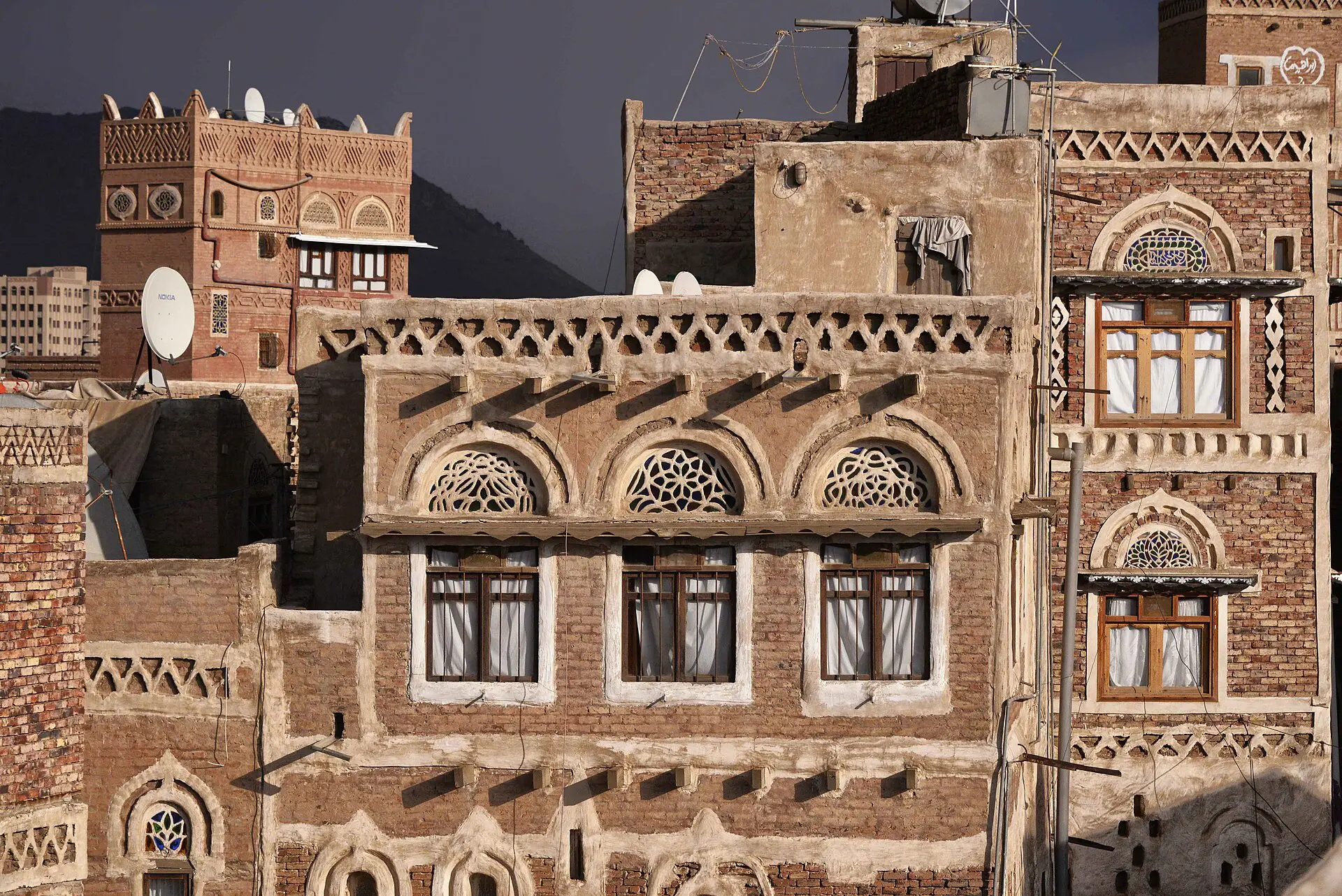
The capital’s old city is a UNESCO World Heritage Site, full of tower houses with decorated windows and a market quarter. It is in an area controlled by the Houthi movement, and the city has been affected by airstrikes.
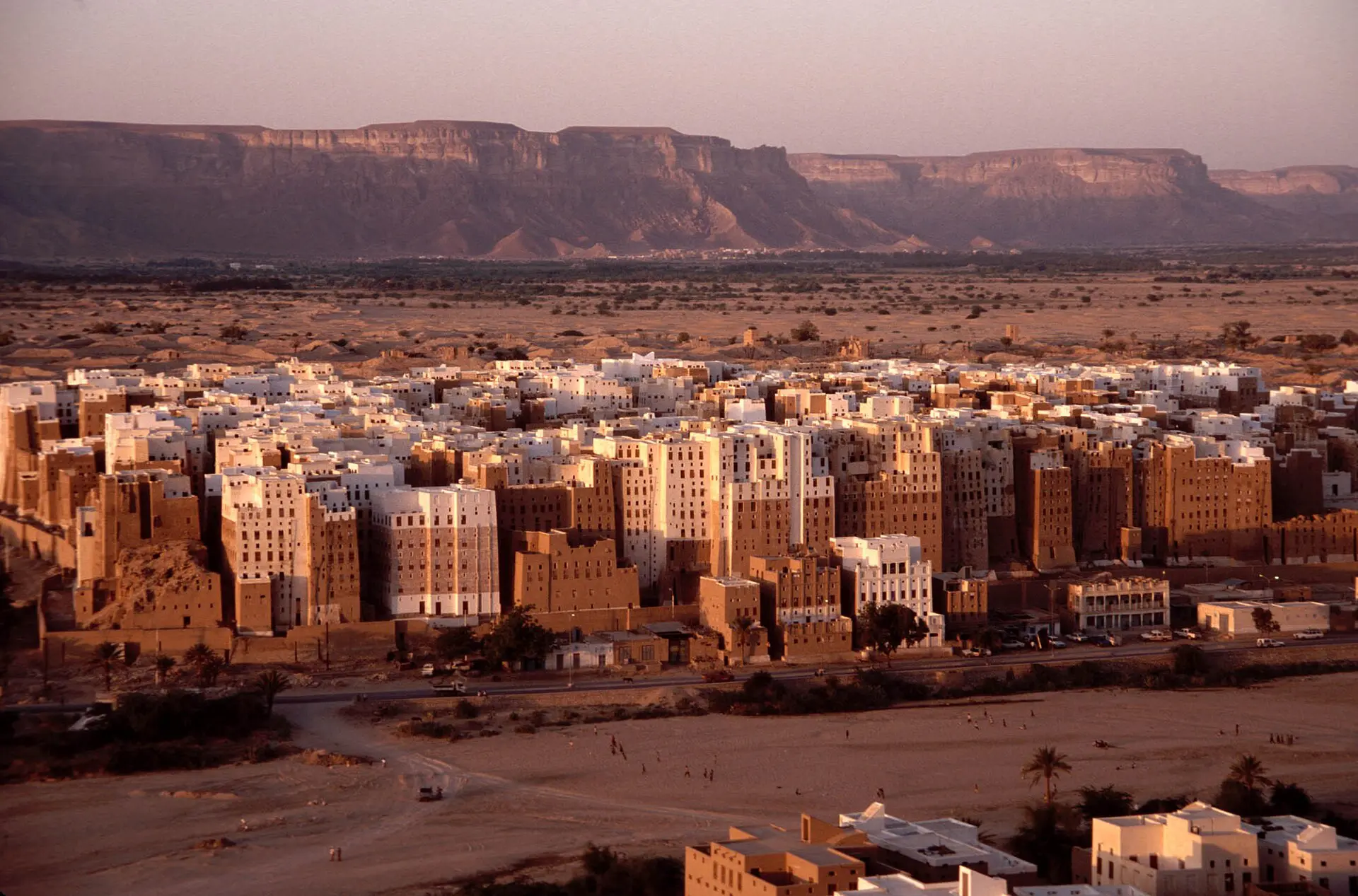
Shibam
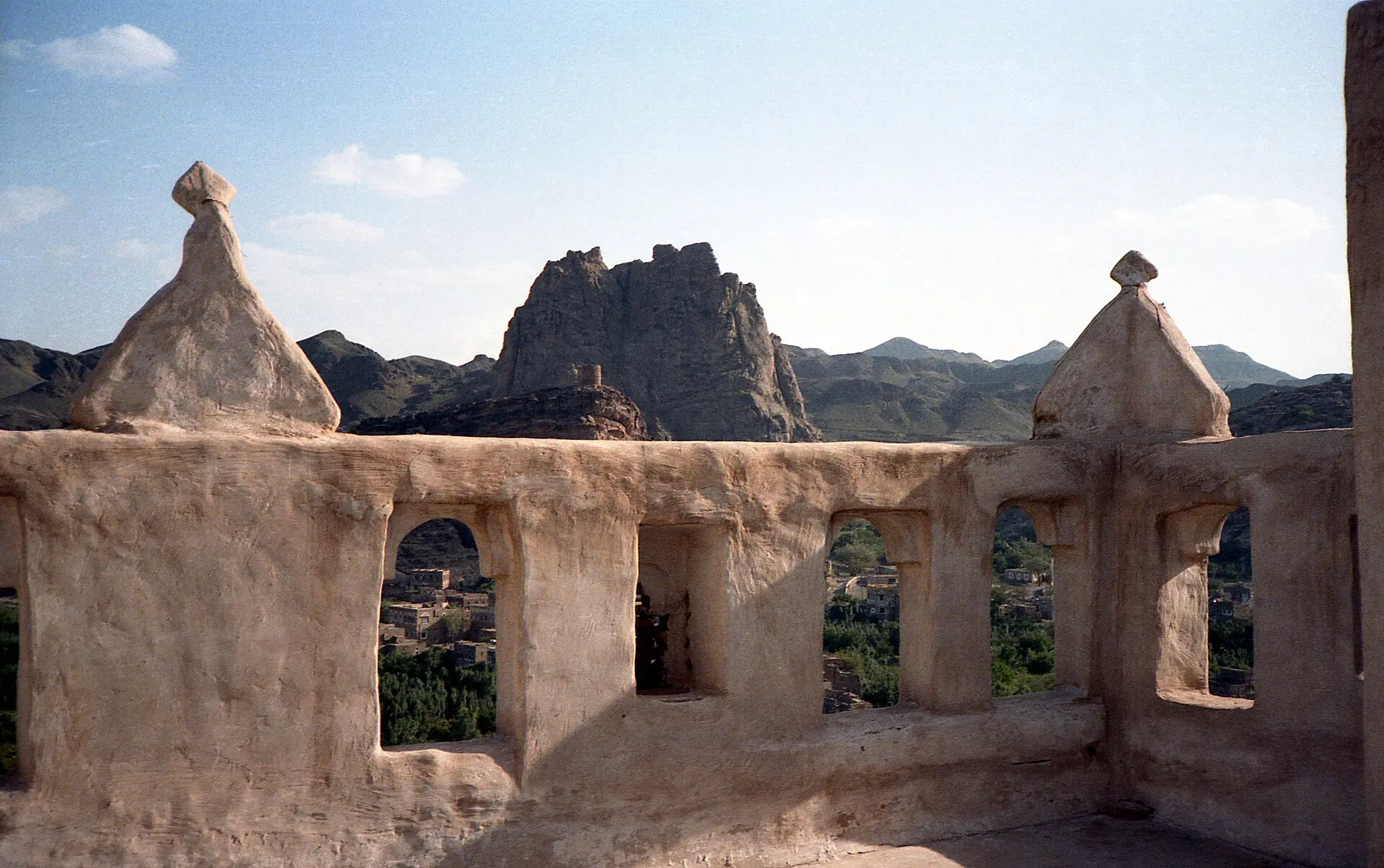
Shibam in the Hadhramaut is called the Manhattan of the desert for its dense mud-brick towers, some about five storeys tall. The walled town is also UNESCO-listed, and it has been affected by flooding and conflict.
Socotra
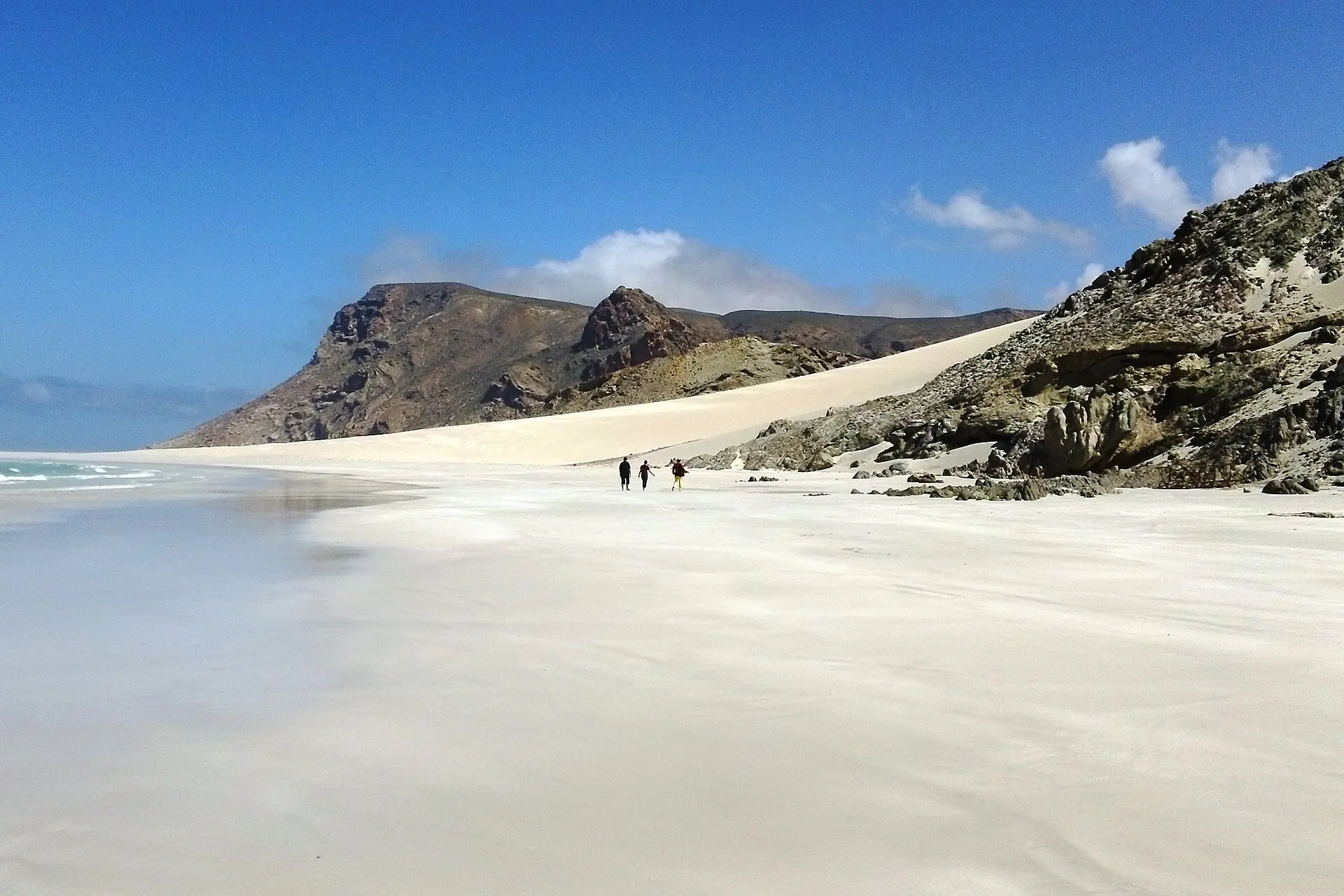
This island in the Arabian Sea has endemic plants, white dunes and beaches. It is listed by UNESCO for its biodiversity. Access is limited and depends on flights from outside the mainland conflict zones, so check current advice.
Aden and the Hadhramaut coast
Aden is the former capital of South Yemen and the seat of the internationally recognised government, but security is unstable. Mukalla is the gateway to the Hadhramaut valleys.
Zabid and the Haraz Mountains
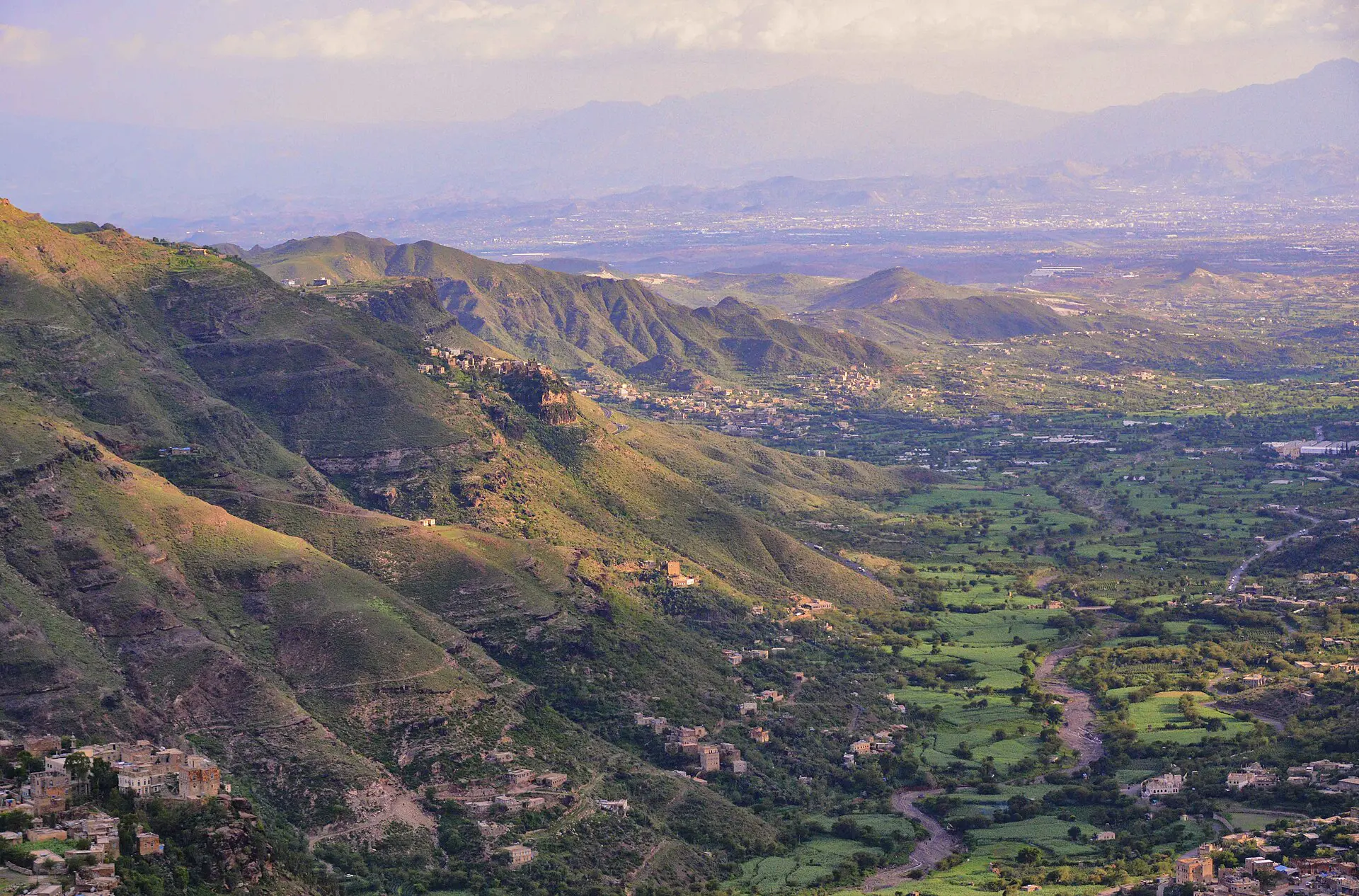
Zabid is an old university town on the Red Sea plain, and the Haraz Mountains have stone villages on terraced slopes.
Top things to do in Yemen
The top things to do in Yemen are listed to show what the country offered in calmer years. Most of them are not currently possible or safe.

- Walk the old city of Sana’a: the tower houses, markets and stained-glass windows are the classic sight.
- See Shibam from the hillside: the viewpoint across the valley shows the walled city’s towers.
- Visit Socotra: dragon’s blood trees, the Dixam plateau and the Detwah lagoon are the main draws.
- Explore Zabid: a historic Red Sea town known for its Islamic learning and white lime-washed houses.
- Drive the Haraz Mountains: hill villages such as Al Hajjarah sit on rocky ridges.
- Visit Kawkaban and Thula: fortified hill towns north-west of Sana’a.
- Taste Yemeni coffee: the port of Mokha gave its name to mocha, and coffee is still grown in the highlands.
- Shop in the Sana’a souk: spices, silver and the traditional curved dagger called the jambiya.
Best time to visit Yemen
The best time to visit Yemen, in climate terms only, is October to March, but conflict makes the season a secondary question. Travel is not currently advisable in any month.
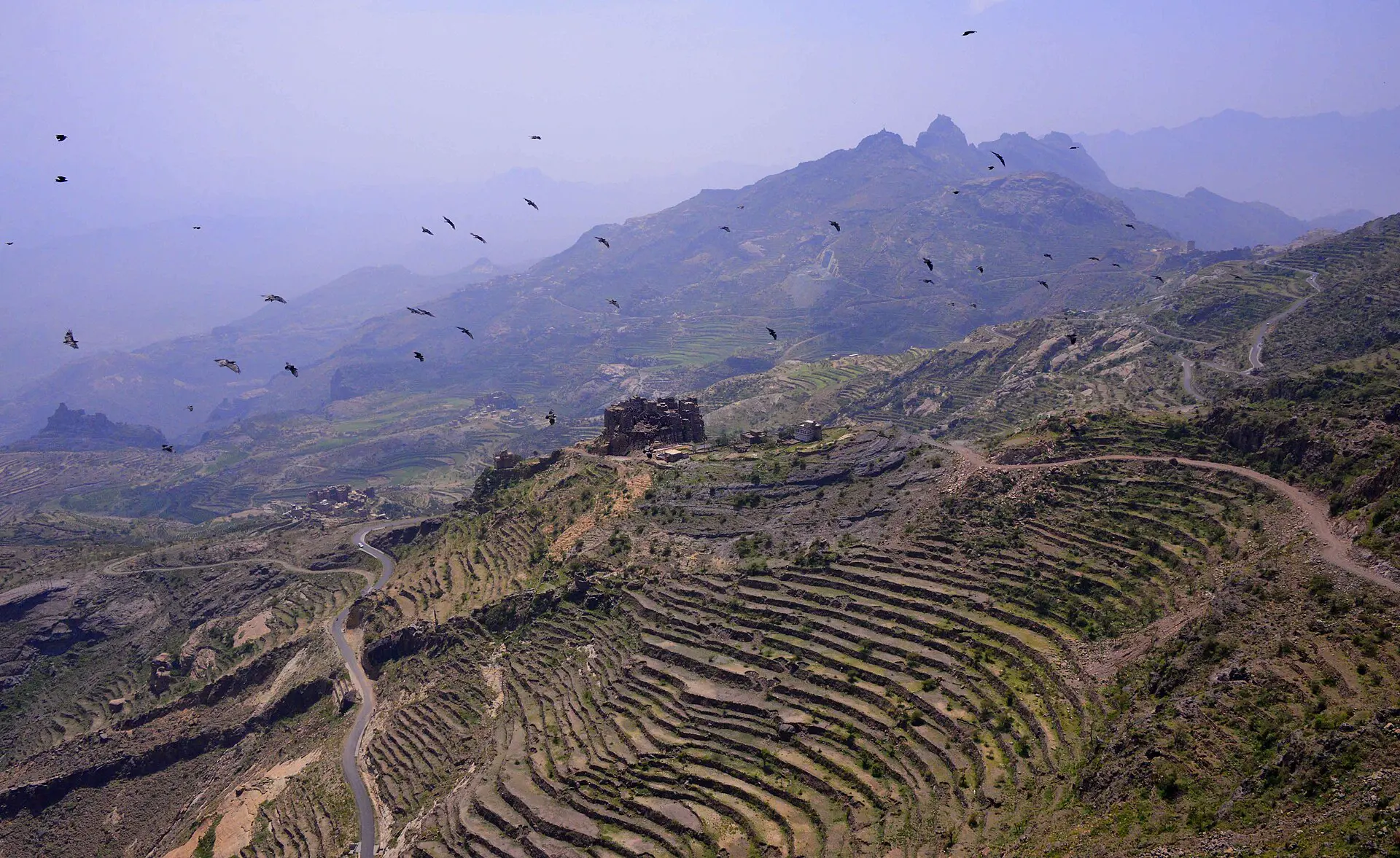
The coast is very hot and humid in summer, while the highland plateau around Sana’a, at over 2,000 metres, stays cooler and can be cold at night in winter. Rain falls mostly from July to September in the highlands, sometimes causing flash floods. Socotra has a monsoon season from about June to September, when winds make sea crossings and some flights difficult.
| Season | Weather | Crowds and prices | Good for |
|---|---|---|---|
| Winter (Dec-Feb) | Mild coast, cold highland nights | Little tourism now | Sana’a, Hadhramaut, Socotra |
| Spring (Mar-May) | Warm to hot, dry | Little tourism now | Mountains, Socotra |
| Summer (Jun-Aug) | Very hot coast, highland rains, Socotra monsoon | Little tourism now | Highland villages only |
| Autumn (Sep-Nov) | Cooler, dry after rains | Little tourism now | Socotra, coast |
Check the security situation before any season matters.
Is Yemen safe to visit?
No, Yemen is not safe to visit at present. Governments including the UK and the US advise against all travel to the country, and the risks are severe rather than minor. Check the current advice from your own government, such as the UK FCDO, before even considering a trip.
The main dangers are armed conflict between the Houthi movement, forces linked to the internationally recognised government and other groups, with missile, drone and air strikes, landmines and unexploded ordnance. Kidnapping and detention of foreigners, including aid workers, journalists and tourists, have occurred, and terrorist groups such as Al-Qaeda in the Arabian Peninsula operate in parts of the country. Shipping in the Red Sea and Gulf of Aden has also been attacked.
Health and infrastructure are strained: cholera, malnutrition and a shortage of working hospitals are documented by aid agencies. Foreign governments have little or no consular presence, so evacuation and help are very limited, and ordinary travel insurance usually excludes war zones.
If you have professional reasons to go, such as humanitarian work, rely on your organisation’s security protocols and not on a travel guide. For everyone else, the right decision is to wait.
Visa and entry requirements for Yemen
Visa and entry rules for Yemen depend on your nationality and, since the war, on which authority controls the entry point, so no general summary is reliable. Before 2011, most visitors needed a visa arranged in advance through an embassy or a registered tour operator, and independent travel was often restricted by permits for travel between governorates.
Today Sana’a airport, Aden and the land borders are subject to closures, flight restrictions and security checks, and different authorities may issue different documents. Entering through one area can complicate onward travel elsewhere in the country. Foreign governments also warn that holding certain stamps can cause problems when crossing between zones.
Your own government’s travel advice is the first stop, and for the rules themselves use the Yemeni embassy or consulate for your region. Do not rely on third-party agents who offer visas. If your government advises against all travel, insurers will usually not cover you, and consular help may be unavailable if you are detained.
Getting to and around Yemen
Getting to Yemen is currently very restricted. Sana’a International Airport has had limited commercial flights, and Aden International Airport and some regional links have operated intermittently, so schedules change at short notice. Flights to Socotra have run from outside the mainland, but access has been controlled and irregular.
Before the war, travellers moved between cities by road, using shared minibuses, taxis and hired 4×4 vehicles with a driver. Road travel now runs through multiple checkpoints and front lines, with risks from landmines and attacks, and some routes between the north and south are closed or very slow. Driving is on the right.
Domestic flights, ferries and ports have been disrupted by the war. There is no passenger rail. Land borders with Saudi Arabia and Oman are subject to heavy restrictions.
Given these conditions, independent travel is not realistic or advisable, and any movement should be planned by an organisation with security expertise.
How much does a trip to Yemen cost?
A trip to Yemen cannot be priced reliably now, because travel is not advisable and prices, exchange rates and services change fast. The currency is the Yemeni rial (YER), and the rate differs between areas controlled by different authorities.
In calmer years, independent travel was cheap by regional standards. Guesthouses and simple meals were inexpensive, and most visitors paid more for a driver, guide and permits than for anything else. Costs for travellers were driven by security: escorts, private vehicles and flights rather than local buses.
For a future return, the main cost drivers would be a licensed tour operator with a security plan, the cost of specialist insurance (which may be unavailable) and flights, since access is limited. Treat any cost figure from older sources as out of date. US dollars were widely used by foreigners, and cash was often needed because ATMs and cards are unreliable. If conditions improve, ask a specialist operator for an itemised quote before committing.
Food and drink in Yemen
Food and drink in Yemen are distinct from the Gulf, with strong spices, flatbreads and slow-cooked stews. Food security is a serious problem in the war, so this section is background only.
- Saltah: the national dish, a frothy fenugreek stew with meat, served bubbling in a stone bowl with bread.
- Fahsa: shredded meat stew with fenugreek and spices.
- Mandi: rice and meat cooked in a pit oven, from Hadhramaut.
- Aseed: a dough dish eaten with broth or honey.
- Bint al-sahn: a layered honey bread known as honey cake.
- Yemeni coffee and qishr: coffee husk tea flavoured with ginger and cardamom.
- Honey: Hadhramaut sidr honey is among the most prized in the Arab world.
Alcohol is difficult to find and generally not served. Meals are shared, and eating is done with the right hand. Vegetarian choices exist in bread, beans and vegetable stews. Check water and food hygiene in an area with damaged infrastructure, and carry bottled water. Qat, a leaf chewed socially in the afternoon, is widespread.
Culture, language and etiquette in Yemen
Arabic is the official language, with regional dialects, and the Mehri and Soqotri languages are spoken in the east and on Socotra. English is rarely used outside tourism and aid circles. Yemen is a conservative Muslim country, with Sunni and Zaydi Shia communities, and religion shapes daily life.
Hospitality is a strong tradition. Visitors are often invited for tea or a meal, and refusing repeatedly can cause offence. Dress modestly: long sleeves and trousers for men, and a loose long garment with a headscarf for women. Foreign women are advised to be especially careful about dress and travel with a local companion where possible.
Greetings include a handshake and the phrase as-salamu alaykum. Use the right hand for eating and handing over items. Do not photograph people, women or military and checkpoints without clear permission, since this can lead to detention. Public criticism of the government or of religion is risky.
The jambiya, a curved dagger worn by many men, is a symbol of status and is not a sign of aggression; do not touch someone’s jambiya. Fridays are a day of rest and prayer, and many places close.
Yemen itinerary: a 7-day route
There is no Yemen itinerary that can be recommended today. Governments advise against all travel, and a route through the main sights would cross conflict zones, checkpoints and areas with kidnapping risk. Independent travel is not currently advisable, and this guide does not propose a route.
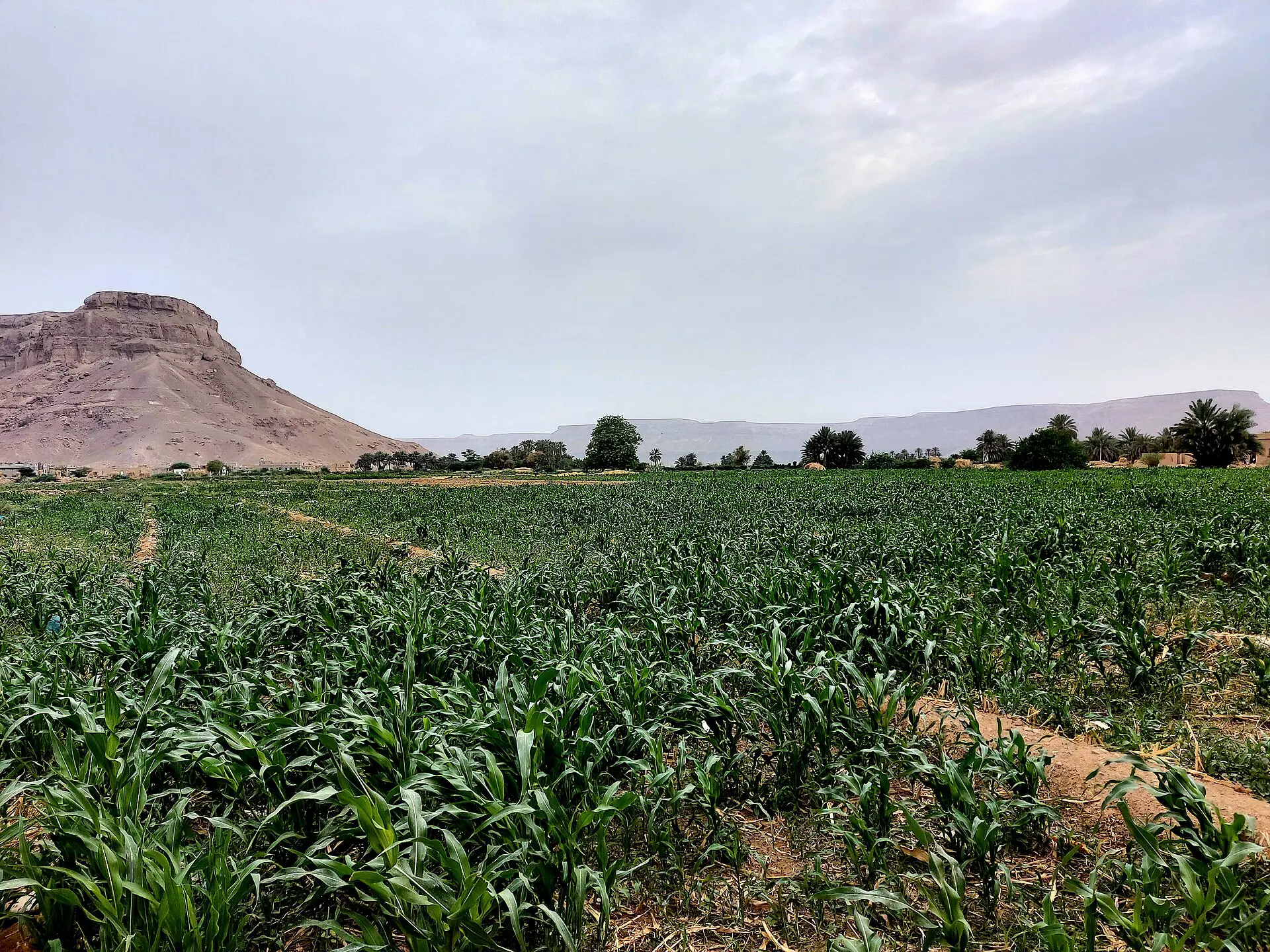
For readers planning far ahead, here is how a future week could be structured if governments lift their advisories and a licensed operator offers a secure programme.
- Days 1 to 2: arrive in Sana’a and spend time in the old city, with the Dar al-Hajar rock palace as a day trip.
- Day 3: travel to the Haraz Mountains and spend the night in a stone village.
- Days 4 to 5: fly to Seiyun and visit Shibam and the Wadi Hadhramaut.
- Days 6 to 7: fly to Socotra for the plateau and coast, or return via Aden.
None of this is possible without up-to-date security assessments, and any plan should be built by a specialist operator, not copied from a guide. In the meantime, the better way to explore Yemen is through books, films and the UNESCO records.
Practical tips for Yemen
Practical tips for Yemen focus on staying informed, since travel is not currently advisable.

- Advice: read your government’s travel advice and register for alerts, and re-check before any decision.
- Money: the currency is the Yemeni rial (YER), with different rates in different areas. Cards and ATMs are unreliable.
- SIM and calls: the calling code is +967. Networks and internet are disrupted in many areas.
- Plugs: types A, D and G at 230 V.
- Tipping: small tips for drivers and guides are customary.
- Health: cholera and other diseases are documented, medical care is limited, and travel insurance rarely covers war zones.
- Packing for a future trip: modest long clothes, sun protection, a head covering and water purification.
For more reading, see the Wikivoyage guide to Yemen and the UNESCO list of Yemeni World Heritage Sites, several of which are on the list of sites in danger.
FAQ
Q1Is Yemen safe to visit?
No. Governments including the UK and the US advise against all travel to Yemen because of armed conflict, missile and drone strikes, landmines, kidnapping and terrorism. Consular help is very limited, and insurance usually excludes war zones. Check your own government's current advice and do not travel against it.
Q2Can tourists visit Yemen right now?
In practice, almost no leisure travel is possible. Flights are limited, entry rules depend on which authority controls the entry point, and governments advise against all travel. A few specialist operators have run trips to Socotra in the past, but access changes quickly, so confirm advice first.
Q3What is Yemen known for?
Yemen is known for the UNESCO-listed old cities of Sana'a and Shibam, the mud-brick tower houses of the Hadhramaut, the island of Socotra with its dragon's blood trees, the port of Mokha that gave its name to mocha coffee, and a long incense and trade history.
Q4What is the best time to visit Yemen?
Climate-wise, October to March is cooler on the coast, and the highlands are mild. Summer is very hot on the coast and Socotra has a monsoon from about June to September. Conflict matters more than season: travel is not currently advisable in any month.
Q5Do I need a visa for Yemen?
Yes, most nationalities historically needed one arranged in advance. Today the rules depend on nationality and on which authority controls the entry point, so no general answer is reliable. Contact the Yemeni embassy for your region and read your government's advice first.
Q6What are the best places to visit in Yemen?
The best-known are the old city of Sana'a, Shibam in the Hadhramaut, the island of Socotra, the coastal town of Zabid and the Haraz Mountains. Many are in areas affected by conflict, so these are listed for background and not as current recommendations.