Why visit Uzbekistan
This Uzbekistan travel guide starts with the case for going: the country holds some of the finest surviving Islamic architecture in the world, in cities that grew rich as caravan stops between China, Persia and Europe (see the Wikipedia overview for background). Samarkand, Bukhara and Khiva each have UNESCO-listed old centres, and all three can be seen in a week on comfortable trains.
Uzbekistan is landlocked and covers about 447,000 square kilometres, mostly desert and steppe, with the Tian Shan and Pamir foothills in the east. It suits travellers who like history, markets, mosaics and food, and who want a country that has opened up fast to tourism, with simpler visa rules, modern trains and a growing choice of guesthouses. It is less suited to those who want beaches or nightlife. Expect strong hospitality, low prices and, in summer, serious heat.
Best places to visit in Uzbekistan
The best places to visit in Uzbekistan form a line along the old Silk Road, with a few outliers in the west and east for those with extra time.
Samarkand
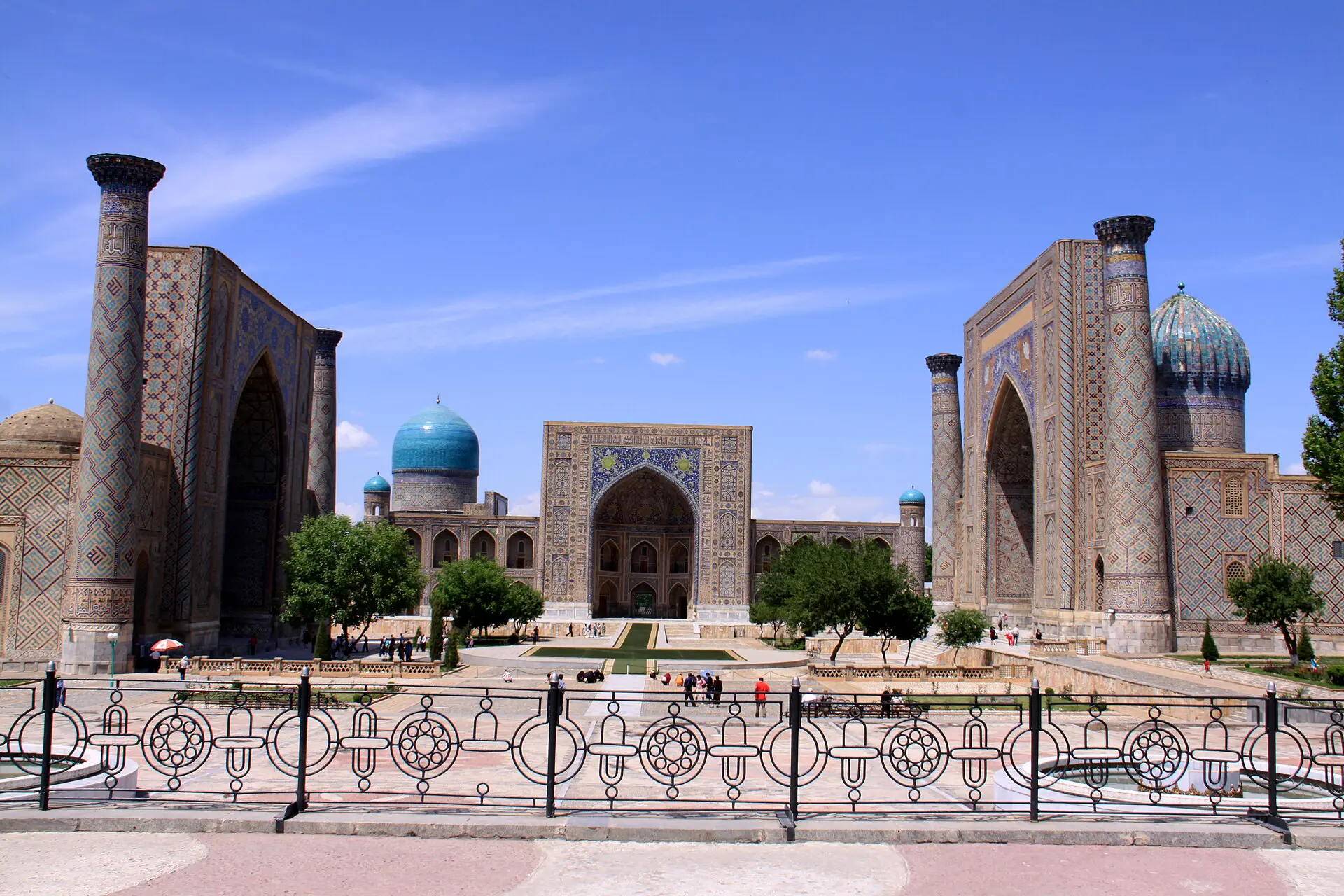
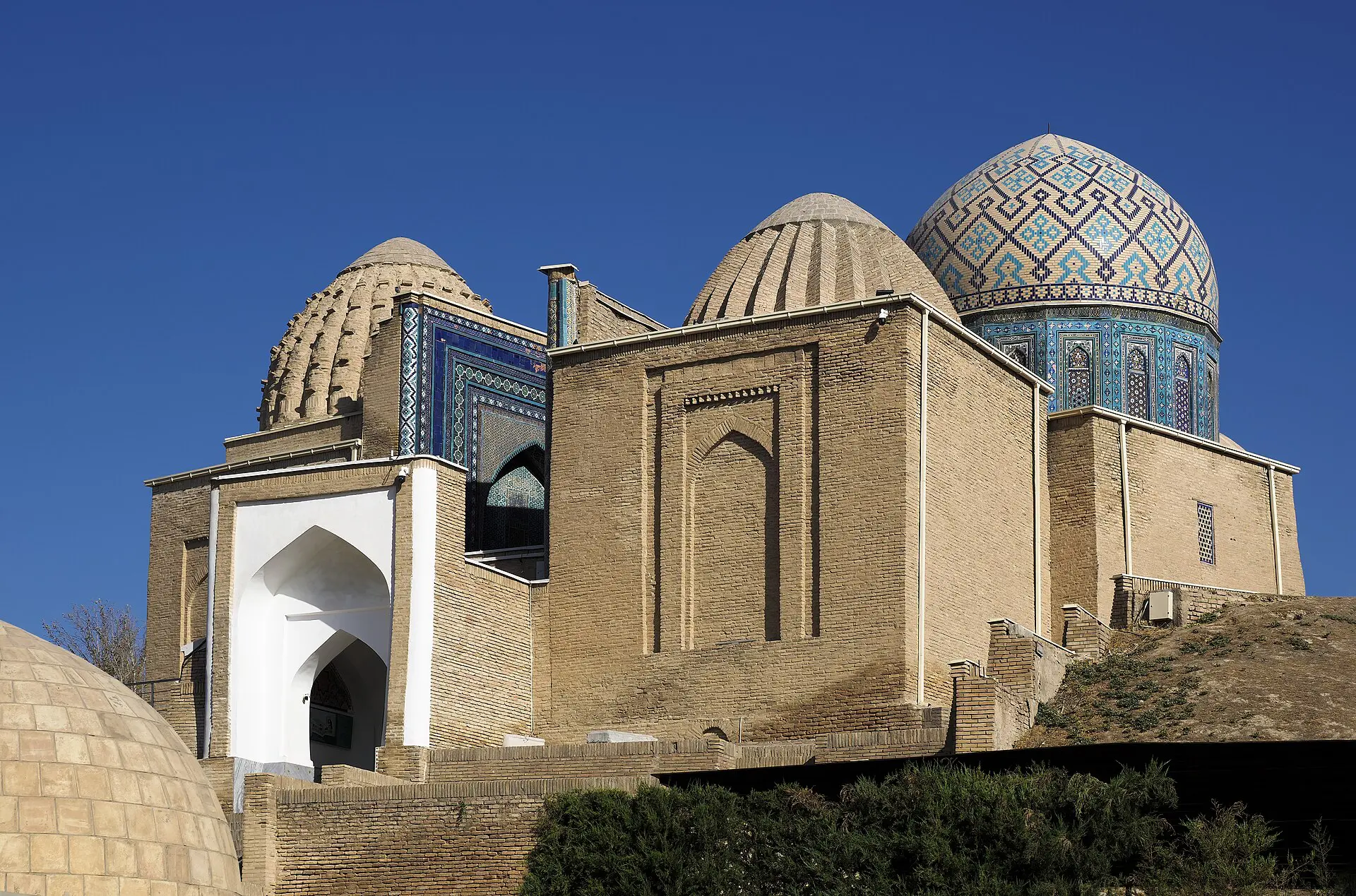
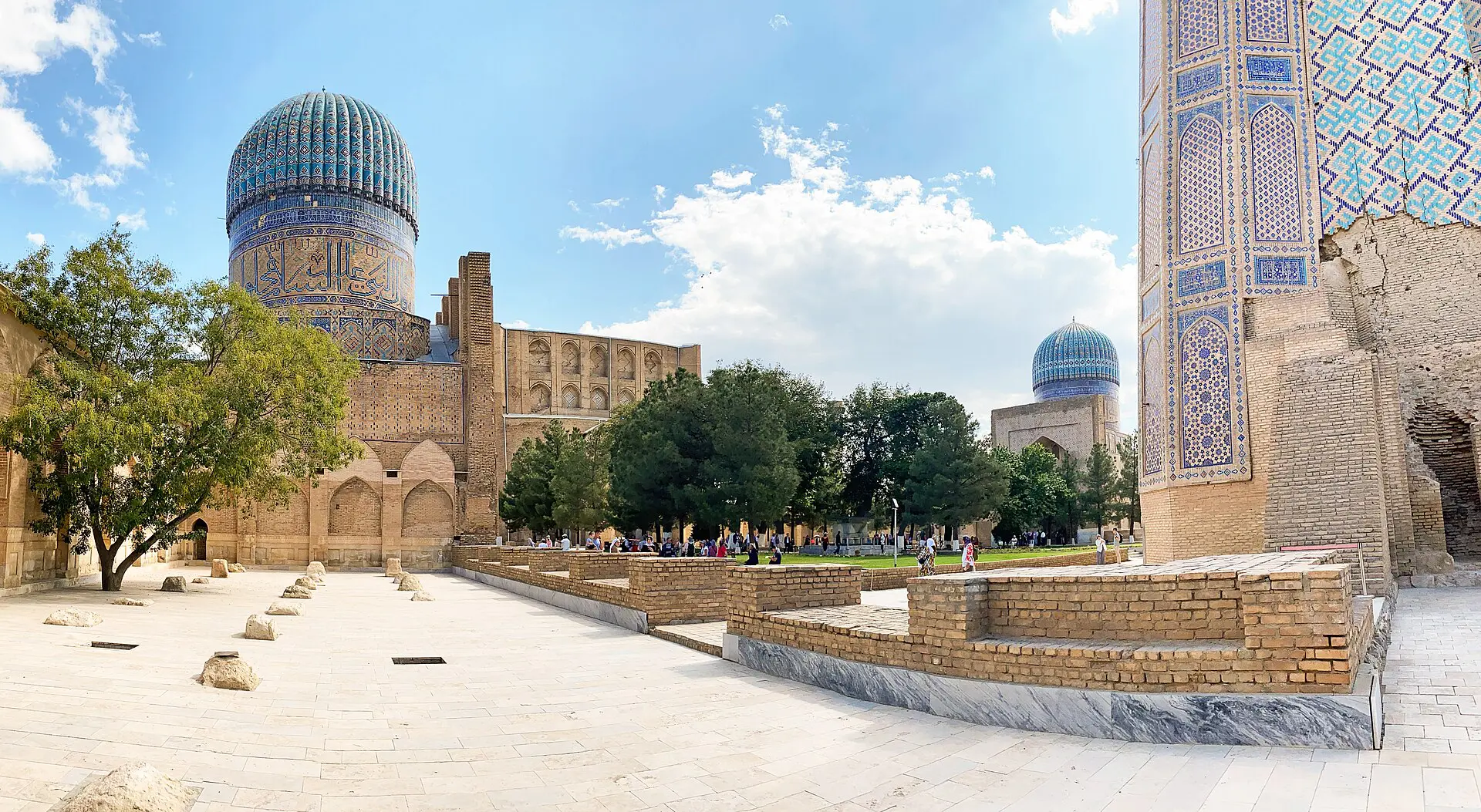
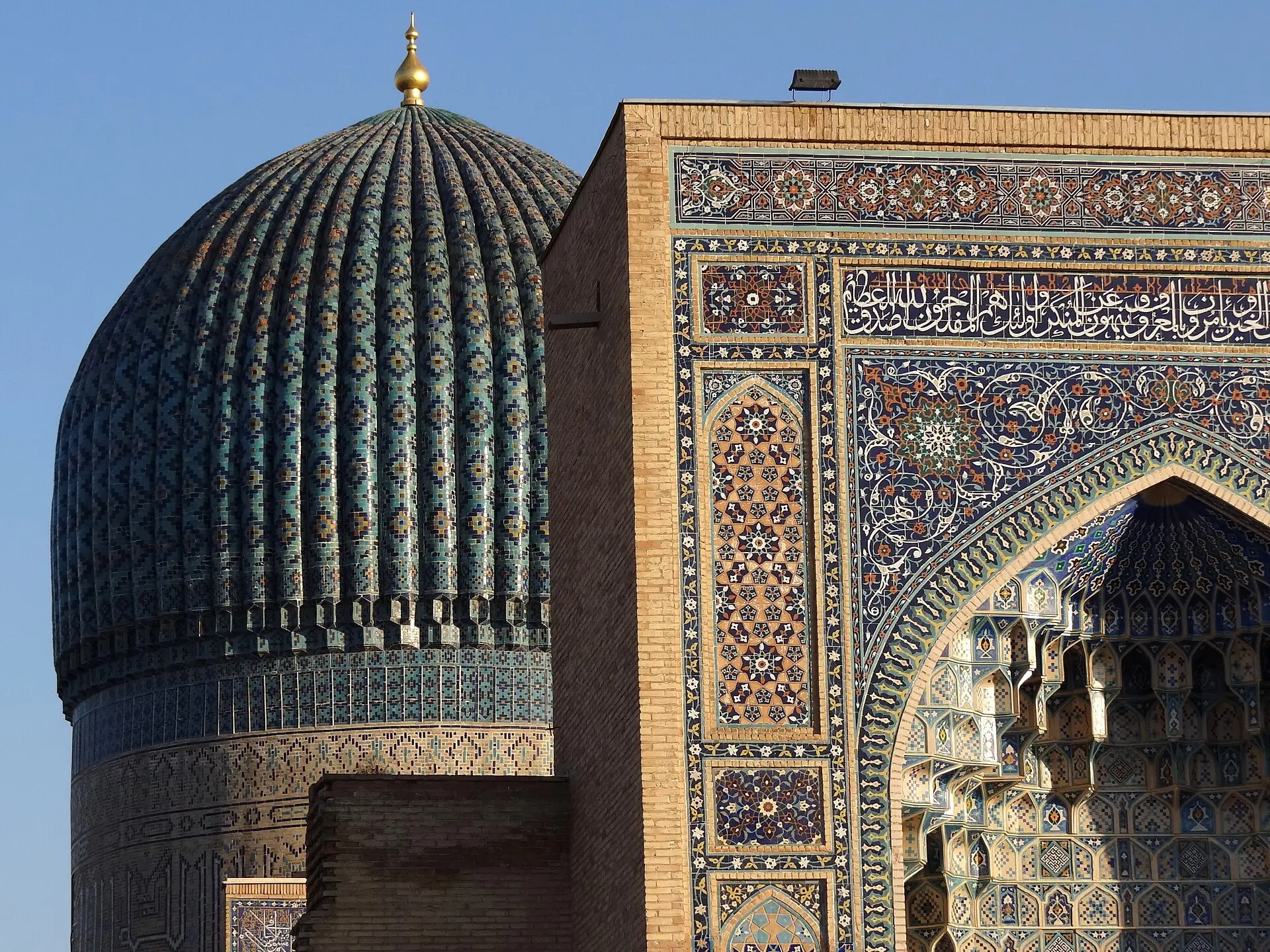
The most famous city has the Registan, a square framed by three tiled madrasas, plus the Gur-e-Amir mausoleum of Timur and the blue-domed Bibi-Khanym Mosque. The Shah-i-Zinda necropolis, a street of tiled tombs, is the quietest and most photogenic stop.
Bukhara
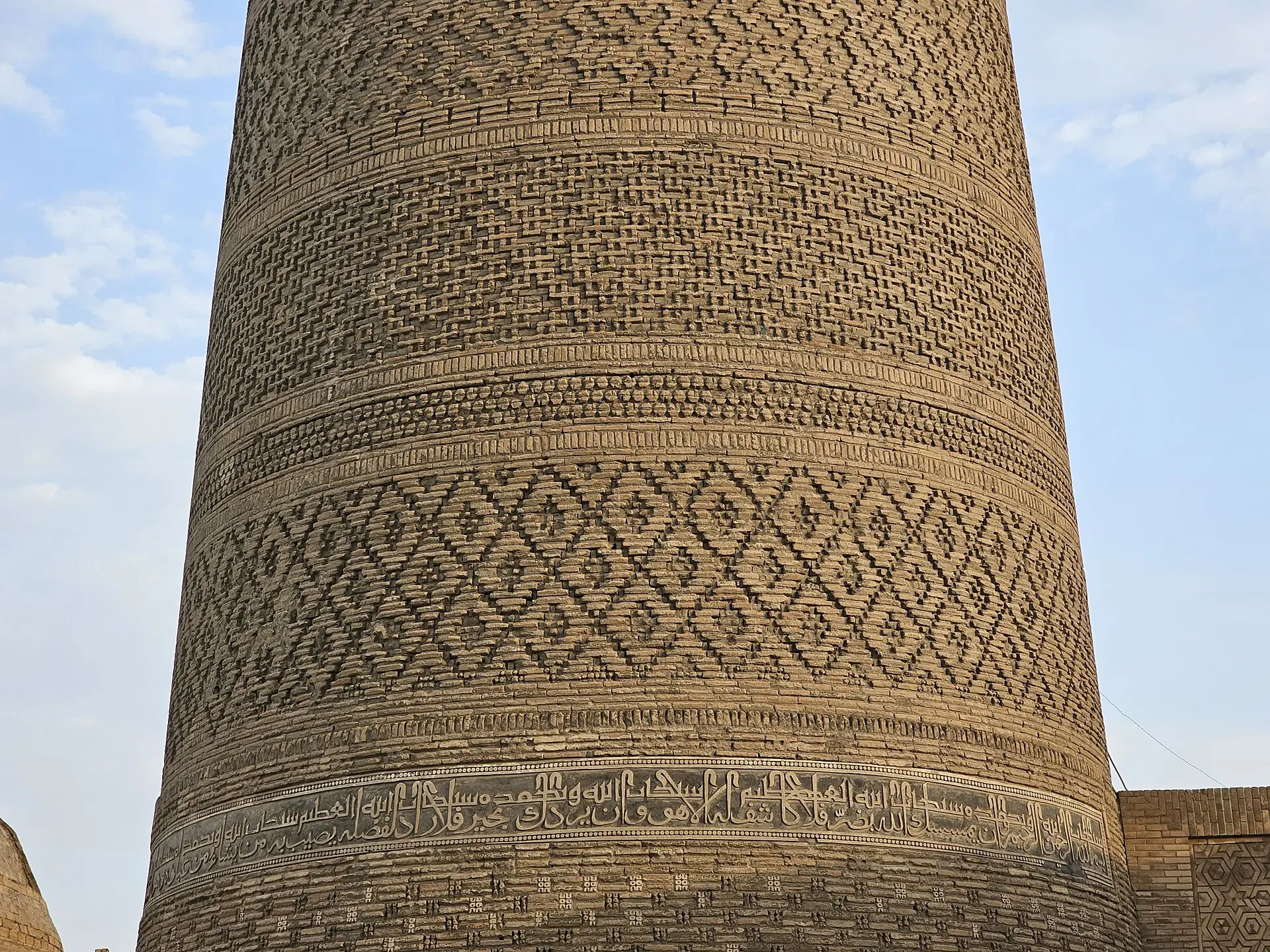
Bukhara has a compact, walkable old centre of trading domes, madrasas and a pond-side square. The Kalon Minaret and the Ark fortress anchor the sights. Stay in the old quarter in a restored merchant house.
Khiva
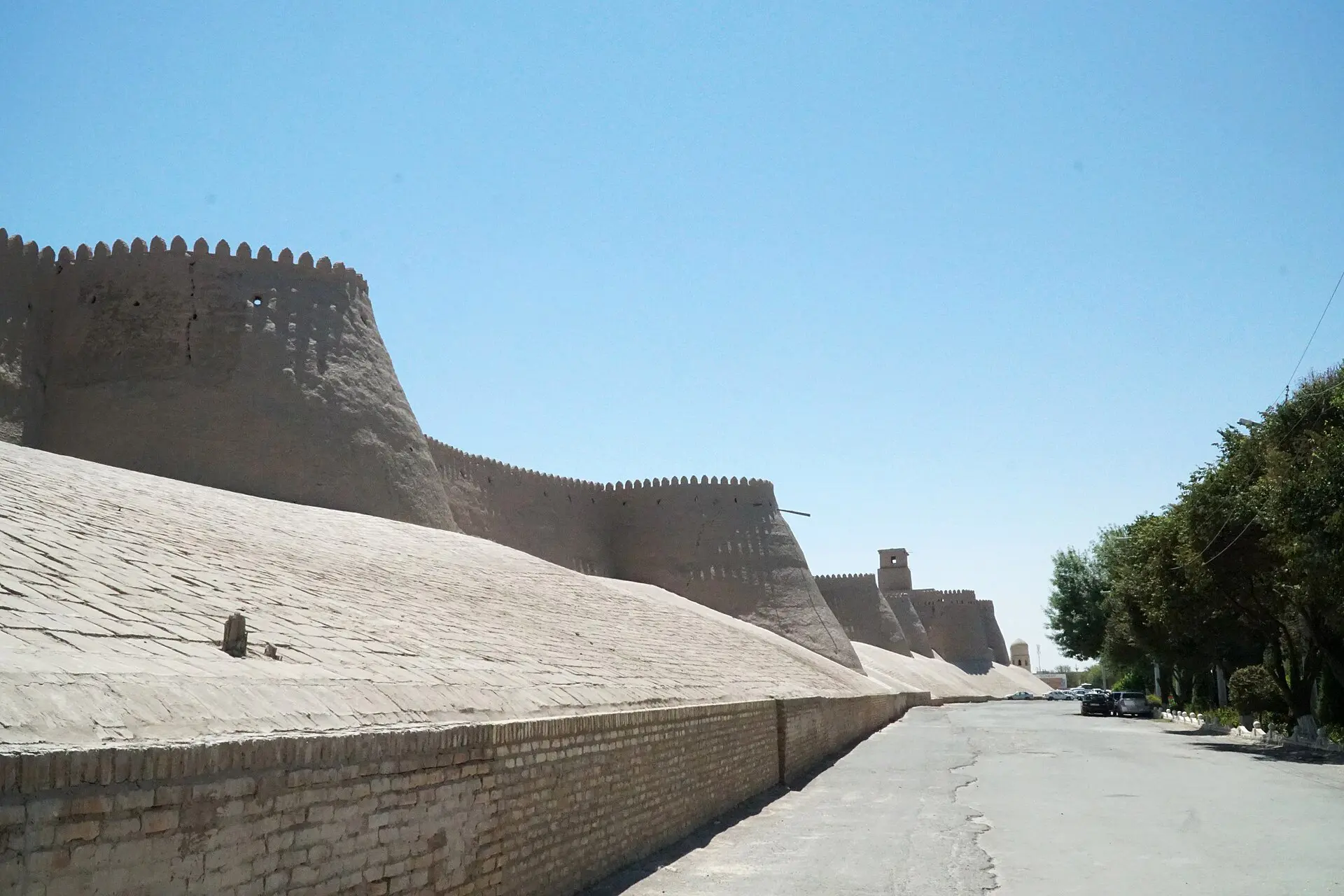
Khiva’s walled inner town, Itchan Kala, is a museum-like maze of mud-brick walls, turquoise tilework and minarets in the Khorezm region. It is best at dawn or after the day-trip groups leave.
Tashkent
The capital is a modern city with an elaborate Soviet-era metro, the Chorsu Bazaar and a restored old town. Most visitors treat it as an entry point with one or two days.
Shakhrisabz and Nukus
Shakhrisabz, Timur’s birthplace, has the remains of his enormous Ak-Saray palace. Nukus, in the far west, has the Savitsky Museum of Russian avant-garde art and is the base for the Aral Sea ship graveyard at Moynaq.
Fergana Valley and Chimgan
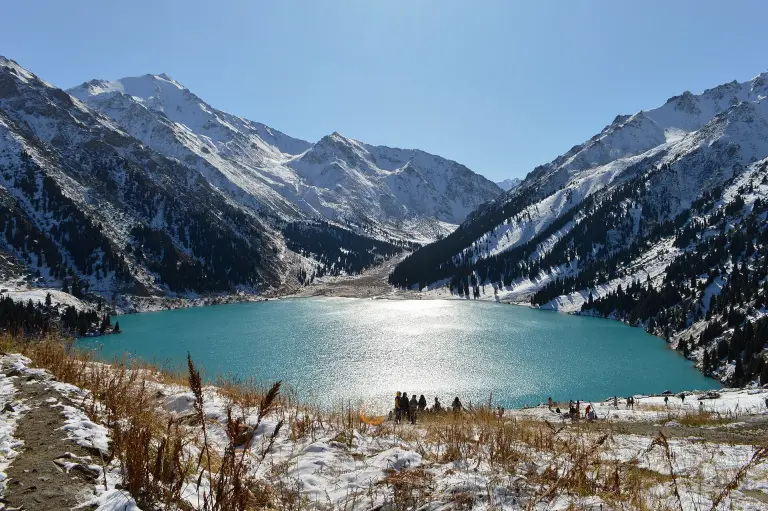
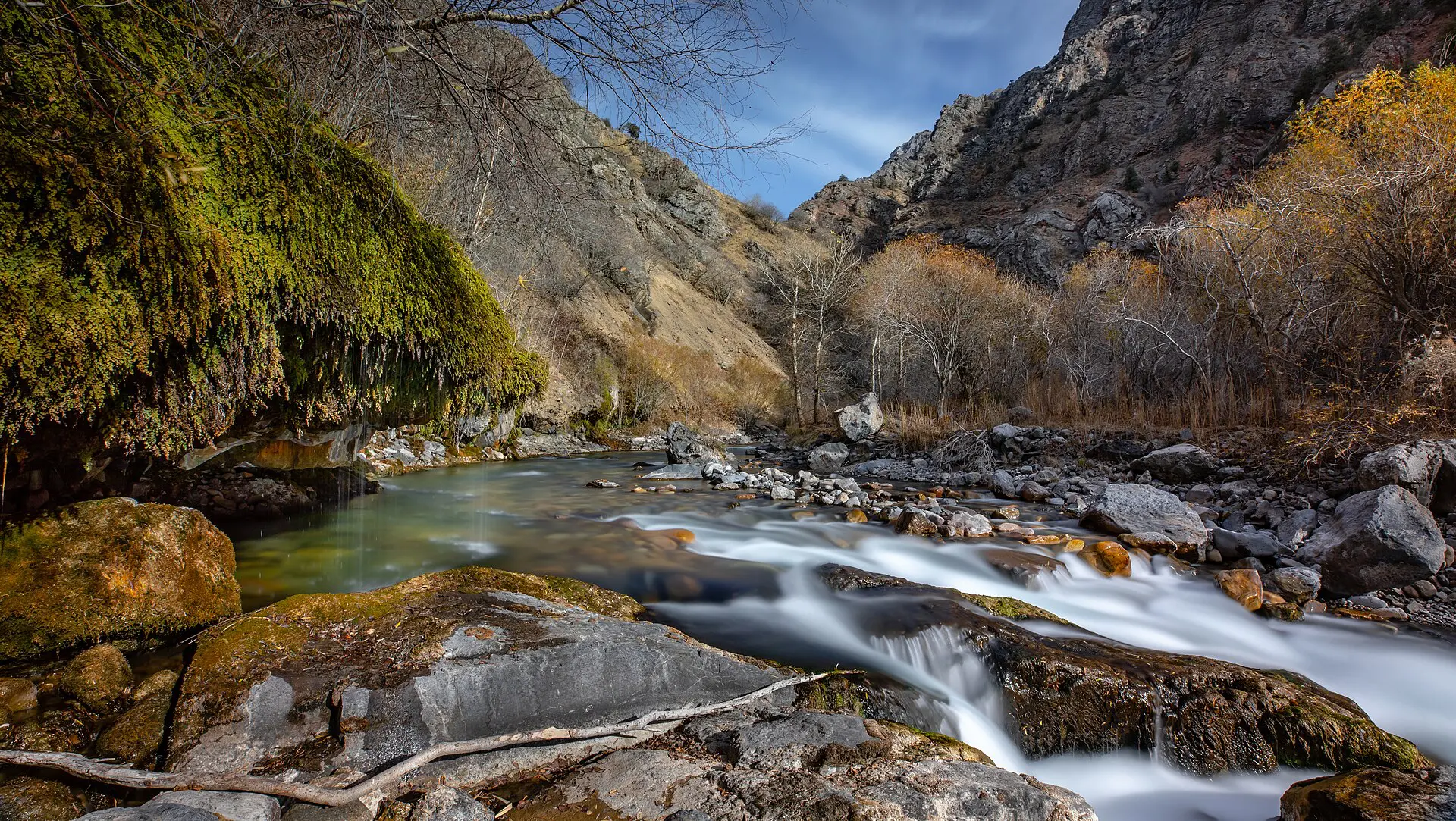
The Fergana Valley, in the east, is known for silk, ceramics and bustling bazaars. The Chimgan mountains near Tashkent offer hiking and skiing.
Top things to do in Uzbekistan
The top things to do in Uzbekistan focus on architecture, markets and food, with a few outdoor and offbeat options.
- See the Registan at dusk: the three madrasas are lit up in the evening, and you can climb parts of the complex for views.
- Walk Shah-i-Zinda in Samarkand: a lane of tiled mausoleums, each with different patterns.
- Explore Bukhara’s trading domes: covered bazaars still sell textiles, ceramics and knives.
- Climb the walls of Khiva: a walk along the Itchan Kala ramparts at sunset gives views over the minarets.
- Ride the Afrosiyob train: the high-speed service between Tashkent, Samarkand and Bukhara is quick and comfortable.
- Shop at Chorsu Bazaar: the domed market in Tashkent sells dried fruit, nuts, bread and spices.
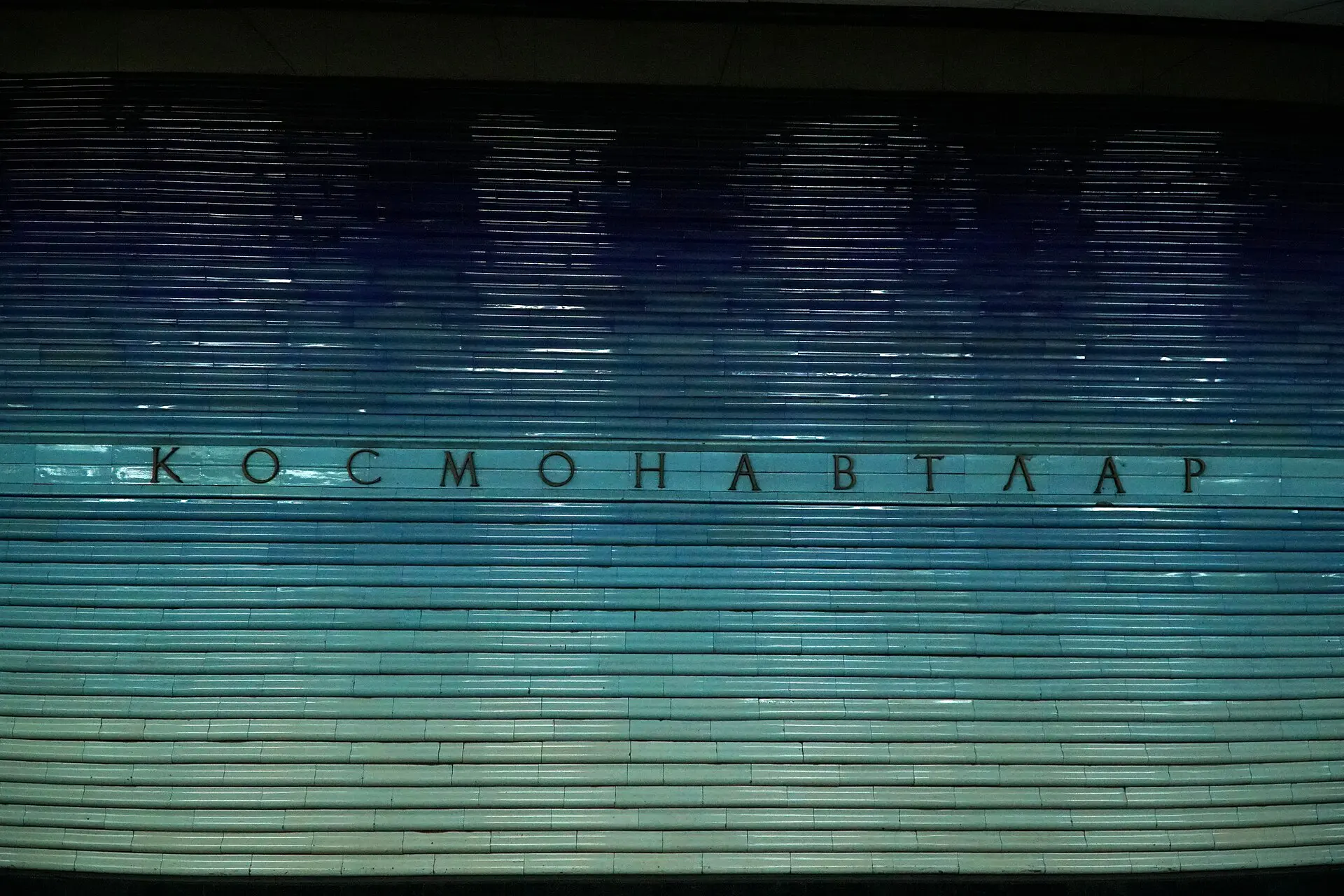
- Ride the Tashkent metro: stations are decorated with chandeliers, mosaics and marble, though photography rules have varied.
- See the Savitsky Museum in Nukus: one of the world’s largest collections of Soviet-era avant-garde art.
- Visit Moynaq: rusting ships stand on the dry bed of what was once the Aral Sea.
- Try a plov or bread-baking class: several guesthouses and tour operators offer hands-on sessions.
Best time to visit Uzbekistan
The best time to visit Uzbekistan is April to May and September to October, when days are warm, skies are clear and the cities are comfortable to walk. July and August are very hot, with temperatures often above 38 C in Bukhara, Khiva and Samarkand, and outdoor sightseeing is hard in the afternoon. Winters are cold, with snow in the mountains and sometimes in the cities.
| Season | Weather | Crowds and prices | Good for |
|---|---|---|---|
| Spring (Mar-May) | Cool to warm, some rain in March and April | Rising; busiest in April and May | City sightseeing, blossoms, photography |
| Summer (Jun-Aug) | Hot to extreme, often 35-42 C in the south | Lower numbers; some price drops | Mountains near Tashkent, early-morning sights |
| Autumn (Sep-Nov) | Warm, then cooling, usually dry | Busy in September and October | Silk Road cities, harvest, markets |
| Winter (Dec-Feb) | Cold, often near or below freezing | Lowest crowds and prices | Quiet monuments, skiing at Chimgan |
Plan Khiva for the cooler months, and book trains early for spring and autumn weekends.
Is Uzbekistan safe to visit?
Yes, Uzbekistan is considered safe for most visitors, and violent crime against tourists is rare. The most common problems are petty theft in crowded places, taxi overcharging and heat. Check your government’s current travel advice, such as the UK FCDO or US State Department pages, before you go; these pages also describe restrictions in border areas, particularly near Afghanistan.
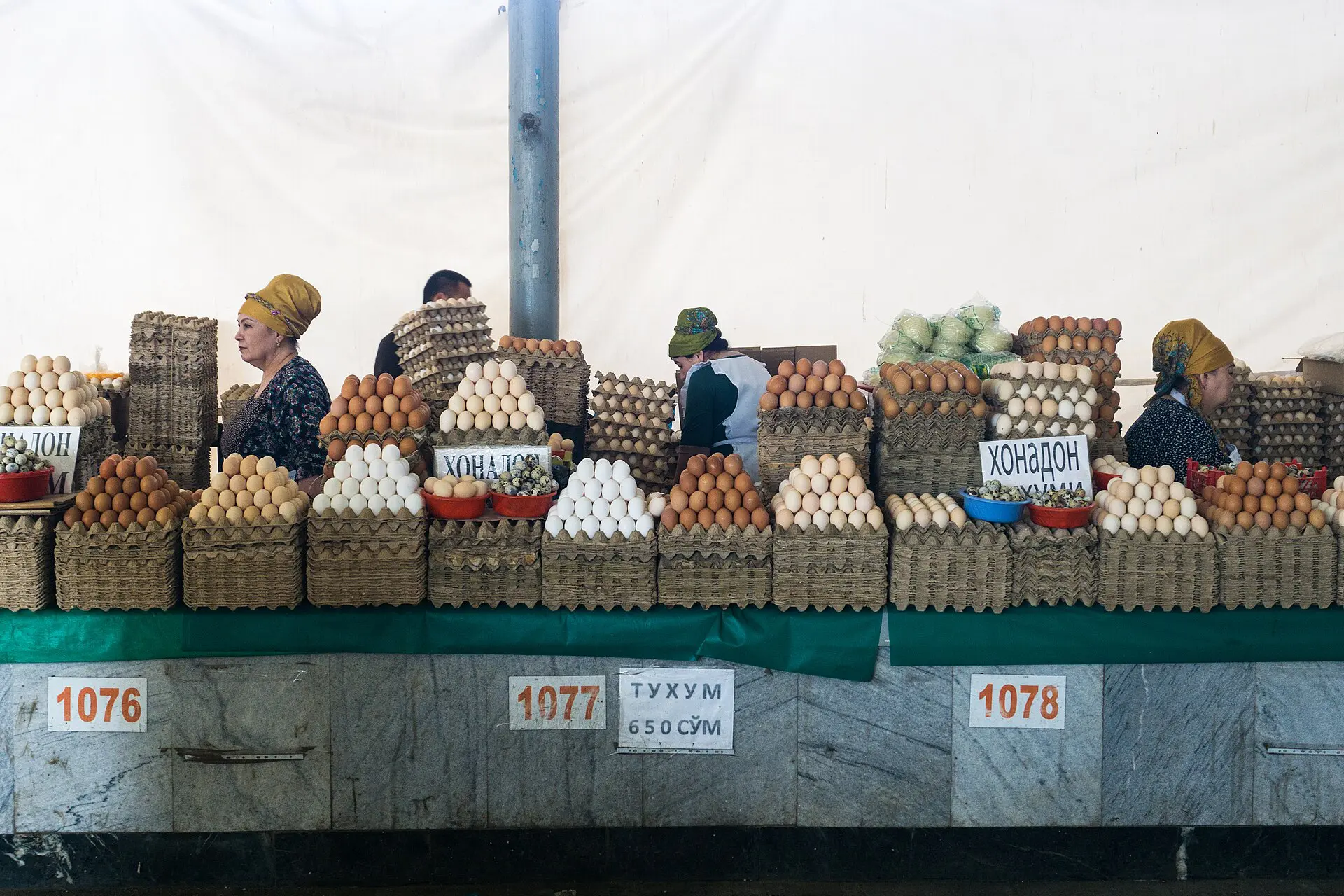
Scams and theft. Agree taxi fares before getting in or use a ride-hailing app, count change at markets and keep valuables out of sight in bazaars and on trains.
Rules and police. Police checks and document checks are common, so carry a copy of your passport, and keep the registration slips from hotels. Photographing government buildings, airports, bridges and metro areas can cause problems. Border areas can be restricted, so check before heading to remote regions.
Health and heat. Summer heat is a real risk, so drink water, cover up and sightsee early. Bottled water is advisable, as tap water is not reliably safe. Carry travel insurance with medical cover, since healthcare outside major cities is limited.
Visa and entry requirements for Uzbekistan
Entry rules depend on your nationality, and Uzbekistan has loosened them in recent years. Citizens of many countries, including those of the EU, UK and US, have been able to enter visa-free for stays of around 30 days, and others can apply for an e-visa online. Rules change, so confirm the current requirement for your passport with the Uzbek foreign ministry, the official e-visa portal or your nearest embassy before booking.
Bring a passport valid for at least six months beyond your arrival, and keep proof of accommodation. Foreign visitors are normally required to be registered with the authorities, which hotels do automatically, and guesthouses issue a slip. Keep these slips until you leave, since officers can ask for them at departure. If you stay in private homes, ask your host about registration.
Land borders with Kazakhstan, Kyrgyzstan and Tajikistan are open to foreigners at some crossings, but the situation varies, so check current rules. The UNESCO page for Uzbekistan is helpful for planning heritage stops but does not cover entry rules.
Getting to and around Uzbekistan
Most visitors fly into Tashkent International Airport, which has links to Istanbul, Dubai, Moscow, Delhi and several European and Asian cities. Samarkand and Bukhara also have airports with some international flights. Overland, you can enter from Kazakhstan, Kyrgyzstan, Tajikistan and Turkmenistan at certain crossings, though conditions vary.
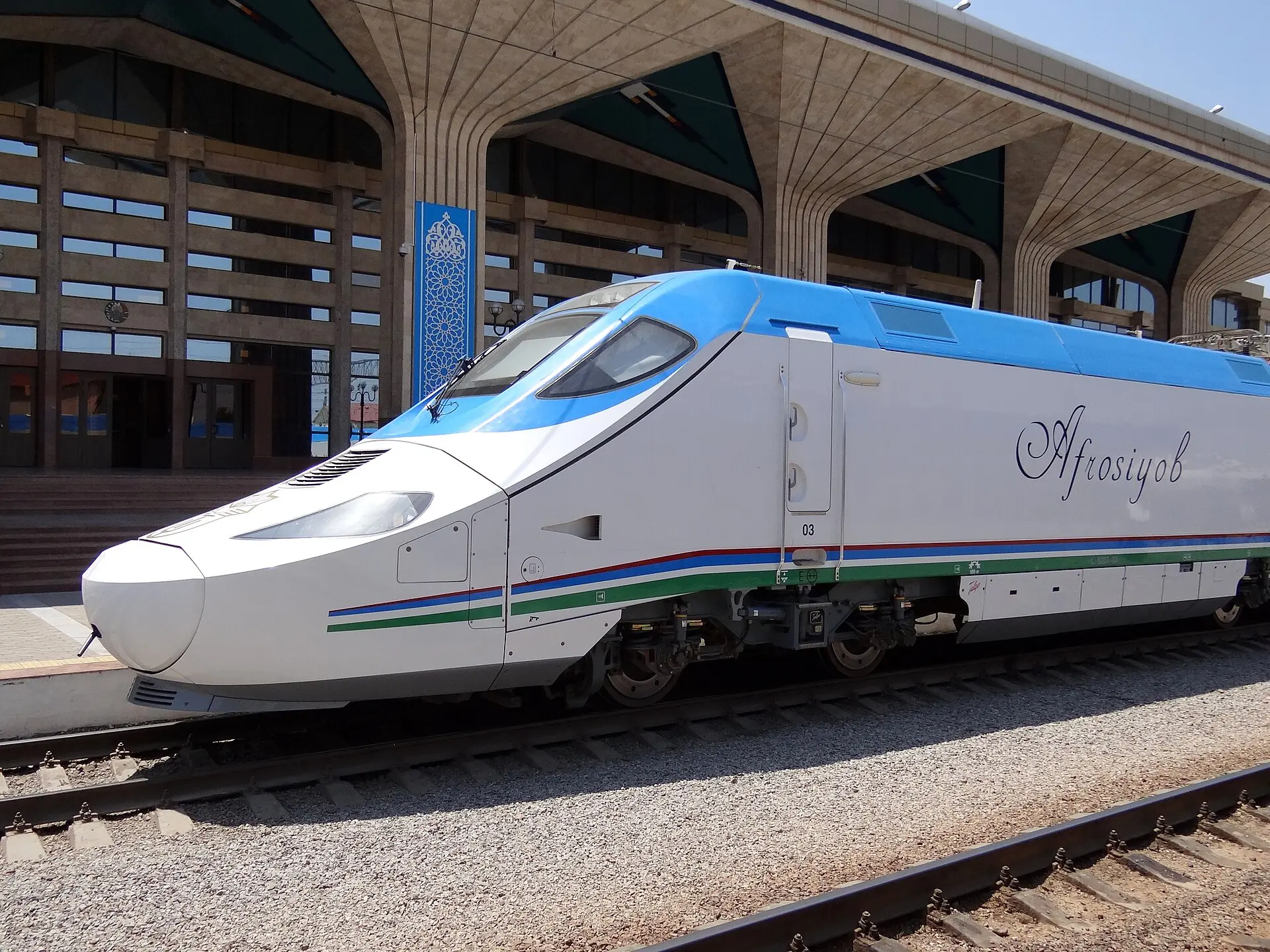
Trains are the best way to move between the Silk Road cities. The high-speed Afrosiyob links Tashkent and Samarkand in about two hours and Samarkand and Bukhara in around one and a half. Slower Sharq trains cover the same routes more cheaply. Khiva is reached by train or flight to Urgench, then a shared taxi or minibus for about 30 minutes. Book tickets in advance, especially in April, May and September.
Shared taxis, minibuses and ride-hailing apps cover shorter trips and the Fergana Valley, and prices are low. The Tashkent metro is cheap and efficient. Domestic flights serve Nukus and Urgench, and long road journeys across the desert take many hours, so build in a buffer for delays.
How much does a trip to Uzbekistan cost?
Uzbekistan is inexpensive by international standards, though tourist prices in Samarkand, Bukhara and Khiva have been rising. The currency is the Uzbekistani soʻm (UZS); US dollars and euros are exchanged at banks and bureaux, and cards are increasingly accepted in cities. Figures below are rough per-person guides and vary with exchange rates.
- Budget: around USD 25 to 40 per day, with hostels or simple guesthouses, shared taxis, market food and cheap lunches.
- Mid-range: around USD 40 to 80 per day, with boutique guesthouses, restaurant meals and train tickets.
- High-end: from around USD 120 per day, with restored historic hotels, private drivers and guides.
Accommodation is the main swing factor, followed by intercity transport. A meal of plov or kebabs is cheap, and monument entry fees are modest, though some sites charge extra for camera use or access to minarets. Local guides are good value if you want context on the history of the sites.
Uzbekistan food and drink
Uzbekistan food is built around bread, rice, lamb and vegetables, with influences from Persia, Russia and Central Asia. Meals are generous and often come with tea and plenty of bread.
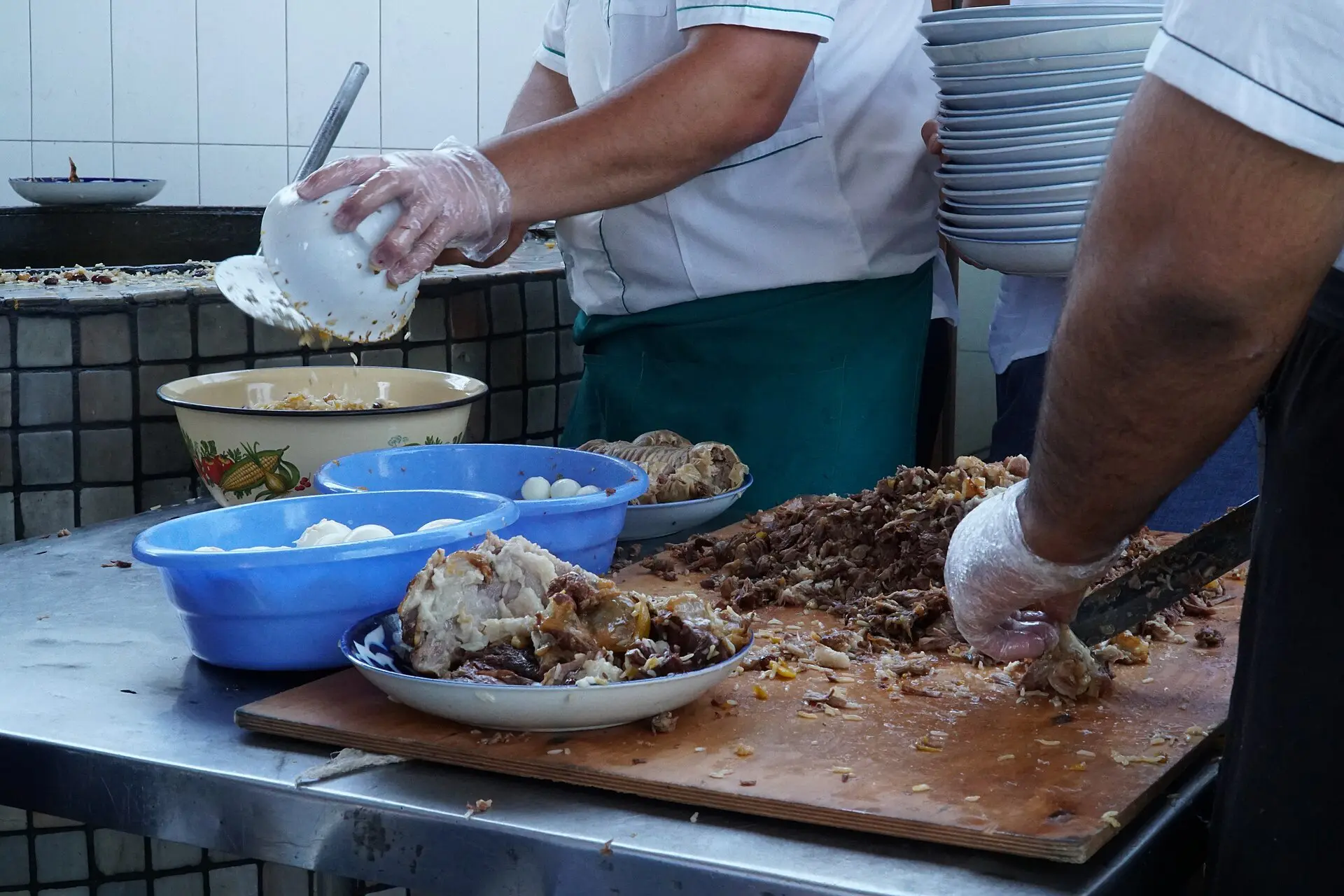
- Plov: the national dish, rice cooked with lamb, carrots and spices in a large cauldron, usually eaten at lunch.
- Samsa: baked pastries filled with lamb or pumpkin, sold from tandoor ovens.
- Shashlik: grilled skewers of lamb, beef or chicken, served with onions and flatbread.
- Lagman: hand-pulled noodles in a meat and vegetable broth, popular in Tashkent and the Fergana Valley.
- Manti: steamed dumplings with lamb or pumpkin filling.
- Non: round bread stamped with patterns, baked in tandoors, and a sign of hospitality.
- Tea: green tea is served everywhere, and black tea is common in the Fergana Valley.
Vegetarians can find salads, bread, soups, fried vegetables and pumpkin samsa, but meat dominates most menus. Alcohol is available, with local wine and Russian-style vodka and beer, though many restaurants near shrines do not serve it. Bazaars are the best place to try fruit, nuts and sweets.
Culture, language and etiquette in Uzbekistan
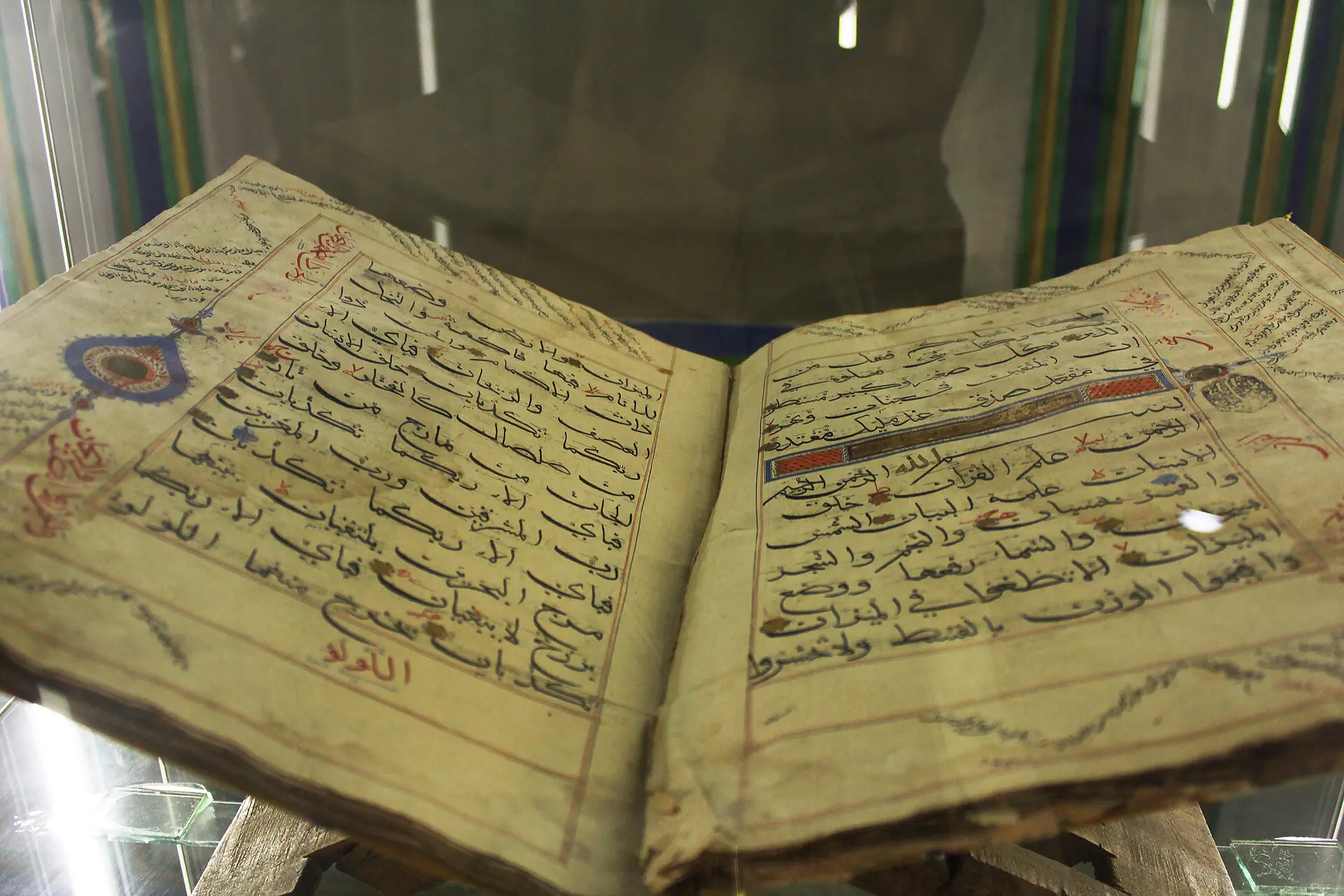
Uzbek is the official language, and Russian is widely used in cities, in business and on signs. English is increasingly common in hotels and among young people, but less so in rural areas. Learning a few words, such as rahmat (thank you) and assalomu alaykum (hello), is welcomed. The country has a Muslim majority, with a secular state and a relaxed approach to practice in cities.
Hospitality is central to daily life. You may be invited for tea or a meal, and bread is treated respectfully: never place it upside down or on the floor. Greet people with a handshake, and place a hand over your heart as a sign of respect. Remove shoes when entering homes and some mosques, and dress modestly at religious sites, with covered shoulders and knees.
Ask before photographing people, especially women. Avoid sensitive political subjects, criticism of the government and discussion of the country’s recent history unless locals raise it. Bargaining is normal in bazaars but not in shops with fixed prices.
Uzbekistan itinerary: a 7-day route
This route follows the main Silk Road line by train, with an option to fly to Khiva to save time.
- Day 1, Tashkent: arrive, visit Chorsu Bazaar and a few metro stations, and eat plov for dinner.
- Day 2, Tashkent to Samarkand: take the Afrosiyob train, about two hours, check in and see the Registan at dusk.
- Day 3, Samarkand: visit Shah-i-Zinda, Gur-e-Amir and the Bibi-Khanym Mosque, and wander the Siab Bazaar.
- Day 4, Samarkand to Bukhara: take the train, around one and a half hours, and explore the trading domes.
- Day 5, Bukhara: see the Ark, the Kalon Minaret and the madrasas, and spend the evening by the Lyab-i Hauz pond.
- Day 6, Bukhara to Khiva: travel by road, train or via Urgench; allow most of the day for the journey.
- Day 7, Khiva: walk Itchan Kala, climb the walls and fly or take a train back toward Tashkent the next morning.
With extra days, add Shakhrisabz or Nukus and Moynaq. In summer, start sightseeing early and rest in the afternoon.
Practical tips for Uzbekistan
- Money: the soʻm is the local currency; ATMs are common in cities, and cards are widely accepted in hotels and restaurants. Carry cash for markets and small guesthouses, and exchange at official bureaux or banks.
- SIM and eSIM: prepaid local SIMs and eSIMs are cheap, and coverage is good in cities. Bring your passport to register a physical SIM.
- Plugs: types C and F at 230 V, as in most of continental Europe.
- Tipping: not obligatory, but around 10 percent or rounding up is appreciated in restaurants.
- Health: bring insurance, sunscreen and a hat; drink bottled or filtered water and use hand sanitiser at markets.
- Packing: light, modest clothing for summer, layers for spring and autumn evenings, and warm clothes for winter.
- Documents: carry a passport copy, keep hotel registration slips and avoid photographing sensitive buildings.
- Booking: reserve train tickets and popular guesthouses early for April, May and September.
For wider background, see the Wikivoyage Uzbekistan guide.
FAQ
Q1Is Uzbekistan safe?
Yes, for most visitors. Violent crime against tourists is rare, and the main risks are petty theft, overcharging and summer heat. Carry a passport copy, keep hotel registration slips and avoid photographing sensitive sites. Check your government's current travel advice, especially for border regions.
Q2What is the best time to visit Uzbekistan?
April to May and September to October are best, with warm days, clear skies and comfortable sightseeing. July and August are very hot, often above 38 C in the south, while winters are cold. Spring and autumn are busy, so book trains and guesthouses early.
Q3What are the best things to do in Uzbekistan?
Top picks are seeing the Registan and Shah-i-Zinda in Samarkand, exploring Bukhara's old centre, walking the walls of Khiva, riding the Afrosiyob train, shopping at Chorsu Bazaar and eating plov. Visiting Moynaq and the Savitsky Museum suits adventurous travellers.
Q4Do I need a visa for Uzbekistan?
It depends on your nationality. Many visitors, including citizens of the EU, UK and US, have been able to enter visa-free for short stays, and others can apply for an e-visa. Rules change, so confirm with the official Uzbek source or an embassy.
Q5What are the best places to visit in Uzbekistan?
Samarkand, Bukhara and Khiva are the essential Silk Road cities. Tashkent is the gateway with bazaars and a decorated metro, while Shakhrisabz, Nukus and the Fergana Valley suit those with extra time.
Q6Is Uzbekistan cheap to travel in?
Yes, by most standards. Mid-range travellers can expect roughly USD 40 to 80 per day, with budget trips possible on around USD 25 to 40. Accommodation and tourist-site fees are the main costs, while food and local transport are inexpensive.
Q7How many days do you need in Uzbekistan?
Seven days covers Tashkent, Samarkand, Bukhara and Khiva at a steady pace. Five days work for Tashkent, Samarkand and Bukhara only, and adding three or four days lets you visit Shakhrisabz, Nukus or the Fergana Valley.