Why visit Kyrgyzstan
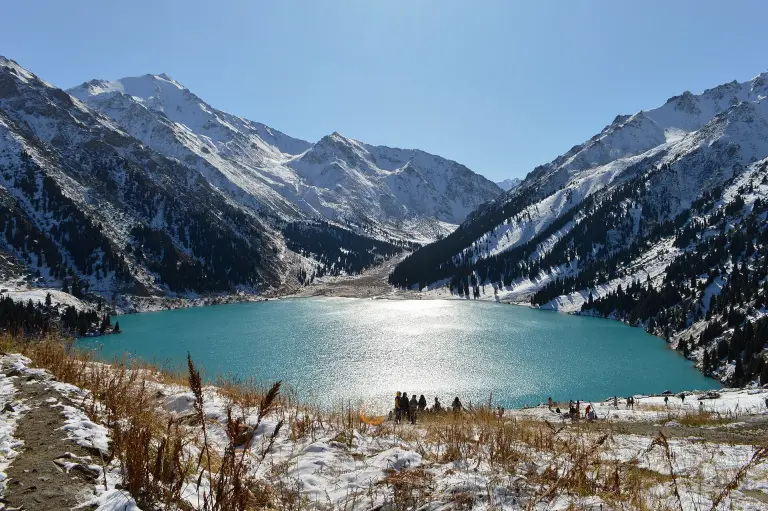
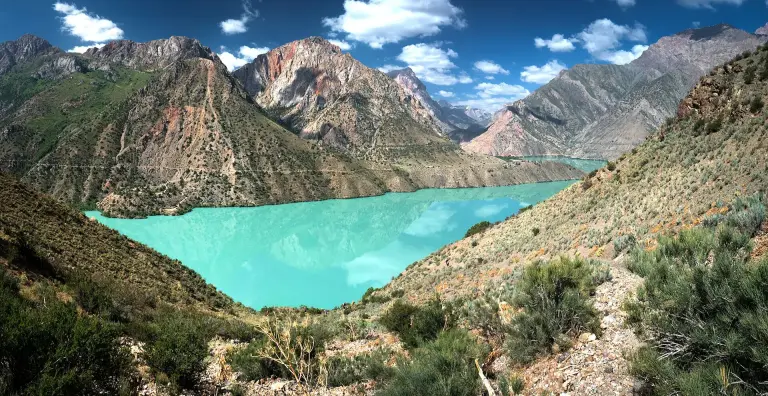
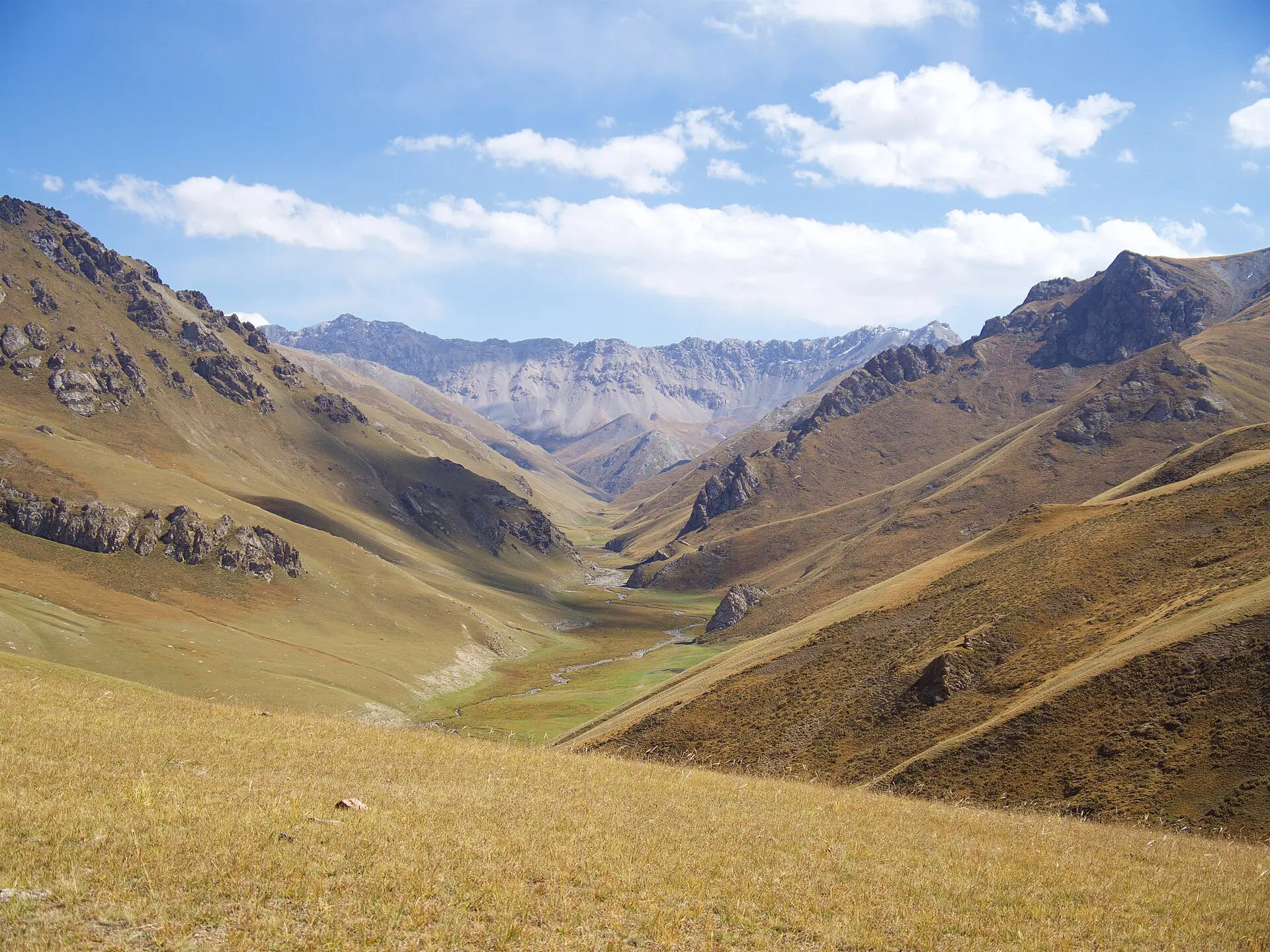
Kyrgyzstan travel is about space and mountains: the Tien Shan and Pamir-Alay ranges cover most of the country, and nearly all of it lies at high altitude (see the Wikipedia overview). Travellers come for alpine lakes, trekking routes, high summer pastures called jailoos and a living nomadic tradition, including yurt stays. It is often compared to Switzerland for its terrain, but with far lower prices and far fewer people.
The country suits active travellers, photographers and anyone who wants Central Asia without the formality of some neighbours. It is relatively easy for independent travel, with a strong community-based tourism network and cheap shared transport. It is a poorer fit for travellers who want polished infrastructure: roads can be rough, distances are long and services thin out quickly outside towns. Many visitors combine it with Kazakhstan or Uzbekistan.
Best places to visit in Kyrgyzstan
The best places to visit in Kyrgyzstan are spread across a large mountainous country, so most trips choose either the north around Issyk-Kul or the south around Osh, and connect them by flight.
Bishkek
The capital is a green, Soviet-planned city with wide boulevards, parks and a growing cafe scene. It has few headline sights but is the main hub for transport, tours and supplies, and Ala-Archa National Park is an easy day trip.
Issyk-Kul and Karakol
Issyk-Kul is one of the world’s largest alpine lakes. The north shore has beach resorts, while Karakol, on the eastern end, is the best base for hiking, with Jeti-Oguz, Altyn-Arashan and the Karakol valley nearby.
Song-Kol
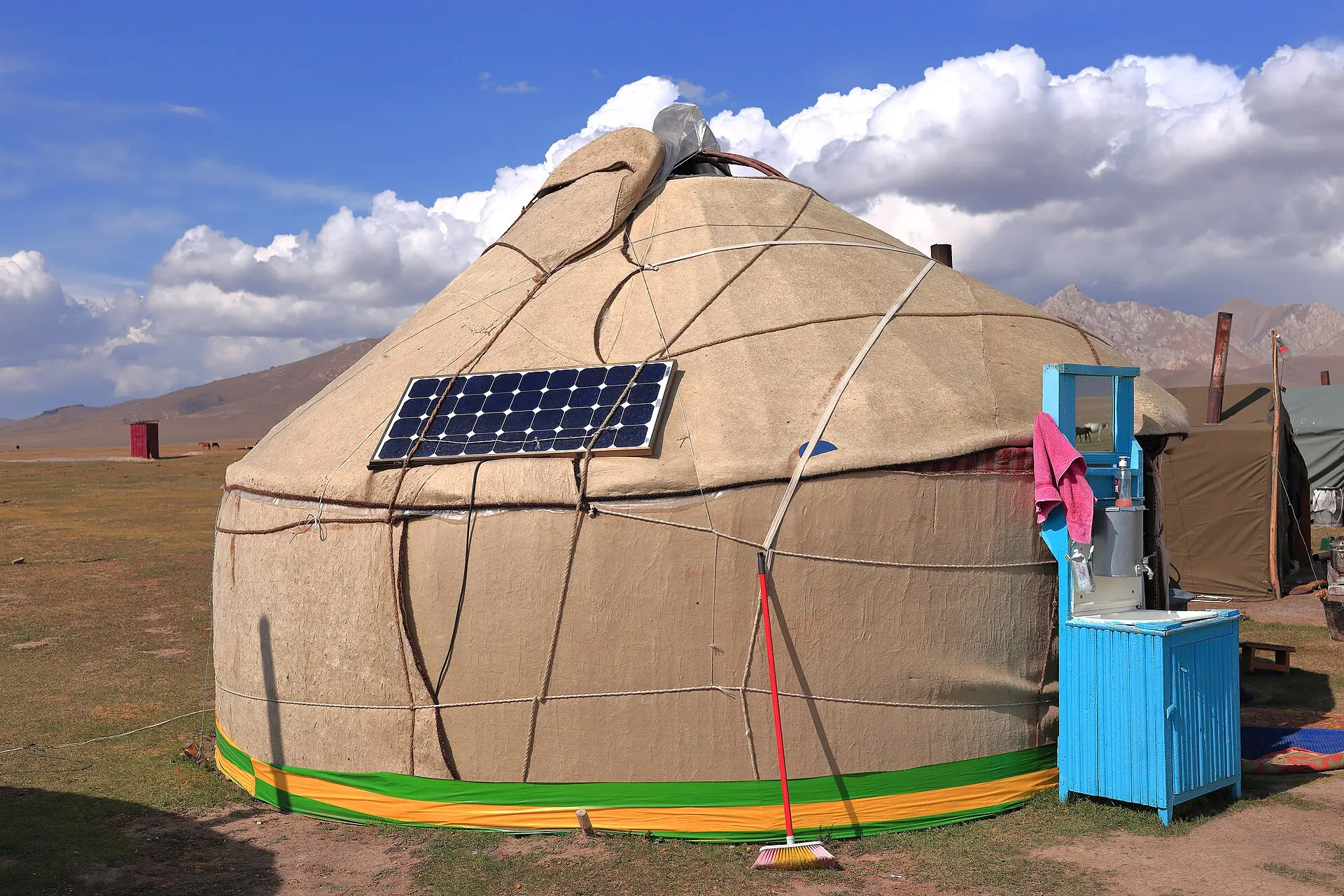
A high-altitude lake at around 3,000 metres, ringed by pastures and summer yurt camps. It is usually reachable only from about June to September.
Osh
The southern city has a major bazaar and Sulaiman-Too, a sacred mountain on the UNESCO list, plus a gateway to the Fergana Valley.
Arslanbob and Tash Rabat
Arslanbob has the world’s largest walnut forest, and Tash Rabat is a stone Silk Road caravanserai high in the mountains near Naryn.
Top things to do in Kyrgyzstan
The top things to do in Kyrgyzstan revolve around mountains, horses and nomadic culture, and most are easier with a guide or a community-based tourism booking.
- Stay in a yurt at Song-Kol: overnight stays on the high pastures are the signature experience, with simple meals and horse riding.
- Hike Altyn-Arashan: a valley with hot springs above Karakol, reachable on a day or overnight hike.
- Trek to Ala-Kul lake: a famous multi-day route from Karakol that crosses a high pass.
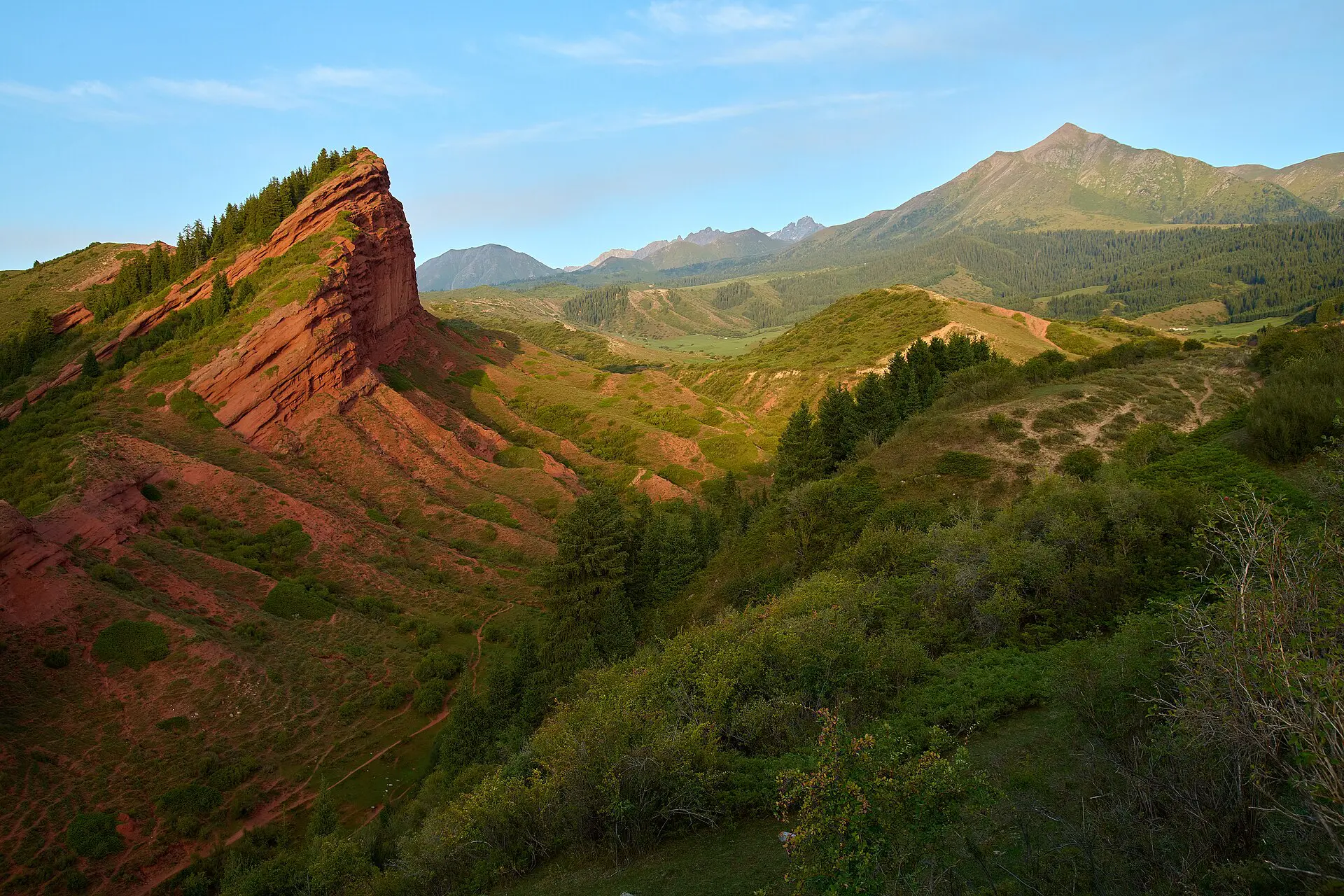
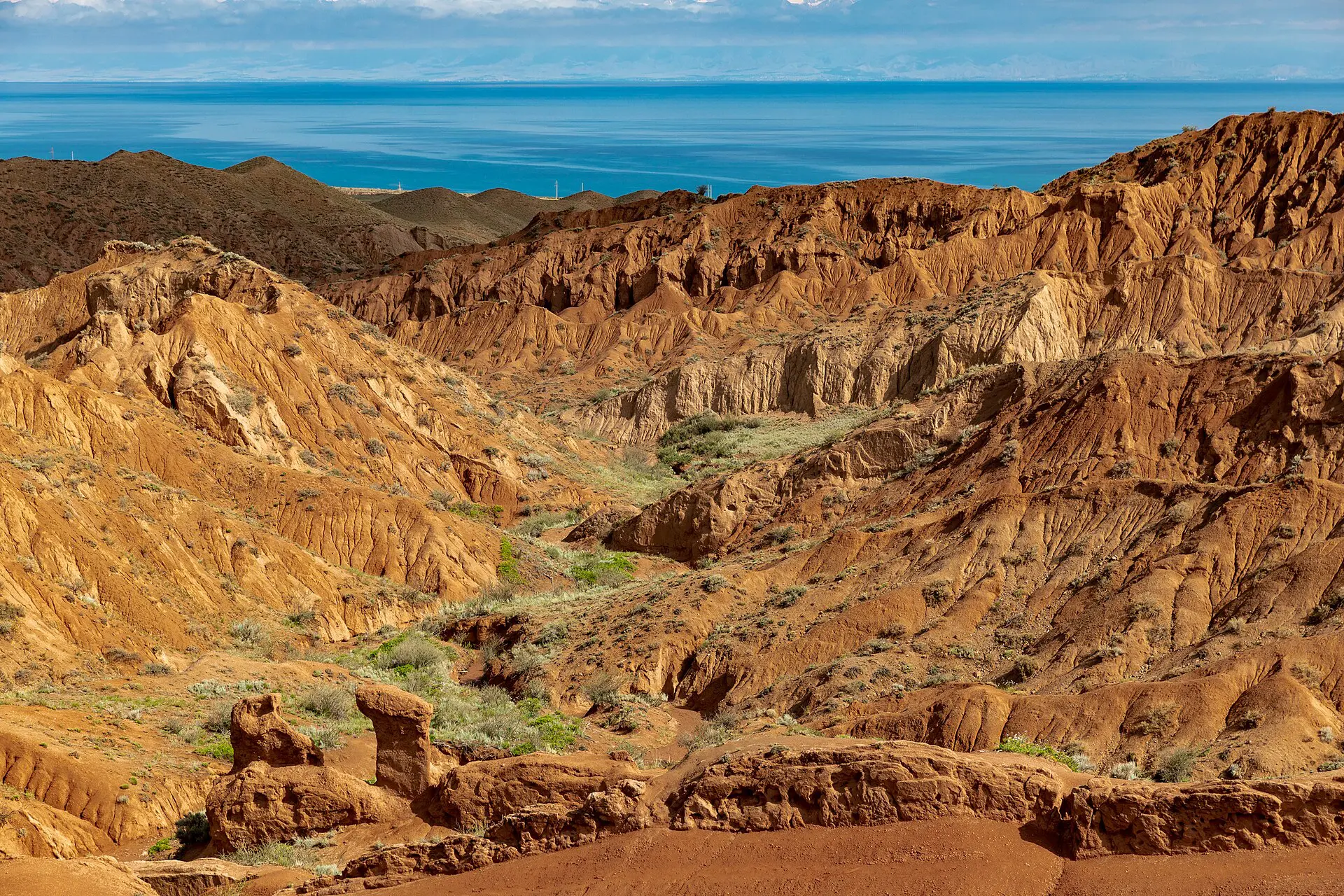
- See Fairy Tale Canyon: red sandstone formations on the south shore of Issyk-Kul.
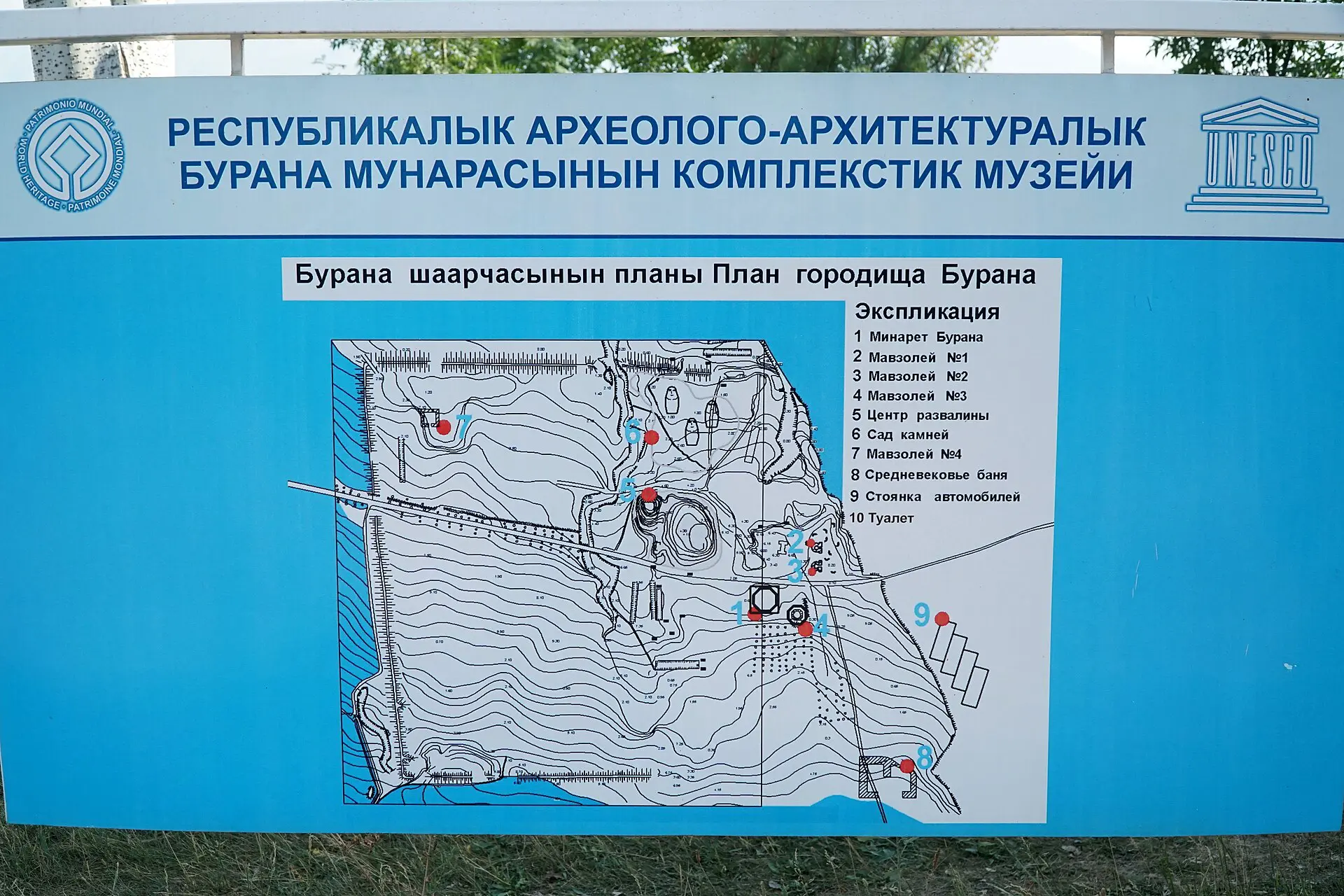
- Visit Burana Tower: an 11th-century minaret near Tokmok, remnant of an ancient Silk Road city.
- Explore Osh Bazaar: one of the oldest markets in Central Asia, with spices, bread and fruit.
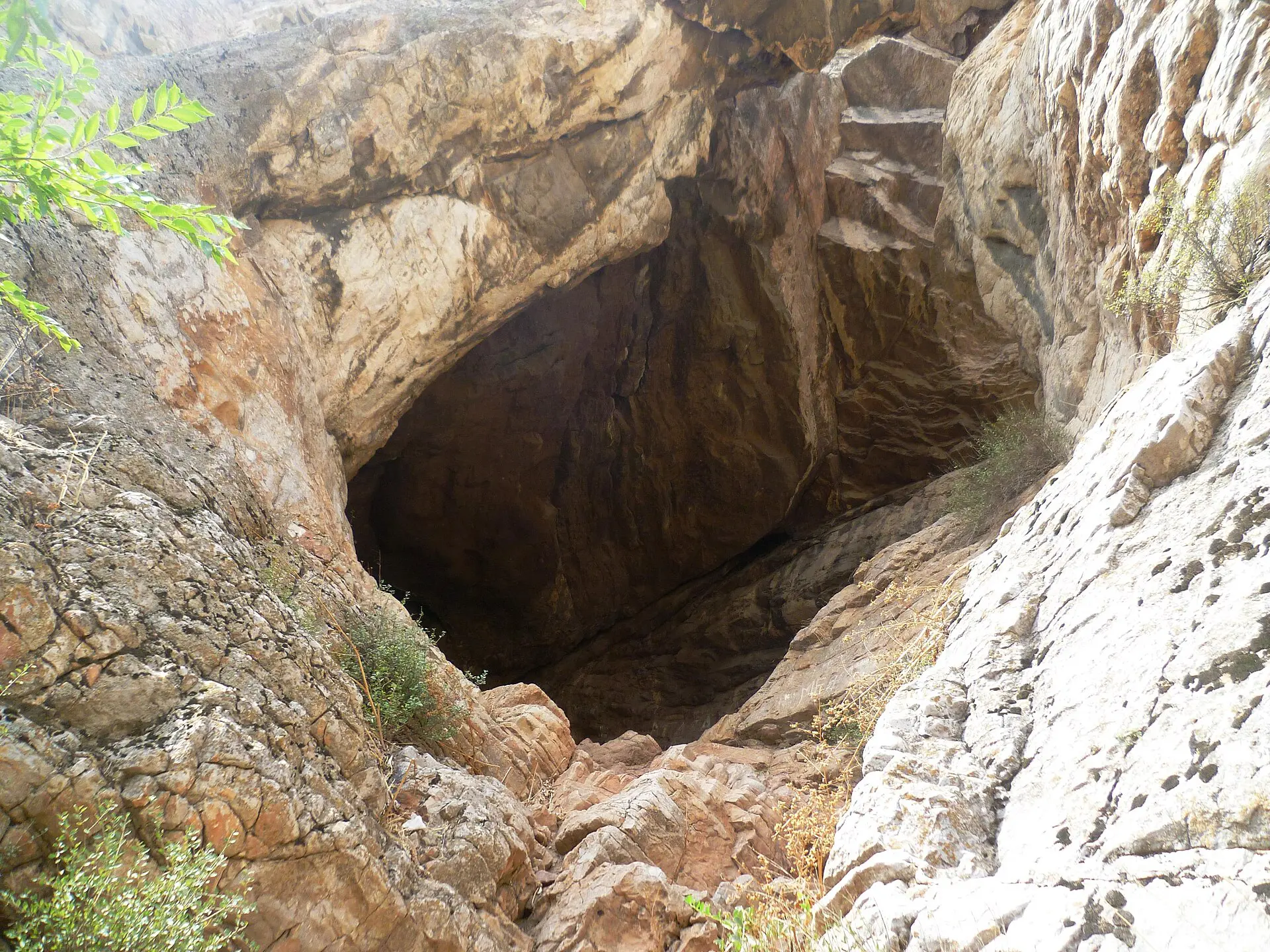
- Climb Sulaiman-Too: the sacred mountain has paths, caves and a museum above Osh.
- Ride a horse: day rides and multi-day treks are offered across the country.
- Watch eagle hunting: falconers near Issyk-Kul give demonstrations of this traditional practice.
- Ski near Karakol: cheap winter skiing and heli-skiing draw a small number of visitors.
Best time to visit Kyrgyzstan
The best time to visit Kyrgyzstan is June to September, when high passes and jailoos are open and the weather is warm. Song-Kol is generally accessible only from about June to early September, while winter closes high routes and brings snow to most of the country.
| Season | Weather | Crowds and prices | Good for |
|---|---|---|---|
| Spring (Apr-May) | Cool, changeable, snow in mountains | Low | Bishkek, Osh, lower valleys |
| Summer (Jun-Aug) | Warm to hot in valleys, cool above 2,500 m | Highest, still modest | Trekking, yurt stays, Issyk-Kul |
| Autumn (Sep-Oct) | Crisp, colourful, first snow at altitude | Falling | Walnut forests, quiet hikes |
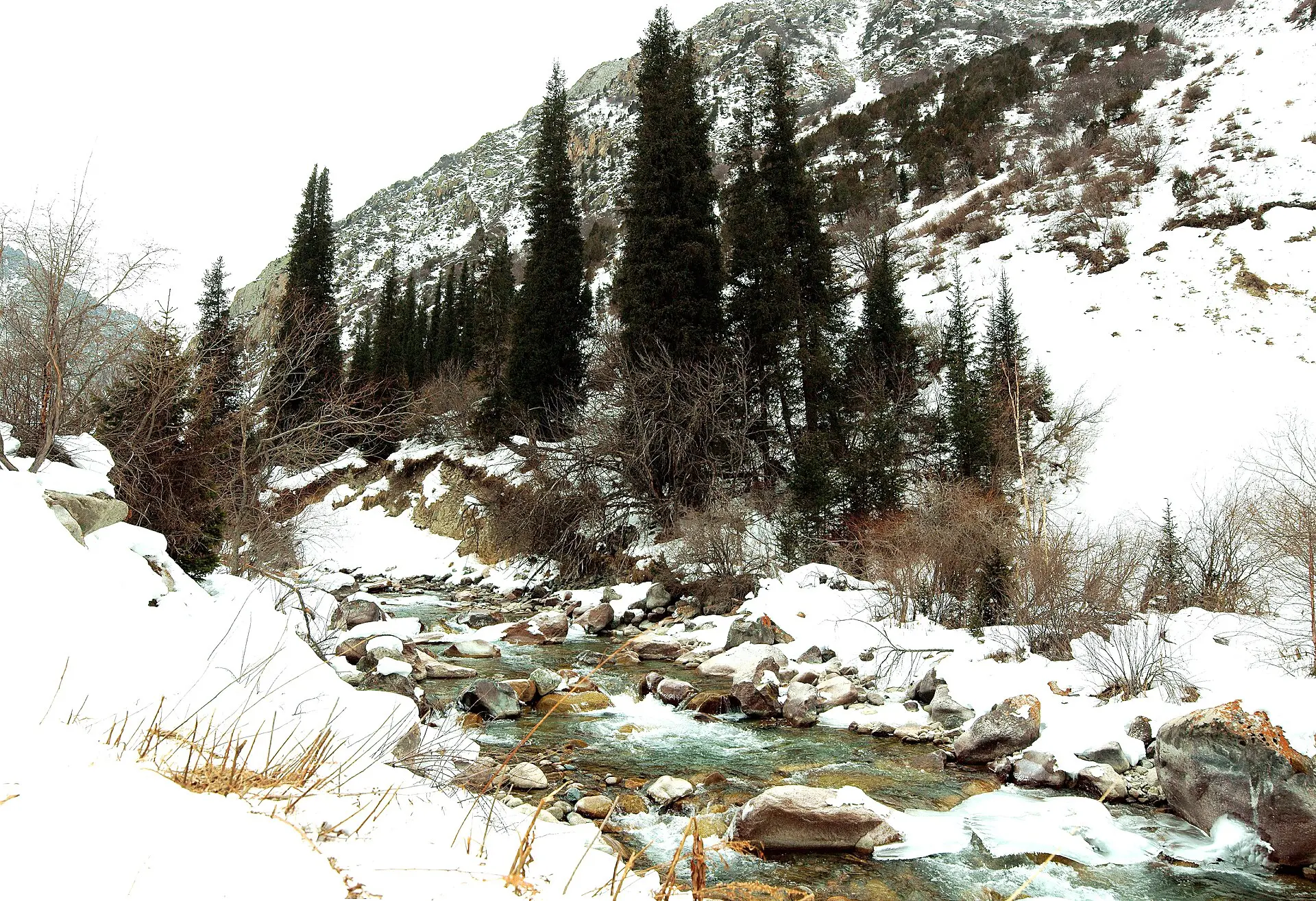
| Winter (Dec-Mar) | Cold, snowy, frozen passes | Low | Skiing at Karakol, city breaks |
Mountain weather changes quickly, even in July, so pack for cold and wet conditions at altitude.
Is Kyrgyzstan safe to visit?
Yes, Kyrgyzstan is generally safe for most visitors, and tourists are usually received warmly. Is Kyrgyzstan safe in every region? The main exceptions are areas near some borders, particularly with Tajikistan in the south, where clashes have occurred in recent years, so check your government’s current travel advice, such as the UK FCDO or US State Department pages, before you go.
Roads. Driving is the biggest practical risk. Mountain roads can be steep, unpaved and affected by landslides, and drivers overtake aggressively. Avoid driving at night and use experienced local drivers for remote routes.
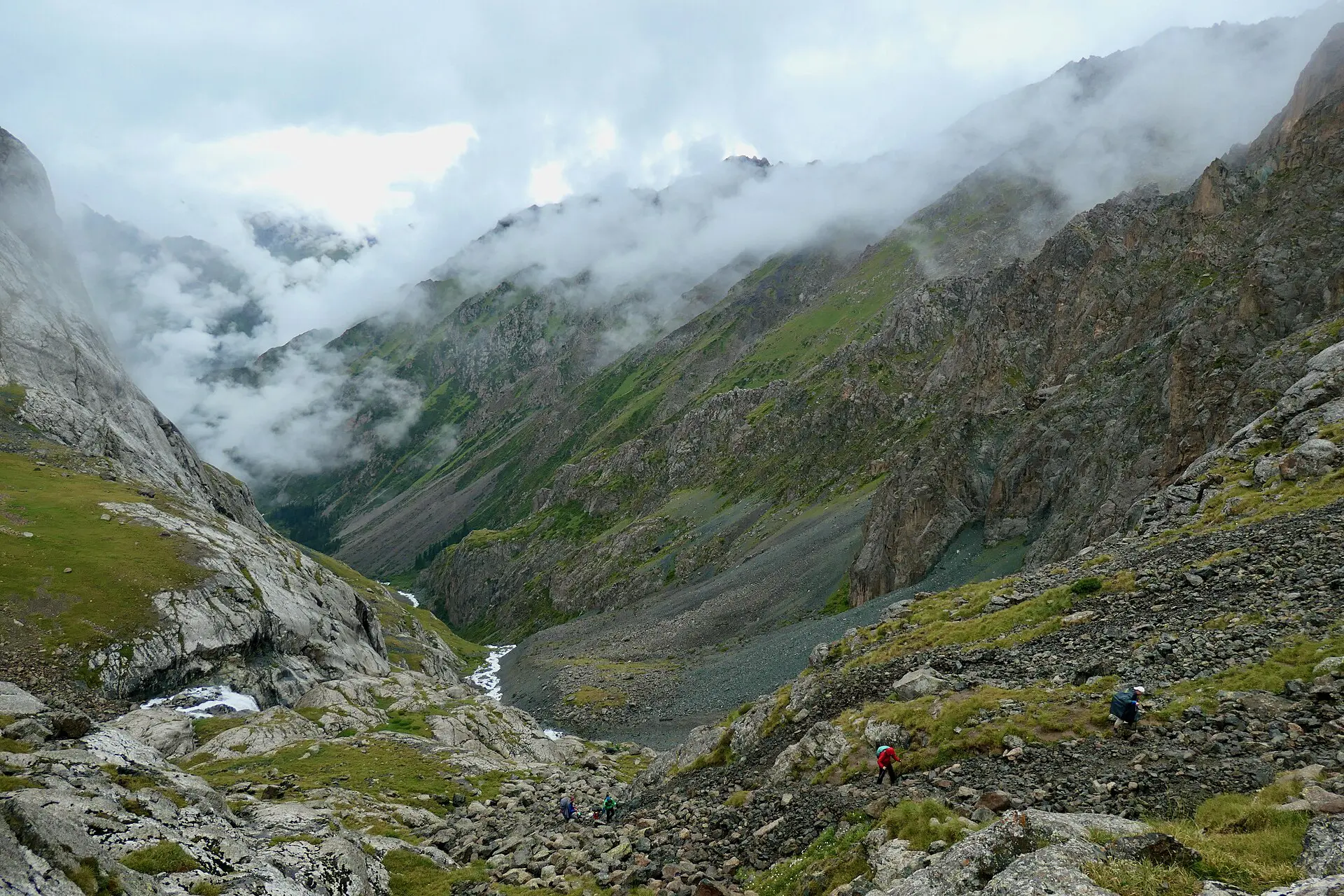
Altitude and weather. Song-Kol and high passes sit above 3,000 metres, so acclimatise and recognise symptoms of altitude sickness. Storms and snow can arrive in any month at altitude, and trekking alone is not recommended.
Crime and scams. Pickpocketing occurs in bazaars and on marshrutkas. Use licensed taxis or apps, and keep valuables hidden.
Politics. Demonstrations occasionally occur in Bishkek, so avoid crowds. Earthquakes are possible, and medical care outside Bishkek is limited, so carry insurance.
Visa and entry requirements for Kyrgyzstan
Entry rules depend on your nationality. In recent years Kyrgyzstan has allowed citizens of many countries, including the EU, UK, US and several others, to enter without a visa for stays of up to about 60 days, while others can use an e-visa. These rules change, so confirm the current requirement with the Kyrgyz Ministry of Foreign Affairs, the official e-visa portal or a Kyrgyz embassy before you book.
Bring a passport valid for at least the length of your stay, and keep your accommodation details handy. Foreigners may need to register with the authorities if staying longer than a short period, so ask your hotel or host. Land borders with Kazakhstan, Uzbekistan and China are open at specific crossings, while some border posts, especially with Tajikistan, have been closed or restricted at times, so check before travelling.
Border zones in the mountains may require special permits for trekking near the Chinese border, which tour operators can arrange. The UNESCO page for Kyrgyzstan lists Sulaiman-Too and the Silk Road corridor, but it does not cover entry rules.
Getting to and around Kyrgyzstan
Most visitors fly into Manas International Airport near Bishkek, with connections via Istanbul, Dubai, Moscow, Almaty and other hubs. Osh also has an airport with some international flights. Overland, you can cross from Kazakhstan, Uzbekistan and, with the right permits, from China at Irkeshtam or Torugart.
Within Kyrgyzstan, there is little rail, so travel is by marshrutka minibus, shared taxi, bus or private car. Bishkek to Karakol takes around six to seven hours by road, Bishkek to Cholpon-Ata about four, and Bishkek to Osh around ten to twelve hours by road or about an hour by plane. Flights between Bishkek and Osh are the efficient option. Marshrutkas leave from bus stations when full and are cheap.
For Song-Kol, Tash Rabat and other remote places, hire a driver or join a community-based tour, since public transport is sparse. Driving is on the right, and a four-wheel-drive vehicle is advised on mountain tracks. Add extra time for weather and road works.
How much does a trip to Kyrgyzstan cost?
Kyrgyzstan is one of the cheapest countries in Asia for independent travellers. The currency is the Kyrgyzstani som (KGS), and cash is used widely outside Bishkek and Osh. Figures below are rough per-person guides for 2026.
- Budget: around USD 20 to 35 per day, with hostels or homestays, marshrutkas and local food.
- Mid-range: around USD 40 to 70 per day, with guesthouses or small hotels, restaurant meals and some tours or taxis.
- High-end: from around USD 120 per day, with private drivers, guided treks and better hotels.
Transport and guides are the largest cost variables, particularly for remote trips such as Song-Kol or multi-day treks. A yurt stay with meals typically costs a modest amount, and a restaurant meal in Bishkek is cheap by Western standards. Shared taxis and marshrutkas keep budgets low, but private drivers add up. Domestic flights between Bishkek and Osh are inexpensive when booked ahead.
Kyrgyzstan food and drink
Kyrgyzstan food reflects its nomadic past and Soviet legacy, with plenty of meat, noodles, dough, dairy and tea. Meals are hearty and cheap, and bread is served with almost everything.
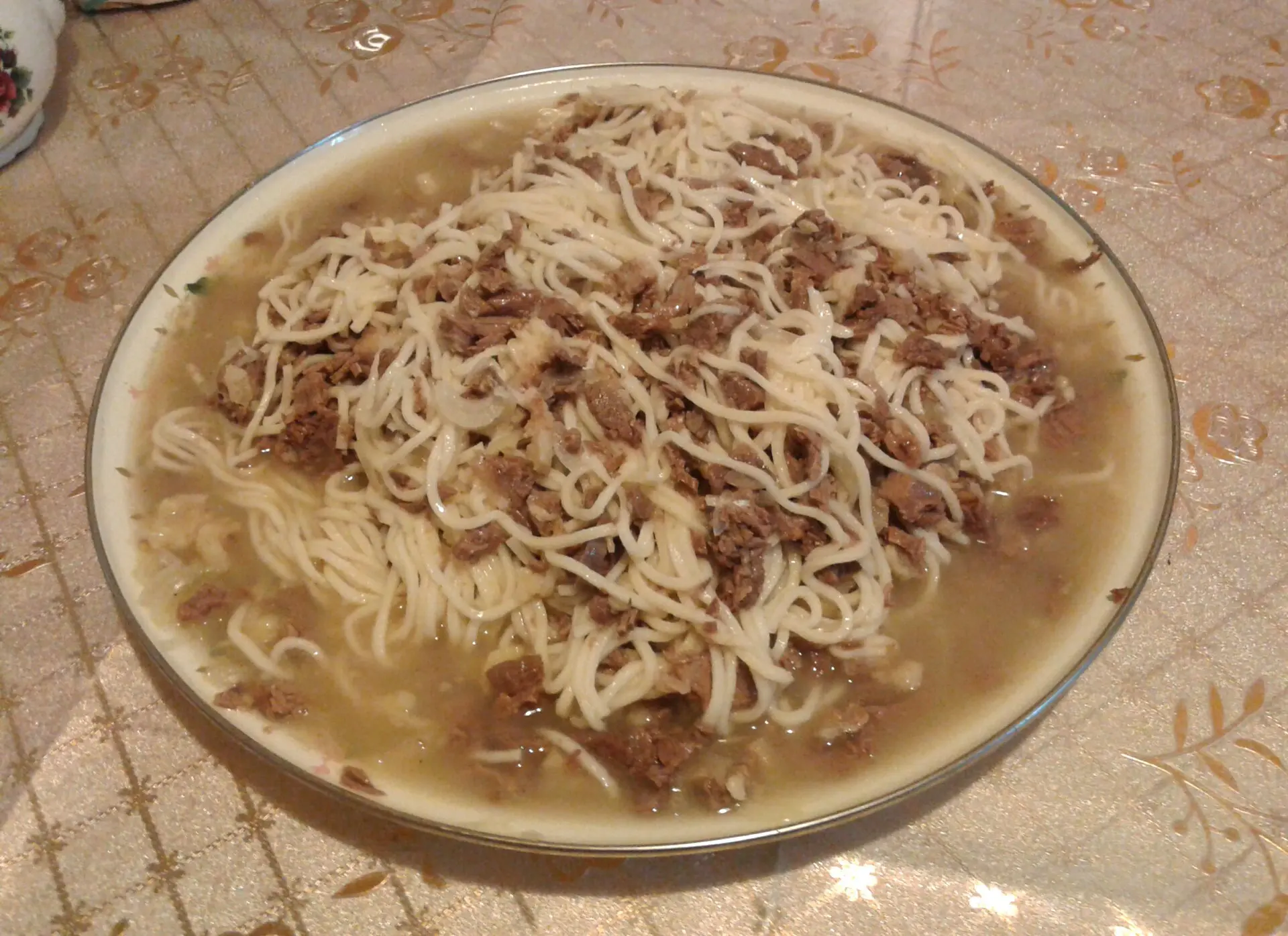
- Beshbarmak: boiled meat served over flat noodles with onion broth, the national dish, eaten with the hands traditionally.
- Plov (osh): rice cooked with meat, carrots and spices, especially popular in the south.
- Lagman: hand-pulled noodles in a spiced meat and vegetable stew or served dry.
- Manti: steamed dumplings filled with lamb or beef, often served with sour cream.
- Samsa: baked pastries filled with meat or pumpkin, sold at roadside stalls.
- Boorsok: fried dough pieces served with tea and jam at gatherings and yurts.
- Kymyz and maksym: fermented mare’s milk and a fermented grain drink, sold in summer.
- Chai: black or green tea is offered everywhere, often with bread, jam and sweets.
Vegetarians will find limited options in rural areas, but salads, bread, dairy, vegetable soups and fried dough dishes are widely available. Bishkek and Karakol have cafes with more varied menus. Ask hosts in advance about dietary needs, and treat kymyz with caution if your stomach is sensitive.
Culture, language and etiquette in Kyrgyzstan
Kyrgyz is the national language and Russian is the official language used widely in cities and business. English is limited outside Bishkek and tourism circles, so a translation app and a few Russian or Kyrgyz phrases such as rahmat (thank you) are useful. The Kyrgyz are traditionally nomadic herders, and horse culture, felt-making and epic storytelling remain important, including the Manas epic.
Hospitality is strong, and guests are often invited for tea and bread. When entering a home or yurt, remove your shoes, avoid stepping on the threshold, and accept tea. Bread is respected, so do not place it upside down or throw it away. Greet older people first and use both hands when giving or receiving items.
Most Kyrgyz are Muslim, but practice is relaxed, especially in the north. Dress modestly in villages and when visiting mosques. Photograph people only with permission, and avoid political discussion. Alcohol is available in cities, but behave discreetly in rural communities and avoid public drunkenness.
Kyrgyzstan itinerary: a 7-day route
This route covers Bishkek and the Issyk-Kul region by road, and works best from June to September. It avoids border areas that governments advise caution about.
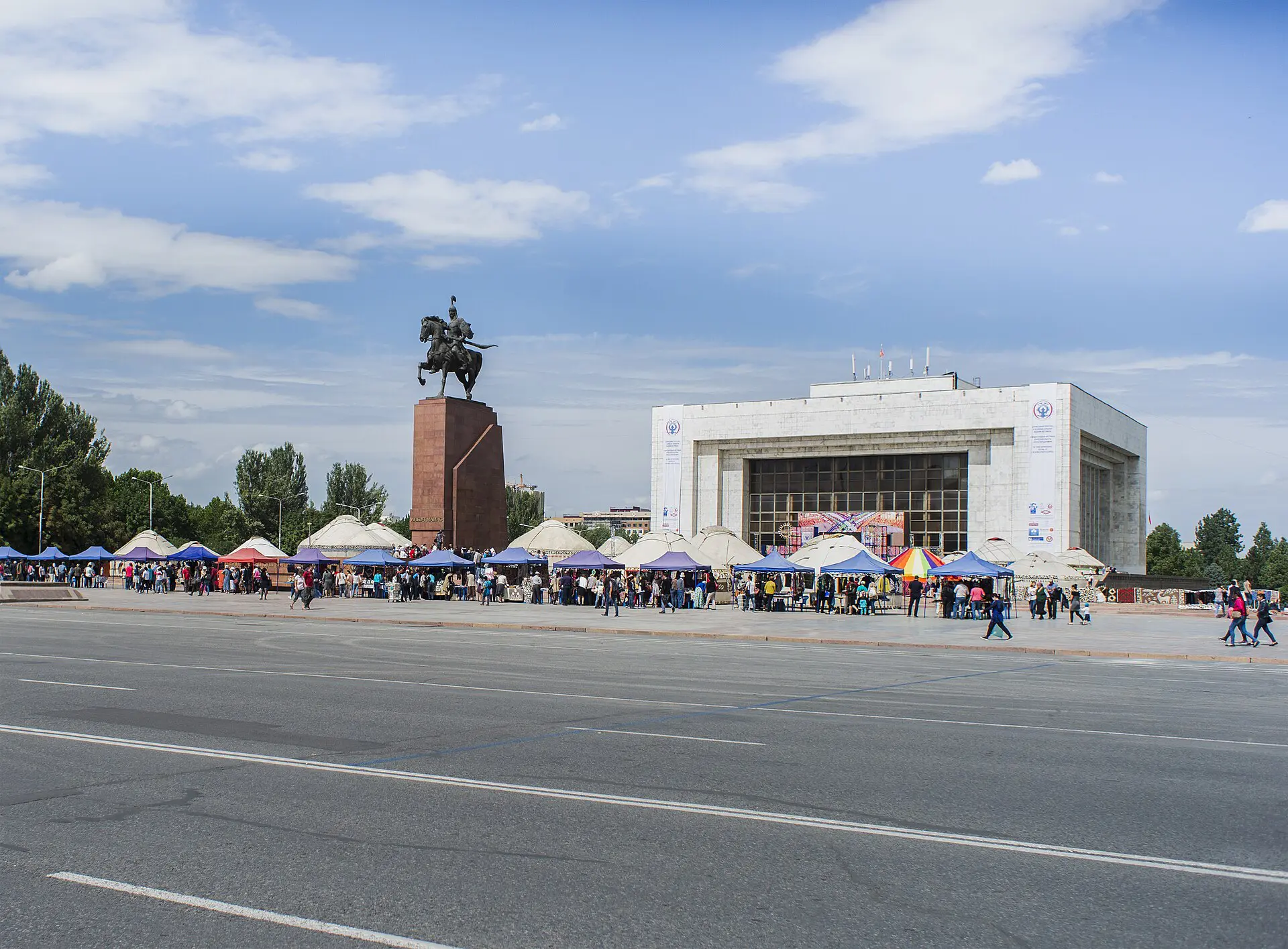
- Day 1, Bishkek: arrive, walk Ala-Too Square and the parks, and eat dinner at a local cafe.
- Day 2, Burana and Issyk-Kul: visit Burana Tower in the morning, then continue to the north shore for about four hours total.
- Day 3, Cholpon-Ata and Karakol: see the petroglyph field, then travel along the lake to Karakol.
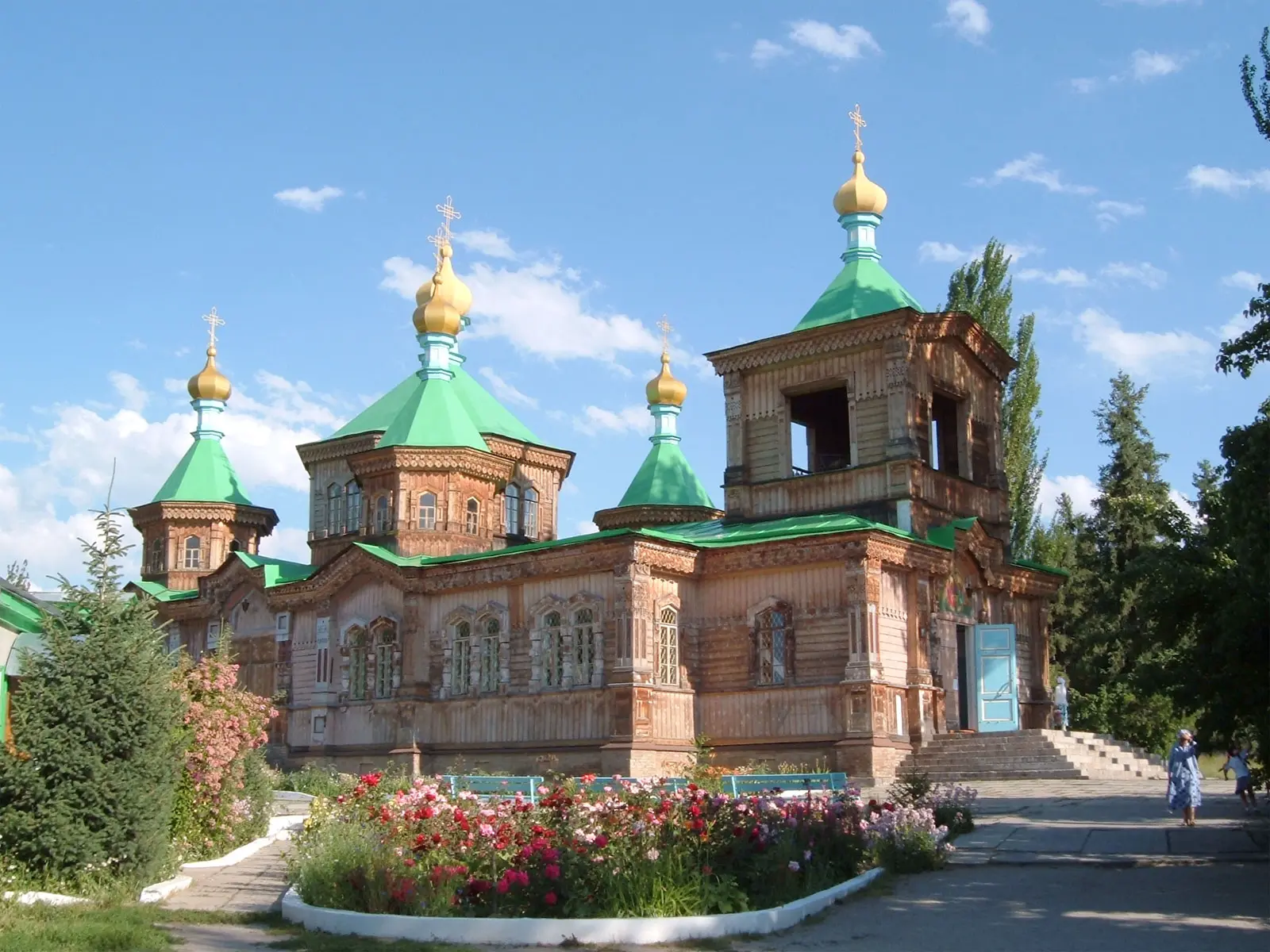
- Day 4, Karakol area: walk to Jeti-Oguz or the Karakol valley and visit the wooden Dungan mosque and old Russian church.
- Day 5, Altyn-Arashan: hike or take a 4×4 up to the valley, and soak in the hot springs.
- Day 6, south shore: drive the south coast to Fairy Tale Canyon and Barskoon waterfalls.
- Day 7, return to Bishkek: allow about five to six hours by road, and keep a buffer before flights.
With more time, add Song-Kol by Kochkor, or fly to Osh for Sulaiman-Too and Arslanbob. In winter, replace trekking days with skiing near Karakol.
Practical tips for Kyrgyzstan
- Money: the som is the local currency. Cards work in Bishkek and some hotels, but carry cash for villages, yurts and transport. ATMs are common in cities.
- SIM and eSIM: local SIMs are cheap and widely available at Manas airport and in town, with decent coverage along main roads but not in remote mountains.
- Plugs: types C and F at 220 V.
- Tipping: not required; about 10 percent in restaurants if no service charge is added.
- Health: carry insurance with evacuation cover, a first-aid kit, sun protection and altitude medication advice from your doctor.
- Packing: layers, a warm sleeping bag for yurt stays, waterproofs and sturdy shoes.
- Community tourism: homestay and trekking bookings through local community networks support villages directly.
- Time: Kyrgyzstan is on UTC+6 all year.
For wider background, see the Wikivoyage Kyrgyzstan guide.
FAQ
Q1What is Kyrgyzstan food like?
Kyrgyzstan food is hearty and meat-based, with beshbarmak, plov, lagman, manti and samsa, plus bread, dairy and tea at every meal. Kymyz, fermented mare's milk, is a summer drink. Vegetarians can manage on salads, bread, soups and dumplings, but options are thinner in villages.
Q2Is Kyrgyzstan safe?
Yes, for most visitors. Crime against tourists is low, and the main risks are road accidents, altitude, weather and border-area tension, especially with Tajikistan. Carry insurance, avoid night driving and check your government's travel advice before you go.
Q3What is the best time to visit Kyrgyzstan?
June to September is best for trekking, yurt stays and Song-Kol, with warm days and open passes. May and October suit lowland towns, and December to March suits skiing. Mountain weather changes fast even in summer, so pack warm layers.
Q4What are the best things to do in Kyrgyzstan?
Stay in a yurt at Song-Kol, hike Altyn-Arashan or the Ala-Kul route, see Fairy Tale Canyon and Burana Tower, explore Osh Bazaar, climb Sulaiman-Too and ride horses across the high pastures.
Q5What are the best places to visit in Kyrgyzstan?
Top places are Issyk-Kul and Karakol, Song-Kol, Ala-Archa near Bishkek, Osh with Sulaiman-Too, Arslanbob and Tash Rabat. Most trips combine Bishkek with either the Issyk-Kul region in the north or Osh in the south.
Q6How many days do you need in Kyrgyzstan?
Seven days covers Bishkek and the Issyk-Kul region at a steady pace. Add three to five days for Song-Kol, Tash Rabat or a multi-day trek, and extra days if you want to fly south to Osh and Arslanbob.
Q7Do I need a visa for Kyrgyzstan?
It depends on your nationality. Many visitors, including EU, UK and US citizens, have recently been able to enter visa-free for up to about 60 days, while others can use an e-visa. Rules change, so confirm with the official Kyrgyz source.