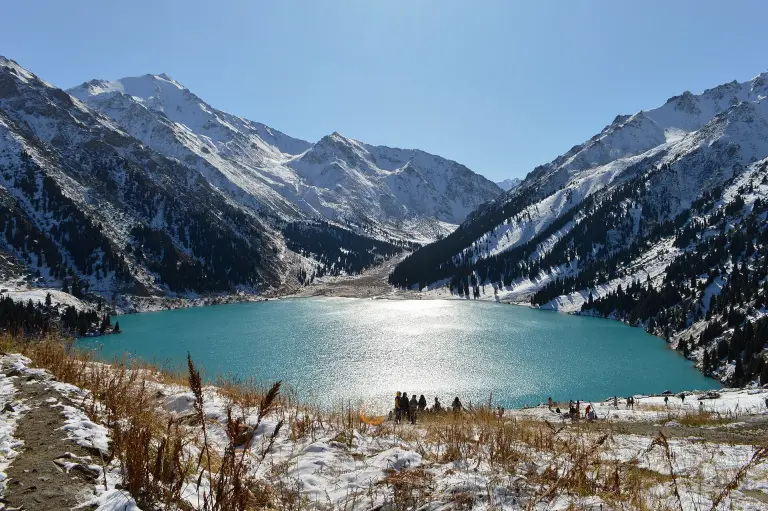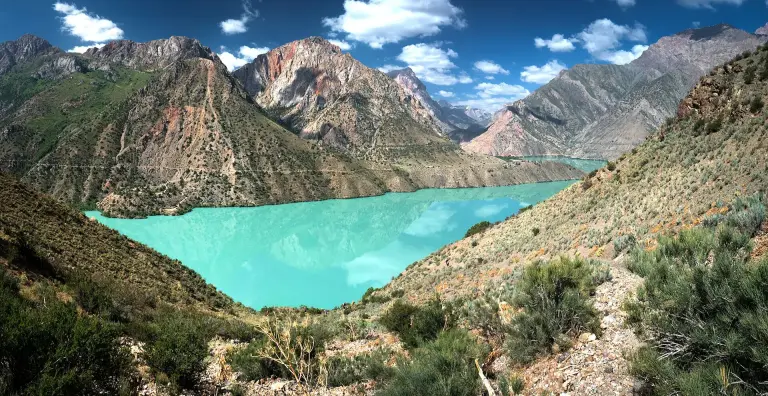
Why visit Turkmenistan
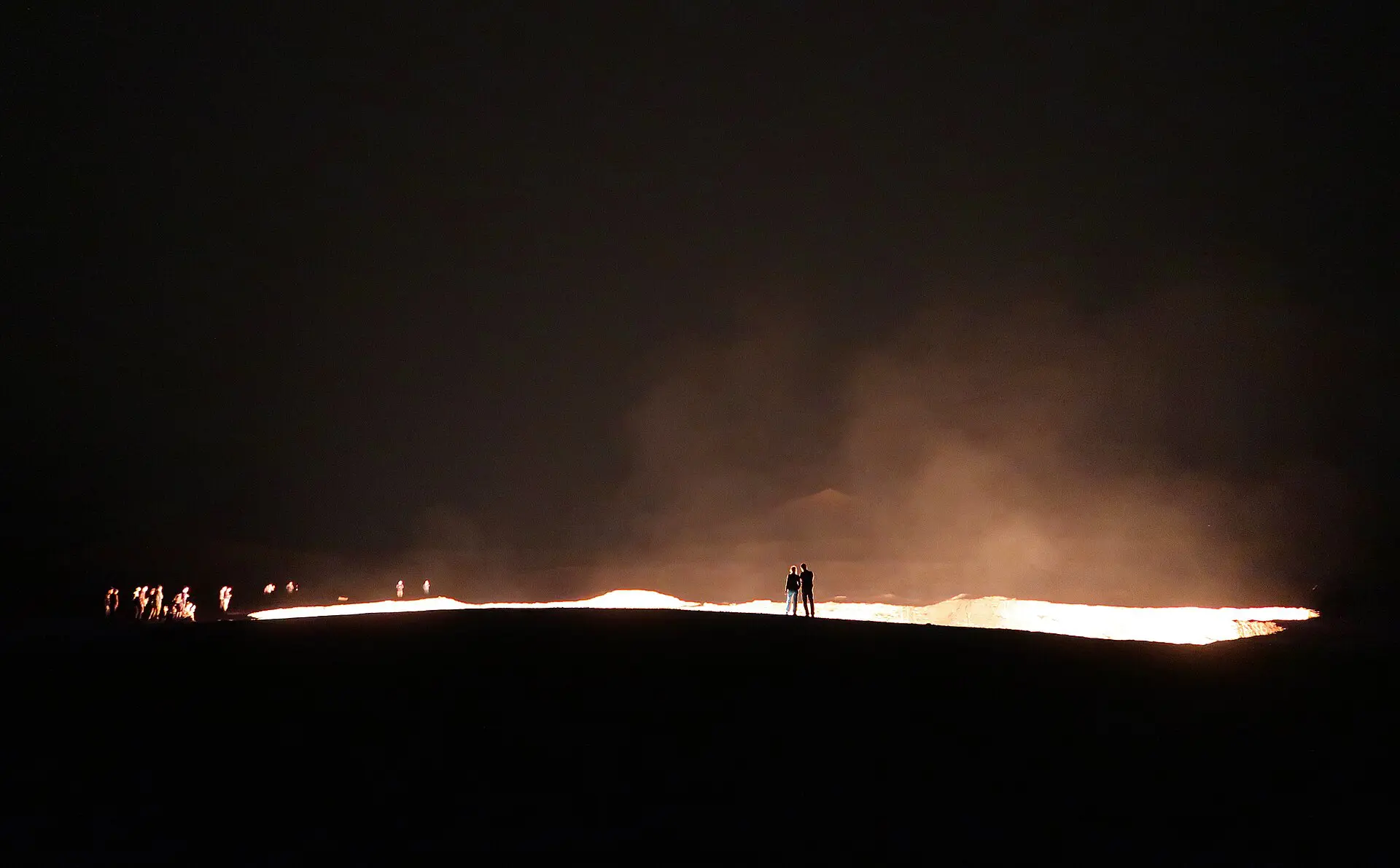
This Turkmenistan travel guide begins with an honest point: it is one of the hardest countries in the world to visit, and the reasons to go are unusual rather than comfortable. Ashgabat holds record-setting white marble buildings, Soviet-era monuments and wide empty boulevards. Beyond the capital, the Karakum Desert covers most of the country, and the Darvaza gas crater, which has burned for decades, is its most famous sight. Ancient Merv was once one of the largest cities in the world. The Wikipedia overview covers the history and politics.
The country suits travellers who value rarity over ease: Silk Road ruins, desert landscapes and cities that few outsiders have seen. Only around 10,000 to 20,000 people visit each year. It does not suit people who want freedom to roam, dislike rules on photography or expect flexible schedules, because tourists must follow an arranged, guided programme and the state keeps tight control over movement and information.
Best places to visit in Turkmenistan
The best places to visit in Turkmenistan are separated by desert, so most itineraries are linear routes with long drives or short domestic flights.
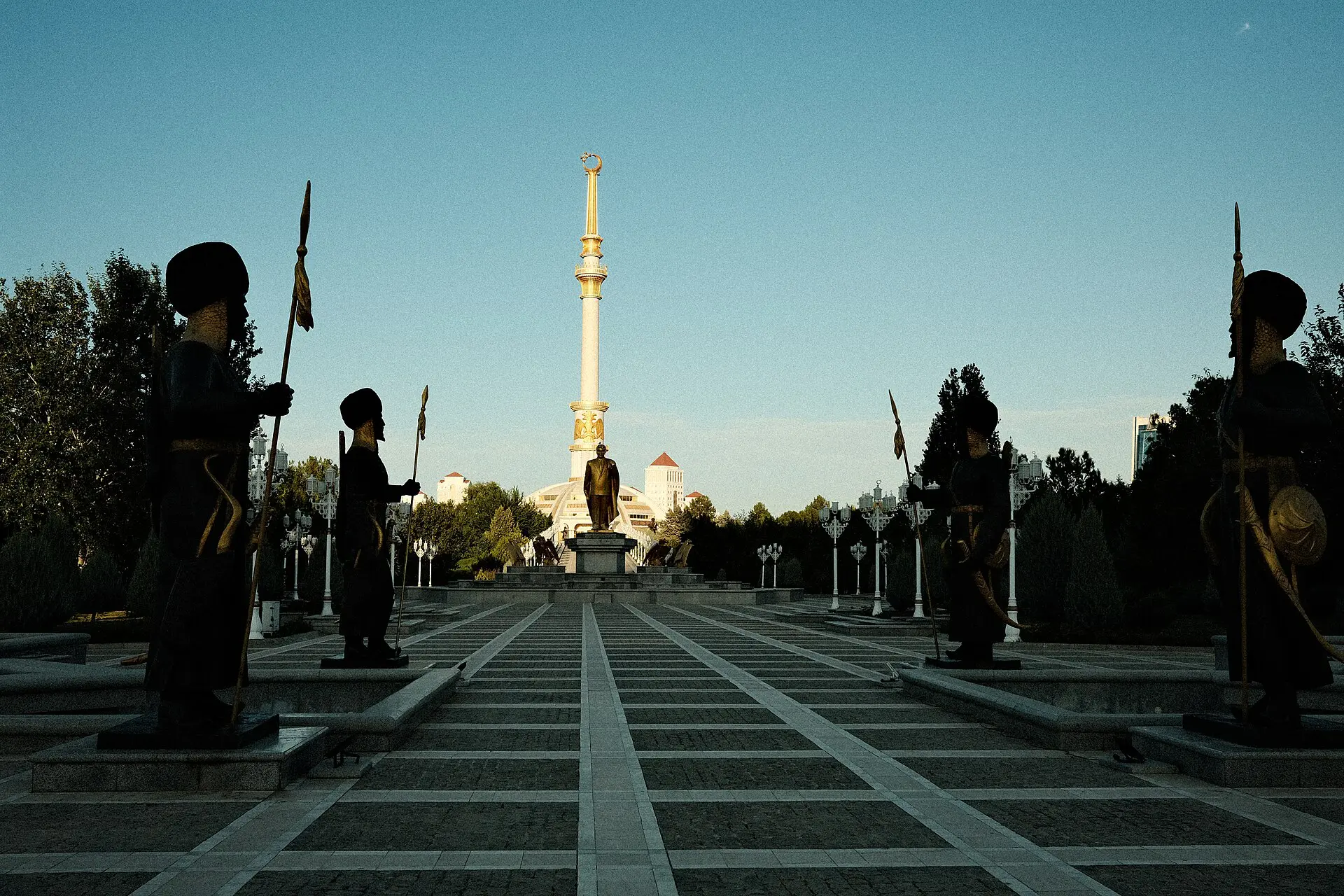
Ashgabat
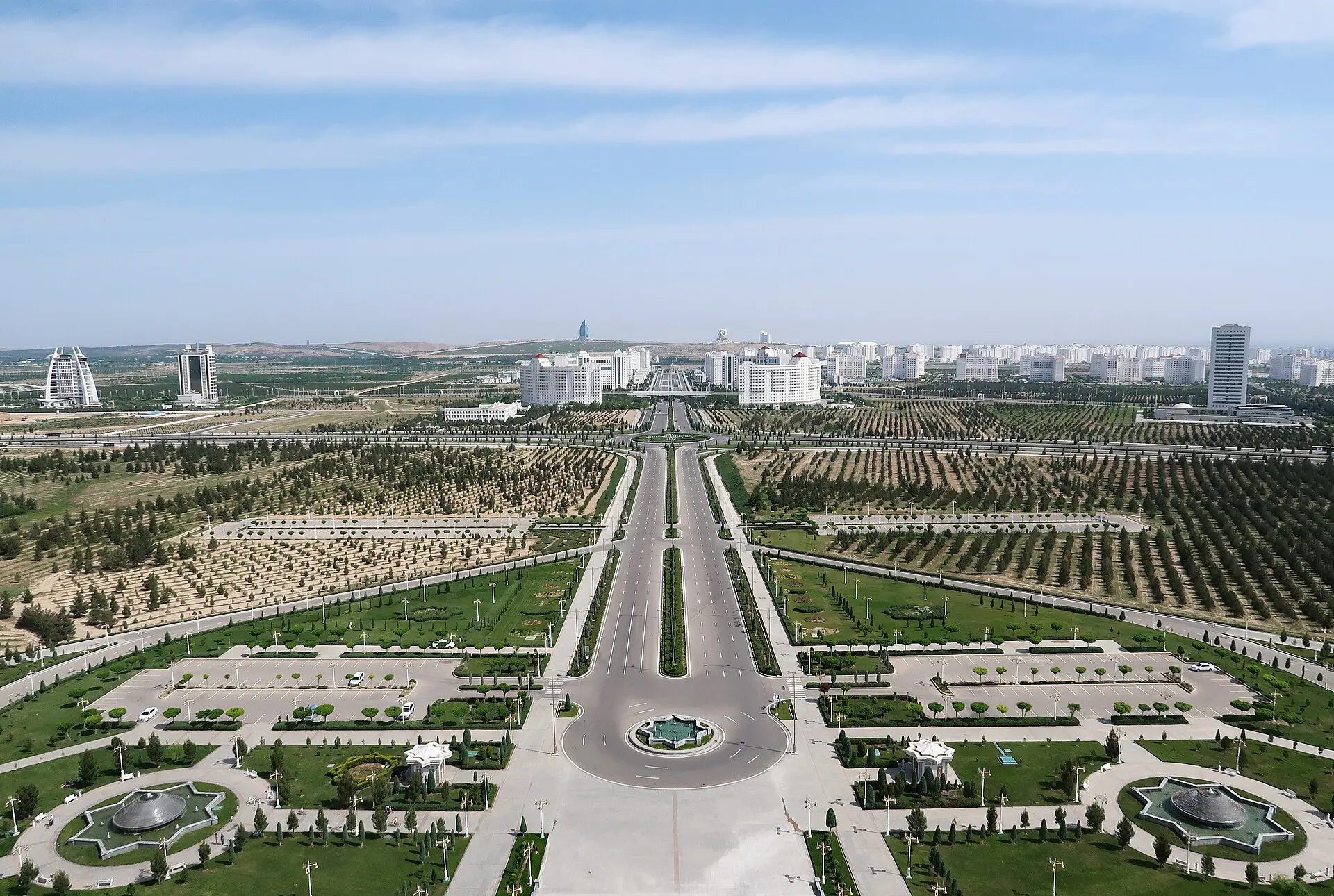
The capital of about a million people sits beneath the Kopet Dag range near the Iranian border. It was rebuilt after the 1948 earthquake and now features marble-clad towers, golden statues and oversized monuments. The Monument of Neutrality and the Independence Monument are popular stops, and photography rules should be checked with your guide.
Nisa
The ruins of Parthian-era Nisa, a UNESCO site, lie just outside Ashgabat. They are low mud-brick remains, but they connect the country to one of the early powers of the region.
Darvaza gas crater
The crater, known as the Door to Hell, is a burning pit in the Karakum, and it is best seen at night. Most tours include a camp nearby.
Merv
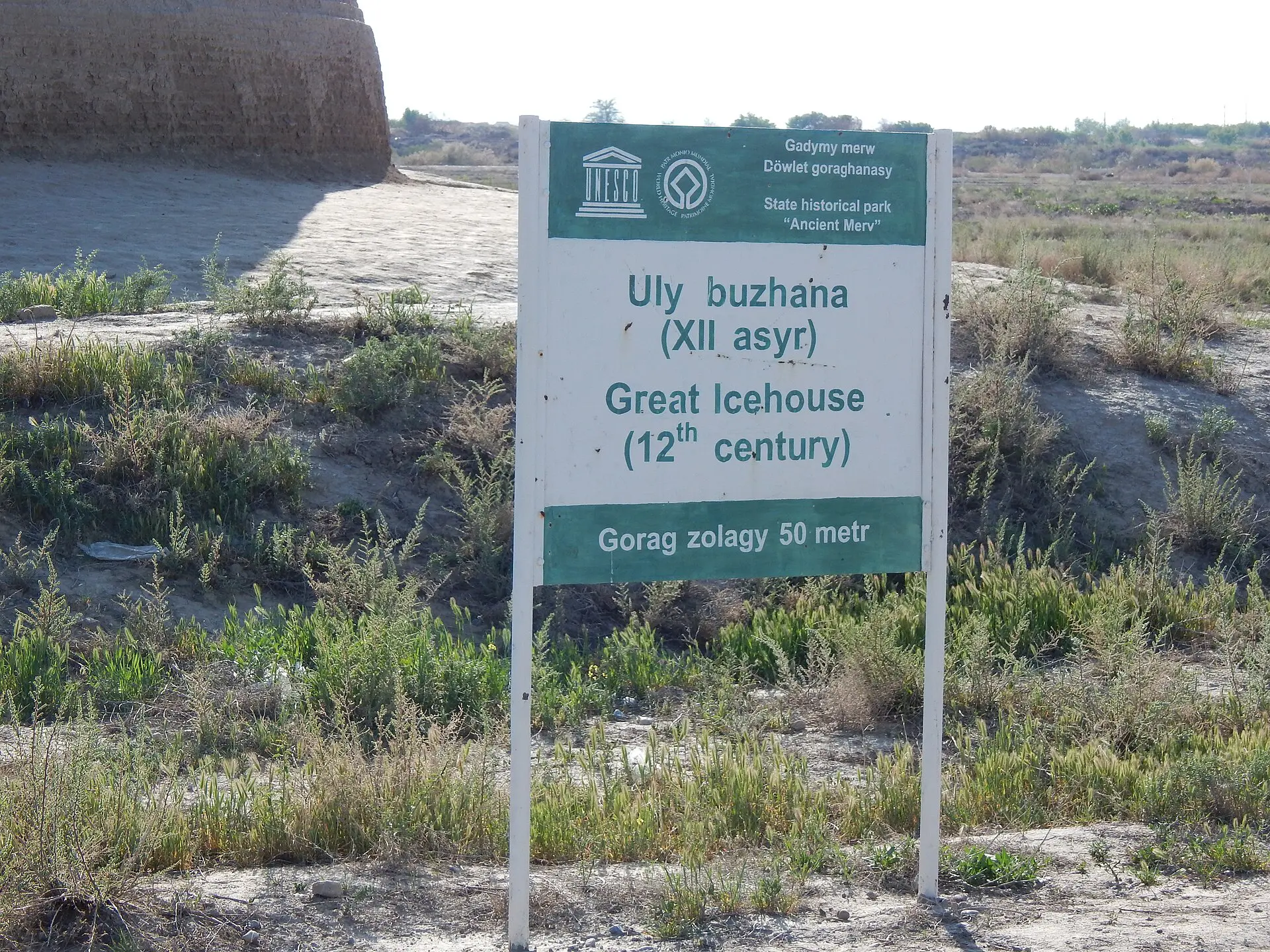
Near modern Mary, this UNESCO site was once a great Silk Road city, with the mausoleum of Sultan Sanjar and mud-brick fortress walls that stretch across the desert.
Konye-Urgench
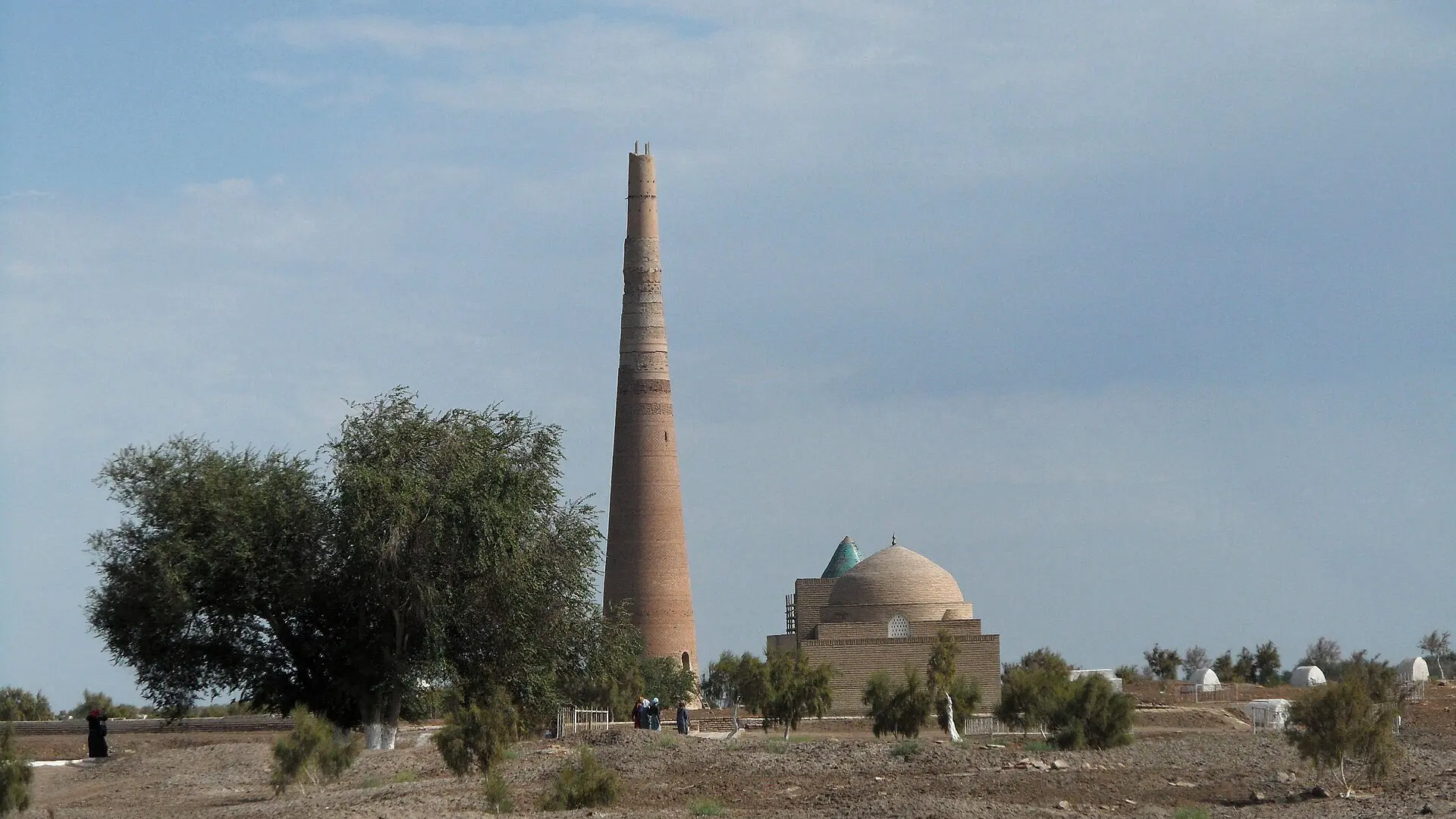
In the north, this UNESCO site has medieval minarets, mausoleums and a domed shrine on the edge of the Khorezm region.
Yangykala Canyon and Awaza
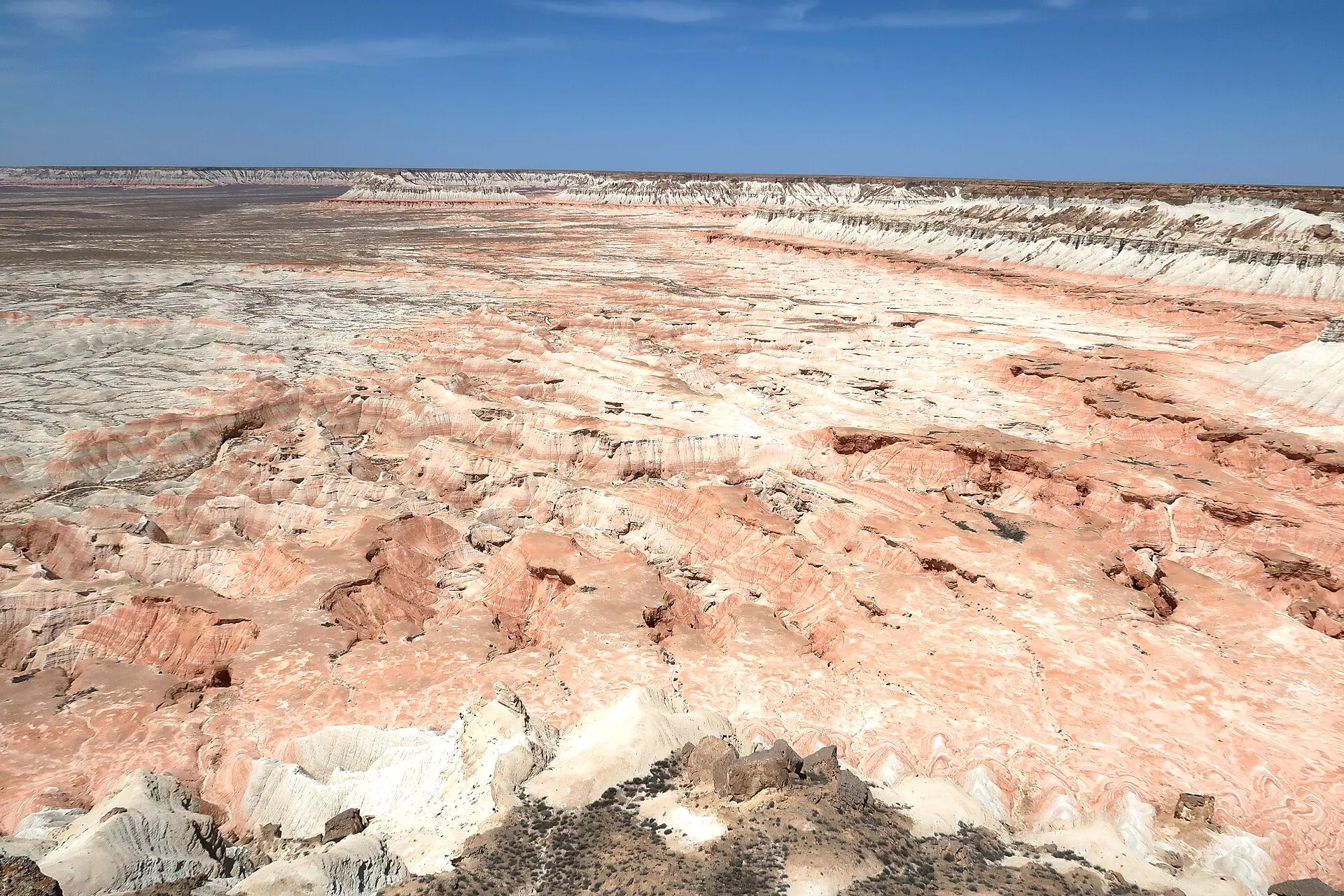
In the west, striped red and white canyon walls lie near the Caspian coast, where Awaza near Turkmenbashi is the country’s resort zone.
Top things to do in Turkmenistan
The top things to do in Turkmenistan are mostly sightseeing, since independent activities such as hiking and self-drive trips are tightly restricted, and your guide will arrange the details.
- See Darvaza at night: the burning crater is most striking after dark, and many tours include a camp at the edge.
- Walk Ashgabat’s marble centre: visit the Independence Monument, the Arch of Neutrality and the large parks, with permission to photograph.
- Tour ancient Merv: walk among the fortress walls and the Sultan Sanjar mausoleum.
- Visit Nisa: explore the Parthian fortress ruins near the capital.
- Browse the Tolkuchka Bazaar: a large market outside Ashgabat for carpets, textiles and local goods; check current opening days.
- See Turkmen carpets: the Carpet Museum in Ashgabat displays one of the world’s largest carpets.
- Visit Konye-Urgench: the minarets and mausoleums are some of the oldest Islamic monuments in Central Asia.
- Meet Akhal-Teke horses: the country prizes this breed, and tours can include a stud visit.
- Swim at Kow Ata: an underground thermal lake in a cave near Ashgabat, with sulphurous warm water.
- Drive to Yangykala Canyon: striped cliffs near the Caspian, reached by 4×4 and camping trips.
Best time to visit Turkmenistan
The best time to visit Turkmenistan is April to May and October to November, when days are warm rather than extreme. Summers in the Karakum are brutally hot, often well above 40 C, and winters bring freezing nights and some snow in the mountains. The desert at Darvaza gets very cold at night in winter, so camping needs proper gear.
| Season | Weather | Crowds and prices | Good for |
|---|---|---|---|
| Spring (Mar-May) | Mild to warm, some rain | Low numbers; tours fill early | Ashgabat, Merv, Darvaza |
| Summer (Jun-Aug) | Extremely hot, 40 C or more | Few visitors | Short city visits only |
| Autumn (Sep-Nov) | Warm to cool | Low | Desert, Silk Road ruins |
| Winter (Dec-Feb) | Cold, with freezing desert nights | Very low | Ashgabat, short trips |
Tours are small and visa processing takes time, so book several weeks or months ahead and expect itineraries to be fixed in advance.
Is Turkmenistan safe to visit?
Turkmenistan has low street crime, but it is not an easy or free country to visit, and the risks come mainly from state control rather than from ordinary crime. Check your government’s current advice, such as the UK FCDO or US State Department pages, before you plan a trip.
Government control. The state tightly controls movement, media and the internet. Taking photographs of government buildings, military sites, police and some infrastructure can lead to questioning or detention. Follow your guide’s instructions and ask before photographing anything official.
Restricted areas. Tourists must usually travel on an arranged itinerary with a guide. Areas near the Afghan border are best avoided, and some zones need special permits. Do not stray from your programme.
Internet and communications. Many websites and messaging apps are blocked, and VPN use is restricted. Expect limited connectivity and possible monitoring.
Health and nature. Extreme heat, dehydration and poor medical care outside Ashgabat are real concerns. Carry travel insurance with medical evacuation, bottled water and any medicines you need. Earthquakes are possible near the Kopet Dag.
Visa and entry requirements for Turkmenistan
Turkmenistan requires a visa for nearly all visitors, and the rules are among the strictest in the world. Tourists have generally had to travel as part of a guided tour arranged by a licensed Turkmen operator, who arranges a letter of invitation. Independent tourist travel is generally not allowed, though conditions can change, so confirm with the official Turkmen embassy or foreign ministry before booking.
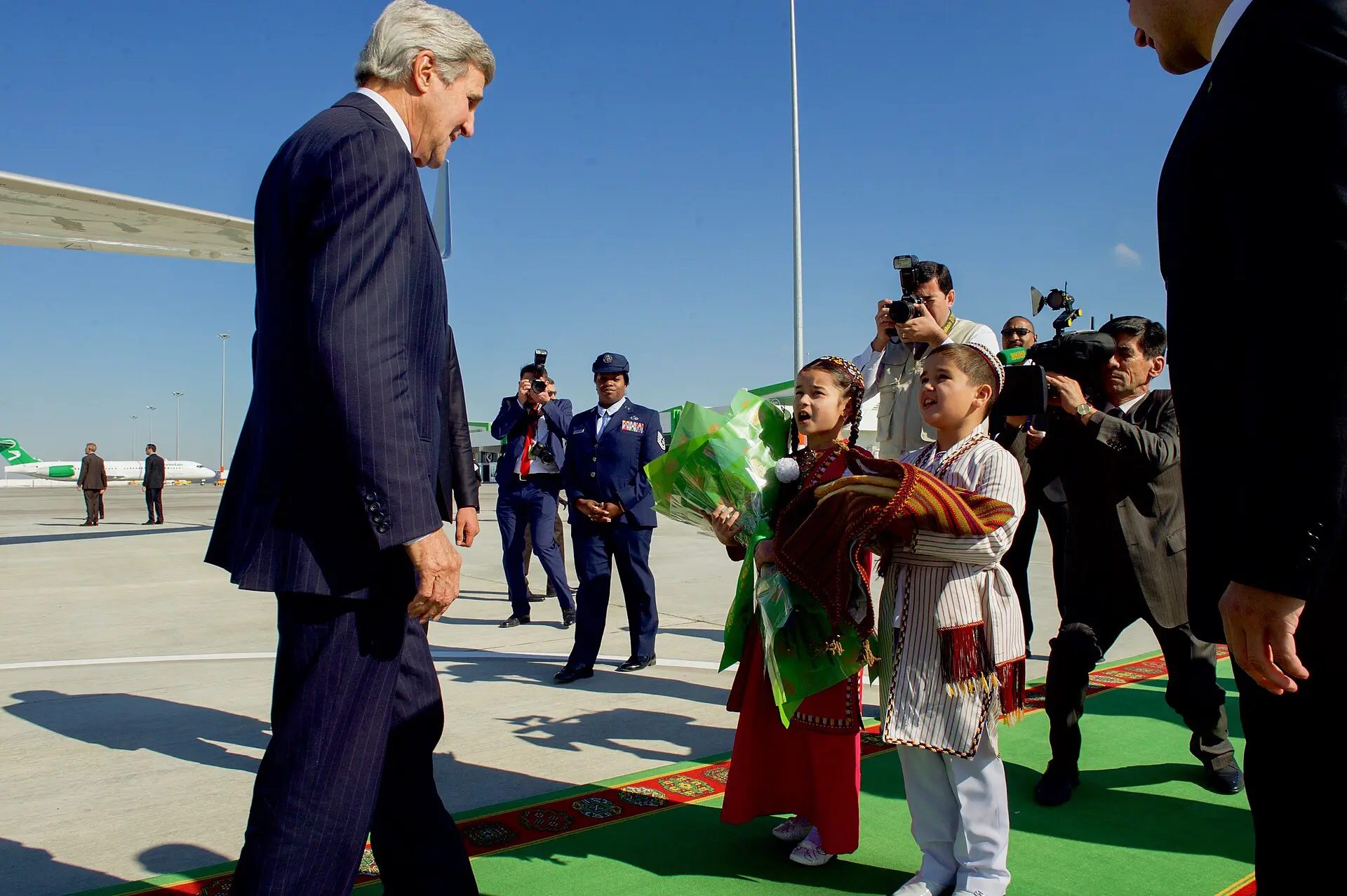
Plan well ahead: processing often takes several weeks, and approval is not guaranteed. You will need a passport valid for a few months beyond your stay, a completed application and the operator’s invitation. A cheaper transit visa of a few days exists for travellers crossing the country, but it comes with its own conditions and routing limits.
Arrivals are usually met at the airport by your guide, who also helps with border formalities. Land crossings with Uzbekistan, Iran and Kazakhstan exist, but you must have the right documents and usually pre-arranged transport. The UNESCO page for Turkmenistan lists the World Heritage sites, though it does not cover entry rules.
Getting to and around Turkmenistan
Most visitors fly into Ashgabat International Airport, whose terminal is shaped like a falcon, from hubs such as Istanbul, Dubai and Moscow. Direct flights are limited, so check schedules. Land crossings exist from Uzbekistan, notably near Turkmenabat and Dashoguz, and from Iran and Kazakhstan, though visitors usually arrange them in advance.
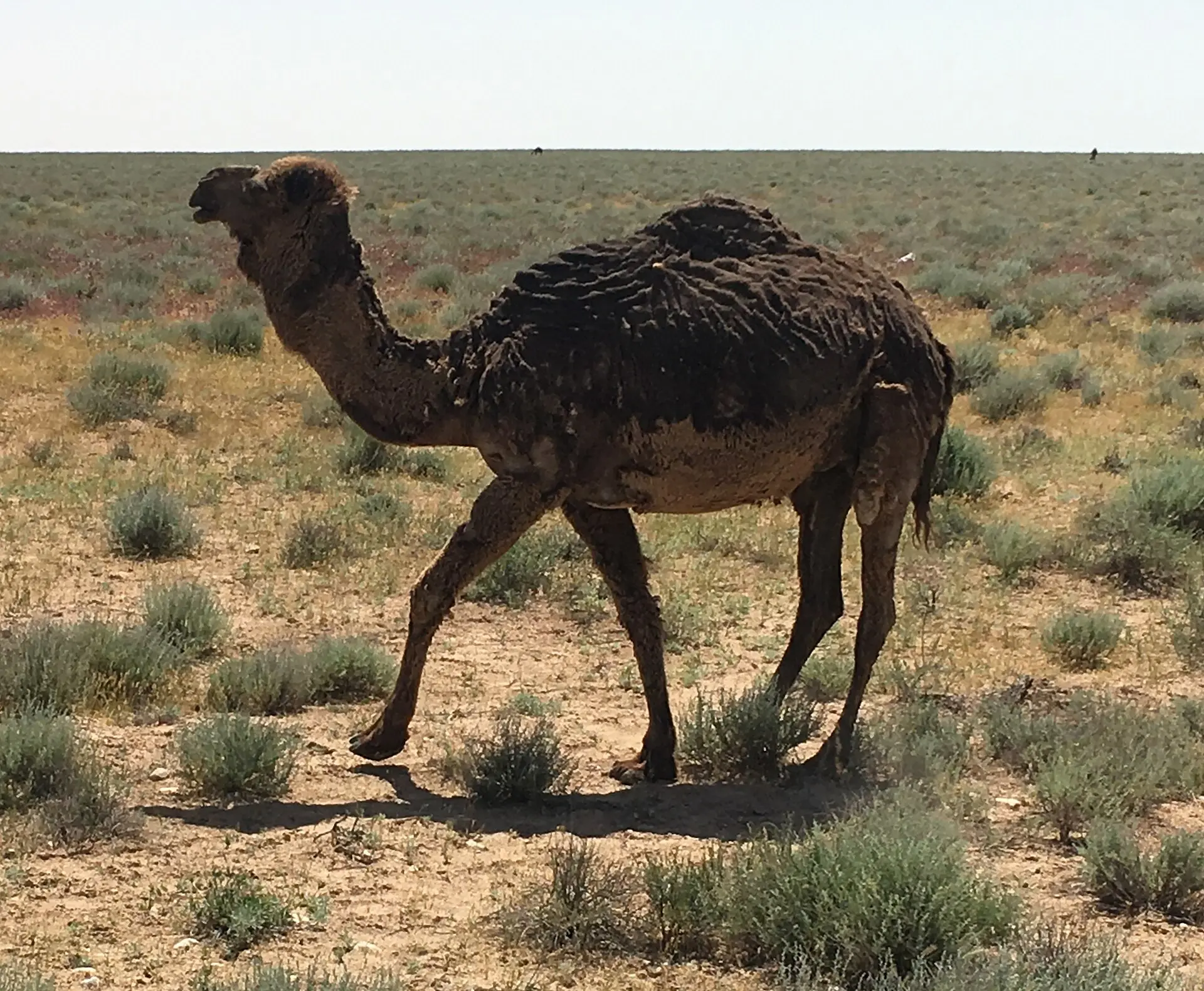
Inside the country, your tour operator provides a driver and vehicle, and this is the standard way to travel. Domestic flights link Ashgabat with Mary, Turkmenabat, Dashoguz and Turkmenbashi, though schedules and availability change. Trains run along the main lines, but foreigners generally travel by road with their guide.
Distances are large and the Karakum highway is long. Ashgabat to Darvaza is roughly four hours by road, and Ashgabat to Mary is longer than a day trip by road, so flights or an overnight stop help. Driving yourself is not realistic for visitors, and you should not rely on public transport, taxis or rental cars on a tourist visa.
How much does a trip to Turkmenistan cost?
Turkmenistan is not a budget destination for visitors, because a guide, driver, visa support and vehicle are usually mandatory. The currency is the Turkmenistan manat (TMT), but tourist services are generally quoted and paid in US dollars, and exchange rates differ between the official and informal markets, so check the current situation. These figures are rough per-person guides for 2026 through a tour operator.
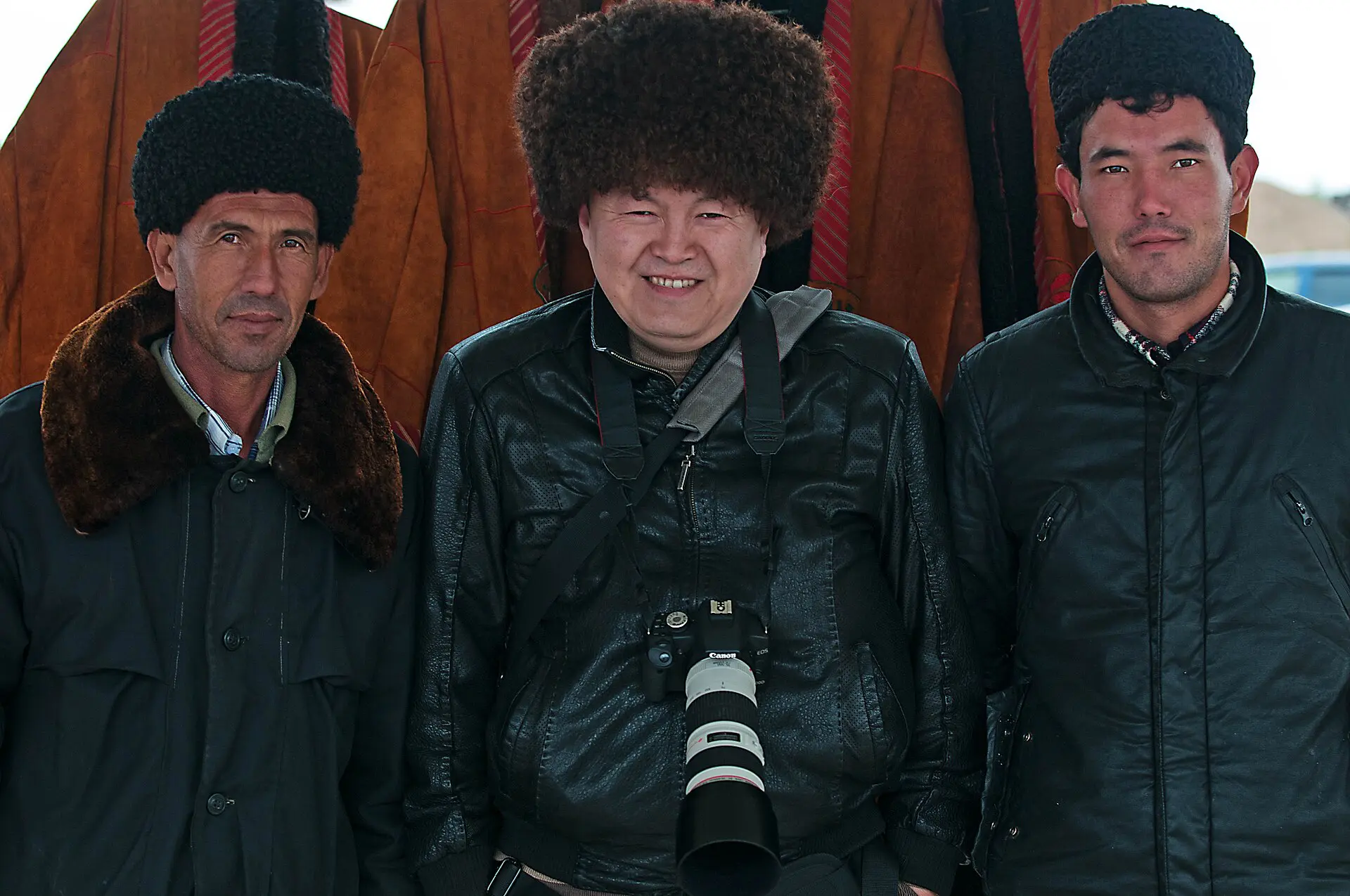
- Budget: around USD 100 to 150 per day on group tours with basic hotels and shared transport.
- Mid-range: around USD 150 to 300 per day for small groups or private tours with comfortable hotels.
- High-end: from around USD 350 per day for private tours with premium hotels and extras.
The main cost drivers are group size, private versus shared transport and the length of the desert driving. Food is inexpensive, and entrance fees are modest. Bring enough cash in clean US dollars, as ATMs and card acceptance for foreign cards are unreliable.
Turkmenistan food and drink
Turkmenistan food is Central Asian, built on lamb, bread, rice, dairy and fresh fruit. Most meals are arranged by your guide, and restaurants in Ashgabat are the main place to try local dishes.
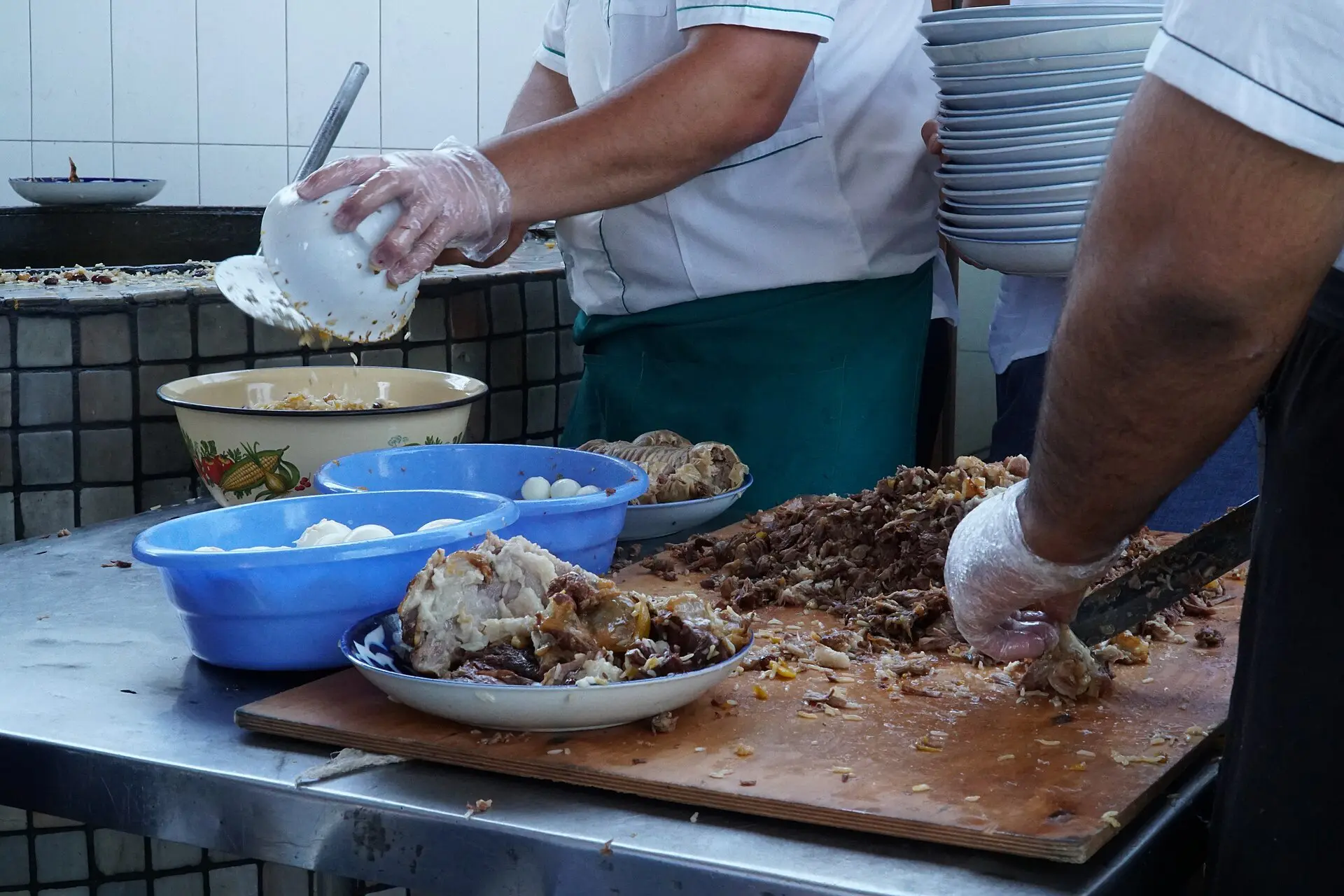
- Plov: rice cooked with lamb, carrots and onions, a staple of celebrations and everyday meals.
- Dograma: a stew of shredded bread and meat in broth, traditionally served at gatherings.
- Manty: steamed dumplings filled with lamb or pumpkin.
- Ichlekli: a baked meat pastry, similar to a large pie.
- Chorek: round tandoor-baked bread, often fresh from roadside ovens.
- Shashlik: grilled skewered meat served with onions and flatbread.
- Melons and fruit: Turkmen melons are prized and eaten fresh in summer and early autumn.
- Drinks: green and black tea, fermented camel milk (chal) and local beer or vodka in cities.
Vegetarians will find limited choices beyond salads, bread and vegetable soups, so tell your operator in advance. Alcohol is available in cities but not widely in small places, and it is wise to drink only bottled water.
Culture, language and etiquette in Turkmenistan
Turkmen is the official language, a Turkic language related to Turkish and Azeri, and Russian is widely used for business and by older people. English is spoken by guides but rarely elsewhere, so a phrasebook helps. Useful words include salam (hello) and sag bol (thank you).
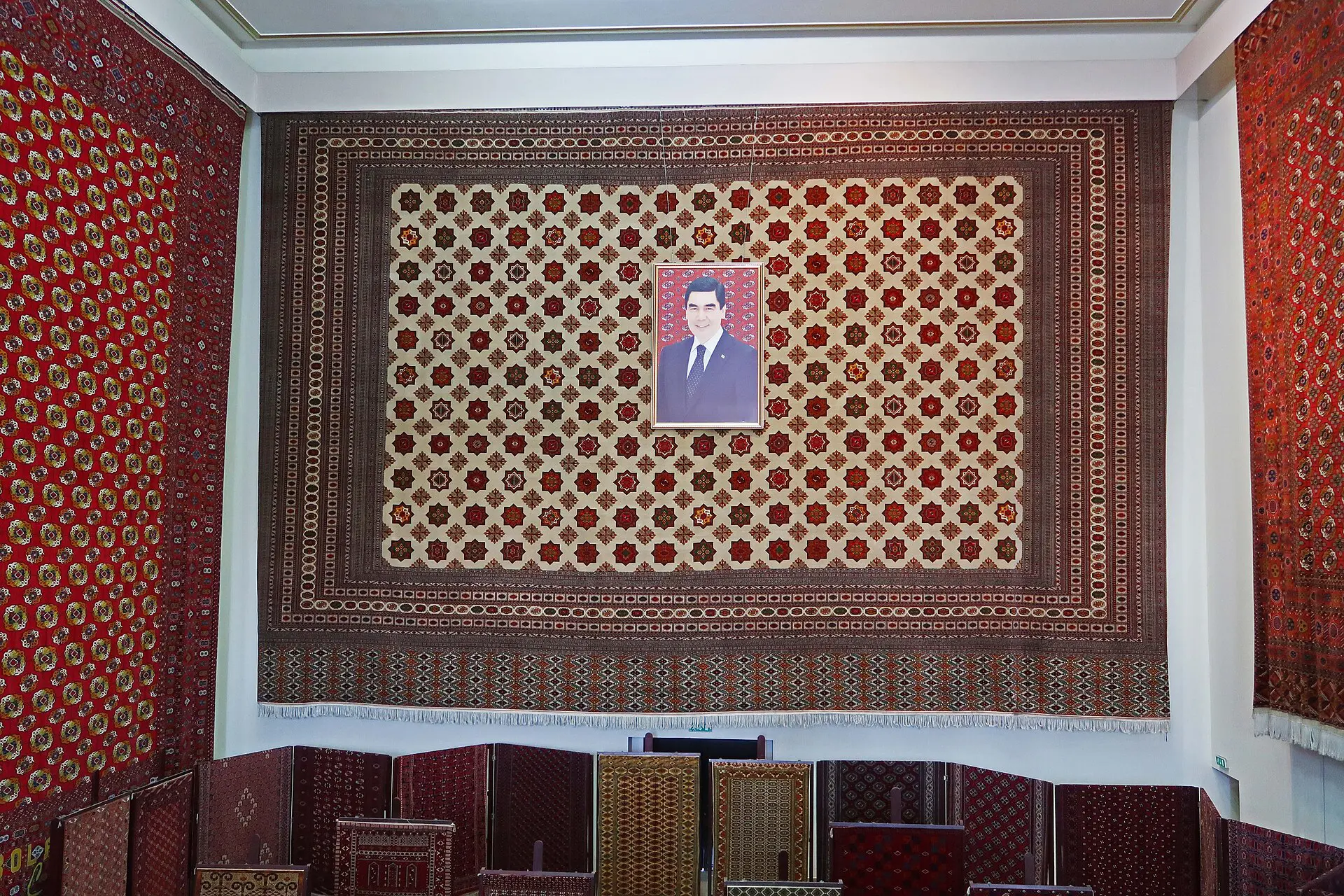
Turkmen society is strongly shaped by clan and family ties, with deep traditions of hospitality and horse breeding. Most people are Sunni Muslim in a relaxed tradition. The state encourages a personality cult around its leaders, and Turkmen pride in carpets, horses and neutrality is visible everywhere.
Dress modestly, particularly at mosques and shrines, where you should cover shoulders and knees and remove your shoes. Do not criticise the president or government, and avoid discussing politics, human rights or religion in public. Be careful with photography: ask your guide before photographing buildings, officials or soldiers. Accept tea or food when offered, use your right hand and greet elders first. Public affection and alcohol-related behaviour should stay discreet.
Turkmenistan itinerary: a 7-day route
This route is typical of guided tours and avoids restricted areas near the Afghan border. Your operator sets the exact order, and flights and permits can shift it.
- Day 1, Ashgabat: arrive, meet your guide and tour the marble city centre and monuments.
- Day 2, Nisa and Kow Ata: visit the Parthian ruins and the underground thermal lake, then browse the carpet museum.
- Day 3, Darvaza: drive to the Karakum Desert, stopping at villages, and camp near the crater.
- Day 4, Konye-Urgench: travel north to the UNESCO monuments, and stay in Dashoguz or nearby.
- Day 5, Return to Ashgabat: fly or drive back, with a relaxed evening.
- Day 6, Merv: fly or drive to Mary and tour the ancient city walls and mausoleums.
- Day 7, Departure: return to Ashgabat for your flight or onward border crossing.
With extra days, add Yangykala Canyon and Awaza on the Caspian coast. Confirm all stops with your operator, since permits and conditions change.
Practical tips for Turkmenistan
- Money: bring enough cash in clean, recent US dollars, because foreign cards and ATMs are unreliable. The manat is the local currency, and exchange conditions can be unusual.
- SIM and internet: local SIMs may be hard for foreigners to obtain, and many sites and apps are blocked. Plan for limited connectivity and download maps and documents beforehand.
- Plugs: types C and F at 220 V.
- Tipping: not expected, but small tips for guides and drivers are welcome.
- Health: bring a full medical kit, sun protection, rehydration salts and travel insurance with evacuation cover.
- Packing: modest, light clothing for heat, warm layers for desert nights, a hat, sturdy shoes and a scarf for dust.
- Documents: carry your passport and registration papers at all times, and keep photocopies separate.
For more background, see the Wikivoyage Turkmenistan guide.
FAQ
Q1Can tourists visit Turkmenistan?
Yes, but with heavy restrictions. Nearly all visitors need a visa, which is usually arranged with a licensed Turkmen tour operator, and travel is typically guided. Independent travel is generally not allowed. Check the official Turkmen source for current rules.
Q2Is Turkmenistan safe to visit?
Street crime is low, but the state tightly controls movement, photography and communications. Follow your guide, avoid photographing official sites, stay away from areas near the Afghan border and check your government's current travel advice before you book.
Q3What is the best time to visit Turkmenistan?
April to May and October to November have the most comfortable temperatures. Summer is extremely hot in the Karakum, often above 40 C, and winters are cold with freezing desert nights. Book several weeks ahead because visa approval takes time.
Q4What are the best things to do in Turkmenistan?
Top picks are the Darvaza gas crater at night, Ashgabat's marble monuments, the Silk Road ruins of Merv and Nisa, the minarets of Konye-Urgench, Kow Ata's underground lake and the Tolkuchka Bazaar and carpet museum.
Q5Do you need a guide in Turkmenistan?
In practice, yes. Tourists have generally had to travel with a guide arranged through a licensed Turkmen tour operator, which also supports the visa invitation. Rules can change, so confirm with the operator and the official Turkmen source.
Q6How much does a trip to Turkmenistan cost?
Expect roughly USD 150 to 300 per day through a tour operator, covering guide, driver, hotels and visa support. Group tours cost less and private tours more. Bring cash in US dollars, because foreign cards are unreliable.
Q7How many days do you need in Turkmenistan?
Seven days covers Ashgabat, Nisa, Darvaza, Konye-Urgench and Merv at a steady pace with some flights. Five days works for a shorter loop around Ashgabat and Darvaza, and extra time lets you add Yangykala Canyon and the Caspian coast.