Why visit Tajikistan
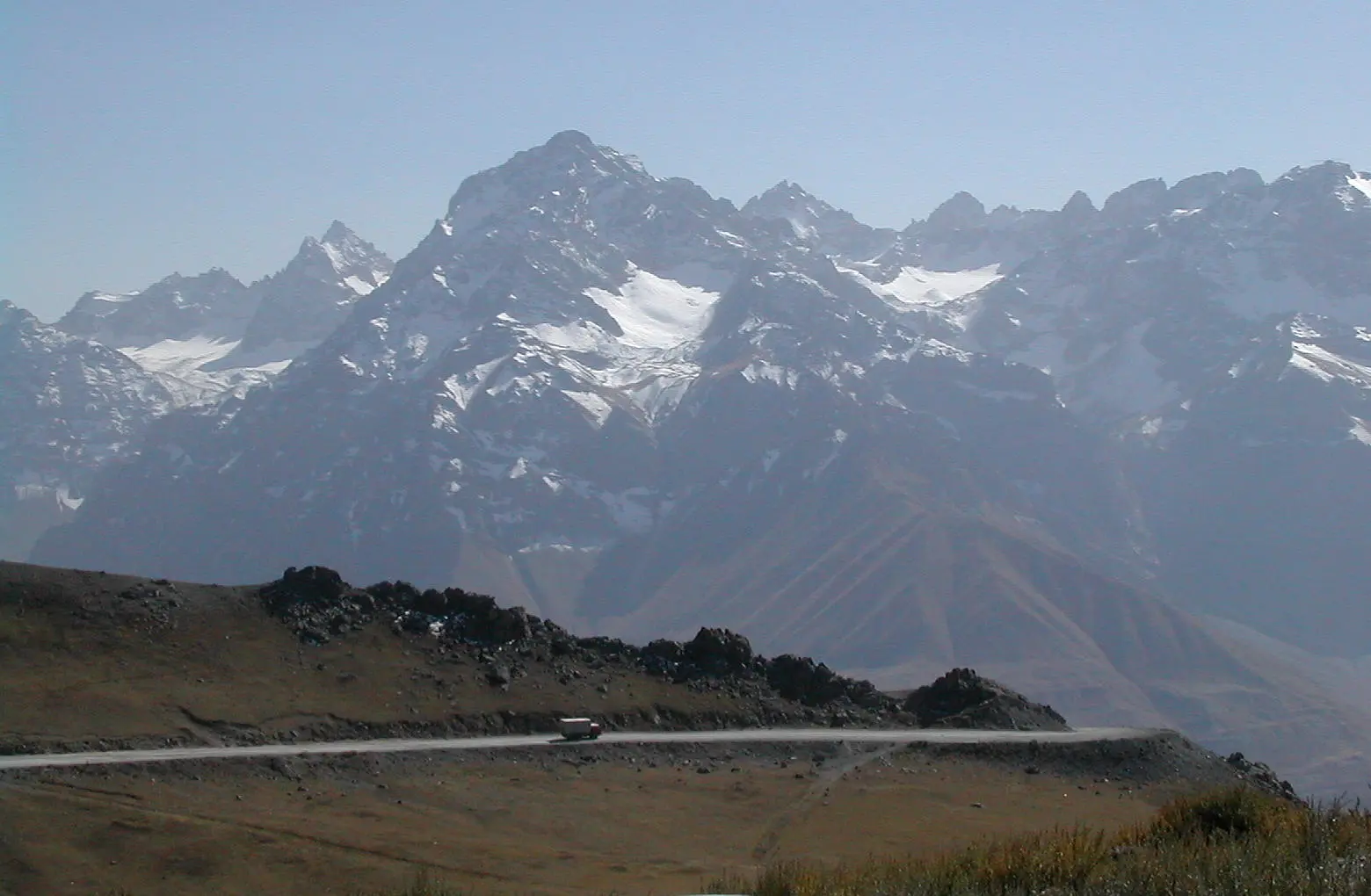
This Tajikistan travel guide starts with the landscape: more than 90 percent of the country is mountainous, and the peaks of the Pamirs and the Fann range rise above 5,000 metres. Tajikistan is landlocked, covers about 143,100 square kilometres and sits on the old Silk Road, so ancient towns, Sogdian ruins and high alpine lakes sit within a few days of each other (see the Wikipedia overview for background). Locals call the country Tojikiston, and its people are mainly Tajiks, who speak a Persian language rather than a Turkic one.
Tajikistan suits independent travellers who accept long journeys, basic homestays and changing conditions in exchange for far fewer crowds than in Nepal or Pakistan. It is best for trekkers, road-trippers on the Pamir Highway, cyclists, photographers and anyone curious about Soviet and Persian heritage. Comfort seekers and travellers on a tight schedule will find it slow going.
Best places to visit in Tajikistan
The best places to visit in Tajikistan are scattered across long mountain roads, so choose one or two regions rather than trying to see everything.
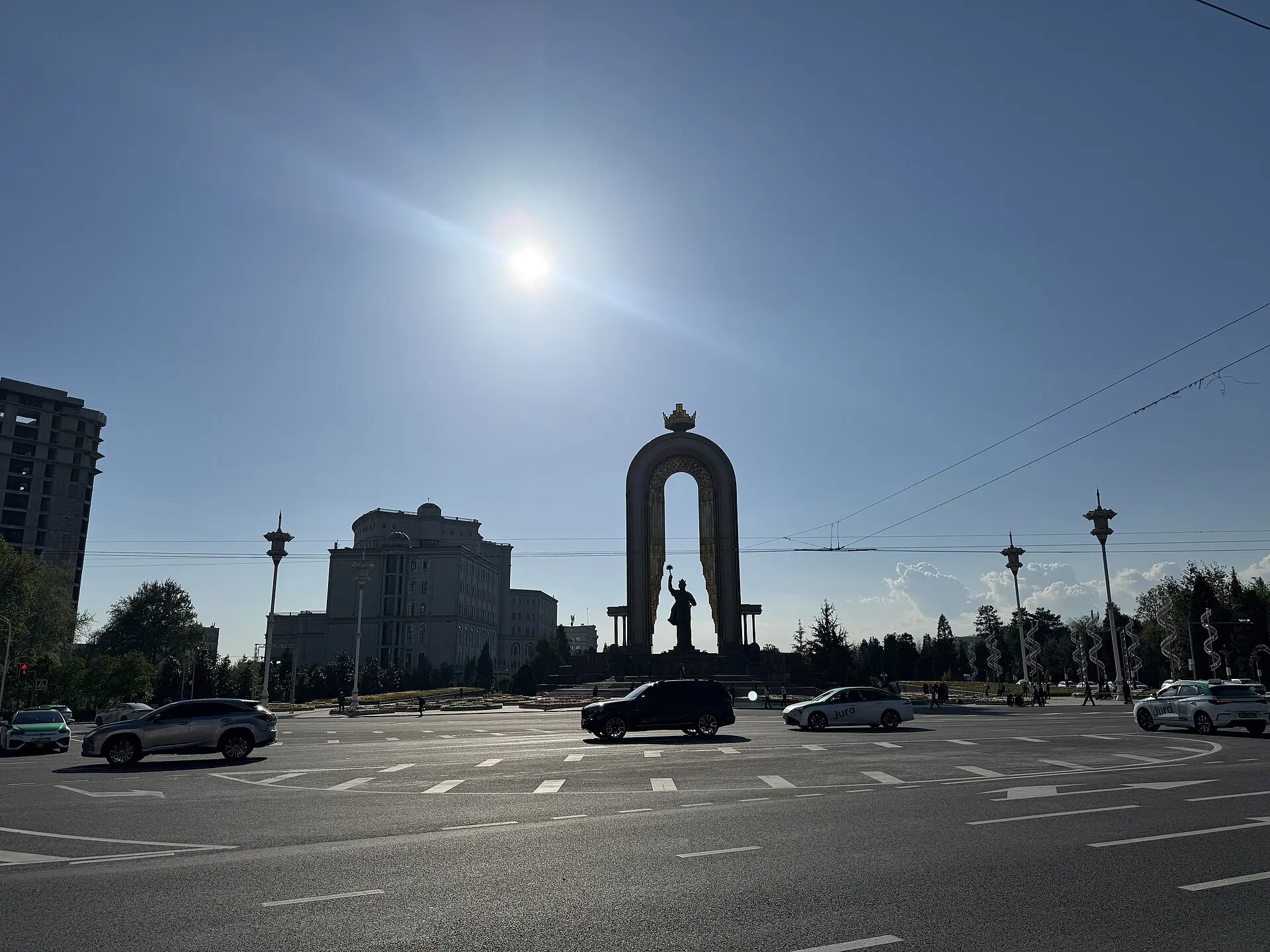
Dushanbe
The capital, home to more than a million people, has wide Soviet-era avenues, tree-lined parks, museums and tea houses. It is the main entry point and the best place to arrange permits, cars and onward transport.
Fann Mountains and Iskanderkul
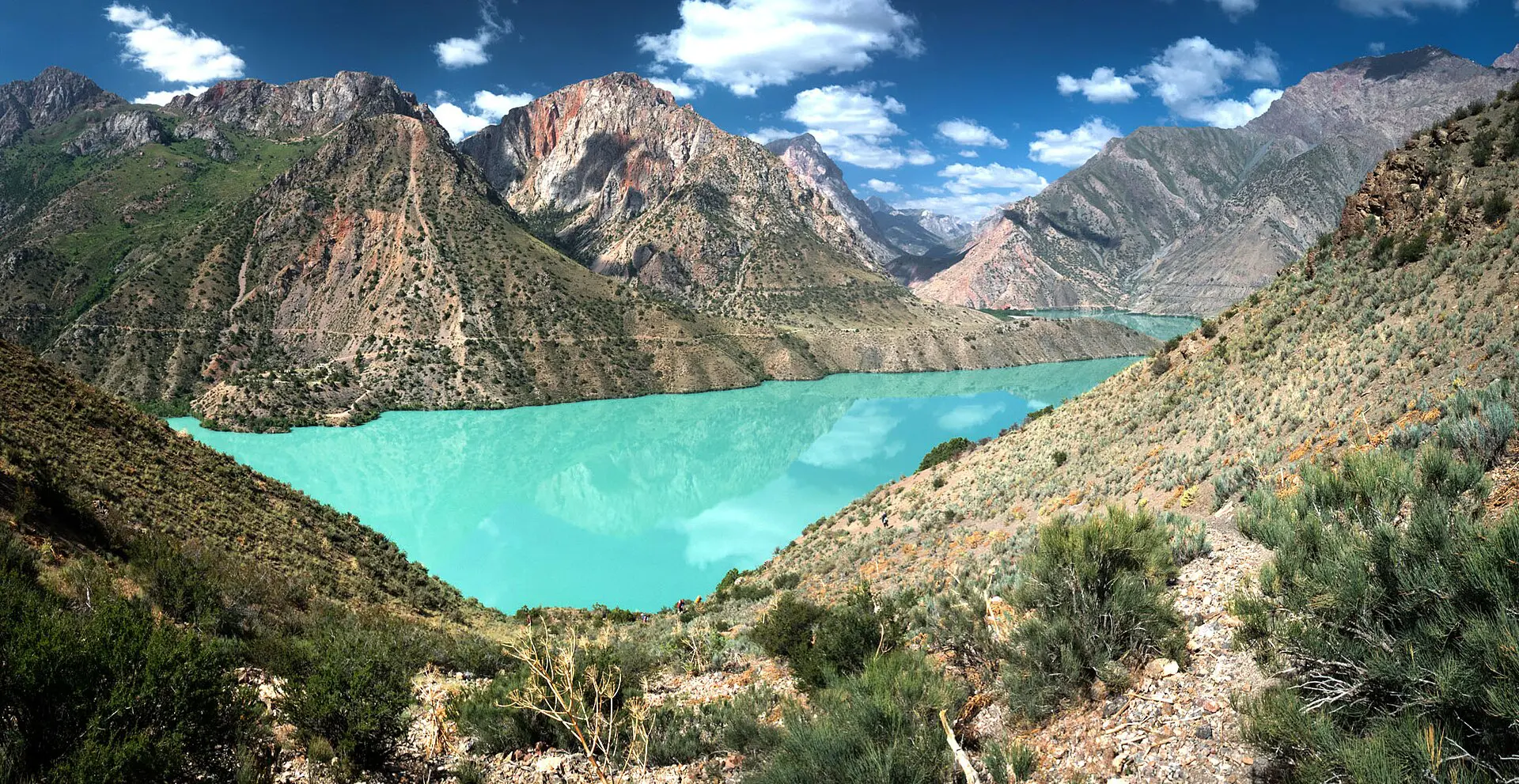
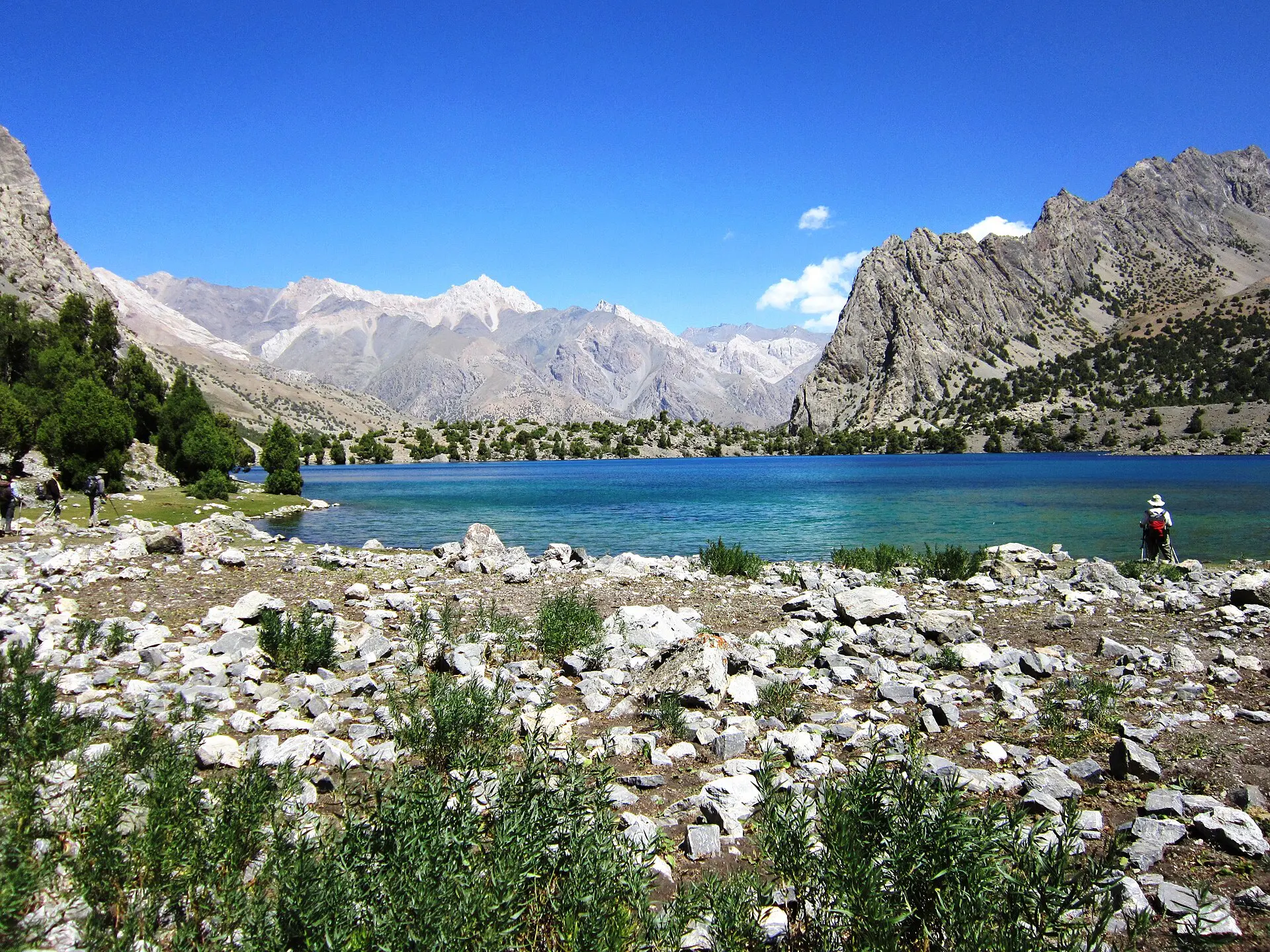
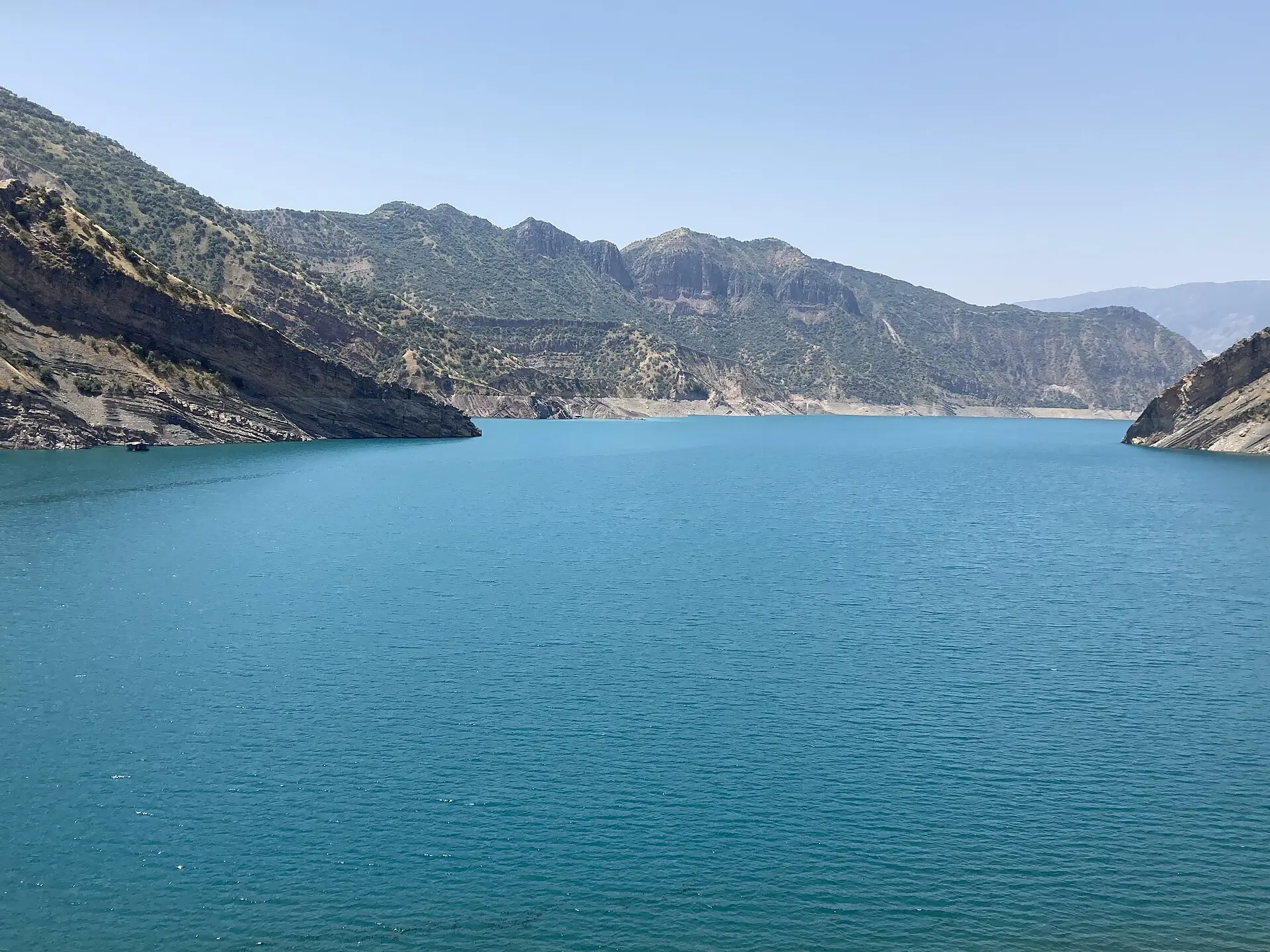
North of Dushanbe, the Fann Mountains offer turquoise lakes and multi-day treks with relatively easy access. Iskanderkul, a glacial lake linked to Alexander the Great in local legend, is the usual first stop, and the Seven Lakes valley is a classic hike.
Khorugh and the Wakhan Valley
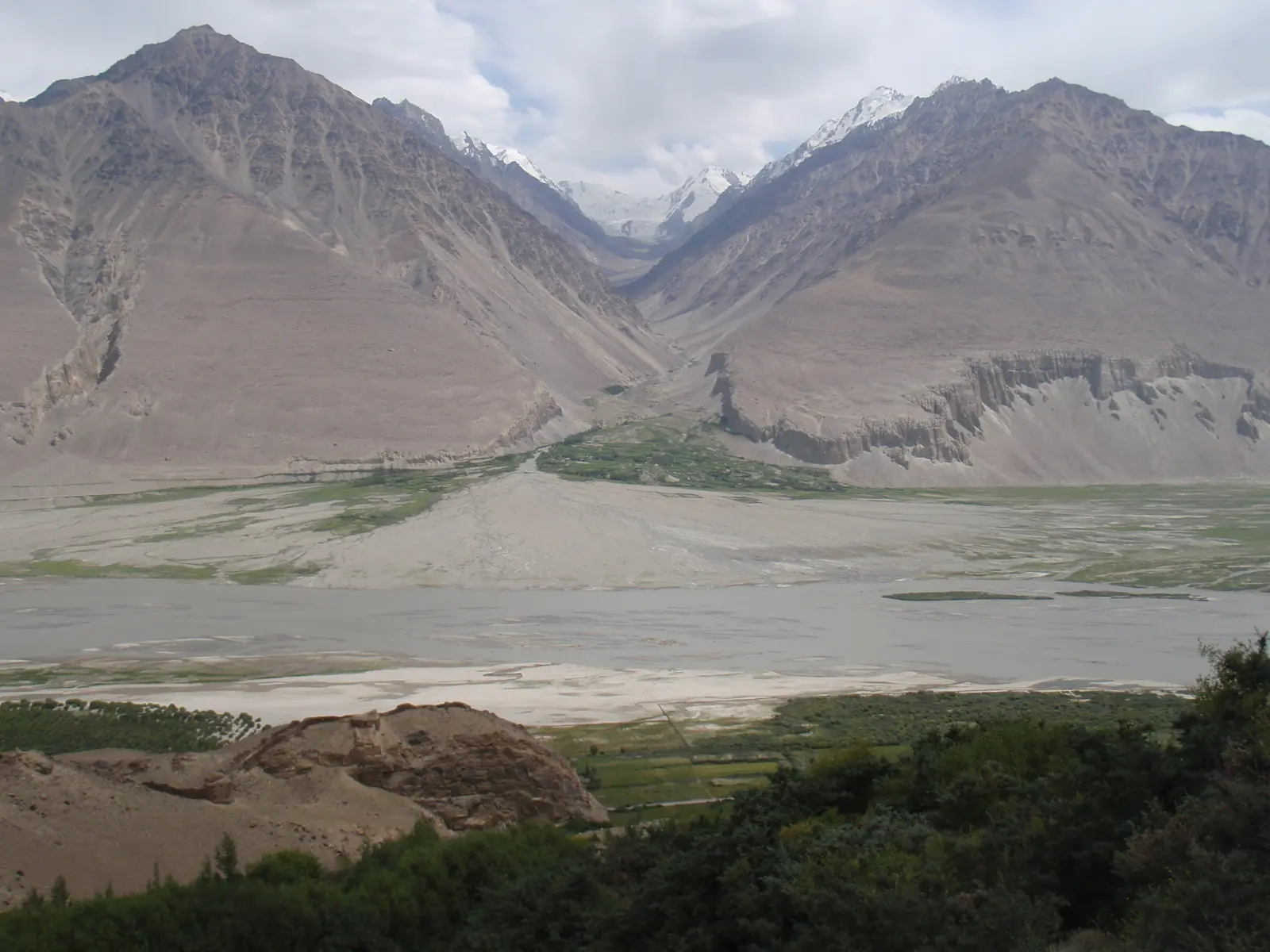
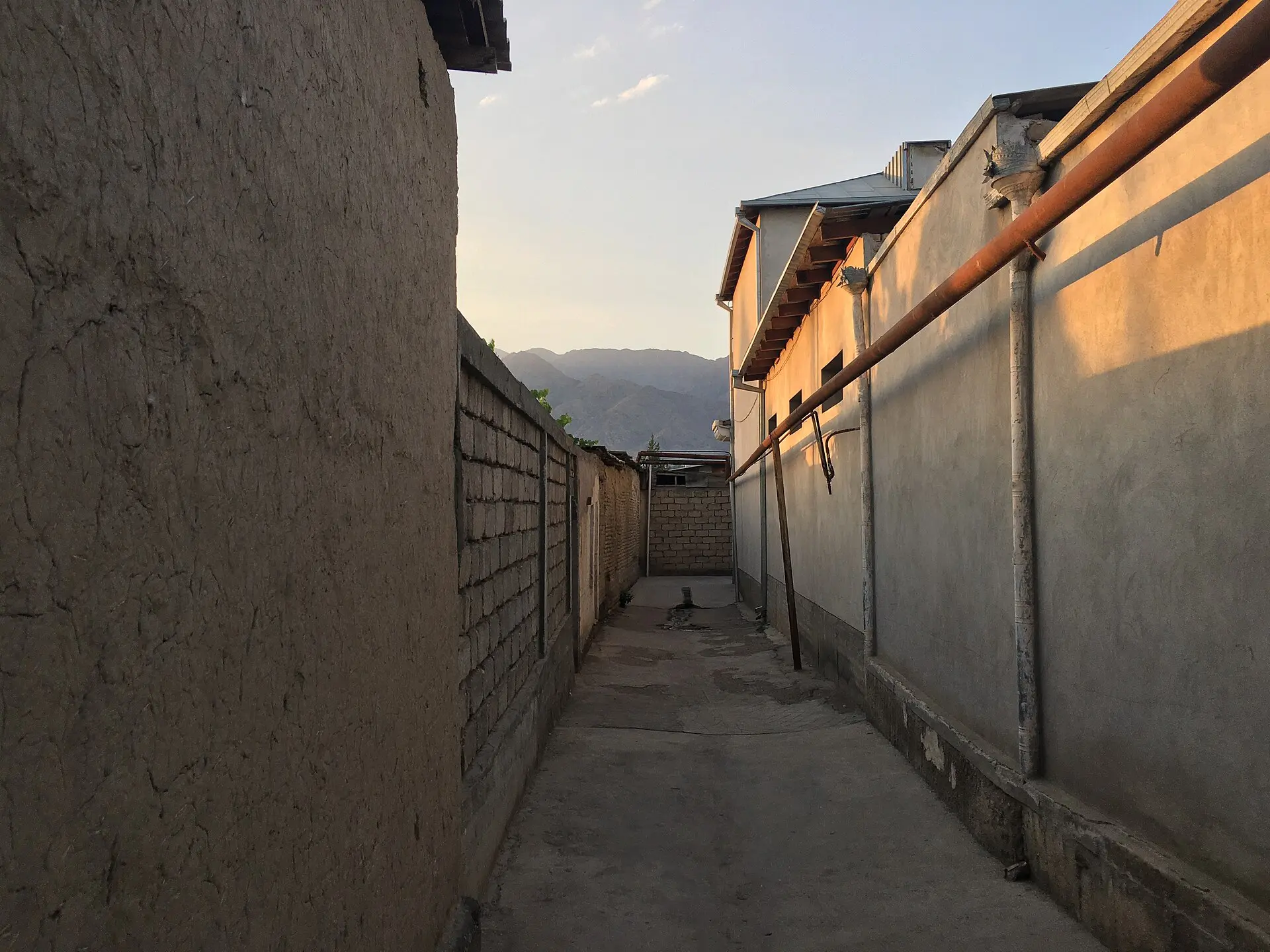
Khorugh is the gateway to the Pamirs. The Wakhan Valley runs along the Afghan border with ruined forts, hot springs and views of Hindu Kush peaks across the Panj River. Stay in village homestays.
Murghab and the high Pamirs
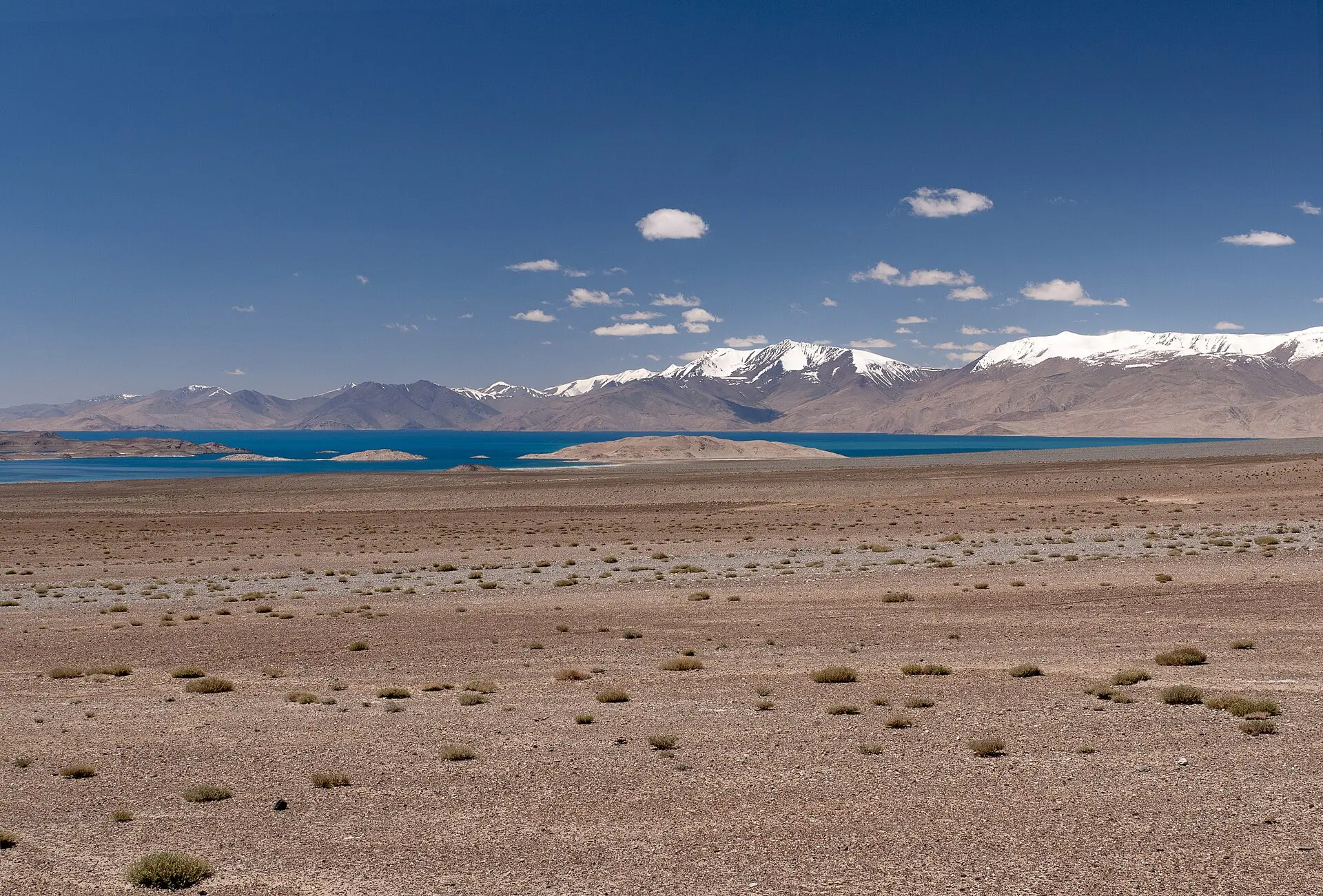
The Pamir Highway climbs over passes above 4,000 metres to Murghab, a high-desert town near Karakul lake. Altitude is the challenge, so take time to acclimatise.
Khujand and Istaravshan
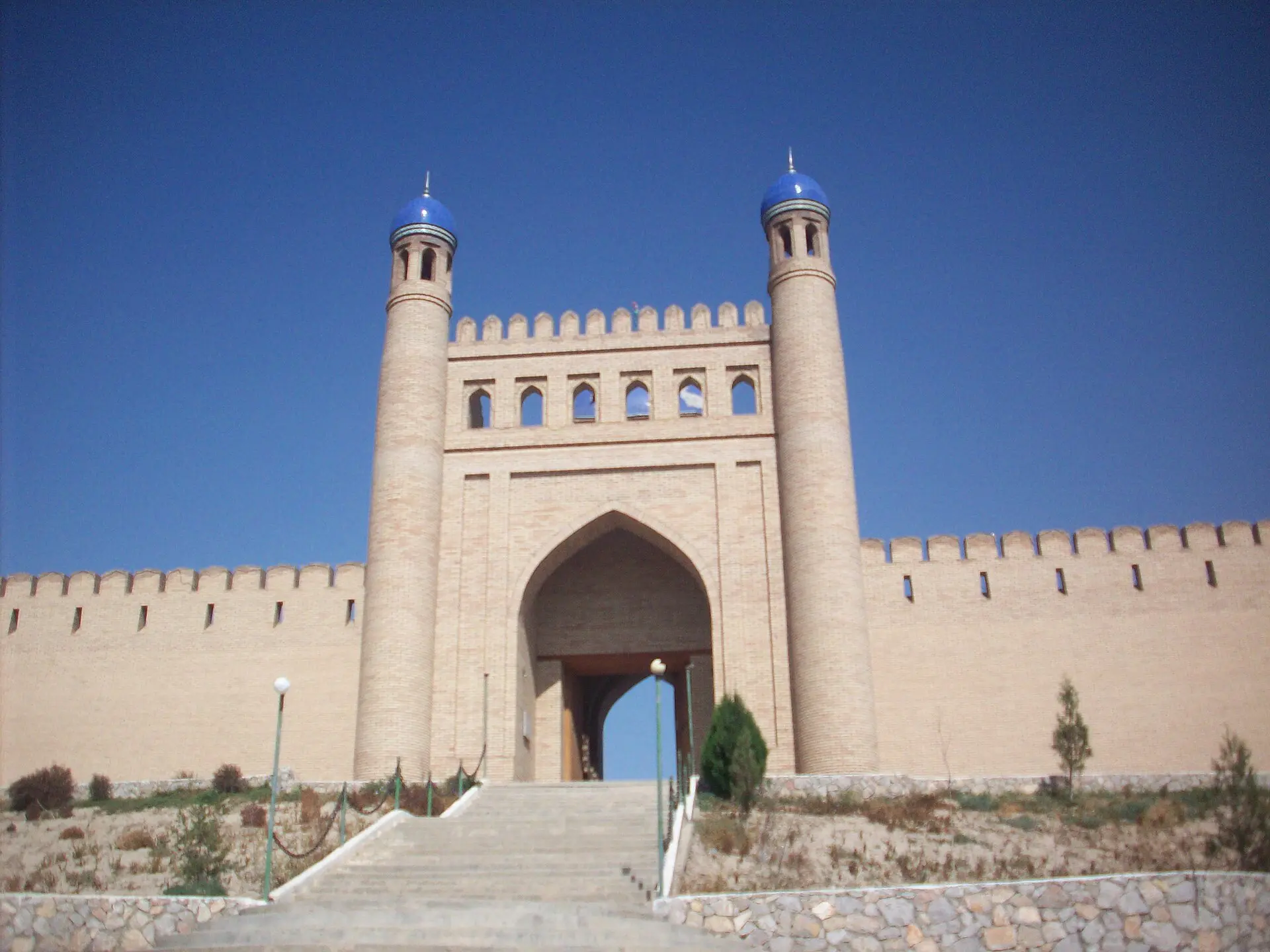
In the north, Khujand is a large Silk Road city with a bazaar and fortress, and Istaravshan has old madrasas and mosques that reward a half-day visit.
Panjakent
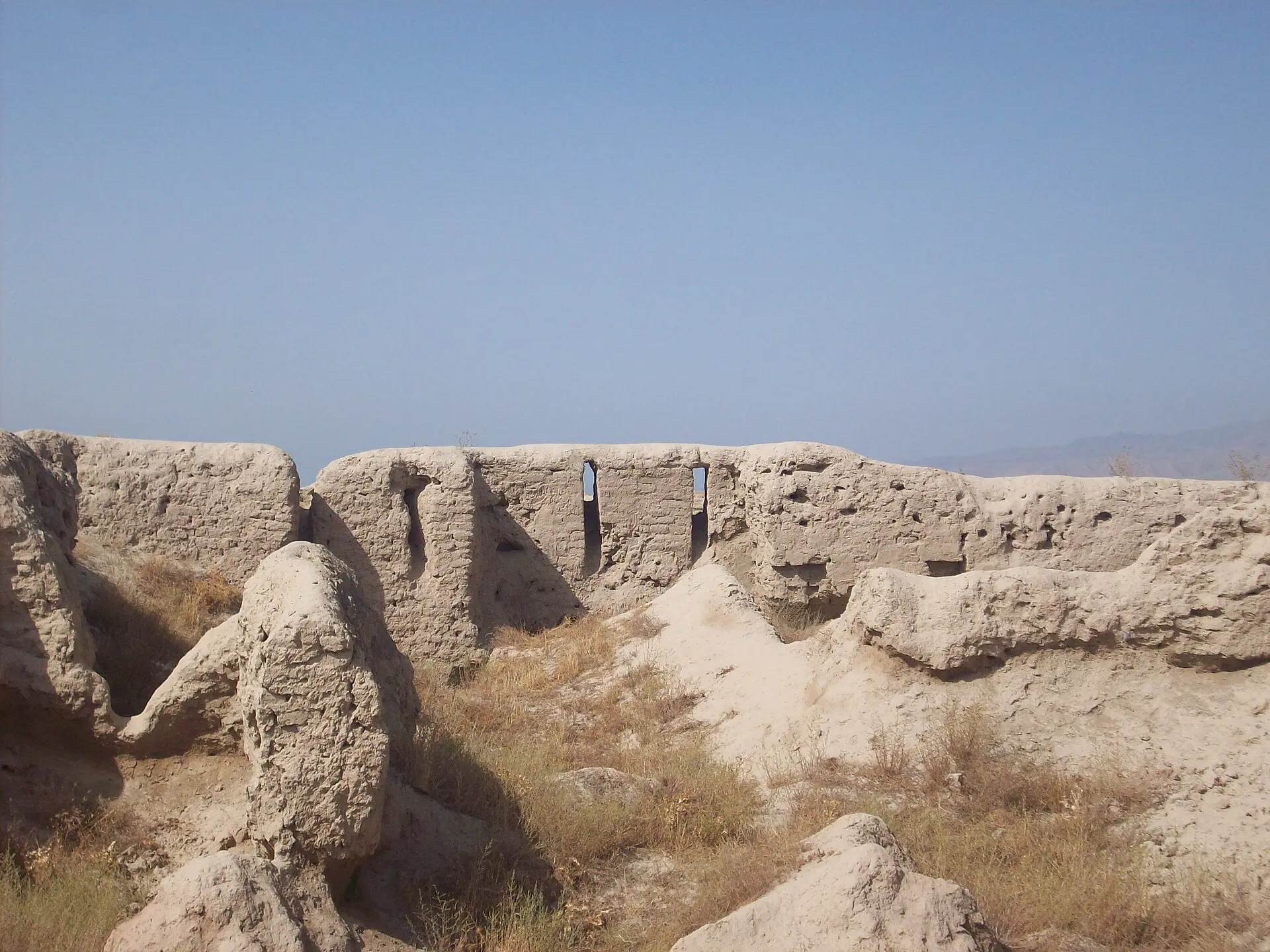
Close to the Uzbek border, Panjakent has the remains of a Sogdian city and is the base for the Haft Kul (Seven Lakes) trek.
Top things to do in Tajikistan
The top things to do in Tajikistan are mostly outdoors, with a handful of cultural stops in cities.
- Drive the Pamir Highway: the M41 road crosses the Pamirs from Dushanbe or Khorugh to Murghab and onward to Kyrgyzstan.
- Hike the Seven Lakes: a series of lakes in the Zeravshan valley, doable in two to five days.
- Stay in a Wakhan homestay: villagers cook meals, and rooms are often a floor mattress with a view of Afghan peaks.
- Soak in Garm Chashma: a hot spring on the road to the Pamirs.
- Visit Yamchun fortress: a ruined fort above the Wakhan Valley with a nearby thermal spring.
- Walk Dushanbe’s Rudaki Avenue: parks, fountains and the National Library.
- Browse Panjshanbe and Sarband bazaars: food, dried fruit, fabric and haggling.
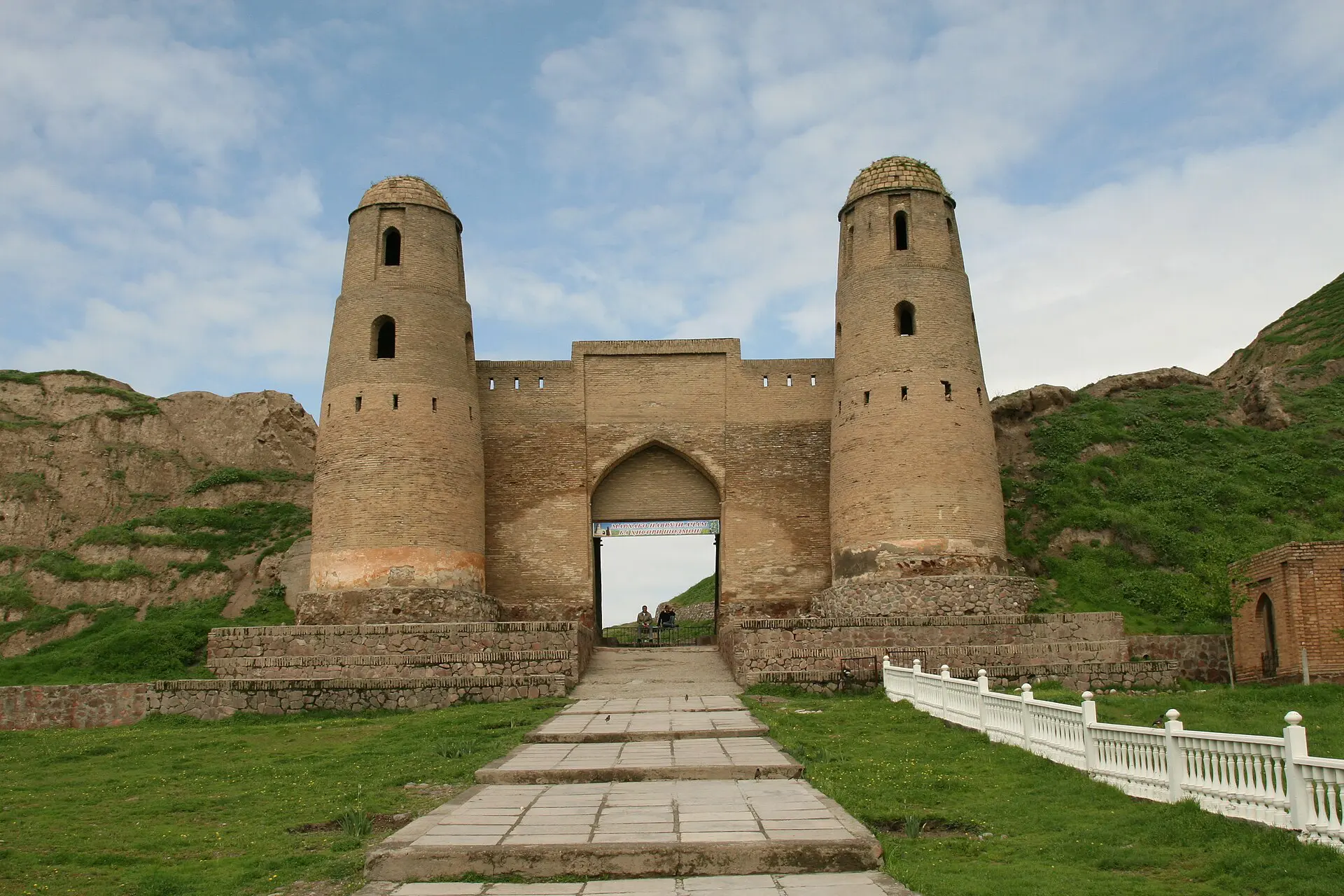
- Explore Hisor Fortress: a restored fort and madrasa a short ride from Dushanbe.
- Camp at Karakul: a high-altitude lake with dramatic skies, though nights are cold.
- Trek near Alauddin lakes: a day to multi-day route in the Fann Mountains.
Best time to visit Tajikistan
The best time to visit Tajikistan is June to September for the mountains and April to June or September to October for Dushanbe and the lowlands. High passes on the Pamir Highway are usually open from late spring and become hard to cross from November, while lowland summers are very hot.
| Season | Weather | Crowds and prices | Good for |
|---|---|---|---|
| Spring (Apr-May) | Mild lowlands, snow still on passes | Quiet, low prices | Cities, valleys, blossom |
| Summer (Jun-Aug) | Hot in Dushanbe, pleasant to cold in mountains | Peak season, still modest crowds | Trekking, Pamir Highway |
| Autumn (Sep-Oct) | Clear and cooler, early snow high up | Quiet, good value | Hiking, photography, harvest |
| Winter (Nov-Mar) | Cold, heavy snow in the mountains | Very quiet; many guesthouses close | Dushanbe city stays only |
Check pass and road conditions locally before a winter or early-spring trip.
Is Tajikistan safe to visit?
Tajikistan is generally calm for tourists in the main areas, and violent crime against visitors is uncommon, but conditions near borders can change quickly. Government advice differs, so check the UK FCDO or US State Department pages before you book and again before you travel.
Borders. Stay away from the Afghan border zone beyond tourist routes such as the Wakhan Valley, and note that border crossings with Kyrgyzstan have closed at times after tension. Carry copies of your documents and do not photograph military or border installations.
Roads and nature. Mountain roads have rockfalls, landslides, river crossings and winter closures. Earthquakes occur, and altitude sickness is a real risk on the Pamir Highway, so ascend gradually.
Health and theft. Drink bottled or treated water, bring a medical kit and insurance that covers evacuation. Petty theft is uncommon but possible in bazaars.
Politics. The government is authoritarian; avoid political discussion and protests, and expect police checkpoints and document checks.
Visa and entry requirements for Tajikistan
Entry rules depend on your nationality. Many visitors can apply for an electronic visa online before arrival, and some nationalities may enter visa-free for short stays under bilateral agreements. These rules change, so confirm the current requirement with the Tajik Ministry of Foreign Affairs, the official e-visa portal or your nearest embassy.
The Gorno-Badakhshan region (the Pamirs) has historically needed a separate GBAO permit, often selectable when applying for the e-visa. Check whether it is still required for your route. Bring a passport valid for at least six months, and register with authorities if asked, since hotels often handle this.
Land crossings with Uzbekistan, Kyrgyzstan and China have changed over time and some are closed to foreigners, so verify the status of your crossing before you commit. The UNESCO page for Tajikistan lists the heritage sites that make good route anchors, though it does not cover entry rules.
Getting to and around Tajikistan
Most visitors fly into Dushanbe International Airport, with connections via Istanbul, Dubai, Moscow and regional Central Asian hubs. Khujand also has an airport. Overland access from Uzbekistan and Kyrgyzstan is possible at open crossings, and the Pamir Highway is popular with overlanders.
Tajikistan has very little rail for passengers, so travel is by shared taxi, minibus (marshrutka), hired 4×4 with driver or your own vehicle. Shared taxis leave when full from bazaar car parks. Dushanbe to Khorugh is a long day or two, and the Pamir Highway from Khorugh to Murghab can take most of a day. Dushanbe to Khujand takes around five to six hours through the Anzob tunnel.
A 4×4 with a driver is the usual choice for the Pamirs. Domestic flights to Khorugh have operated but are unreliable in poor weather. Allow buffer days for road closures and checkpoints.
How much does a trip to Tajikistan cost?
Tajikistan is one of the cheaper countries in Asia, though a 4×4 with a driver for the Pamirs is the main expense. The currency is the Tajikistani somoni (TJS), and cash is the main way to pay outside Dushanbe. Figures are rough per-person guides for 2026 and change with fuel prices and the exchange rate.
- Budget: around USD 25 to 40 per day, with homestays, shared taxis and local food.
- Mid-range: around USD 40 to 80 per day, with private rooms, restaurant meals and some chartered transport.
- High-end: from around USD 120 per day, with a private driver, guide and the best hotels in Dushanbe.
Homestay prices often include dinner and breakfast. Sharing a 4×4 with other travellers cuts Pamir costs sharply. Fuel, permits and guide fees drive the budget, and ATMs outside Dushanbe and Khujand are unreliable, so carry cash.
Tajikistan food and drink
Tajikistan food is hearty Central Asian cooking, built on bread, rice, lamb, yoghurt and tea. Meals are served with flatbread and green tea, often in a tea house (choyxona).
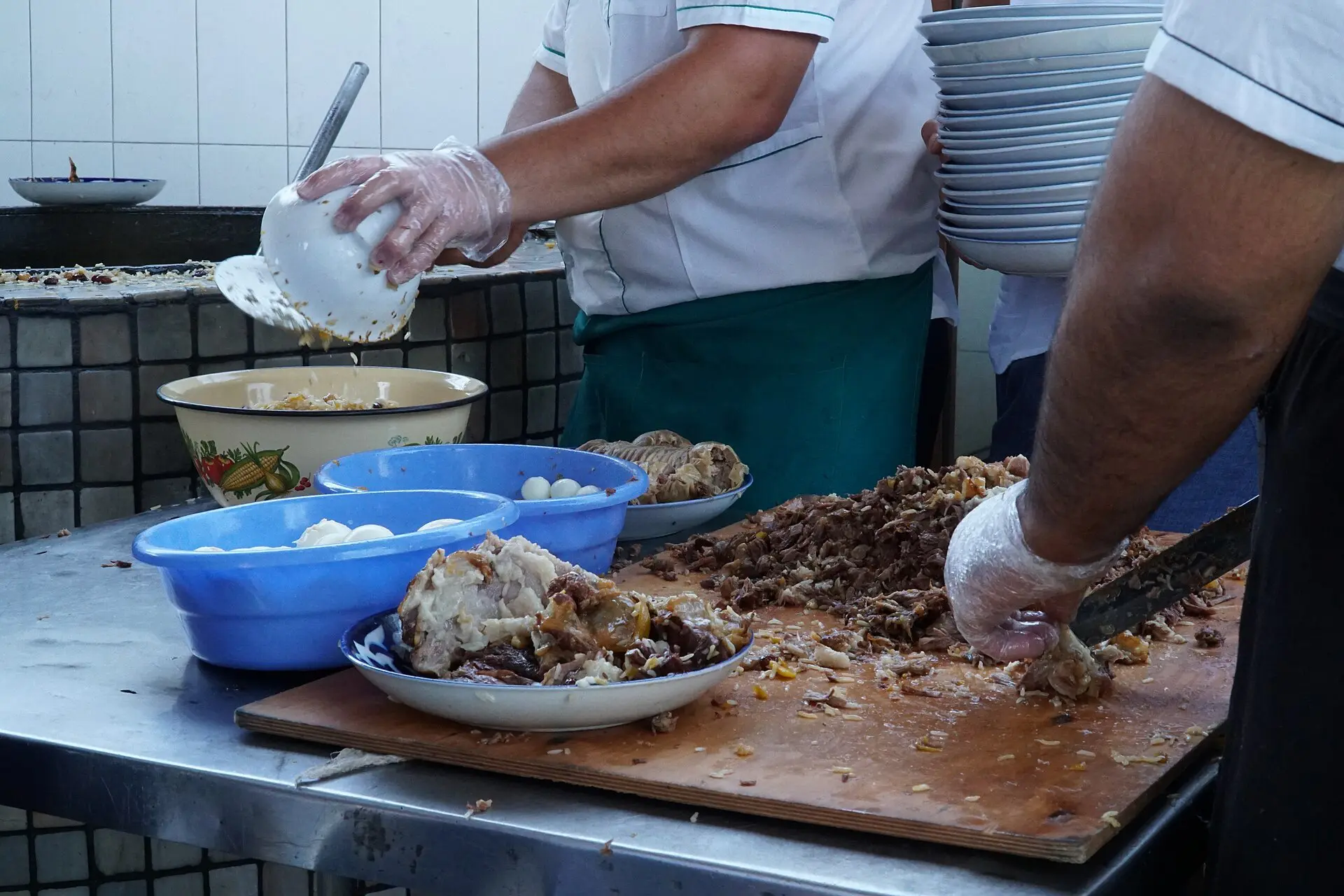
- Oshi palav (plov): rice cooked with carrots and lamb, the festive staple.
- Qurutob: a national dish of flatbread, whey sauce, onions and vegetables, eaten from a shared bowl.
- Sambusa: baked pastry stuffed with meat or pumpkin.
- Lagman and shurbo: noodle and meat soups, good on cold mountain evenings.
- Manti: steamed dumplings with lamb or pumpkin.
- Fresh bread (non): baked in clay ovens and sold hot in every town.
- Dried fruit and nuts: apricots, mulberries and walnuts at bazaars.
Vegetarians can eat well on bread, soups with vegetables and salads, though meat is the default. Alcohol is available in Dushanbe, but is rare in conservative villages. Treat tap water with caution.
Culture, language and etiquette in Tajikistan
Tajik, a Persian language, is the state language, and Russian is widely used for interethnic and official communication. English is limited outside Dushanbe, homestays and tourism, so basic Russian or a phrasebook helps. Useful words are rahmat (thank you) and salom (hello). In the Pamirs, people also speak Pamiri languages such as Shughni and Wakhi, and many Pamiris follow Ismaili Islam.
Hospitality is central: guests are offered tea, bread and sweets. Accept at least a cup. Remove your shoes in homes, take food with your right hand and do not step over the dining cloth. Dress modestly, especially women, with covered shoulders and knees, and cover your head in some mosques.
Avoid joking about politics, religion or the president, and ask permission before photographing people or officials. Public displays of affection are best avoided, and photography near government buildings, bridges and borders can lead to questioning.
Tajikistan itinerary: a 7-day route
This route stays in the Dushanbe region and the Fann Mountains, which are easier and safer to reach than the remote border areas. It avoids the Afghan border zone and the Kyrgyz frontier.
- Day 1, Dushanbe: arrive, walk Rudaki Avenue and the Somoni monument, and eat plov in a tea house.
- Day 2, Hisor and Dushanbe: visit Hisor Fortress in the morning and the bazaar and museums in the afternoon.
- Day 3, Iskanderkul: drive about three hours north via the Anzob road to the lake, and walk to the nearby waterfall.
- Day 4, Panjakent: continue over the mountains to Panjakent, about three to four hours, and see the Sogdian ruins.
- Day 5, Seven Lakes: take a 4×4 to the first lakes and walk a short section, returning to a homestay.
- Day 6, Istaravshan or Khujand: travel north to explore the old town, madrasas and bazaar.
- Day 7, return: allow a full day by road to Dushanbe, or fly if your route ends there.
Independent travel in the Pamirs needs at least another week and flexible dates.
Practical tips for Tajikistan
- Money: carry US dollars in clean notes and exchange them for somoni in banks or bureaus. Cards work in Dushanbe hotels and shops, and ATMs outside the cities are unreliable.
- SIM and eSIM: local SIMs are cheap, and coverage is good in towns but patchy in the high Pamirs and Wakhan. Download offline maps.
- Plugs: types C and F at 220 V.
- Tipping: not expected, though a small tip for drivers and guides is appreciated.
- Health: bring altitude medicine advice from your doctor, a first-aid kit, water purification and travel insurance that covers evacuation.
- Packing: layers for big temperature swings, a warm sleeping bag for homestays, sturdy boots and a headlamp for power cuts.
- Planning: leave slack in your schedule, since road closures and checkpoints can add days. For more background, see the Wikivoyage Tajikistan guide.
FAQ
Q1Is Tajikistan safe to visit?
Tajikistan is generally calm for tourists in the main areas, and violent crime against visitors is uncommon. The main risks are border tension, rough mountain roads, altitude and earthquakes. Avoid the Afghan border zone beyond tourist routes, and check your government's current travel advice before you go.
Q2What is the best time to visit Tajikistan?
June to September is best for the Pamirs and trekking, when passes are open and nights are manageable. April to June and September to October suit Dushanbe and the valleys. Winter brings heavy snow, closed passes and many closed guesthouses, so it works mainly for city stays.
Q3Do I need a visa for Tajikistan?
It depends on your nationality. Many travellers apply for an e-visa online before arrival, while some can enter visa-free for short stays. The Pamirs have needed a separate GBAO permit, often selected during the e-visa application. Always confirm with the official Tajik source before booking.
Q4What are the best things to do in Tajikistan?
Top picks are driving the Pamir Highway, hiking the Seven Lakes and Fann Mountains, staying in a Wakhan Valley homestay, visiting Iskanderkul, exploring Hisor Fortress and relaxing in Dushanbe's parks and tea houses. Most activities suit June to September.
Q5How much does a trip to Tajikistan cost?
Budget around USD 25 to 40 per day with homestays and shared taxis, and USD 40 to 80 per day mid-range. A private 4x4 with a driver for the Pamirs is the biggest cost, but sharing it with other travellers lowers the price significantly.
Q6How many days do you need in Tajikistan?
One week covers Dushanbe, Iskanderkul and the Fann Mountains at a steady pace. The Pamir Highway needs at least another week, and ideally ten to fourteen days in total, because roads are slow and weather or checkpoints can cause delays.
Q7What is Tajikistan food like?
Tajikistan food is hearty Central Asian cooking: plov, qurutob, samsa pastries, noodle soups, dumplings and fresh clay-oven bread, served with green tea. Meat is common, so vegetarians rely on soups, salads and bread. Homestays often provide generous home-cooked dinners.