Why visit Kazakhstan
Kazakhstan travel appeals to people who want something different from the usual Asia circuit. The country covers about 2.7 million square kilometres (see the Wikipedia overview), more than the whole of Western Europe, yet has fewer than 21 million people, so there is room for alpine lakes, deserts, canyons and a vast steppe. Almaty sits under the snowy Trans-Ili Alatau range, while Astana, the capital since 1997, has a skyline of bold modern architecture built from the late 1990s on.
Kazakhstan suits independent travellers who are comfortable with long distances and some planning, especially hikers, road-trippers and anyone interested in Soviet history, nomadic culture and the Silk Road. The Kazakh and Russian languages are both widely spoken. English is useful in Almaty and Astana but less so in rural areas. The trade-offs are the scale, which makes internal flights or long drives necessary, and cold winters.
Best places to visit in Kazakhstan
The best places to visit in Kazakhstan are far apart, so most trips pair Almaty and its mountains with either Astana or the south.
Almaty
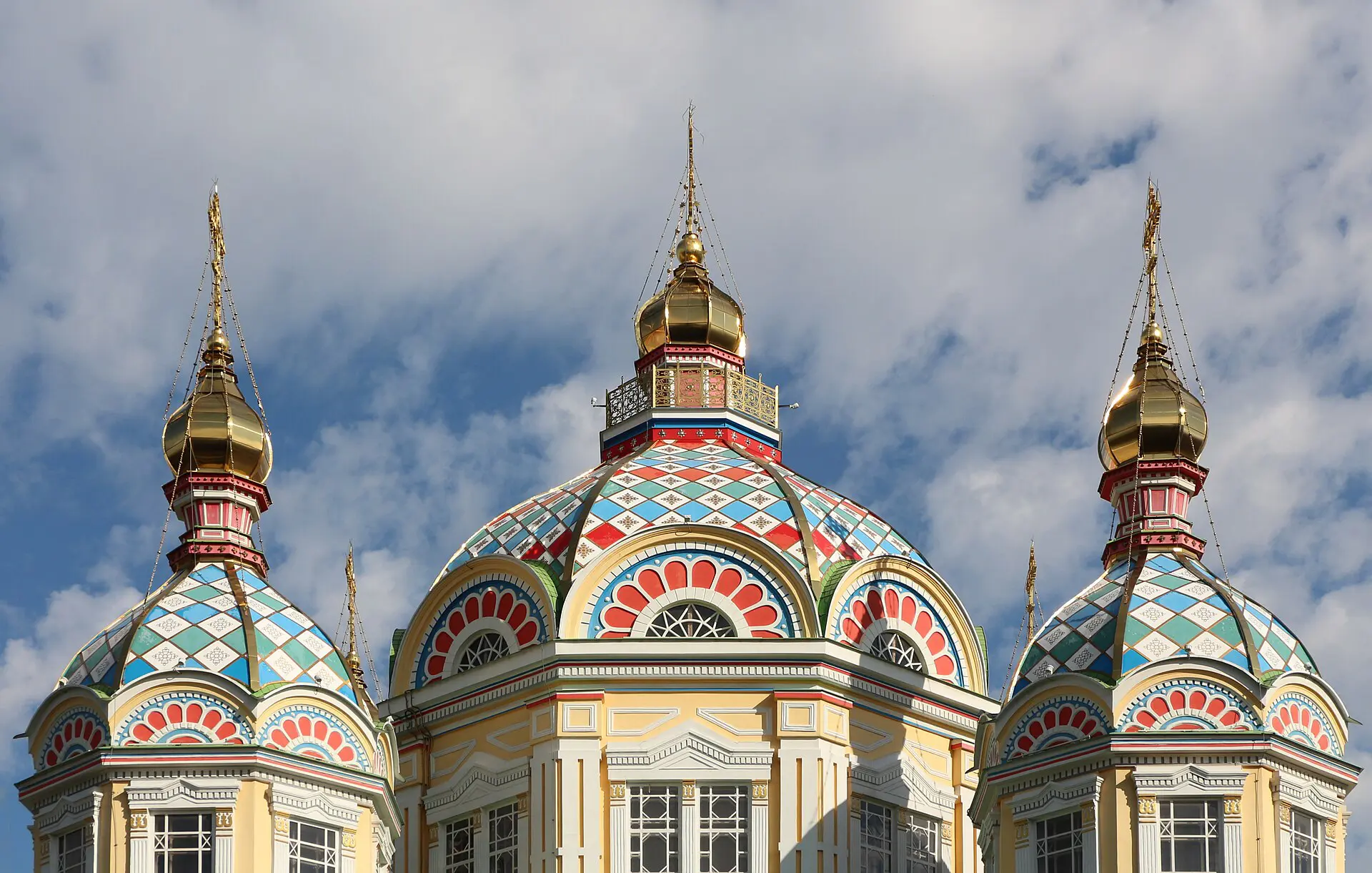
The former capital and largest city is leafy and relaxed, with Soviet-era architecture, the Zenkov Cathedral in Panfilov Park, the Green Bazaar and restaurants. It is the gateway to the mountains and the main base for most visitors.
Astana
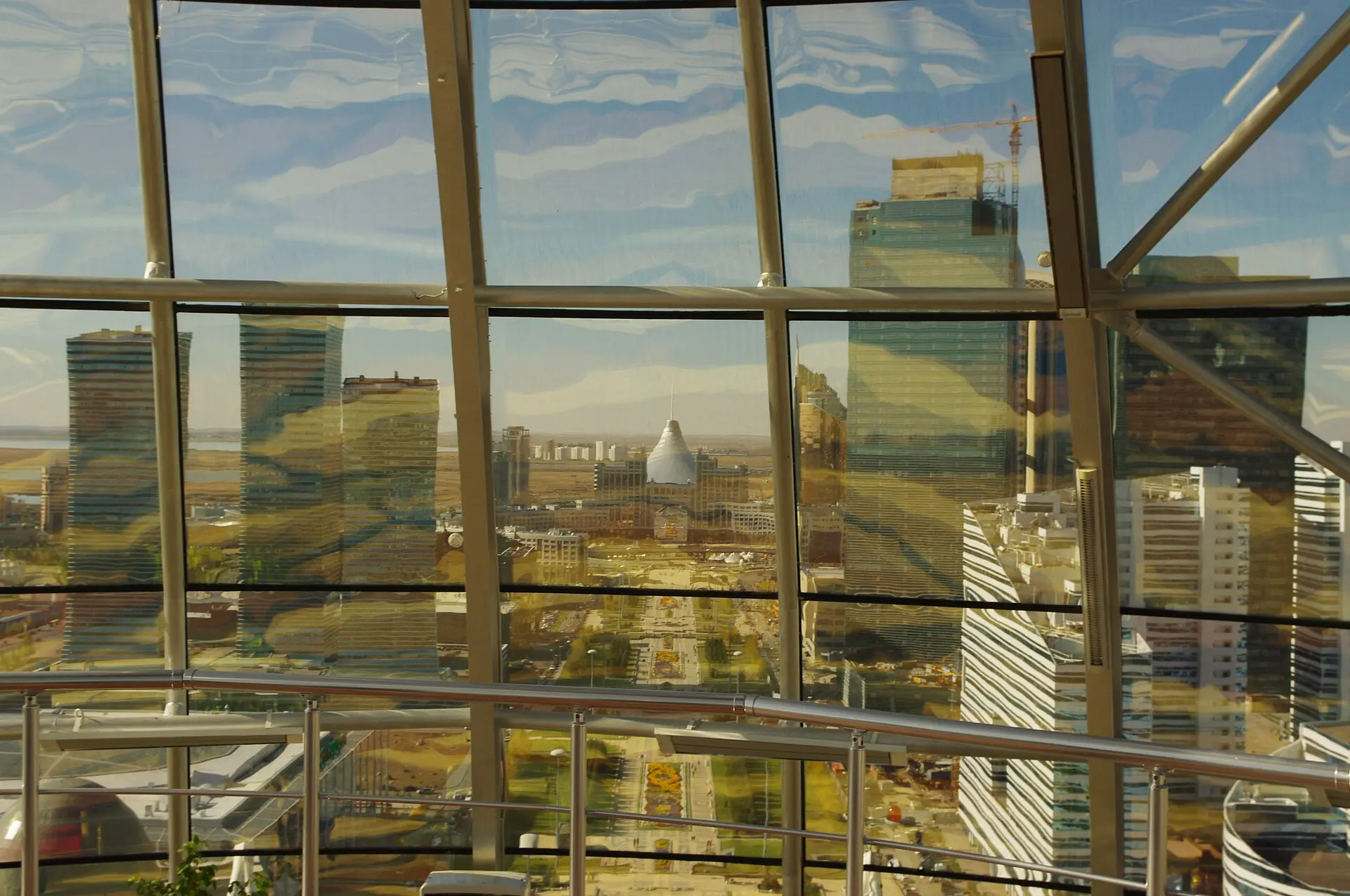
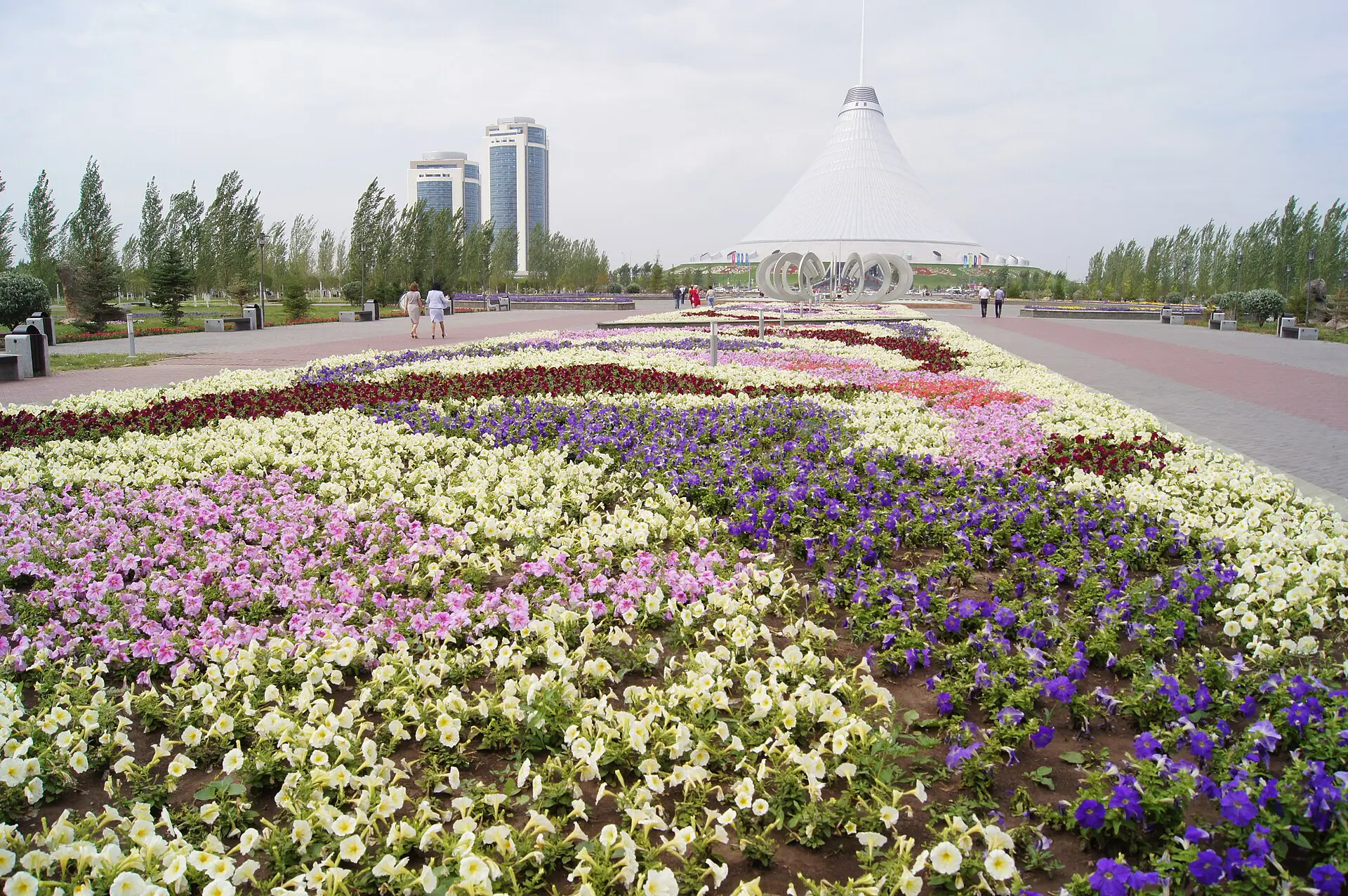
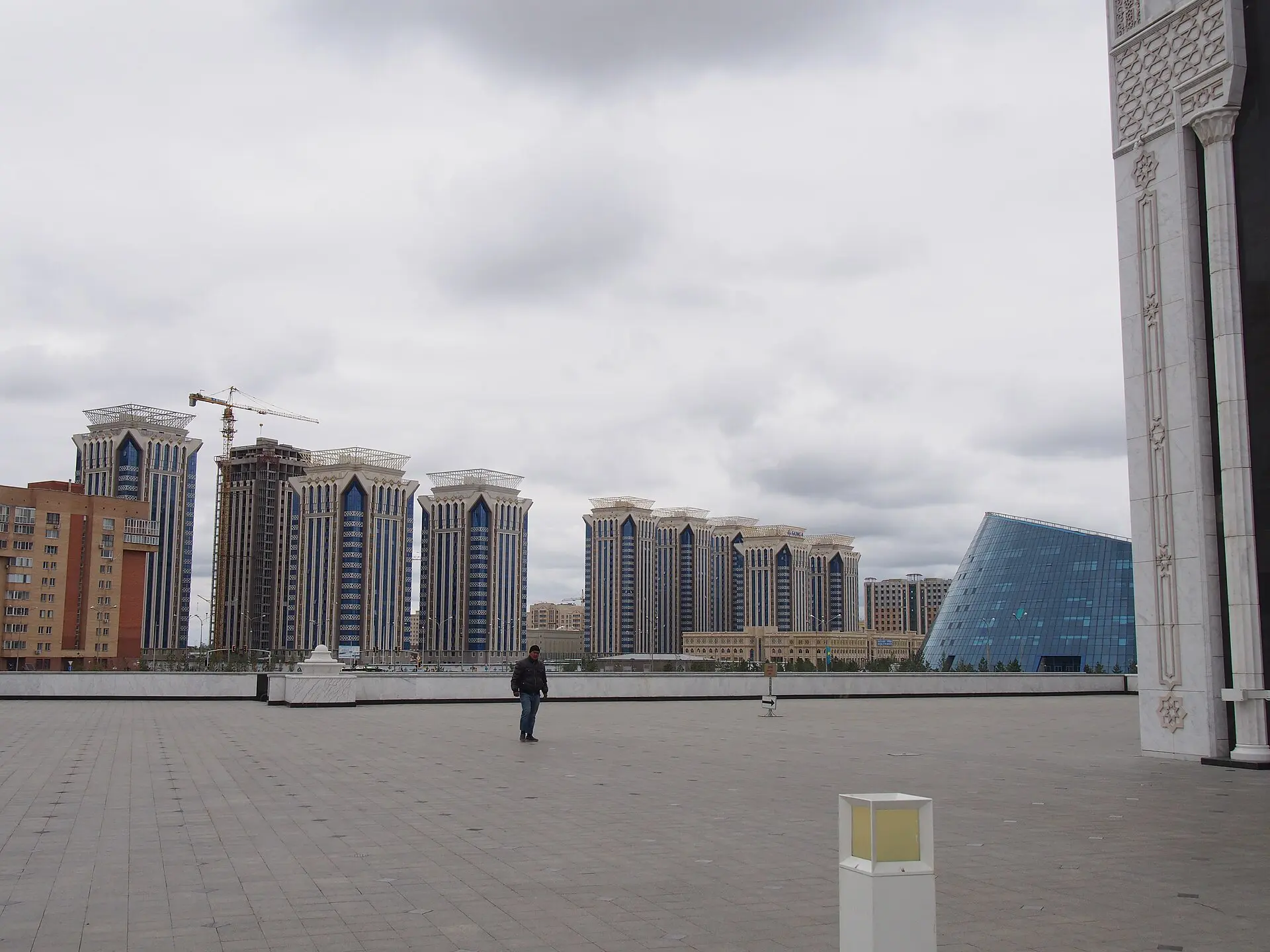
Built in a different style, Astana has Bayterek tower, the Khan Shatyr tent-shaped mall, the Hazrat Sultan Mosque and wide boulevards beside the Ishim River. It is best for architecture and museums and takes two days.
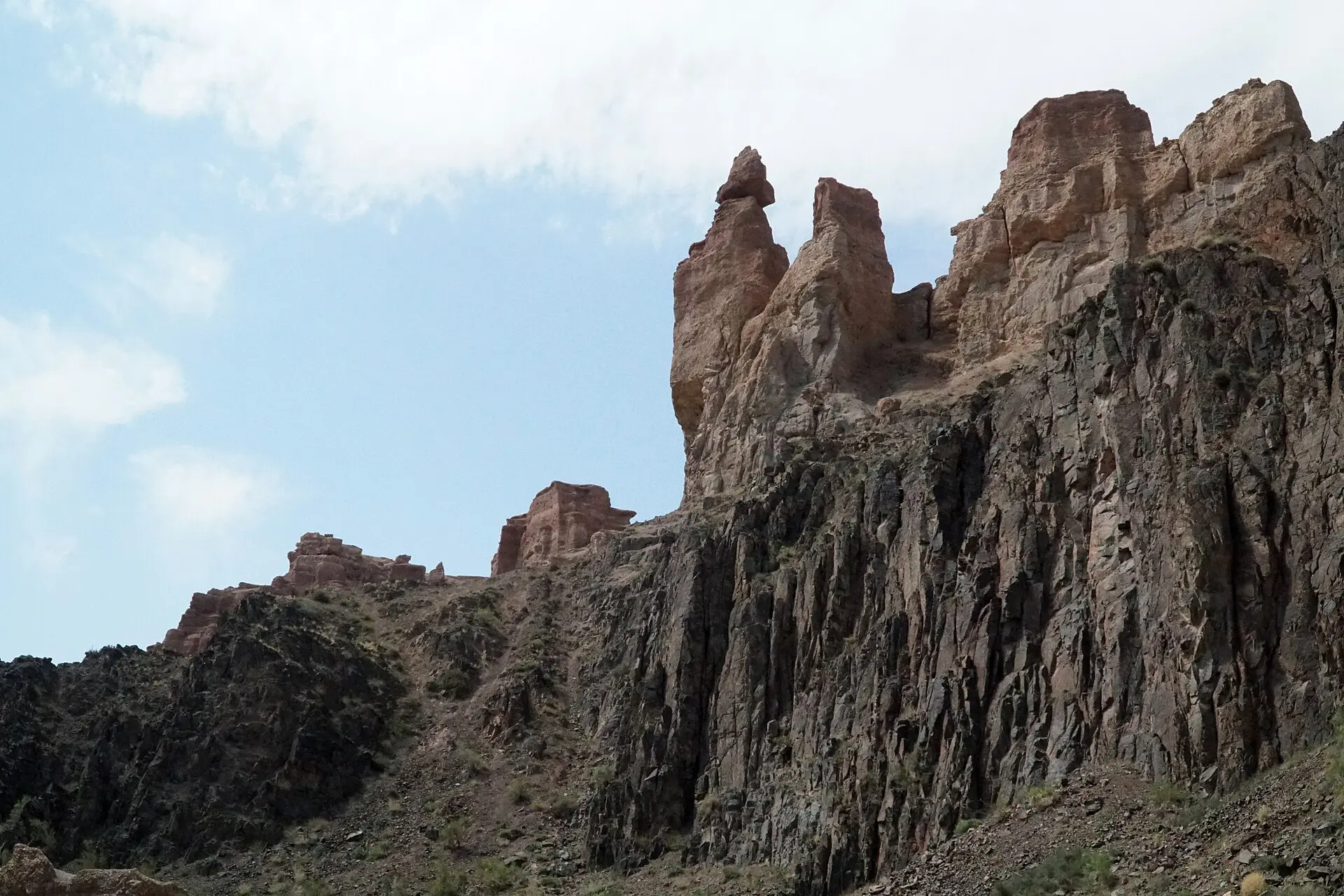
Charyn Canyon
About 200 km east of Almaty, the red-rock Valley of Castles is the best-known canyon, with a trail down to the river. Combine it with an overnight stay in the area.
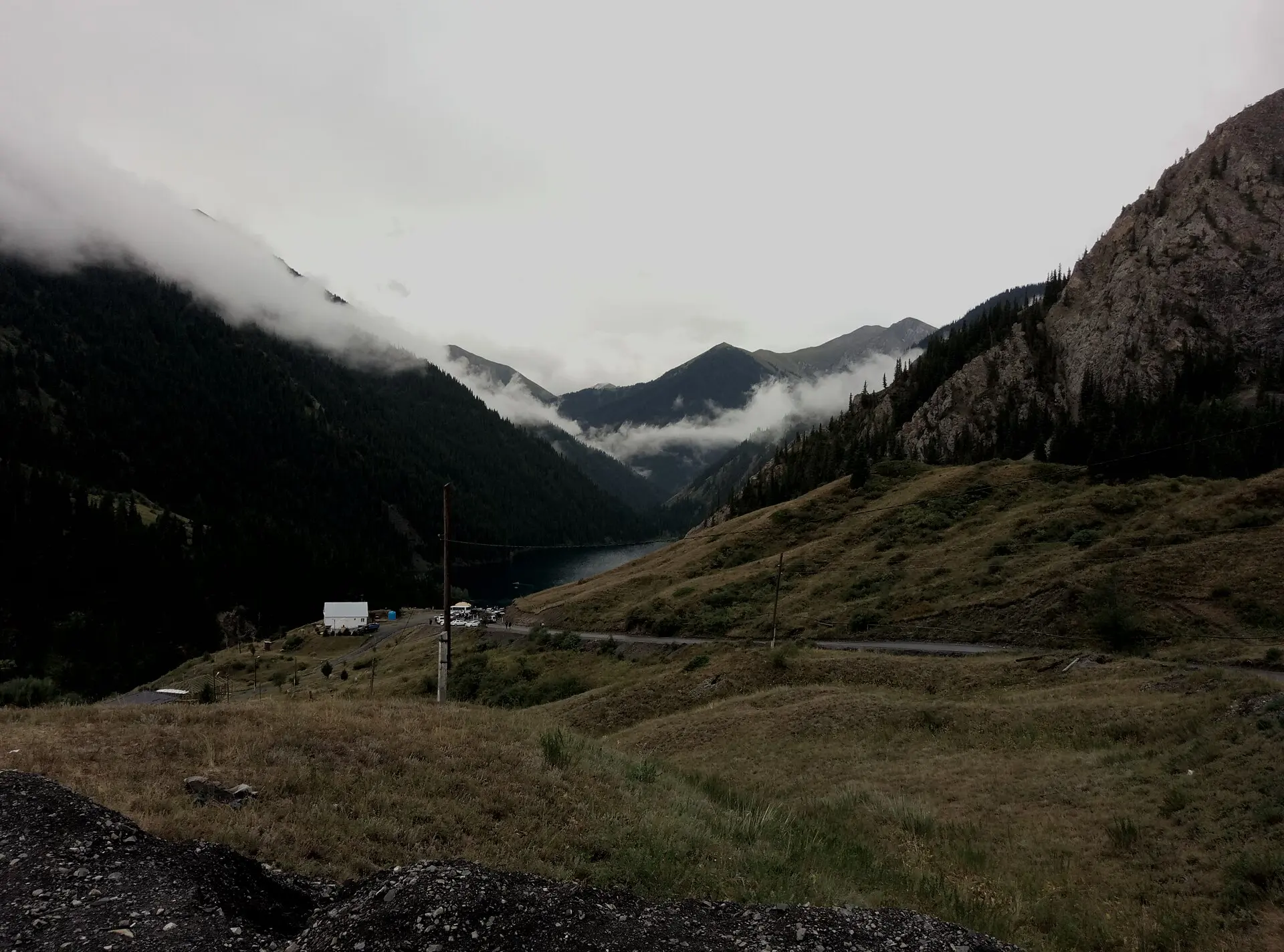
Kolsai and Kaindy Lakes
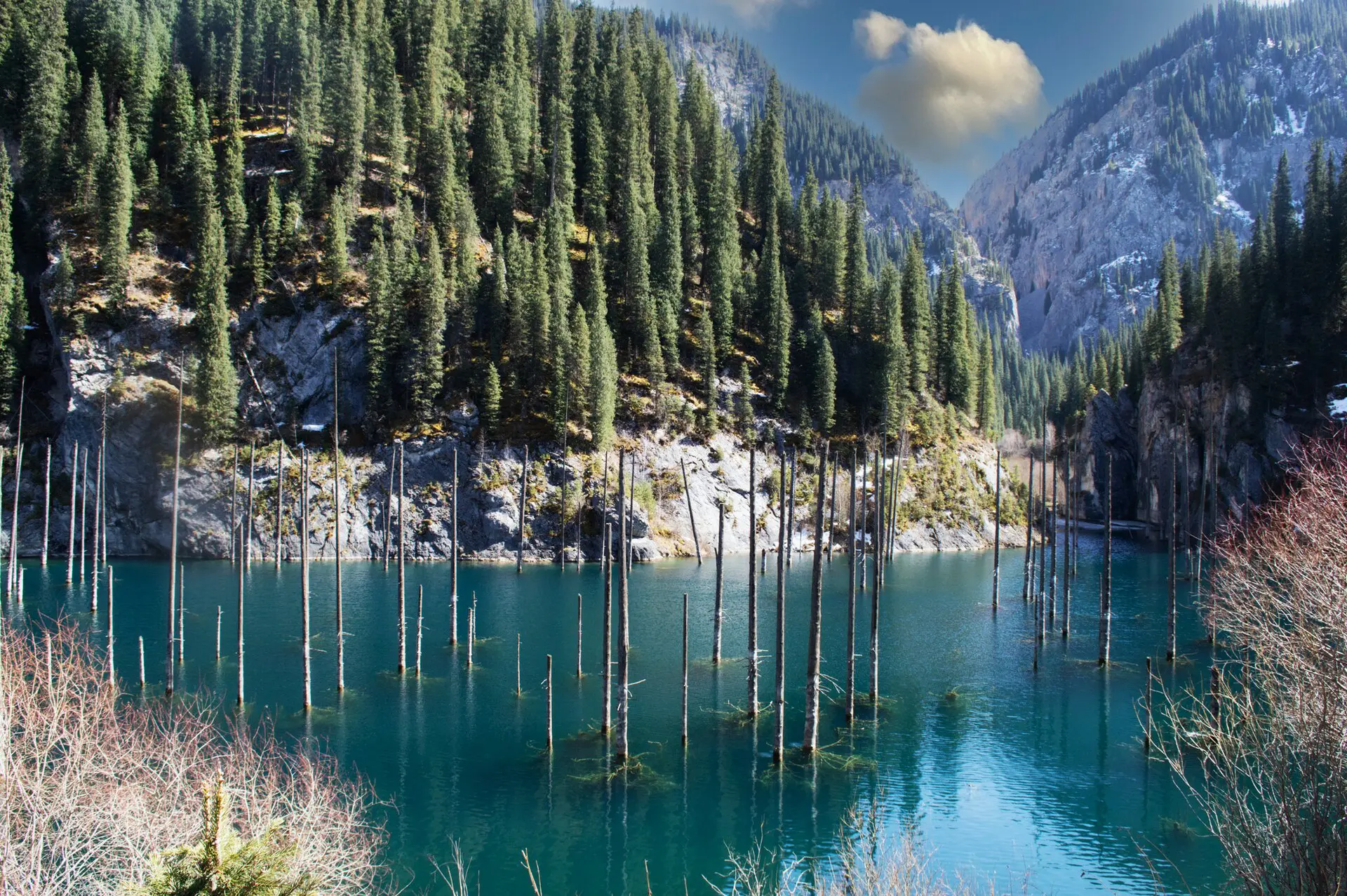
These alpine lakes in the Tian Shan foothills are reached by road from Almaty, with Kaindy known for its submerged spruce trunks. A two-day trip is normal.
Turkistan
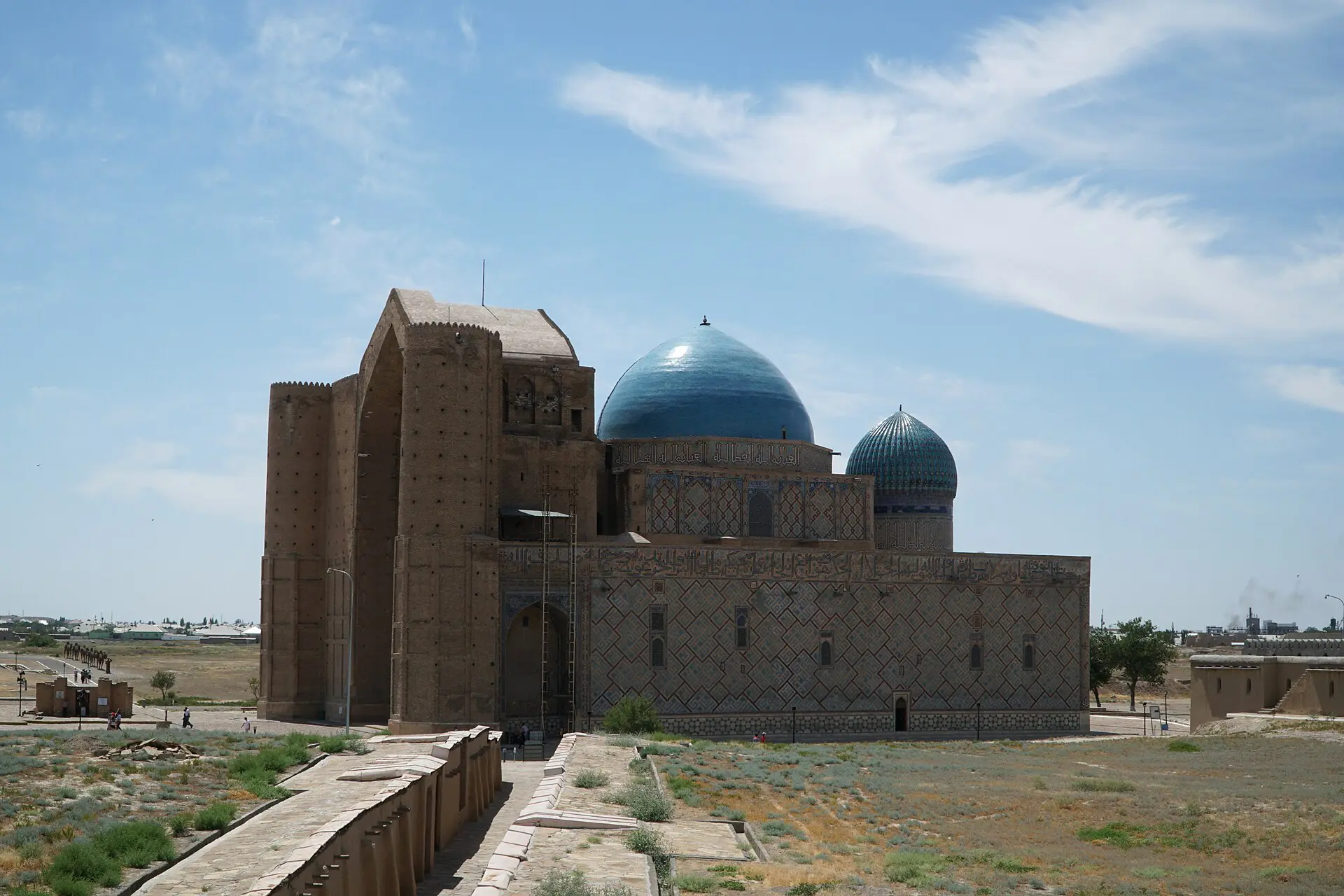
In the south, Turkistan holds the Mausoleum of Khoja Ahmed Yasawi, a UNESCO-listed Timurid monument and the country’s most significant Islamic pilgrimage site.
Mangystau
This western region has desert canyons, chalk cliffs and the Bozzhyra formation, usually visited on guided 4×4 tours from Aktau.
Top things to do in Kazakhstan
The top things to do in Kazakhstan are mostly outdoors, with a few big city stops to break up the road time.
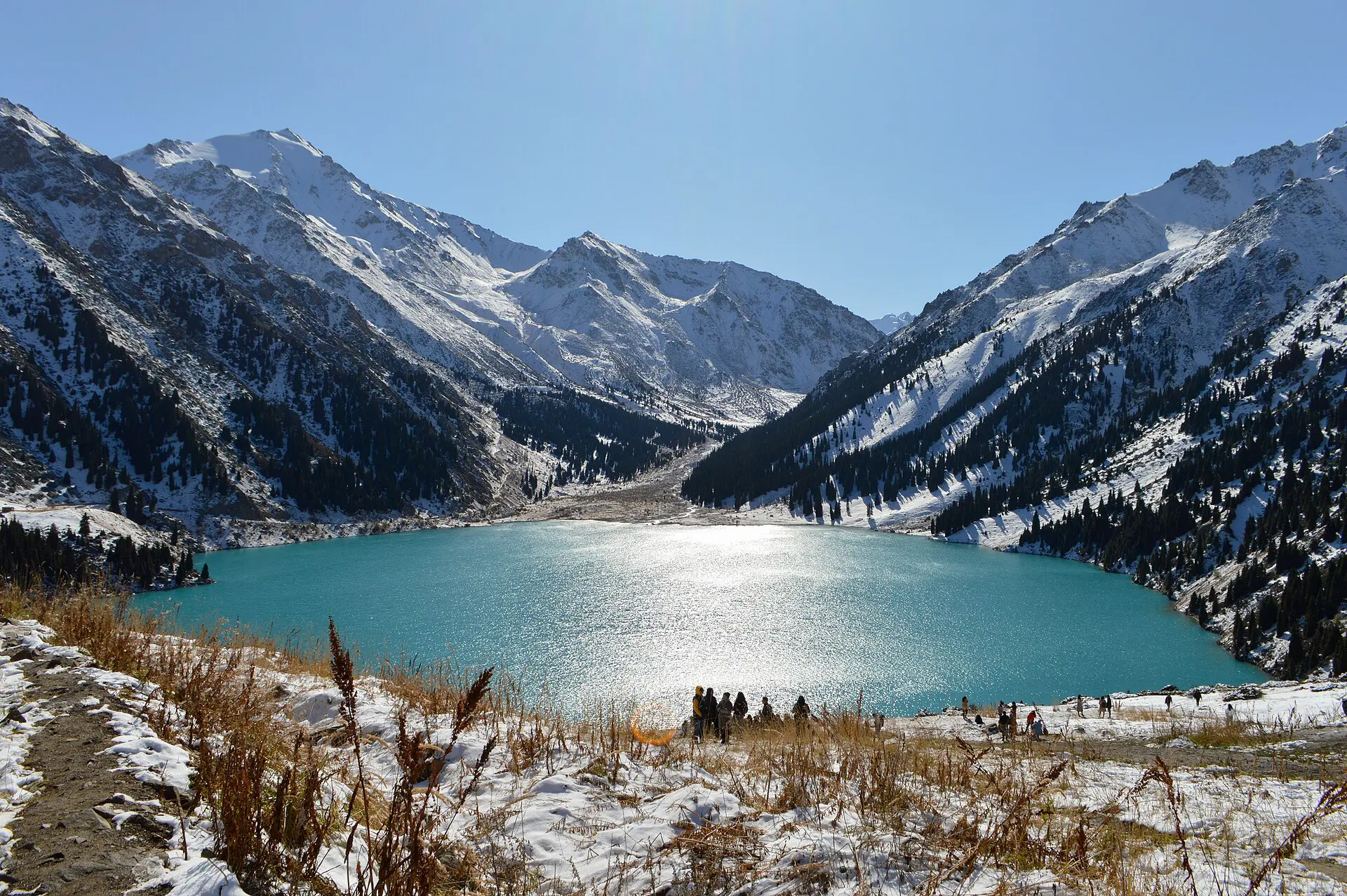
- Visit Big Almaty Lake: a turquoise reservoir at about 2,500 metres, usually reached by minibus and a short walk.
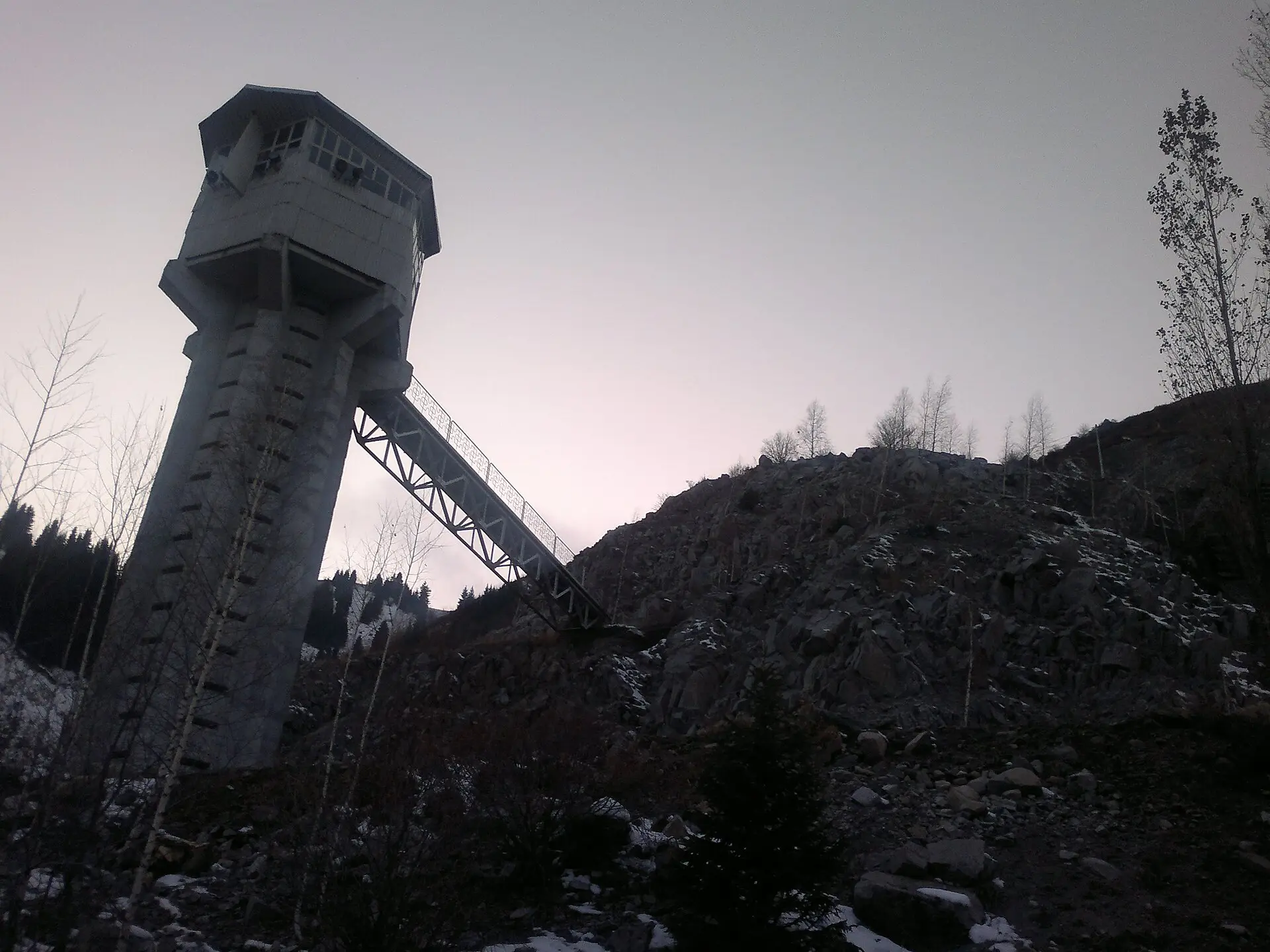
- Ski or skate at Shymbulak and Medeu: the mountain resort near Almaty has winter sports, and the high-altitude Medeu rink is famous.
- Ride the Kok Tobe cable car: a quick way to see Almaty from above.
- Walk Charyn Canyon: a few hours on the trail down to the river is an easy highlight.
- Hike to Kolsai Lakes: the three lakes can be visited on day hikes or longer treks in summer.
- See Astana’s skyline: go up Bayterek and tour the Hazrat Sultan Mosque and the Nur-Alem sphere.
- Tour Turkistan’s mausoleum: an important pilgrimage and architecture site in the south.
- Stay in a yurt camp: try nomadic hospitality, with horse riding and kymyz tastings, in the steppe or mountains.
- See Tamgaly Tas petroglyphs: ancient rock carvings near Almaty, a UNESCO site.
- Join a Mangystau desert tour: multi-day 4×4 trips with camping and unusual rock formations.
Best time to visit Kazakhstan
The best time to visit Kazakhstan is May to September for mountains and trekking, with April to May and September to early October best for cities and mild weather. The climate is strongly continental. Summers are hot, especially in the south and west, while winters are long and severe, with Astana often reaching minus 20 C or lower in January.
| Season | Weather | Crowds and prices | Good for |
|---|---|---|---|
| Spring (Apr-May) | Cool to warm, tulips in the steppe | Low to moderate | Cities, Charyn Canyon, Turkistan |
| Summer (Jun-Aug) | Hot lowlands, pleasant mountains | Highest, still modest | Lakes, hiking, yurt stays |
| Autumn (Sep-Oct) | Warm to cool, colourful foliage | Falling | Almaty, Mangystau, photography |
| Winter (Nov-Mar) | Cold, snowy; very cold in the north | Low outside ski season | Skiing at Shymbulak, city breaks |
Mountain roads and lake access can close or become difficult with snow, so check local conditions if travelling before late May or after September.
Is Kazakhstan safe to visit?
Is Kazakhstan safe? Yes, for most visitors. Violent crime against tourists is uncommon, and Almaty and Astana feel calm. The main concerns are practical: road conditions, winter weather and remote terrain. Check your government’s current travel advice, such as the UK FCDO or US State Department, before you go, and register your plans if recommended. Unrest that began in January 2022 was serious but short-lived, and demonstrations have been restricted since.
Roads. Driving is the main hazard. Long, straight roads encourage speeding, livestock appears on the road, and rural surfaces vary. Avoid driving after dark outside cities.
Petty crime and scams. Pickpocketing occurs at bazaars and on public transport. Use official taxis or ride-hailing apps, and agree fares in advance.
Nature and health. Winters are extremely cold, and mountains need proper gear and local advice. In remote regions, carry water, a map and a satellite or offline plan. Ticks occur in spring. Tap water is not always recommended.
Border zones and politics. Avoid border areas and military sites, and do not photograph them. Be careful discussing politics, and carry ID, since police checks occur.
Kazakhstan visa and entry requirements
Visa rules depend on your nationality. Citizens of many countries, including the EU states, UK, US and several others, have been able to enter visa-free for stays of up to 30 days or longer, and others can apply for an e-visa or visa. Because lists and limits change, confirm the current rule for your passport with the Kazakh Ministry of Foreign Affairs or your nearest embassy.
Bring a passport valid for the length of your stay, plus proof of accommodation and a return or onward ticket. Kazakhstan has previously required foreign visitors to register with migration authorities in some situations, though this is usually handled by hotels; check current rules if you stay in private accommodation. Keep a copy of your passport and entry stamp or card.
If you plan to cross land borders with neighbouring countries such as Kyrgyzstan or Uzbekistan, check which crossings are open to foreigners and whether a separate visa is needed. For heritage planning, the UNESCO page for Kazakhstan lists World Heritage sites, but it does not cover entry rules.
Getting to and around Kazakhstan
Most visitors fly into Almaty International Airport or Astana’s Nursultan Nazarbayev International Airport, with direct flights from Europe, Turkey, the Gulf and other parts of Asia. Aktau, Shymkent and Atyrau also have international connections. Land crossings exist with Kyrgyzstan, Uzbekistan, China and Russia, but conditions and rules vary.
Distances are huge, so domestic flights are often the practical choice. Almaty to Astana takes about 2 hours by air, and the main airlines run frequent flights. Long-distance trains are comfortable and cheap, and are good for overnight travel; Almaty to Astana takes around 12 to 14 hours, and Almaty to Turkistan takes a similar time, depending on the route. Buses and shared taxis cover shorter trips.
In cities, use buses, metro in Almaty, and ride-hailing apps such as Yandex Go, which are cheap and reliable. Renting a car works well for Charyn Canyon and Kolsai, and driving is on the right. Mountain and desert tours often include a driver. Typical drive times from Almaty are Charyn Canyon about 3.5 hours and Kolsai Lakes about 5 to 6 hours.
How much does a trip to Kazakhstan cost?
Kazakhstan is cheaper than Western Europe but not the cheapest country in Central Asia, and costs have risen in recent years. The currency is the Kazakhstani tenge (KZT), and exchange rates move, so treat the figures below as rough per-person guides for 2026.
- Budget: around USD 30 to 50 per day, with hostels, local cafés, buses and shared transport.
- Mid-range: around USD 50 to 110 per day, with a good hotel, restaurant meals, taxis and occasional tours or flights.
- High-end: from around USD 180 per day, with international hotels, private drivers and guided tours.
Accommodation in Almaty and Astana is the largest variable, with international chains priced near Western levels. Domestic flights and organised trips to Charyn, Kolsai and Mangystau add most to the budget, though sharing a car or tour cuts the cost. Meals are inexpensive, a lunch at a local canteen costs a few dollars, and public transport is cheap. National park entry fees are low.
Kazakhstan food and drink
Kazakhstan food reflects a nomadic past: meat, dairy, noodles and bread dominate, and meals are generous. Hospitality means guests are rarely allowed to leave hungry.
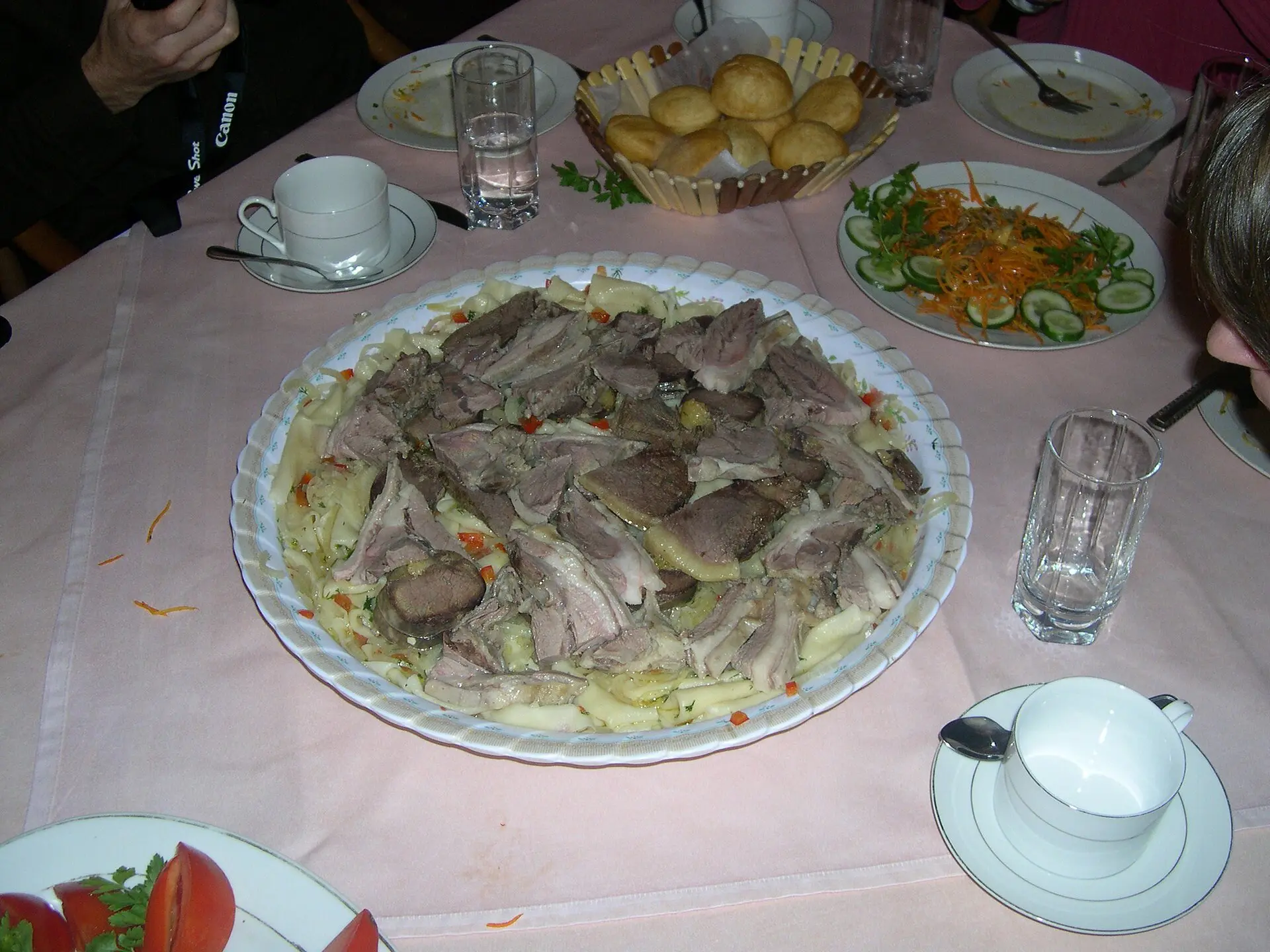
- Beshbarmak: the national dish of boiled meat, usually horse or lamb, served on wide noodles with onion broth. Its name means five fingers.
- Plov: rice with meat, carrots and onion, cooked in a large pot.
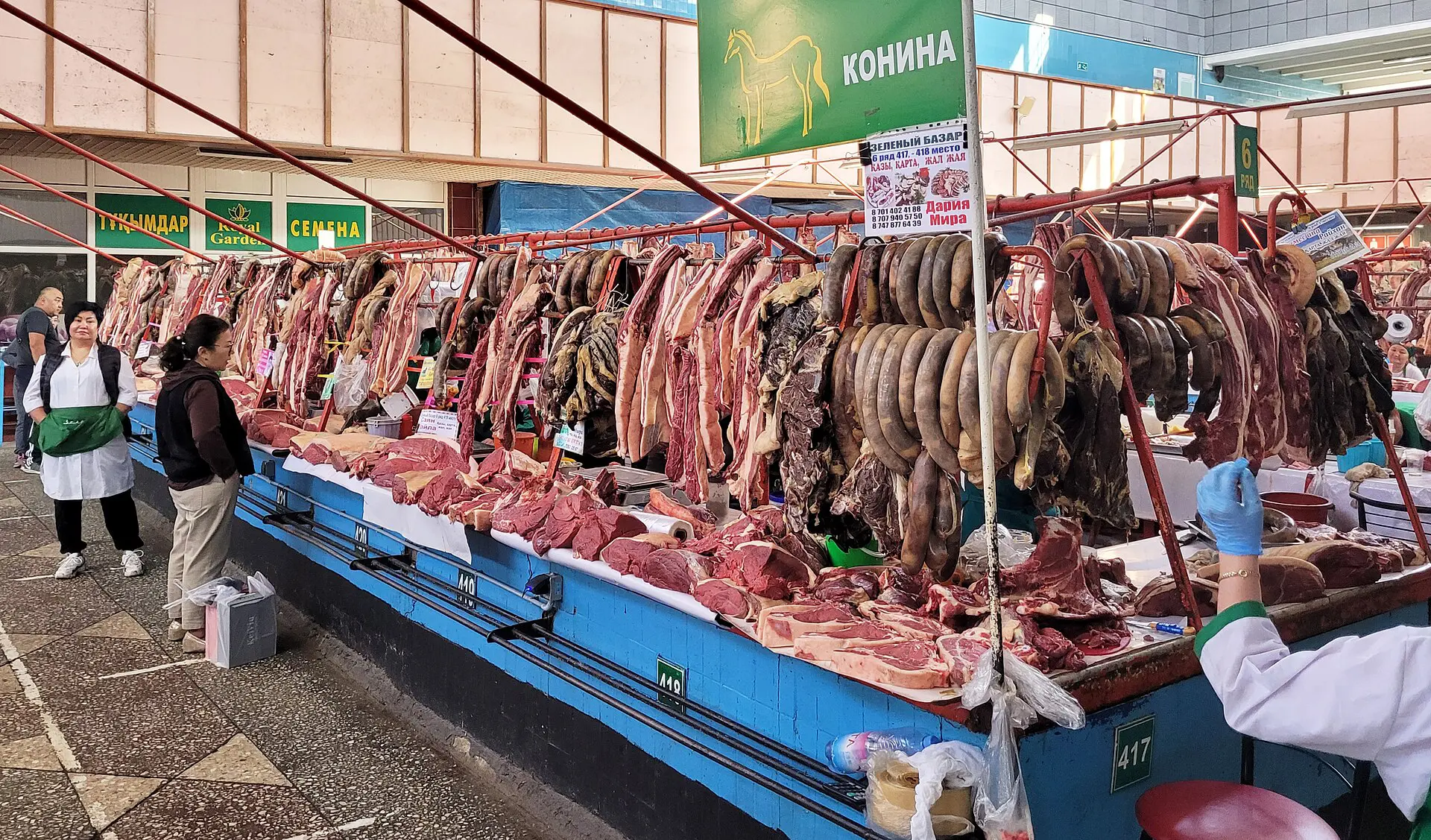
- Kazy and horse meat sausages: a delicacy at celebrations.
- Manty and samsa: steamed dumplings and baked pastries, eaten as snacks.
- Laghman: hand-pulled noodles in a spicy meat and vegetable sauce, from Uyghur cuisine.
- Baursak: small pieces of fried dough served with tea.
- Drinks: shubat (fermented camel milk), kymyz (fermented mare’s milk), black tea with milk, and local beer and vodka.
Almaty has a diverse restaurant scene, with Korean, Georgian, Uzbek and European options. Vegetarians may find the choice limited, though salads, soups, dumplings and bread are available, so say that you eat no meat or fish, and expect meat to appear in many broths. Bazaars such as the Green Bazaar in Almaty sell dried fruit, nuts, cheese and sweets. Tap water is not always safe to drink.
Culture, language and etiquette in Kazakhstan
Kazakh is the state language and Russian is widely used in business and cities, so many people speak both. English is more common among younger people in Almaty and Astana. Learning a few words, such as rakhmet (thank you) in Kazakh or spasibo in Russian, is welcomed. The country is moving Kazakh to a Latin-based alphabet, so you may see both scripts.
Most Kazakhs are Muslim, but the society is largely secular and relaxed about dress and alcohol, especially in cities. Dress modestly at mosques and rural villages. The ethnic mix is wide, including Kazakhs, Russians, Uzbeks, Uyghurs and many other communities, and relations are usually calm.
Hospitality is central. If invited to a home, bring a small gift such as sweets, remove your shoes and accept tea. Guests are traditionally given the best seat and food. Toasts at meals are long, and it is polite to wait for the elder to begin eating. Avoid discussing politics, the president or Russia unless locals raise it first, and never photograph military or government buildings. Respect the nomadic heritage and ask before taking photographs of people.
Kazakhstan itinerary: a 7-day route
This route focuses on Almaty’s mountains and canyons, then adds Astana by air for a contrast.
- Day 1, Almaty: arrive, walk Panfilov Park to Zenkov Cathedral, ride Kok Tobe, and dine on local food.
- Day 2, Medeu and Shymbulak: take a bus or taxi up the valley, walk to Medeu and ride the gondola to Shymbulak.
- Day 3, Big Almaty Lake: visit in the morning for the clearest views, then spend the afternoon at the Green Bazaar.
- Day 4, Charyn Canyon: drive about 3.5 hours, walk the canyon trail, and stay overnight nearby.
- Day 5, Kolsai and Kaindy: continue south to the lakes, with a short hike, then stay in a guesthouse.
- Day 6, Almaty to Astana: return to Almaty and fly to Astana, about 2 hours, then see Bayterek and the river promenade.
- Day 7, Astana: visit the Hazrat Sultan Mosque, Khan Shatyr and a museum, then fly home.
In winter, swap Charyn and Kolsai for skiing at Shymbulak and extra time in the cities. With more days, add Turkistan by night train.
Practical tips for Kazakhstan
- Money: the tenge is the local currency. Cards work in cities, and ATMs are common, but carry cash for villages, bazaars and taxis. Exchange offices give better rates than airports.
- SIM and eSIM: prepaid SIMs from local operators are cheap and coverage is good in cities and along main roads; mountains and deserts have gaps. eSIMs also work.
- Plugs: types C and F at around 220 to 230 V, as in much of Europe.
- Tipping: about 10 percent in restaurants if no service charge is included; round up for taxis.
- Health: bring insurance, any prescription medicine and sun protection. Altitude can affect some visitors at lakes above 2,500 metres.
- Packing: warm layers even in summer for the mountains, sturdy shoes, and heavy winter gear from November to March.
- Apps: use Yandex Go for taxis, 2GIS for maps and a translation app for Russian and Kazakh.
- Booking: book guesthouses near Kolsai and domestic flights in advance in summer.
For more background, see the Wikivoyage Kazakhstan guide.
FAQ
Q1Is Kazakhstan safe?
Yes, for most visitors. Violent crime against tourists is uncommon, and the main risks are driving, winter cold and remote terrain. Use official taxis, keep valuables secure in bazaars, avoid border areas and check your government's current travel advice before you go.
Q2What is Kazakhstan food like?
Kazakhstan food is meat- and dairy-based. Try beshbarmak (boiled meat on noodles), plov, manty dumplings, laghman noodles, baursak and kazy sausage. Drinks include milky tea, shubat and kymyz. Almaty also offers Korean, Georgian and European restaurants, though vegetarians may find fewer options.
Q3What are the best things to do in Kazakhstan?
Visit Big Almaty Lake, ski or walk at Shymbulak and Medeu, hike in Charyn Canyon and the Kolsai Lakes, see Astana's modern skyline, tour the Turkistan mausoleum and stay in a yurt camp. Mangystau desert tours suit adventurous visitors.
Q4What is the best time to visit Kazakhstan?
May to September suits mountains and lakes, while April to May and September are good for cities. Winter is very cold, with Astana often below minus 20 C, but it suits skiing at Shymbulak. Summer lowlands can be very hot.
Q5Do I need a visa for Kazakhstan?
It depends on your nationality. Citizens of many countries, including EU states, the UK and the US, have been able to enter visa-free for limited stays, while others need an e-visa or visa. Check with the Kazakh foreign ministry or an embassy before booking.
Q6What are the best places to visit in Kazakhstan?
Almaty is the best base for mountains and lakes, Charyn Canyon and Kolsai Lakes are the top natural sights, Astana has modern architecture, Turkistan has the UNESCO mausoleum, and Mangystau offers desert landscapes.
Q7How many days do you need in Kazakhstan?
Seven days covers Almaty, Charyn Canyon, Kolsai Lakes and Astana without rushing. Four days is enough for Almaty and the mountains alone. Add more time for Turkistan, Mangystau or trekking, because distances are very large and travel is slow.