Why visit the United Arab Emirates (UAE)
This UAE travel guide begins with what sets the country apart: a federation of seven emirates, Abu Dhabi, Dubai, Sharjah, Ajman, Umm Al Quwain, Ras Al Khaimah and Fujairah, that went from pearl-diving and trading ports to a global hub within a few decades (see the Wikipedia overview for background). Dubai has the Burj Khalifa and large malls, Abu Dhabi has the Sheikh Zayed Grand Mosque and major museums, and the east coast and mountains give a different, quieter side.
The United Arab Emirates suits visitors who want an easy, polished trip: reliable infrastructure, English widely spoken, a wide range of hotels and very low street crime. It works well for families, stopovers between Europe and Asia, winter sun and anyone interested in architecture, desert adventure or shopping. It is less suited to travellers on a tight budget, who look for cheap local transport or relaxed rules on alcohol and public behaviour, and summer visitors should expect extreme heat.
Best places to visit in the United Arab Emirates (UAE)
The best places to visit in the UAE are concentrated along the Gulf coast, with desert and mountain areas a short drive inland.
Dubai
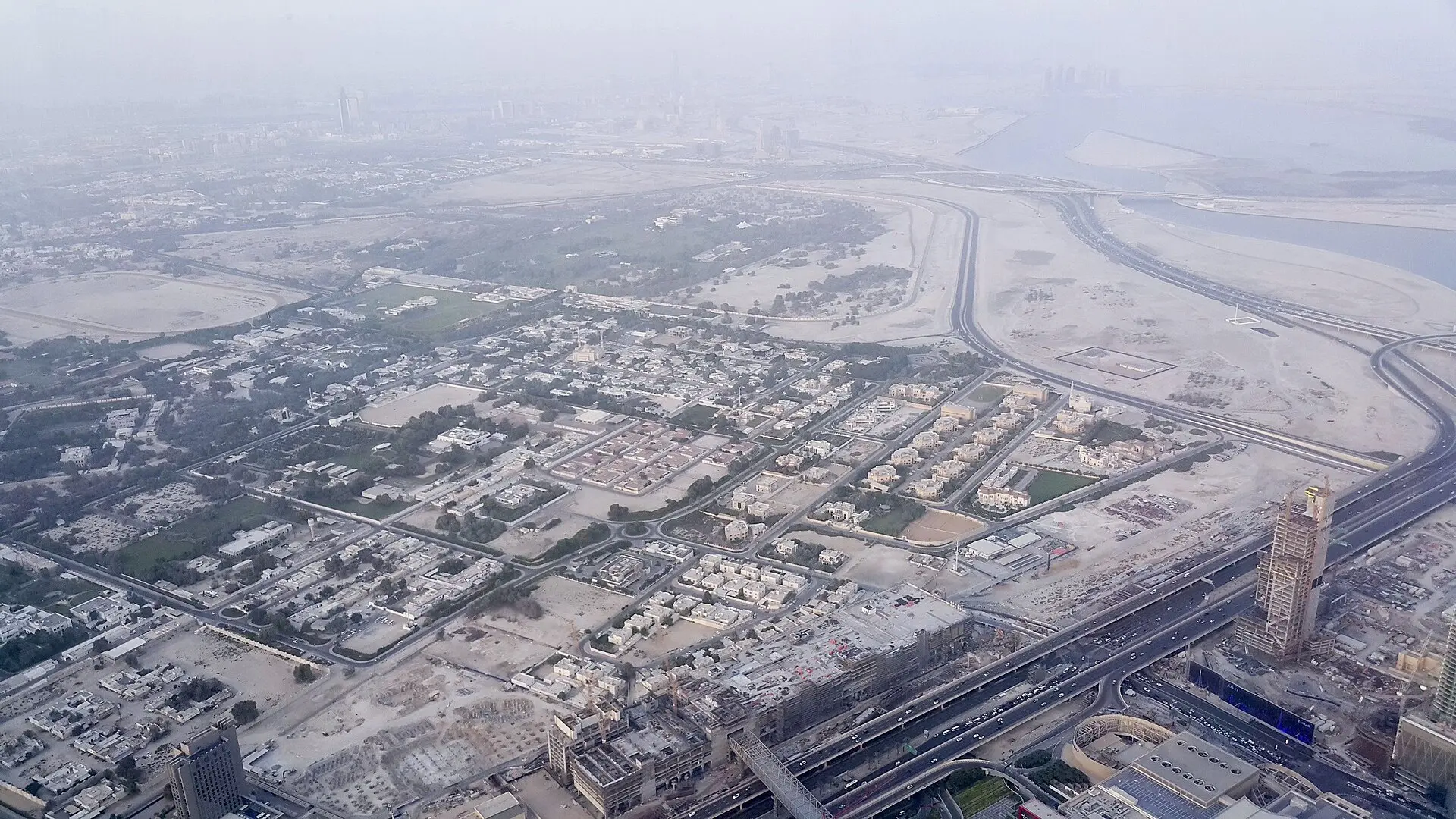
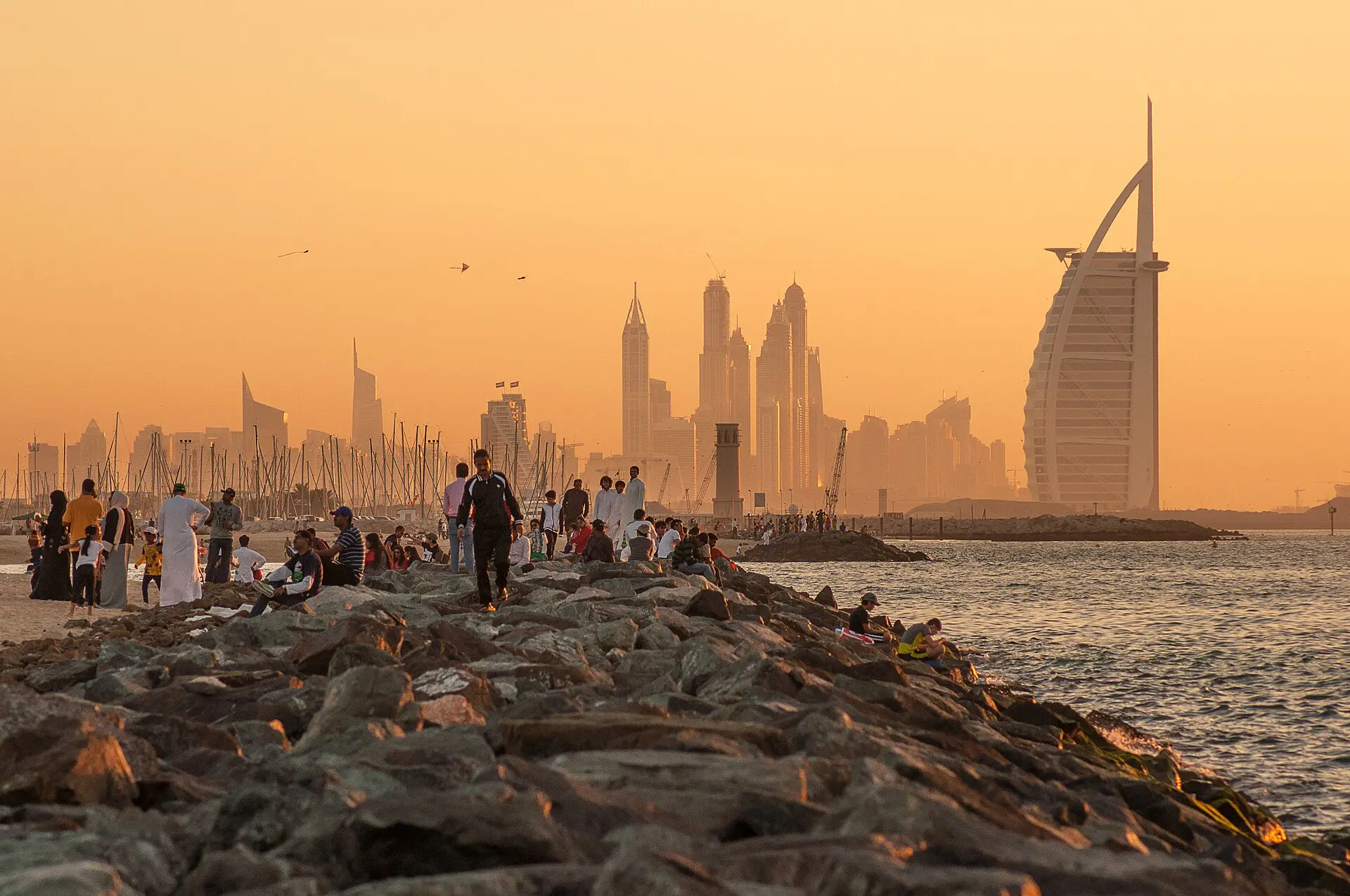
The largest city by visitor numbers, with the Burj Khalifa, Dubai Mall, the old creek districts of Al Fahidi and Deira, souks for gold and spices, and long beaches at Jumeirah. Palm Jumeirah and the Marina have resort hotels.
Abu Dhabi
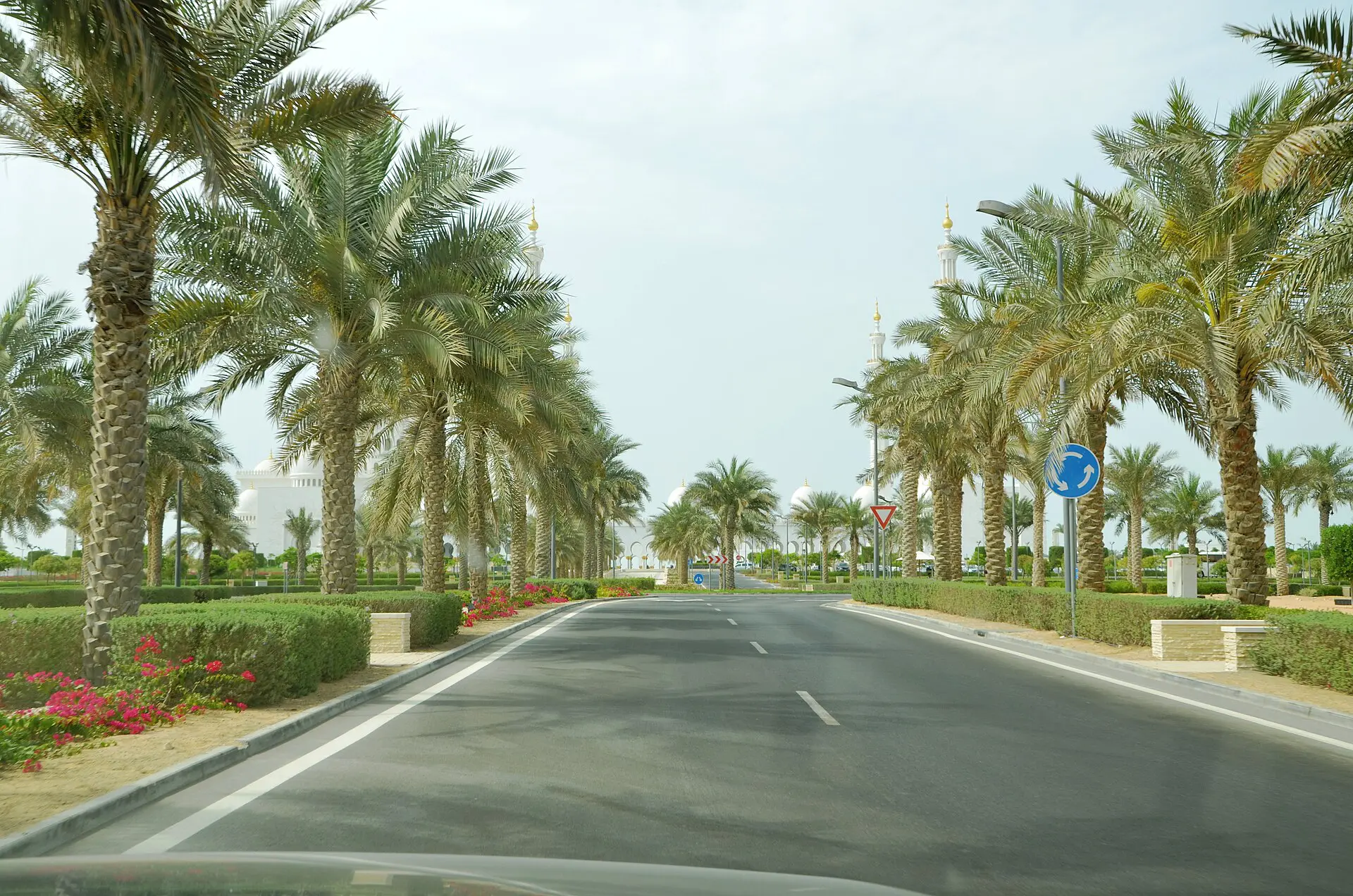
The federal capital, with the white-marble Sheikh Zayed Grand Mosque, the Louvre Abu Dhabi on Saadiyat Island, the Corniche waterfront and Yas Island theme parks. It is calmer and greener than Dubai.
Sharjah
A cultural emirate next to Dubai, with museums, a UNESCO-listed Heart of Sharjah heritage area and Islamic art. Alcohol is not sold, and rules are stricter.
Al Ain
An oasis city inland from Abu Dhabi, with UNESCO-listed oases, tombs and a fort, and the road up Jebel Hafeet.
Ras Al Khaimah
The northernmost major emirate, with mountains, Jebel Jais and beach resorts.
Fujairah and the east coast
A Gulf of Oman coast with snorkelling, the old Al Bidyah Mosque and Hajar mountain wadis.
Top things to do in the United Arab Emirates (UAE)
The top things to do in the UAE mix big-city sights, desert experiences and beach time, and most can be arranged on arrival.
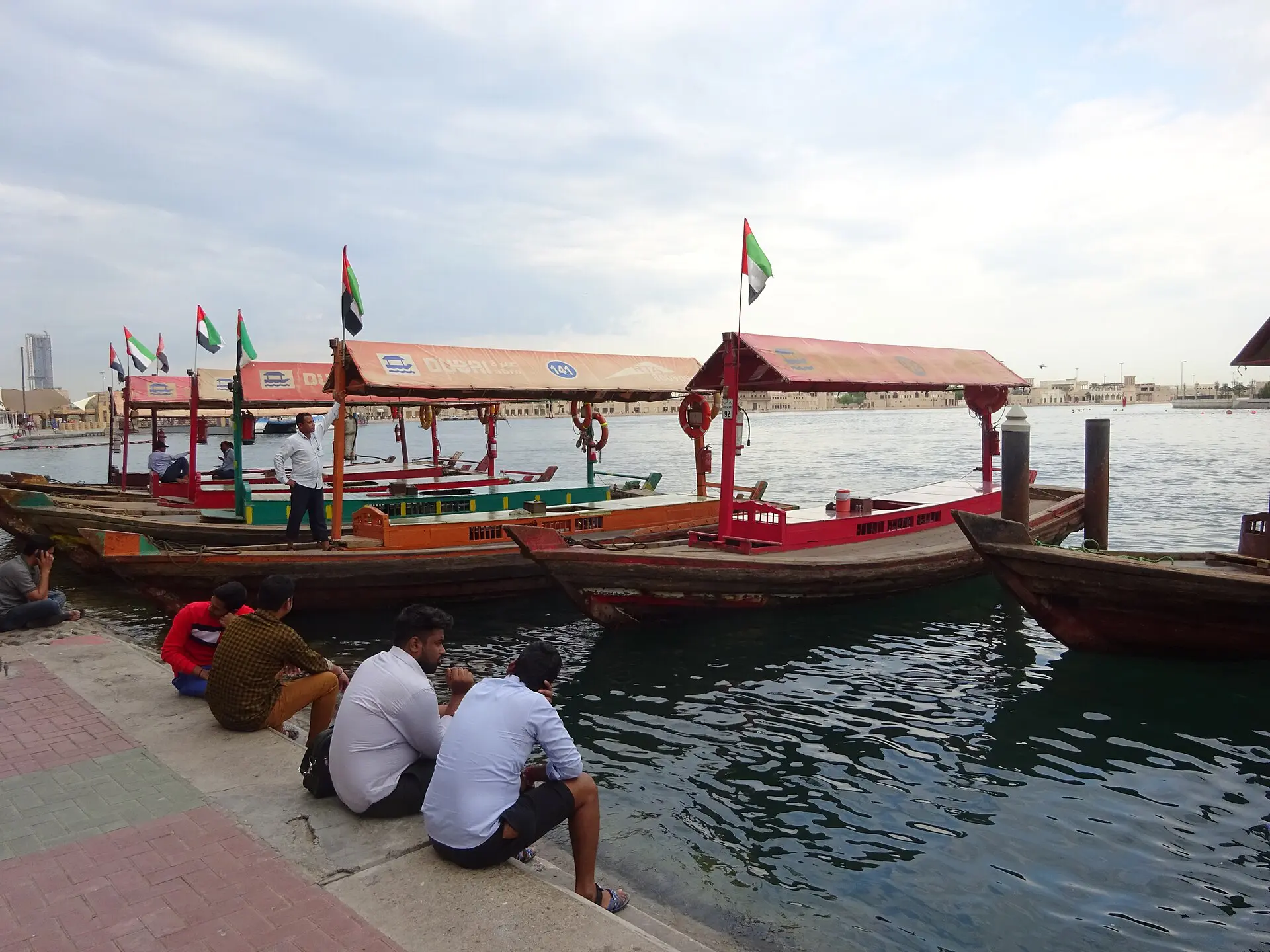
- Go up the Burj Khalifa: the observation decks give views of Dubai from above 440 metres, and tickets are cheaper when booked ahead.
- Visit the Sheikh Zayed Grand Mosque: free entry, with modest dress required, and sunset is the most photogenic time.
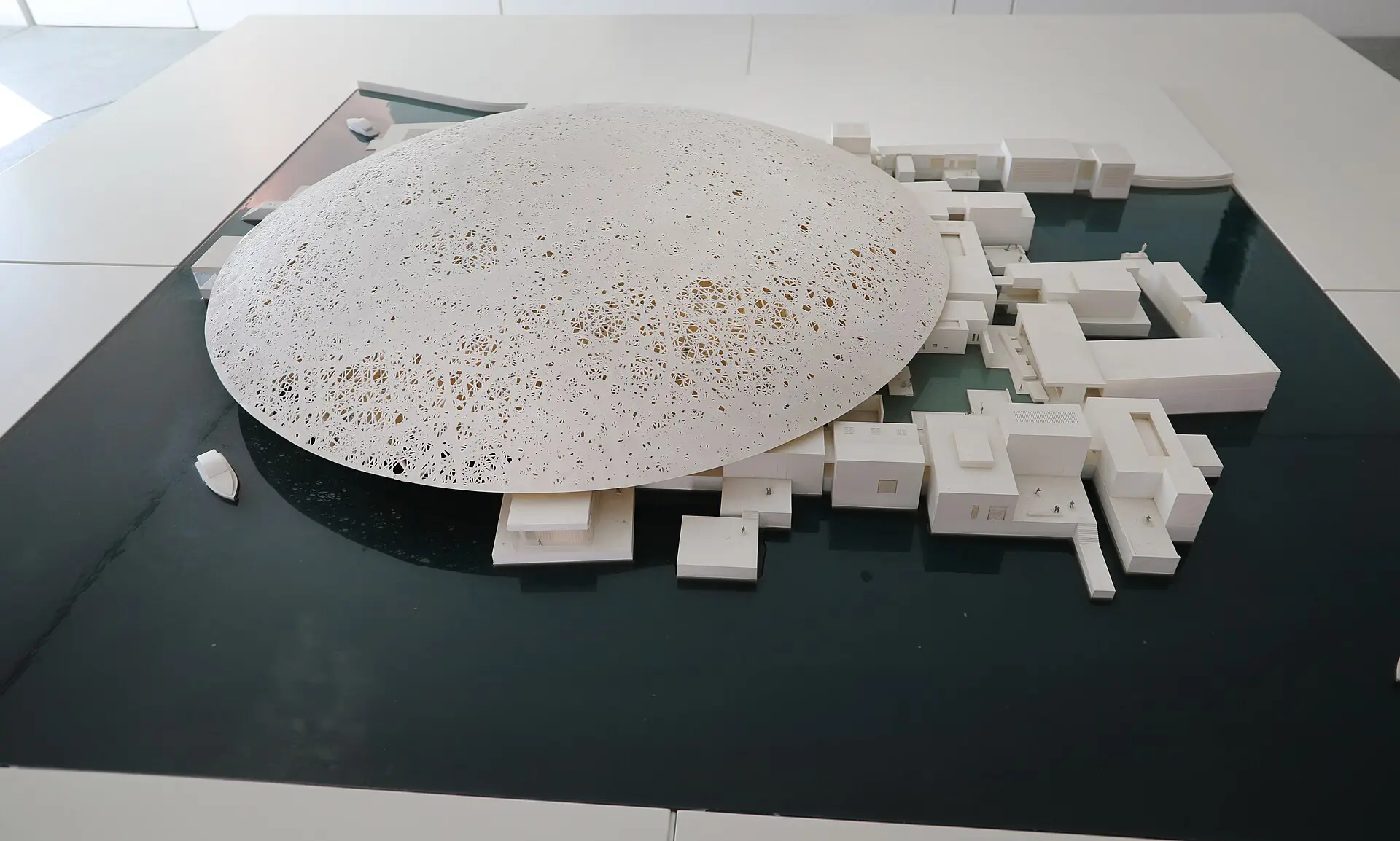
- See the Louvre Abu Dhabi: a museum under a latticed dome on the water.
- Take a desert safari: dune driving, camel rides and a camp dinner, or a quieter tour at a conservation reserve.
- Explore old Dubai: cross Dubai Creek by abra boat and visit the gold and spice souks in Deira.
- Swim at the beaches: public beaches at Jumeirah, Saadiyat and Kite Beach have lifeguards and facilities.
- Drive up Jebel Jais: the highest peak in the UAE, with a mountain road and viewing points.
- Visit Qasr Al Watan or the Emirates Palace in Abu Dhabi: palace-style buildings open for tours.
- Walk the Heart of Sharjah: museums, galleries and old houses in a heritage district.
- Hike in Hajar wadis: short walks to pools and gorges in cooler months.
Best time to visit the United Arab Emirates (UAE)
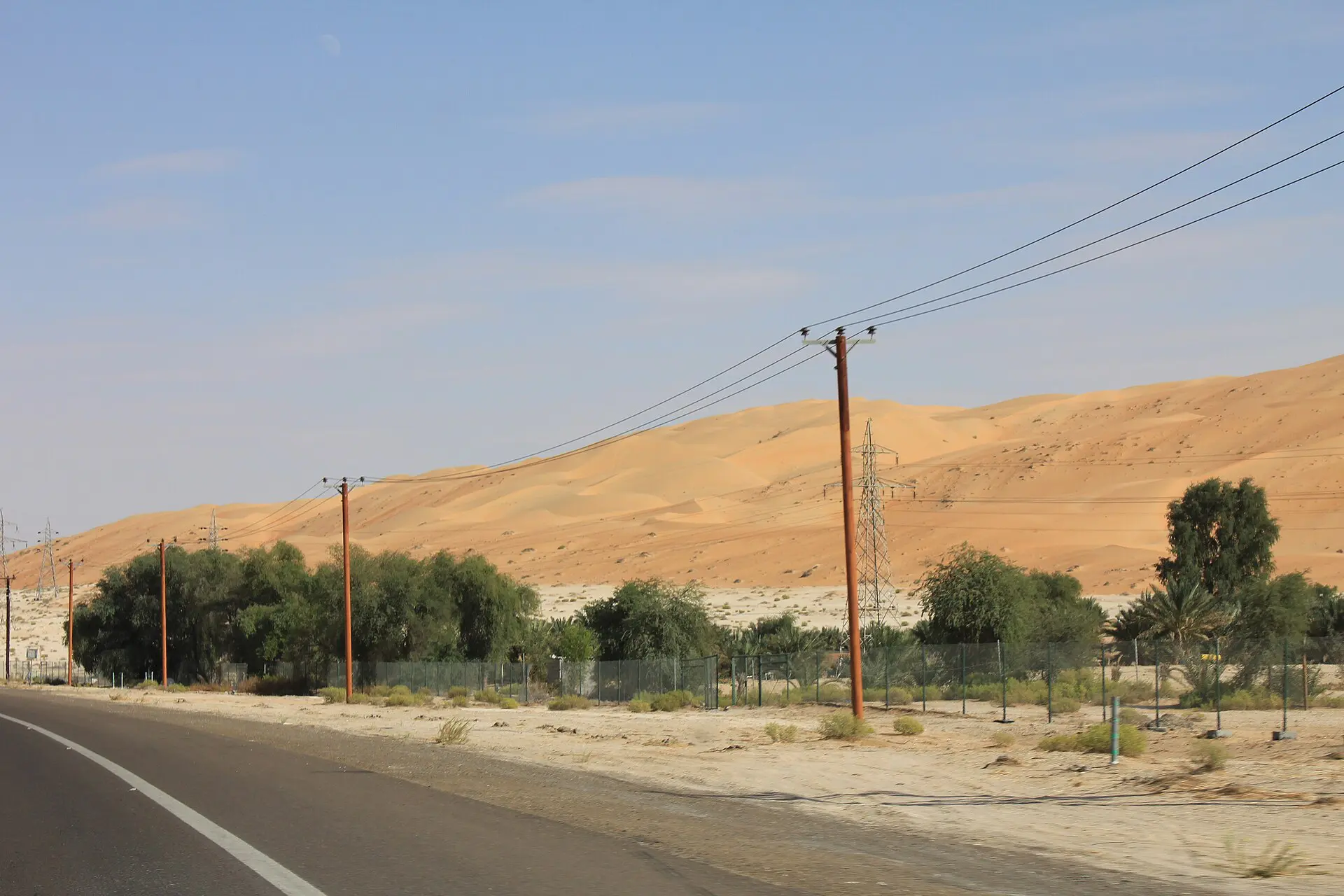
The best time to visit the UAE is November to March, when daytime highs are around 25 to 32 C and outdoor sightseeing, beaches and desert trips are comfortable. June to September is extremely hot and humid, with temperatures above 40 C, so most activity moves indoors. Hotel prices are highest in December and January, and lowest in summer.
| Season | Weather | Crowds and prices | Good for |
|---|---|---|---|
| Winter (Nov-Feb) | Warm and dry, cooler evenings | Highest; peak around New Year | Beaches, desert, city sightseeing |
| Spring (Mar-Apr) | Warm to hot, rising humidity | Moderate | Cities, outdoor activities early in the day |
| Summer (May-Sep) | Very hot, often above 40 C, humid | Lowest hotel prices | Malls, indoor attractions, hotel deals |
| Autumn (Oct) | Hot, easing late in the month | Moderate, rising | Shoulder-season bargains |
Ramadan shifts with the lunar calendar. Daytime eating and drinking in public is restricted and some venues change hours, though many hotels keep restaurants open. Prices often fall, and evenings become lively.
Is the United Arab Emirates (UAE) safe to visit?
Yes, the UAE is among the safest countries for visitors, with very low street crime and a strong police presence. The main risks are legal rather than criminal: laws are strict, and behaviour that is tolerated elsewhere can bring fines or arrest. Check your government’s current travel advice, such as the UK FCDO or US State Department, because the wider regional security situation can change.
Laws. Drugs are treated severely, and even traces of some medicines can be a problem, so check that prescription drugs are permitted before travel. Alcohol is sold in licensed hotels, bars and restaurants, but drinking in public or drunkenness can lead to arrest. Public displays of affection, offensive gestures and swearing can cause trouble. Posting critical or offensive material online can be prosecuted.
Heat and health. Heat stroke and dehydration are real risks from May to September. Drink water, avoid midday sun and use sun protection. Hospitals are good, but costs are high without insurance.
Roads. Traffic is fast, lane discipline is variable, and speeding fines are heavy. Desert driving and dune bashing carry risks, so use licensed operators. Swim only where lifeguards are on duty, since rip currents occur.
Visa and entry requirements for the United Arab Emirates (UAE)
Entry rules depend on your nationality, and they have changed several times, so confirm the current position with the UAE Federal Authority for Identity, Citizenship, Customs and Port Security (ICP) or your airline. Many visitors, including citizens of the UK, the EU and the US, have been able to enter visa-free or with a visa on arrival for stays of 30 to 90 days, while others need to apply for an e-visa in advance through an airline, a hotel or the official portal.
Bring a passport valid for at least six months and with blank pages, plus a return or onward ticket and confirmed accommodation. Some travellers are asked to show proof of funds. Entry may be refused for criminal records or past travel to certain countries.
Transit visas and short stopover arrangements exist, and airlines such as Emirates and Etihad sometimes offer stopover packages. Check the passport rules for your own nationality before booking. The UNESCO page for the United Arab Emirates lists the heritage sites, but not entry rules.
Getting to and around the United Arab Emirates (UAE)
Most visitors fly into Dubai International (DXB), one of the busiest international airports in the world, or into Abu Dhabi’s Zayed International Airport (AUH). Sharjah, Ras Al Khaimah and Fujairah also have airports with regional links. There are land borders with Oman and Saudi Arabia, and the main route from Oman passes through Hatta or Al Ain.
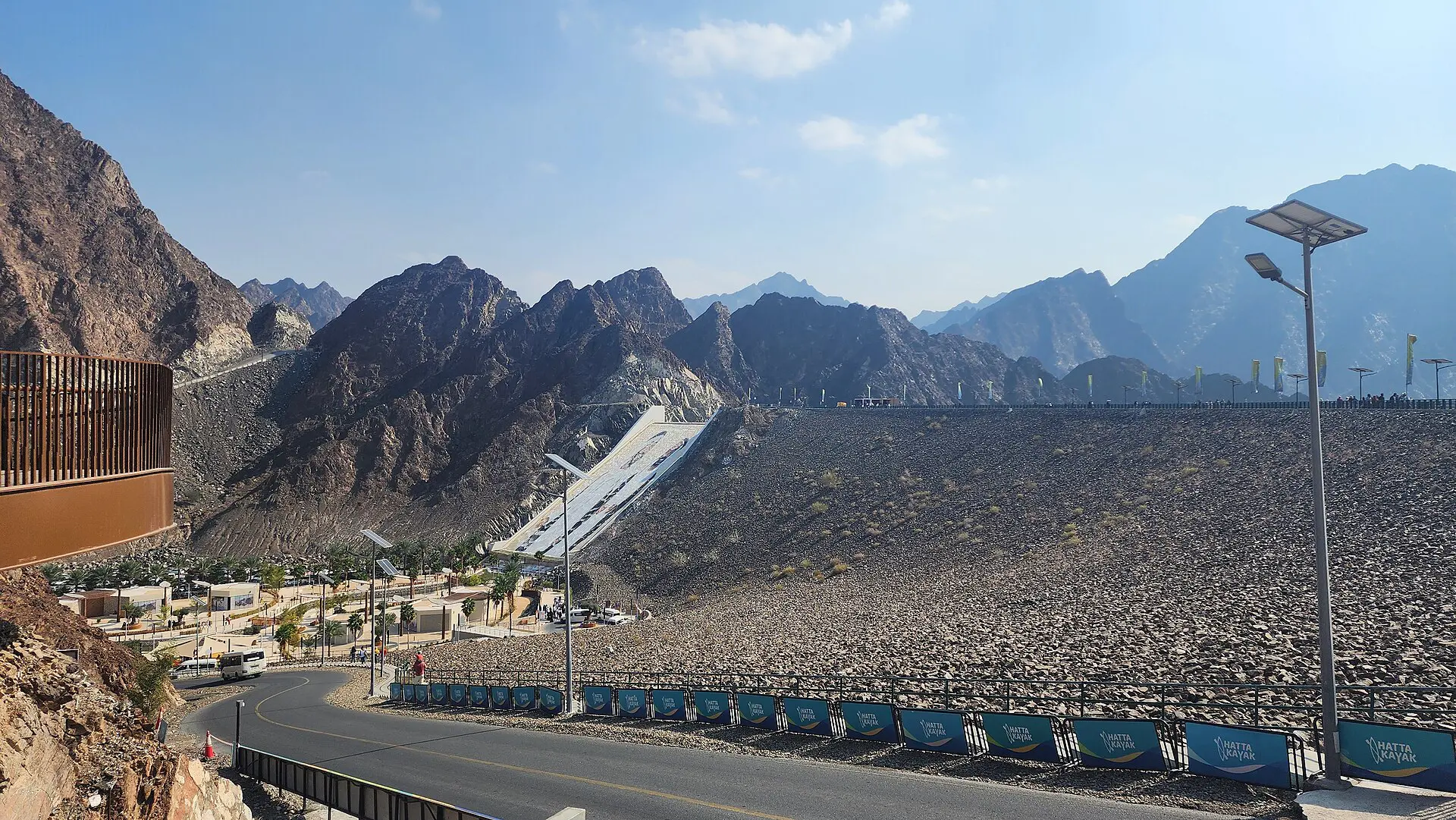
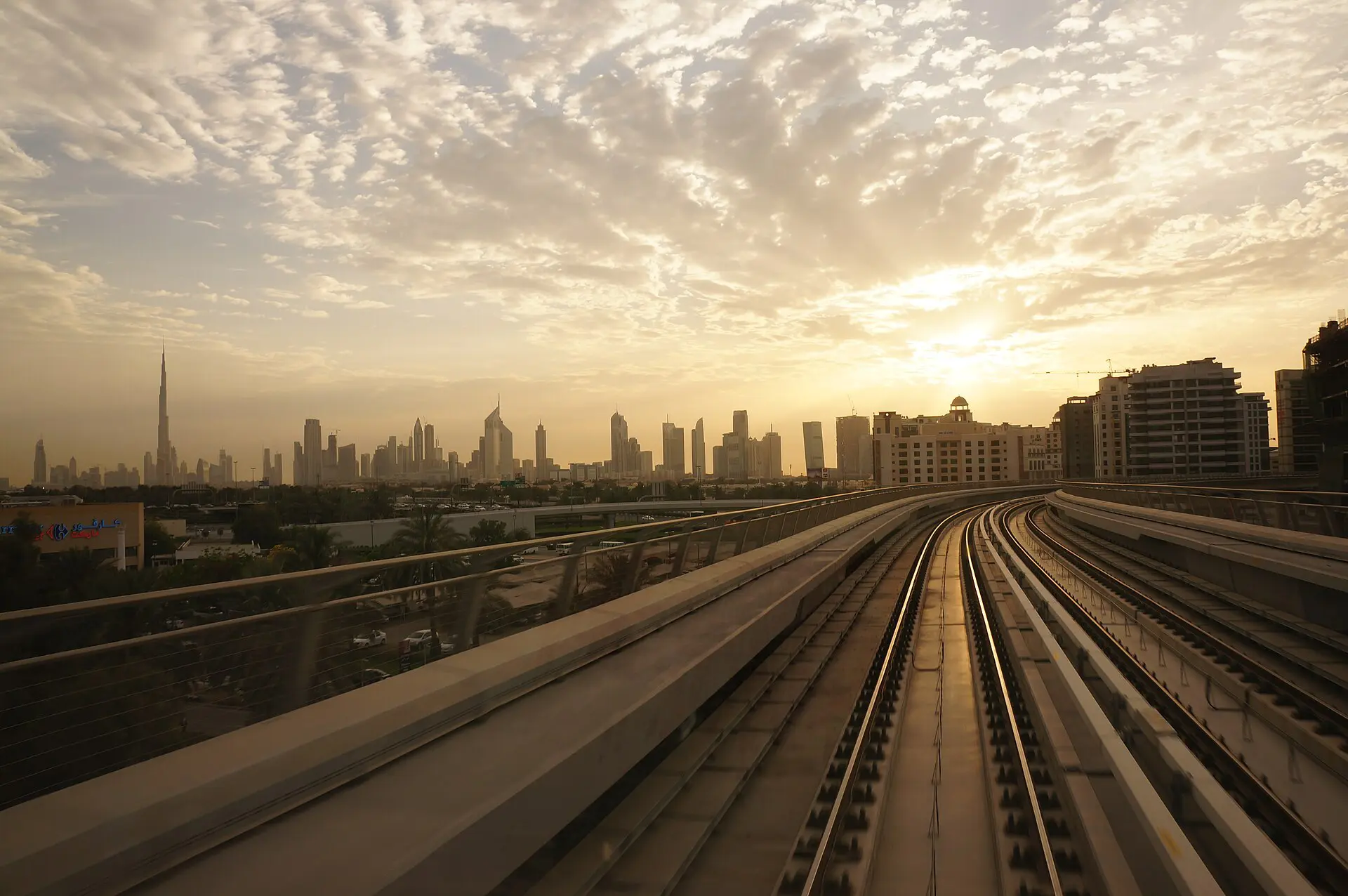
Inside the country, Dubai has a clean metro, trams, buses and abundant taxis, plus ride-hailing apps. Abu Dhabi relies on buses and taxis. Intercity buses run between Dubai and Abu Dhabi in around 90 minutes to two hours, and a taxi covers the distance in about an hour, with traffic shaping the journey. A national rail line has been under construction for passenger service, so check current plans.
Renting a car suits trips to Hatta, Jebel Jais, Fujairah and Al Ain. Driving is on the right, roads are modern and signs are in English and Arabic, but speed limits are enforced by cameras. Bring an international driving permit if your licence is not accepted. Water taxis, abras and ferries operate in Dubai, and boats run to islands and beaches.
How much does a trip to the United Arab Emirates (UAE) cost?
The UAE is more expensive than many Asian destinations but offers a wide range, from basic hotels to some of the most luxurious in the world. The currency is the UAE dirham (AED), which has long been pegged to the US dollar at about 3.67 dirhams per dollar. Figures below are rough per-person guides and move with the season.
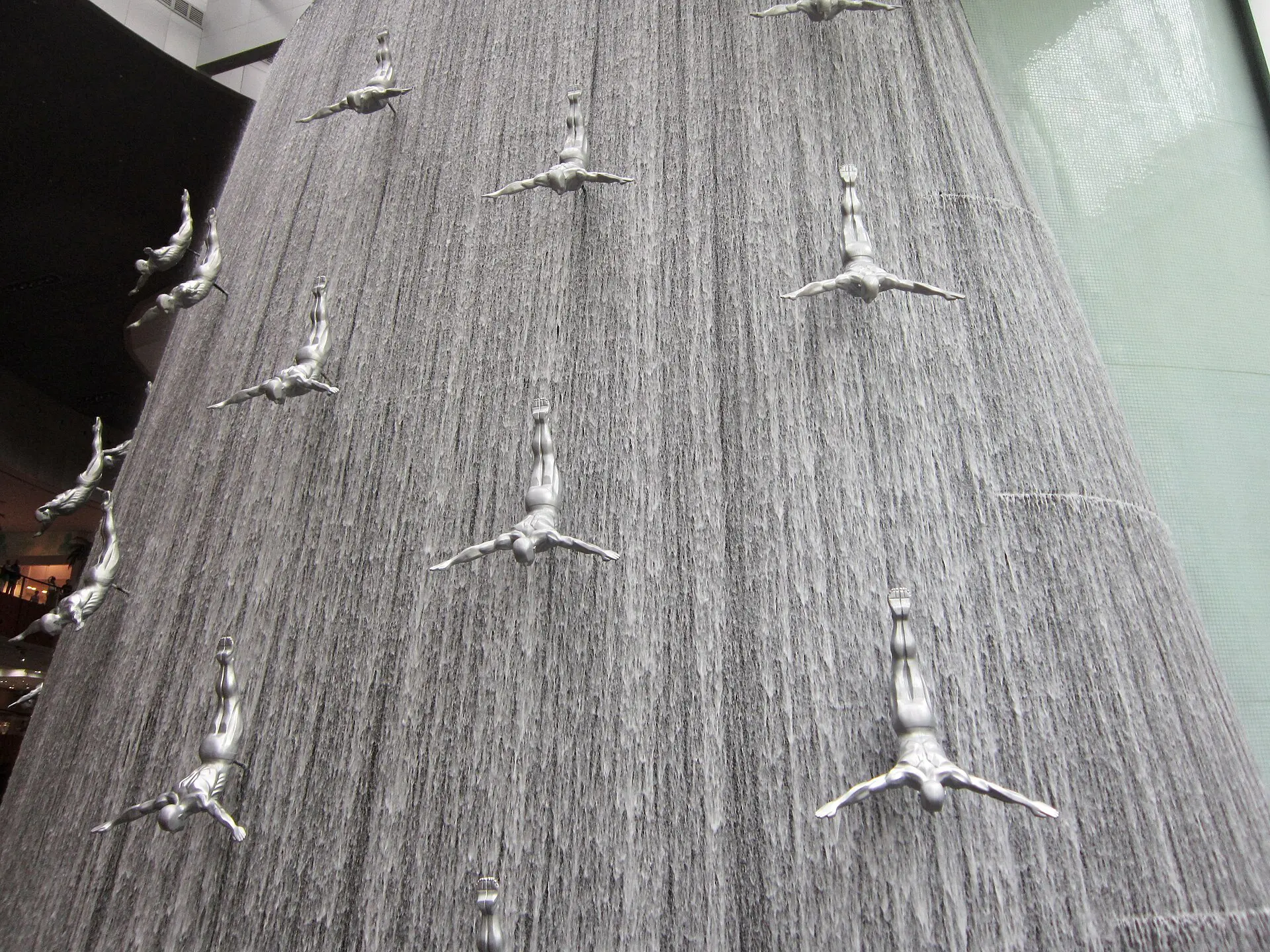
- Budget: around USD 80 to 130 per day, with hostels or basic hotels, metro, shawarma and street food.
- Mid-range: around USD 200 to 400 per day, with a good hotel, restaurant meals, attractions and taxis.
- High-end: from around USD 600 per day, with luxury hotels, fine dining and private tours.
Accommodation is the main cost and varies by season, with December and January the most expensive. Attractions such as the Burj Khalifa observation deck, theme parks and desert safaris add up, and alcohol is heavily taxed and priced high in licensed venues. Eating in local cafeterias and using public transport keeps costs down, while the metro and buses are cheap. Tourism fees may appear on hotel bills per night in some emirates, so check what is included.
United Arab Emirates (UAE) food and drink
UAE food reflects its Gulf roots and its population, which is mostly expatriate, so you can eat well across Arabic, Indian, Persian, Filipino and international cuisines. Many of the best-value meals are in small cafeterias.
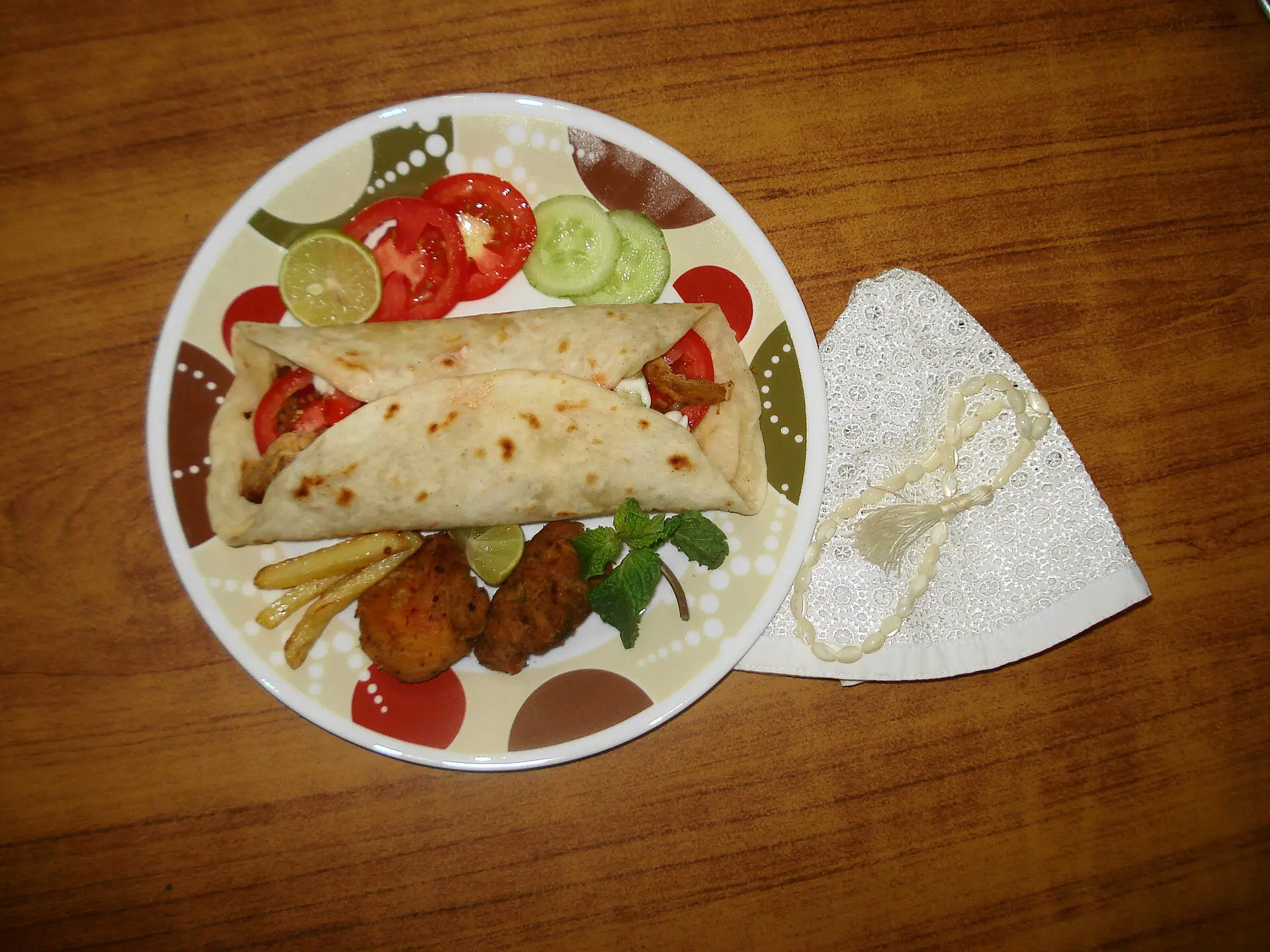
- Shawarma: sliced grilled meat in flatbread, a cheap staple across the cities.
- Machboos: spiced rice with lamb, chicken or fish, a traditional Gulf dish.
- Harees and luqaimat: a wheat and meat porridge, and sweet fried dumplings with date syrup.
- Hummus, falafel and mezze: widely available and good for vegetarians.
- Fresh seafood: grilled hammour and prawns at harbour restaurants.
- Camel milk and dates: dates are a traditional welcome, and camel milk chocolate is a popular souvenir.
- Arabic coffee and karak chai: cardamom coffee served in small cups, and spiced milk tea from roadside cafés.
Pork and alcohol are restricted: pork is sold in separate sections in some supermarkets, and alcohol is available only in licensed venues, such as hotel bars and restaurants. Sharjah is dry. Halal rules apply to most meat. During Ramadan, eating, drinking and smoking in public during daylight is discouraged or banned, so follow local signs.
Culture, language and etiquette in the United Arab Emirates (UAE)
Arabic is the official language, and English is the common language of business, hotels and shops. Roughly nine in ten residents are expatriates, so the cities are very international, while Emirati culture shapes laws, dress and public life. Islam is the state religion, and the call to prayer is heard five times a day. Greeting with salaam alaikum is appreciated.
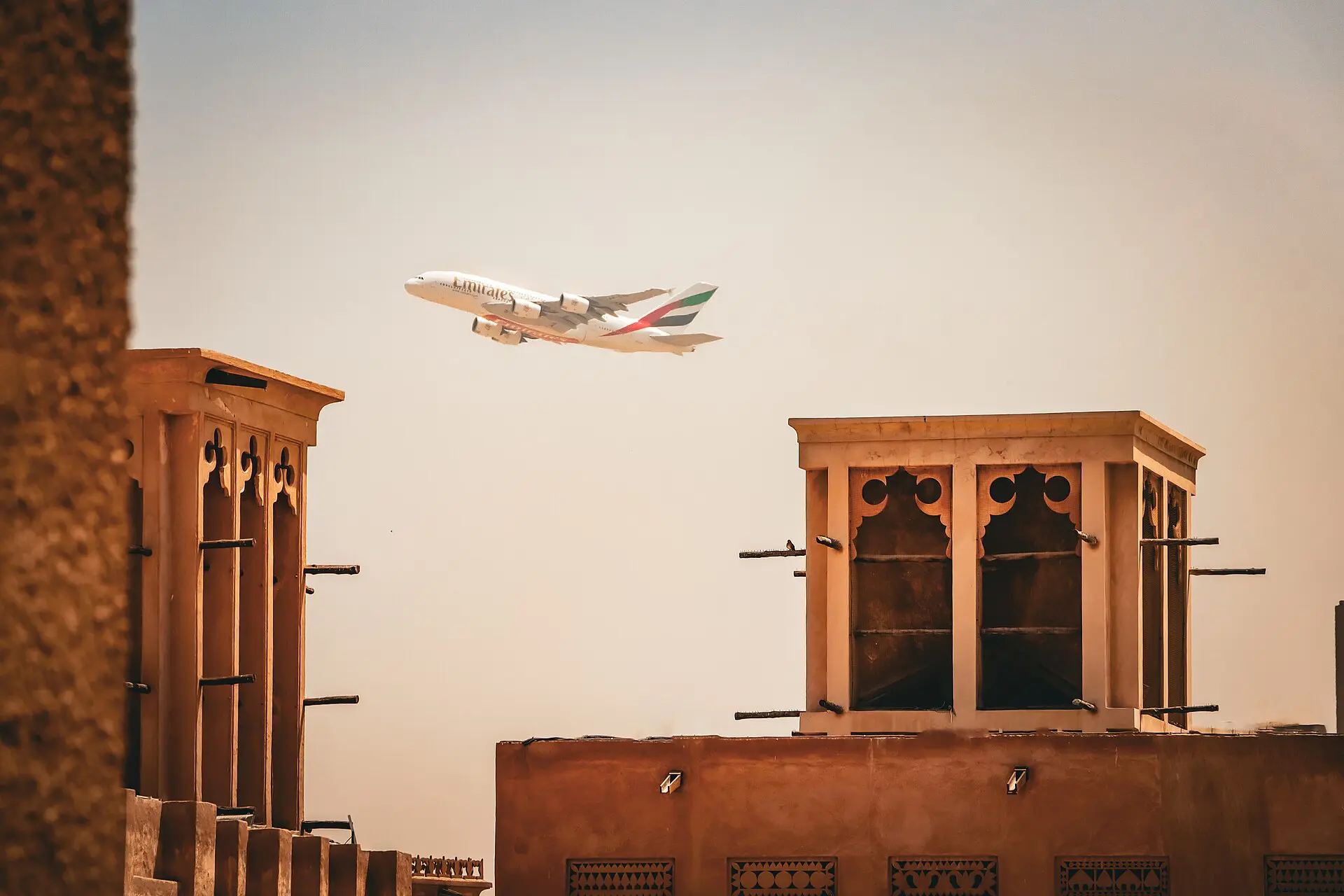
Dress is relaxed in resorts and beaches, where swimwear is fine, but elsewhere it should be modest: shoulders and knees covered in malls, government buildings and public spaces is a good rule. The Sheikh Zayed Grand Mosque provides abayas for visitors and requires women to cover their hair, and men to wear long trousers. Avoid public displays of affection beyond holding hands.
Use the right hand for eating, greeting and handing over items. Do not photograph Emirati women or families without permission, or government buildings and military sites. Respect Ramadan by not eating or drinking in public in daylight, and expect shorter working hours. Friday is the main prayer day, and the weekend in most places is Saturday and Sunday. Disrespecting the rulers, religion or the national flag is a crime.
United Arab Emirates itinerary: a 7-day route
This route runs between Dubai and Abu Dhabi with a day in the mountains, using the metro, taxis and one day of car hire or a tour. It is best from November to March.
- Day 1, Dubai: arrive, then walk along Jumeirah Beach and have dinner near the Dubai Fountain.
- Day 2, old and new Dubai: explore Al Fahidi, cross the Creek by abra, visit the souks, and go up the Burj Khalifa at sunset.
- Day 3, desert safari: a morning at the beach or Dubai Frame, then an afternoon and evening desert trip.
- Day 4, Sharjah: spend a day at the museums and the Heart of Sharjah, about 30 to 60 minutes from Dubai depending on traffic.
- Day 5, Abu Dhabi: travel by bus or taxi, visit the Sheikh Zayed Grand Mosque and the Corniche.
- Day 6, Abu Dhabi culture: spend the morning at the Louvre Abu Dhabi and the afternoon at Saadiyat Beach or Qasr Al Watan.
- Day 7, Ras Al Khaimah or Hatta: drive about 90 minutes to Jebel Jais or Hatta, then return to the airport.
With extra days, add Al Ain and the Hajar oases, or the east coast at Fujairah. In summer, replace outdoor days with museums, malls and hotel pools.
Practical tips for the United Arab Emirates (UAE)
- Money: the dirham (AED) is the currency, and cards and contactless payments are accepted almost everywhere. ATMs are common. Carry a little cash for taxis, souks and tips.
- SIM and eSIM: tourist SIMs from the main providers and eSIMs are available at the airport. Some voice-over-internet services are restricted, so check before relying on them.
- Plugs: type G (British three-pin) at 230 V.
- Tipping: around 10 to 15 percent in restaurants if no service charge is added, and small amounts for drivers and porters.
- Health: carry insurance, drink plenty of water, use sunscreen, and take prescriptions in original packaging with a doctor’s letter.
- Packing: light cotton clothing, a layer for strong air conditioning, a scarf for mosques, a hat and sunglasses.
- Weekend and prayer times: some shops close briefly on Friday, and attractions get busy on weekends.
- Drones and photos: drones need permits, and photographing government sites or people without permission is not allowed.
For wider background, see the Wikivoyage United Arab Emirates guide.
FAQ
Q1Is the UAE safe to visit?
Yes, it is one of the safest countries for tourists, with very low street crime. Risks are mainly legal: strict rules on drugs, alcohol, public behaviour and online content. Heat and traffic also matter. Check your government's current travel advice, as regional security can change.
Q2What is the best time to visit the UAE?
November to March is best, with warm, dry weather suited to beaches, desert trips and sightseeing. Hotel prices peak in December and January. From June to September it is extremely hot and humid, though hotels are cheaper and indoor attractions remain open.
Q3What are the best things to do in the UAE?
Go up the Burj Khalifa, visit the Sheikh Zayed Grand Mosque and the Louvre Abu Dhabi, take a desert safari, explore old Dubai's creek and souks, swim at Jumeirah or Saadiyat, and drive up Jebel Jais or into the Hajar Mountains.
Q4Do you need a visa for the UAE?
It depends on nationality. Many visitors, including from the UK, EU and US, have entered visa-free or with a visa on arrival, while others need an e-visa arranged before travel. Confirm on the official UAE immigration source or with your airline before booking.
Q5How much does a trip to the UAE cost?
Mid-range travellers should plan around USD 200 to 400 per person per day, with budget trips from about USD 80 to 130. Accommodation is the biggest cost and peaks from December to January. Alcohol, attractions and desert tours add up quickly.
Q6What are the best places to visit in the UAE?
Dubai for skyline, beaches and shopping, Abu Dhabi for the grand mosque and museums, Sharjah for culture, Al Ain for oases, and Ras Al Khaimah or Fujairah for mountains and the east coast. Most are within two hours of each other.
Q7What should you not do in the UAE?
Avoid carrying or using drugs, drinking in public, public affection beyond holding hands, offensive gestures, and photographing people or government buildings without permission. Dress modestly away from the beach, respect Ramadan rules, and do not post offensive content about the country or its leaders.