Why visit Ukraine
This Ukraine travel guide begins with a plain statement: Ukraine is at war, and many governments advise their citizens not to travel there. Everything below describes what makes the country significant and what travel looked like before 2022, so readers can plan responsibly and follow developments (see the Wikipedia overview for the wider context). Do not treat this page as encouragement to go.
In peacetime Ukraine drew visitors for its scale and depth: the second-largest country in Europe after Russia, about 603,500 square kilometres, with Kyiv’s medieval churches, Lviv’s Habsburg-era centre, the Black Sea port of Odesa and the forested Carpathians. It suits history and architecture travellers, hikers and people interested in Eastern European culture. Some visitors today travel for humanitarian, journalistic, business or volunteer reasons; they should have official training, insurance that covers war zones, and a clear plan with a trusted organisation.
Best places to visit in Ukraine
The best places to visit in Ukraine have long been the historic cities and mountains of the centre and west. Conditions vary widely and change fast, so this list describes the places themselves and is not a recommendation to travel to them now. Areas in the east and south, and anywhere near the front line or the Russian and Belarusian borders, are the most dangerous.
Kyiv
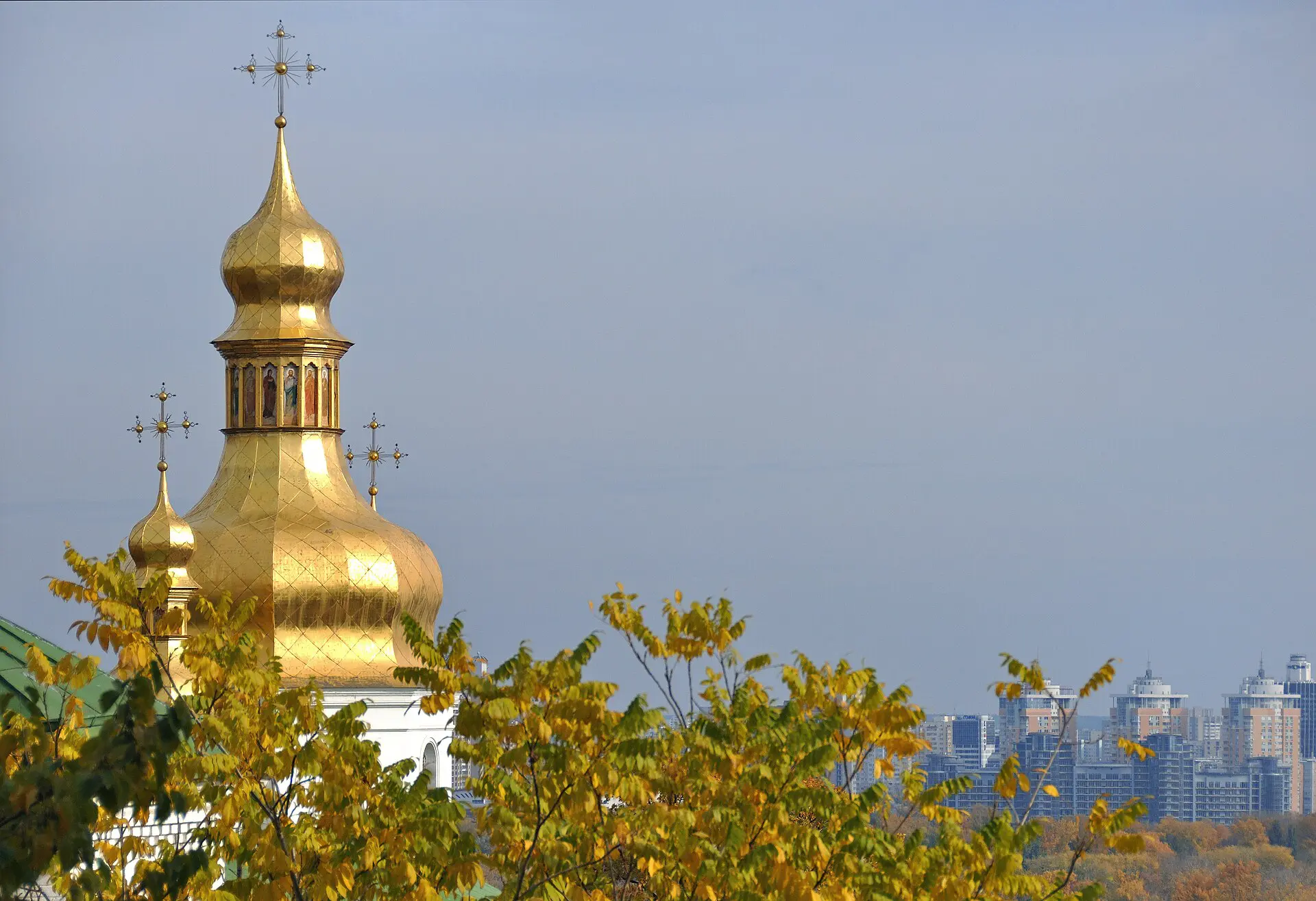
The capital stands on the Dnipro River and holds the golden-domed Saint Sophia Cathedral and Kyiv Pechersk Lavra, both on the UNESCO list. It also has leafy hills, a large Soviet-era skyline and a lively café scene. The city has been struck repeatedly by missiles and drones since 2022.
Lviv
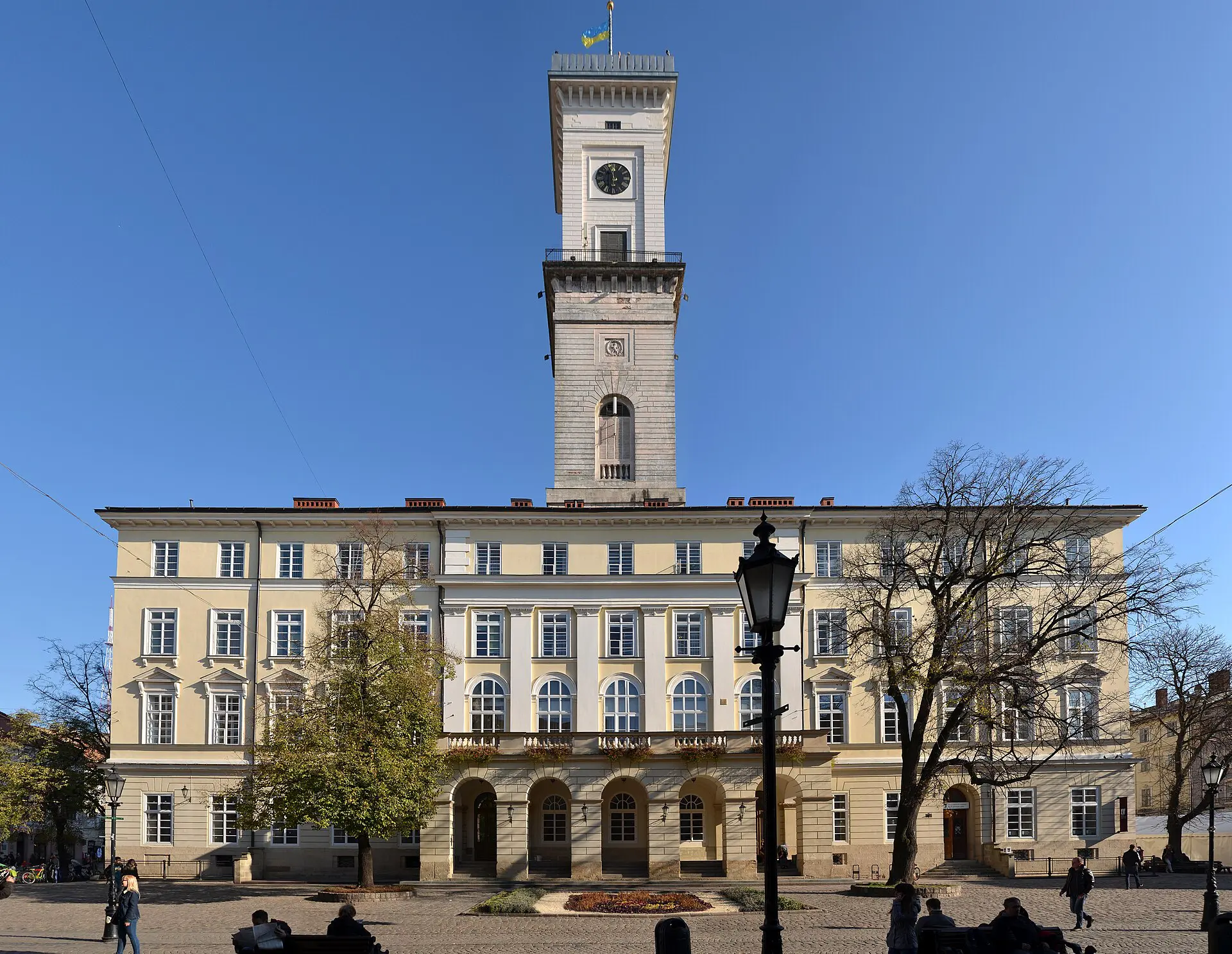
One of the main cultural centres of western Ukraine, Lviv has a UNESCO-listed old town of cobbled squares, baroque churches and coffee houses. It was part of Poland until 1939 and long served as a gateway for visitors arriving from Poland.
Chernivtsi
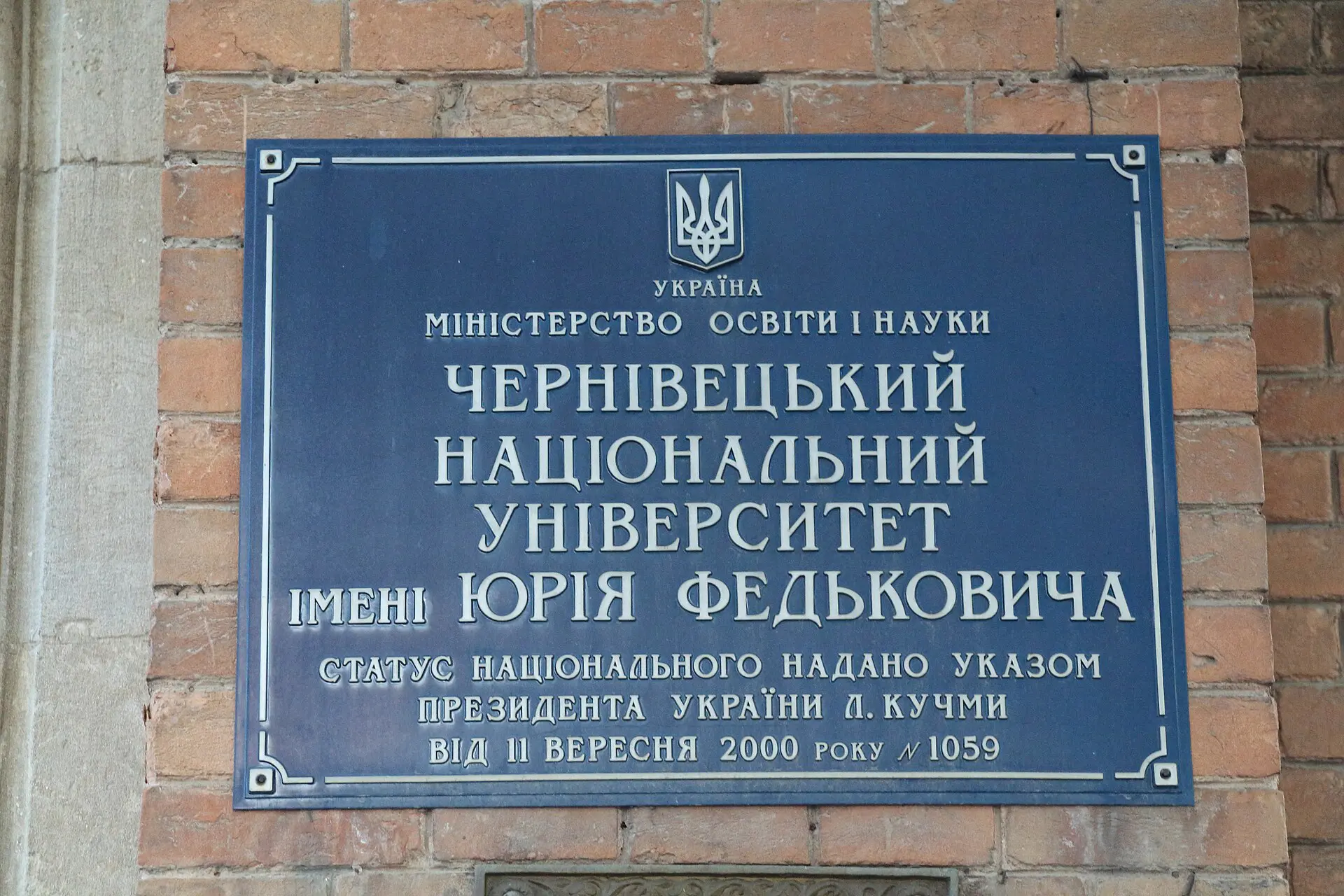
The capital of Bukovina has fine Habsburg architecture, including a university campus on the UNESCO list.
Kamianets-Podilskyi
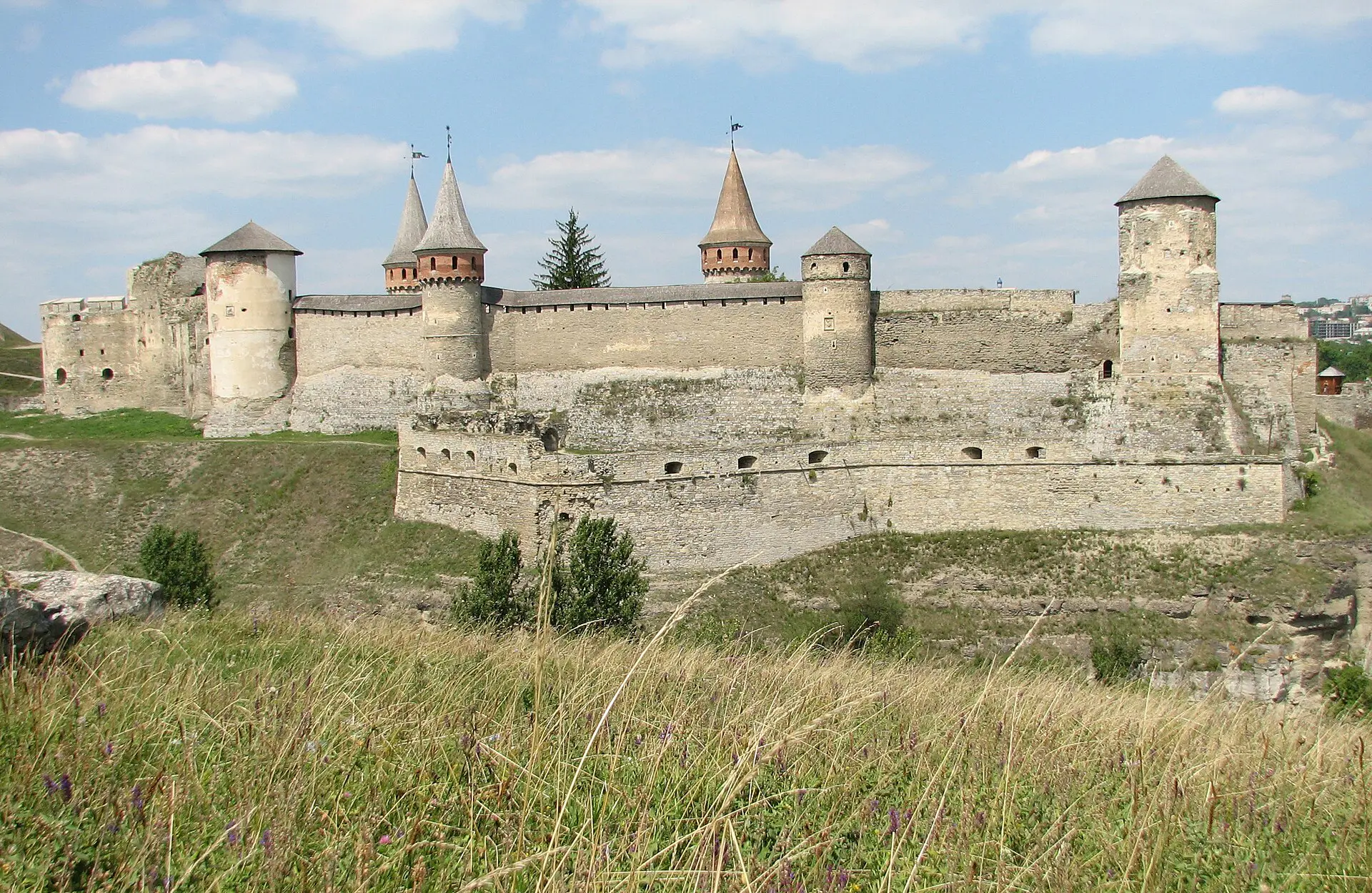
A medieval fortress town on a river canyon in the south-west.
Odesa
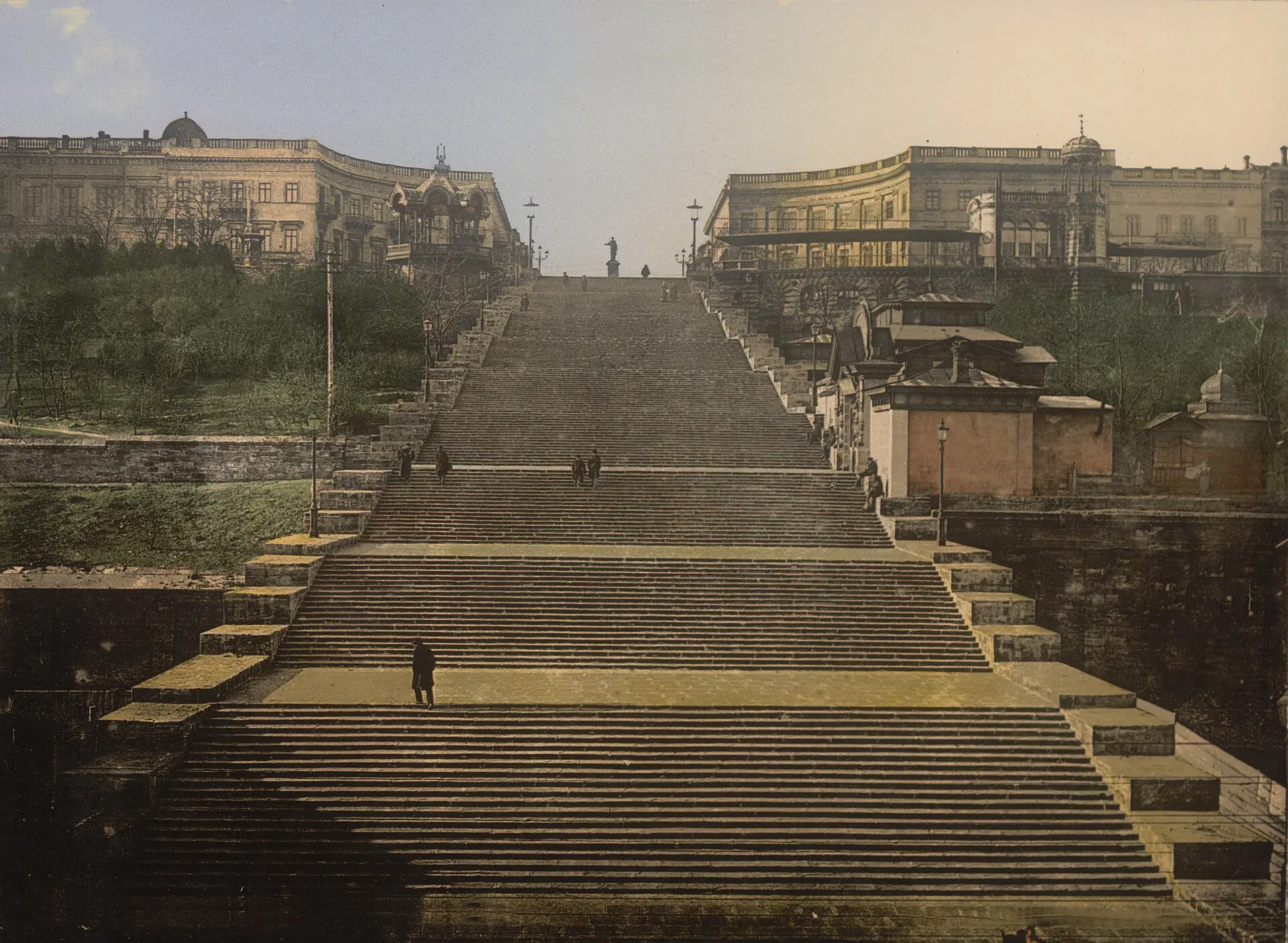
A Black Sea port with grand 19th-century architecture, the Potemkin Stairs and a historic centre on the UNESCO list. It has been under repeated attack.
The Carpathians
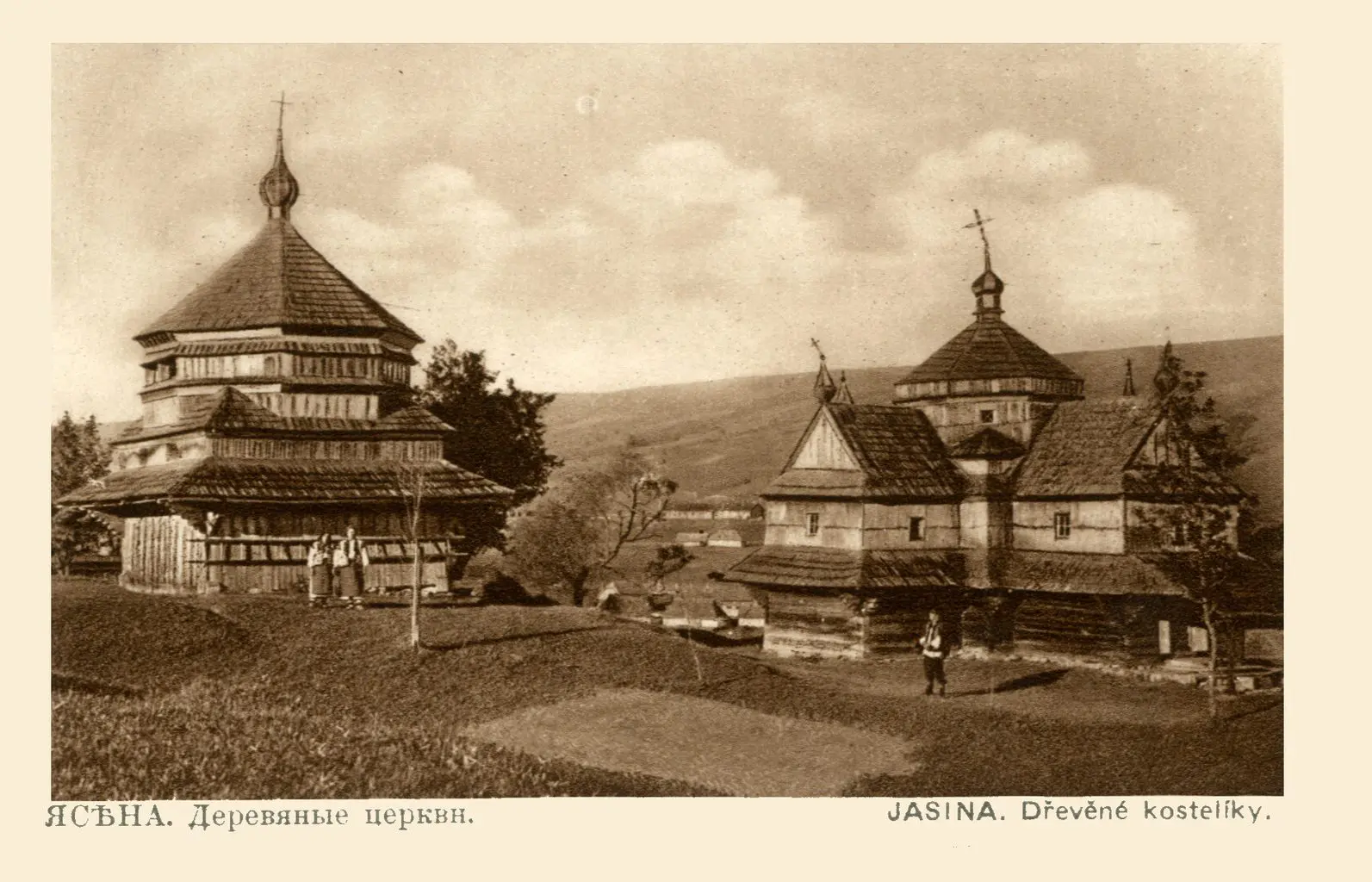
The mountain range in the west offers hiking, skiing and wooden churches. Before the war, Bukovel was the leading ski resort.
Top things to do in Ukraine
The top things to do in Ukraine in normal times mixed architecture, food and nature. Many sites are damaged, closed or in dangerous areas today, so verify current status before relying on any of these.
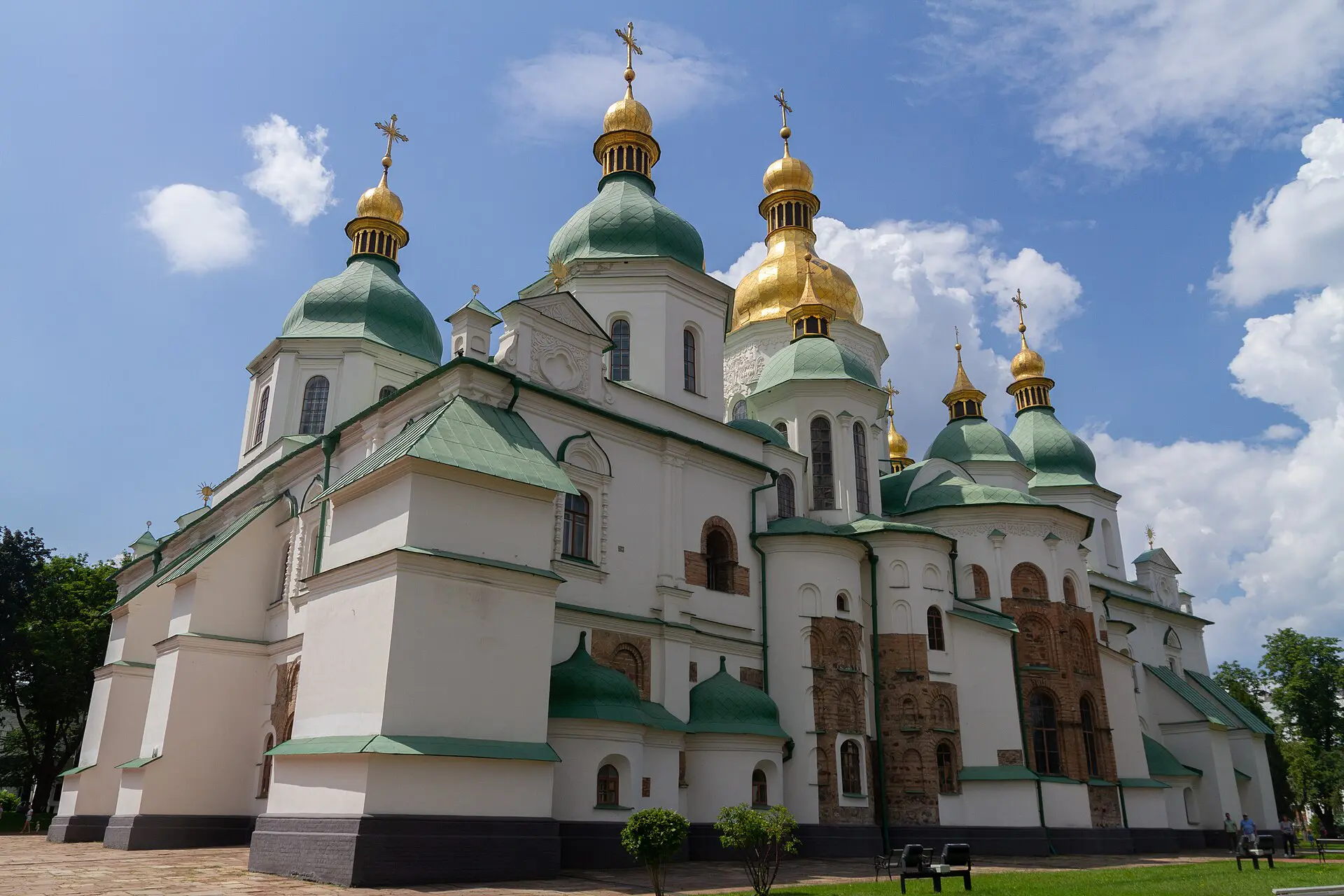
- Visit Saint Sophia Cathedral: an 11th-century Kyiv church with original mosaics and frescoes.
- Tour the Kyiv Pechersk Lavra: a monastery complex with caves and gilded domes above the Dnipro.
- Walk Lviv’s old town: the squares, church interiors and coffee houses can be covered on foot in a day.
- Walk the Potemkin Stairs in Odesa: the monumental stairway leads down to the port and the sea.
- Hike in the Carpathians: routes to Hoverla, Ukraine’s highest peak, are popular in summer.
- See wooden churches: several Carpathian wooden tserkvas are on the UNESCO list.
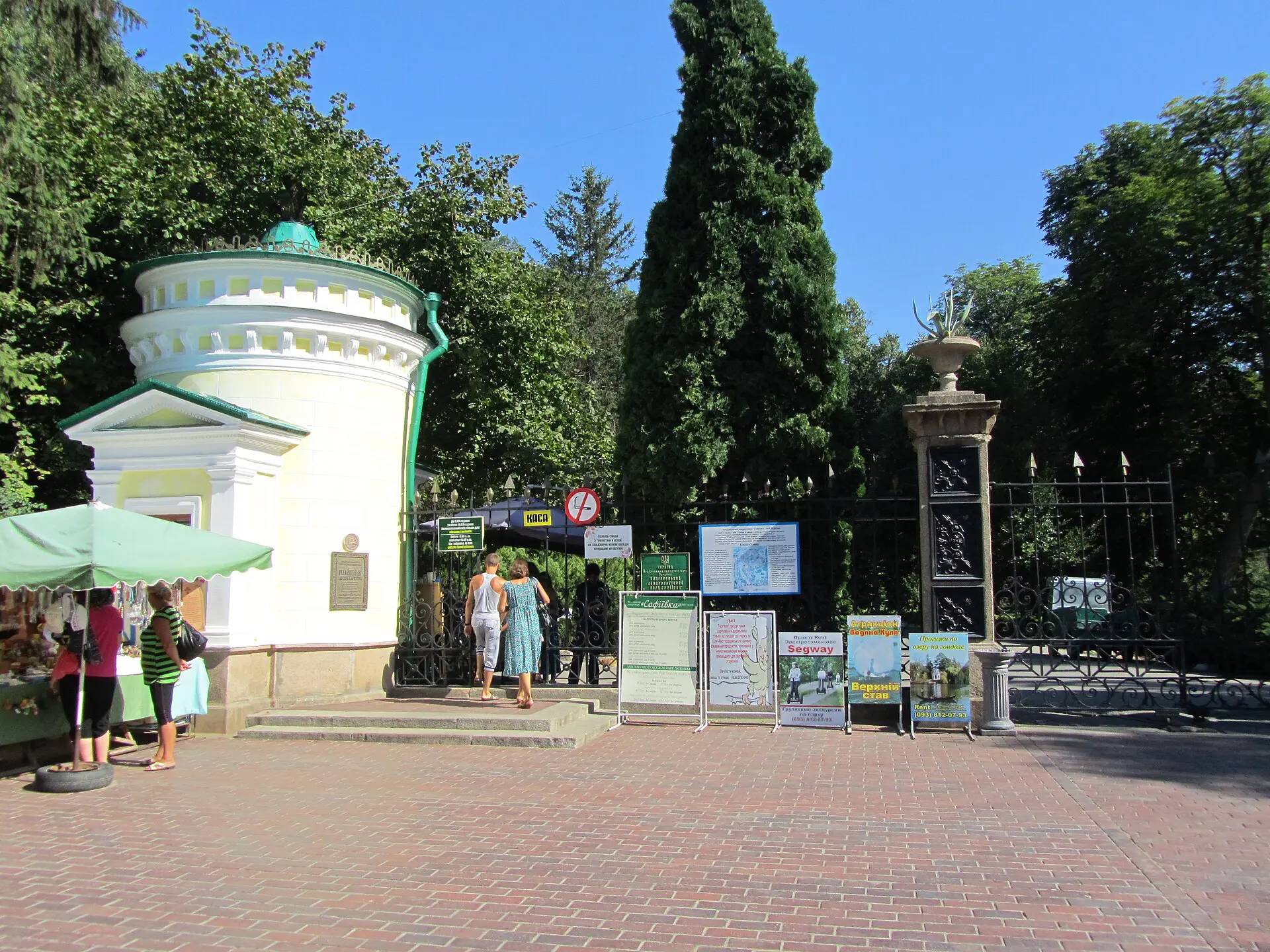
- Visit Sofiyivka Park in Uman: a landscaped 19th-century garden with ponds and statues.
- Attend a museum on the 20th century: Kyiv has museums on the Holodomor famine and Soviet-era history.
- Join a volunteer or learning programme: through established organisations, with proper preparation.
The Chernobyl exclusion zone, once a popular guided trip, has been affected by the war and is not a safe or sensible target for visitors now.
Best time to visit Ukraine
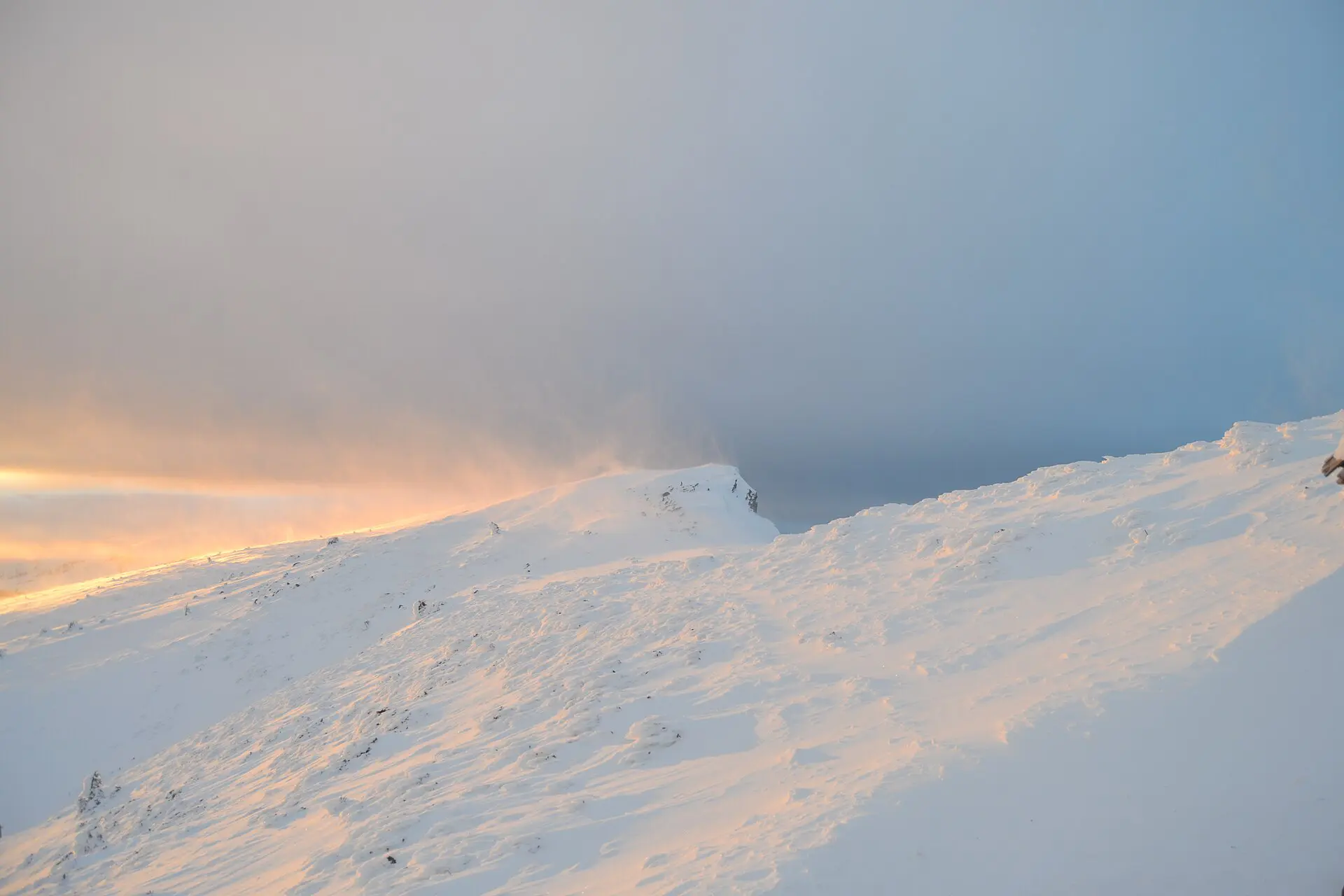
The best time to visit Ukraine, in normal conditions, is May to June and September, when the weather is mild and the cities and countryside are pleasant. Today the question is secondary: the security situation matters more than the season, and you should not plan a trip without checking official advice. Winters bring additional hardship, because attacks on power infrastructure can cause blackouts and heating outages.
| Season | Weather | Crowds and prices | Good for |
|---|---|---|---|
| Spring (Apr-Jun) | Cool to warm, some rain | Moderate in peacetime | City walks, Kyiv blossom, countryside |
| Summer (Jul-Aug) | Warm to hot, up to 30 C or more | Higher on the coast and in the mountains | Carpathian hiking, Black Sea |
| Autumn (Sep-Oct) | Mild, golden foliage | Falling | Cities, wine, mountain colours |
| Winter (Nov-Mar) | Cold, often below freezing, snow | Low outside ski areas | Skiing in the Carpathians, Christmas markets |
Continental winters can be severe, and the climate in the south is milder. These patterns describe normal conditions and do not replace security advice.
Is Ukraine safe to visit?
No, Ukraine is not safe to visit as a tourist at present. Russia’s full-scale invasion began in February 2022 and continues, and many governments, including the UK FCDO and the US State Department, advise against all travel. Check the current advice from your own government, as it is the main source for any decision, and note that most travel insurance excludes war zones.
Missiles and drones. Air raid alerts occur daily across the country, including in Kyiv and Lviv. Strikes can hit civilian areas without warning, and the risk is highest in the east, the south and near the borders with Russia and Belarus.
Mines and unexploded ordnance. Large areas, including fields, forests and roadsides in formerly occupied regions, are contaminated. Never leave marked roads or touch unknown objects.
Consular support. Embassy help is limited, and evacuation is not guaranteed. Entry is generally by land or rail from Poland, Moldova and Romania, because civilian flights stopped in 2022.
Other risks. Scams and petty theft are relatively rare, but blackouts, limited fuel and medical capacity, and curfews affect daily life. Anyone with an essential reason to travel should register with their embassy, seek training and follow local air raid apps and shelter instructions.
Visa and entry requirements for Ukraine
Entry rules depend on your nationality and have been changed by martial law, so confirm the current position with the Ukrainian Ministry of Foreign Affairs or the nearest Ukrainian embassy. Before 2022, citizens of the EU, the UK, the US and many other countries could enter visa-free for short stays, and some governments may still apply that rule, but wartime procedures can differ.
Bring a passport valid for the length of your stay and proof of travel insurance that covers Ukraine, which is often required and hard to obtain. Border officials may ask for an invitation, the purpose of your visit and accommodation details, and men of military age face special rules if they hold Ukrainian citizenship. Land and rail borders with Poland, Slovakia, Hungary, Romania and Moldova handle most civilian crossings, and queues can be long.
Foreign nationals entering for humanitarian or journalistic work usually need accreditation or an invitation from an organisation in Ukraine. For heritage background, see the UNESCO page for Ukraine, which also lists sites on the endangered list. Do not rely on third-party blogs for entry rules.
Getting to and around Ukraine
Ukrainian airspace has been closed to civilian flights since February 2022, so the main routes in are by rail, bus and road from neighbouring countries. Trains run from Przemyśl in Poland to Kyiv and Lviv, and the journey from Przemyśl to Kyiv takes around 16 hours. Other crossings are used from Slovakia, Hungary, Romania and Moldova.
Inside Ukraine, the state railway Ukrzaliznytsia runs the main intercity network, including overnight sleeper trains between Lviv and Kyiv, which take roughly 6 to 8 hours. Schedules change because of strikes and damage, so check the official app or station on the day. Buses and minibuses (marshrutkas) cover shorter routes. Fuel, road quality and checkpoints vary, and driving yourself is difficult because of curfews, military checkpoints and mines.
Metro systems in Kyiv and Kharkiv double as shelters during air raids, and public transport may stop at alerts. Travel is slower than before the war, and delays are common. Carry a charged phone, a power bank, cash and a printed copy of your documents.
How much does a trip to Ukraine cost?
Before 2022, Ukraine was one of the cheapest countries in Europe, and prices outside the war zone remain low by Western standards. The currency is the Ukrainian hryvnia (UAH). Current costs are hard to estimate because war conditions, inflation and exchange rates shift, so the bands below describe normal pre-war ranges and should be checked against current sources.
- Budget: around EUR 25 to 40 per day, with hostels, local canteens and public transport.
- Mid-range: around EUR 50 to 90 per day, with city hotels, restaurant meals and some taxis.
- High-end: from around EUR 120 per day, with boutique hotels and private drivers.
Today, the largest costs are getting to Ukraine, security, specialised insurance and flexibility for delays. Travel insurance that covers war zones is expensive when it is available at all. Cards are widely accepted in cities, and cash may be needed in smaller places. Add a buffer for transport disruptions, emergency accommodation and communications, and consider whether essential travel can be arranged through an organisation that takes responsibility for your security.
Ukraine food and drink
Ukraine food is hearty and built on potatoes, beets, cabbage, pork, dairy and bread. Home cooking is central to Ukrainian identity, and restaurants in Kyiv and Lviv often serve updated versions of traditional dishes.
- Borscht: a beetroot soup, often with beef or pork, served with sour cream and garlic bread (pampushky).
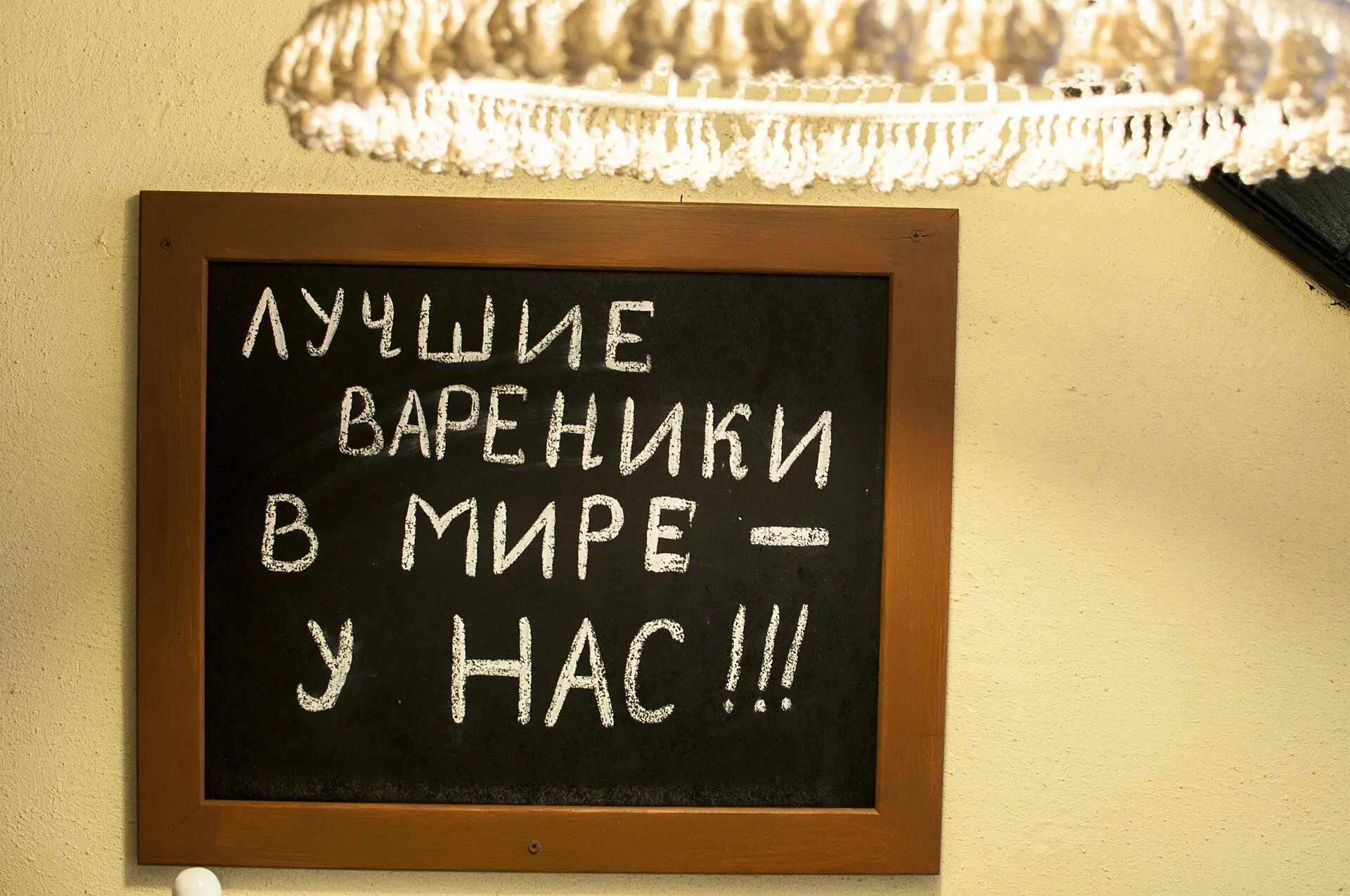
- Varenyky: filled dumplings with potato, cheese, cabbage, cherries or meat.
- Holubtsi: cabbage rolls stuffed with rice and meat.
- Chicken Kyiv: a breaded cutlet filled with garlic butter.
- Deruny: potato pancakes, often with sour cream.
- Salo: cured pork fat served on dark bread, eaten with vodka.
- Horilka and kvas: a local vodka and a fermented bread drink, and Lviv is known for craft beer and coffee.
- Medivnyk and syrnyky: honey cake and fried cheese pancakes for dessert.
Vegetarian options exist, though many soups use meat stock, so ask. Cafés and bakeries are common, and Lviv has a well-known coffee culture. Tap water is generally not recommended for drinking, so choose bottled water.
Culture, language and etiquette in Ukraine
Ukrainian is the official language and the identity marker of the country, and its use has grown since 2022. Russian is also widely understood, particularly in the east and south, but visitors should not assume it is welcome, and speaking Ukrainian greetings such as dyakuyu (thank you) and dobryi den (good day) is well received. English is increasingly common among younger people in cities.
Many city names have both Ukrainian and Russian spellings, and the choice has become political; using Ukrainian forms such as Kyiv, Kharkiv and Odesa is the norm in current usage. Do not refer to the war as anything other than Russia’s invasion, and avoid joking about it or asking people about their personal losses. Ukrainians are often direct, hospitable and proud of their culture, and guests are usually welcomed with food.
Dress modestly in churches, where women often cover their heads and photography may be restricted. Greet people with a handshake and remove shoes in homes. A moment of silence is observed daily at 9 a.m. in many places; follow local cues. Respect air raid rules, curfews and requests not to photograph military targets, checkpoints or damage sites.
Ukraine itinerary: a 7-day route
Independent leisure travel to Ukraine is not currently advisable, and no route can remove the danger of missile and drone attack. The sequence below is a reference for the safest historical travel pattern, from the Polish border through the west, and for readers who may travel later or have official reasons. Do not use it without checking current official advice for each place.
- Day 1, border and Lviv: enter by rail from Przemyśl or by road, settle in and walk the old town.
- Day 2, Lviv: visit churches, markets and cafés, and note shelter locations.
- Day 3, Chernivtsi: travel by train or bus, about six to eight hours, to the Bukovina capital.
- Day 4, Kamianets-Podilskyi: reach the fortress town in about three hours and see the castle.
- Day 5, Kyiv: take an overnight or day train, and use only official routes.
- Day 6, Kyiv: visit Saint Sophia Cathedral and the Lavra where open, following local security guidance.
- Day 7, return: travel back to Poland by train, allowing a full day.
Keep plans flexible, expect delays, and avoid Kharkiv, Odesa, Dnipro, the south and east and all areas near the front line or borders with Russia and Belarus.
Practical tips for Ukraine
- Government advice: read your foreign ministry’s advice and register your trip with your embassy. Leave contact details with someone at home.
- Insurance: standard policies exclude war zones, so confirm cover in writing, including evacuation.
- Air raid alerts: install an official alert app, learn the nearest shelter, and follow instructions without delay.
- Money: the hryvnia is the local currency. Cards and contactless payments are common, and ATMs usually work, but carry some cash in case of outages.
- SIM and eSIM: local prepaid SIMs and eSIMs are inexpensive and give reliable coverage, with internet useful for alerts.
- Plugs: types C and F at 230 V.
- Tipping: around 10 percent in restaurants if no service charge appears.
- Health: carry personal medicines and a first aid kit; hospitals are stretched and some areas lack power at times.
- Packing: warm layers in winter, a power bank, a torch and copies of documents.
For wider background, see the Wikivoyage Ukraine guide, and treat any older practical advice as out of date.
FAQ
Q1Is Ukraine safe to visit?
No. Russia's full-scale invasion continues, and many governments advise against all travel. Missile and drone strikes, air raids and mines affect the whole country, and consular help is limited. Check your government's current advice and do not travel without a clear essential reason and suitable insurance.
Q2What are the best places to visit in Ukraine?
Historically, Kyiv, Lviv, Odesa, Chernivtsi, Kamianets-Podilskyi and the Carpathians. Much of the country is now unsafe, and several sites are damaged or closed. Treat these places as background until official advice changes, and do not plan leisure trips to them now.
Q3Can tourists visit Ukraine right now?
Entry is possible by land or rail from neighbouring countries, but most governments advise against all travel, and standard insurance excludes it. A small number of people go for humanitarian, journalistic or business reasons with official preparation. Leisure tourism is not advisable.
Q4What is the best time to visit Ukraine?
In normal conditions, May to June and September are best, with mild weather and fewer crowds. Winters are cold and may bring power cuts. Today, the security situation matters far more than the season, so check official advice first.
Q5Do you need a visa for Ukraine?
Rules depend on nationality and wartime regulations. Before 2022, many travellers, including from the EU, UK and US, could enter visa-free for short stays. Confirm the current requirement with the Ukrainian foreign ministry or an embassy, and do not rely on older guides.
Q6How do you get to Ukraine?
Civilian flights have not operated since 2022. Most visitors take a train or bus from Poland, for example Przemyśl to Kyiv or Lviv, or cross from Moldova, Romania, Slovakia or Hungary. Allow a long journey, expect checkpoints and carry your documents.
Q7What is Ukrainian food like?
Hearty and based on potatoes, beetroot, cabbage, pork and dairy. Classics include borscht, varenyky dumplings, holubtsi cabbage rolls, deruny potato pancakes and chicken Kyiv, with horilka, kvas and strong coffee in Lviv. Vegetarian choices exist but are limited.