Why visit Russia
This guide to things to do in Russia starts with a plain warning: many governments currently advise against all travel there, and this page describes the country’s attractions for planning, reference and future travel rather than as a recommendation to go now. Russia is the largest country in the world, spanning eleven time zones, with landscapes that run from Baltic coast and Arctic tundra to Siberian forest, volcanoes and the subtropical Black Sea coast (see the Wikipedia overview for background).
For travellers in normal times, the draw is scale and depth: palaces and museums in Saint Petersburg, the Kremlin and metro of Moscow, ancient Golden Ring towns, Lake Baikal and the Trans-Siberian Railway, Europe’s longest rail journey. The country suits history, literature and art enthusiasts and long-distance rail travellers. At present, those considering a trip should treat safety, legal and financial barriers as the first question.
Best places to visit in Russia
The best places to visit in Russia are concentrated in the west around Moscow and Saint Petersburg, with remote highlights in Siberia and the Far East. Most are far from the border regions near Ukraine, but the safety picture is serious everywhere, so check current advice.
Moscow
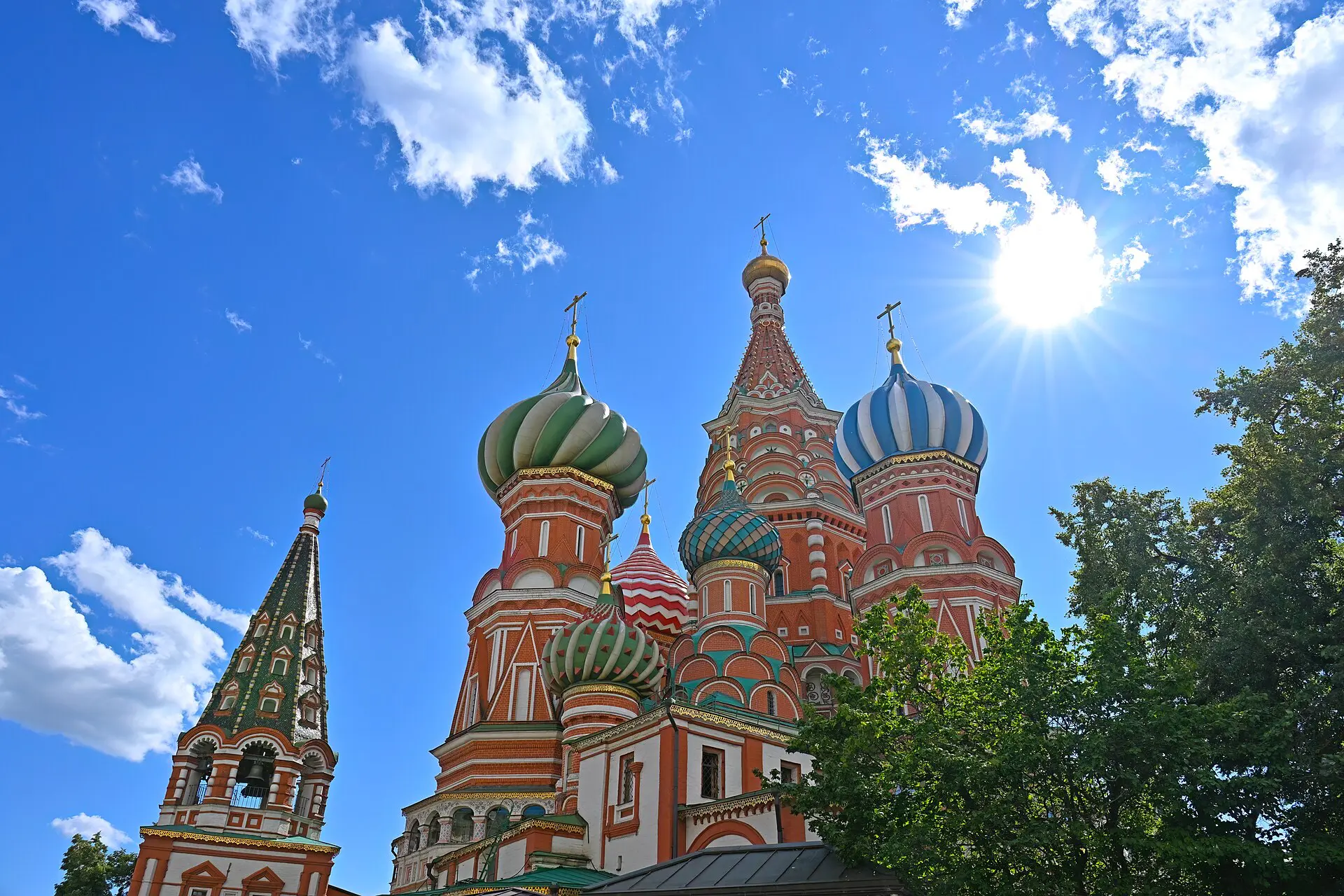
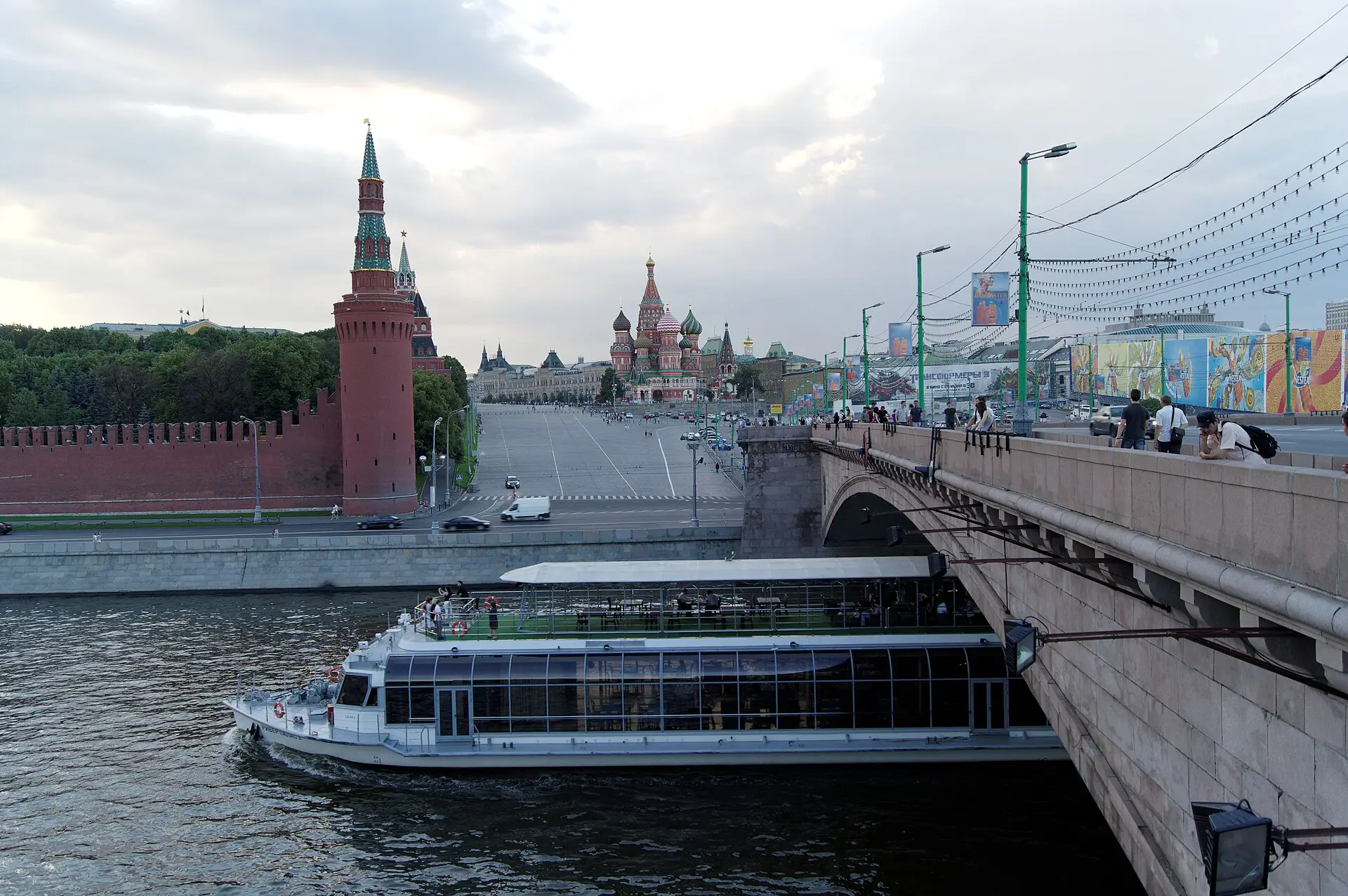
Russia’s capital has Red Square, the Kremlin, Saint Basil’s Cathedral and one of the world’s most ornate metro systems. Neighbourhoods such as Zamoskvorechye and Arbat show a more everyday city, and the Tretyakov Gallery covers Russian art.
Saint Petersburg
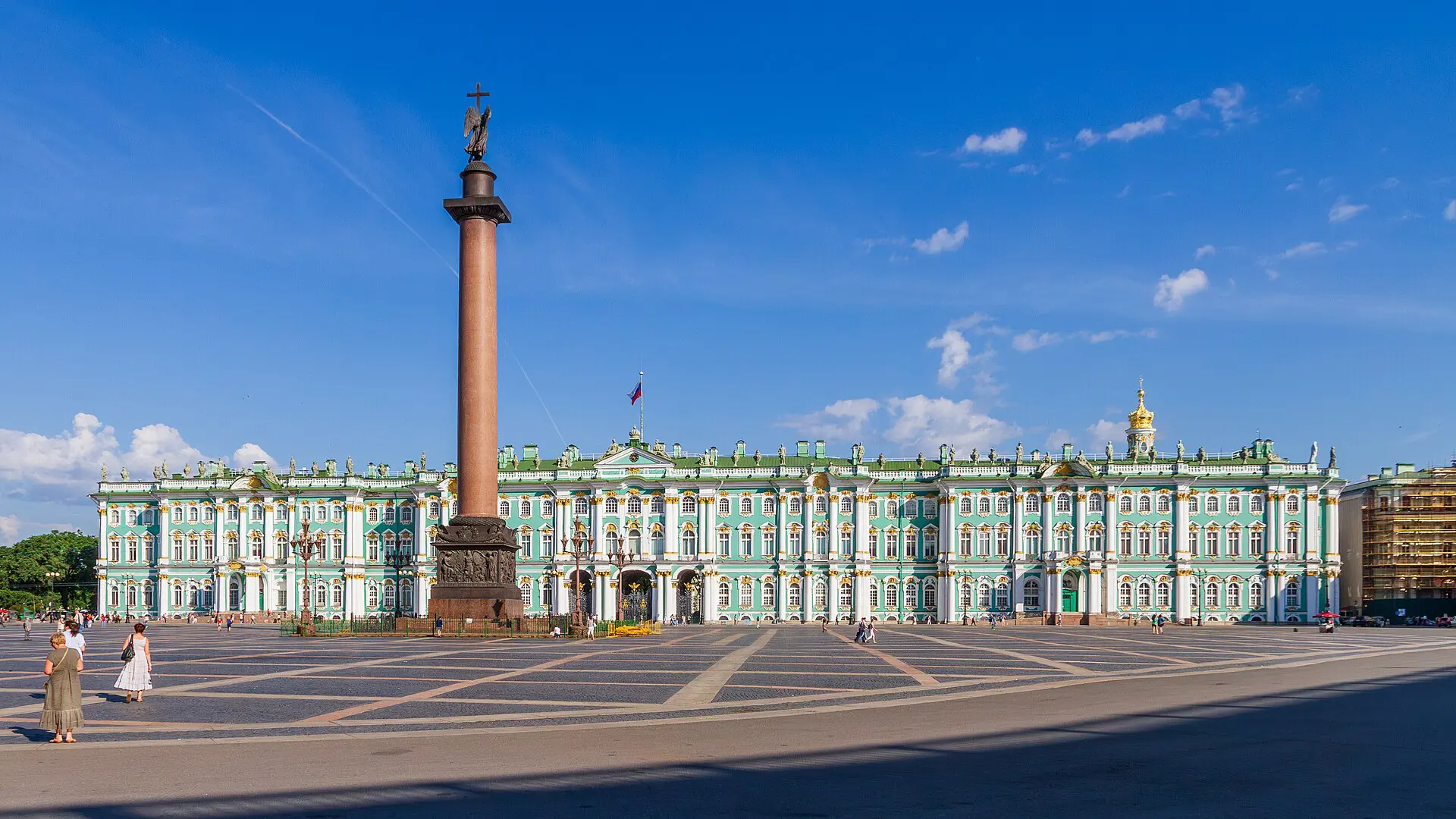
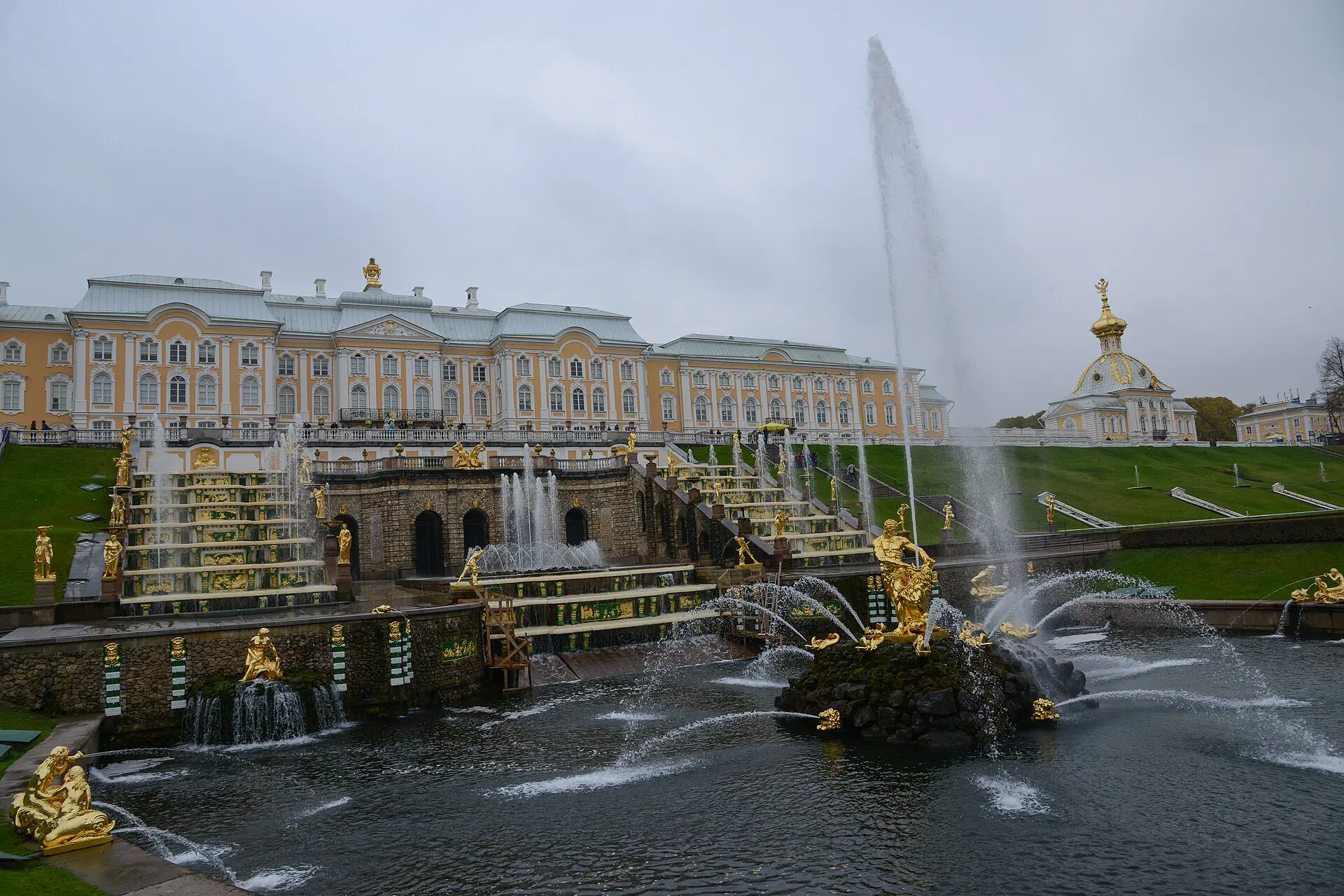
Built by Peter the Great, the former imperial capital has canals, the Hermitage Museum, the Winter Palace and the Mariinsky Theatre. Peterhof and Pushkin palaces lie just outside the city.
Golden Ring
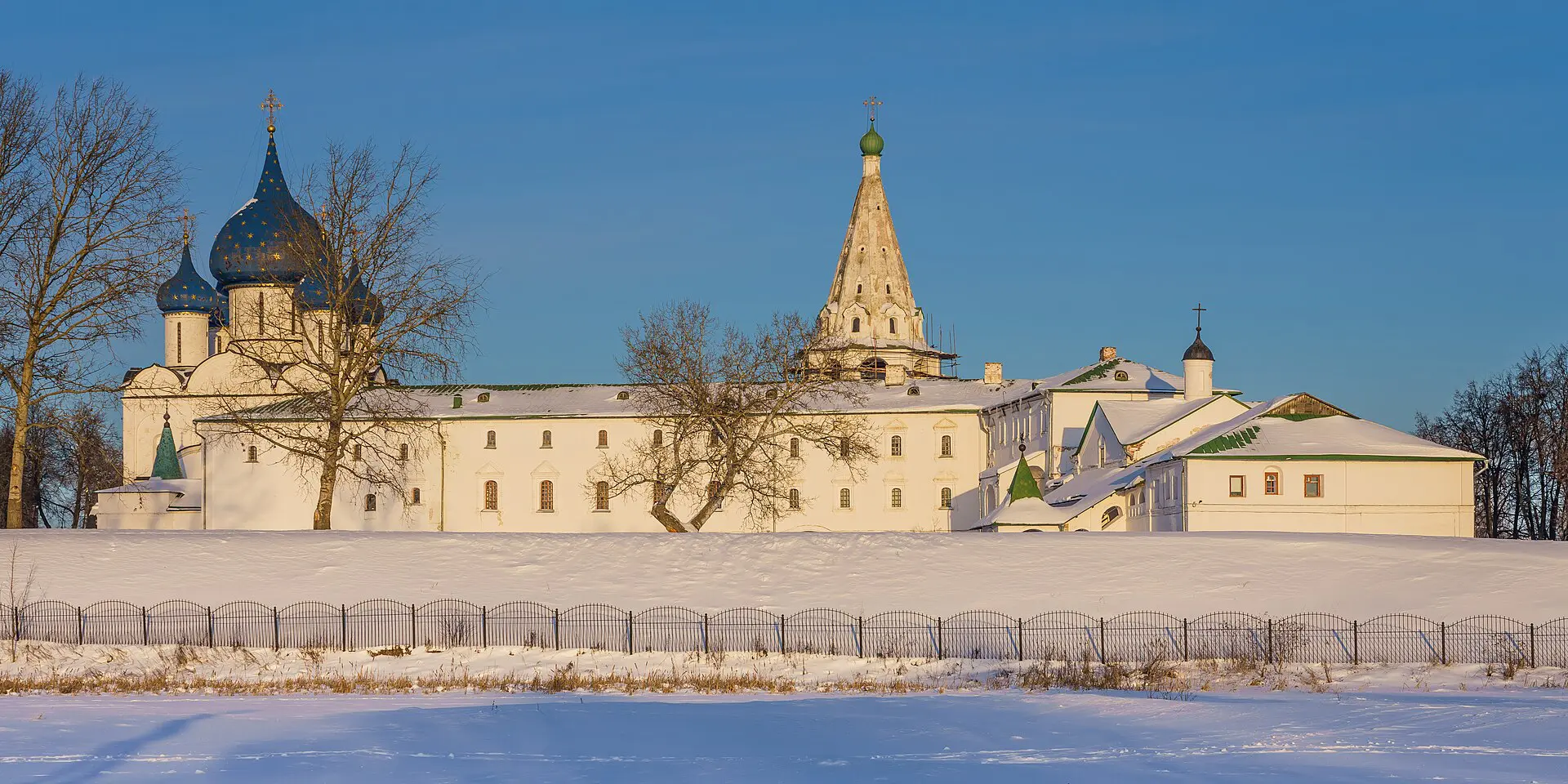
A loop of ancient towns northeast of Moscow, including Suzdal, Vladimir and Sergiyev Posad, holds white-stone churches, kremlins and monasteries from the 12th to 18th centuries.
Kazan
The capital of Tatarstan blends Russian and Tatar culture, with a Kremlin that includes a mosque and an Orthodox cathedral.
Lake Baikal
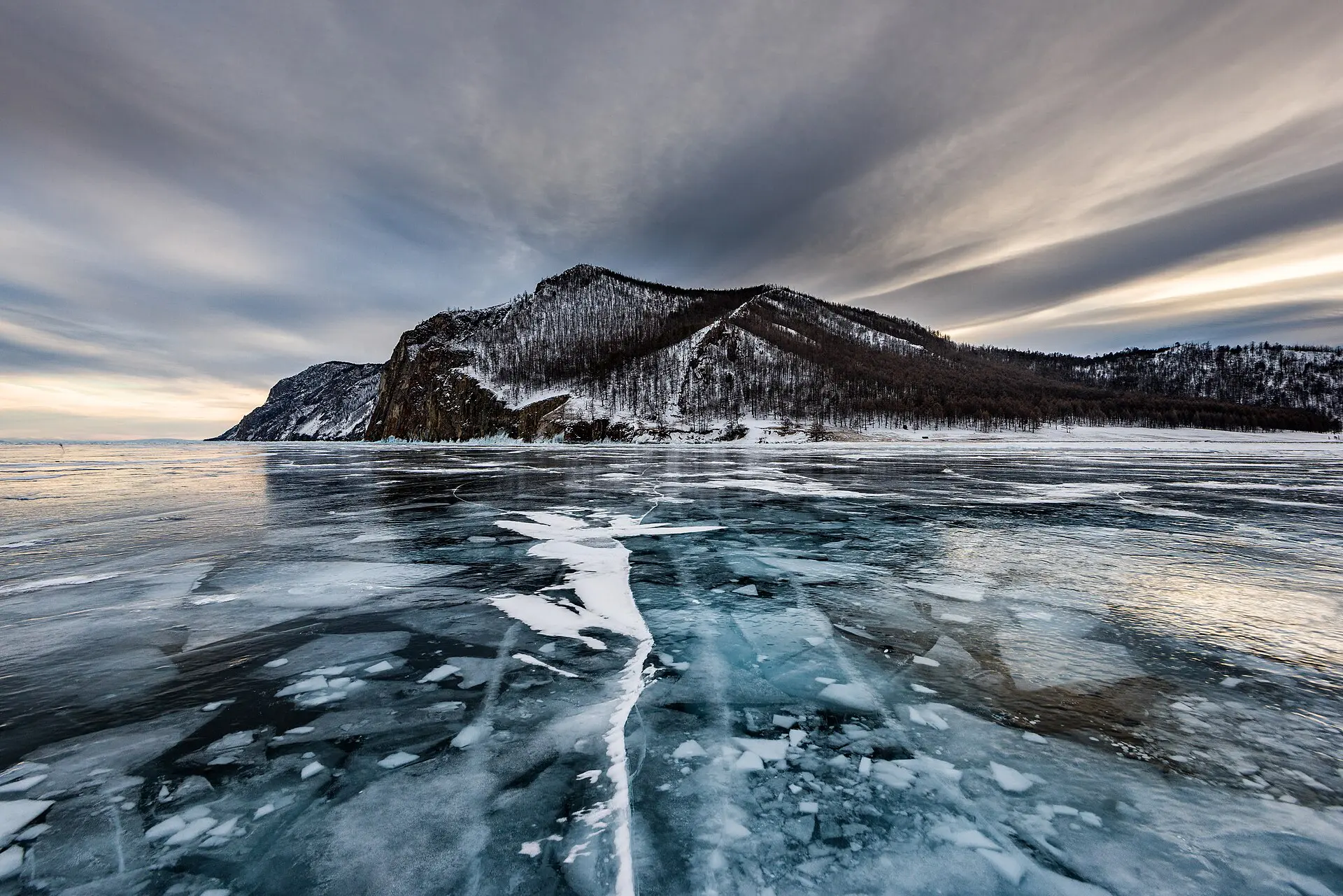
The deepest lake in the world, at about 1,640 metres, is a Siberian highlight with hiking in summer and clear ice in winter. Irkutsk is the usual gateway.
Kamchatka
Active volcanoes, geysers and bears make this remote peninsula one of the country’s wildest regions, reachable mostly by air.
Top things to do in Russia
The top things to do in Russia, in normal times, mix imperial heritage, rail journeys and wilderness. Whether to travel at all is a separate question, covered in the safety section below.
- Walk Red Square and the Kremlin: the cathedrals inside the Kremlin walls and Saint Basil’s are the classic sights.
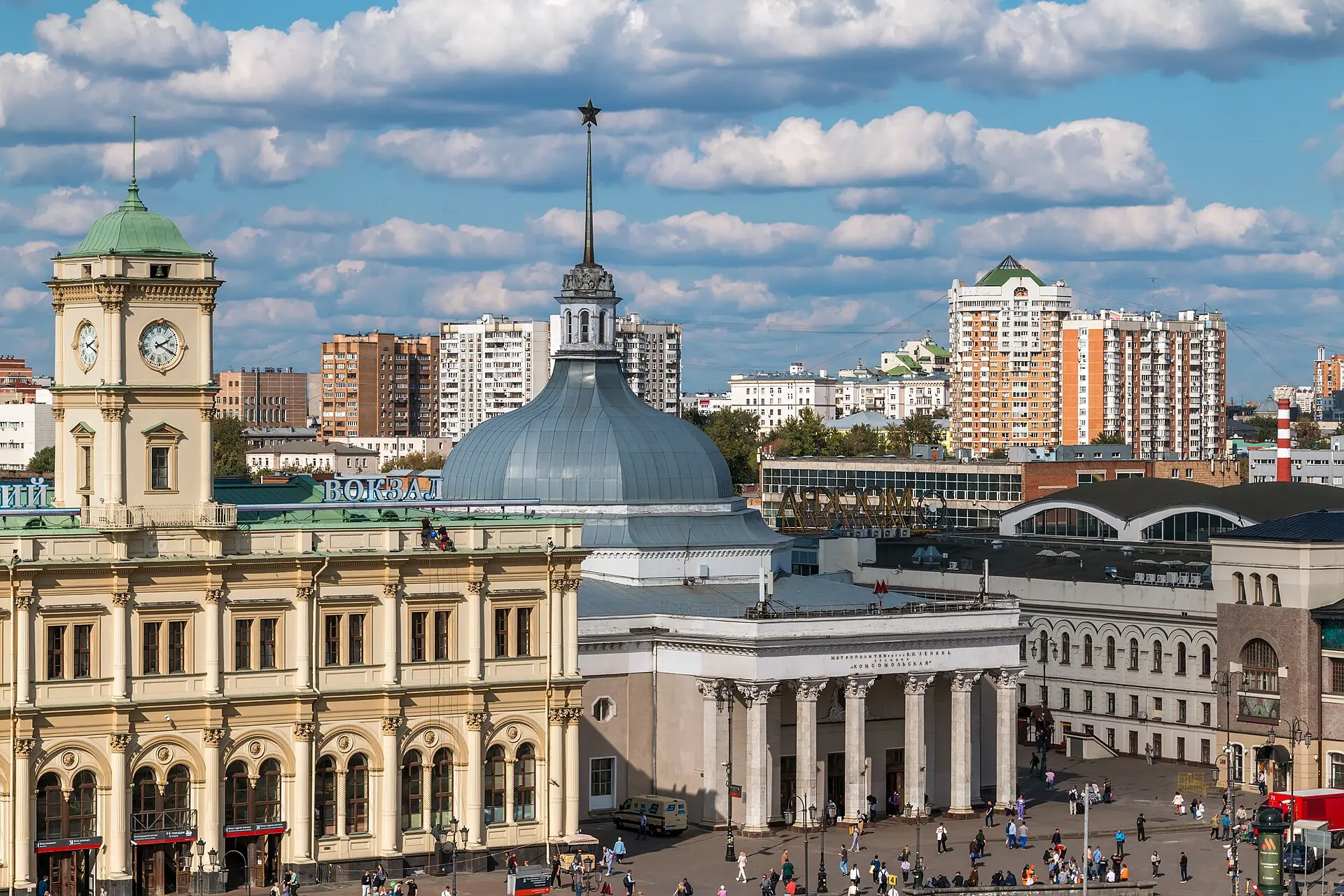
- Ride the Moscow metro: stations such as Komsomolskaya and Mayakovskaya have chandeliers, mosaics and marble.
- Spend a day at the Hermitage: the collection fills several former imperial palace buildings in Saint Petersburg.
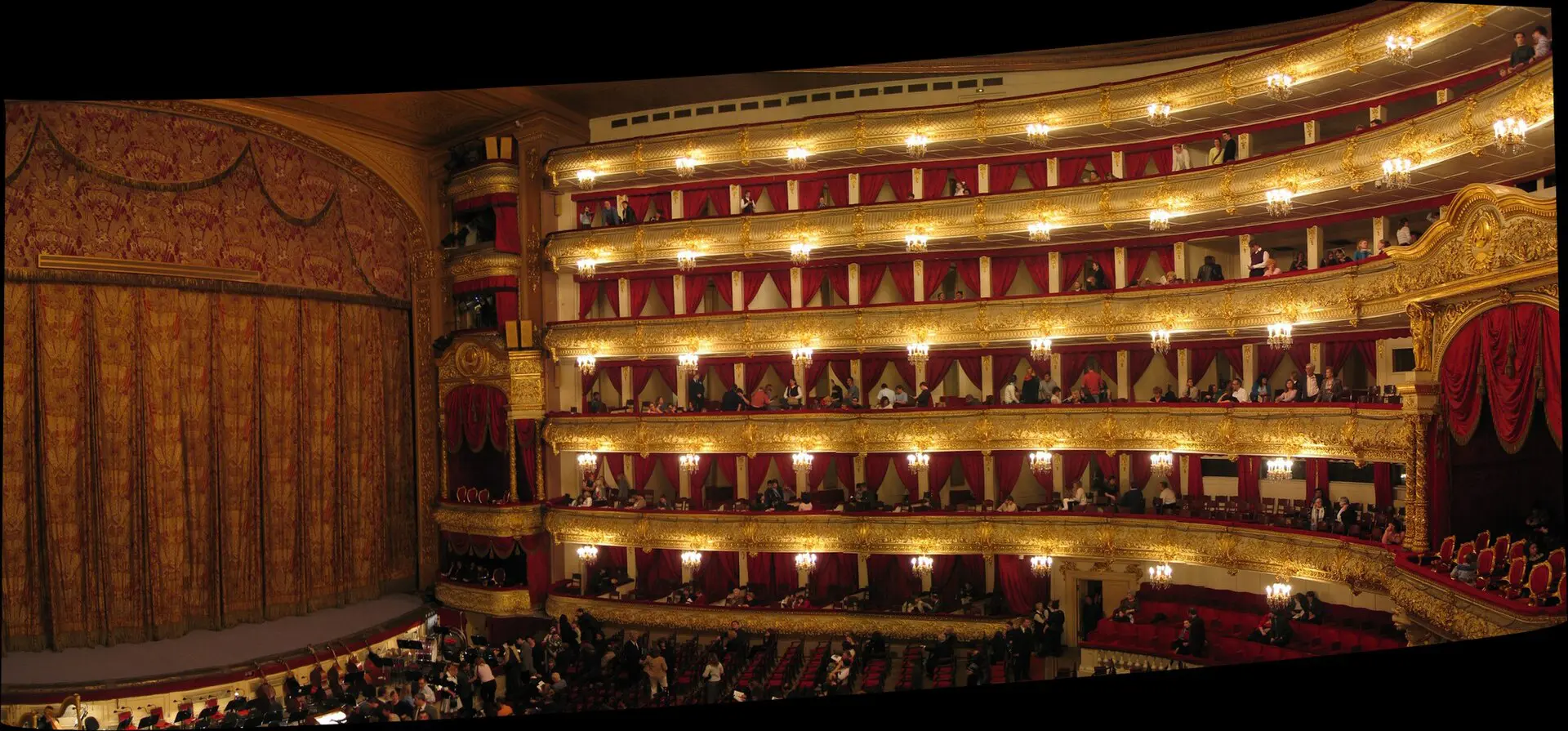
- See a ballet or opera: the Bolshoi in Moscow and the Mariinsky in Saint Petersburg are the main stages.
- Visit Peterhof: the fountain gardens on the Gulf of Finland are the summer highlight.
- Tour Suzdal and Vladimir: small-town monasteries and white-stone cathedrals show medieval Russia.
- Take a Trans-Siberian train section: the full Moscow to Vladivostok route is more than 9,000 kilometres, and many people ride only a segment.
- Visit Lake Baikal: hike in summer, or walk and skate on transparent ice in winter.
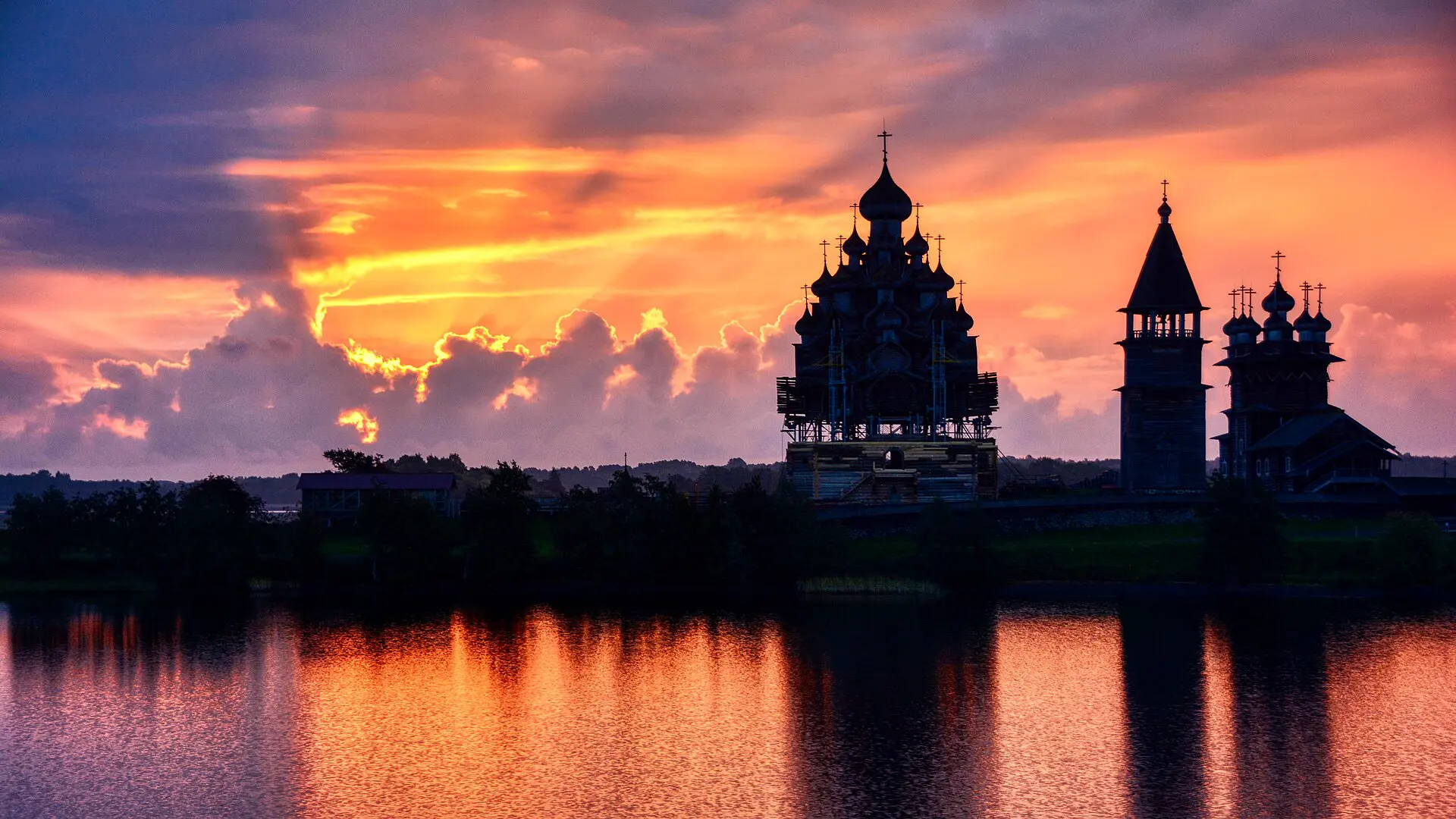
- Explore Kizhi Island: Lake Onega’s ensemble of wooden churches is a UNESCO site.
- Look at Kazan’s Kremlin: it shows the country’s Tatar and Orthodox traditions side by side.
Best time to visit Russia
The best time to visit Russia is June to August for the western cities, long daylight and open rural routes, with the famous White Nights in Saint Petersburg in June. Winter, from December to February, suits snow-covered Moscow and Baikal’s ice but is very cold. These seasons assume travel is advisable at all, which currently it is not according to many governments.
| Season | Weather | Crowds and prices | Good for |
|---|---|---|---|
| Spring (Apr-May) | Thawing, changeable | Low to moderate | City museums, early season |
| Summer (Jun-Aug) | Warm to hot; long days in the north | Highest in Saint Petersburg | Cities, Golden Ring, Baikal hiking |
| Autumn (Sep-Oct) | Cool, golden foliage, rain | Falling | Museums, rail journeys |
| Winter (Nov-Mar) | Very cold; deep snow in much of the country | Low; festive peak in December | Snow scenes, Baikal ice, theatres |
Siberia and the Far East have more extreme seasons: Baikal is cold from November to April, and Kamchatka’s best weather is in summer.
Is Russia safe to visit?
Russia is not considered safe to visit by many governments: the UK Foreign Office advises against all travel, and the United States and several European governments have issued similar warnings. Russia’s war with Ukraine, the risk of drone and missile attacks, especially near border regions, and the arbitrary detention of foreign nationals are the main reasons. Check the official pages, such as the UK FCDO and the US State Department, before any plans.
Detention and legal risk. Foreign nationals have been detained on charges that governments describe as politically motivated, and consular access is limited. Dual nationals face extra risk.
Conflict and security. Airports, including those near Moscow, have been disrupted by drone activity, and regions bordering Ukraine are subject to attacks. Travel insurance often excludes places covered by official advisories.
Everyday safety. Petty crime, taxi fraud and pickpocketing occur in big cities, as elsewhere. Winter cold, road conditions and wildfires in Siberia are further hazards.
Practical constraints. International sanctions mean Visa and Mastercard cards issued abroad generally do not work, and flights from many countries are cut. Embassy help may be minimal.
Visa and entry requirements for Russia
Most visitors need a visa to enter Russia, and the Russia visa rules depend on nationality. Russia has operated an electronic visa system for citizens of many countries, and some nationalities are visa-free under bilateral agreements, but eligibility, fees and processing times have changed repeatedly. Check the Russian Ministry of Foreign Affairs or the nearest Russian embassy, and read your own government’s travel advice first.
Typical requirements include a passport valid well beyond your stay, proof of accommodation or an invitation, and sometimes health or travel insurance. On arrival you must register your stay, which hotels normally handle. Keep your passport and migration card information with you, as police can ask for ID.
Many airlines have stopped flying to Russia, so routes usually involve third countries such as Turkey, the Gulf states or Central Asia, and land crossings from the EU are restricted. Customs rules on cameras, drones and satellite equipment are strict. The UNESCO page for Russia lists heritage sites, though it does not cover entry rules.
Getting to and around Russia
Because many airlines and routes have been suspended, getting to Russia is harder than before 2022. The main airports are Moscow’s Sheremetyevo, Domodedovo and Vnukovo, and Saint Petersburg’s Pulkovo, and they have been subject to temporary closures during drone alerts. Direct links from the EU and North America are largely unavailable, so itineraries usually connect through Turkey, the Gulf or Central Asia, and prices fluctuate.
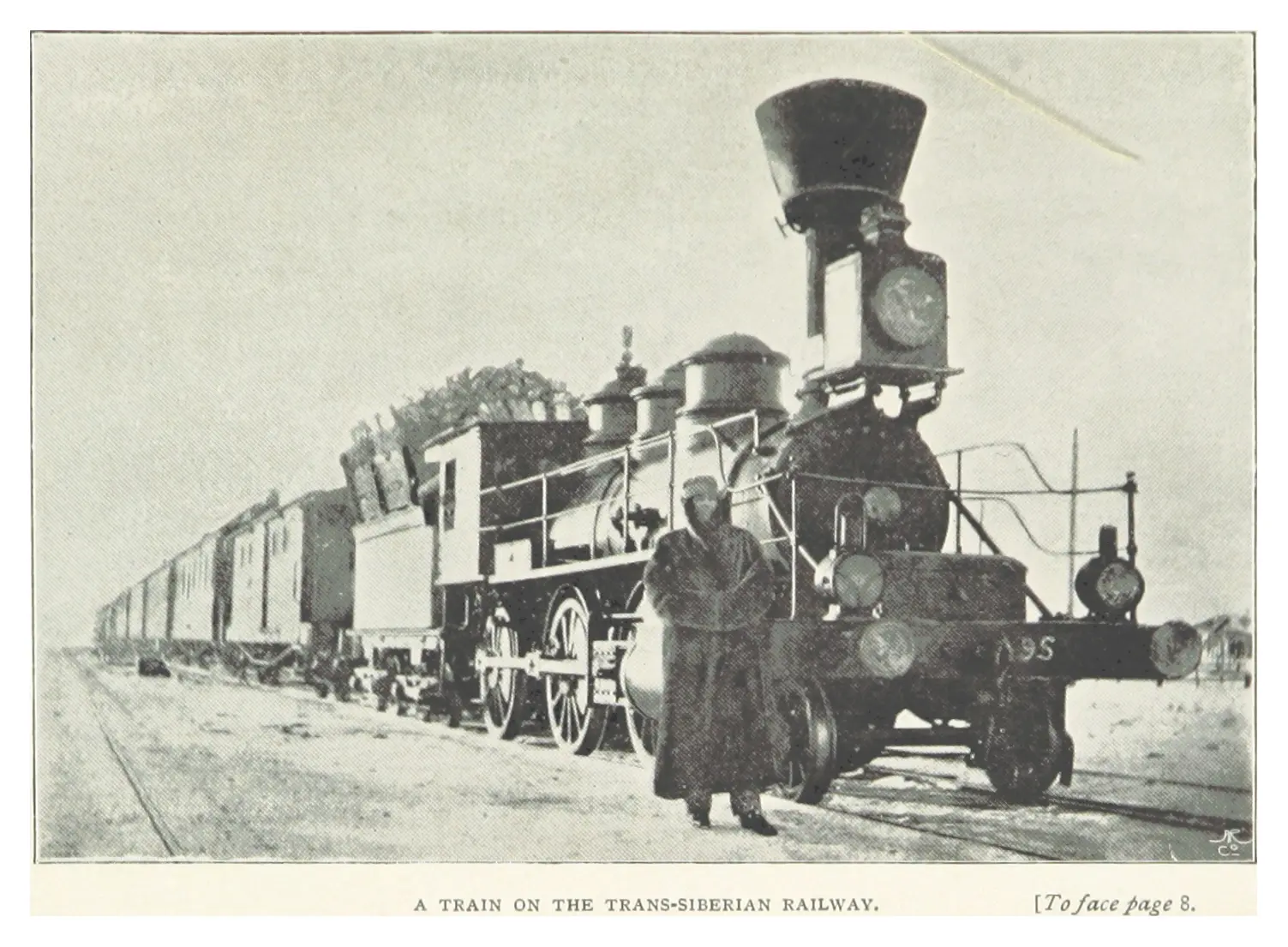
Inside Russia, trains are the signature way to travel. The high-speed Sapsan between Moscow and Saint Petersburg takes about four hours, and overnight sleeper trains cover long distances. The Trans-Siberian Railway runs from Moscow to Vladivostok, a trip of about seven days without stops. Domestic flights are common for longer distances, though schedules change.
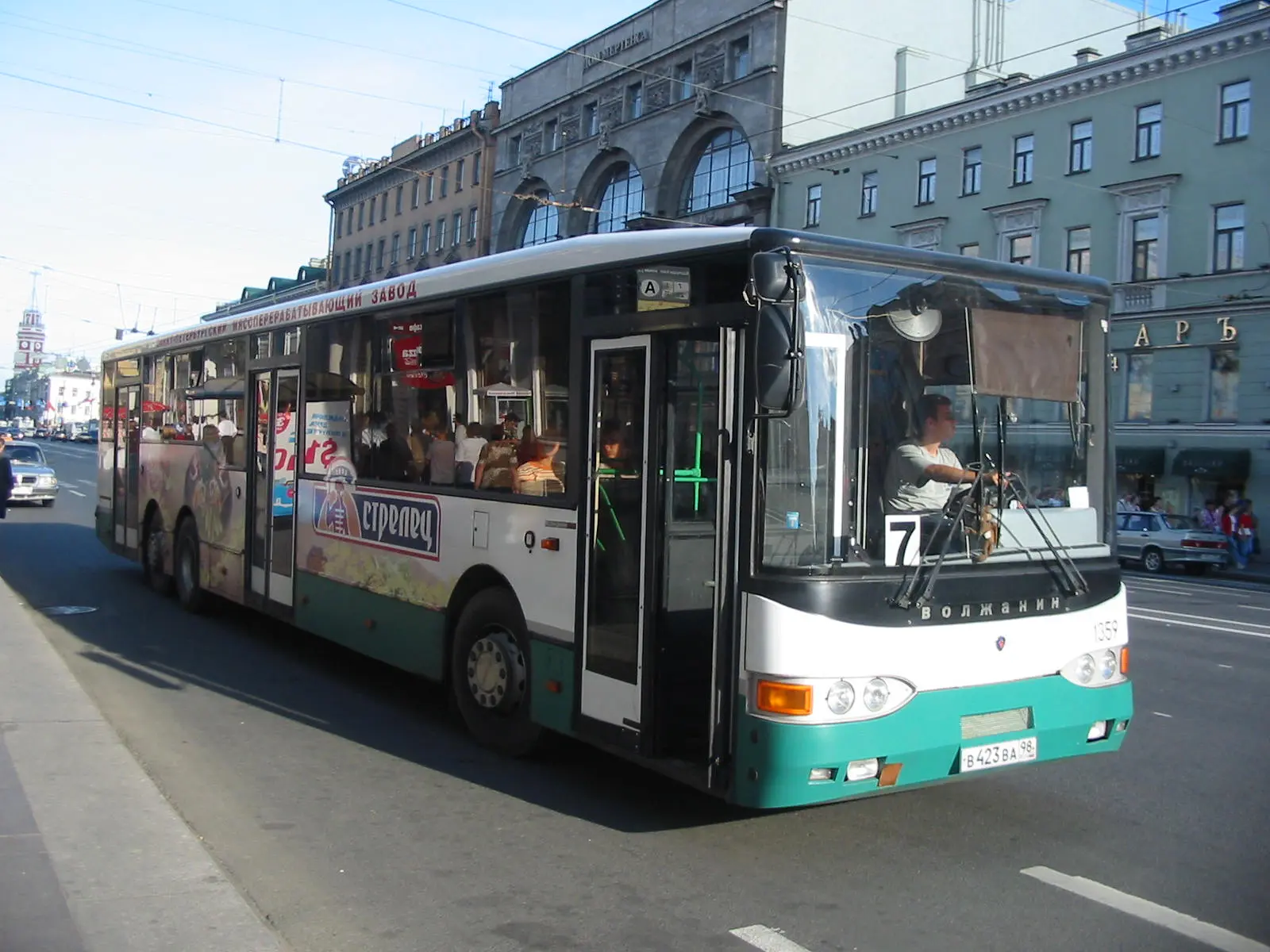
Moscow, Saint Petersburg and Kazan have extensive metro, tram and bus networks. Ride-hailing apps are widely used. Driving is on the right, and roads outside big cities are variable, with long distances and harsh winters.
How much does a trip to Russia cost?
Costs in Russia are hard to pin down because of the ruble’s volatility, sanctions and payment restrictions. The currency is the Russian ruble (RUB). Cards issued abroad generally do not work, so visitors need cash, a payment method that works locally, or a prepaid arrangement, and should confirm options before travelling. Figures below are rough per-person guides for 2026 and may change quickly.
- Budget: around USD 30 to 50 per day, with hostels, metro, trains and cheap canteens.
- Mid-range: around USD 50 to 100 per day, with private hotel rooms, restaurant meals and museum tickets.
- High-end: from around USD 150 per day in Moscow or Saint Petersburg, with upscale hotels, theatre tickets and guided tours.
Moscow and Saint Petersburg cost the most. Food, local transport and museum entrance are generally cheap compared with Western Europe, while international flights and flexible tickets are the main expense. Budget extra for travel insurance, which may exclude Russia.
Russia food and drink
Russia food is hearty and built for cold winters, with soups, dumplings, rye bread, dairy and pickles, plus regional dishes from Tatar, Caucasian and Siberian traditions. Meals often start with zakuski, small cold appetisers.
- Borscht: a beetroot soup served with sour cream, shared with Ukraine and common across Russian menus.
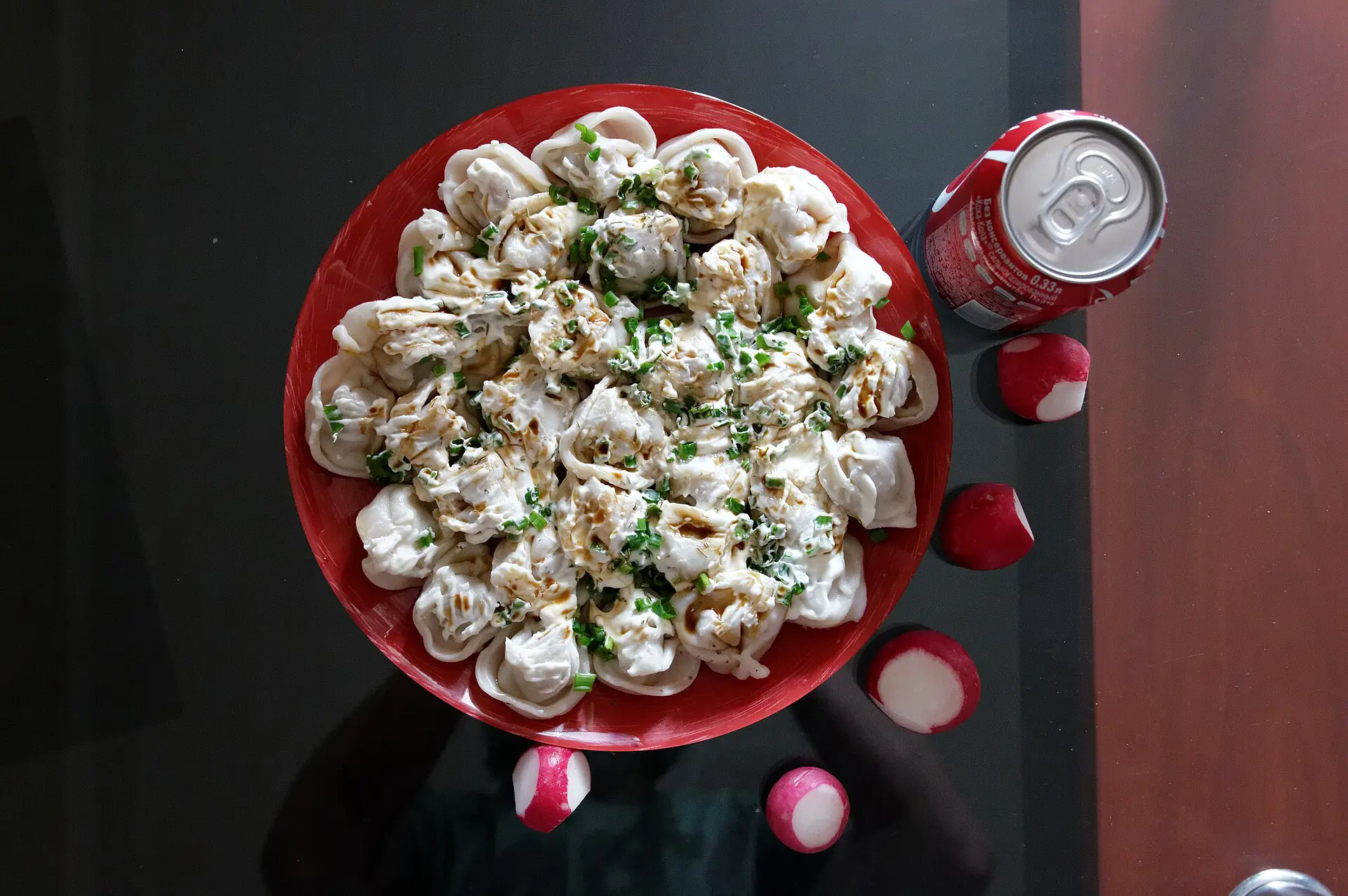
- Pelmeni: small meat dumplings, a Siberian staple served with butter, vinegar or sour cream.
- Blini: thin pancakes eaten with caviar, smoked fish, sour cream or jam, especially around Maslenitsa.
- Shchi: a traditional cabbage soup.
- Beef stroganoff: sliced beef in a sour cream sauce, often over potatoes or buckwheat.
- Pirozhki: baked or fried stuffed buns, found at bakeries and kiosks.
- Kvass and tea: kvass is a fermented rye drink, and tea from a samovar is common.
- Vodka: drunk neat with food and toasts, and rarely alone.
Vegetarians can eat well with soups, blini and salads, though meat is common, and Orthodox fasting menus have meat-free options. Stolovaya canteens are the cheapest places to eat, and Moscow and Saint Petersburg have a large restaurant scene.
Culture, language and etiquette in Russia
Russian is the official language, written in Cyrillic, and Russia has many other minority languages, such as Tatar, Bashkir and Chechen. English is common among younger people in Moscow and Saint Petersburg and rare elsewhere, so learning to read Cyrillic and a few words, such as spasibo (thank you) and zdravstvuyte (hello), helps a lot. About 30 million Russians belong to ethnic minorities.
Orthodox Christianity shapes holidays and heritage, and Islam, Buddhism and other faiths are important in some republics. Cover shoulders and knees in churches, and women often cover their heads. Take shoes off when entering a home, and bring a small gift if invited.
Russians can seem reserved with strangers but are warm with friends and guests. Toasts are important at a meal. Politics, the war and recent history are very sensitive subjects, and public criticism of the state or the army can carry legal penalties, so avoid these topics. Photography near military or government buildings, bridges and transport infrastructure can cause trouble.
Russia itinerary: a 7-day route
Independent travel to Russia is not currently advisable under the guidance of many governments, so this route is a reference for future planning once advisories change, not a plan to follow now. It keeps to the two main cities and the Golden Ring, far from the war zone and border regions, and the same cautions apply: check official advice for every stop.
- Day 1, Moscow: arrive and walk Red Square and Saint Basil’s Cathedral.
- Day 2, Moscow: tour the Kremlin cathedrals, then ride the metro and visit the Tretyakov Gallery.
- Day 3, Sergiyev Posad and Suzdal: day trip or overnight to the Trinity Lavra and the white-stone town of Suzdal, around four hours by road in total.
- Day 4, Saint Petersburg: take the Sapsan train, about four hours, then walk Nevsky Prospekt and the canals.
- Day 5, Hermitage: spend most of the day in the museum and the Palace Square.
- Day 6, Peterhof: go by hydrofoil in summer or by bus and train in other seasons.
- Day 7, return: transfer to Pulkovo airport and connect onward.
Longer trips could add Kazan or a Trans-Siberian segment, subject to the same safety and legal checks.
Practical tips for Russia
- Government advice: read the UK FCDO, US State Department or your own government’s current page before any booking, and register with your embassy if that is possible.
- Money: the ruble is the local currency; foreign-issued Visa and Mastercard cards generally do not work, so plan how you will pay and carry some cash in a widely accepted foreign currency.
- SIM and eSIM: local SIMs usually require registration with a passport. Some foreign apps and websites may be blocked, and a VPN is commonly used, though its legality may vary.
- Plugs: types C and F at 230 V.
- Tipping: about 10 percent in restaurants is customary, and rounding up in taxis is fine.
- Health: bring travel insurance that actually covers Russia, any prescription medicines in original packaging, and warm clothing for winter.
- Documents: carry your passport or a copy, and keep your migration registration slip.
For wider background, see the Wikivoyage Russia guide.
FAQ
Q1What food is Russia known for?
Russia food includes borscht (beetroot soup), pelmeni dumplings, blini pancakes with sour cream or caviar, shchi cabbage soup, beef stroganoff and pirozhki buns. Rye bread, pickles, kvass, tea and vodka accompany meals. Vegetarian options exist, but meat appears in most traditional dishes.
Q2What are the best things to do in Russia?
In normal times, top picks are Red Square and the Kremlin in Moscow, the Hermitage and Peterhof in Saint Petersburg, Golden Ring towns such as Suzdal, Lake Baikal and a Trans-Siberian train segment. Check government advice first, because many advise against all travel.
Q3Is Russia safe?
Many governments, including the UK, advise against all travel to Russia because of the war with Ukraine, drone attacks, arbitrary detention of foreigners and limited consular support. Everyday street crime in cities is comparable to other large countries. Read official advice before planning.
Q4Is Russia safe to visit for tourists?
Not according to current official advice from the UK and several other governments, which warn about the war, detention risk and legal exposure. Insurance may not cover travel to Russia. Anyone considering a trip should check their government's page and take legal and financial risks seriously.
Q5What is the best time to visit Russia?
June to August is best for Moscow, Saint Petersburg and the Golden Ring, including the White Nights in June. December to February suits snowy scenery and Baikal's ice but is extremely cold. This assumes travel is advisable, which it currently is not.
Q6Do I need a visa for Russia?
Most visitors do. Russia has offered an e-visa to citizens of many countries and visa-free entry to some, but eligibility changes often. Confirm requirements with the Russian Ministry of Foreign Affairs or an embassy, and read your own government's travel advice before applying.
Q7Do foreign bank cards work in Russia?
Generally not. Because of sanctions, Visa and Mastercard cards issued outside Russia usually do not work at shops or ATMs. Visitors need cash, an alternative payment method that works locally or a prepaid arrangement, and should confirm what is possible before departure.